
2017 Hino Box Trucks For Sale
Shop 2017 Hino box trucks with common specs, GVWR, body lengths, liftgate options, and delivery fleet features buyers compare most.
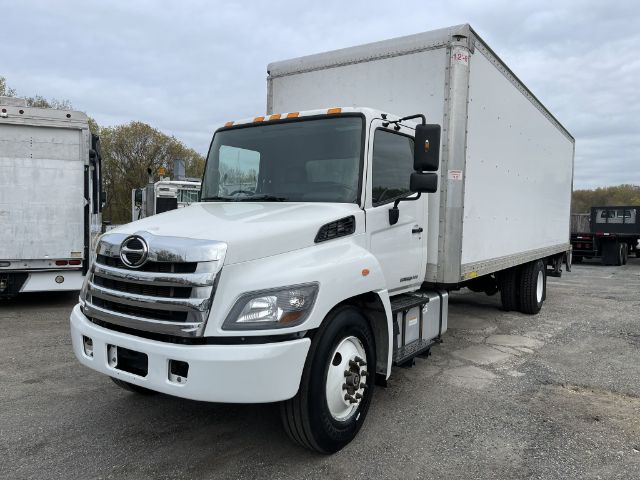
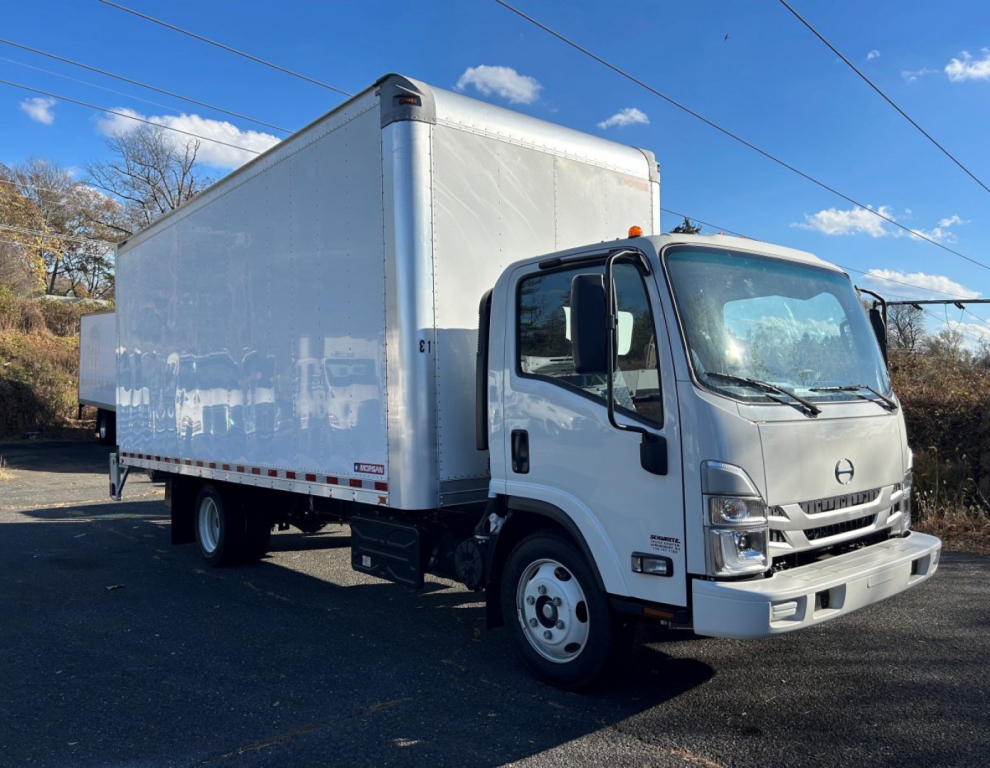
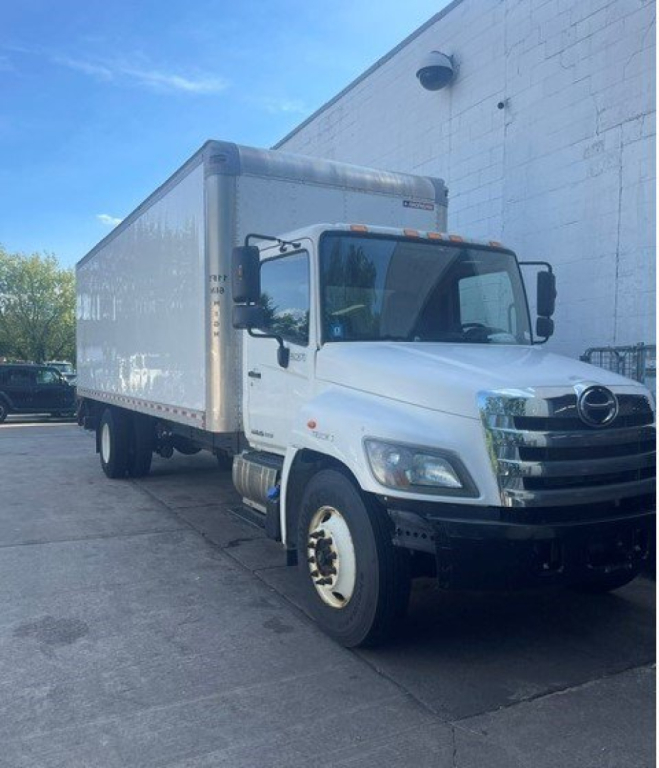
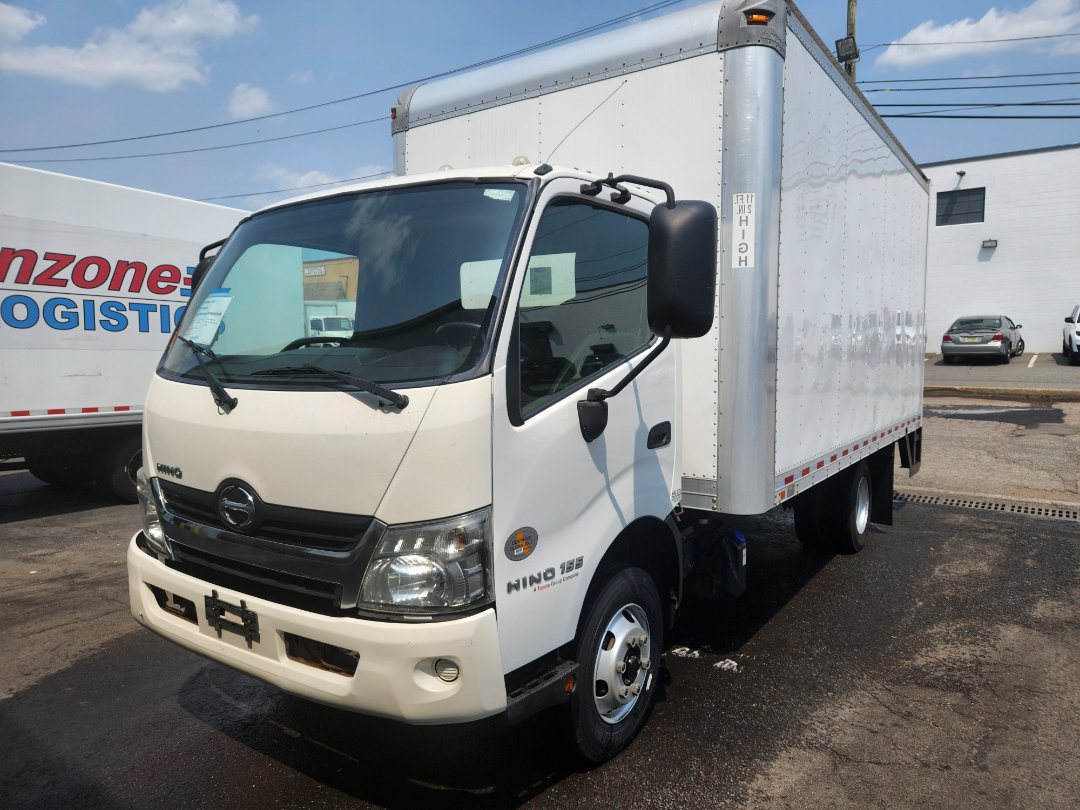
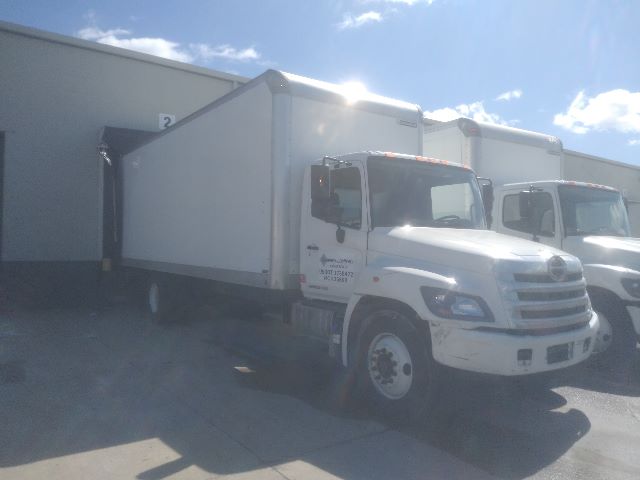
Selling a 2017 hino box truck? List your 2017 hino box truck for sale and reach thousands of commercial buyers.
2017 Hino Box Trucks
The core drivetrain on many 2017 Hino box trucks is the Hino J08E diesel paired with an Allison automatic transmission. That combination is popular with mixed-driver fleets because it is straightforward to operate and well suited to stop-and-go routes. Buyers should pay close attention to axle ratings, brake type, and suspension spec, especially on trucks carrying heavier payloads or using liftgates daily. Class 6 configurations are common, with front axles around 10,000 pounds and rear axles in the 17,500 to 19,000 pound range. Air brakes, spring suspension, and 22.5-inch rubber are frequently seen on 26-foot units, while smaller body specs may ride on 19.5-inch tires.
Body configuration matters as much as chassis condition. A typical 2017 Hino box truck may have a Morgan, Mickey, or similar dry van body with features like a roll-up rear door, wood or laminated hardwood floor, plywood or composite liners, translucent roof, and E-track for cargo control. Liftgates in the 2,500 to 3,300 pound range are common and can materially affect usable payload, so body weight and gate capacity should be reviewed together. Rear door opening height, inside body height, and curbside access doors are worth checking if the truck will handle pallets, route stops, or hand-unloaded freight. For urban use, wheelbase and cab-to-axle dimensions also influence turning radius and dock approach.
Condition should be evaluated beyond mileage alone. On a 2017 model, service history, DEF and emissions performance, transmission operation under load, door and liftgate function, floor wear, and signs of body repairs are all important. Buyers comparing Hino against other medium-duty box trucks often value the cab ergonomics, diesel durability, and route-ready spec choices found on these units. The best match usually comes down to body length, payload needs, non-CDL requirements, and whether the truck is set up for dock work, home delivery, or multi-stop city routes.
Frequently Asked Questions about 2017 Hino Box Trucks
Is a 2017 Hino 268 box truck usually non-CDL?
Many 2017 Hino 268 box trucks are spec'd at 25,950 GVWR, which places them just under the federal CDL threshold of 26,001 pounds. That makes them a common choice for fleets that want 26-foot cargo capacity without requiring a CDL for every driver. Buyers still need to confirm the actual door-sticker GVWR and local operating rules, because body spec, registration, and brake requirements can vary by truck and jurisdiction.
What engine and transmission are common in a 2017 Hino box truck?
A common setup is the Hino J08E diesel engine matched to an Allison automatic transmission. This pairing is widely used in medium-duty delivery applications because it offers predictable performance in stop-and-go traffic and is easy to manage across multi-driver fleets. When evaluating a used truck, it is worth confirming engine family, emissions system condition, transmission model, and maintenance history rather than assuming every truck is identically spec'd.
What body length is most common on a 2017 Hino box truck?
The 26-foot body is one of the most common configurations, especially on Hino 268 non-CDL chassis, but shorter bodies are also used depending on route density and payload needs. Body length alone does not tell the whole story. Inside height, rear door opening, liftgate style, body construction, and cab-to-axle measurement all affect how useful the truck will be for palletized freight, home delivery, or city-route work.
What should I inspect on a used 2017 Hino box truck besides mileage?
Mileage matters, but route trucks should be judged heavily on service records, idle exposure, transmission shift quality, brake condition, tire wear, and the health of the emissions system. On the box itself, inspect the floor, roof, front wall, roll-up door, side skins, and any liftgate for structural wear or water intrusion. A delivery truck can have acceptable mileage and still need costly body or rear-frame work if it has seen hard dock use or repeated liftgate loading.
Are liftgates common on 2017 Hino box trucks?
Yes, many 2017 Hino box trucks are equipped with tuck-away or rail-style liftgates, often rated around 2,500 pounds. A liftgate adds flexibility for final-mile and route delivery but also adds weight, which reduces net payload. Buyers should compare the liftgate capacity, platform size, hydraulic function, and remaining payload together so the truck matches the freight being handled.