
Hino Box Trucks For Sale in Florida
Browse Hino box trucks for sale in Florida, including Hino 195 and 268A dry vans with liftgates, automatic transmissions, and under-CDL GVWR options.
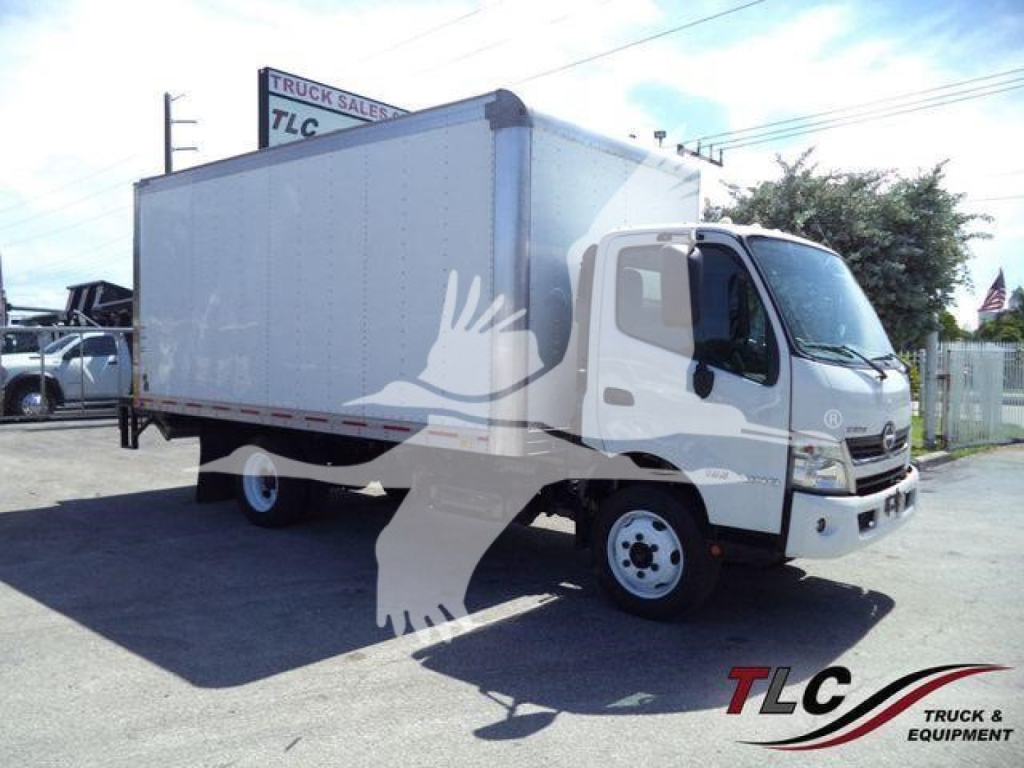
Selling a hino box truck? List your hino box truck for sale and reach thousands of commercial buyers.
Hino Box Trucks in Florida
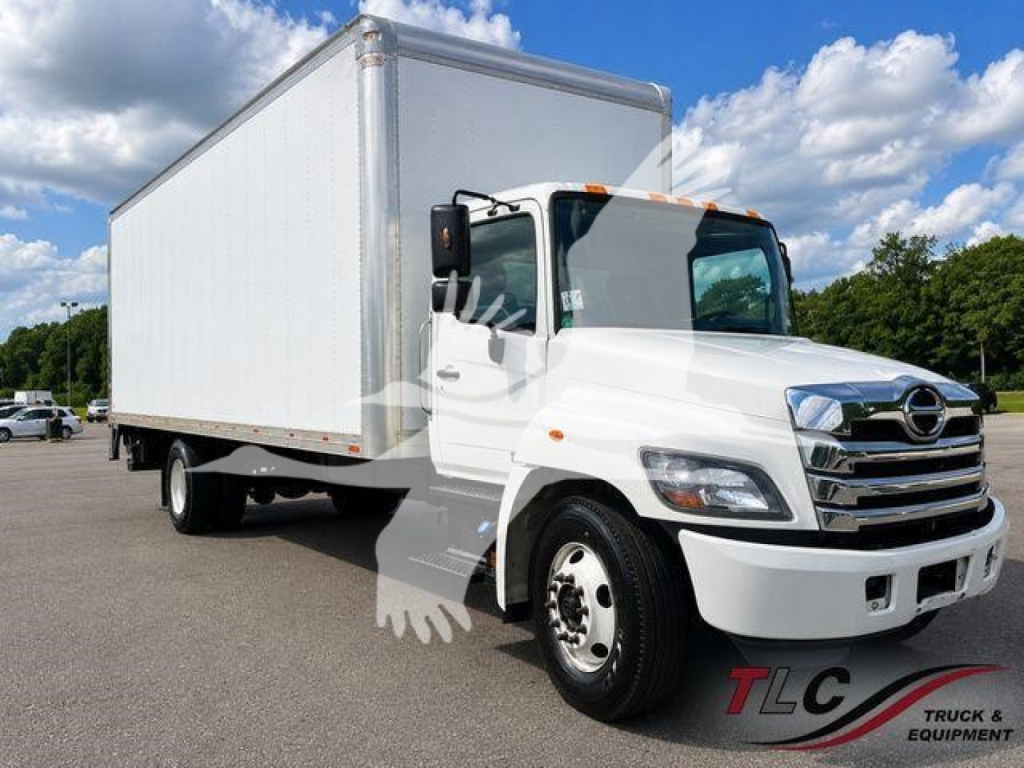
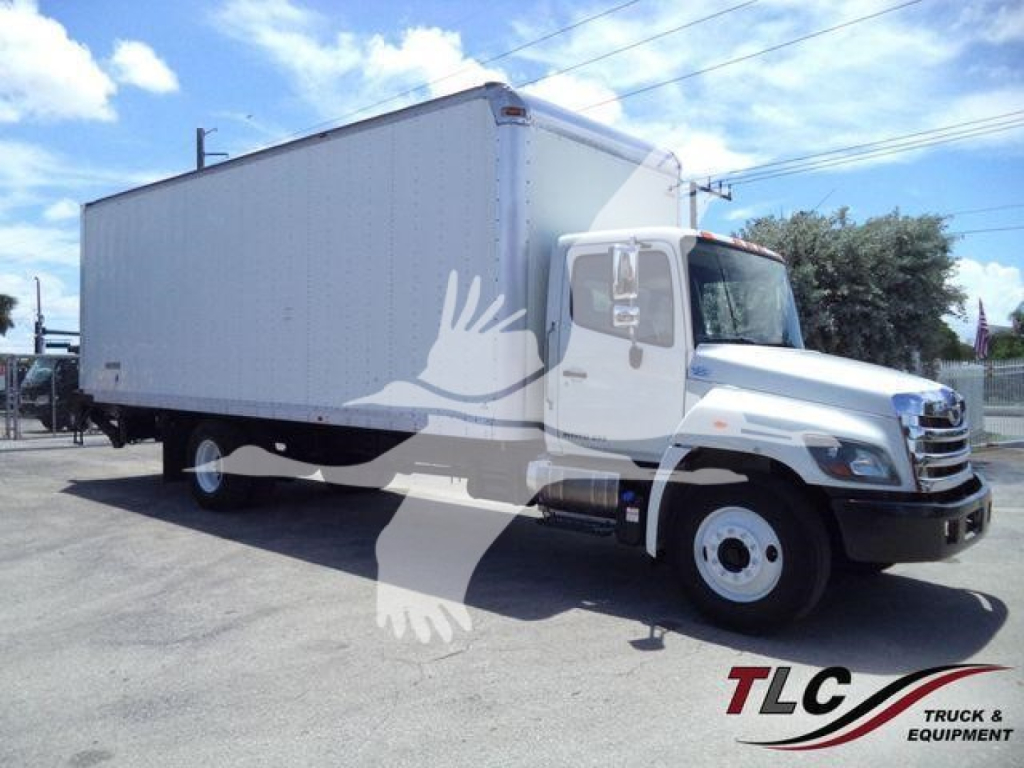
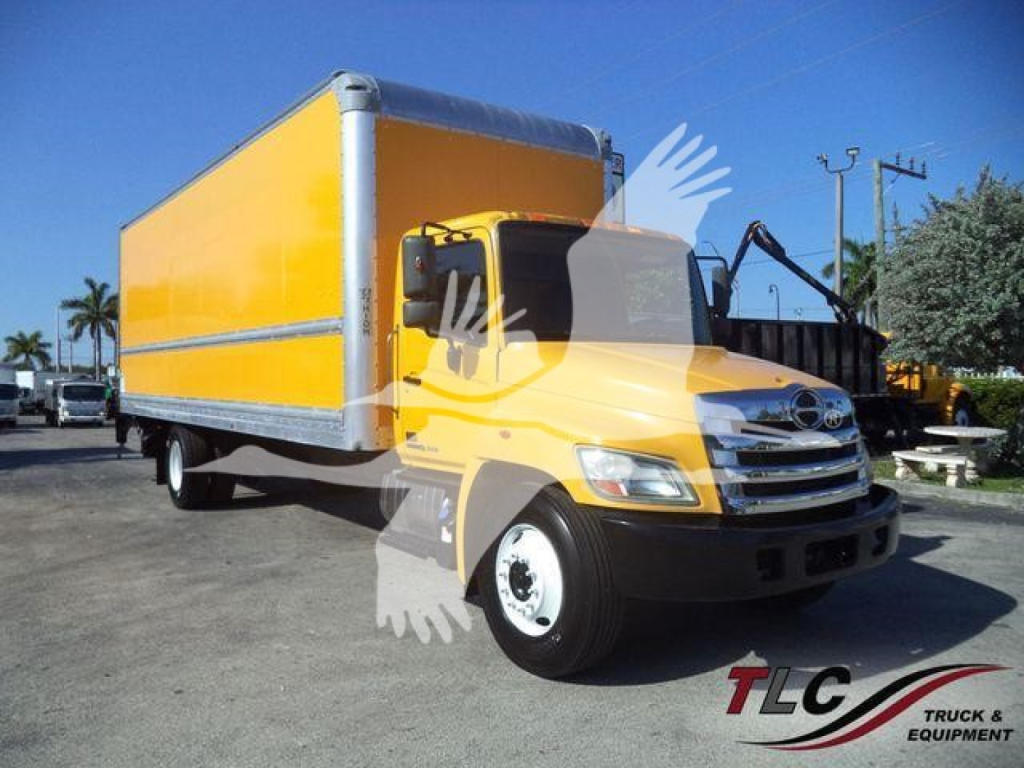
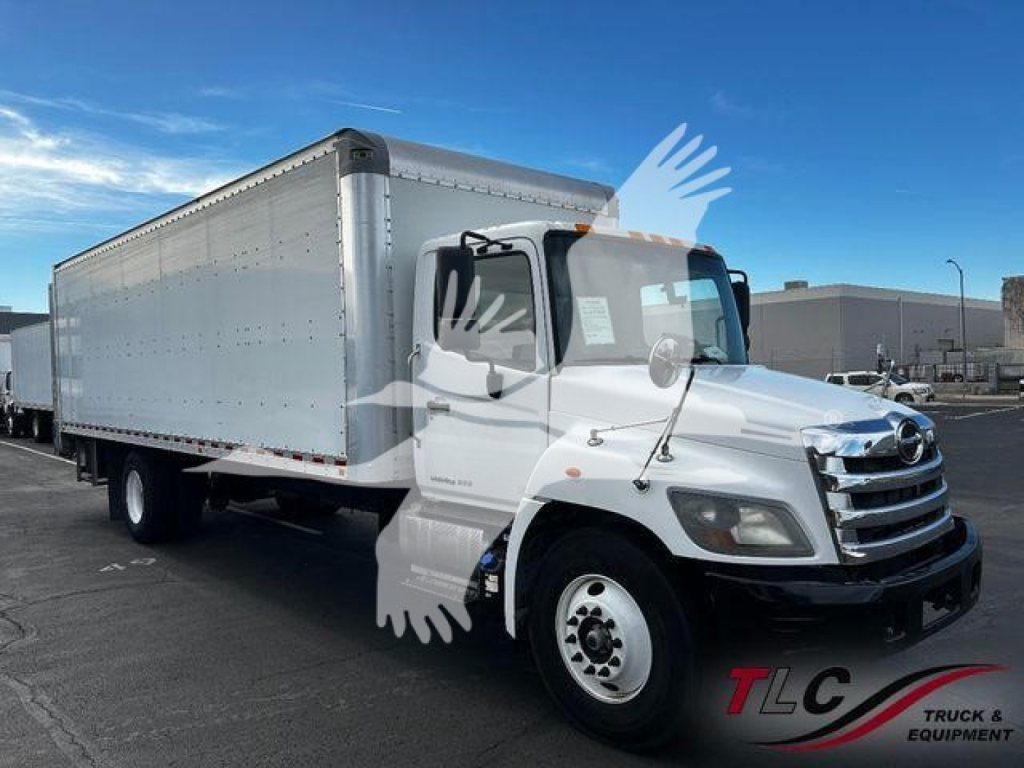
The first decision is usually GVWR and body length. A Hino 195 often appears with a 16-foot box and a 19,500-lb GVWR, which keeps it under CDL in many applications while still offering enough capacity for local delivery routes. A Hino 268A is commonly spec'd at 25,950-lb GVWR with a 26-foot dry van body, giving buyers a larger cube for bulky freight while staying just under the 26,001-lb CDL threshold. Common body features in this category include roll-up rear doors, hardwood or laminated floors, E-track, scuff liners, translucent roofs, and tuck-under or rail liftgates in the 2,500-lb to 3,500-lb range.
Powertrain choice is one reason many fleets shop Hino. Medium-duty Hino box trucks are often equipped with diesel engines such as the 5.1L J05E series or the 7.6L J08E series, paired with automatic transmissions, frequently Allison units on the heavier models. That combination suits stop-and-go routes and drivers with mixed experience levels. On a used truck, it is smart to look beyond engine hours and mileage and inspect the body condition closely. Pay attention to roof bow straightness, front wall repairs, floor wear at the threshold, liftgate operation, door frame alignment, and signs of water intrusion. On Florida trucks, corrosion is usually less severe than in northern road-salt markets, but humidity, coastal exposure, and hard urban delivery use can still show up in door hardware, electrical connections, and liftgate components.
A good Hino box truck spec matches the freight, not just the budget. Furniture and appliance delivery may call for a wide-body box, walk ramp or liftgate, and interior logistics track. General parcel or retail work may benefit from a shorter wheelbase for tighter city access. Buyers comparing listings should verify axle ratings, rear door opening height, inside body dimensions, fuel capacity, brake type, and whether the truck has been maintained as a fleet unit or operated in more demanding move-and-haul service. When the chassis, box, and loading equipment are matched correctly, a Hino box truck can be a productive medium-duty platform with practical operating costs and strong day-to-day usability.
Frequently Asked Questions about Hino Box Trucks in Florida
What are the most common Hino box truck models buyers look for?
The Hino 195 and Hino 268A are two of the most common models in this category. The 195 is typically used for lighter delivery work with shorter boxes and a 19,500-lb GVWR, while the 268A is a heavier medium-duty straight truck often paired with 24-foot or 26-foot dry van bodies. The right choice depends on body length, payload needs, route type, and whether staying under CDL weight limits is important for your operation.
Do Hino box trucks usually fall under CDL weight limits?
Many do, but not all. A common Hino 195 spec is 19,500 lbs GVWR, and many Hino 268A box trucks are spec'd at 25,950 lbs GVWR. Both are under the 26,001-lb federal CDL threshold. That said, buyers should confirm the door sticker and chassis rating on the specific truck, because body size, liftgate weight, and upfit choices can affect legal payload and operating requirements.
What body features matter most on a used Hino box truck?
The most important body features depend on the freight, but buyers usually prioritize inside box dimensions, rear door type, floor condition, and cargo control equipment. Roll-up doors are common for route delivery. E-track and scuff liners help with load securement and wall protection. A liftgate is often essential for palletized freight, appliances, and deliveries without dock access. It is also important to inspect the box roof, front wall, floor crossmembers, and rear frame for damage, leaks, or poor repairs.
Are Hino box trucks good for Florida delivery work?
Yes. Hino box trucks are well suited for Florida operations that involve urban delivery, regional hauling, and stop-and-go service. Buyers in Florida often value automatic transmissions, tight turning capability, and under-CDL GVWR options for multi-driver fleets. The climate reduces exposure to road salt compared with northern states, but used trucks should still be checked for rust on hardware, liftgate components, wiring connections, and any areas exposed to coastal air or repeated moisture.
What should buyers inspect first on a used Hino box truck?
Start with the truck's intended job, then inspect the chassis and body as a single package. Confirm the GVWR, axle ratings, wheelbase, body length, and payload capacity. Review engine and transmission service history, then inspect the box floor, rear door tracks, hinges, roof seams, and liftgate operation. On delivery units, cab wear, suspension condition, brake life, and signs of repeated dock impact can tell you a lot about how the truck was used and how much reconditioning it may need.