
New Mack Box Trucks For Sale
Shop new Mack box trucks built for delivery, moving, and route work with diesel or electric power, liftgate options, and CDL or non-CDL specs.
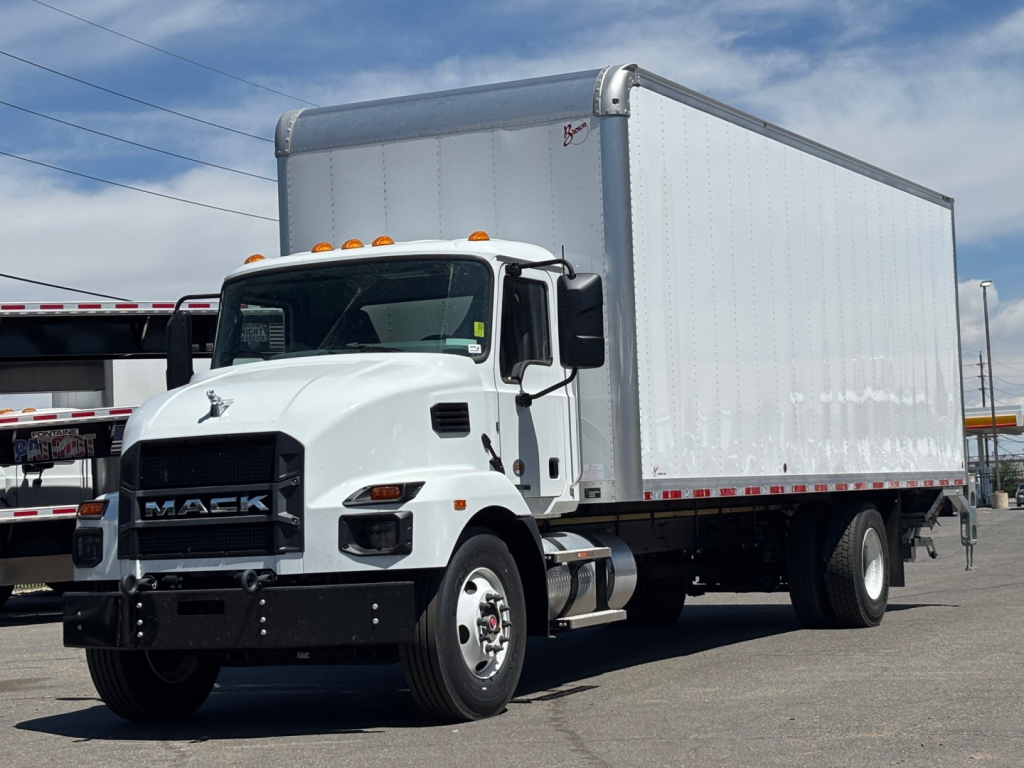
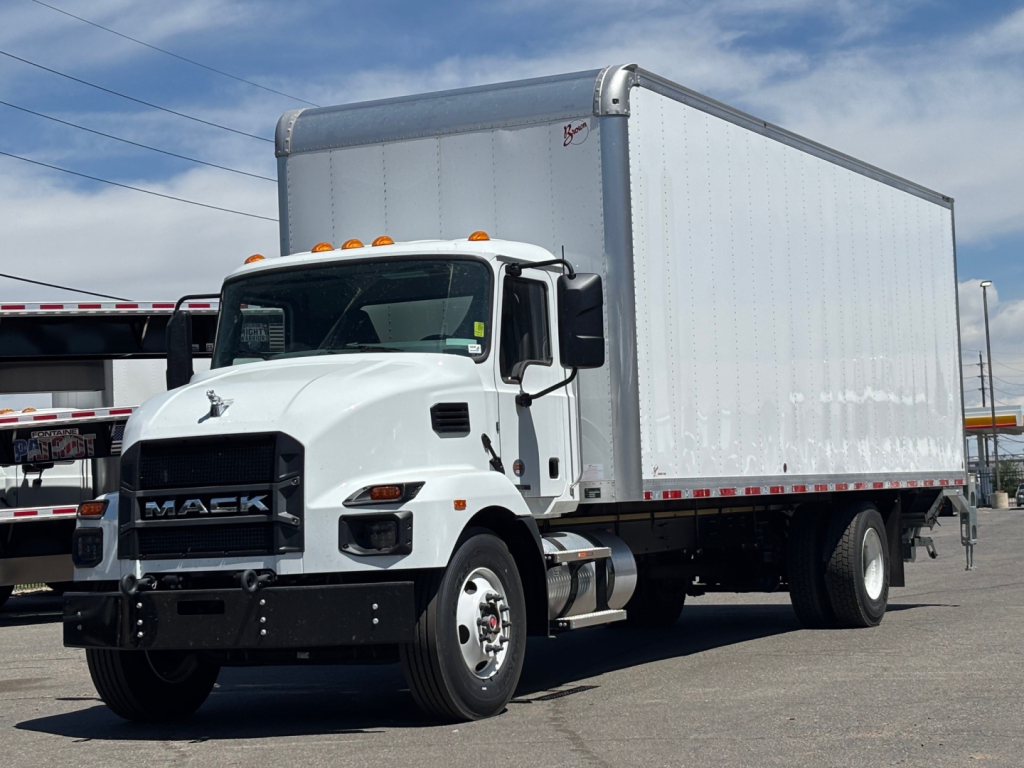
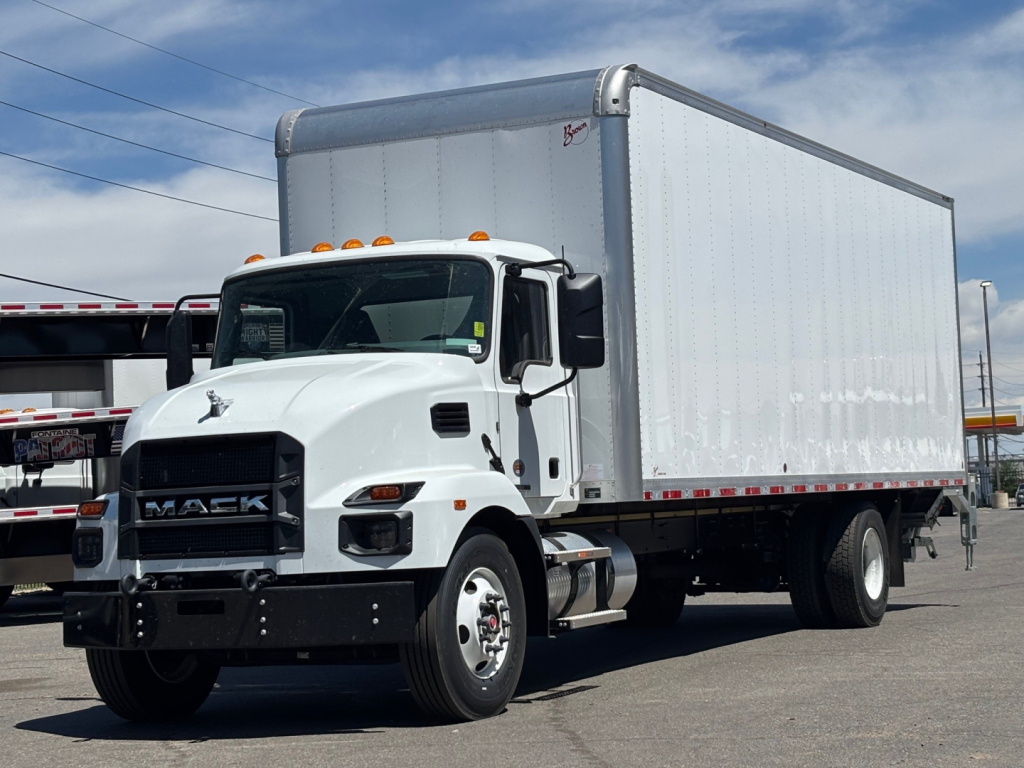
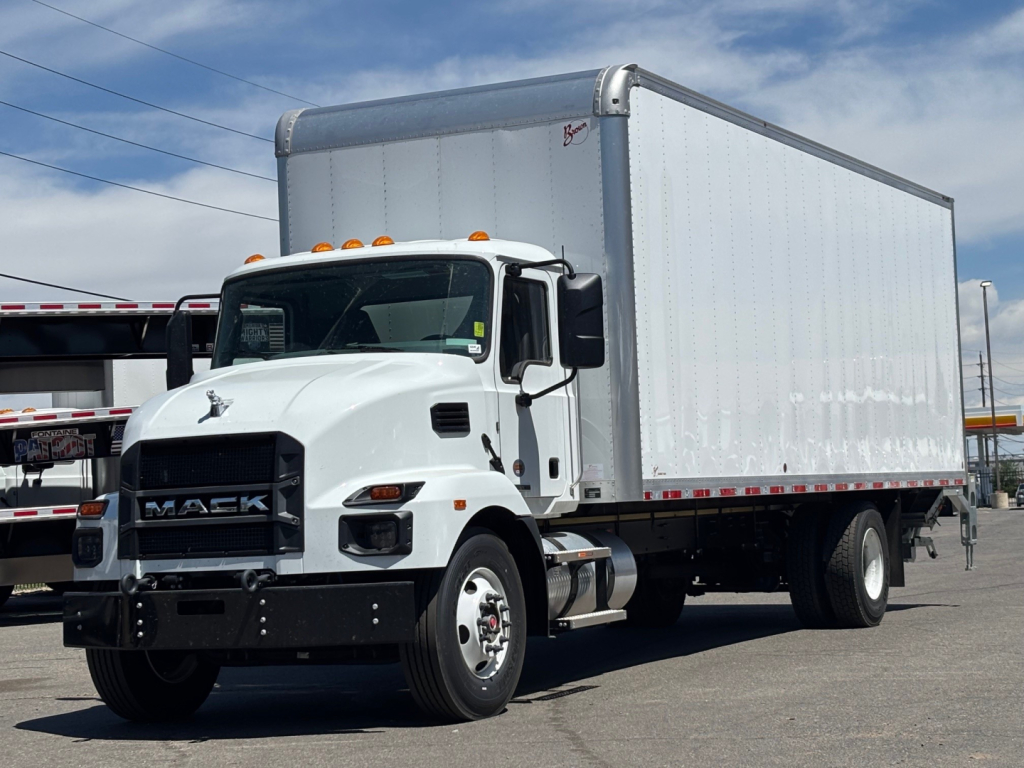
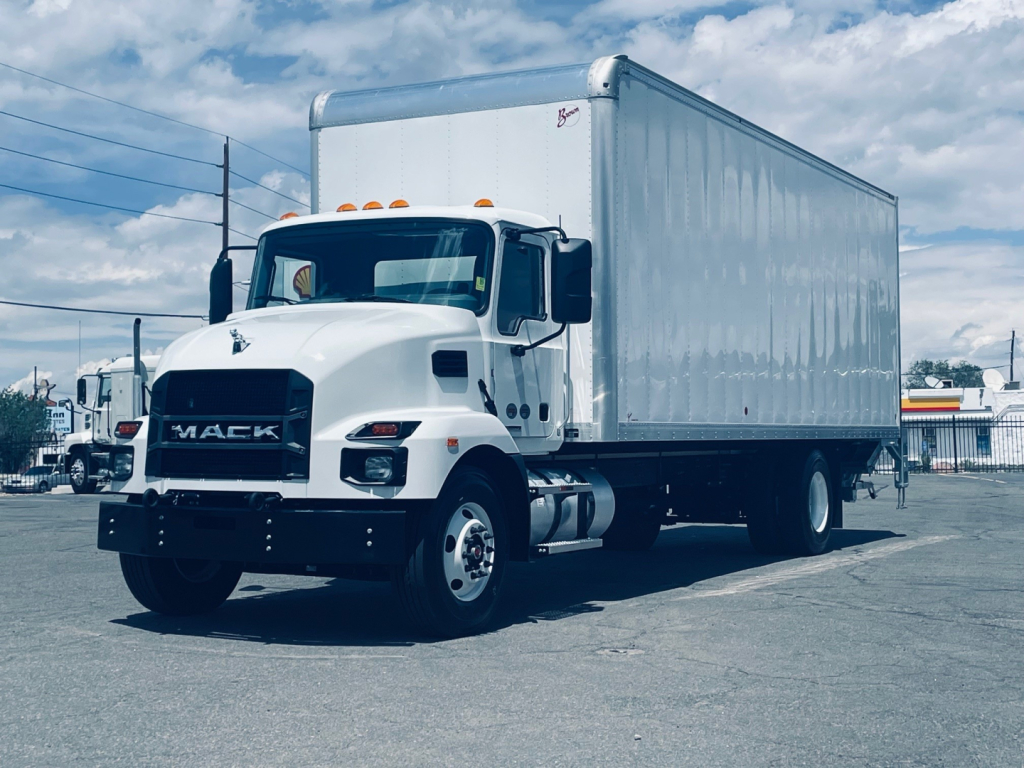
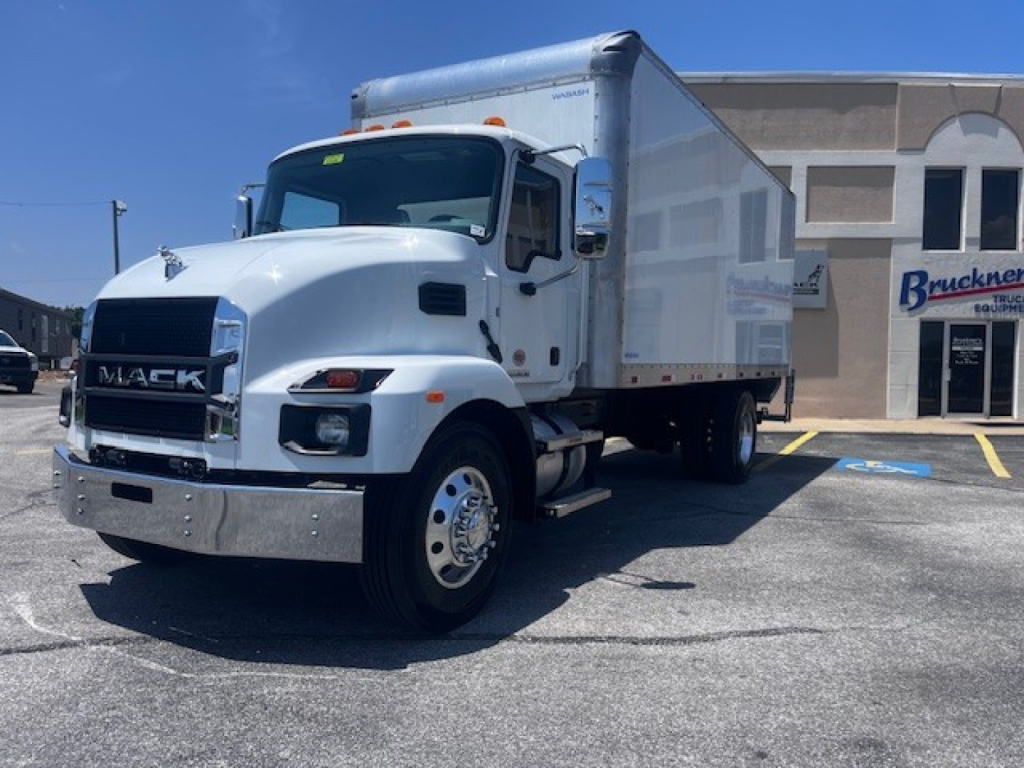
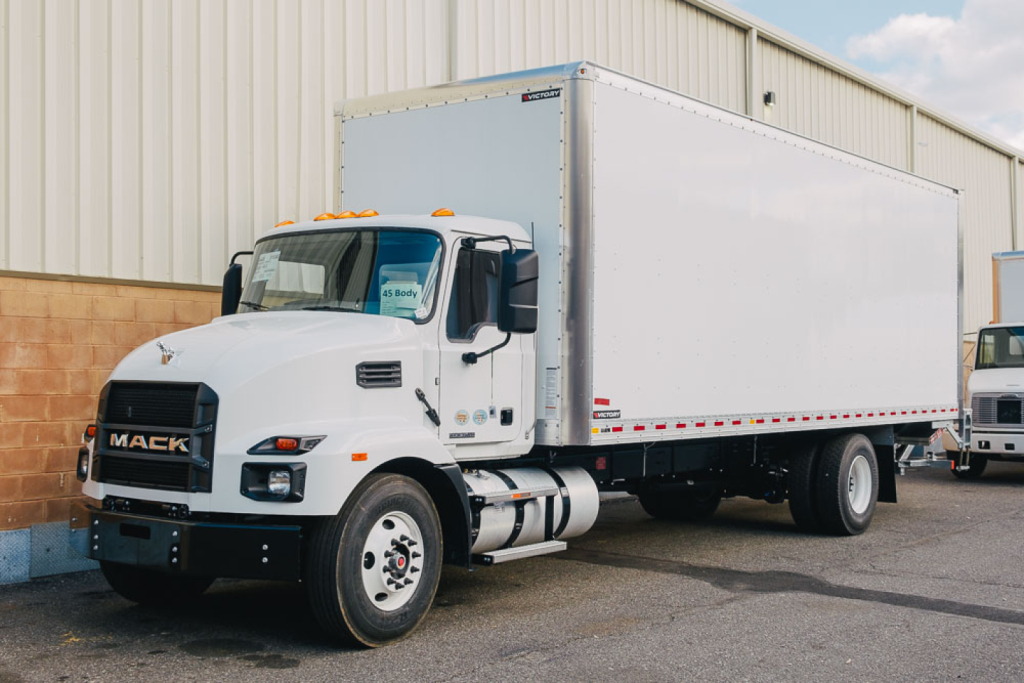
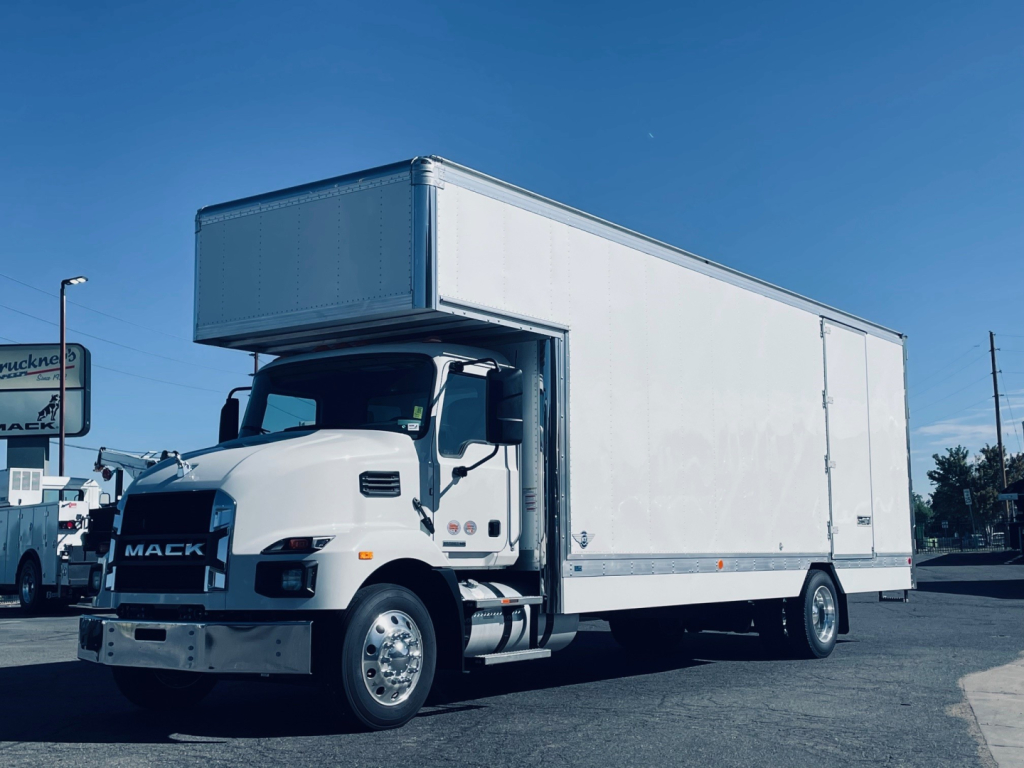
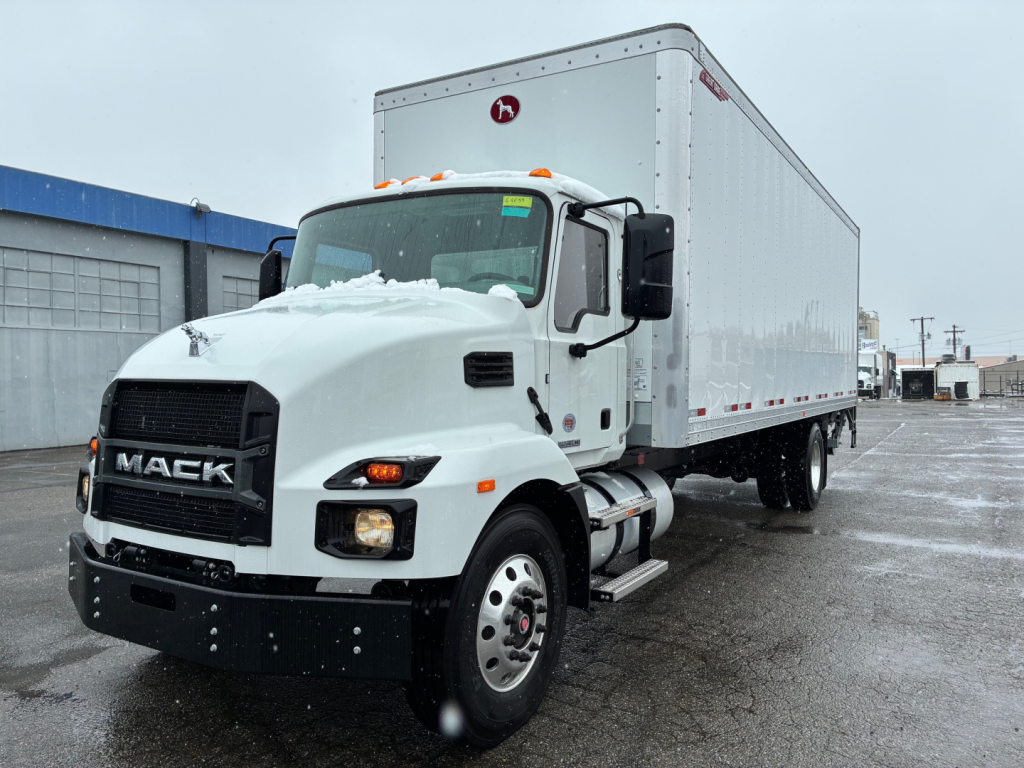
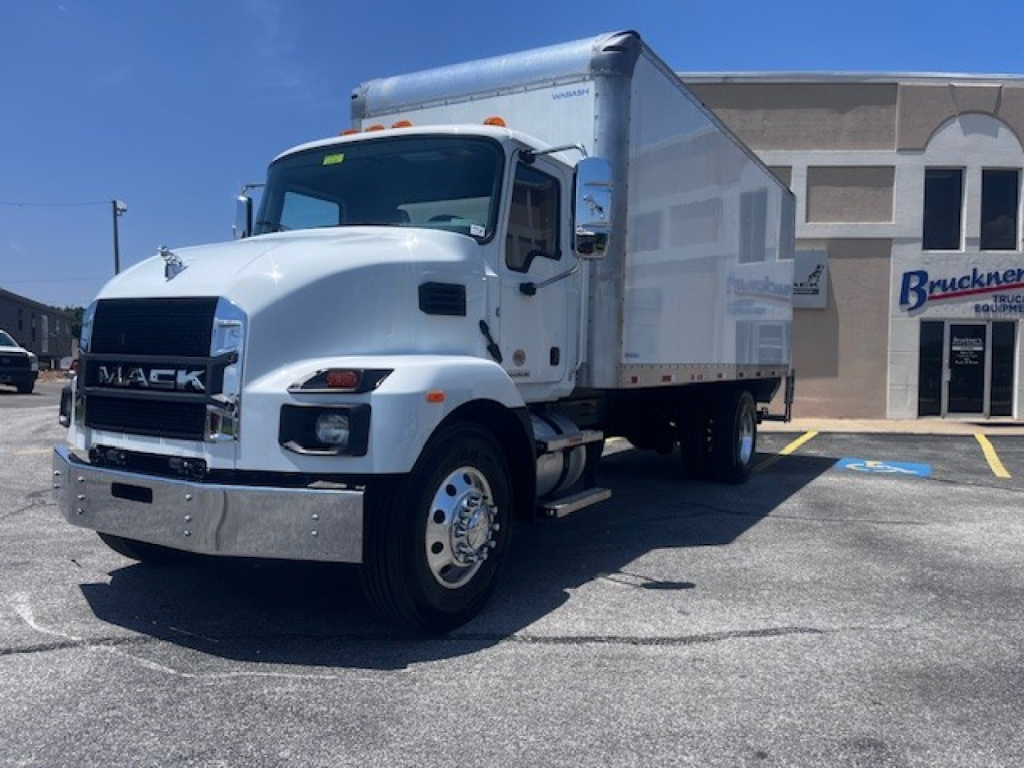
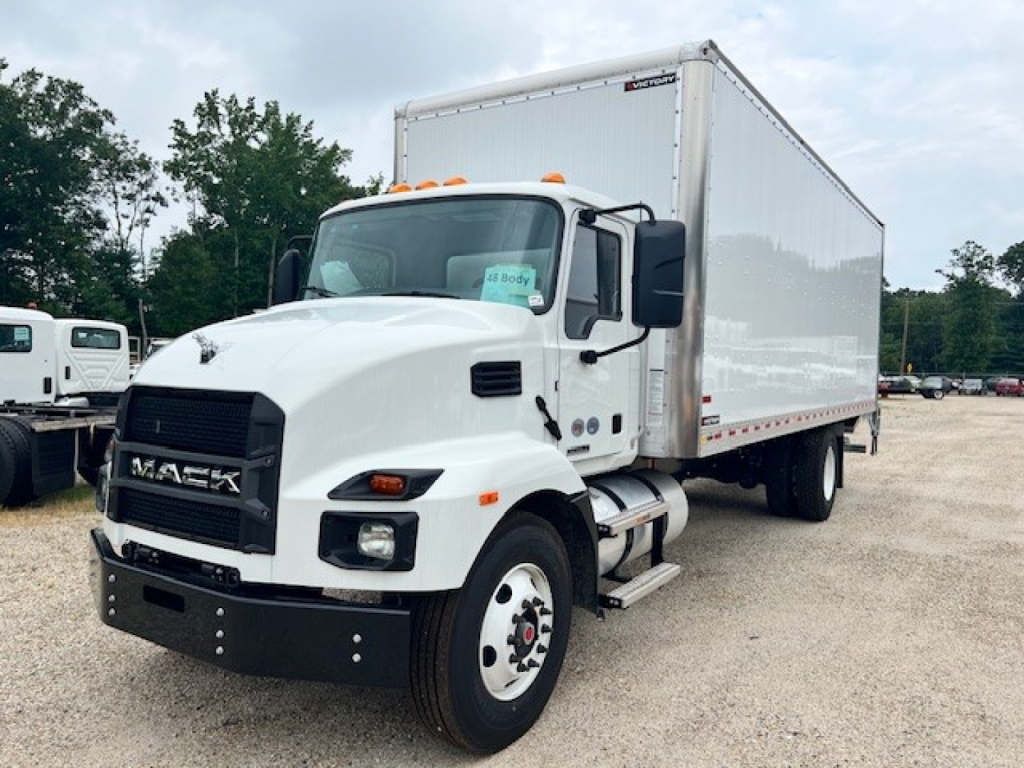
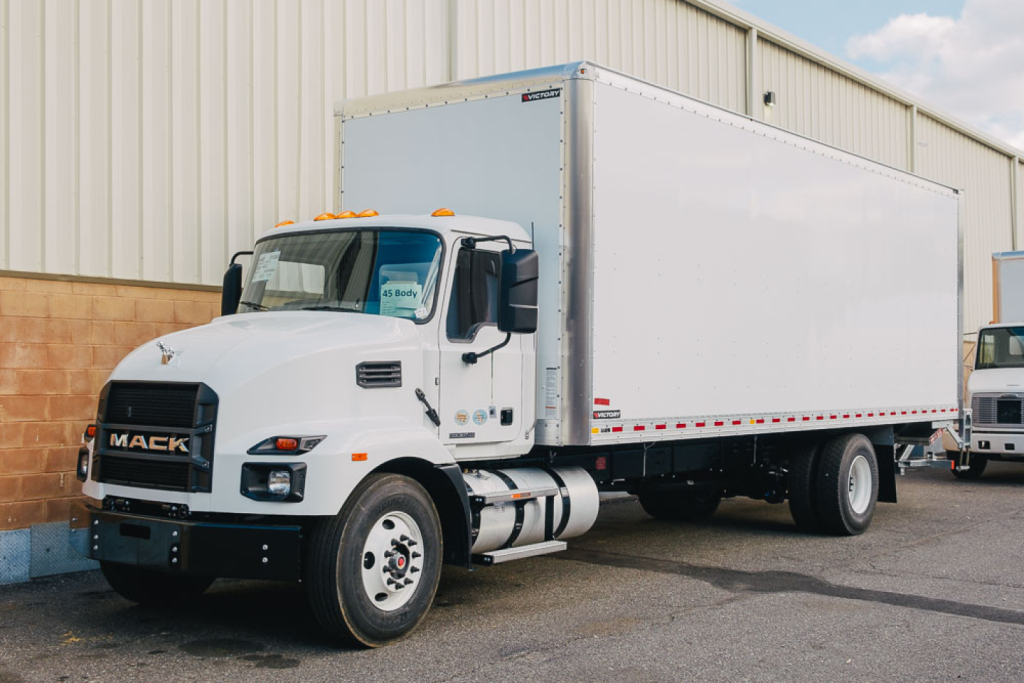
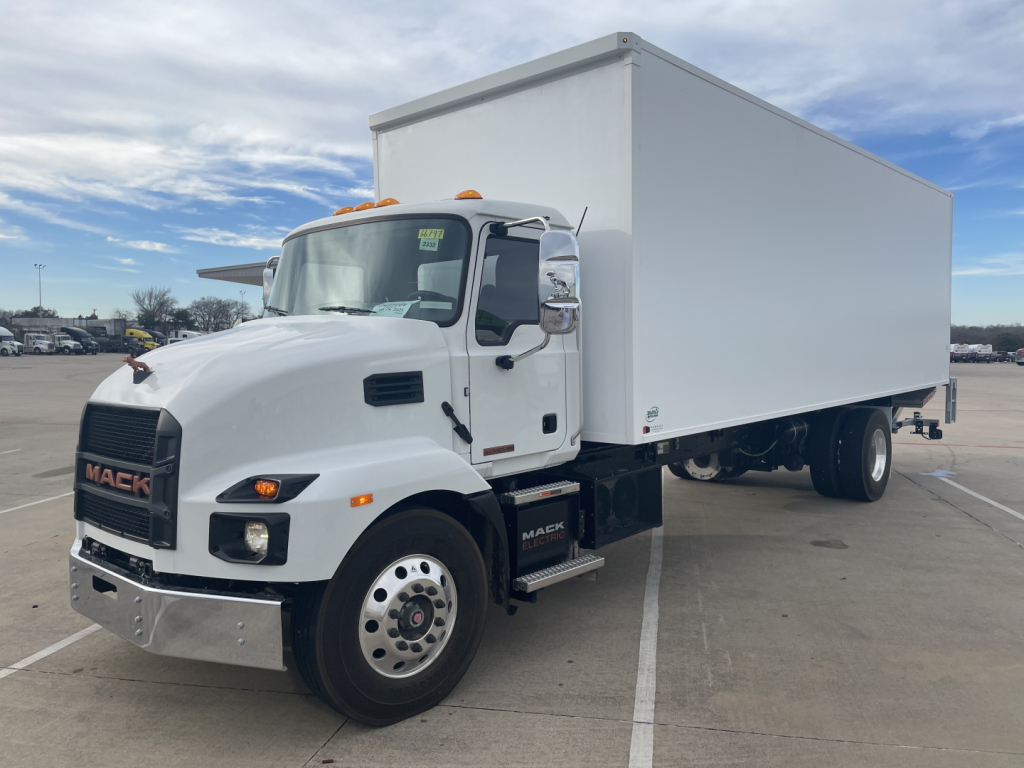
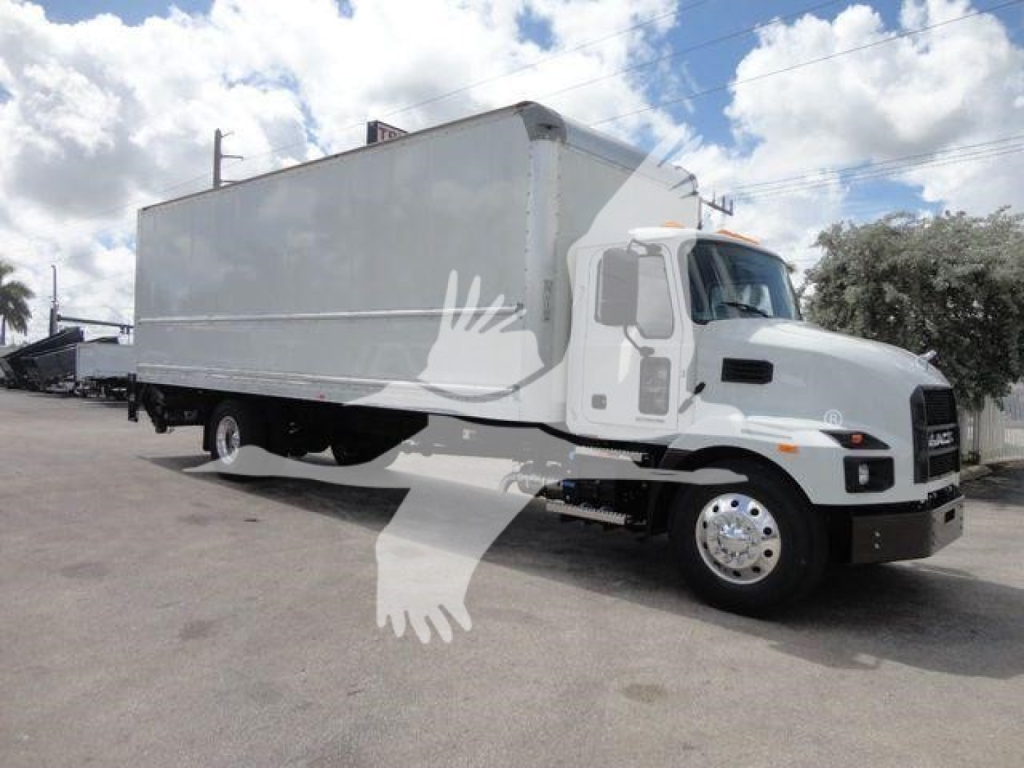
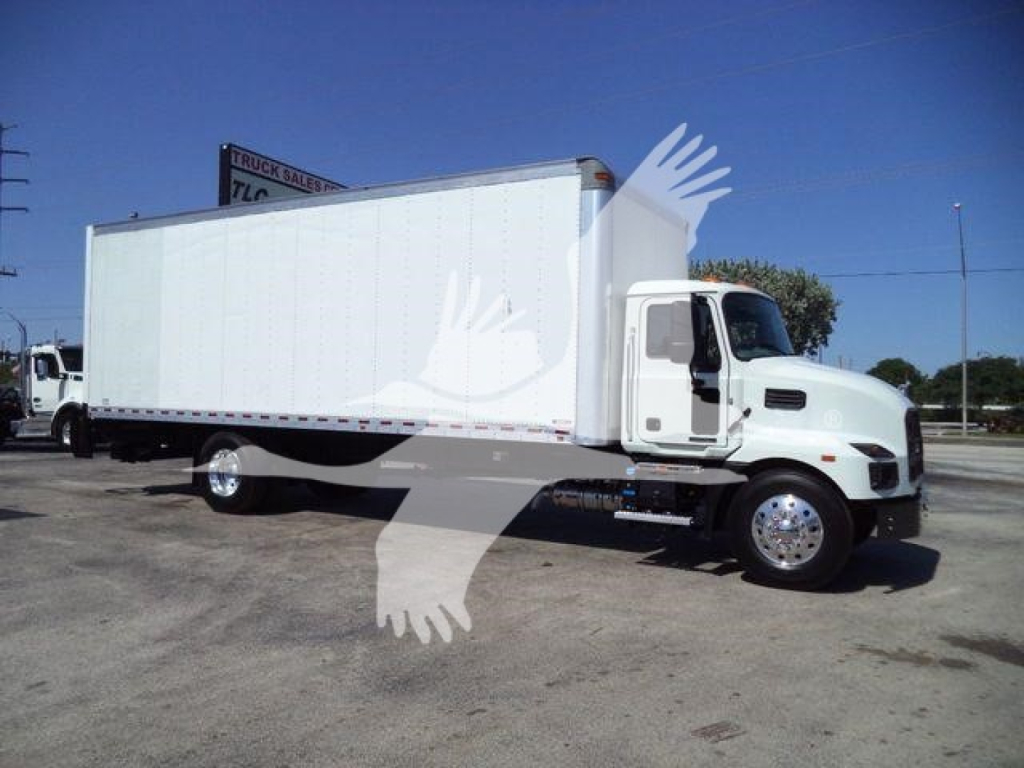

Selling a new mack box truck? List your new mack box truck for sale and reach thousands of commercial buyers.
New Mack Box Trucks
A key buying decision is GVWR and licensing. The Mack MD6 is often configured right at or just under the 26,000-lb threshold for non-CDL operation, which can be a major advantage for fleets hiring route drivers. Buyers needing more payload capacity typically move into MD7 territory, where 33,000-lb GVWR specs are common and CDL requirements usually apply. Diesel models in this class are frequently powered by the Cummins ISB 6.7 paired with Allison automatic transmissions such as the 2500 RDS or 3000 RDS. That combination is popular because it is simple to operate in stop-and-go service, well supported in the field, and proven in P&D and urban delivery applications.
Body and upfit details make a bigger difference than many first-time buyers expect. Common specs include 102-inch wide bodies, interior heights around 103 inches, roll-up rear doors, galvanized scuff liners, E-track or cargo slats, and liftgates in the 3,000-lb class from suppliers like Dhollandia. Crossmember spacing, longrail construction, and floor ratings matter if the truck will see pallet jack traffic or forklift loading. Suspension choice also affects the job. Air rear suspension can help protect sensitive cargo and improve ride quality, while multi-leaf setups are straightforward and durable for heavier vocational use. Wheelbase, rear axle rating, and body length should be matched carefully so the truck balances payload, turning radius, and dock access.
Electric Mack box trucks also deserve a close look for urban and return-to-base operations. The Mack MD6 E brings zero-emission capability to the same straight-truck format, making it relevant for fleets working in emissions-regulated markets or trying to reduce fuel and idle-related costs. Battery capacity, charging time, route length, and body weight become central spec points on electric units, along with regenerative braking performance in dense city traffic. For any new Mack box truck, the smartest comparison points are GVWR, body dimensions, liftgate rating, rear suspension, axle capacities, and whether the spec supports your actual freight profile instead of just the maximum box size.
Frequently Asked Questions about New Mack Box Trucks
What is the difference between a Mack MD6 box truck and a Mack MD7 box truck?
The main difference is capacity. A Mack MD6 is commonly spec'd in the Class 6 range and can be built as a non-CDL box truck when the GVWR is kept under 26,000 pounds. A Mack MD7 moves into heavier Class 7 territory with higher axle ratings and GVWRs that often reach 33,000 pounds, which supports more payload but usually requires a CDL driver. Buyers should compare actual body weight, liftgate weight, and cargo needs before choosing between the two.
Can a new Mack box truck be configured as a non-CDL truck?
Yes, many Mack MD6 box trucks are ordered in non-CDL configurations. The important factor is the final GVWR, not just the model name. A truck can have a large 24-foot or 26-foot box and still be set up under the 26,000-lb threshold, but body construction, liftgate size, and cargo requirements all affect available payload. Non-CDL specs are popular for moving, final-mile delivery, and route service where driver availability is a concern.
What engine and transmission are common in new Mack box trucks?
Most diesel Mack box trucks in this segment are equipped with the Cummins ISB 6.7 engine and an Allison automatic transmission, commonly the 2500 RDS or 3000 RDS. Horsepower ratings often fall in the 260 to 300 HP range depending on the application. This powertrain is widely used because it performs well in stop-and-go service, offers predictable shift behavior for multiple drivers, and has strong service support across the medium-duty market.
What body features should matter most on a Mack box truck?
The body spec should match the freight and loading method. Important details include body length, inside height, floor strength, crossmember spacing, scuff liners, E-track or cargo slats, rear door type, and liftgate capacity. A furniture or moving application may prioritize interior cube, logistics fleets may focus on securement points and pallet handling, and heavier delivery work may require stronger floor and understructure ratings for forklift loading. Body details directly affect durability and usable payload.
Is an electric Mack box truck practical for delivery work?
An electric Mack box truck can be very practical for predictable urban and return-to-base routes. It is best suited to operations with known daily mileage, access to charging, and a freight profile that fits the battery and body weight package. Electric models can reduce fuel use, lower idle-related waste, and support zero-emission fleet goals, but buyers need to evaluate route length, charging windows, and payload impact before committing to the spec.