
New Mack Box Trucks For Sale in Washington
Have new mack box truck to sell? List it here to reach thousands of buyers.
New Mack Box Trucks in Washington
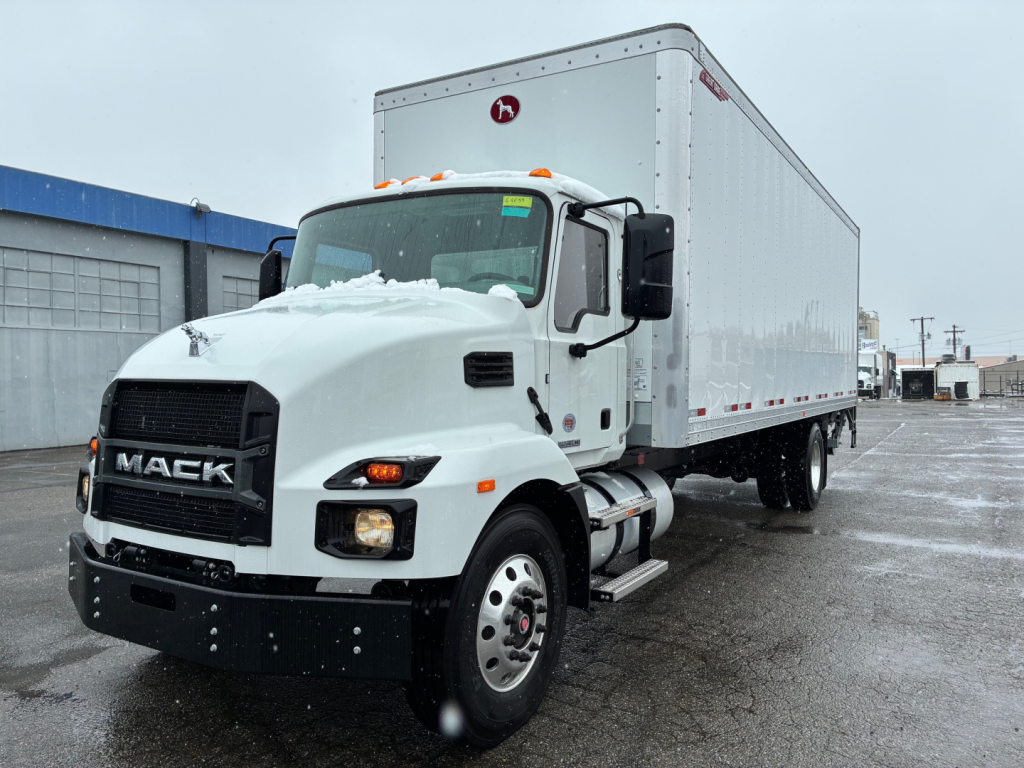
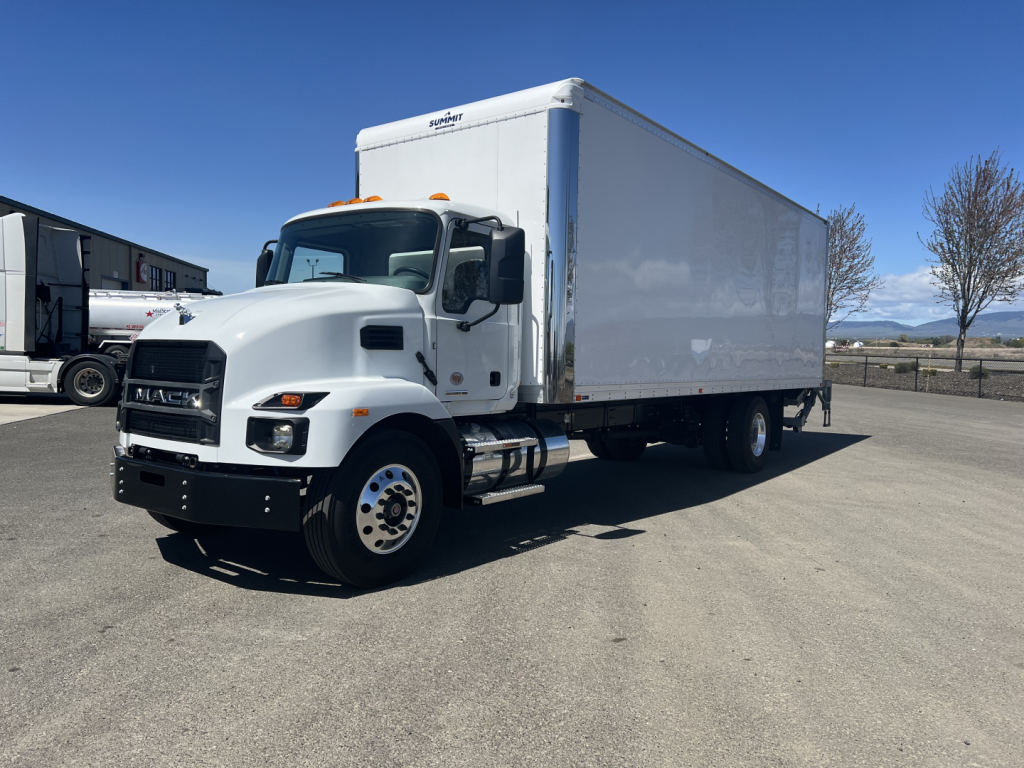
One of the biggest buying decisions in this category is GVWR and CDL status. Many new Mack box trucks are spec’d at or just under 26,000 pounds GVWR, which keeps them in the non-CDL range while still allowing a 24-foot to 26-foot box body, palletized freight, and liftgate operation. Popular configurations include aluminum or composite dry van bodies, roll-up rear doors, hardwood or laminated flooring, E-track, interior dome lighting, and reinforced rear frames for dock impact resistance. A 3,000-pound tuckaway liftgate is a common match for beverage, appliance, wholesale, and route-delivery work where loading flexibility matters as much as payload.
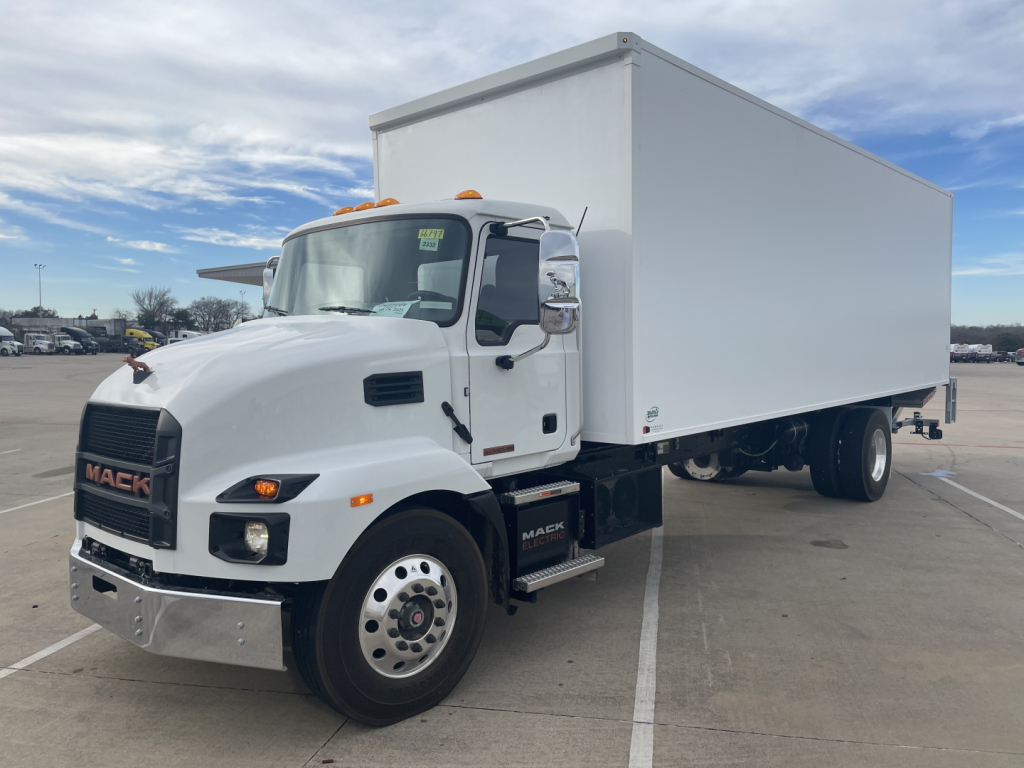
Powertrain choice matters because Mack box trucks in this segment can be found in both diesel and electric form. Diesel MD6 models are often paired with the Cummins 6.7L and an Allison automatic, a combination many fleets choose for predictable service support, straightforward operation, and solid low-speed drivability. Electric variants such as the MD6 Electric are aimed at return-to-base routes with consistent daily mileage, stop-and-go duty cycles, and fleets looking to reduce fuel use, idle time, and emissions exposure. For Washington buyers, route length, charging access, terrain, payload, and cold-weather operating patterns should all be evaluated before choosing between diesel and battery-electric.
Body spec is what turns a box truck from a generic chassis into a useful tool for a specific operation. Buyers should look closely at inside body height, cargo length, door opening dimensions, liftgate style, floor construction, and sidewall protection. If the truck will see heavy hand-cart use, frequent pallet jack loading, or forklift traffic, details like scuff liners, reinforced thresholds, and rear frame construction become more important. For fleets focused on driver retention and lower operating cost, it also pays to compare cab ergonomics, visibility, turning radius, service intervals, and how easily the body and chassis spec can be maintained across multiple trucks in the fleet.
Frequently Asked Questions about New Mack Box Trucks in Washington
What is the best GVWR for a new Mack box truck if I want to avoid CDL requirements?
A common target is 26,000 pounds GVWR or less, because that keeps the truck in the non-CDL range in many applications while still providing useful payload and body capacity. This is a popular setup for 24-foot to 26-foot dry van bodies used in local delivery, furniture, appliance, and palletized freight work. Buyers still need to confirm licensing, cargo weight, and state-specific rules, but non-CDL Mack MD6 box trucks are a frequent choice for fleets that want broader driver availability.
Are Mack box trucks good for liftgate delivery work?
Yes. Mack box trucks are well suited for liftgate applications because the medium-duty chassis can be spec’d for urban delivery, repeated stop-and-go use, and rear cargo access with tuckaway liftgates. A 3,000-pound liftgate is a common configuration for palletized freight, commercial deliveries, and routes without dock access. The right setup depends on freight type, but body floor height, rear axle rating, and liftgate capacity should all be matched to the heaviest routine loads.
Should I choose a diesel or electric Mack box truck?
Diesel is usually the better fit for longer regional runs, variable routes, heavier payload demands, and operations that need fast refueling with minimal infrastructure changes. Electric is better suited to predictable return-to-base routes, urban delivery cycles, and fleets that can support charging and manage route planning around range. In Washington, local terrain, weather, charging access, and utility costs can all affect the decision, so buyers should evaluate actual daily miles, stop count, dwell time, and payload before selecting a powertrain.
What body features matter most on a new Mack dry box truck?
The most important body features depend on how the truck will be loaded and unloaded. Cargo length, inside height, rear door opening, floor material, E-track placement, lighting, and liftgate spec all directly affect productivity. For operations using forklifts or heavy pallet traffic, reinforced rear frames, durable flooring, scuff liners, and threshold protection are especially important because they help the body hold up under repeated impact and abrasion.
Why are Mack MD6 box trucks popular for local and regional delivery?
The MD6 platform fits a useful middle ground for commercial delivery fleets. It offers medium-duty capacity, automatic transmission availability, good maneuverability for city work, and straightforward body upfit options for dry freight service. When spec’d under 26,000 pounds GVWR, it also opens the door to non-CDL operation in many cases, which can simplify staffing while still providing a professional-grade delivery truck.