
New 2026 Mack Box Trucks For Sale
Shop new 2026 Mack box trucks built for delivery, moving, and regional freight with durable cargo bodies, liftgate options, and diesel power.
Selling a new 2026 mack box truck? List your new 2026 mack box truck for sale and reach thousands of commercial buyers.
New 2026 Mack Box Trucks
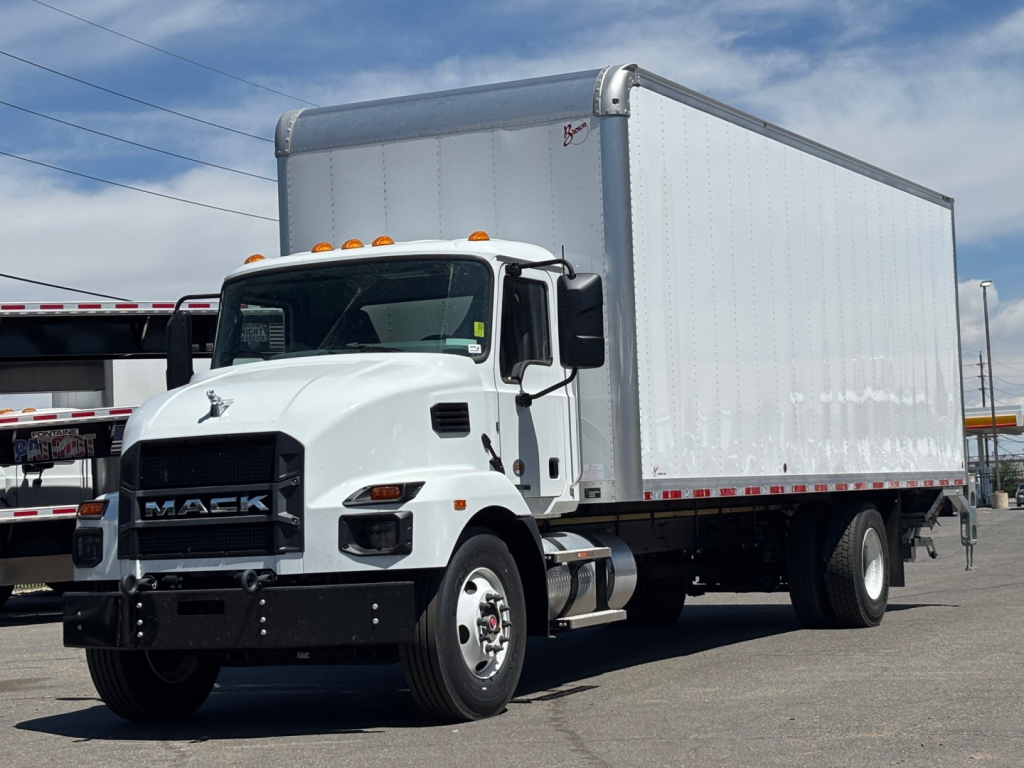
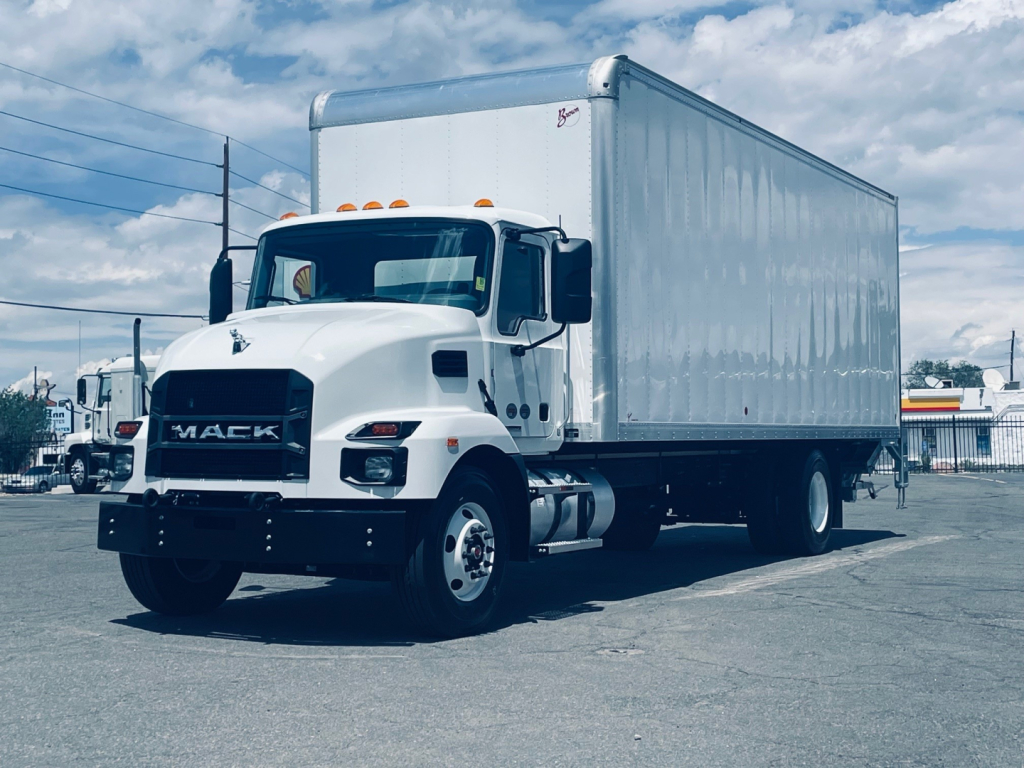
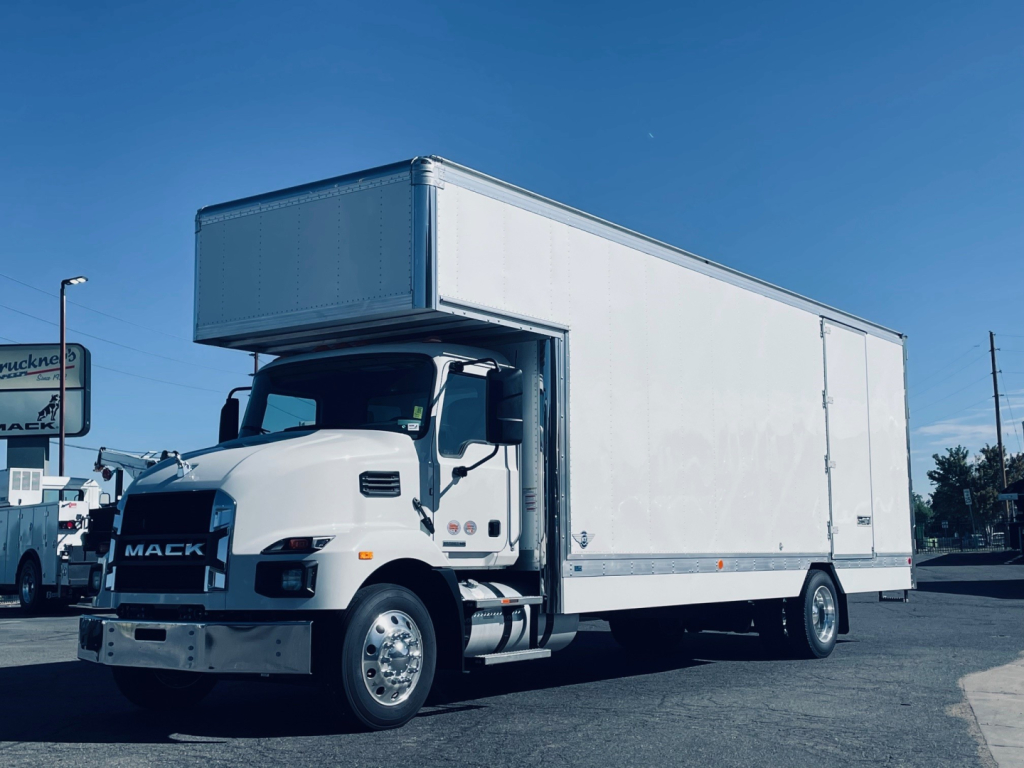
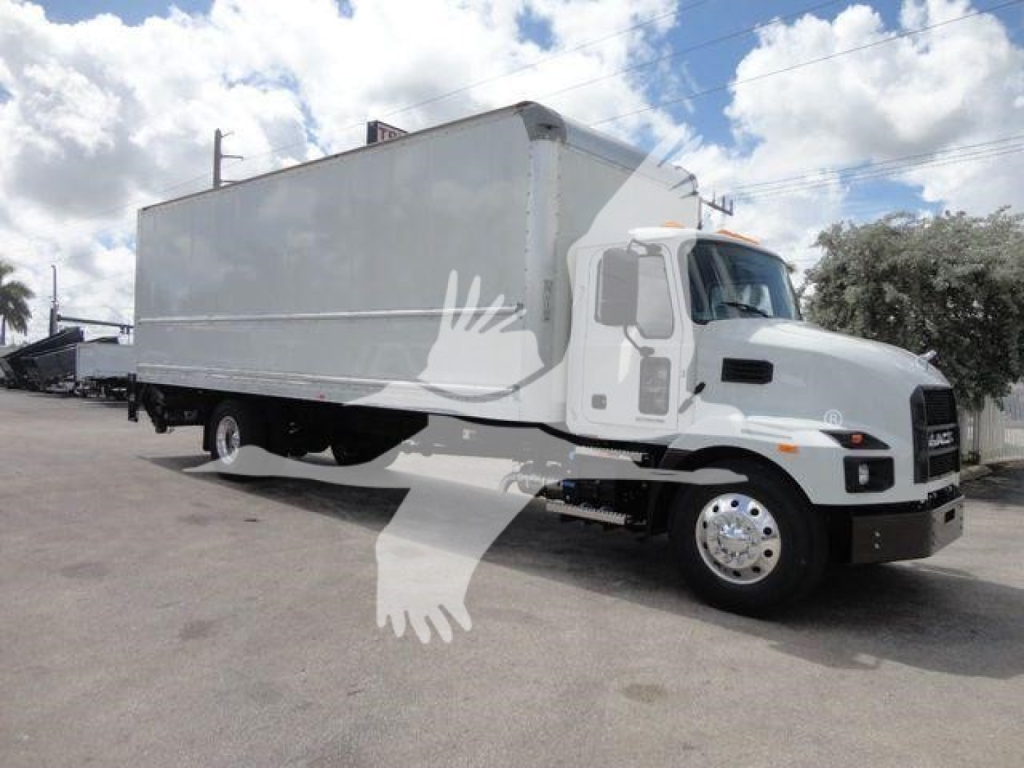
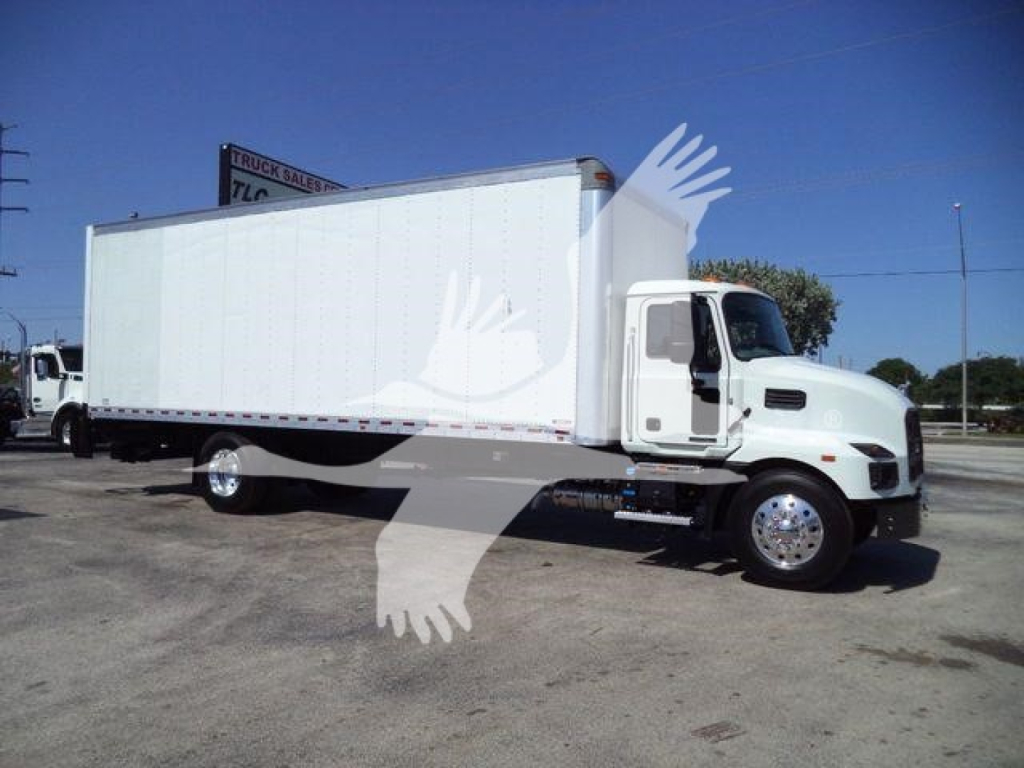
The most important buying decision is usually the body and rear access configuration, not just the badge on the hood. Many Mack box trucks in this class are spec'd with 26-foot cargo bodies, hardwood floors, aluminum roofs, scuff protection, recessed E-track, LED interior lighting, and tuckaway or rail liftgates rated around 3,000 pounds. If the truck will handle appliances, beverages, furniture, or mixed palletized freight, look closely at floor construction, bulkhead reinforcement, logistic track placement, and liftgate cycle rating. Roll-up doors are common for route delivery, while swing doors can make more sense for dock-based loading. A well-matched body spec saves time every stop and reduces cargo damage over the life of the truck.
On the chassis side, Mack medium-duty box trucks are commonly powered by the Cummins ISB 6.7L diesel paired with an Allison automatic transmission, a combination widely used in pickup-and-delivery fleets because it is familiar to technicians and easy to operate in stop-and-go service. Buyers should compare GVWR, front and rear axle ratings, wheelbase, fuel tank size, and cab-to-axle dimensions before focusing on horsepower alone. The right wheelbase and axle placement determine body length, liftgate fitment, turning characteristics, and overall bridge compliance. Visibility, cab entry height, and service access also matter in a box truck that may make dozens of stops per day.
For a 2026 model, the real value is in ordering the truck around the route profile. City delivery fleets may prioritize shorter wheelbases, lower cargo deck heights, and aggressive turning angles. Regional operations may lean toward larger bodies, higher cubic capacity, and durability features such as wearbands, thicker bulkheads, and heavy-duty rear frames for liftgate use. If the application involves foodservice, parcel, retail replenishment, or furniture delivery, pay attention to cargo securement options, interior wall lining, and how the body is built to absorb repeated dock impacts. A properly spec'd Mack box truck can deliver a long service life with straightforward maintenance, strong driver acceptance, and the kind of body durability that matters more every year the truck stays on route.
Frequently Asked Questions about New 2026 Mack Box Trucks
What is a Mack box truck typically used for?
A Mack box truck is typically used for final-mile delivery, regional distribution, retail replenishment, moving, and palletized freight service. This type of straight truck combines an enclosed cargo body with a medium-duty chassis, making it well suited for operations that need weather protection, organized cargo space, and frequent stop-and-go driving. Common applications include furniture delivery, beverage routes, appliance hauling, parcel work, and general freight where a trailer is not practical.
What body length is most common on a new Mack box truck?
A 26-foot body is one of the most common configurations in this category, especially on medium-duty Mack chassis used for delivery and distribution. That length offers a strong balance of cubic capacity, pallet space, and maneuverability. Some buyers choose shorter bodies for dense urban routes or specialized service work, but a 24-foot to 26-foot box remains the standard range for many commercial applications.
What drivetrain is commonly found in Mack medium-duty box trucks?
Many Mack box trucks in this class are equipped with the Cummins ISB 6.7L diesel engine and an Allison automatic transmission. This pairing is popular because it provides dependable power, broad service support, and driver-friendly operation in stop-and-go environments. For buyers managing fleet maintenance and training, a familiar diesel and automatic transmission setup can simplify ownership and reduce downtime.
How important is a liftgate on a box truck?
A liftgate is critical if the truck regularly delivers to locations without a dock or handles heavy freight that must be loaded and unloaded by a single driver or small crew. A 3,000-pound tuckaway liftgate is common for general delivery work, but the right capacity depends on the cargo mix, pallet weights, and delivery conditions. Buyers should also consider rear frame reinforcement, platform size, and how often the liftgate will cycle each day, because those factors directly affect long-term durability.
What should buyers compare besides price on a new 2026 Mack box truck?
Buyers should compare GVWR, axle ratings, wheelbase, cab-to-axle dimension, body construction, floor type, cargo securement layout, rear door style, and liftgate spec. Those details determine payload, body compatibility, route efficiency, and how well the truck fits the actual work. A lower-priced unit can become more expensive to operate if the body is underspec'd, the turning radius is poor for the route, or the cargo area lacks the securement and protection needed for the freight.