
New Box Trucks For Sale in New Jersey
Shop new box trucks for sale in New Jersey. Compare 16 ft to 26 ft van bodies, liftgates, GVWR, body specs, and delivery-ready options.
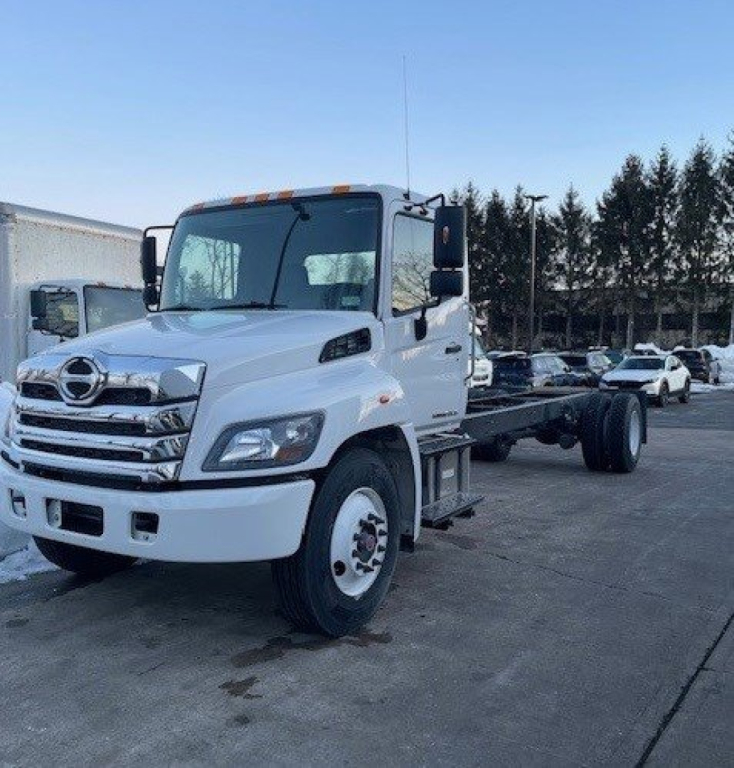
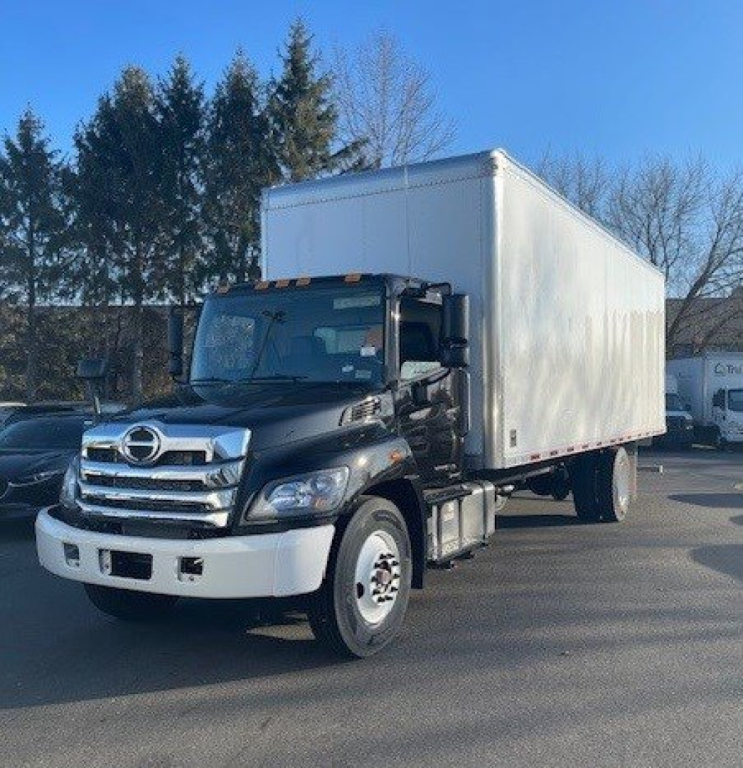
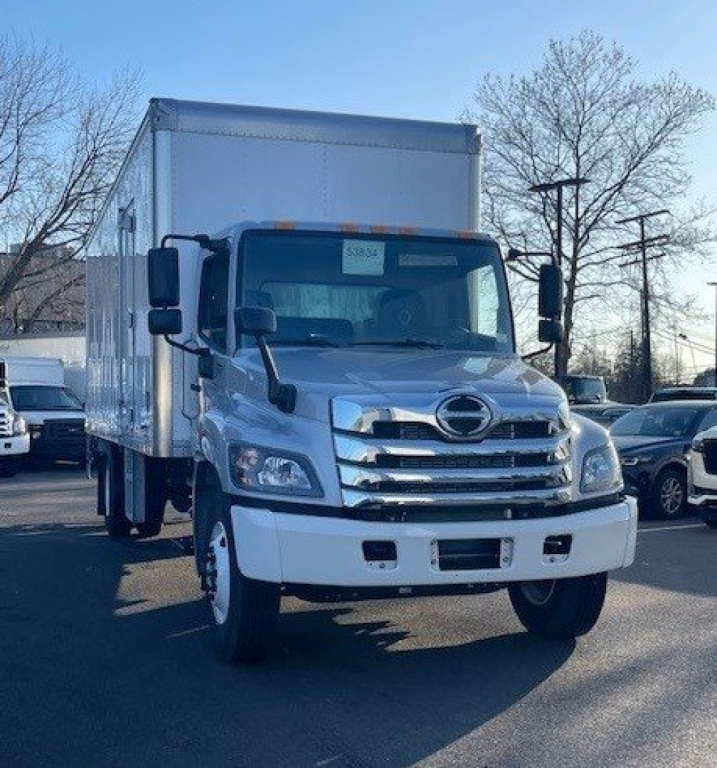
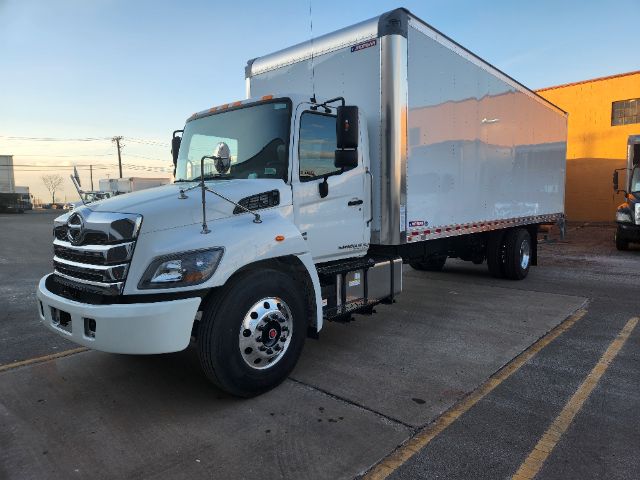
Selling a new box truck? List your new box truck for sale and reach thousands of commercial buyers.
New Box Trucks in New Jersey
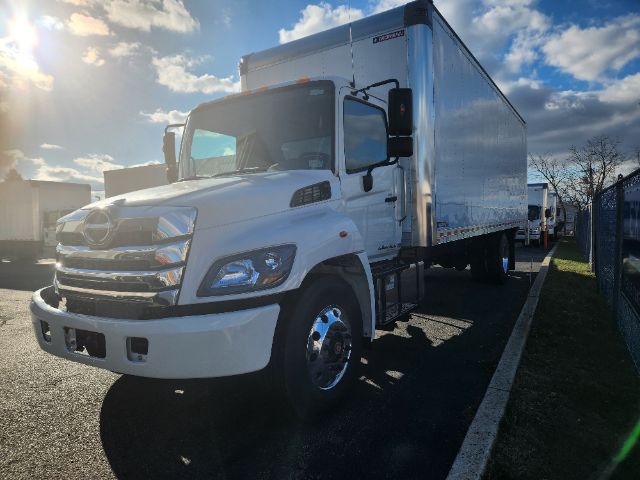
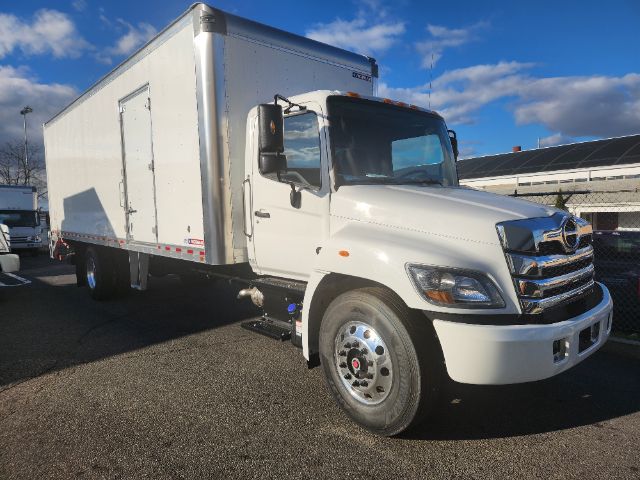
A common sweet spot is the 26-foot box truck on a Class 6 chassis around 25,950 GVWR. That rating is popular because it maximizes legal carrying capacity while staying just under the 26,001-pound threshold that can trigger CDL requirements in many applications. New units in this class often use diesel power such as a Cummins B6.7 paired with an Allison automatic transmission, a combination valued for predictable service support, good drivability in stop-and-go work, and durability under liftgate and multi-stop use. Buyers should also compare inside body dimensions, ceiling height, roll-up versus swing doors, curbside access doors, and whether the body includes plywood liners, scuff protection, E-track, and LED cargo lighting.
In New Jersey, box truck specs matter because routes often mix tight urban streets, suburban commercial stops, and warehouse loading docks. A tuck-away liftgate can be the right fit for palletized freight and dock work because it stays out of the way when backing to a door, while rail gates may suit heavier or more frequent ground-level loading. Liftgate capacity is another key point, with 3,300-lb and 4,400-lb ratings both common depending on freight profile. Chassis equipment such as air brakes, backup cameras, heated mirrors, aluminum fuel tanks, and air-ride driver seats can make a noticeable difference in driver comfort, safety, and uptime over a long delivery week.
The best new box truck is the one whose chassis, wheelbase, axle rating, and body build match the freight instead of just the advertised body length. Furniture, appliances, parcel freight, bakery routes, beverage delivery, and general LTL all place different demands on floor construction, tie-down layout, and rear access. A buyer comparing new box trucks should look closely at payload after body and liftgate weight, body manufacturer reputation, warranty coverage, and service network depth for both chassis and body components. A well-matched new box truck can deliver lower maintenance surprises, better route efficiency, and a longer useful life in a high-stop commercial fleet.
Frequently Asked Questions about New Box Trucks in New Jersey
What size new box truck is most common for commercial delivery work?
The 26-foot box truck is one of the most common choices for commercial delivery because it offers strong cargo volume while remaining more maneuverable than a semi-trailer. Many are built at 25,950 GVWR, which is especially attractive to fleets and owner-operators that want substantial payload capacity without crossing the 26,001-pound CDL threshold in typical use. Smaller lengths such as 16 to 24 feet can still be the better choice for tighter routes, lower cube freight, or easier parking in dense urban areas.
Do I need a CDL to operate a new box truck?
Not always. Many popular box trucks are spec'd at 25,950 GVWR specifically to stay below the 26,001-pound federal threshold that commonly triggers CDL requirements. That said, CDL rules can still depend on actual vehicle rating, air brake restrictions, cargo type, passenger count, and state or employer requirements. Buyers should verify the chassis GVWR, brake system, and intended use before assuming a non-CDL application.
What should I look for in a new box truck body?
Start with inside dimensions, floor type, and cargo securement. Plywood liners, hardwood or laminated floors, scuff liners, E-track, and adequate interior lighting all affect how well the truck handles repeated loading cycles. Rear door style matters too, since roll-up doors work well at docks and in tight spaces, while swing doors can offer full rear opening access. A curbside door can also improve route efficiency for hand-delivery operations.
How important is liftgate capacity on a box truck?
Liftgate capacity is critical if the truck will handle pallets, appliances, vending equipment, or any freight that is not consistently moved by dock or forklift. A 3,300-lb tuck-away liftgate is common for general delivery work, while a 4,400-lb gate may be a better fit for denser freight or more demanding palletized loads. Buyers should account for the liftgate's own weight because it reduces available payload, and they should match platform size and gate style to the loading environment.
Why are Allison automatic transmissions common in new box trucks?
Allison automatic transmissions are widely used in box trucks because they are well suited to stop-and-go commercial service. They simplify driver training, reduce fatigue on multi-stop routes, and generally provide smooth low-speed operation when backing to docks or working in traffic. For many buyers, the combination of broad service support and proven durability makes an Allison-equipped box truck easier to integrate into a delivery fleet.