
New 2024 Box Trucks For Sale
Shop new 2024 box trucks with dry van bodies, liftgate options, and medium-duty specs for delivery, moving, and route operations.
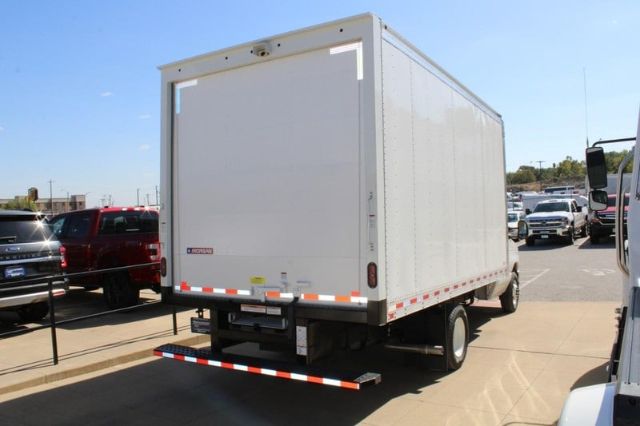
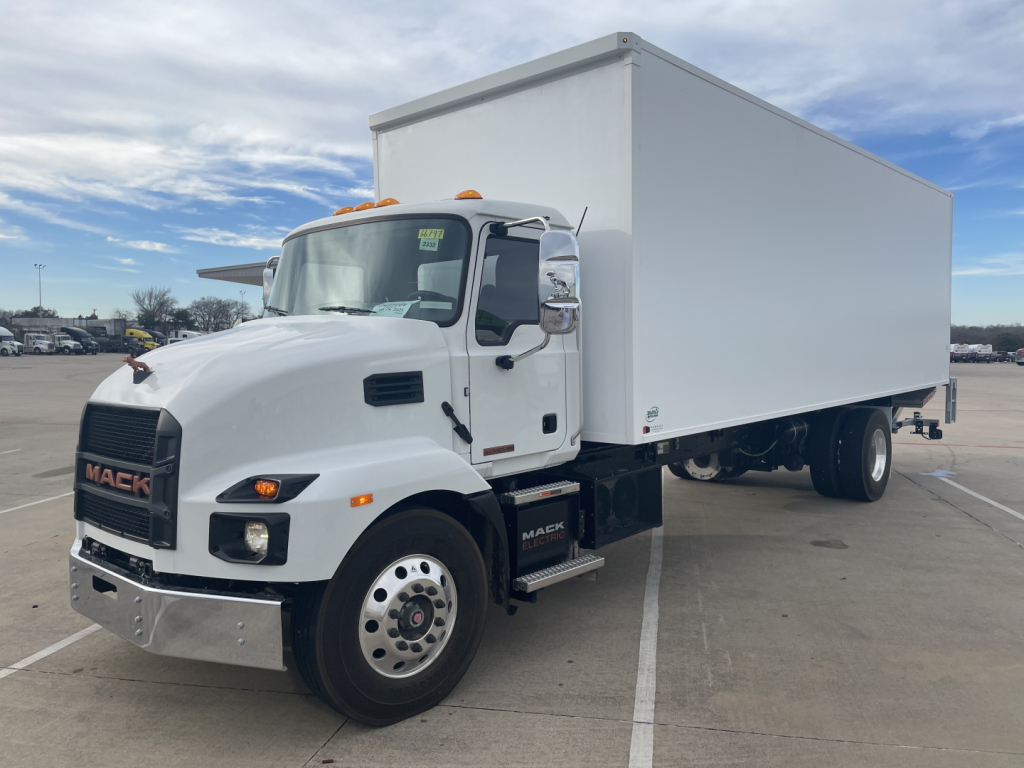
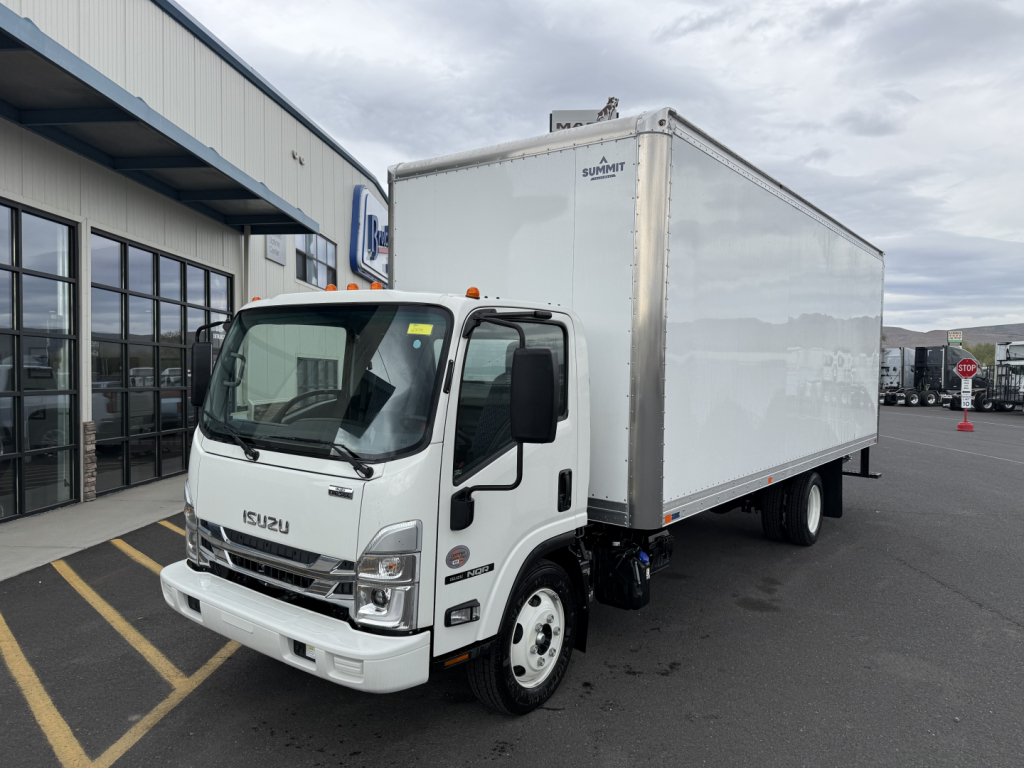
Selling a new 2024 box truck? List your new 2024 box truck for sale and reach thousands of commercial buyers.
New 2024 Box Trucks
A big decision is cab and chassis layout. Low-cab-forward models like those commonly seen on Isuzu platforms are valued for tight turning radius, excellent forward visibility, and easier operation in dense urban areas. Conventional medium-duty chassis such as Freightliner M2 or Mack MD models generally offer a familiar driving position, broader wheelbase options, and strong suitability for regional routes and dock-to-dock freight. Diesel power remains standard in much of this segment, often paired with an automatic transmission such as an Allison for stop-and-go durability and simpler driver training. Buyers should compare GVWR, wheelbase, front and rear axle ratings, and body upfit compatibility before focusing on price alone.
The body spec matters as much as the truck itself. Aluminum dry van bodies help control corrosion and weight, while composite or plate-style construction can improve durability in high-cycle operations. Interior details like hardwood or laminated floors, scuff liners, E-track or logistic track, and translucent roofs affect how well the truck handles repeated loading. Rear access is another major choice point. A roll-up door is standard for many city applications, but a tuckunder or rail liftgate can be critical for routes without dock access. Ramp-equipped box trucks are common in delivery fleets handling carts, appliances, and hand-loaded freight. If the freight is dense, pay close attention to floor rating, liftgate capacity, and rear frame reinforcement.
For a 2024 box truck, the right spec usually comes down to route density, freight type, and driver environment. Urban delivery fleets tend to prioritize visibility, maneuverability, and easy entry-exit cycles. Regional operators may put more value on cab comfort, fuel range, and highway stability with a full 26-foot body. New units also appeal to buyers who want current emissions systems, warranty coverage, and fresh body equipment with no prior route wear. The strongest long-term value usually comes from matching the box length, cargo cube, and loading method to the actual work, not simply choosing the largest body available.
Frequently Asked Questions about New 2024 Box Trucks
What size box truck is best for delivery work?
The best size depends on the freight and the route. A 16-foot to 22-foot box truck usually fits urban and suburban delivery well because it is easier to maneuver and park, while a 24-foot to 26-foot body offers more cubic capacity for furniture, parcel, and regional freight. Buyers should match body length to average stop count, pallet count, dock access, and weight per load, because a longer body is not always the most productive choice in tight service areas.
What should I look for in a new 2024 box truck chassis?
Focus on GVWR, wheelbase, axle ratings, engine output, transmission type, brake configuration, and how well the chassis matches the body upfit. A box truck that looks similar on paper can perform very differently depending on turning radius, suspension setup, and payload capacity. For high-frequency delivery, automatic transmissions, durable spring suspensions, and proven medium-duty diesel platforms are common priorities.
Is a liftgate necessary on a box truck?
A liftgate is necessary when freight is loaded at locations without a dock or forklift support. It is especially useful for appliance delivery, beverage routes, parcel service, and any operation moving palletized or heavy hand-cart freight. Buyers should size the liftgate to the actual load, with attention to platform dimensions, rated capacity, and how the gate affects rear access and maintenance requirements.
What body features matter most on a dry van box truck?
The most important body features are usually floor strength, interior wall protection, cargo securement, rear door design, and roof construction. Hardwood or heavy-duty laminated floors are common for repeated pallet traffic, while scuff liners and logistic track help protect the interior and secure freight. A translucent roof can improve daytime visibility inside the box, and corrosion-resistant materials such as aluminum or stainless rear framing can support longer service life.
Are low-cab-forward box trucks better than conventional cab models?
Low-cab-forward box trucks are often better for city delivery because they provide a tighter turning radius, strong visibility, and easier navigation in congested areas. Conventional cab models can be a better fit for longer regional routes where ride quality, service access, and driver familiarity matter more. The better choice depends on route density, body length, maintenance preferences, and the type of freight being moved.