
New Box Trucks For Sale in Washington
Shop new box trucks for sale in Washington. Compare dry van bodies, liftgates, GVWR, diesel and electric specs for delivery fleets.
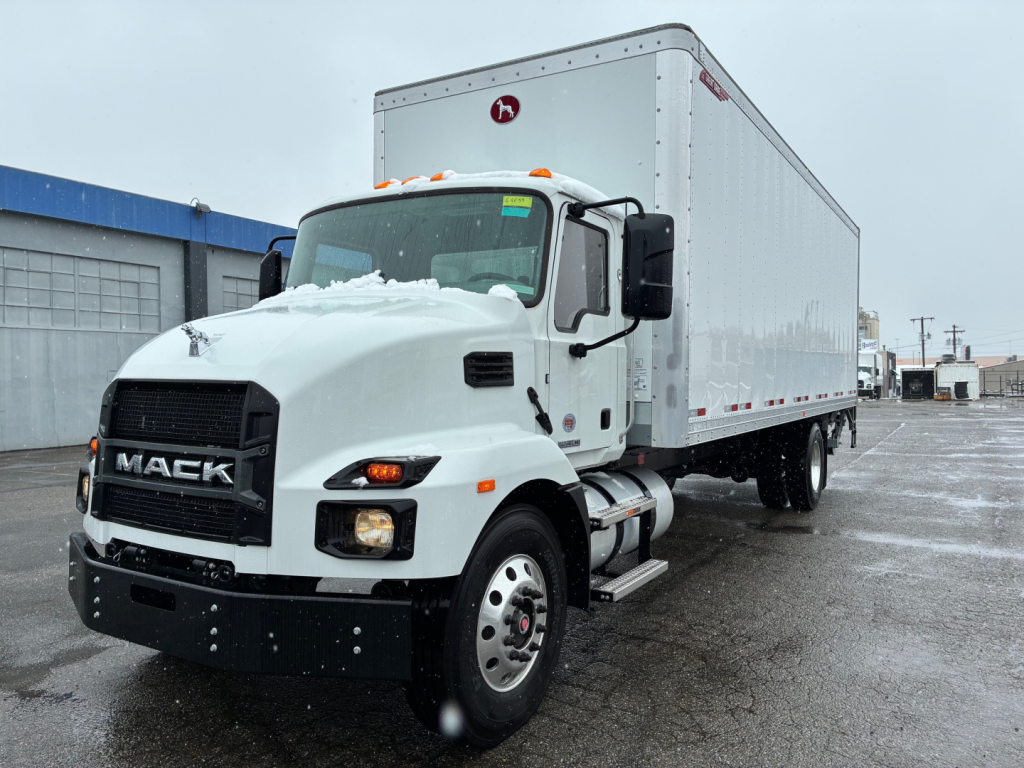
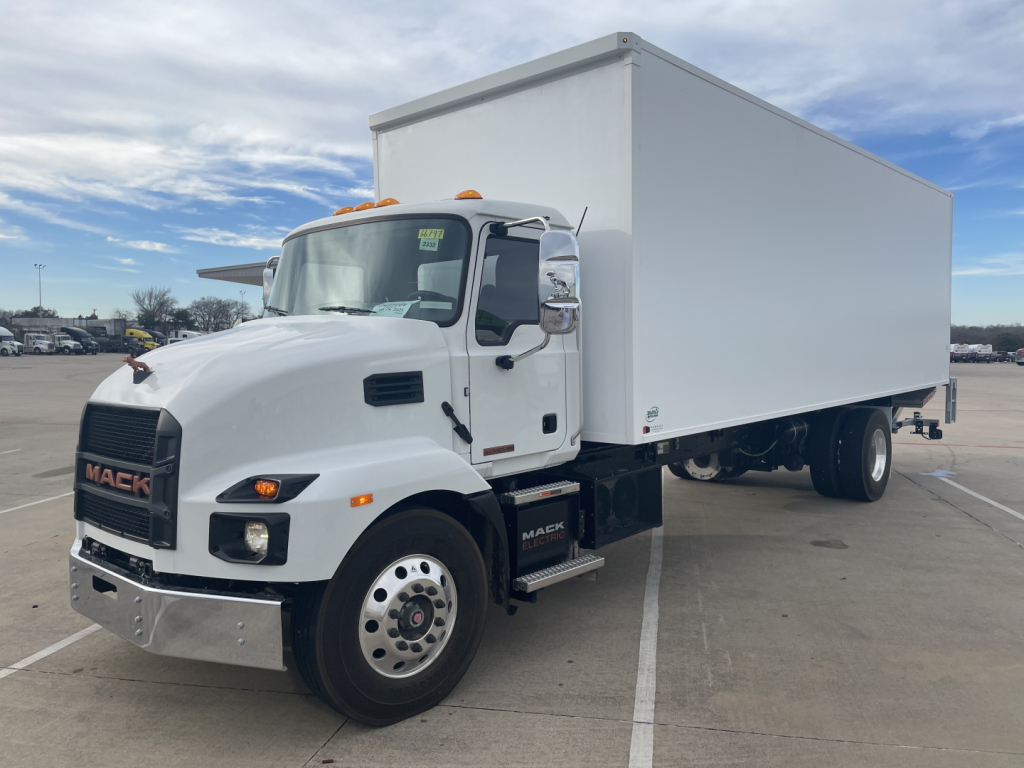
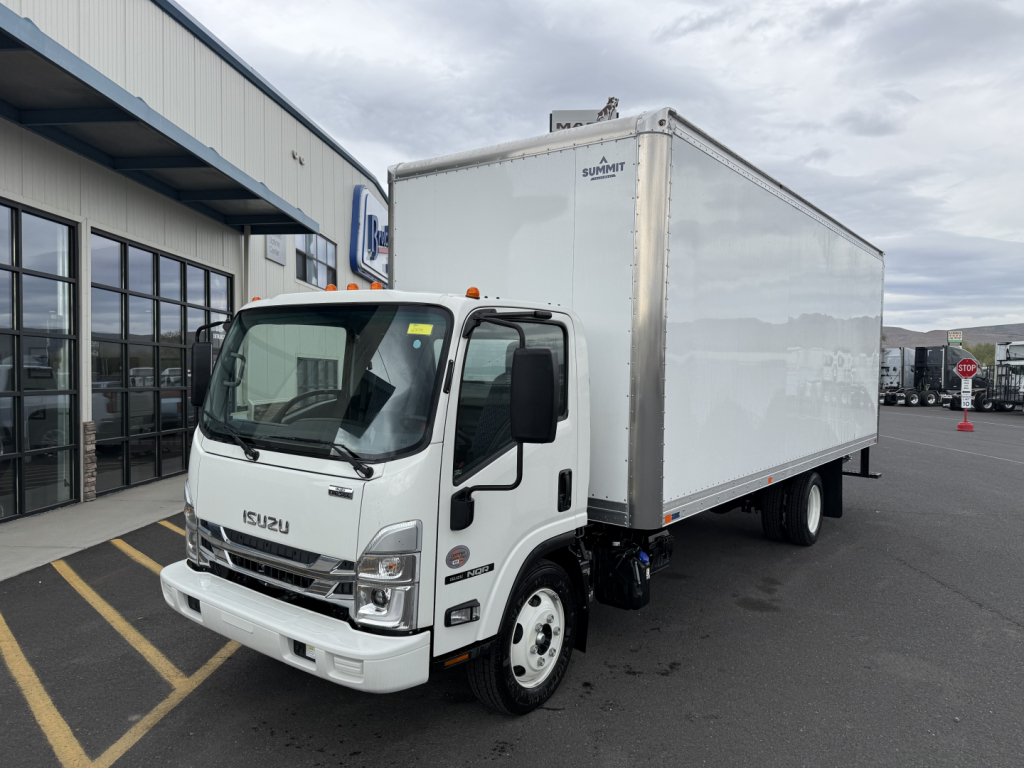
Selling a new box truck? List your new box truck for sale and reach thousands of commercial buyers.
New Box Trucks in Washington
A key decision is whether the truck needs to stay under the 26,000-pound GVWR non-CDL threshold. That spec matters for fleets trying to widen the driver pool, simplify hiring, and keep operating costs predictable. New medium-duty box trucks in this class are commonly built on chassis from Isuzu, Mack, Hino, Freightliner, and similar brands, often paired with automatic transmissions for stop-and-go work. Diesel remains the standard for longer routes and heavier payload demands, while electric box trucks are gaining traction for fixed urban routes where charging access, emissions rules, and lower noise are part of the operating plan.
Body specs matter as much as the chassis. Buyers should pay close attention to construction materials, floor type, rear frame design, and cargo control features. Aluminum bodies help reduce weight and resist corrosion in wet Pacific Northwest conditions. Hardwood or laminated hardwood floors hold up well under pallet jack traffic, and options like scuff liners, E-track, logistics track, translucent roofs, extra dome lights, and forklift reinforcements improve daily usability. If dock access is limited, a tuckaway or rail liftgate can be essential. A 3,000-pound liftgate is common for palletized freight, but the right capacity depends on product mix, loading method, and route cycle.
For Washington buyers, maneuverability, visibility, and weather durability should be high on the list. Low-cab-forward configurations are especially useful in tighter city streets and dense delivery zones, while conventional cab medium-duty chassis can offer a more familiar driver experience and easier service access. Look closely at wheelbase, body overhang, door opening height, and ramp or liftgate setup to make sure the truck fits the actual loading environment. The best new box truck is the one matched to cube, payload, route density, and unloading method, not just the one with the biggest body or highest horsepower.
Frequently Asked Questions about New Box Trucks in Washington
What size box truck is best for local delivery work?
The right size depends on cargo cube, payload, and where the truck will operate. A 16-foot to 22-foot box truck is often a strong fit for tighter urban routes, lighter freight, and frequent stops, while 24-foot to 26-foot bodies are better suited for palletized freight, regional delivery, and operations where maximizing cubic capacity matters. In practice, buyers should confirm interior body dimensions, payload rating, and turning radius before choosing a body length.
Why do many buyers look for a non-CDL box truck under 26,000 GVWR?
A box truck rated under 26,000 pounds GVWR can usually be operated without a CDL in many applications, which helps fleets access a larger hiring pool and simplify driver staffing. That makes non-CDL box trucks especially attractive for final-mile delivery, lease fleets, and businesses with seasonal driver demand. The tradeoff is lower total payload capacity compared with heavier-duty CDL-requiring configurations, so the freight profile has to match the chassis rating.
What features should I look for in a new dry van body?
The most useful dry van features depend on how the truck is loaded and what the cargo does to the interior over time. Common high-value specs include aluminum sidewalls for corrosion resistance, hardwood or laminated hardwood floors for durability, scuff liners to protect the walls, E-track or logistics track for cargo securement, a translucent roof for better natural light, and reinforced rear or forklift package options for heavy loading cycles. Liftgates, ramps, and roll-up doors also have a major impact on route efficiency.
Is a diesel or electric box truck better for fleet use in Washington?
Diesel box trucks are still the most flexible choice for longer routes, heavier payloads, and operations without dependable charging infrastructure. Electric box trucks make the most sense on repeatable local routes where daily mileage is known, dwell time allows for charging, and the fleet wants to reduce fuel use, idle time, and tailpipe emissions. In Washington, the decision often comes down to route predictability, available charging, climate considerations, and total cost of ownership over the planned service life.
How important is a liftgate on a box truck?
A liftgate is critical when deliveries are made to locations without docks or forklifts. For palletized freight, appliances, commercial supplies, and other heavy products, a liftgate can cut unloading time and reduce manual handling. Many medium-duty box trucks are equipped with tuckaway liftgates around 3,000 pounds capacity, but buyers should verify platform size, rated capacity, and how the gate affects loading workflow, rear access, and maintenance requirements.