
New Isuzu Box Trucks For Sale
Shop new Isuzu box trucks built for delivery, moving, and route work. Compare NQR and FTR specs, GVWR, body lengths, ramps, and liftgates.
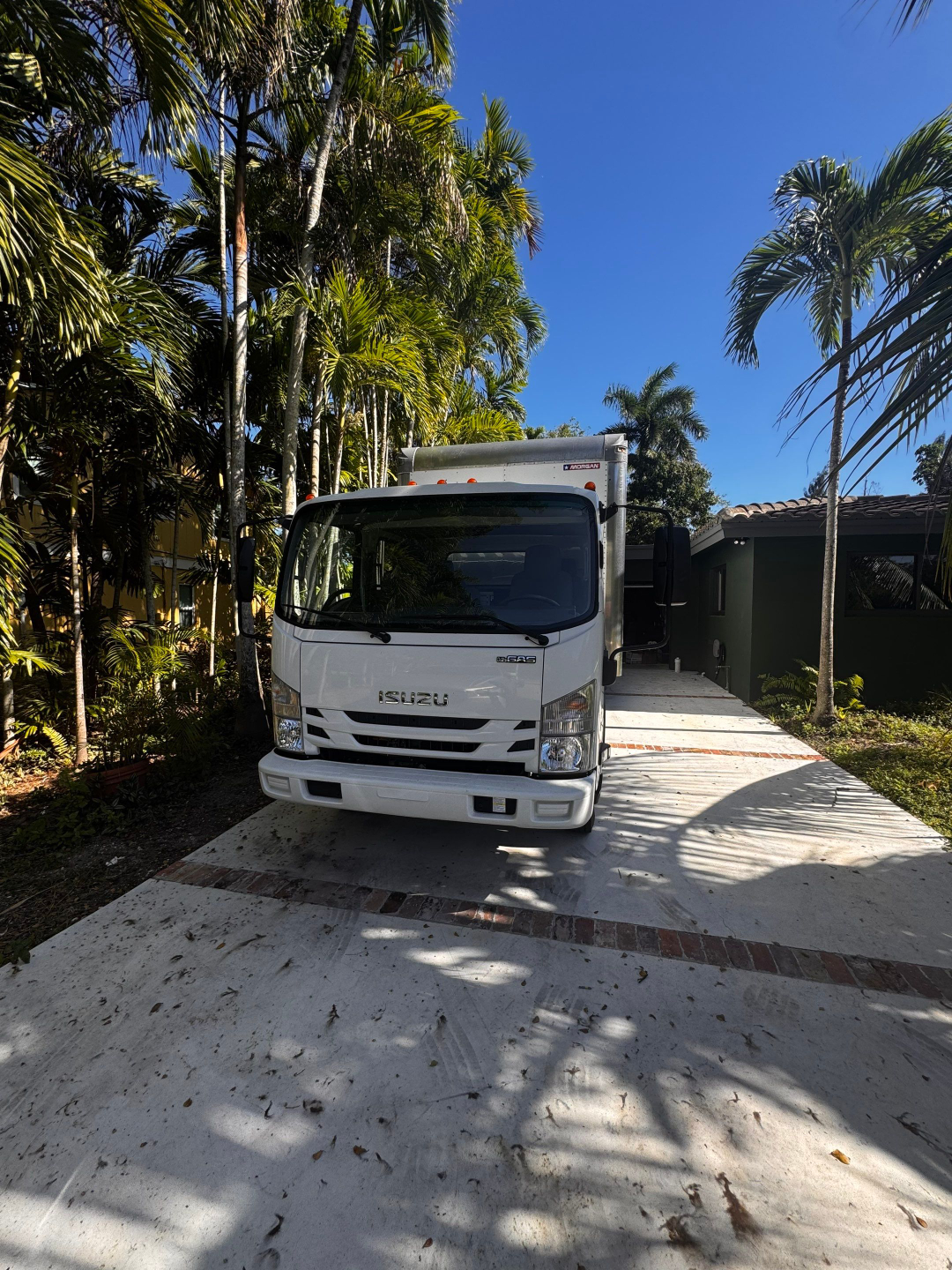
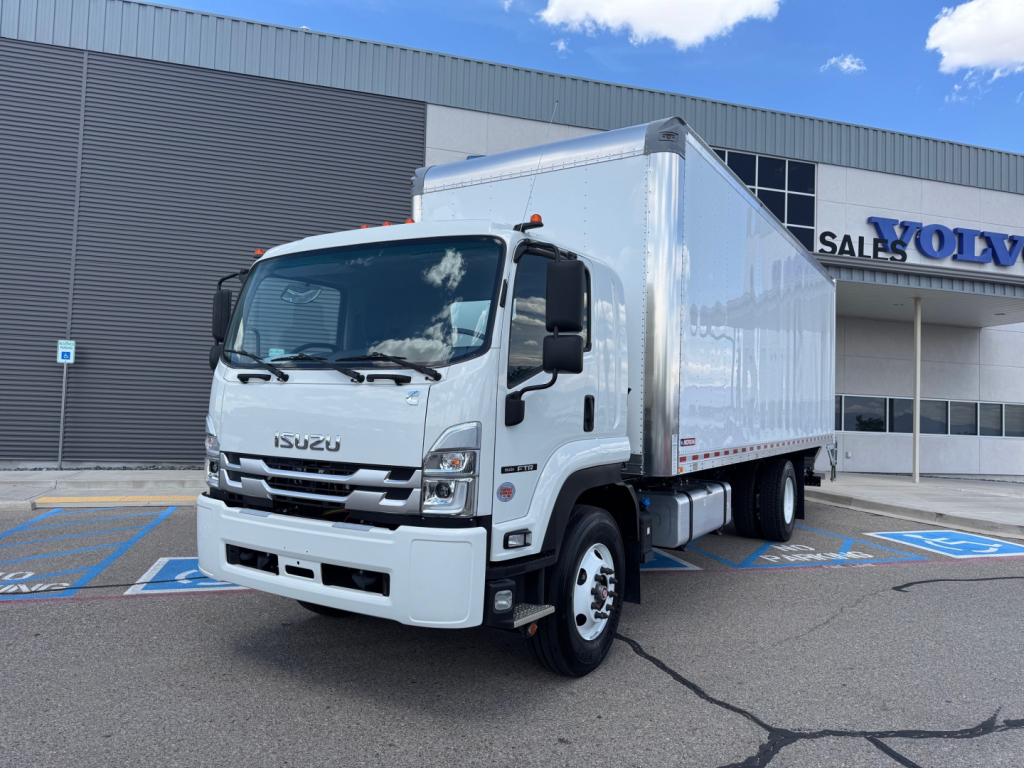
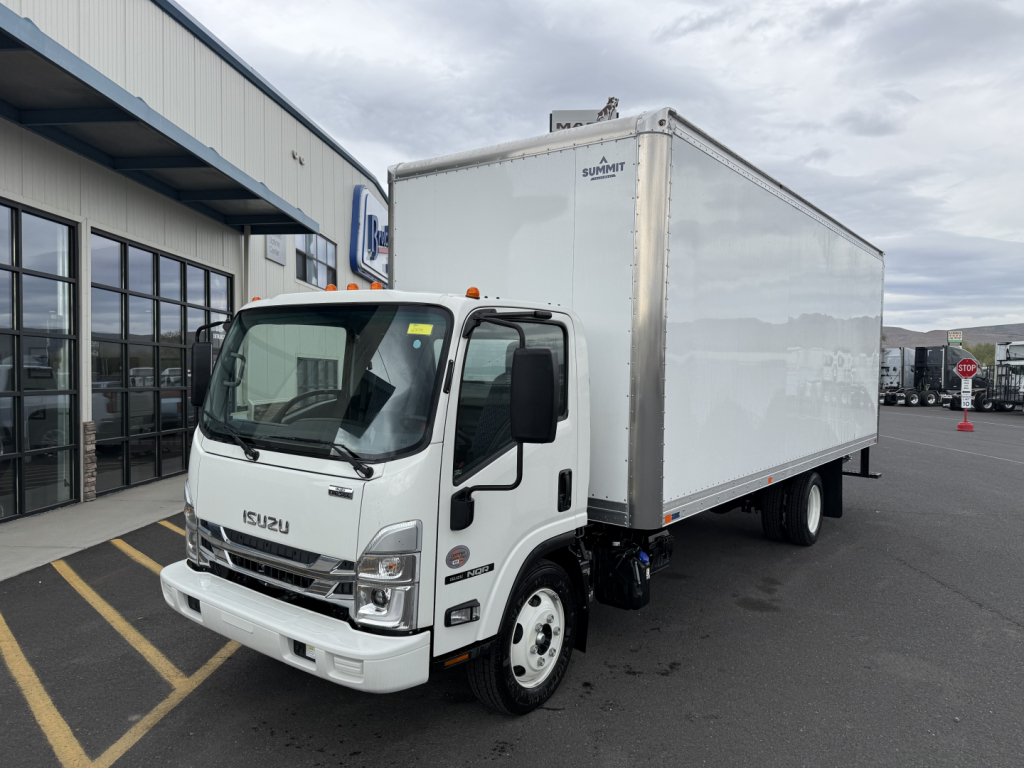
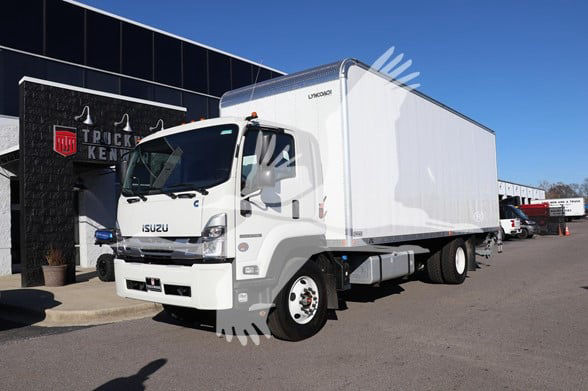
Selling a new isuzu box truck? List your new isuzu box truck for sale and reach thousands of commercial buyers.
New Isuzu Box Trucks
Key specs usually center on GVWR, wheelbase, body length, and cargo access. NQR box trucks are often seen with dry van bodies around 20 to 22 feet and GVWR in the non-CDL medium-duty range, while FTR box trucks are commonly built with 24 to 26 foot bodies and GVWR up to 31,000 pounds depending on configuration. Common body features include aluminum sidewalls, hardwood floors, translucent roofs, logistics track or E-track, scuff liners, slat lining, and forklift reinforcement. Rear access can be set up with a roll-up door, swing doors, a walk ramp, or a tuck-under liftgate depending on how freight is loaded and unloaded. Buyers running palletized freight should pay close attention to door opening dimensions, floor construction, and liftgate capacity, not just box length.
Powertrain choice matters because Isuzu box trucks are often expected to idle, start, stop, and maneuver all day. New NQR models are widely associated with diesel power and automatic transmissions that favor reliability and driver ease of use. In heavier FTR configurations, buyers may see diesel options paired with Allison automatic transmissions, along with air ride or spring suspension depending on cargo sensitivity and route conditions. A low cab forward layout is one of Isuzu's biggest advantages in this segment. It improves forward visibility, shortens overall length relative to body size, and makes alley docks, downtown streets, and crowded service lanes easier to manage than many conventional cab trucks.
A smart buying decision comes down to matching the truck to the freight and the route. A bakery, linen service, package carrier, furniture operation, or final-mile distributor may all need a box truck, but not the same rear axle, floor rating, body height, or unloading setup. Check wheelbase-to-body compatibility, front axle capacity with a loaded liftgate, and whether the truck stays under CDL thresholds if that matters to your hiring pool. New Isuzu box trucks are popular because they can be spec'd for straightforward dry freight, appliance delivery, moving applications, and high-frequency city routes without giving up the serviceability and durability a commercial fleet expects.
Frequently Asked Questions about New Isuzu Box Trucks
What is the difference between an Isuzu NQR box truck and an Isuzu FTR box truck?
The Isuzu NQR is generally aimed at lighter medium-duty delivery work where maneuverability, low cab entry, and urban routing are priorities. The Isuzu FTR is a heavier platform with higher GVWR, larger axle ratings, and more flexibility for 24 to 26 foot van bodies, liftgates, and higher payload demands. If your operation regularly handles heavier palletized freight or longer regional routes, the FTR is usually the better fit. If tight city streets and frequent stops define the job, the NQR is often the more practical choice.
Are new Isuzu box trucks non-CDL?
Some are and some are not. Many Isuzu NQR box trucks are configured in a non-CDL range, and certain FTR specifications can also be set up at 25,950 pounds GVWR to stay below the CDL threshold. Other FTR trucks are built at higher GVWR levels, including 31,000 pounds, which typically requires a CDL depending on local and federal rules. Buyers should confirm the exact door sticker GVWR rather than assuming all trucks in a model family are non-CDL.
What body length is common on a new Isuzu box truck?
A common setup for an Isuzu NQR box truck is around 20 to 22 feet, while the Isuzu FTR is frequently paired with 24 to 26 foot dry van bodies. The right length depends on cube needs, axle placement, loading dock access, and route density. A longer body adds cargo volume, but it can also affect turning radius, payload distribution, and liftgate leverage on the rear of the chassis.
What features should buyers look for in an Isuzu dry van body?
The most useful dry van features depend on cargo type, but buyers commonly look for hardwood or laminated flooring, scuff boards or composite scuff liners, logistics track or E-track, translucent roof panels, and a durable rear frame. Freight handled by pallet jack or forklift may justify forklift reinforcement and stronger floor specs. Delivery operations with hand unloads often prioritize a walk ramp or tuck-under liftgate, while route-sensitive cargo may benefit from air ride suspension on the chassis.
Why are Isuzu box trucks popular for city delivery routes?
Isuzu box trucks are well known for their cab-over, low cab forward design, which helps maximize visibility and reduce the overall vehicle length for a given box size. That layout makes tighter turns easier and improves control in alleys, loading zones, and dense commercial areas. The low step-in height also helps on routes with repeated stops, reducing driver fatigue over the course of a day.