
New 2026 Freightliner Trucks For Sale
Shop new 2026 Freightliner trucks including Cascadia and M2 models with modern powertrains, safety tech, and vocational or highway specs.
Selling a new 2026 freightliner truck? List your new 2026 freightliner truck for sale and reach thousands of commercial buyers.
New 2026 Freightliner Trucks
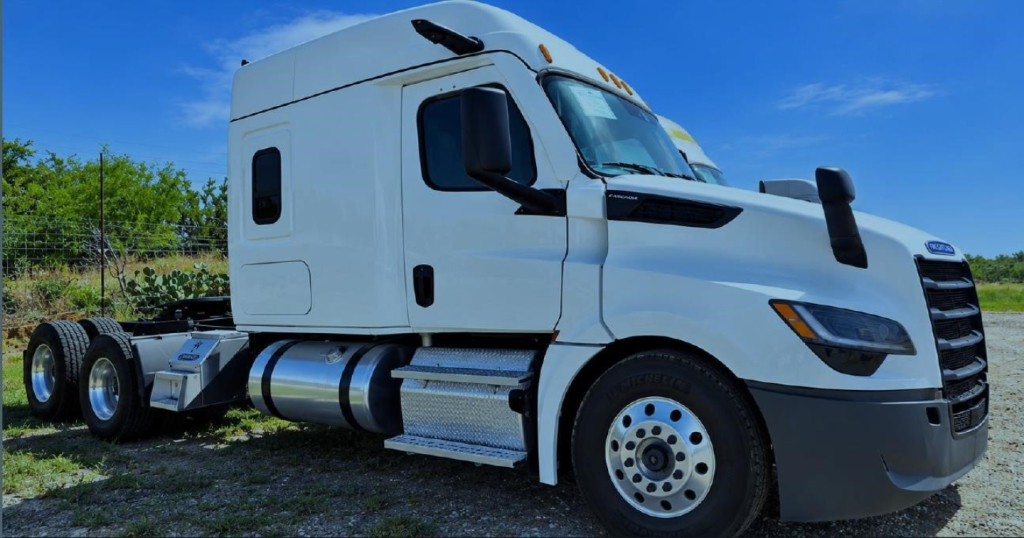
On the highway side, 2026 Freightliner Cascadia trucks are typically spec'd as Class 8 tandem-axle 6x4 conventionals with Detroit diesel power, most commonly a DD15 in the 450 to 505 horsepower range, paired with the Detroit DT12 automated manual transmission. Common buyer checkpoints include wheelbase, rear axle ratio, suspension type, fifth wheel slide travel, and sleeper configuration. Raised-roof sleepers, often 72-inch double bunk layouts, are common for fleets that need team-driver capability or better driver comfort on longer runs. Many new Cascadia specs also include current active safety technology such as collision mitigation, adaptive cruise, lane departure warning, and side object detection, along with driver comfort items like inverter prep, refrigerator space, bunk HVAC options, and premium seating. If fuel economy is the top priority, pay close attention to aero spec, idle reduction equipment, and drivetrain ratio matching.
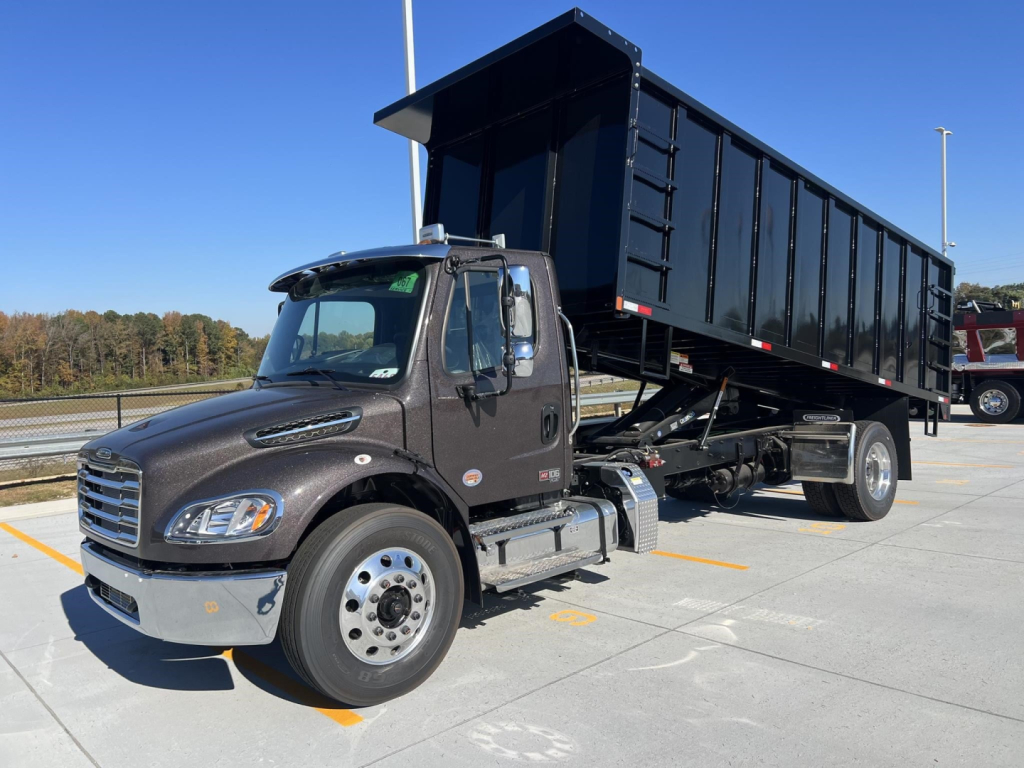
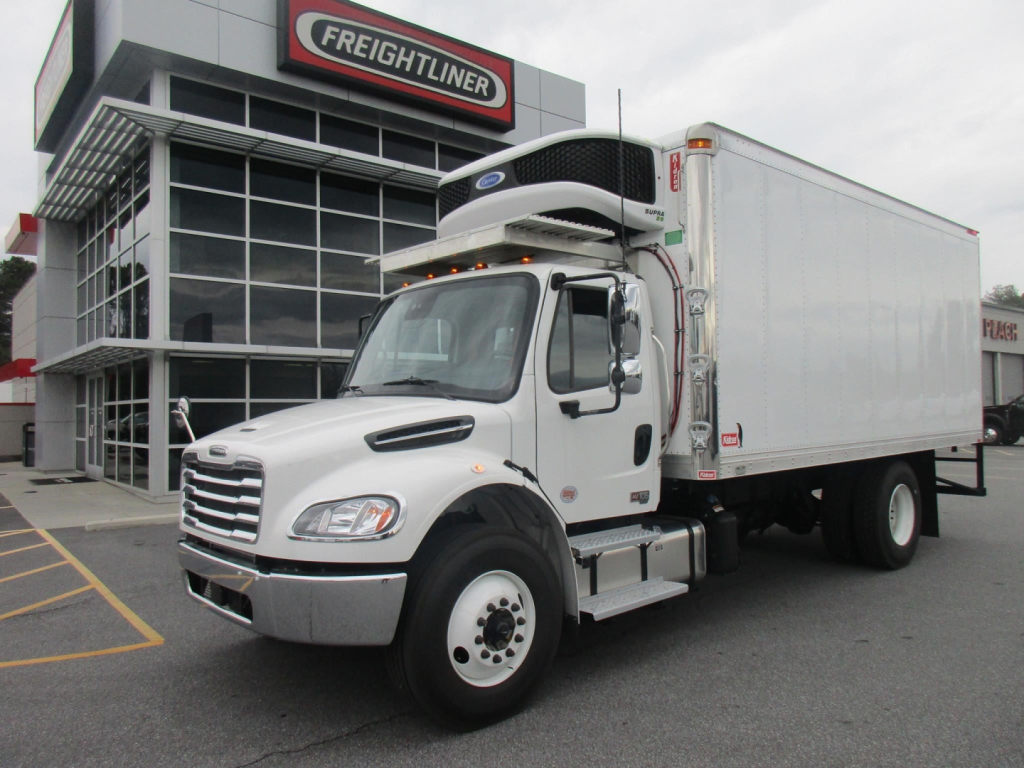
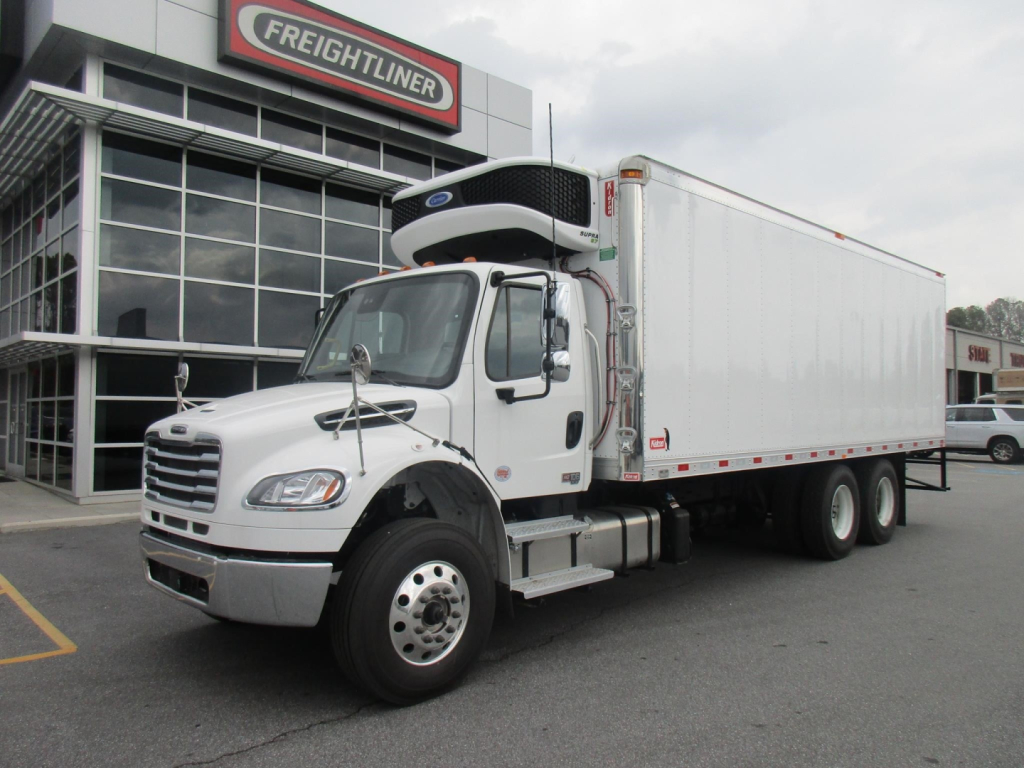
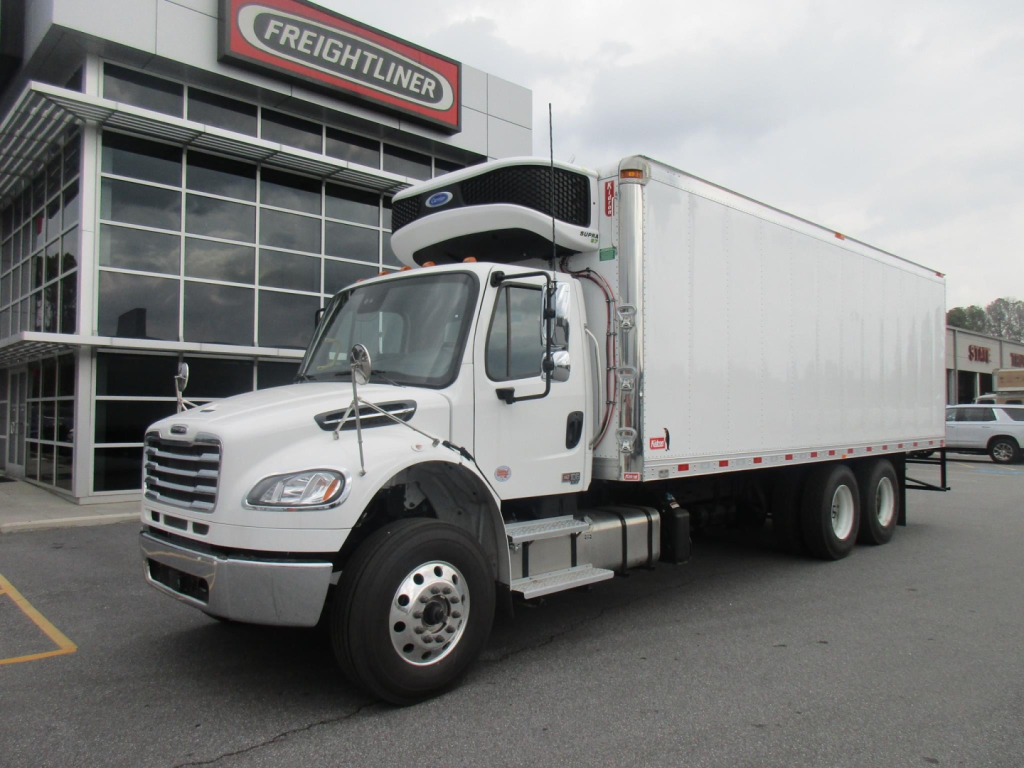
In medium-duty trim, the 2026 Freightliner M2 106 Plus remains a popular platform for van body and straight truck applications, also known as a box truck. Typical specs include a Cummins B6.7, Allison automatic transmission, single axle 4x2 layout, and wheelbases that support 24-foot to 26-foot bodies with liftgate options. Buyers should verify GVWR class, front and rear axle ratings, suspension choice, and body-ready dimensions before comparing units. For city and regional delivery, the M2's visibility, relatively tight turning radius, and broad body-builder support are major advantages. Details such as spring versus air ride suspension, 5-speed or 6-speed Allison spec, and liftgate capacity can materially affect loading dock performance, ride quality, and route efficiency.
Across the Freightliner lineup, the smart buying approach is to match the truck to the freight, route profile, and maintenance plan rather than buying only on horsepower or price. A sleeper tractor spec'd with a 505 horsepower DD15 and a 40,000-pound rear axle setup suits a different operation than a Class 6 M2 with a 250 horsepower Cummins and a dry van body. New Freightliner trucks are popular because parts support is deep, dealer networks are extensive, and spec flexibility is strong across both on-highway and vocational segments. When comparing listings, focus on engine and transmission pairing, axle configuration, brake package, suspension, cab layout, and any factory-installed safety or driver-comfort systems that will affect total operating cost over the life of the truck.
Frequently Asked Questions about New 2026 Freightliner Trucks
What are the most common 2026 Freightliner truck models buyers compare?
The most commonly compared 2026 Freightliner trucks are the Cascadia for on-highway Class 8 work and the M2 106 Plus for medium-duty vocational and delivery applications. The Cascadia is typically used as a conventional sleeper or day cab tractor for regional and long-haul freight, while the M2 106 Plus is often configured as a box truck, flatbed, utility truck, or other body-ready chassis. The right choice depends on GVWR needs, route length, payload, and body application.
What engine and transmission combinations are common in new Freightliner trucks?
In new Freightliner highway tractors, a Detroit DD15 paired with a DT12 automated manual transmission is one of the most common configurations, especially in Cascadia models. In medium-duty Freightliner trucks such as the M2 106 Plus, buyers often see the Cummins B6.7 matched with an Allison automatic transmission. This split reflects typical use cases: fuel-efficient linehaul performance for the Cascadia and stop-and-go drivability for medium-duty delivery or vocational work.
Is a Freightliner Cascadia a good choice for long-haul fleets?
Yes. The Freightliner Cascadia is widely used in long-haul and regional fleet service because it combines aerodynamic design, integrated Detroit powertrain options, broad parts availability, and a strong menu of driver-assistance systems. Buyers should still compare sleeper size, wheelbase, rear axle ratio, safety package, and interior amenities because those details have a direct impact on fuel economy, driver comfort, and resale value.
What should buyers check on a new Freightliner M2 106 Plus box truck?
On a new Freightliner M2 106 Plus box truck, buyers should confirm GVWR class, wheelbase, body length, liftgate rating, engine output, suspension type, and transmission model. It is also important to verify cab-to-axle dimensions and body-builder compatibility if the truck will support a specialized body. For pickup and delivery work, turning radius, door opening height, dock height, and ride quality can be just as important as horsepower.
How do I choose between a day cab, sleeper, and medium-duty Freightliner truck?
Choose based on duty cycle and cargo movement, not just truck size. A day cab is usually the right fit for local and regional tractor work where overnight accommodations are unnecessary. A sleeper is better for over-the-road lanes, team operations, or runs that require extended time away from home. A medium-duty Freightliner such as the M2 106 Plus is the better fit for straight-truck routes, final-mile delivery, and vocational applications where a trailer is not part of the operation.