
New Freightliner Trucks For Sale
Explore new Freightliner trucks for sale, from Cascadia and M2 to SD Plus and electric models. Compare powertrains, safety tech, and upfit options.
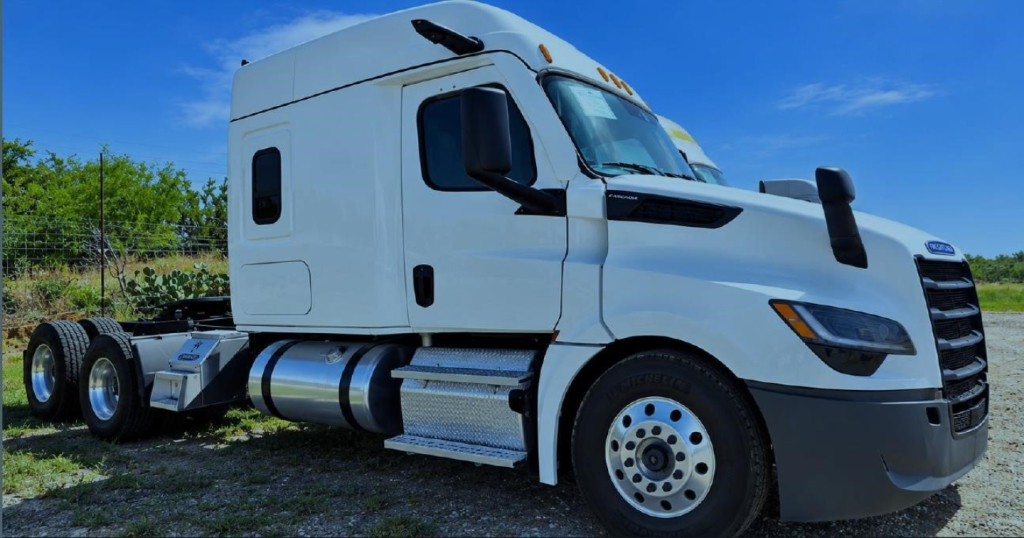
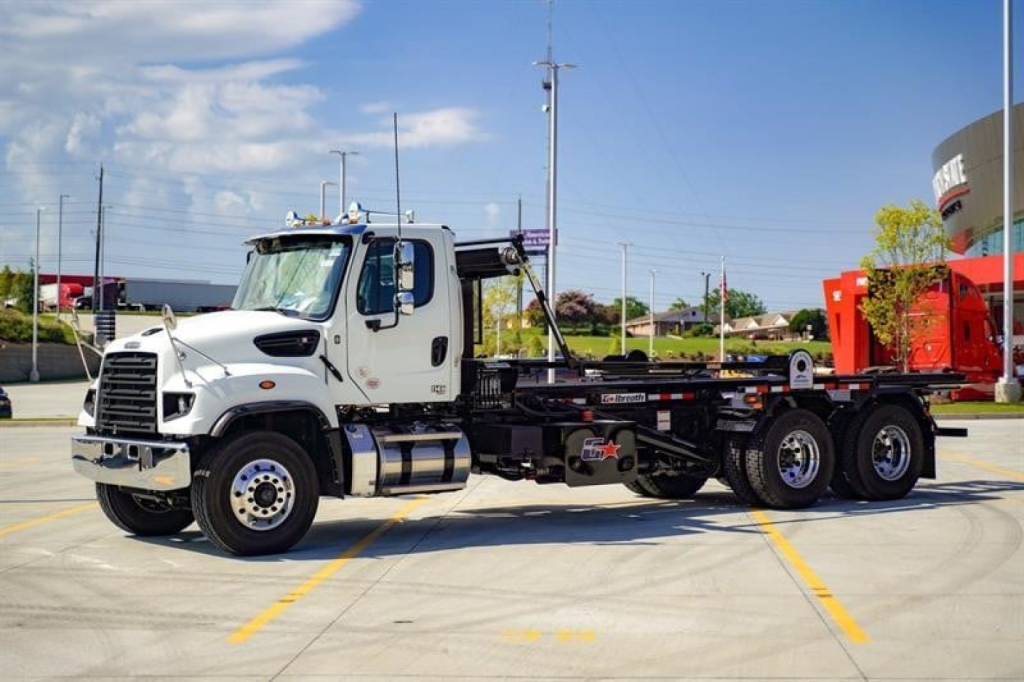
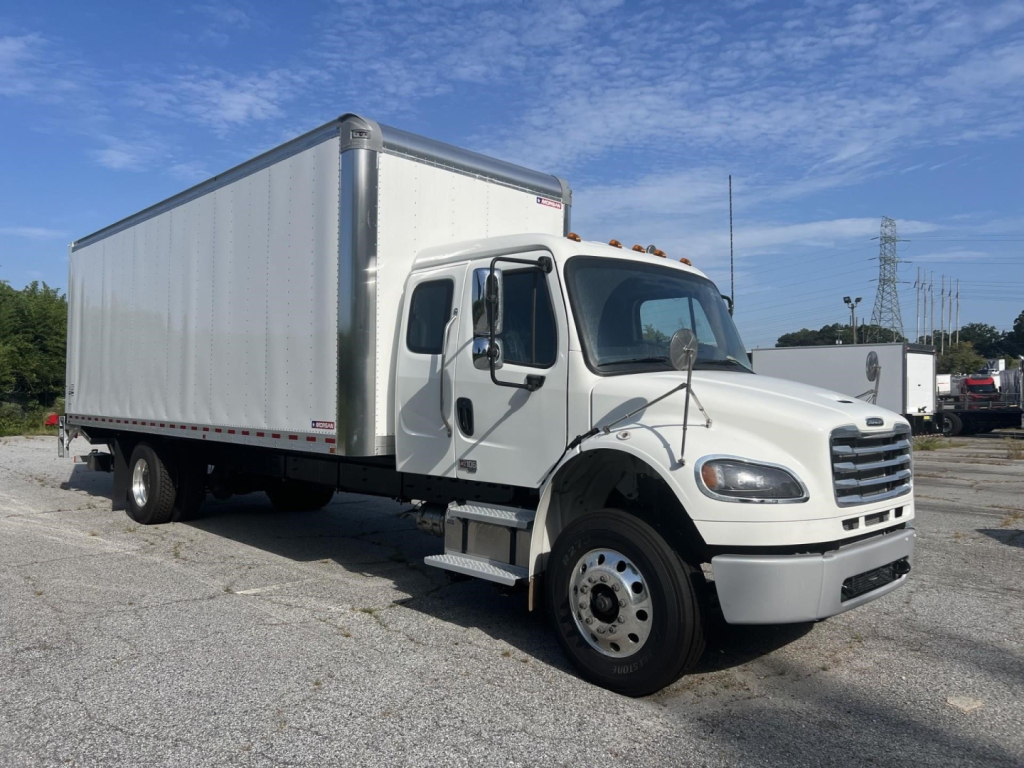
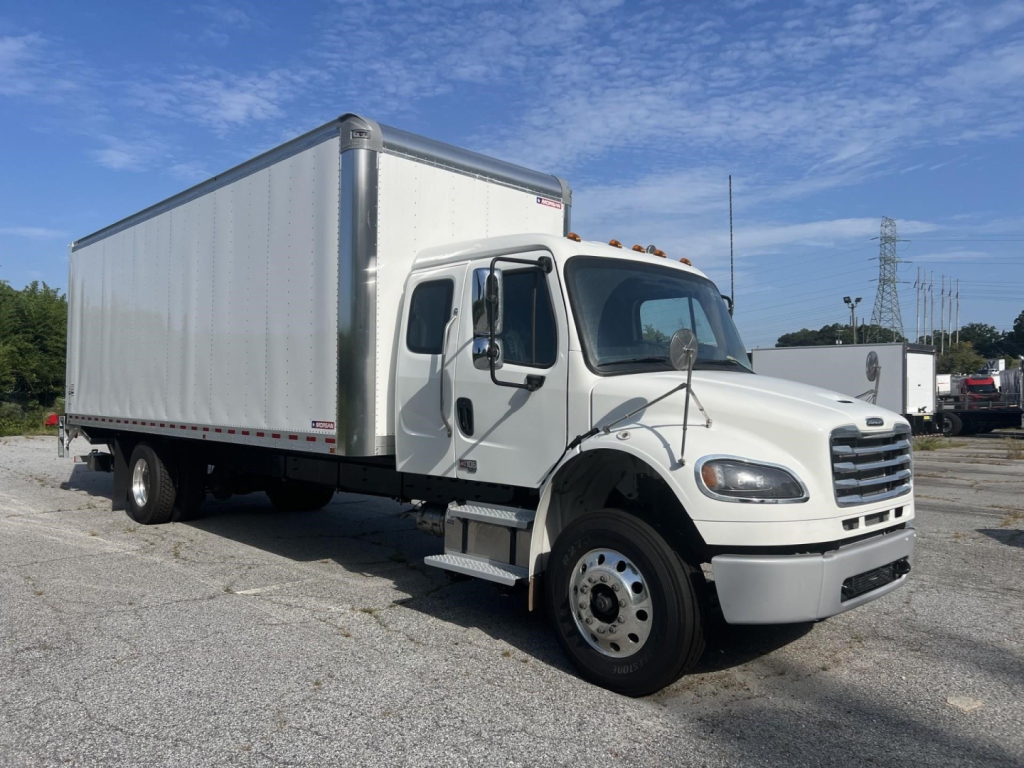
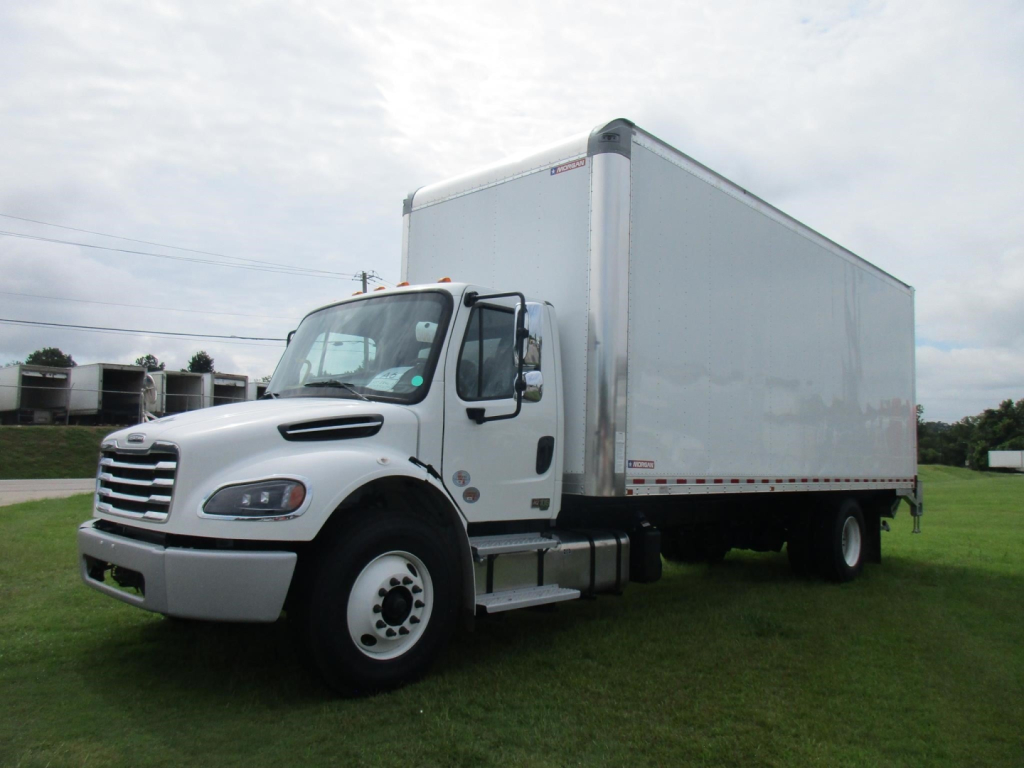
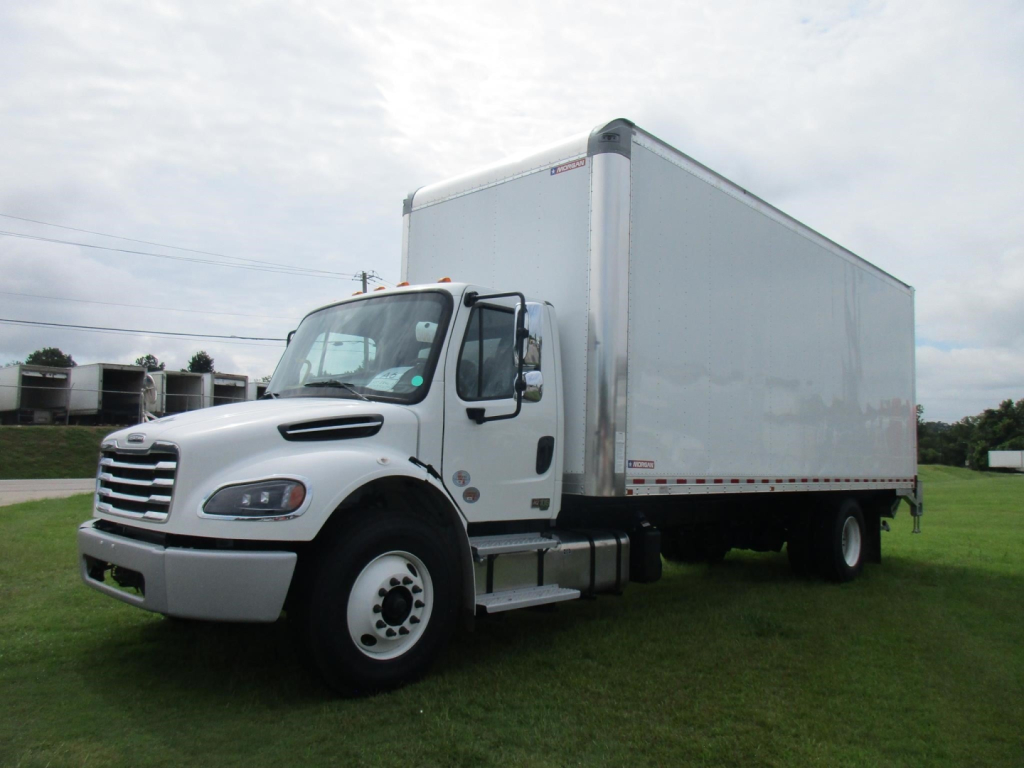
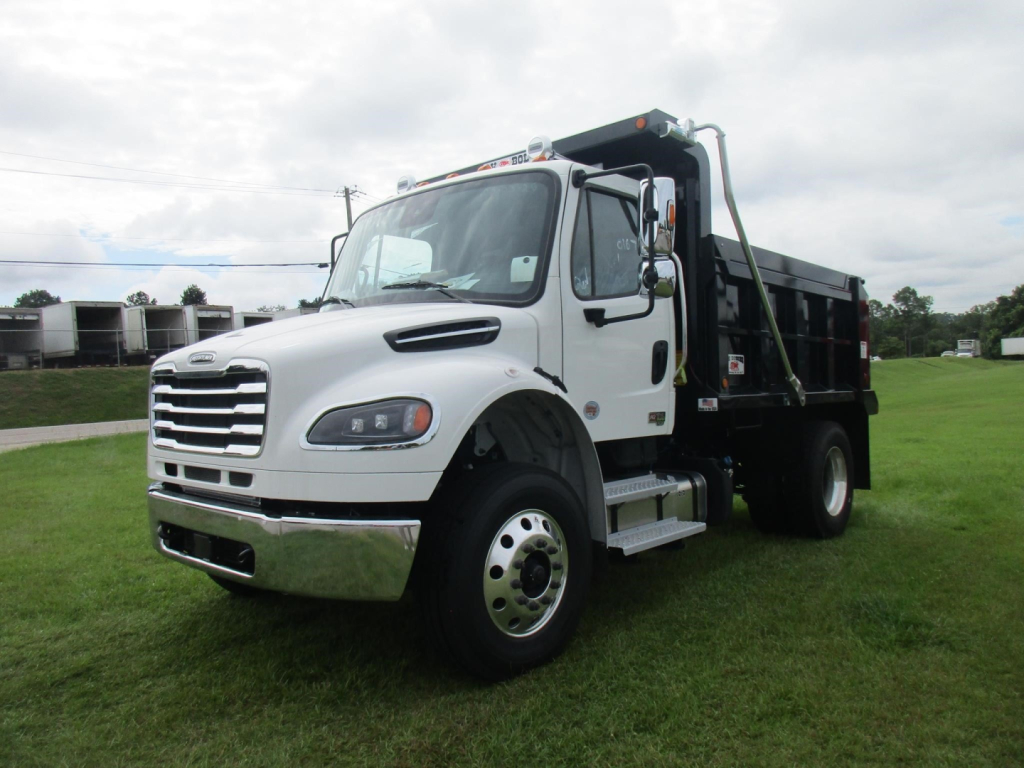
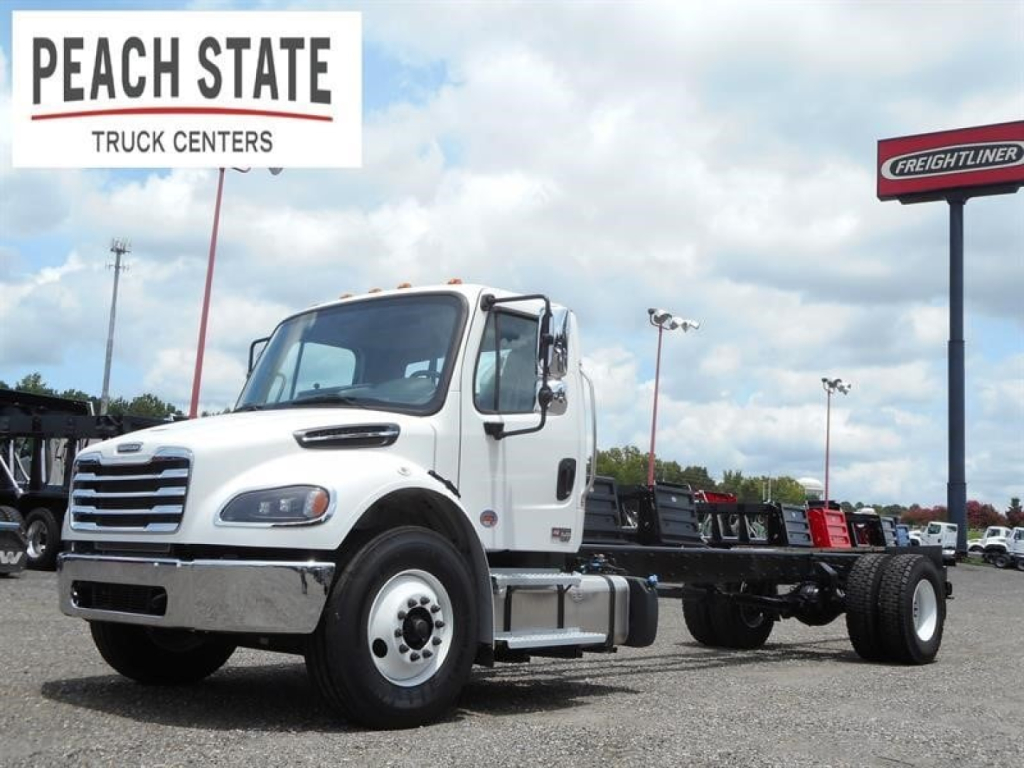
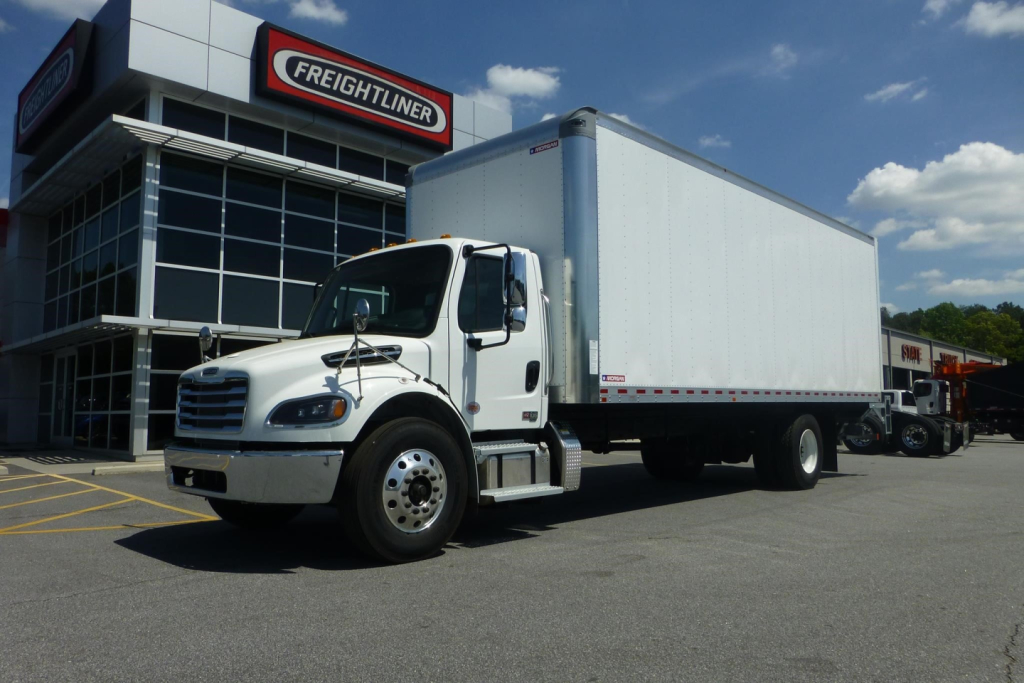
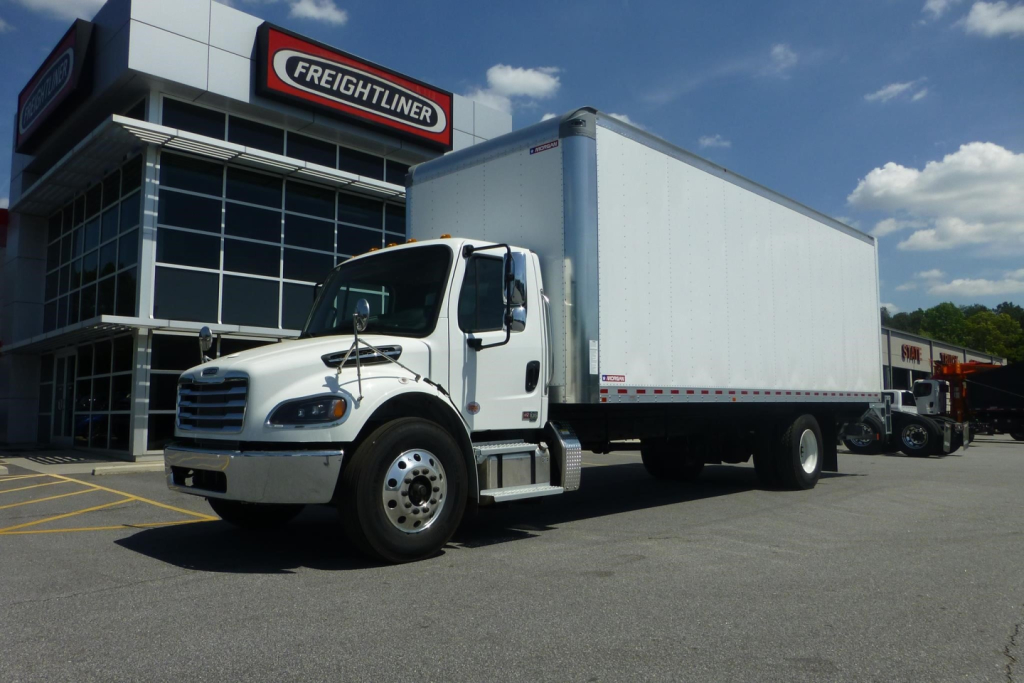
2027 Freightliner M2 106
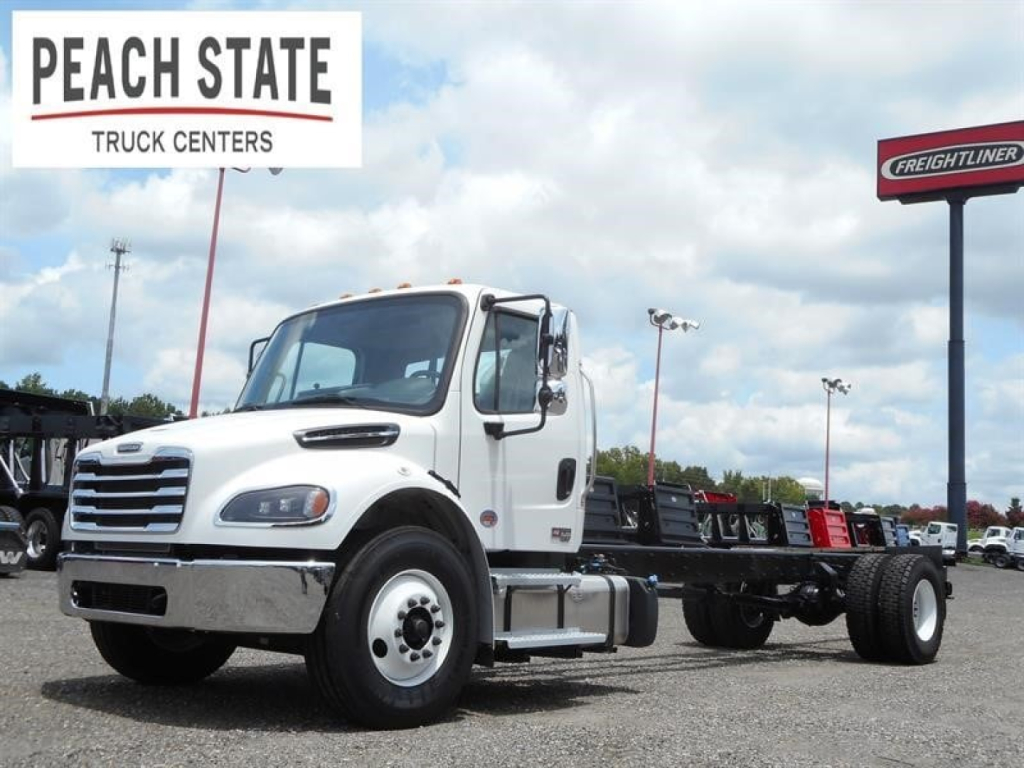
2027 Freightliner M2 106
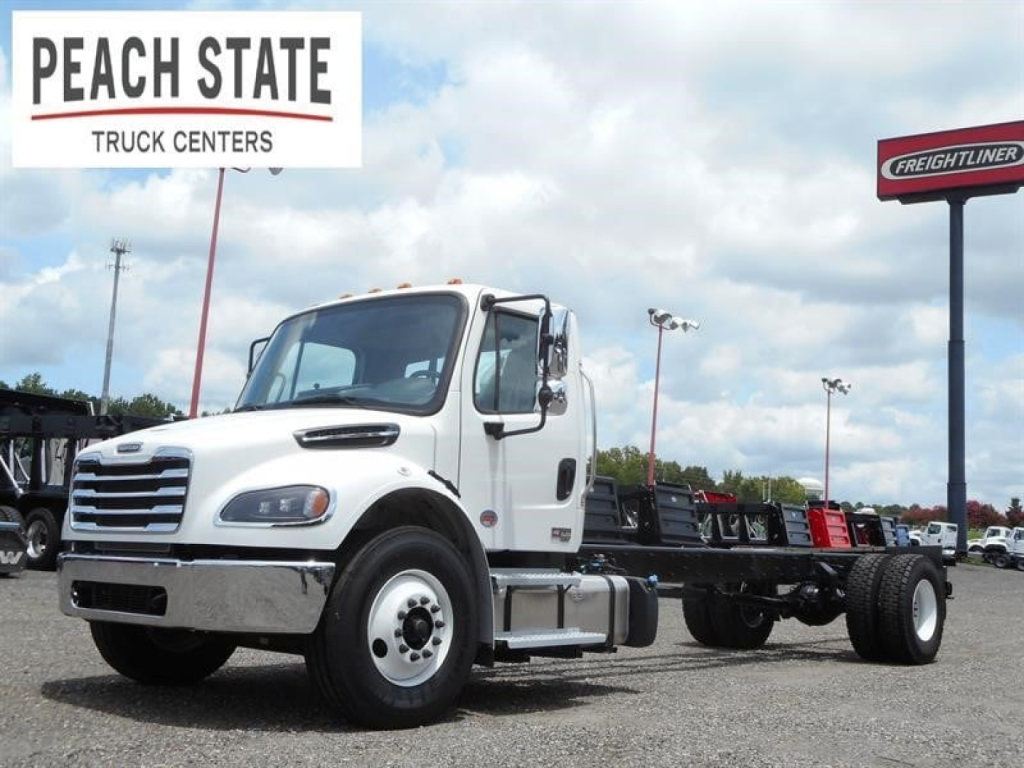
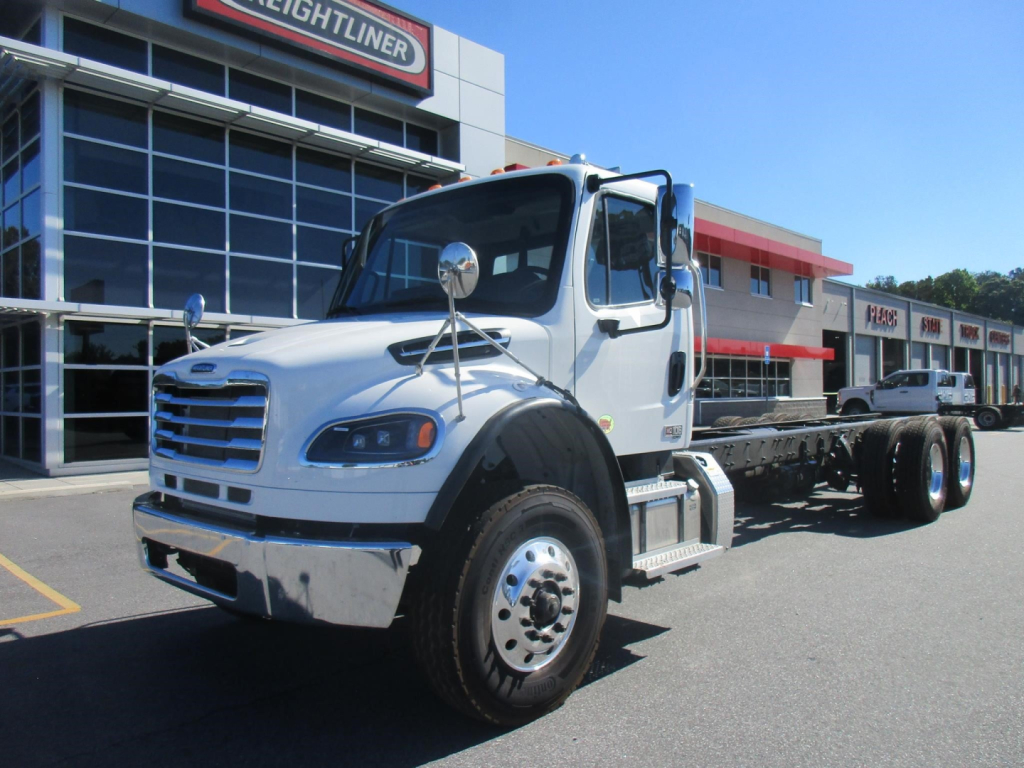
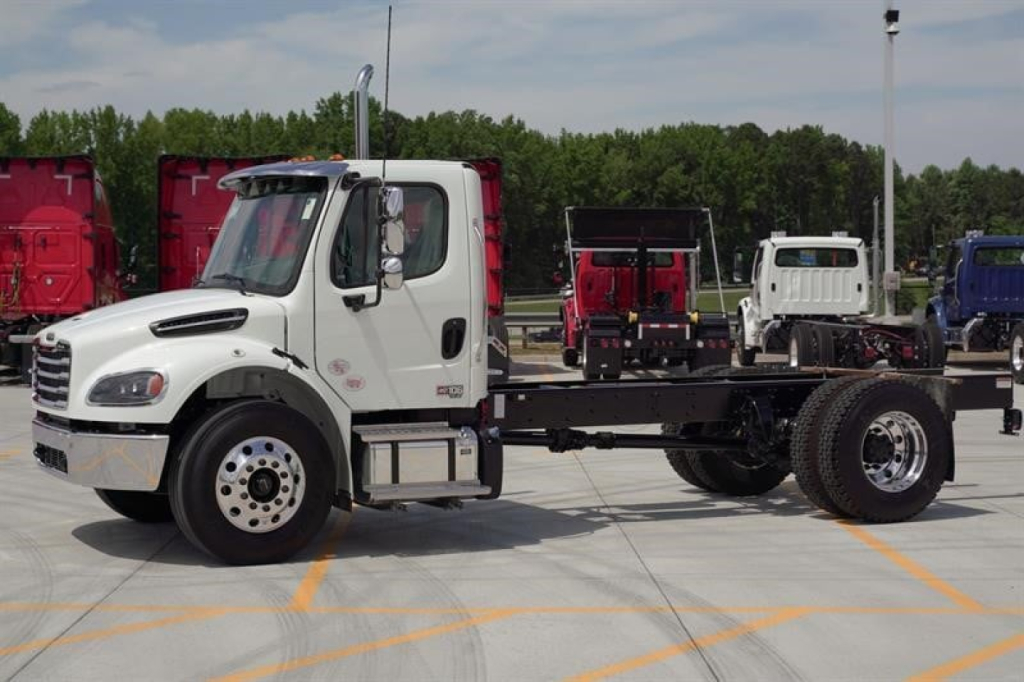
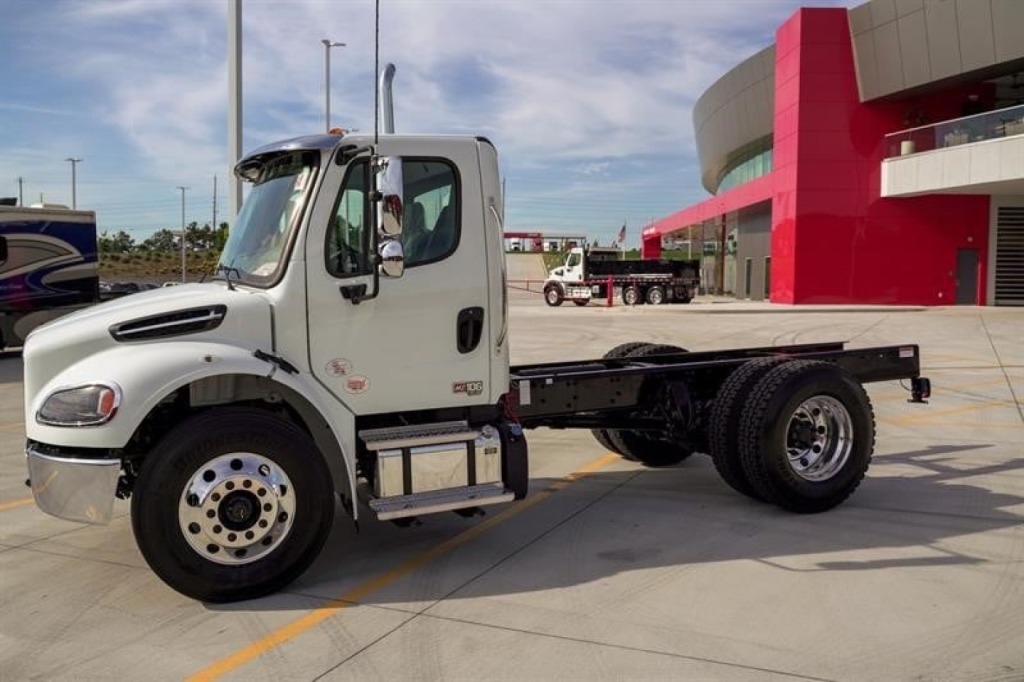
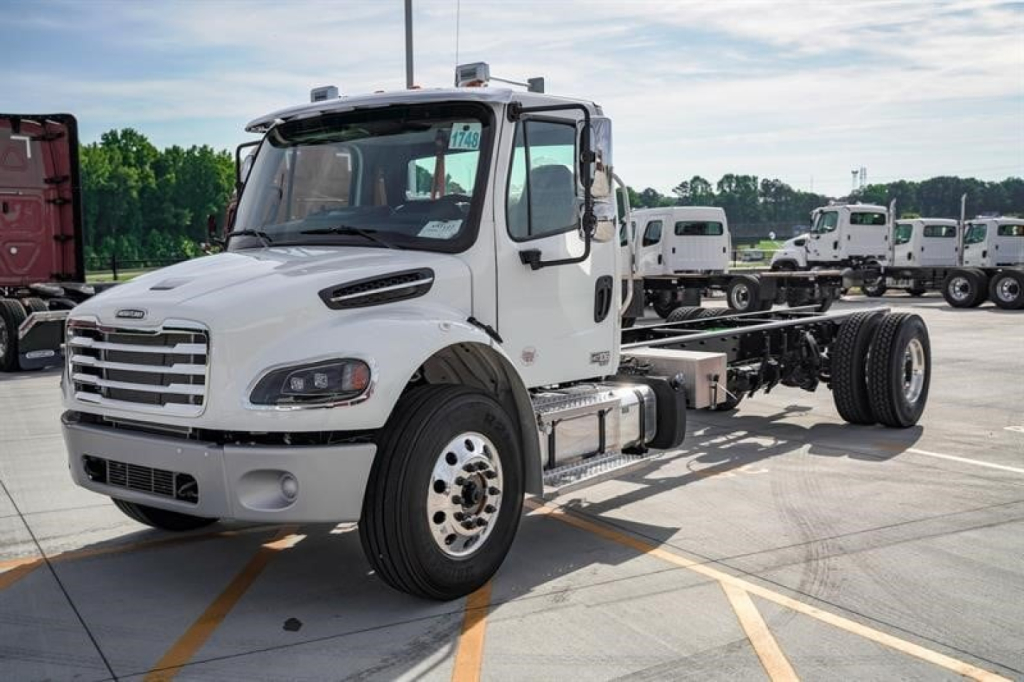
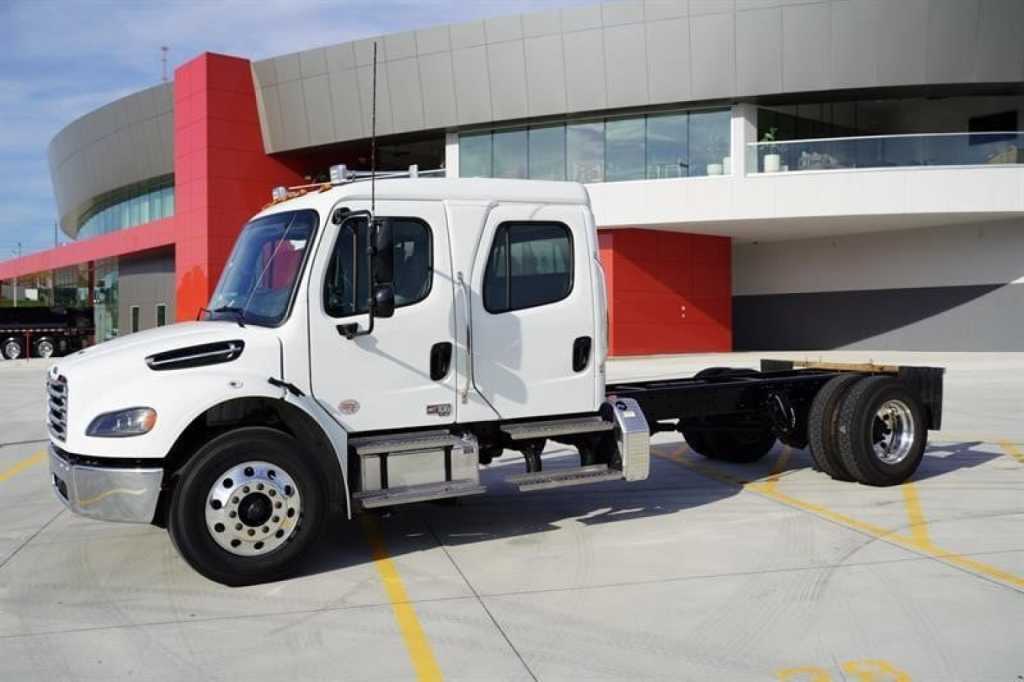
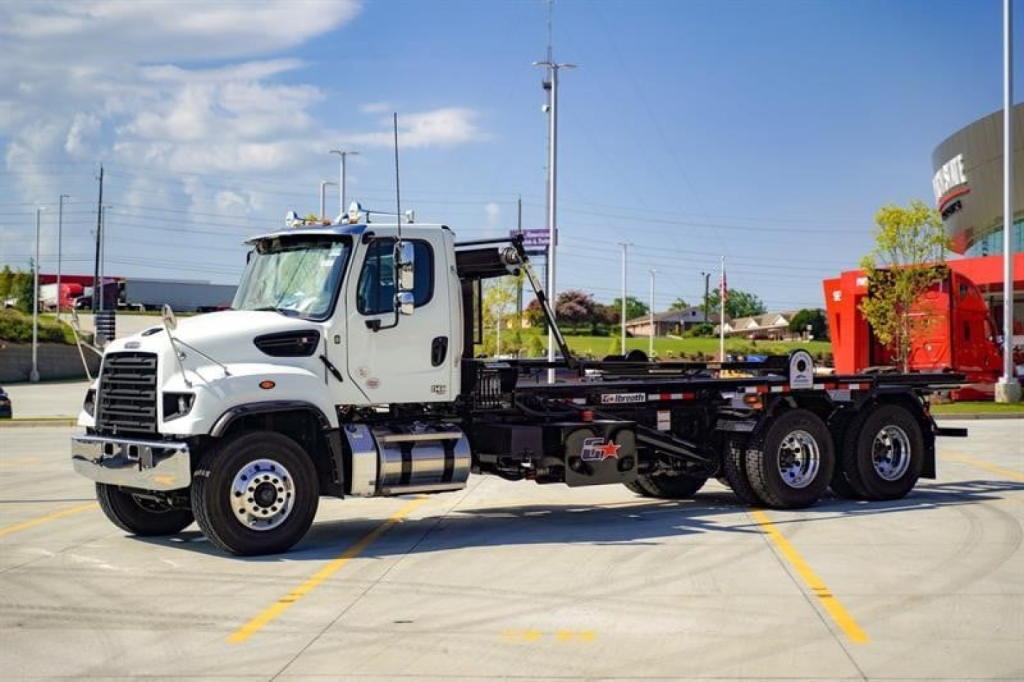
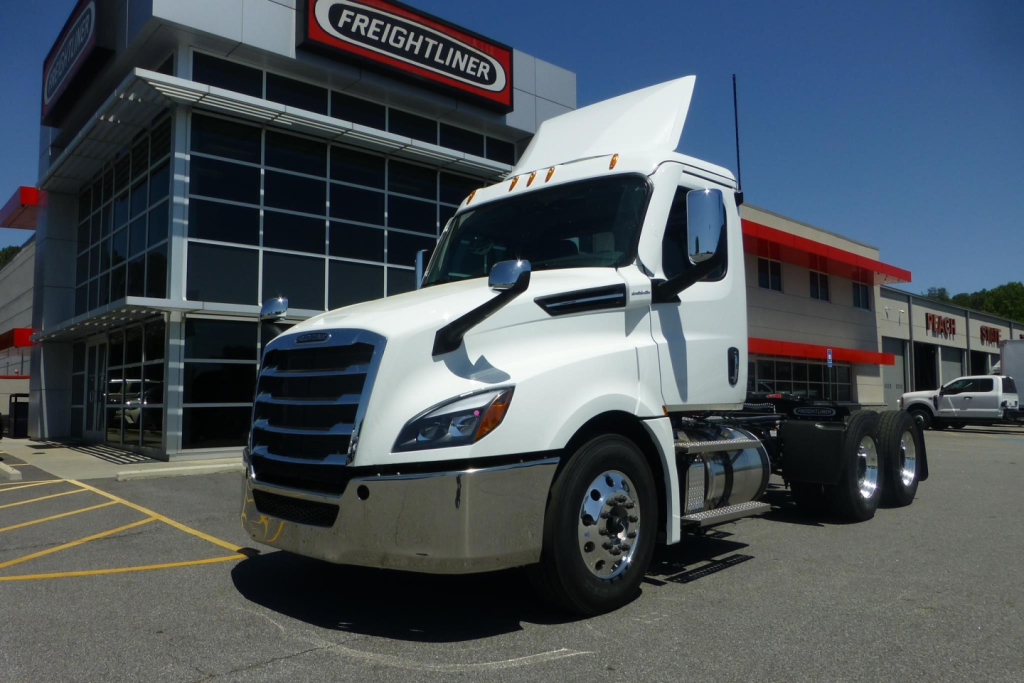
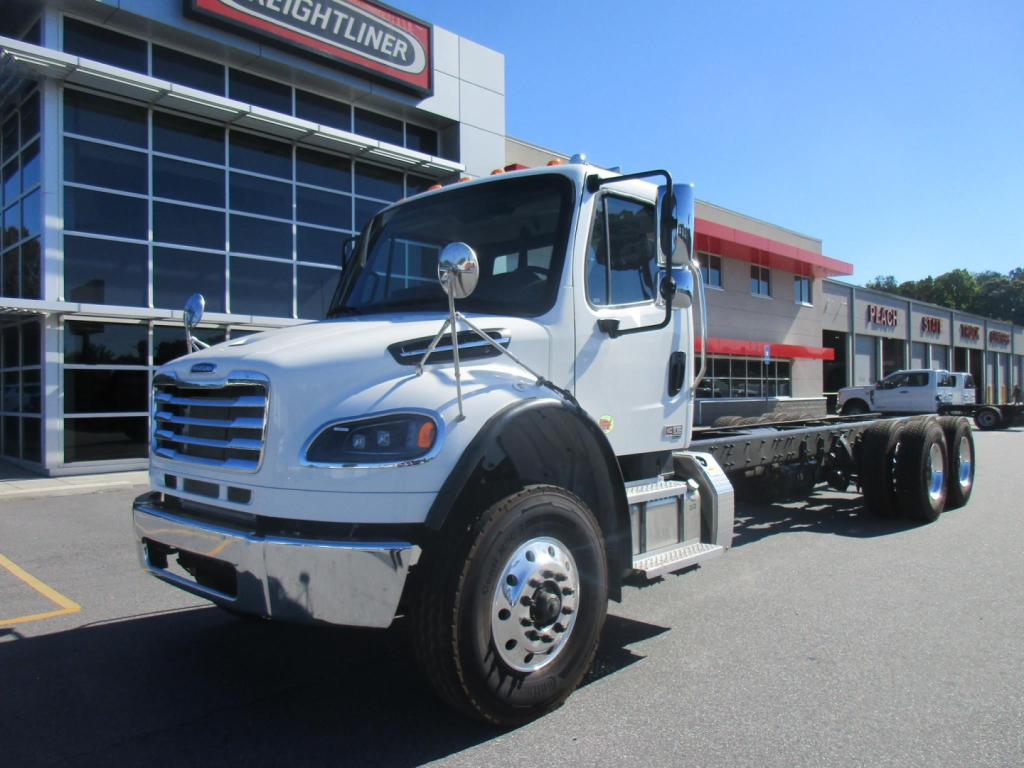
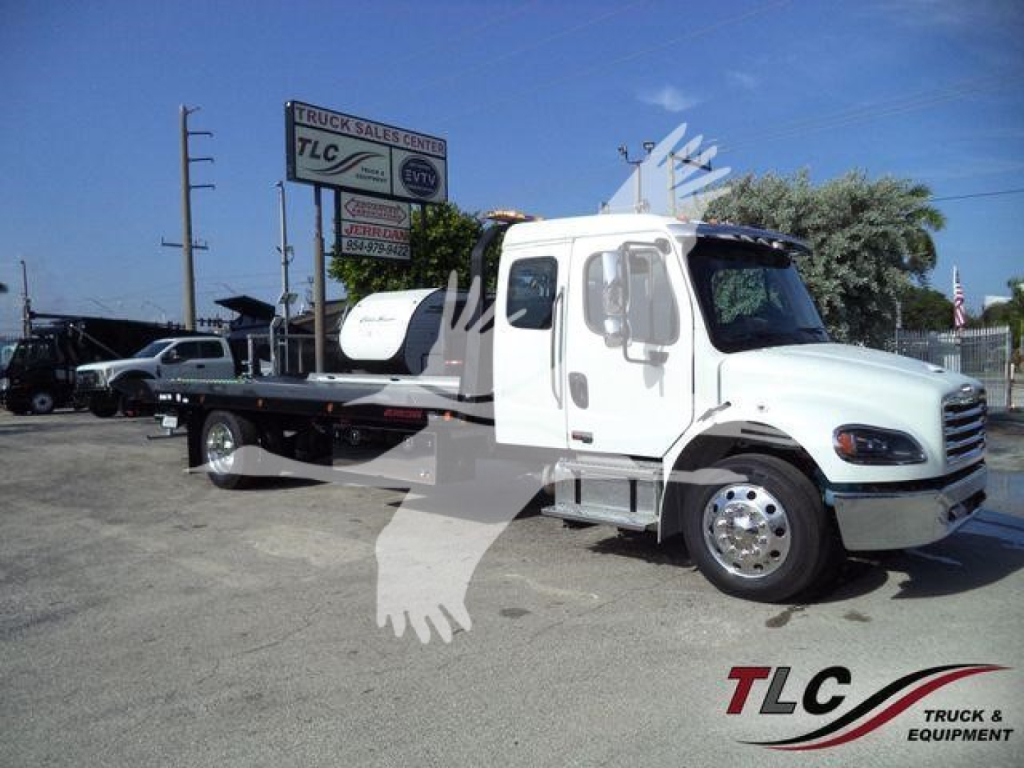
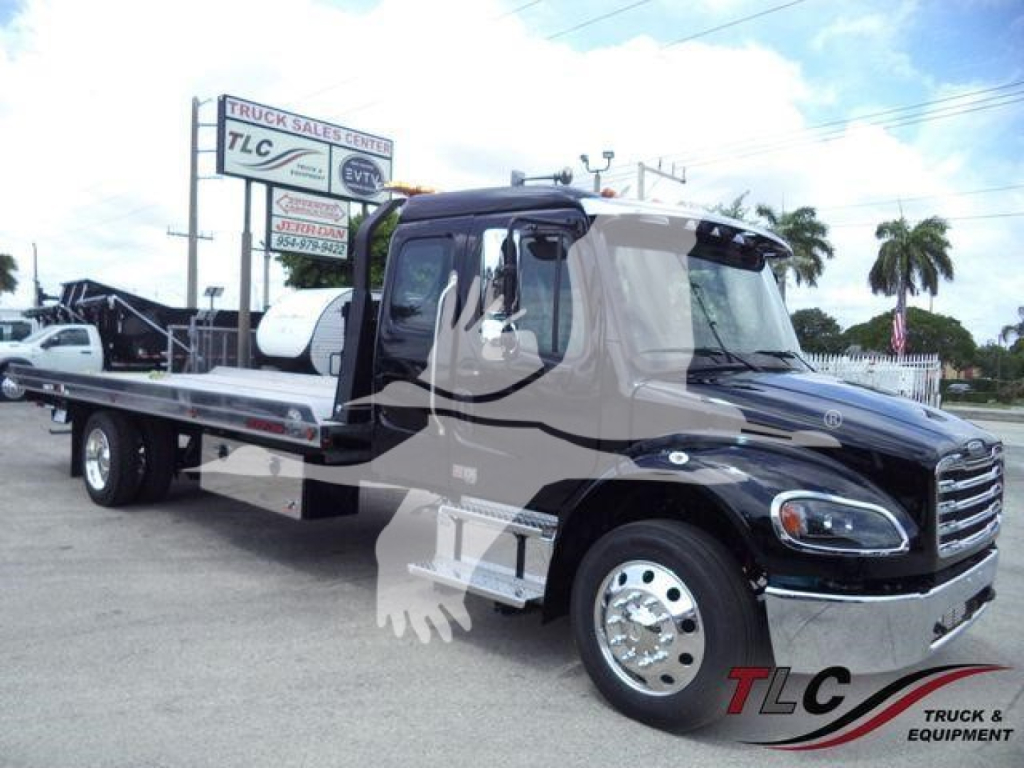
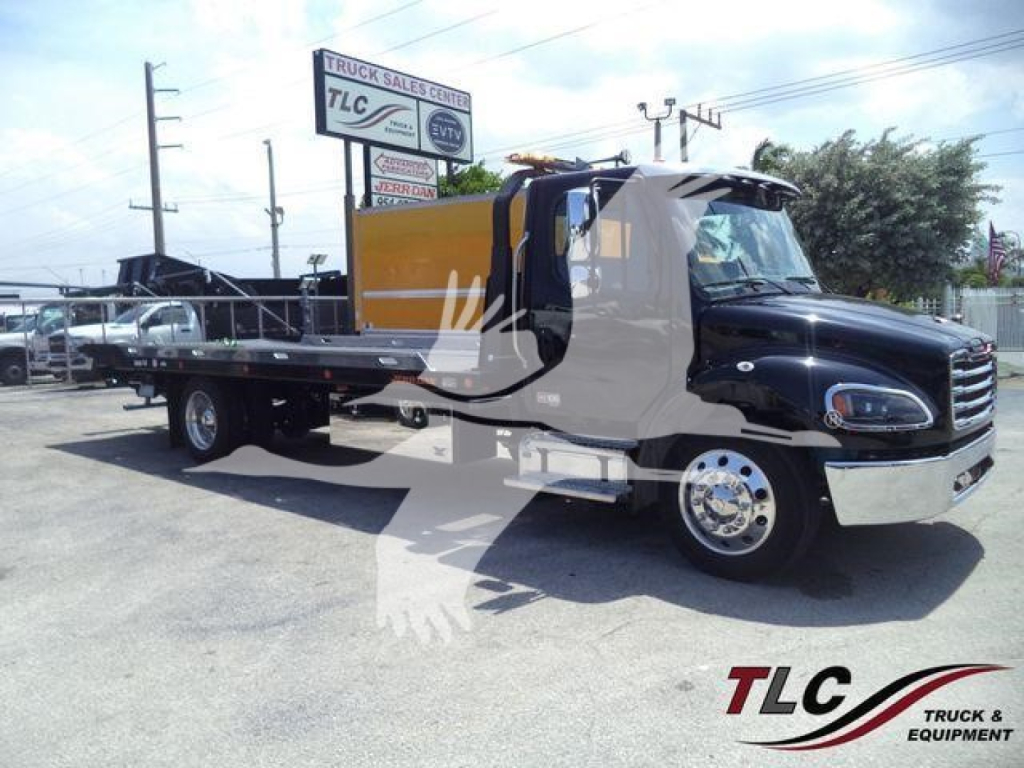
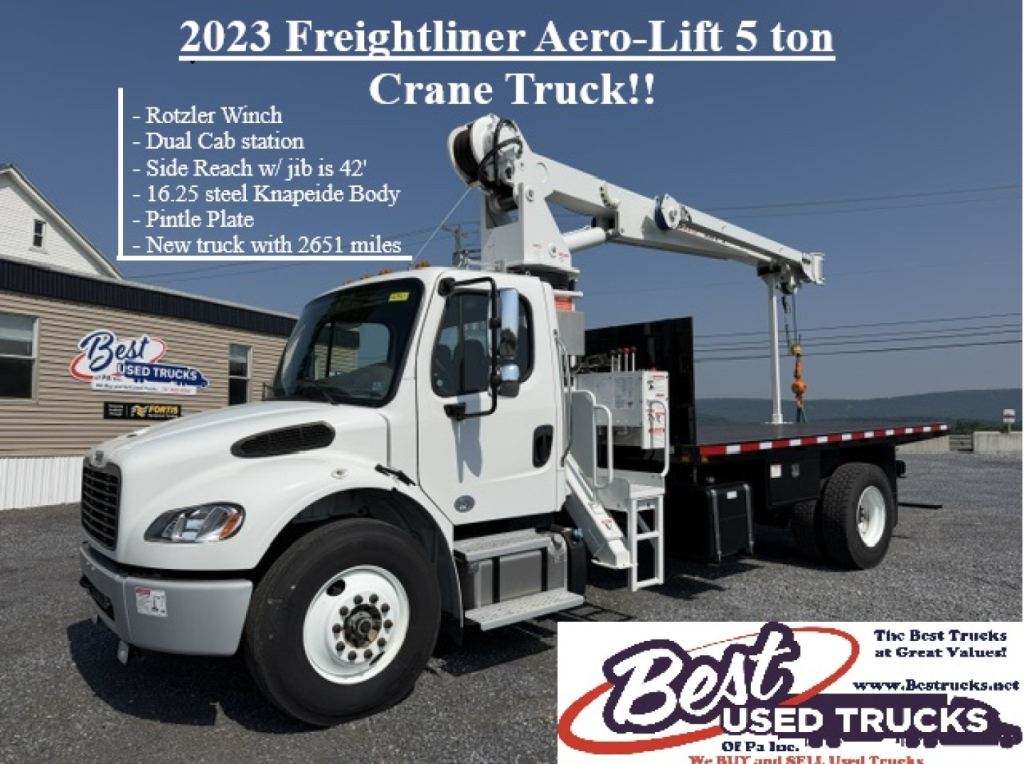
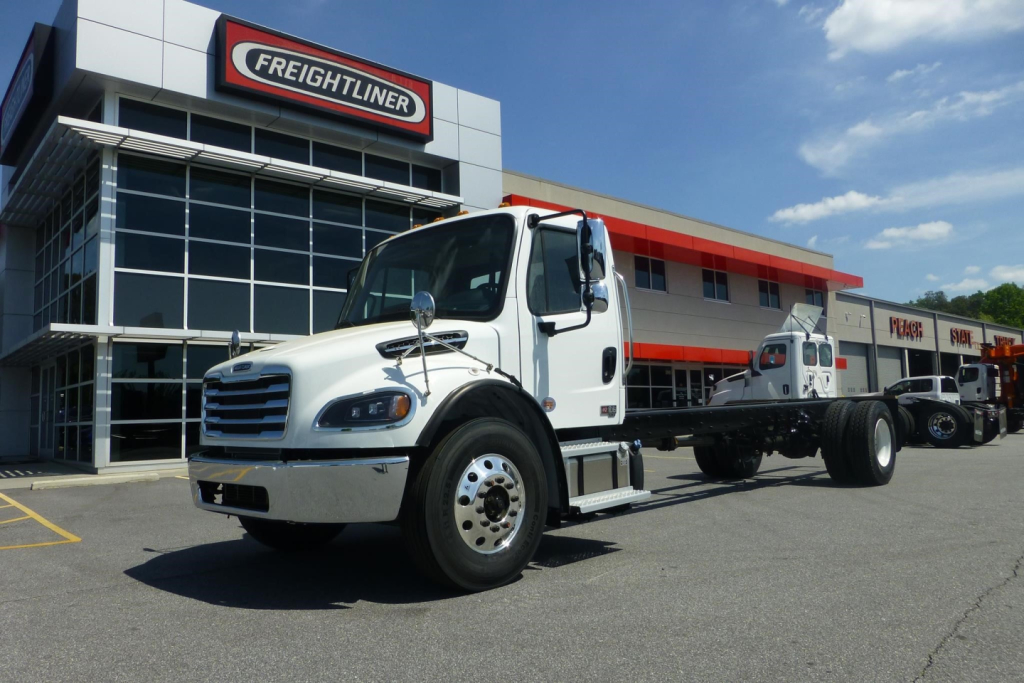
Showing 1 to 28 of 49 results
Selling a new freightliner truck? List your new freightliner truck for sale and reach thousands of commercial buyers.
New Freightliner Trucks
For regional haul, P&D and vocational work, the Business Class M2 and the SD Plus lineup cover everything from dry van and reefer to dump, mixer, crane and municipal builds. Common specs include 12k to 14.6k front axles, 40k to 46k rears, air or rubber-block suspensions, double-frame inserts on severe-duty, front and rear PTO provisions, and cooling packages sized for high PTO load or desert climates. Allison automatics dominate stop-and-go and heavy vocational duty for durability and ease of use, while Eaton automated manuals balance efficiency and performance in mixed service. Set-forward axle options help with bridge-friendly weight distribution on vocational chassis, and Freightliner’s clean frame rails, body builder connectors, and multiple wheelbase choices simplify upfit timelines.
Safety and uptime are baked in on new builds. Detroit Assurance with Active Brake Assist, adaptive cruise, lane departure warning, side guard assist and high-performance LED lighting reduce collision risk and driver fatigue. Detroit Connect telematics, Virtual Technician style remote diagnostics, and over-the-air parameters keep trucks dialed in between shop visits. Air disc brakes, automated transmissions and tire pressure monitoring or central tire inflation systems support consistent performance. Specify visibility packages, heated mirrors, winter fronts and full-locking differentials if the route includes mountain passes or lake-effect corridors, and consider larger fuel capacity for long stretches between reliable diesel or DEF sources.
Battery-electric options like the eCascadia and eM2 fit short-haul and P&D routes with known daily mileage, return-to-base charging and regenerative braking that saves service brakes. Expect higher purchase price and added tare weight, which can trim payload on weight-sensitive freight; in return, fleets gain near-silent operation, fewer moving parts, lower brake wear and potential energy cost savings on depot charging. Cold weather range compression, charger availability and utility lead times should be vetted early. Incentives, grants and CARB requirements can materially change total cost of ownership, so route modeling and charging design are part of the spec process for new electric Freightliners.
Frequently Asked Questions about New Freightliner Trucks
Which new Freightliner model is best for my application?
For long haul and fuel-focused regional work, the Cascadia with a Detroit engine and DT12 transmission is the most common choice. For P&D, utility, box, tanker and specialized bodies, the M2 platform offers tight turning, multiple wheelbases and straightforward upfitting. Severe-duty dump, mixer, plow and crane builds typically land on the 108SD or 114SD Plus chassis for higher axle ratings, double-frame options and heavy cooling packages. Refuse and municipal buyers may also consider the low-entry EconicSD for urban visibility and ergonomics.
What engine and transmission combinations are typically available on new Freightliners?
Detroit DD13 and DD15 are the primary on-highway engines paired with the DT12 automated manual for efficiency and smooth shifting. In medium-duty, Cummins B6.7 and L9 are common, often matched to Allison automatics for stop-and-go durability. Vocational chassis can be configured with Detroit or Cummins power depending on job demands and regional service preferences, with Eaton automated manuals or Allison full automatics based on duty cycle and PTO needs.
How should I choose axle ratio, suspension and wheelbase?
Start with GCW, terrain and cruise speed. Taller ratios improve fuel economy on flat routes at steady highway speeds, while shorter ratios help with startability on grades or in off-road approaches. Air suspensions like AirLiner ride smoothly and protect freight; mechanical or rubber-block designs add durability in off-road conditions. Wheelbase is driven by turning radius, bridge law weight distribution and body length. Heavy vocational builds may need set-forward axles and double frames to carry front-mounted gear while maintaining legal loads.
What safety technology comes standard on new Freightliners, and can it be tailored?
Most new on-highway Freightliners offer Detroit Assurance with features like active emergency braking, adaptive cruise, lane departure warning and pedestrian detection, plus options such as side guard assist. Settings for following distance, lane alerts and speed limiters can be configured to fleet policy. Additional visibility aids like LED headlights, hood- or fender-mounted mirrors and camera systems are commonly spec’d for urban and jobsite environments.
What should I know about warranties and maintenance intervals on new trucks?
New Freightliners include base coverage on chassis components with separate engine and aftertreatment warranties; extended packages are often available for the engine, emissions system, towing and critical electronics. Oil drain intervals depend on engine family and duty cycle, with longer drains achievable on highway trucks using approved oils, fuel filters and telematics-based monitoring. Telematics and remote diagnostics help time service events to minimize downtime and catch issues before they escalate.