
New 2025 Freightliner Trucks For Sale
Shop new 2025 Freightliner trucks including Cascadia and M2 models. Compare specs, applications, GVWR classes, powertrains, and body options.
Selling a new 2025 freightliner truck? List your new 2025 freightliner truck for sale and reach thousands of commercial buyers.
New 2025 Freightliner Trucks
For highway use, the 2025 Freightliner Cascadia remains the benchmark model to study closely. Most buyers will focus on DD13 or DD15 Detroit diesel engines, DT12 automated manual transmissions, 6x4 tandem drive layouts, wheelbase, rear axle ratio, and sleeper configuration. Raised roof sleepers, double-bunk layouts, air ride suspension, aluminum wheels, and active safety systems like collision mitigation, adaptive cruise, lane departure warning, and side object detection are common decision points. On a new Cascadia, fuel economy specs, aero package, fifth wheel slide range, and brake spec such as air disc versus drum can have a real effect on long-term operating cost.
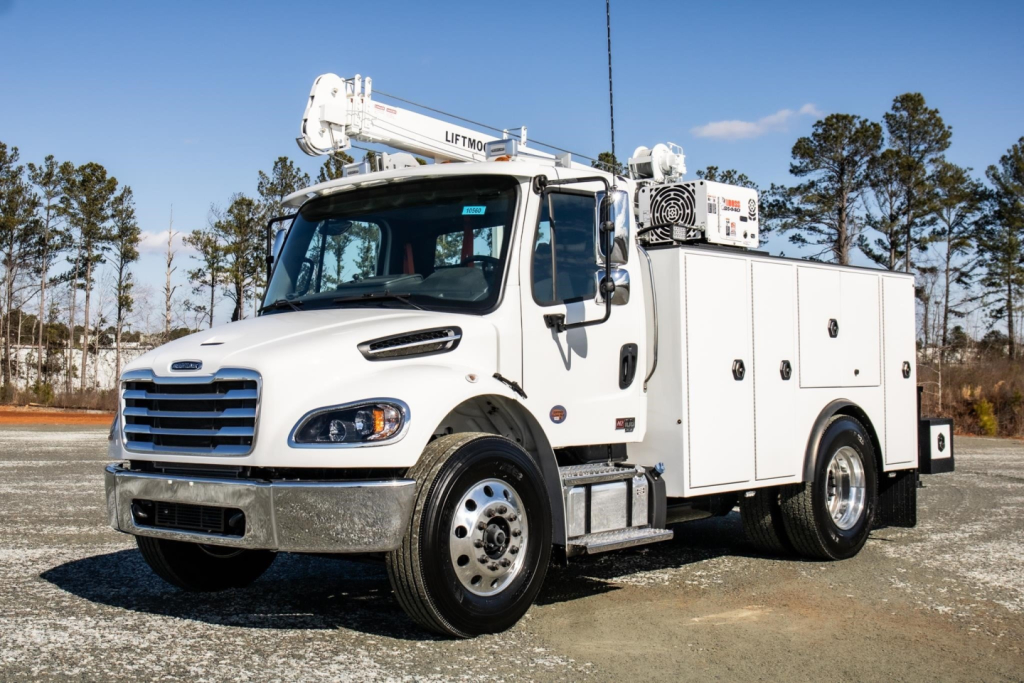
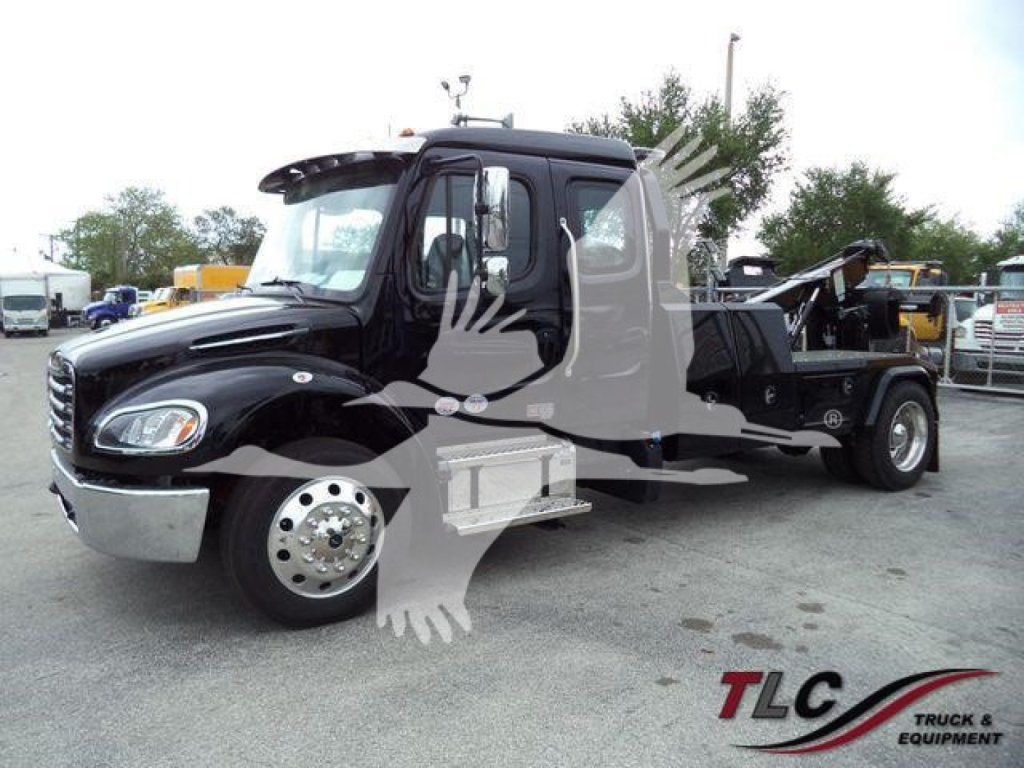
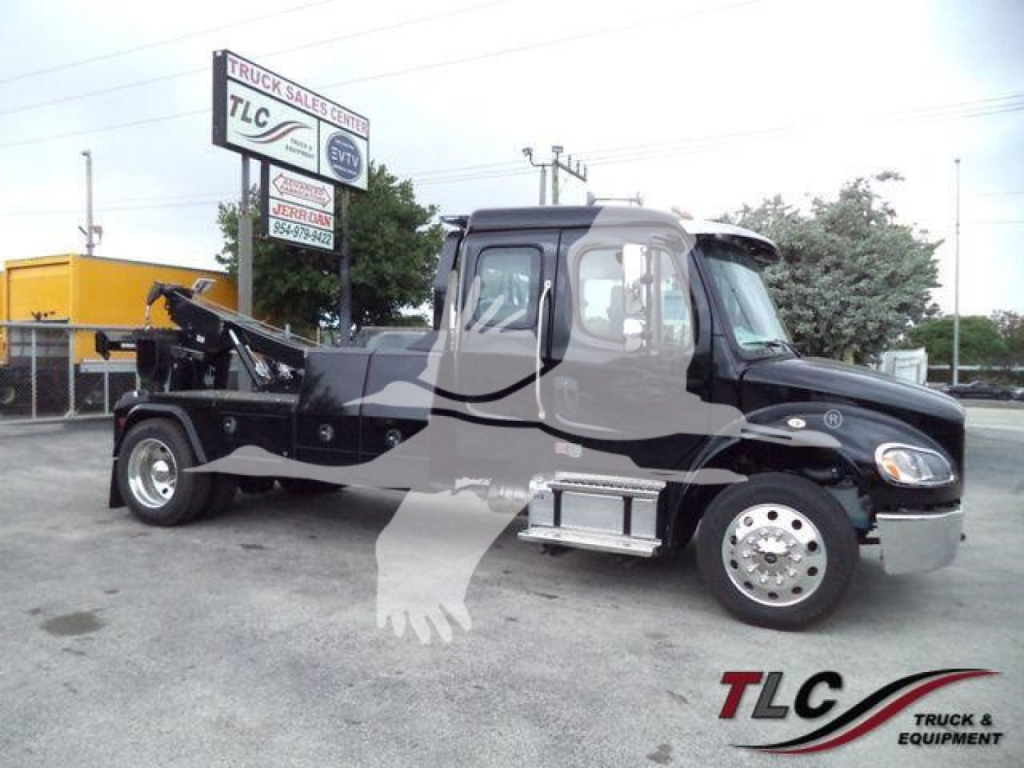
In medium-duty and vocational service, new 2025 Freightliner trucks are often built on the M2 106 platform with Cummins B6.7 or L9 power, Allison automatic transmissions, and either spring or air ride suspension depending on application. A Class 6 box truck may prioritize wheelbase, body length, liftgate capacity, and door style, while a dump truck buyer will pay closer attention to front axle rating, rear axle capacity, PTO compatibility, frame reinforcement, and suspension durability. Reefer and insulated body buyers should review cab-to-axle measurement, body manufacturer, floor construction, E-track or logistic track, reefer unit brand, and ramp or roll-up door configuration. Freightliner’s appeal in this segment is flexibility. The chassis can be upfitted for local delivery, foodservice, construction, utility, or route work without moving away from a mainstream service network.
A smart 2025 Freightliner truck purchase starts with matching the chassis to the duty cycle, not just the advertised horsepower. Check GVWR or GCWR, axle ratings, engine torque, transmission programming, and wheelbase against the freight, terrain, and body you plan to run. Buyers in urban pickup and delivery may value visibility, turning radius, and automatic transmissions, while linehaul operators will care more about sleeper amenities, fuel capacity, drivetrain ratio, and driver-assist technology. Freightliner trucks also hold attention because parts access, technician familiarity, and resale liquidity are typically strong, especially on mainstream Cascadia and M2 configurations.
Frequently Asked Questions about New 2025 Freightliner Trucks
What are the most common new 2025 Freightliner truck models buyers compare?
The most common comparisons are usually between the Freightliner Cascadia and the Freightliner M2 106 or Business Class M2 variants. The Cascadia is the primary on-highway Class 8 platform used for sleeper tractors and regional day cabs, while the M2 106 is a medium-duty and vocational chassis used for box trucks, refrigerated trucks, dumps, and other upfit applications. The right choice depends on whether the truck is being purchased for tractor-trailer service, local delivery, construction, or specialized body installation.
Which engines and transmissions are typical in new Freightliner trucks?
New Freightliner trucks are commonly spec'd with Detroit engines in Cascadia highway tractors and Cummins engines in M2 medium-duty or vocational trucks. A Cascadia often carries a Detroit DD13 or DD15 paired with a DT12 automated manual transmission. M2 models frequently use Cummins B6.7 or L9 engines with Allison automatic transmissions, especially in delivery, reefer, and dump applications. Buyers should match horsepower, torque, transmission type, and axle ratio to route profile, payload, and stop-and-go frequency rather than choosing by horsepower alone.
What should buyers look at first on a new Freightliner Cascadia?
Start with the drivetrain and operating profile. Engine rating, torque, transmission, rear axle ratio, and wheelbase matter more than appearance or cab trim. Sleeper size, bunk layout, fuel capacity, fifth wheel travel, and safety technology should be reviewed next. For fleets and owner-operators focused on operating cost, brake type, aero spec, idle management equipment, and maintenance intervals are also important because they affect fuel burn, driver comfort, and downtime over the life of the truck.
Is the Freightliner M2 106 a good platform for box, reefer, and dump truck applications?
Yes. The M2 106 is widely used because it supports a broad range of body installations and duty cycles. It can be configured as a Class 6 or heavier vocational truck depending on axle ratings and chassis setup. For box and refrigerated work, buyers should verify wheelbase, cab-to-axle measurement, body length, liftgate or ramp requirements, and reefer integration. For dump applications, front axle capacity, frame spec, PTO setup, suspension choice, and body hoist compatibility become more important.
Do new Freightliner trucks typically have strong resale and service support?
Freightliner is one of the most established names in the North American truck market, so service access, parts availability, and technician familiarity are generally strong. That matters to buyers planning to minimize downtime and protect resale value. Mainstream specs usually hold value best, especially common Cascadia sleeper or day cab configurations and M2 trucks built for standard box, reefer, or vocational use. Unusual body combinations or niche drivetrain specs can still be useful, but they may narrow the resale audience later.