
New 2027 Freightliner Trucks For Sale
Shop new 2027 Freightliner trucks, including Cascadia and M2 models, with specs for highway, vocational, box truck, and fleet applications.
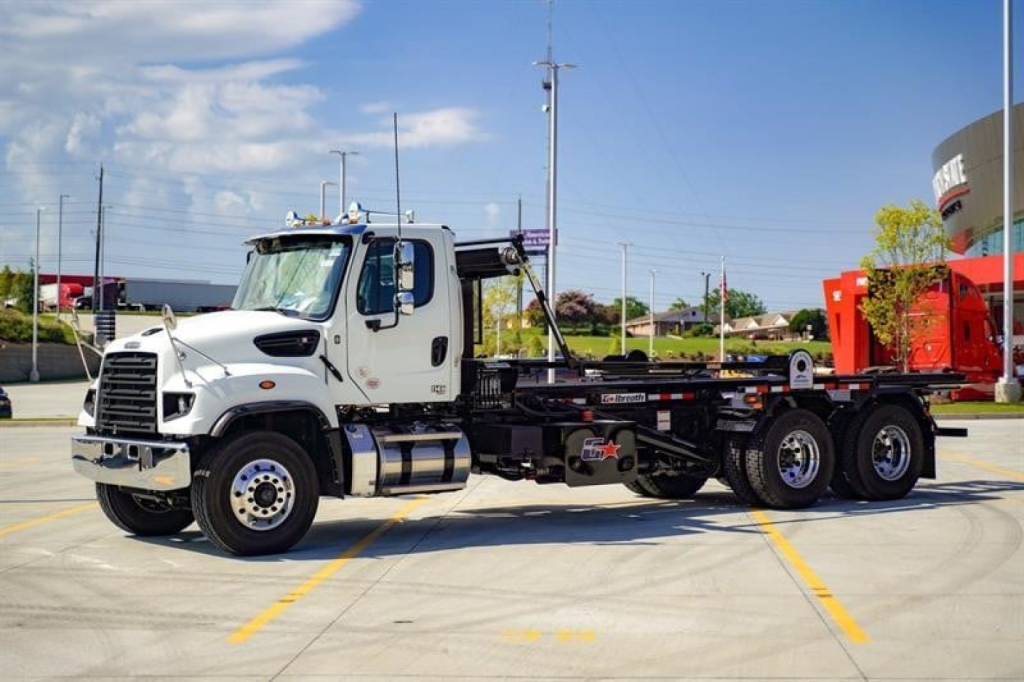
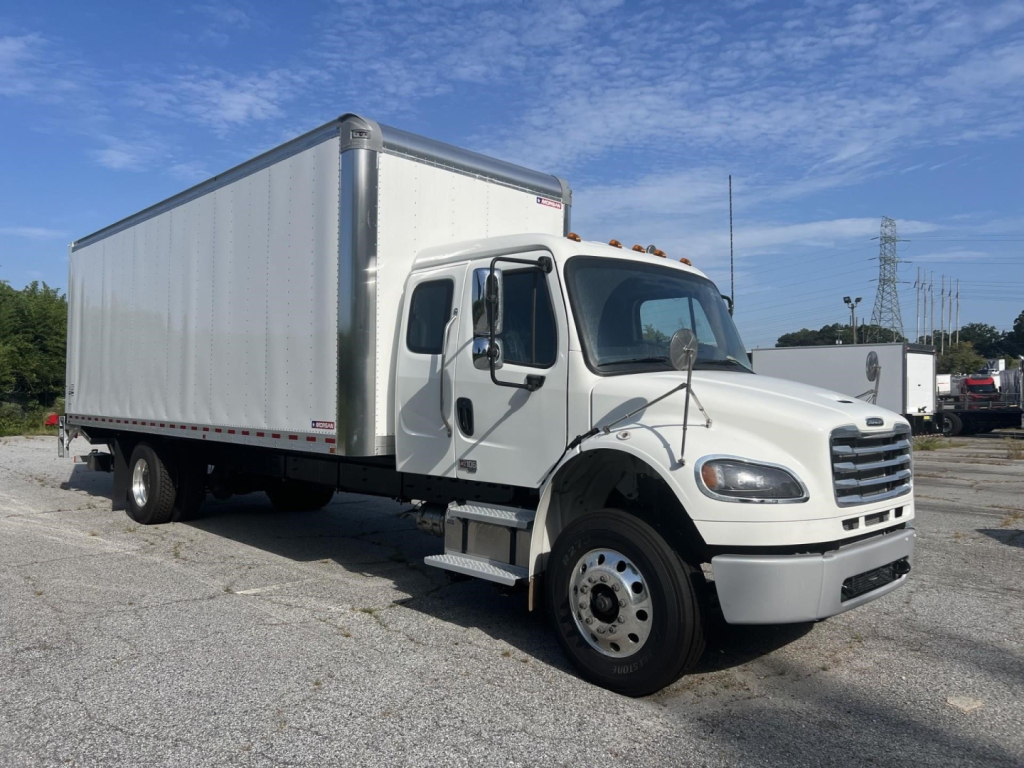
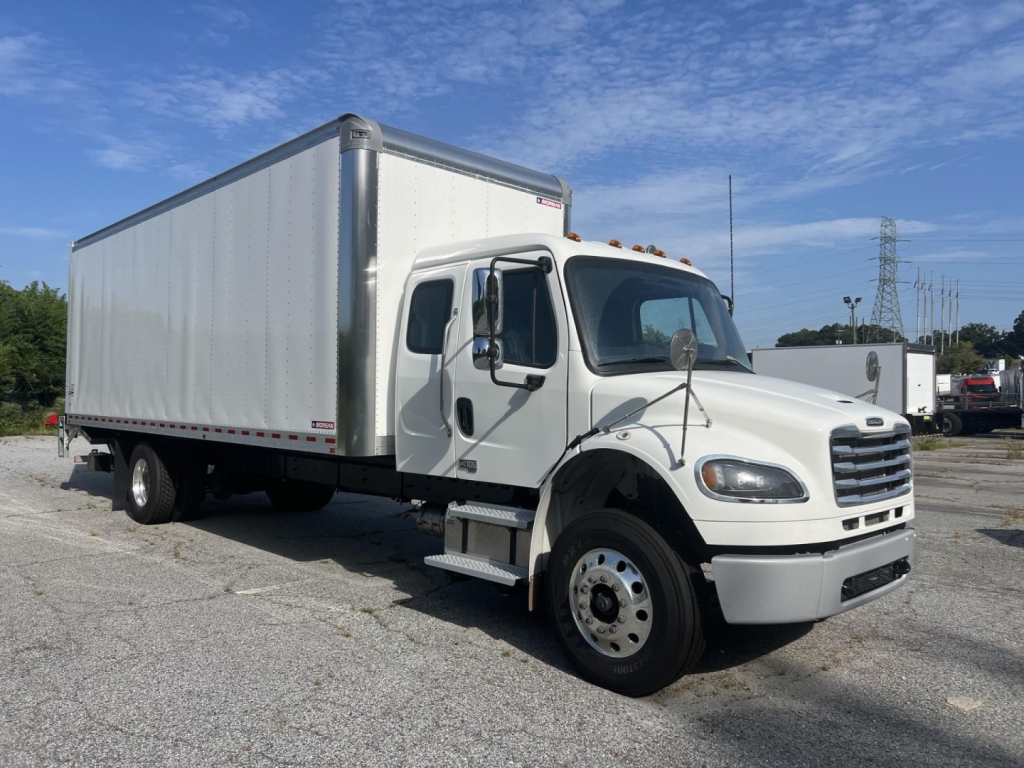
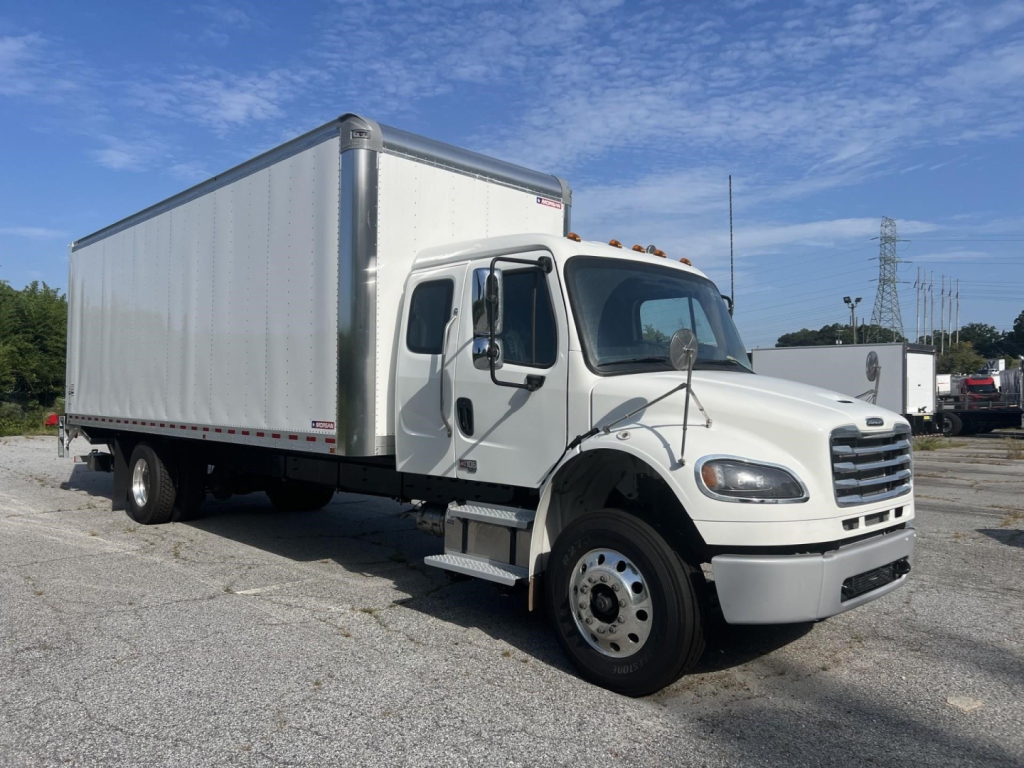
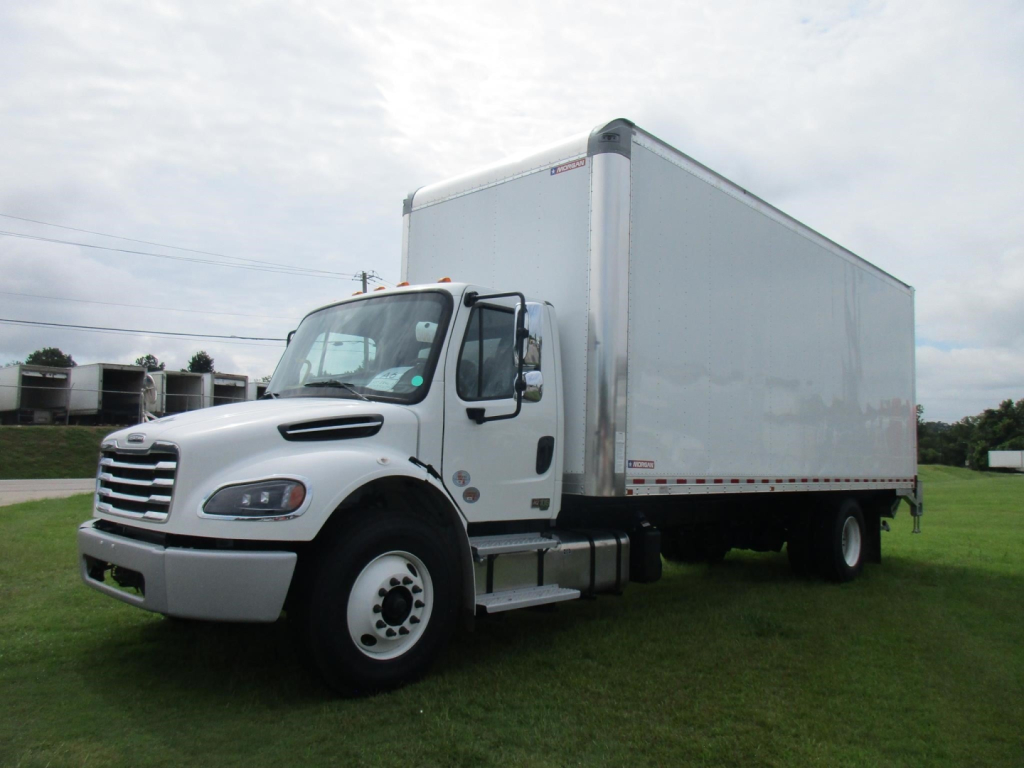
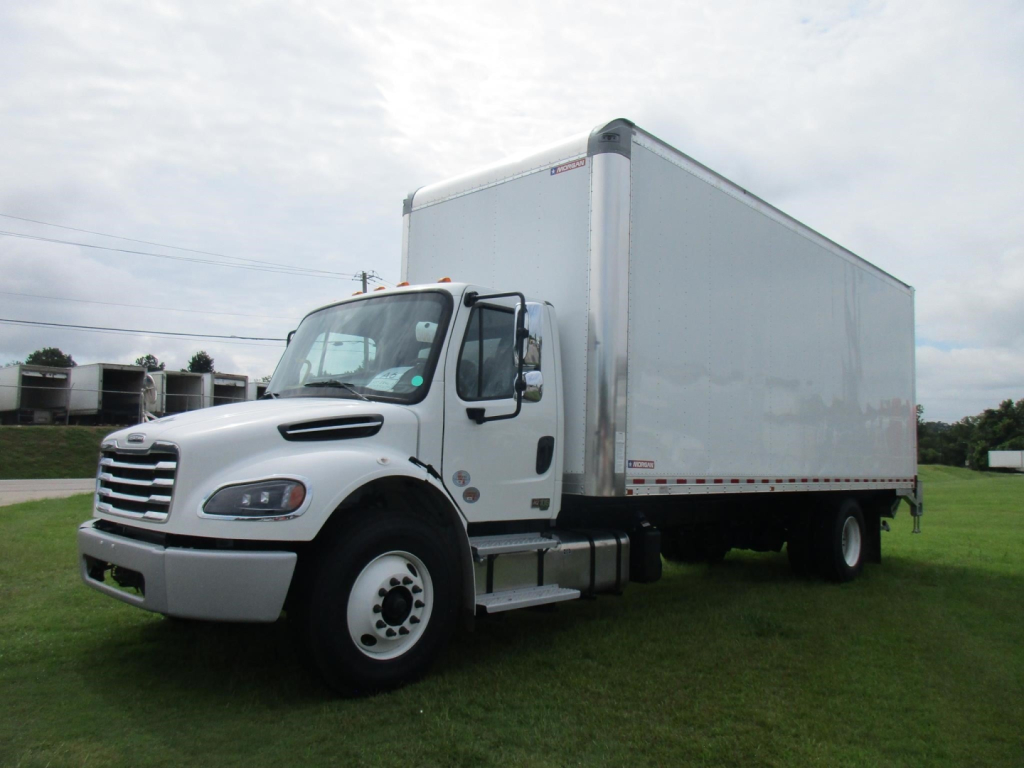
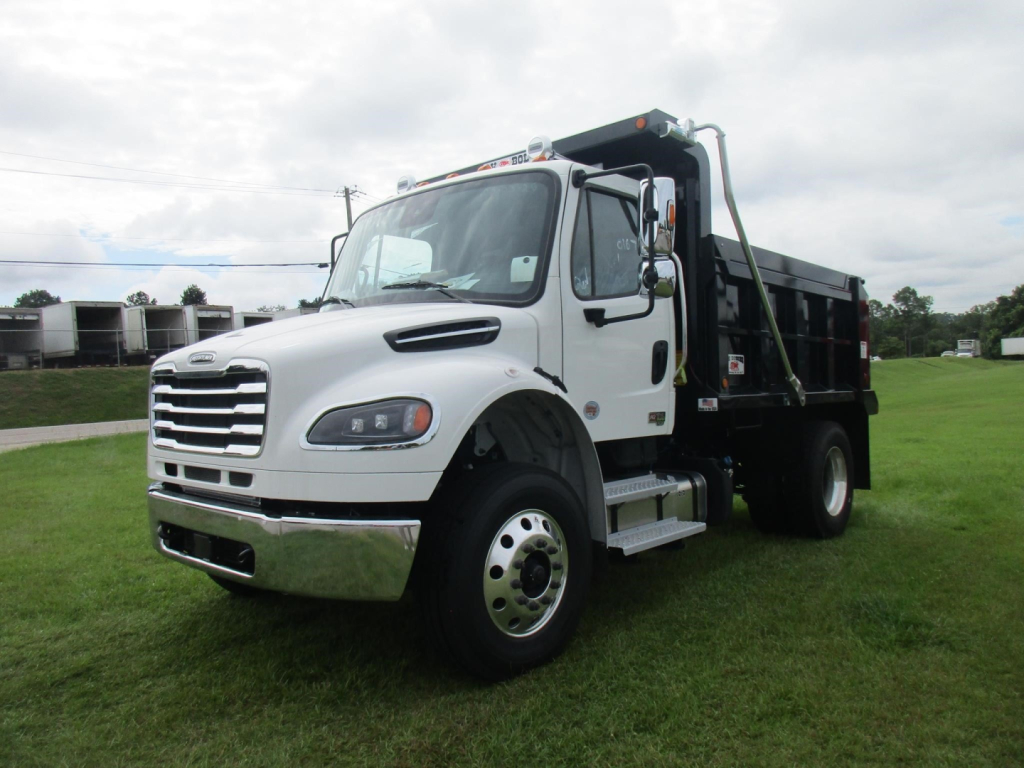
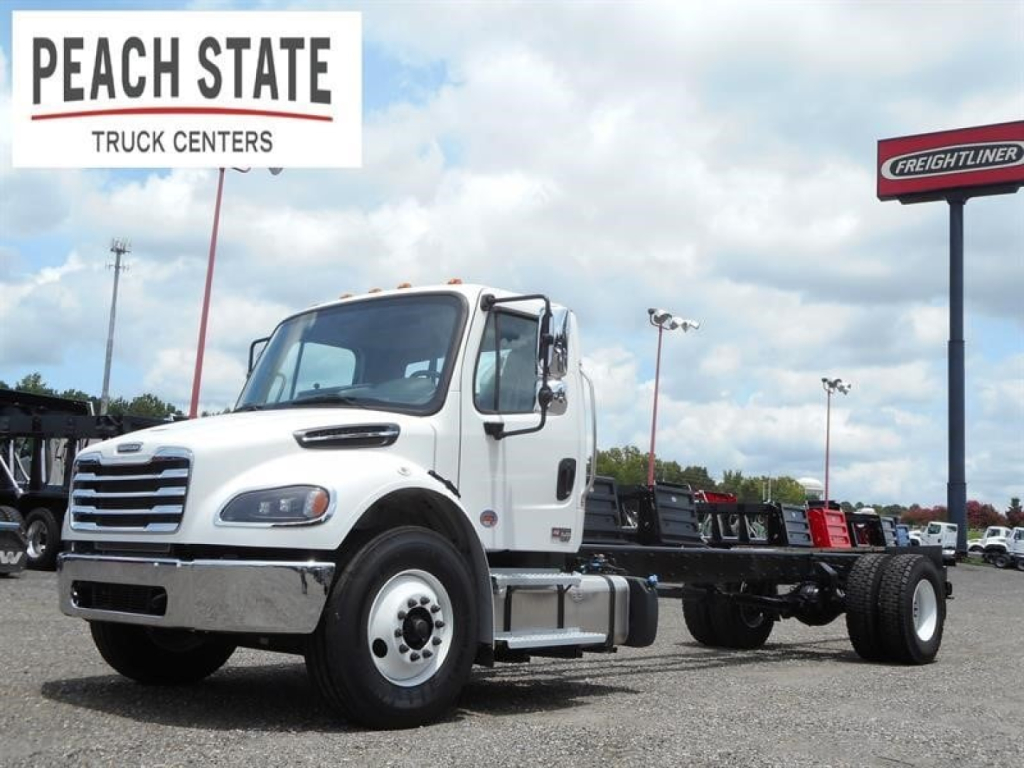
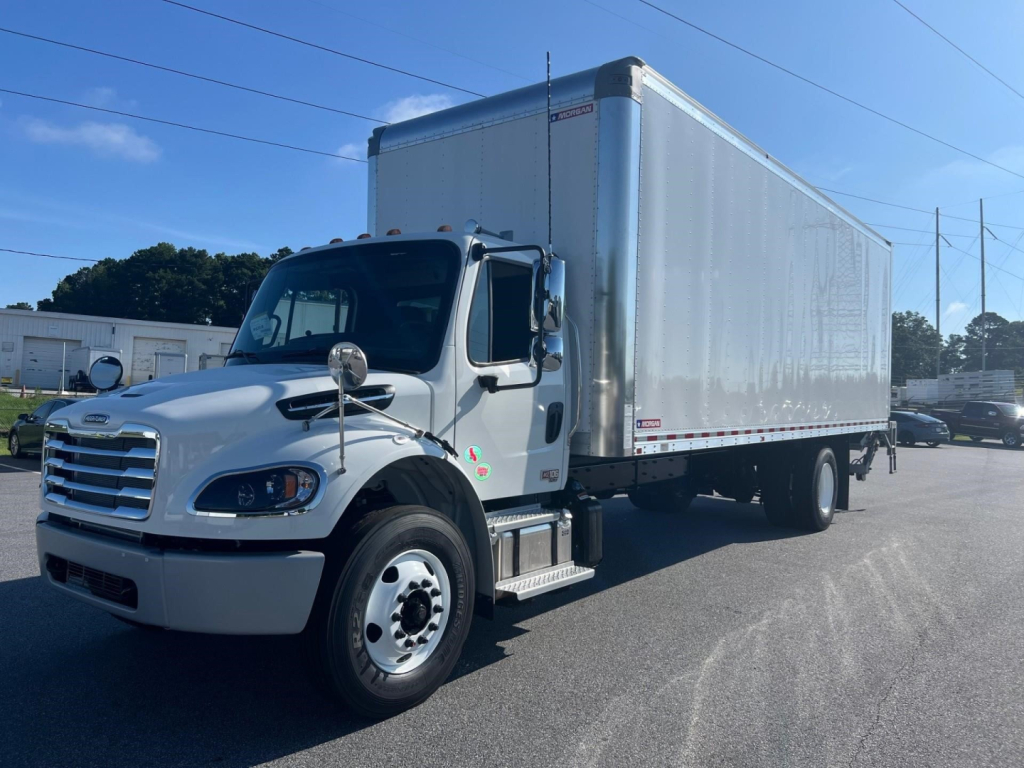
2027 Freightliner M2 106
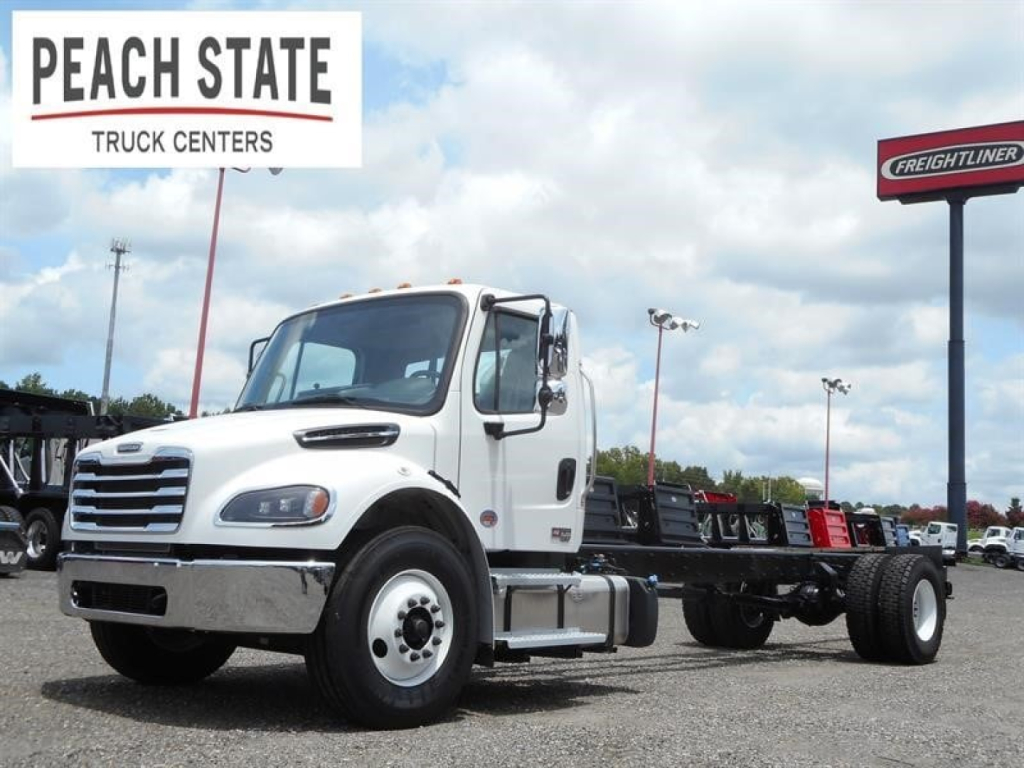
2027 Freightliner M2 106
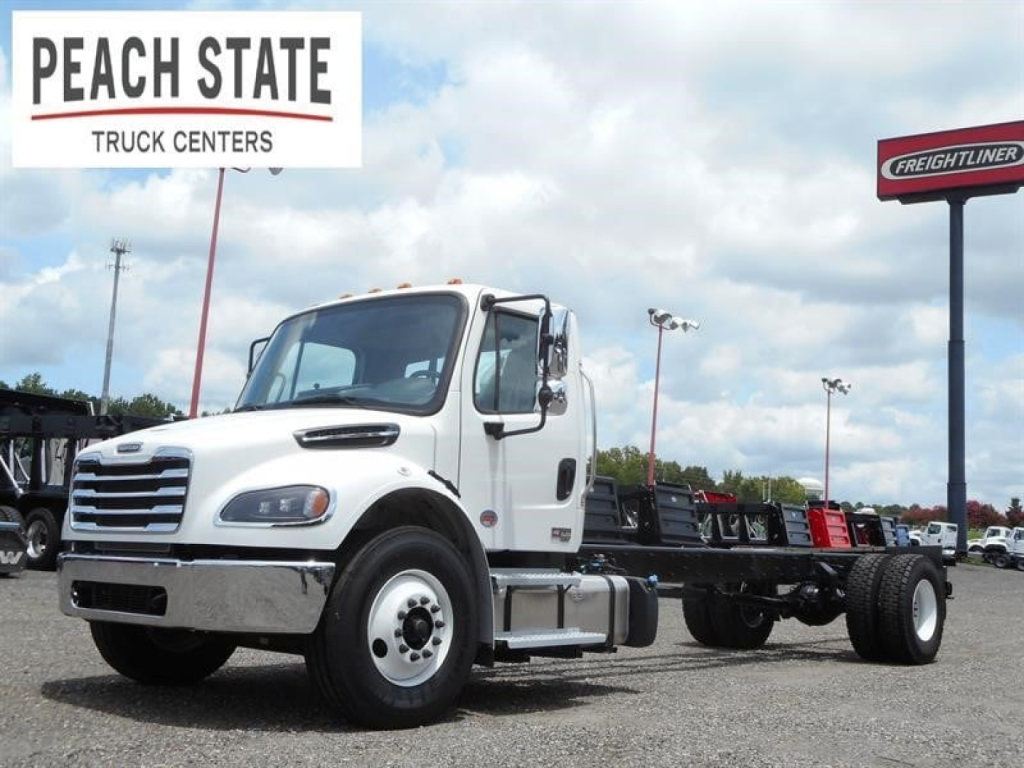
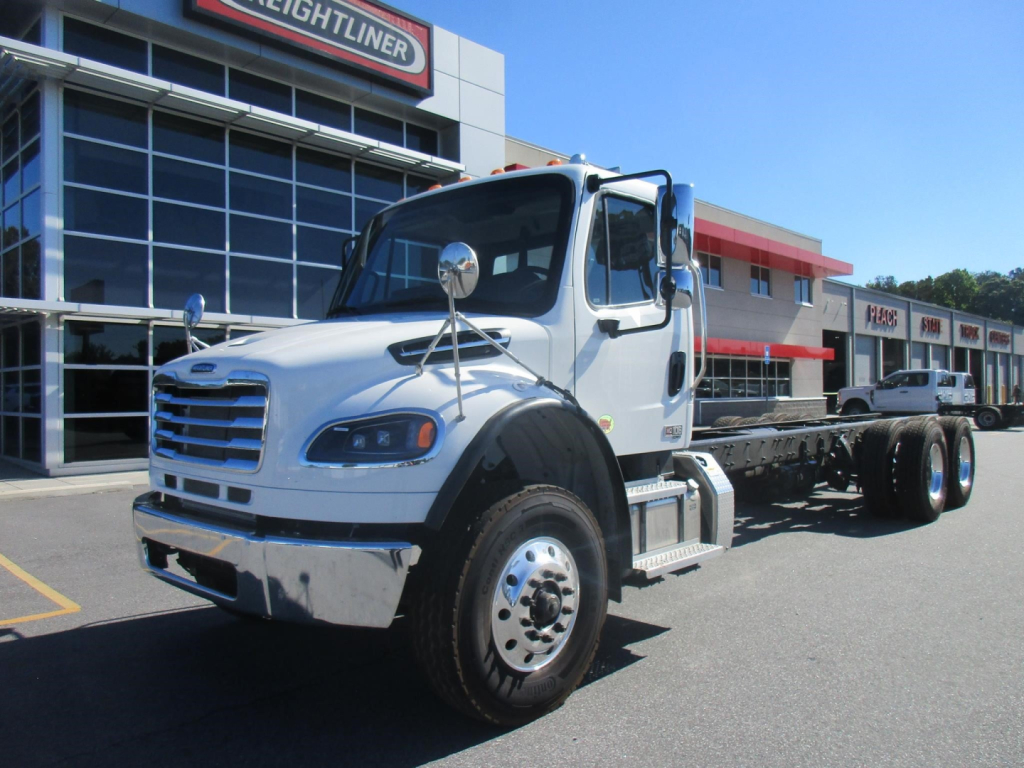
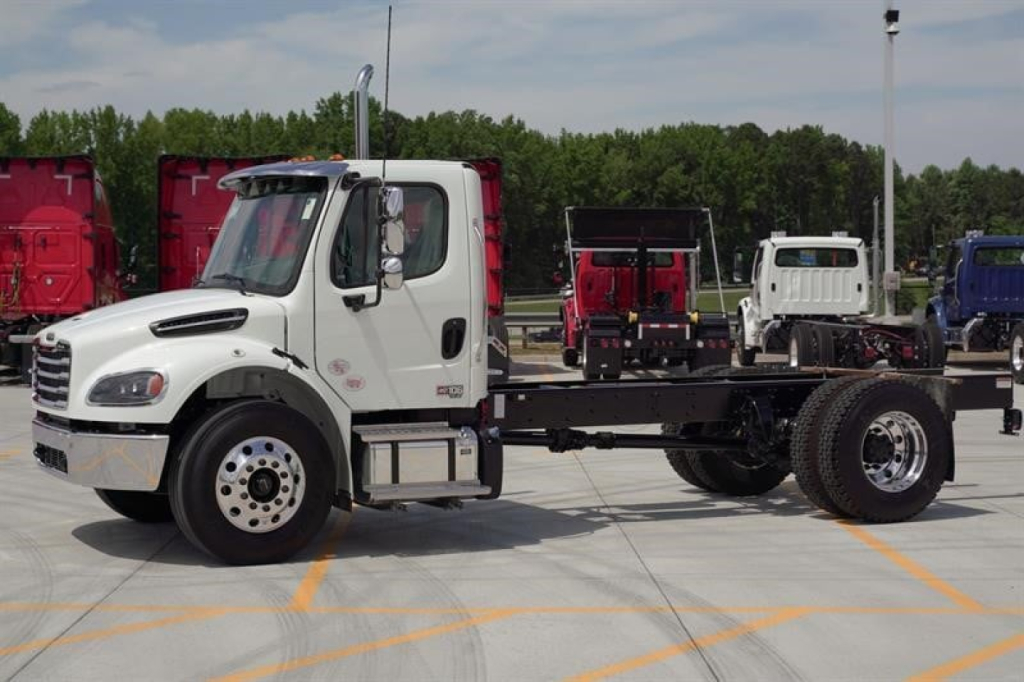
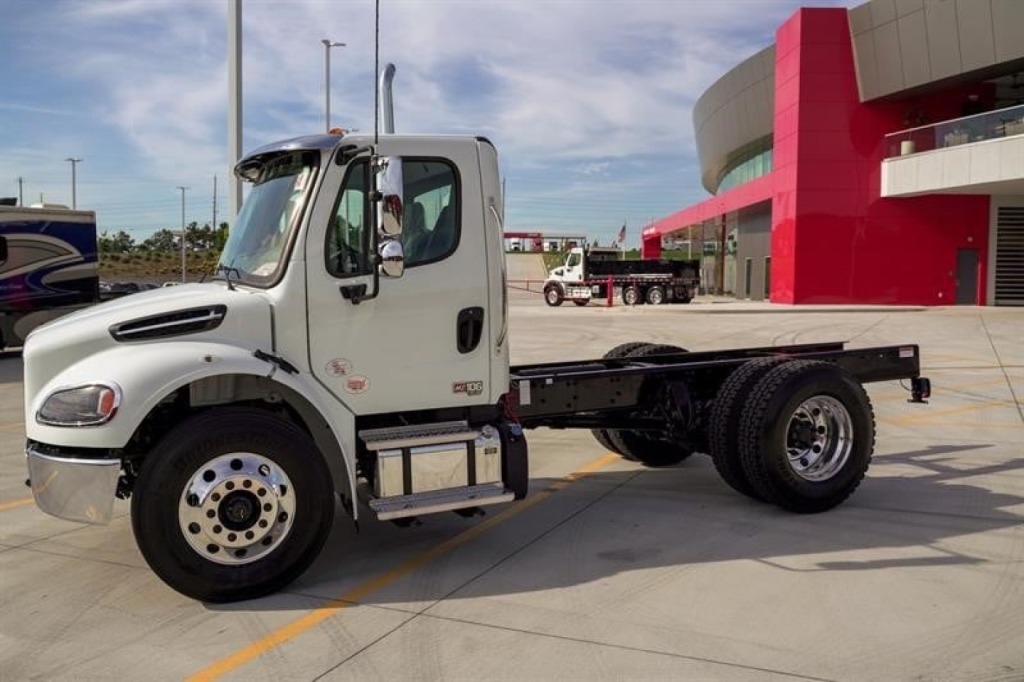
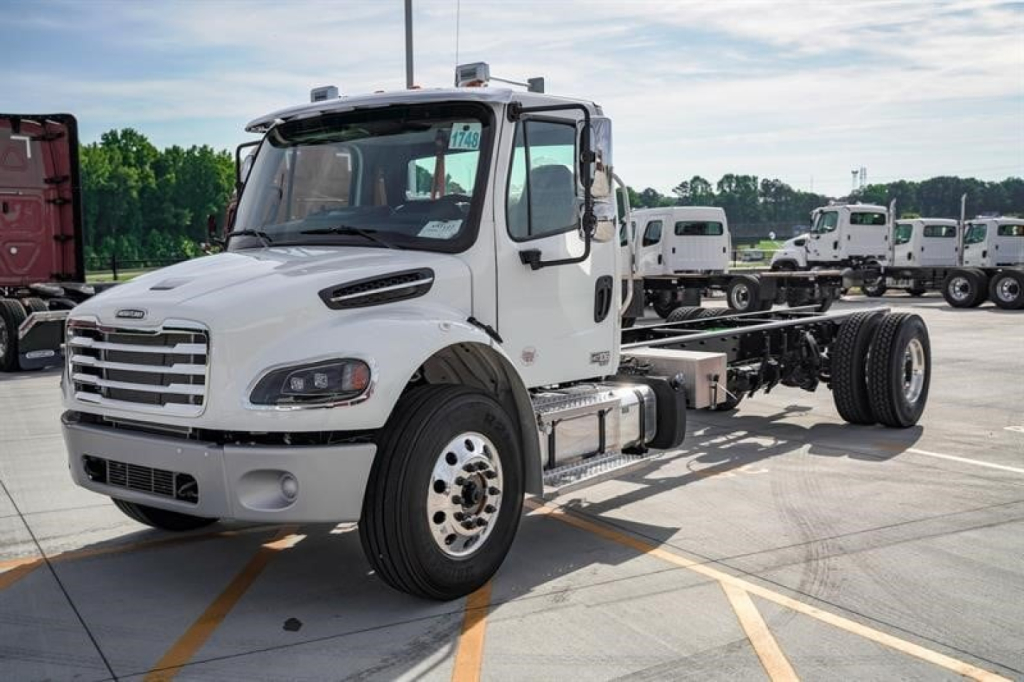
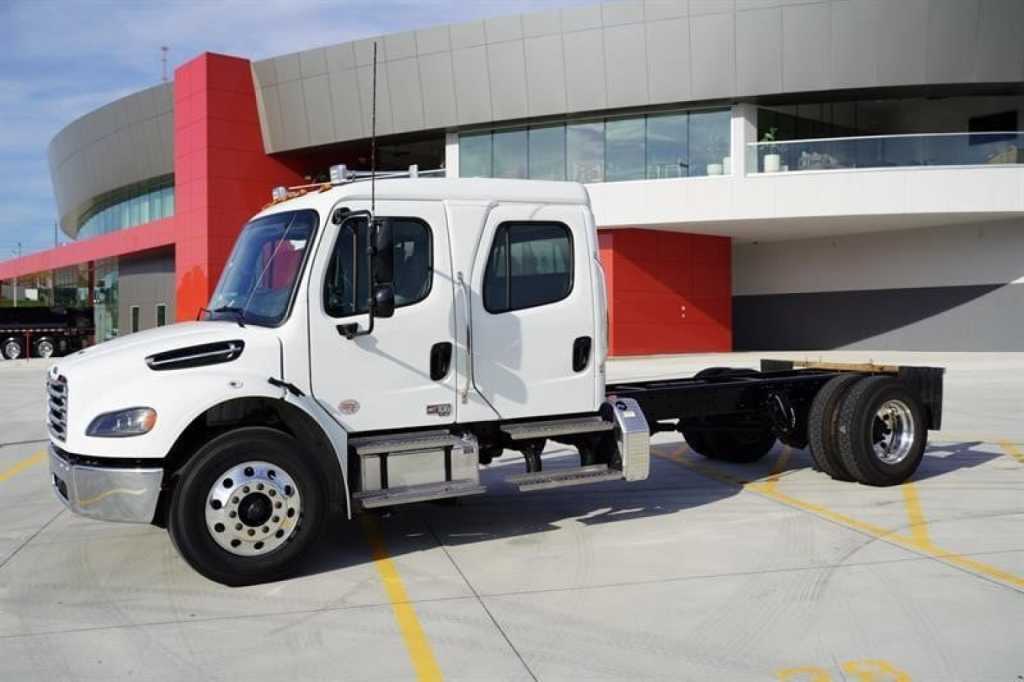
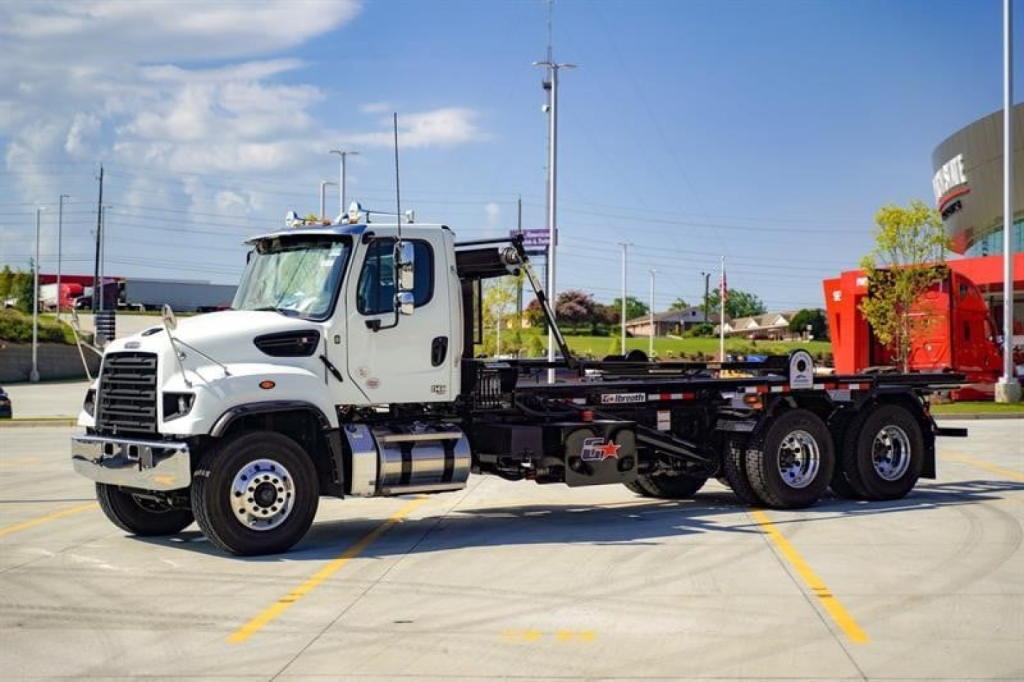
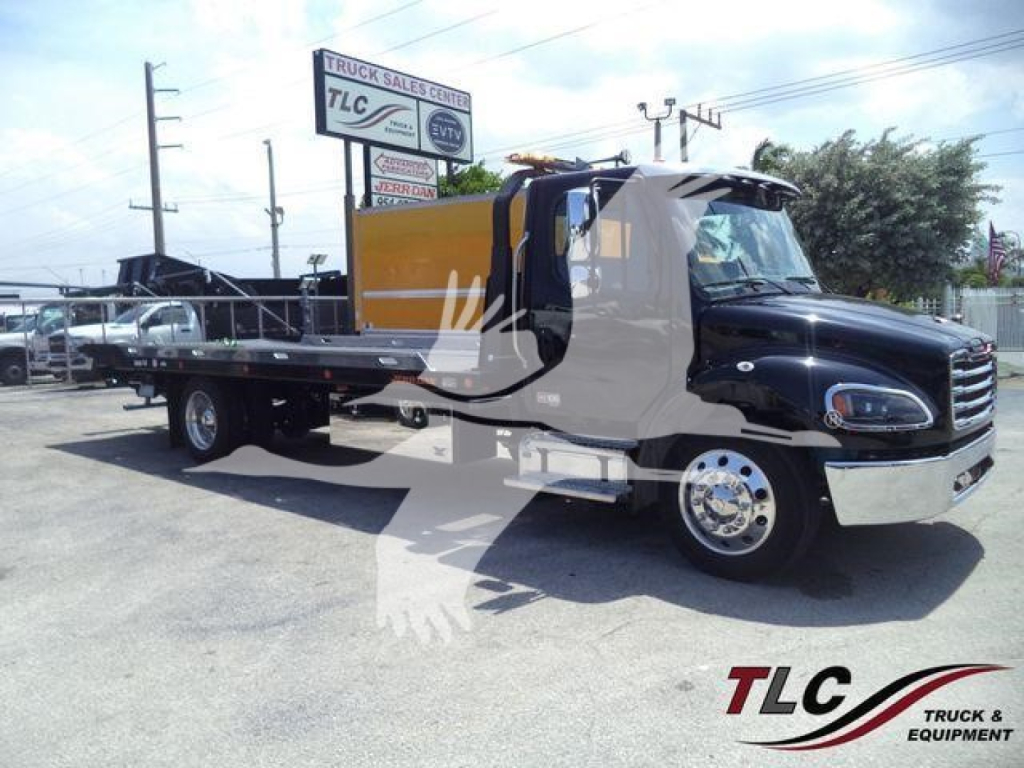
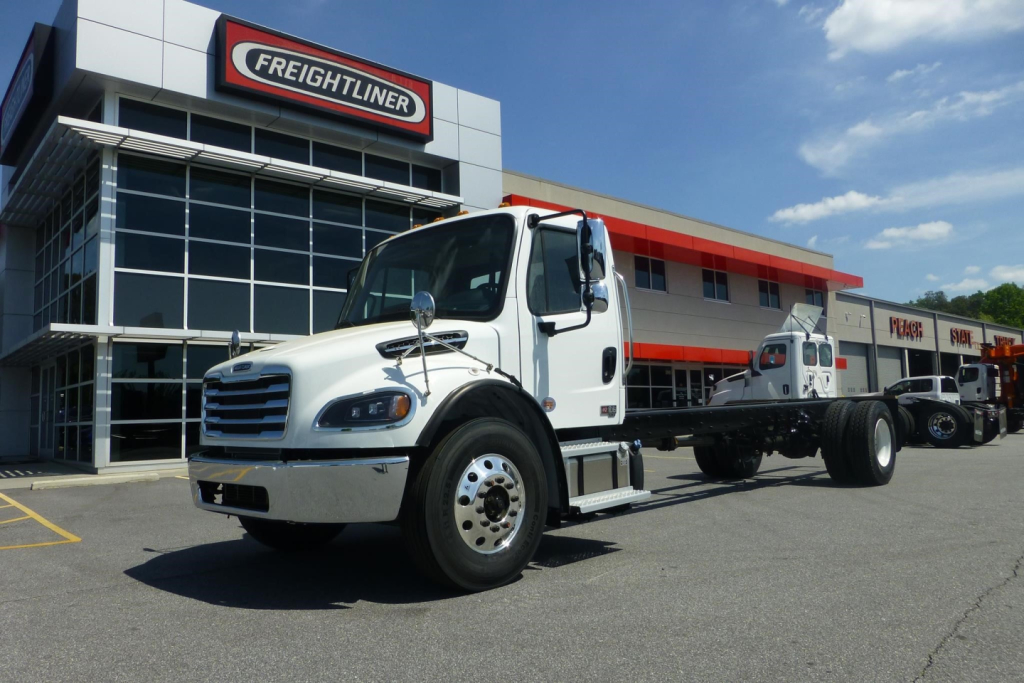
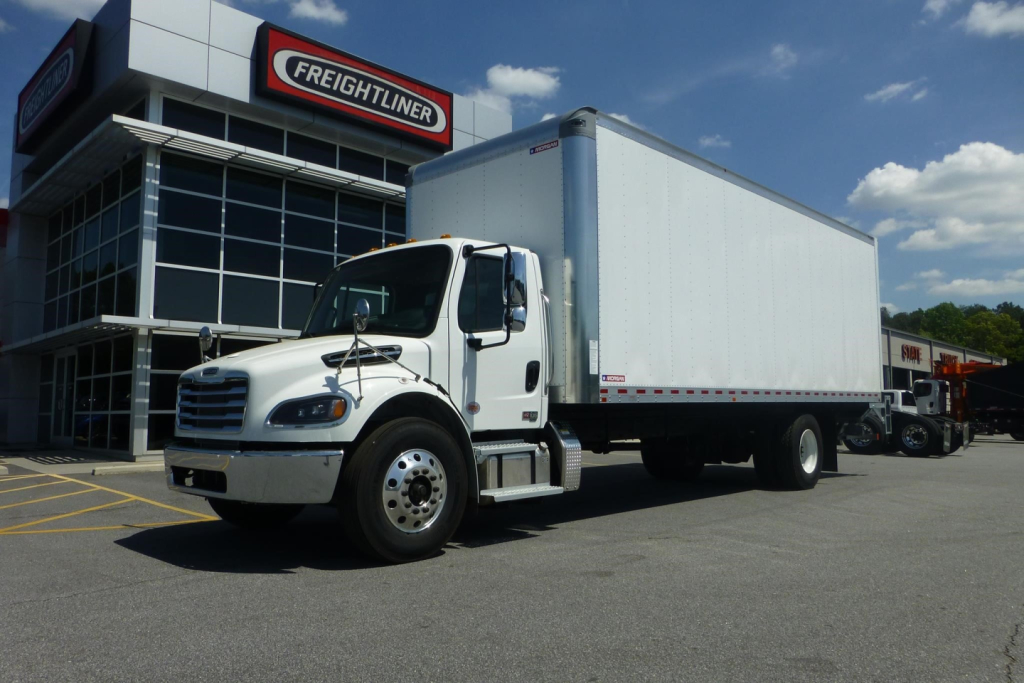
Showing 1 to 28 of 38 results
Selling a new 2027 freightliner truck? List your new 2027 freightliner truck for sale and reach thousands of commercial buyers.
New 2027 Freightliner Trucks
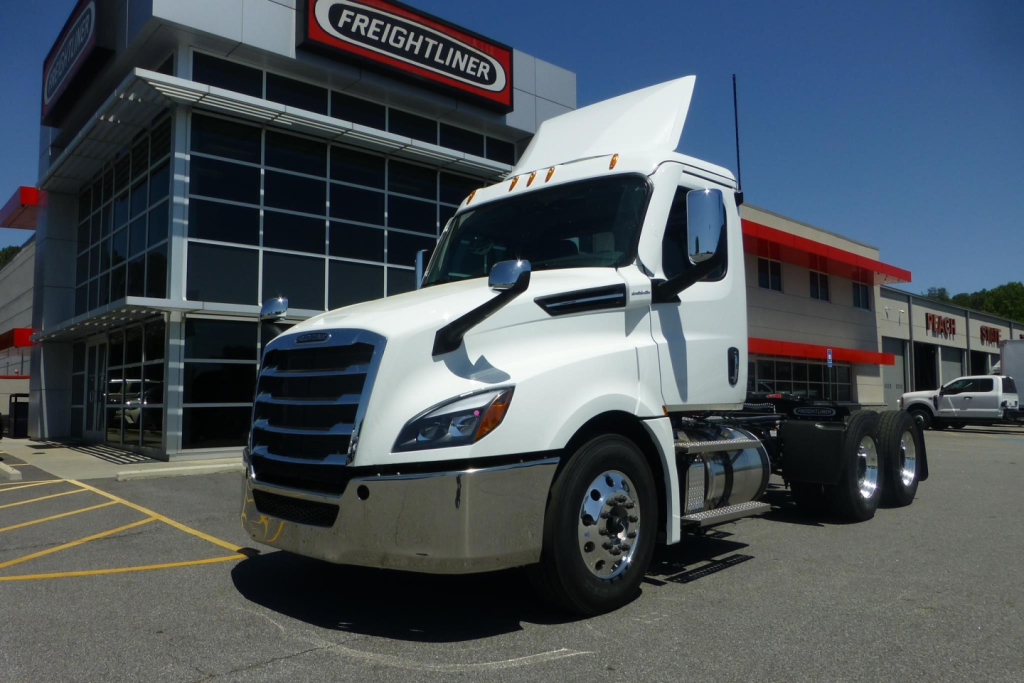
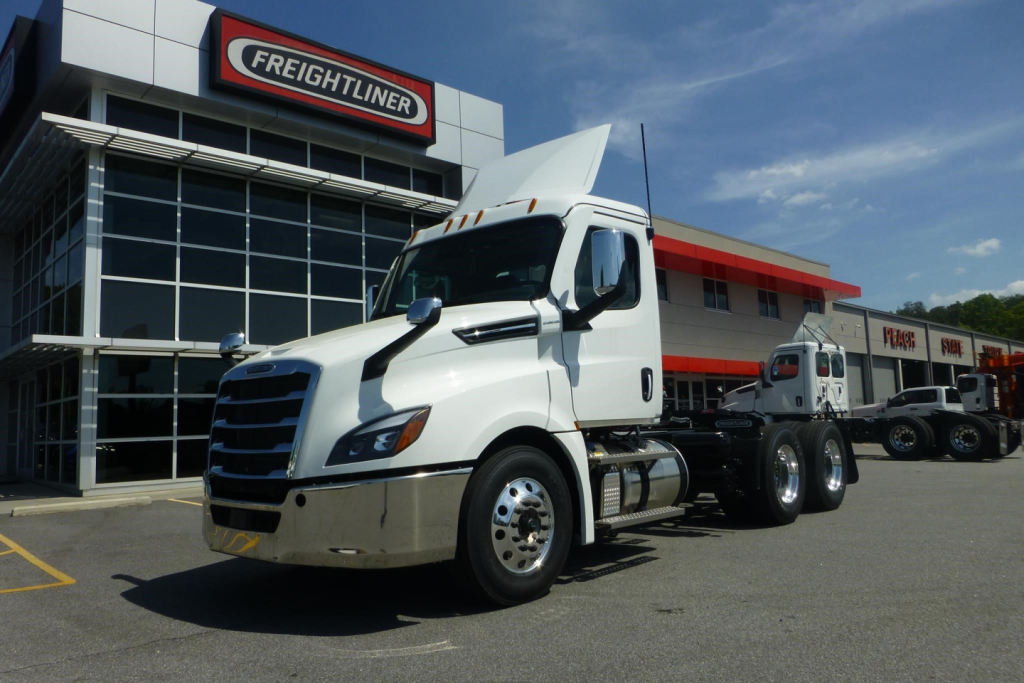
On the heavy-duty side, the 2027 Freightliner Cascadia remains the main draw for fleets focused on fuel economy, driver retention, and uptime. Typical specs include Detroit DD13 or DD15 diesel engines, DT12 automated manual transmissions, 6x4 tandem drive layouts, and 40,000 lb rear axles. Day cab versions are commonly set up for regional freight, drayage, tanker, or dedicated trailer work where wheelbase, axle rating, and fifth wheel placement matter. Sleeper configurations, especially raised roof sleepers, are aimed at long-haul applications where aerodynamics, cab space, and integrated safety systems can directly affect operating cost and driver comfort.
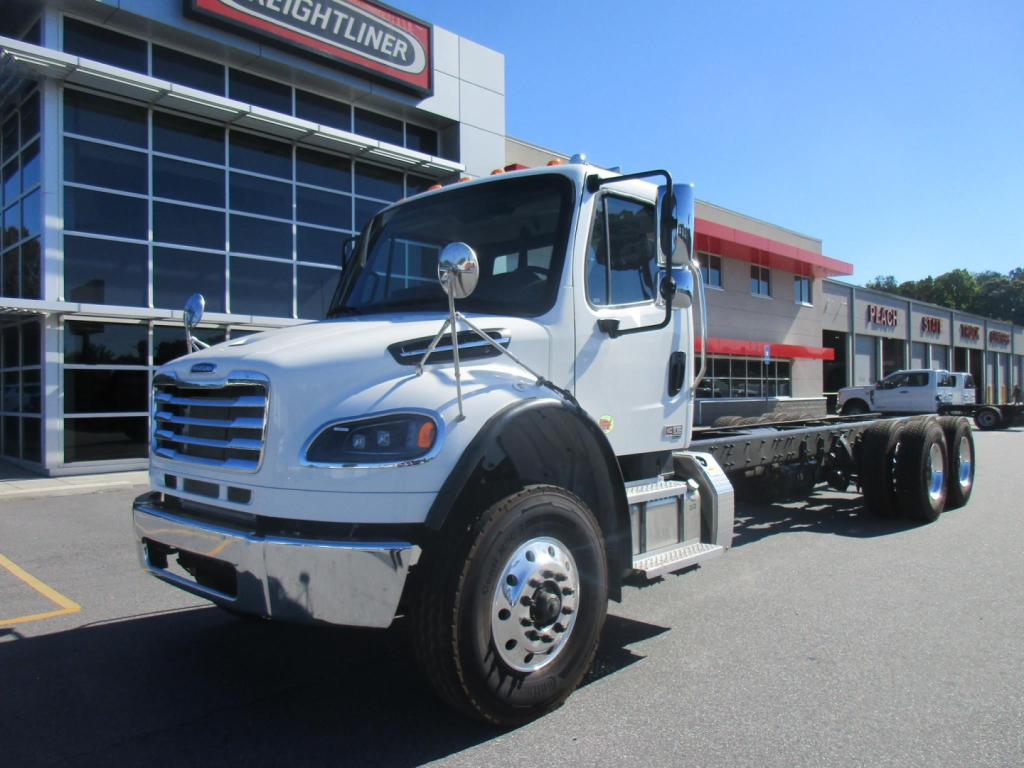
For medium-duty buyers, the 2027 Freightliner M2 106 Plus is a common fit for dry freight, parcel, moving, and local delivery operations. Many are spec'd as box trucks, also known as straight trucks, with bodies in the 24 ft to 26 ft range and liftgates for palletized freight. A typical setup includes a Cummins B6.7 diesel, Allison automatic transmission, 4x2 single axle configuration, and a Class 6 GVWR. Buyers should pay close attention to wheelbase, body length, liftgate capacity, cab style, and suspension type because those choices affect turning radius, payload balance, dock access, and route efficiency.
When comparing new Freightliner trucks for sale, start with application before brand loyalty to a model. A sleeper tractor built around a 505 hp DD15 and DT12 is solving a very different job than a 250 hp M2 route truck with an Allison RDS automatic and a 3,000 lb liftgate. Look at GVWR or GCWR targets, axle layout, transmission preference, fuel type, body or trailer compatibility, and any factory safety equipment such as collision mitigation systems. Freightliner is popular because it gives buyers a straightforward path to spec a truck around real duty cycles, whether the priority is urban delivery, regional distribution, or long-haul freight.
Frequently Asked Questions about New 2027 Freightliner Trucks
What are the most common 2027 Freightliner truck models buyers compare?
The most commonly compared new Freightliner models are the Cascadia for Class 8 highway use and the M2 106 Plus for medium-duty vocational and delivery work. Cascadia day cabs and sleepers are typically chosen for regional haul, dedicated freight, and over-the-road applications. The M2 106 Plus is often used as a box truck or straight truck for local delivery, moving, and pickup-and-delivery routes. The right choice depends more on duty cycle, payload, and body or trailer requirements than on model popularity alone.
Is a Freightliner Cascadia better suited for day cab or sleeper applications?
The Cascadia can be configured for both, but the application should drive the decision. A day cab usually makes sense for regional lanes, port work, and operations where the truck returns regularly to a terminal. A sleeper is better for long-haul freight, team operations, or any route structure that requires overnight stays and more onboard storage. Buyers should compare wheelbase, fuel capacity, sleeper size, rear axle rating, and engine horsepower to match the truck to the lane and load profile.
What should I look for in a new Freightliner M2 106 Plus box truck?
Focus first on body length, GVWR, wheelbase, and liftgate rating. A common M2 106 Plus setup includes a 26 ft box, a Cummins B6.7 engine, and an Allison automatic, which is a practical combination for city and regional delivery work. You should also verify cab-to-axle dimensions, suspension type, door configuration, and payload needs. Those details affect maneuverability, usable cargo space, and how well the truck handles repeated stop-and-go service.
What engines and transmissions are common in new Freightliner trucks?
In current Freightliner specifications, medium-duty M2 models often use the Cummins B6.7 paired with an Allison automatic, while heavy-duty Cascadia models commonly use Detroit DD13 or DD15 engines with the DT12 automated manual transmission. That combination reflects the intended work. Allison automatics are popular in delivery and vocational service because they are easy to operate in dense traffic. Detroit engines and DT12 AMTs are common in linehaul and regional Class 8 applications where fuel economy and highway drivability are priorities.
Are new Freightliner trucks a good fit for fleet standardization?
Yes, Freightliner is often selected by fleets because the brand supports a wide range of classes and applications while maintaining familiar controls, service procedures, and parts channels. A fleet may run Cascadia tractors for highway freight and M2 units for local delivery while still staying within a broadly consistent support ecosystem. That can simplify technician training, parts stocking, and driver transition between units. Buyers managing multiple duty cycles often see value in that operational consistency.