
New 2027 Freightliner Cab and Chassis Trucks For Sale
Shop 2027 new Freightliner cab and chassis trucks built for upfit flexibility, medium-duty performance, and vocational body applications.
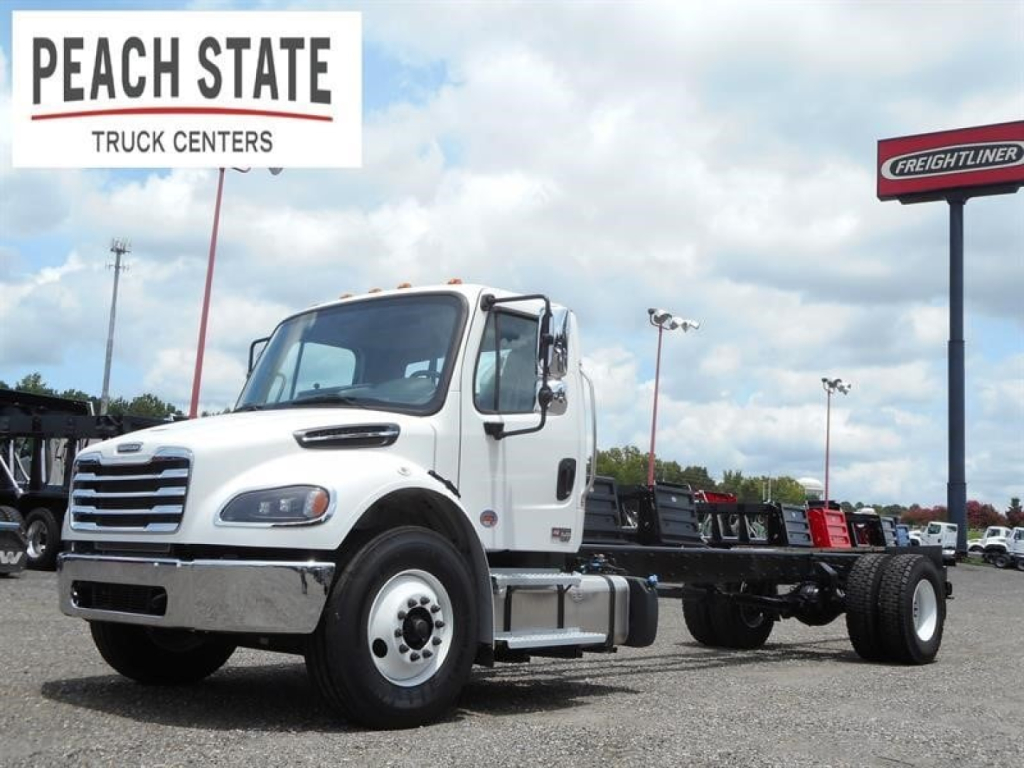
2027 Freightliner M2 106
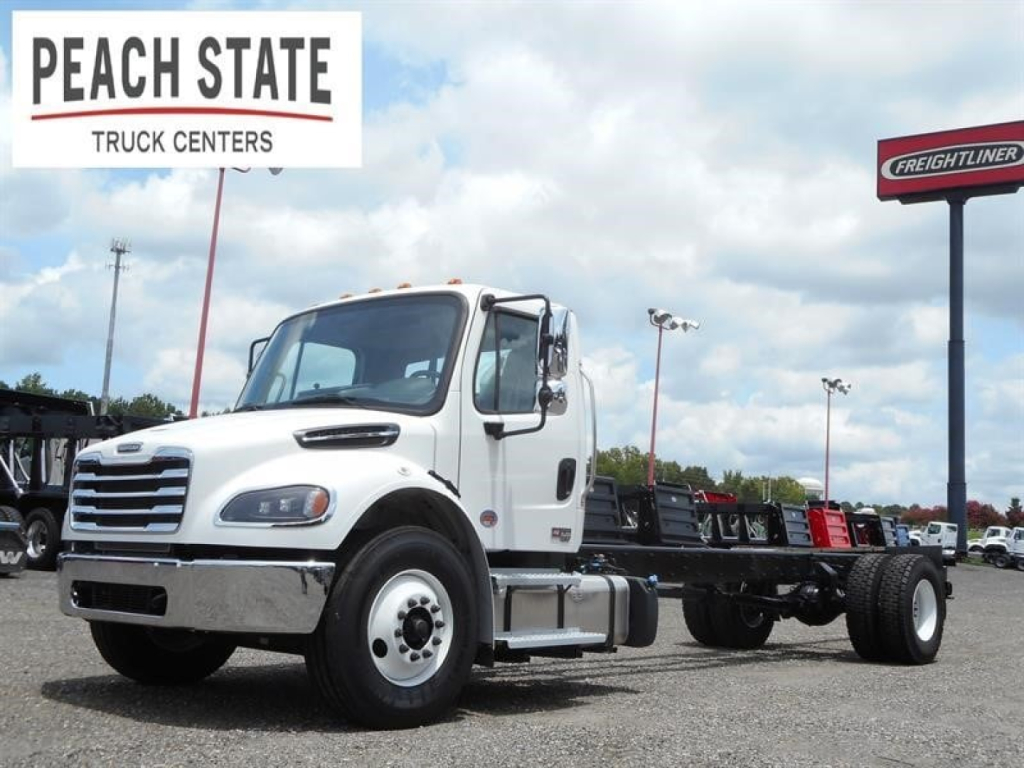
2027 Freightliner M2 106
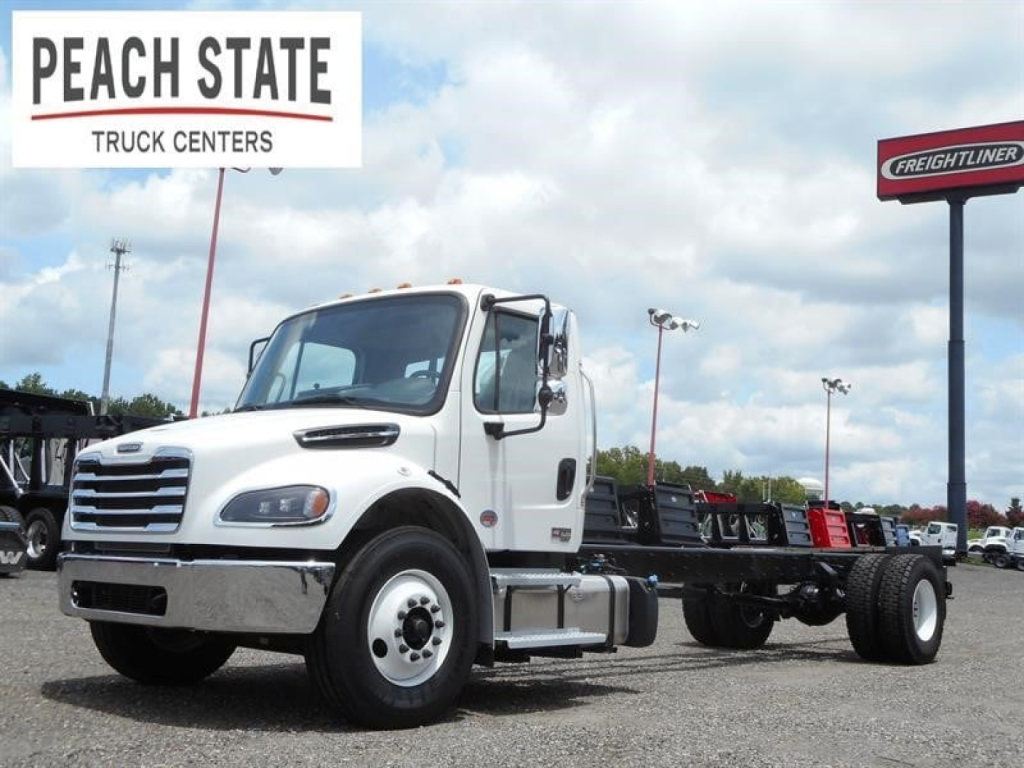
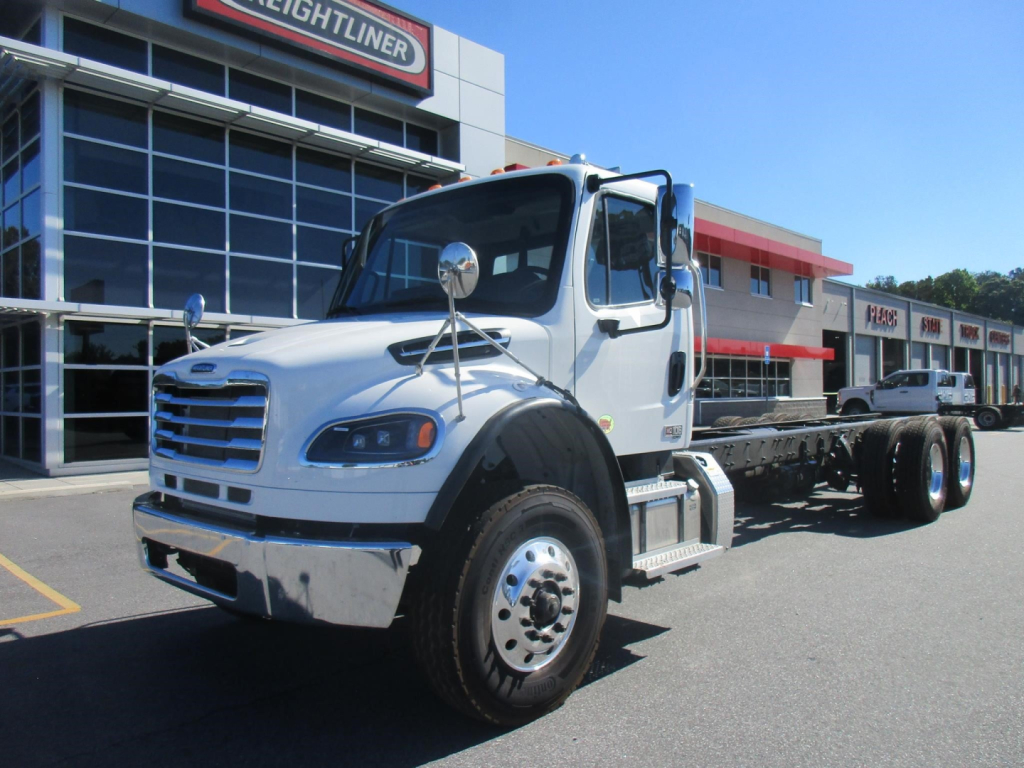
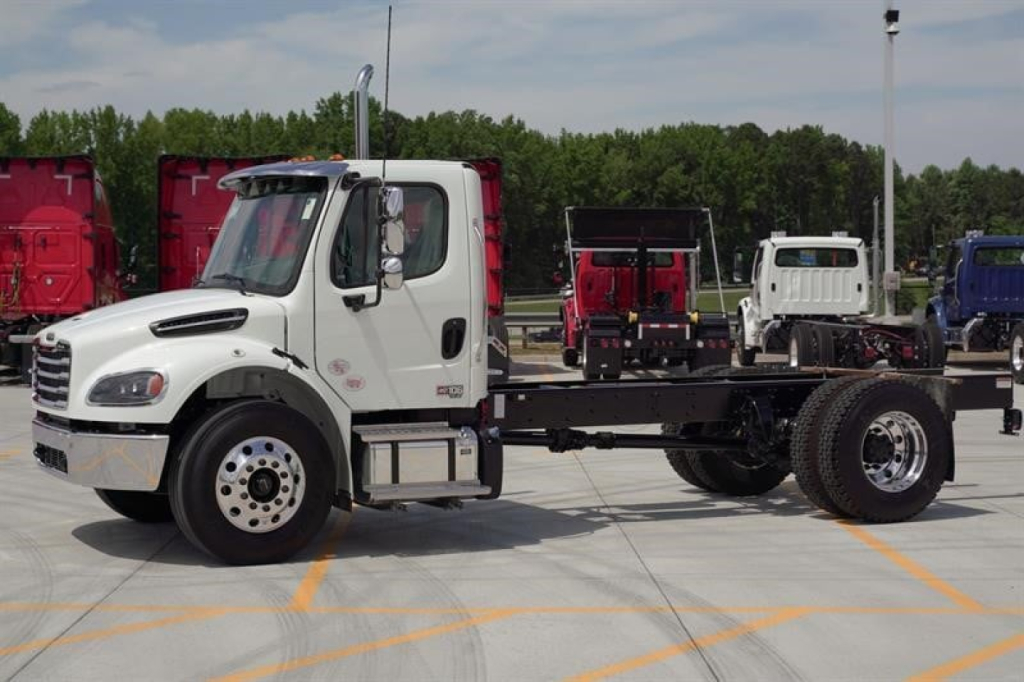
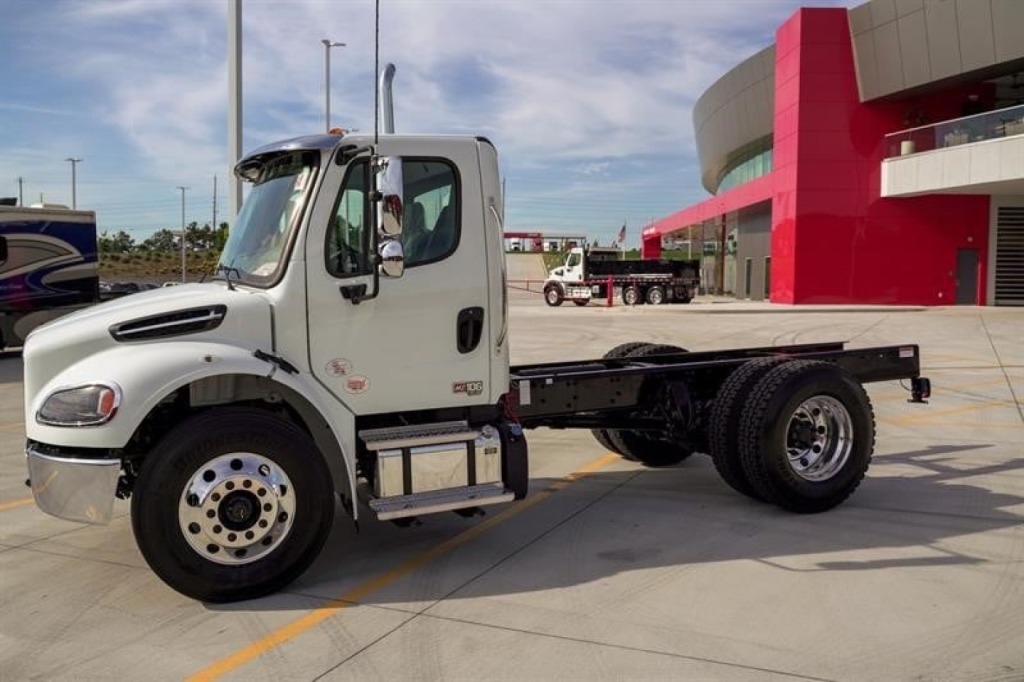
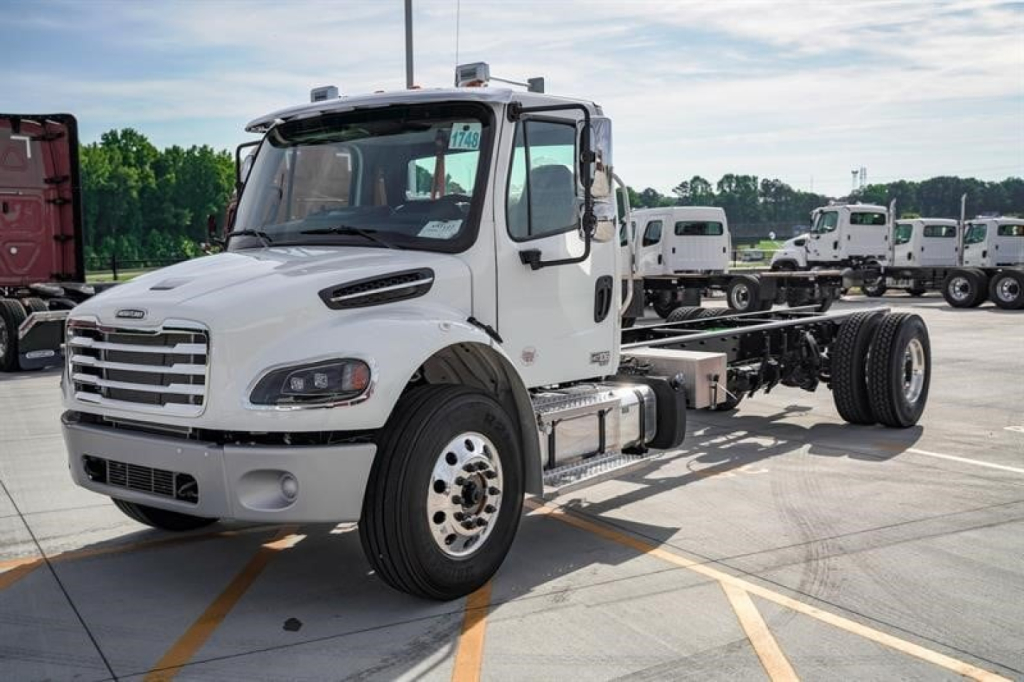
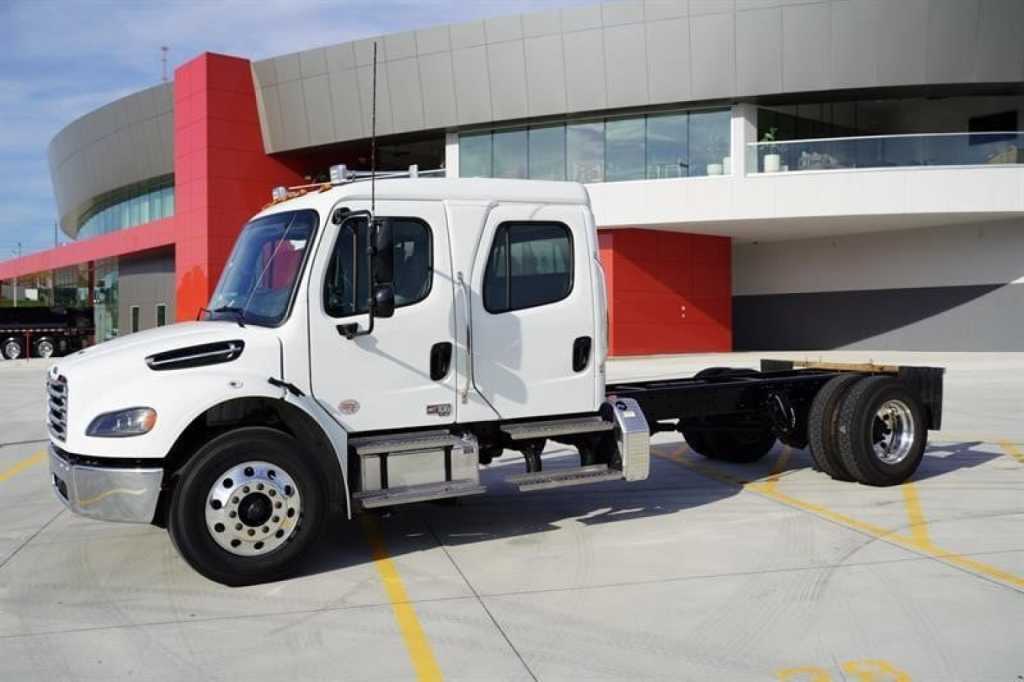
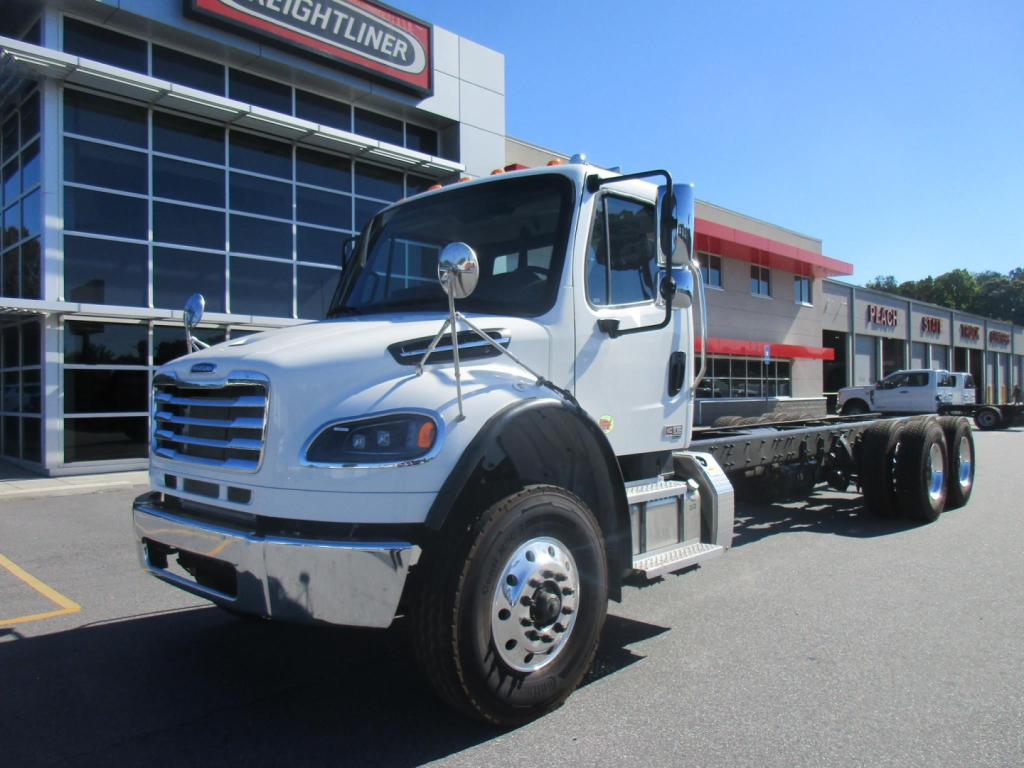
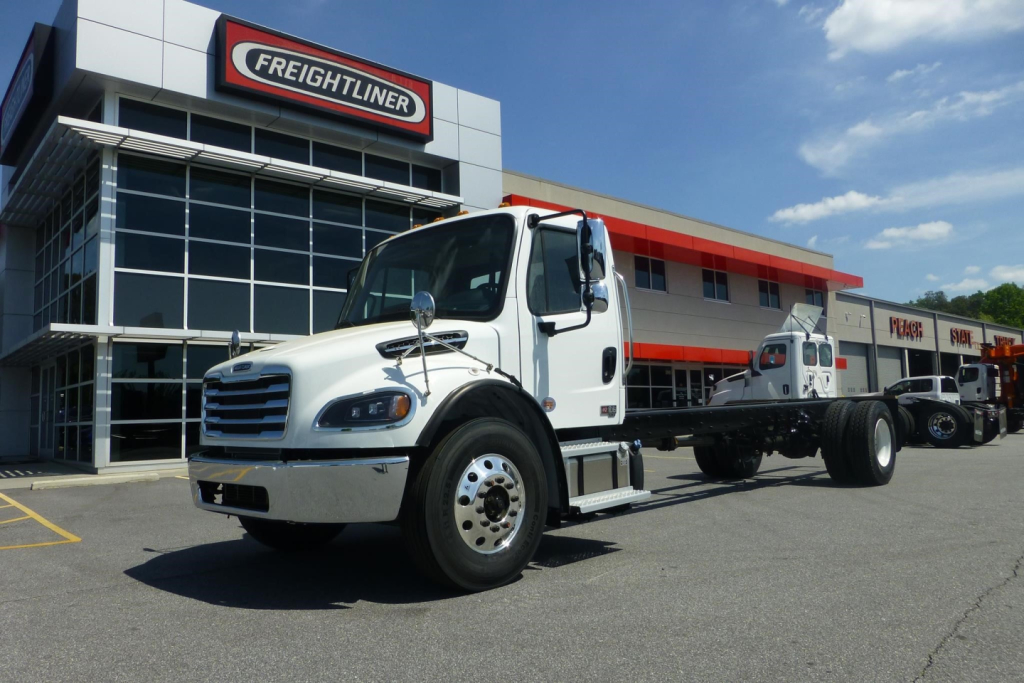
Selling a new 2027 freightliner cab and chassis truck? List your new 2027 freightliner cab and chassis truck for sale and reach thousands of commercial buyers.
New 2027 Freightliner Cab and Chassis Trucks
For most medium-duty applications, the Freightliner M2 106 and M2 106 Plus sit in the sweet spot between maneuverability, driver comfort, and vocational flexibility. Buyers typically look at GVWR, front and rear axle capacities, cab-to-axle measurement, and clear frame space to make sure the truck can accept the intended body length and auxiliary equipment. Engine and transmission selections often focus on balancing durability and operating cost, with diesel powertrains paired to automatic transmissions for urban delivery, municipal work, and contractor fleets. Suspension choice, brake type, fuel tank placement, and exhaust routing also matter because they directly affect body installation and service access after the upfit is complete.
Freightliner cab and chassis trucks are popular because parts support, service network coverage, and familiar controls matter just as much as published specs. A new unit gives the buyer the advantage of current emissions equipment, updated interior ergonomics, and the ability to spec for the route and payload from day one. If the truck will spend its life in stop-and-go city service, visibility, turning radius, and step-in height deserve close attention. If it is being built for utility, towing, or heavier vocational use, focus more closely on frame strength, rear axle ratio, PTO provisions, and how the wheelbase supports load distribution once the body is mounted.
The strongest buying decision usually comes from matching the chassis to the finished truck, not just the cab badge. Cab and chassis buyers should confirm body-ready dimensions, wiring provisions, brake system compatibility, and any factory or dealer-installed switches needed for lights, pumps, compressors, or hydraulic equipment. On a new 2027 Freightliner, the real advantage is specification control. If the body builder needs exact cab-to-axle spacing, specific frame rail integrity, or room for underbody toolboxes and tanks, getting those details right up front saves time, reduces rework, and leads to a truck that performs correctly for years.
Frequently Asked Questions about New 2027 Freightliner Cab and Chassis Trucks
What is a Freightliner cab and chassis truck used for?
A Freightliner cab and chassis truck is a body-ready platform designed to accept vocational or commercial upfits. Common applications include dry van bodies, refrigerated bodies, flatbeds, dump bodies, contractor bodies, utility bodies, tow builds, and service trucks. The chassis is purchased for its frame, axle, and cab configuration so it can be matched to a specific working application.
What specs matter most when buying a new 2027 Freightliner cab and chassis?
The most important specs are GVWR, wheelbase, cab-to-axle measurement, front and rear axle ratings, frame rail dimensions, suspension type, and powertrain compatibility with the intended body. Buyers should also verify PTO availability, fuel tank location, exhaust routing, and electrical provisions for the upfit. These details determine whether the chassis will accept the body correctly and carry the expected payload without compromise.
Why is the Freightliner M2 106 a common cab and chassis choice?
The Freightliner M2 106 is widely used because it fits a broad range of medium-duty commercial applications while remaining maneuverable and easy to service. It offers flexible wheelbase and axle configurations, a driver-friendly cab, and strong support from the Freightliner dealer network. That combination makes it a practical platform for fleets and owner-operators building specialized work trucks.
How do cab-to-axle and wheelbase affect body installation?
Cab-to-axle length determines how much body can be mounted behind the cab and where the rear axle will sit in relation to the load. Wheelbase affects turning radius, ride quality, bridge law considerations, and how weight is distributed across the axles. If these dimensions are not matched correctly to the body design, the finished truck can have poor balance, clearance problems, or reduced legal payload.
Is buying a new cab and chassis better than buying a completed body truck?
A new cab and chassis is often the better choice when the application requires a specific body layout, precise equipment placement, or specialized PTO and electrical integration. It gives the buyer more control over the final build and can reduce compromises that come with a prebuilt truck. A completed body truck may be faster to put to work, but a properly spec'd cab and chassis usually delivers a better long-term fit for vocational operations.