
New 2027 Freightliner Cab and Chassis Trucks For Sale in Georgia
Shop new 2027 Freightliner cab and chassis trucks in Georgia. Compare M2 106 and M2 106 Plus specs, wheelbases, GVWR options, and upfit uses.
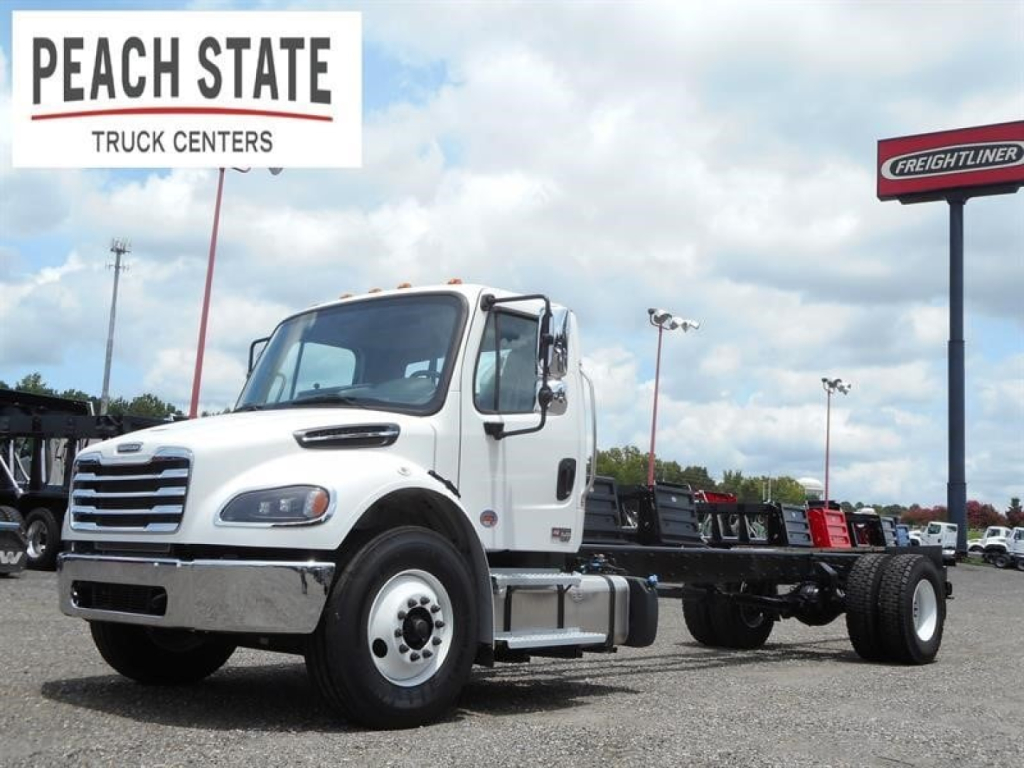
2027 Freightliner M2 106
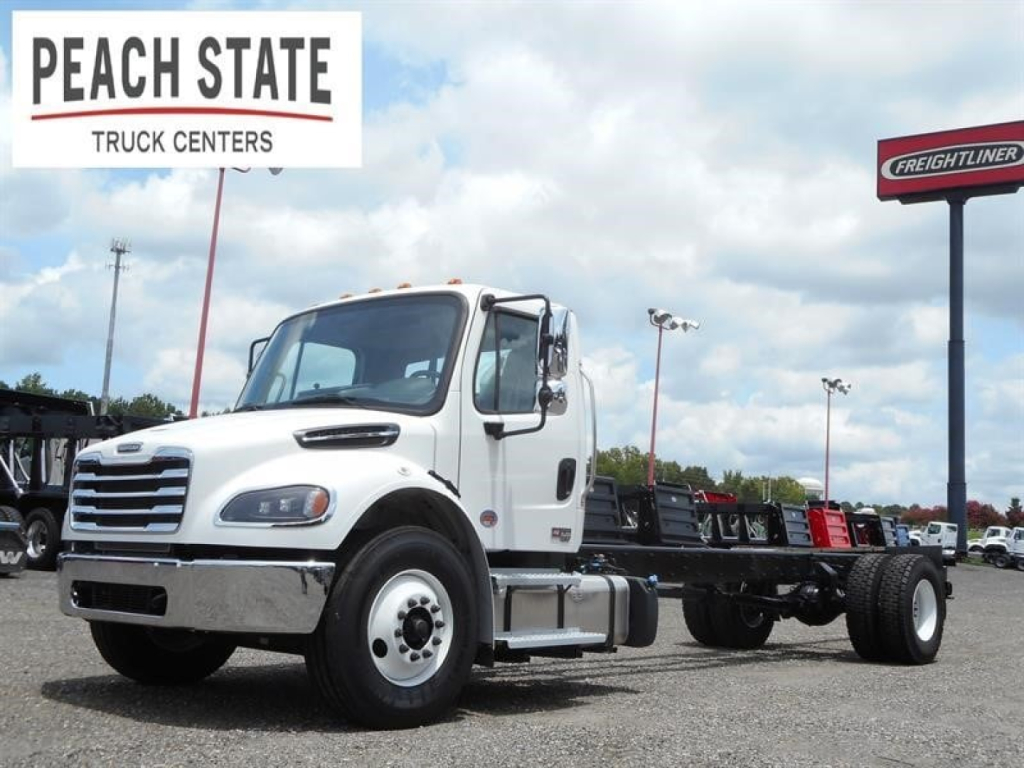
2027 Freightliner M2 106
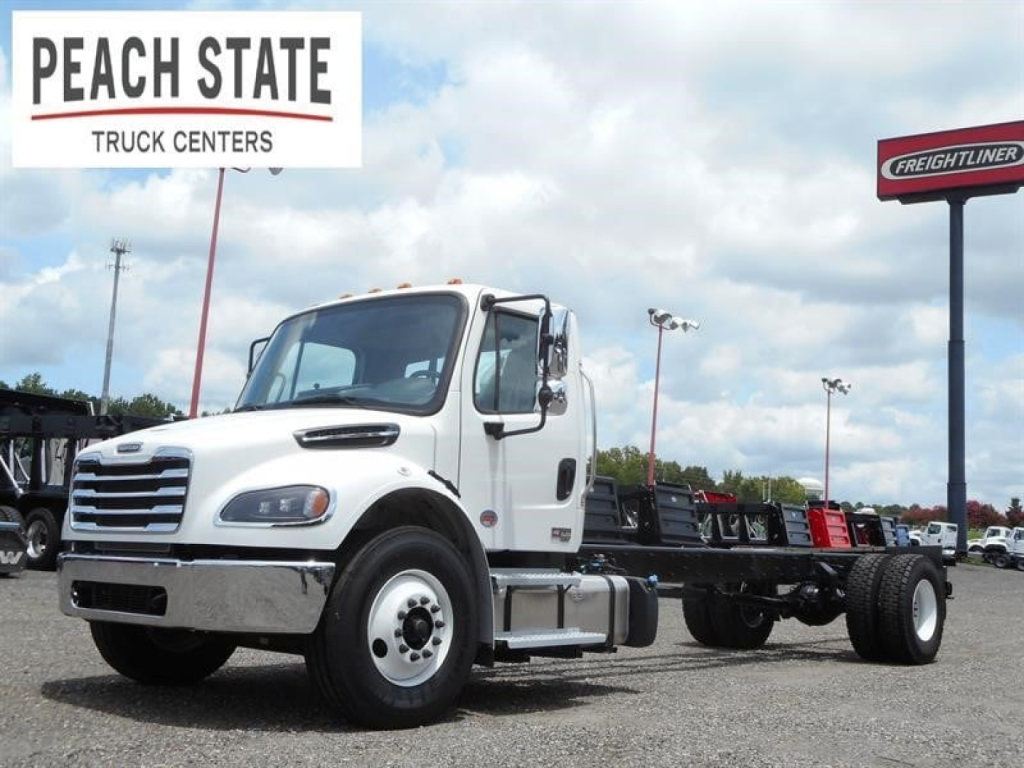
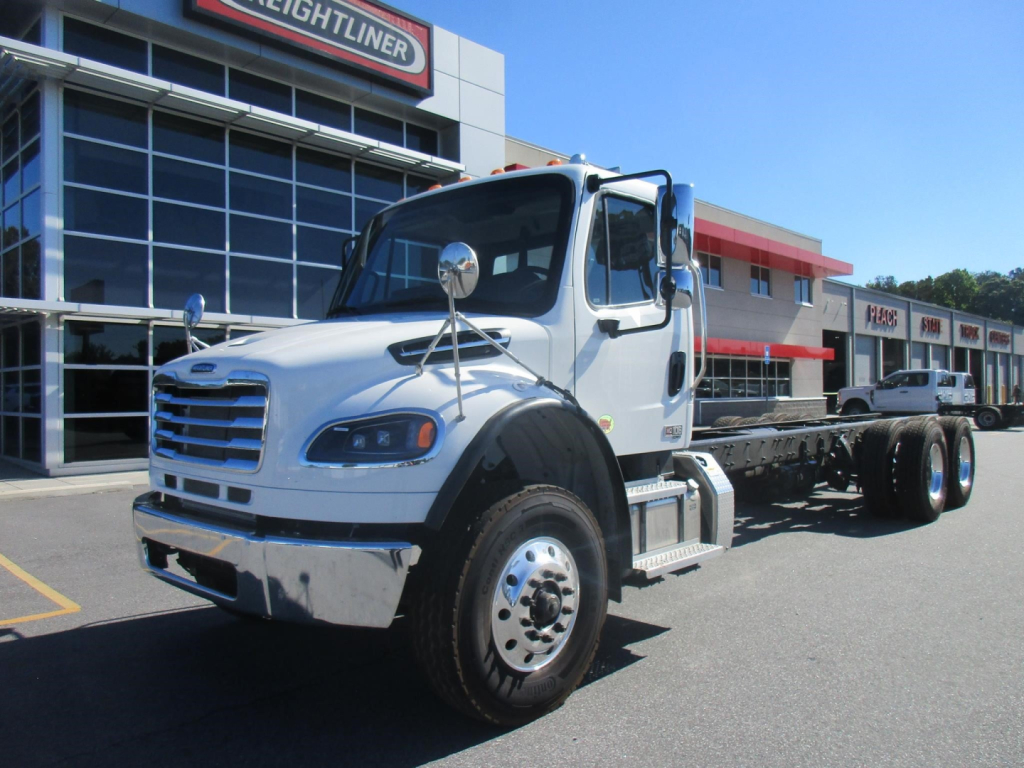
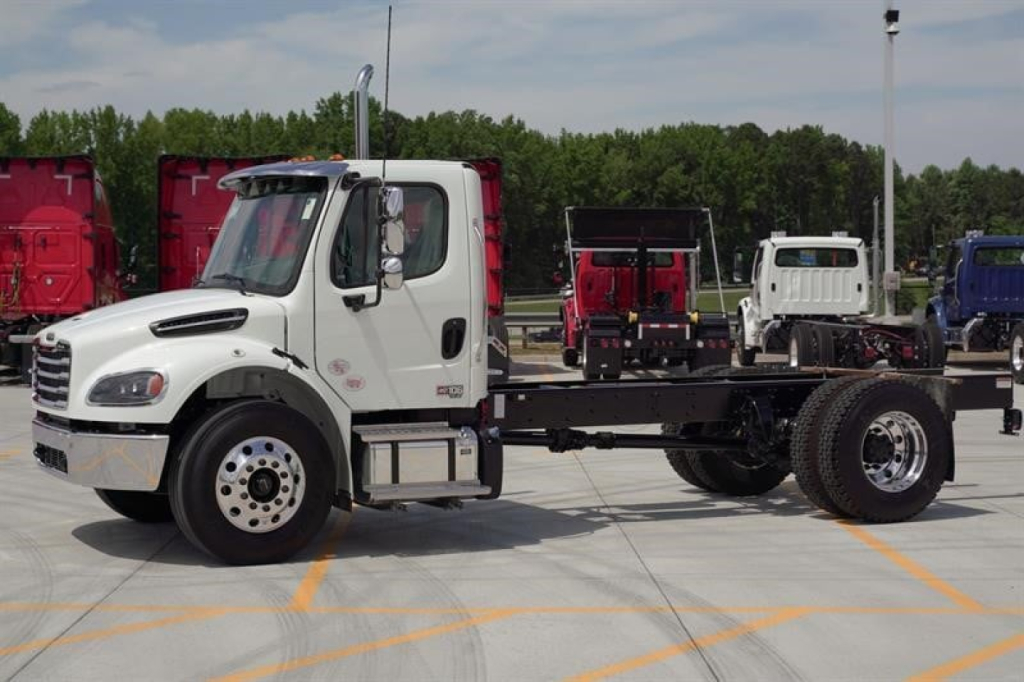
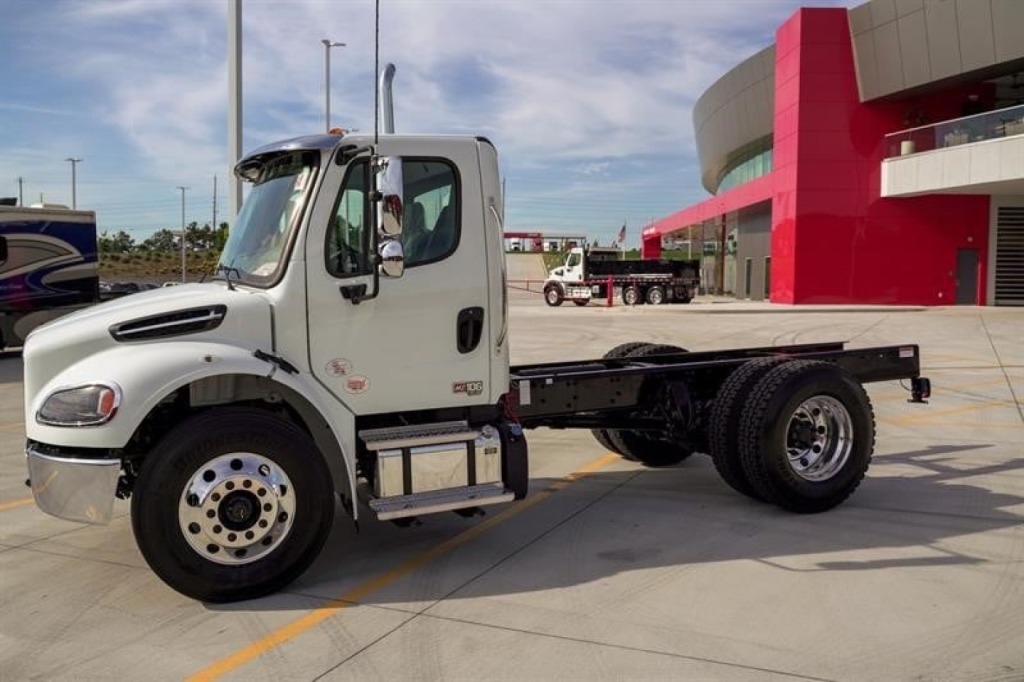
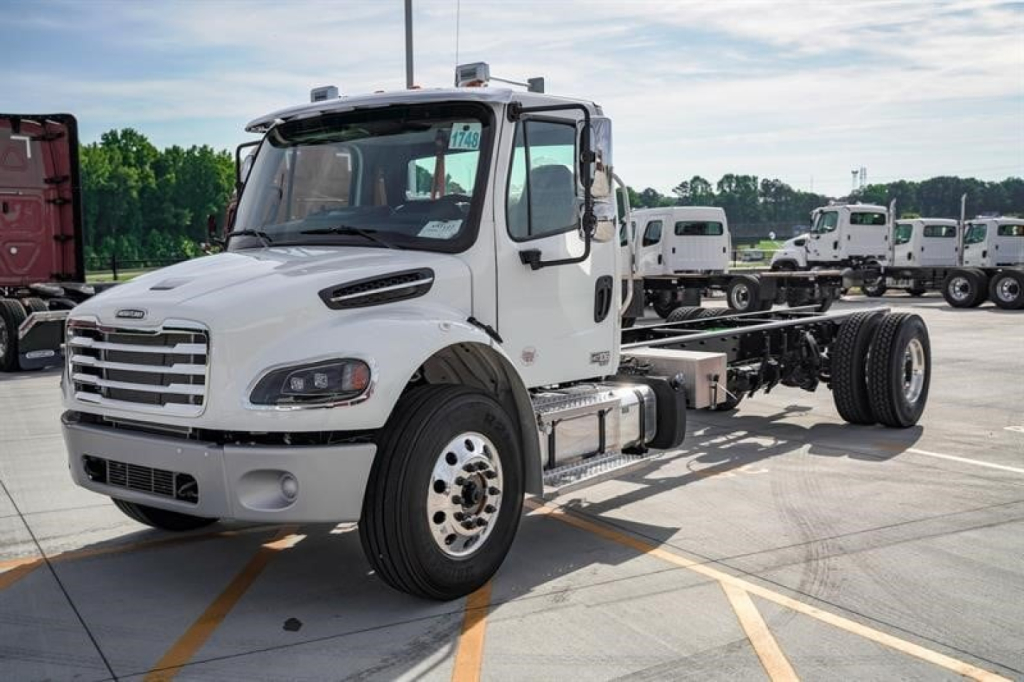
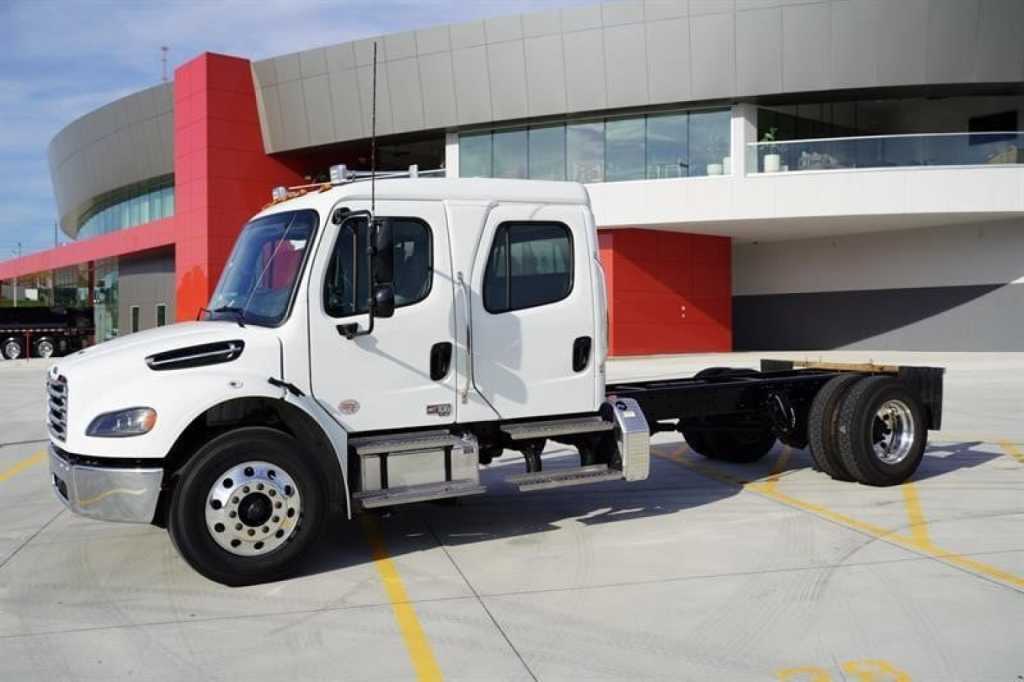
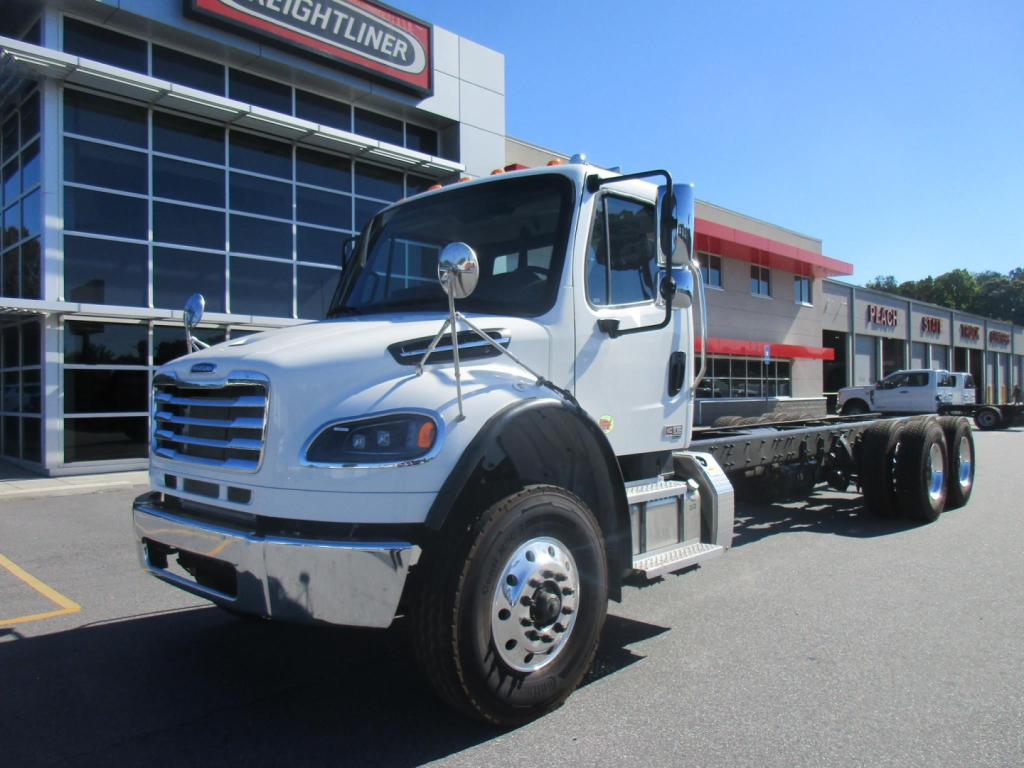
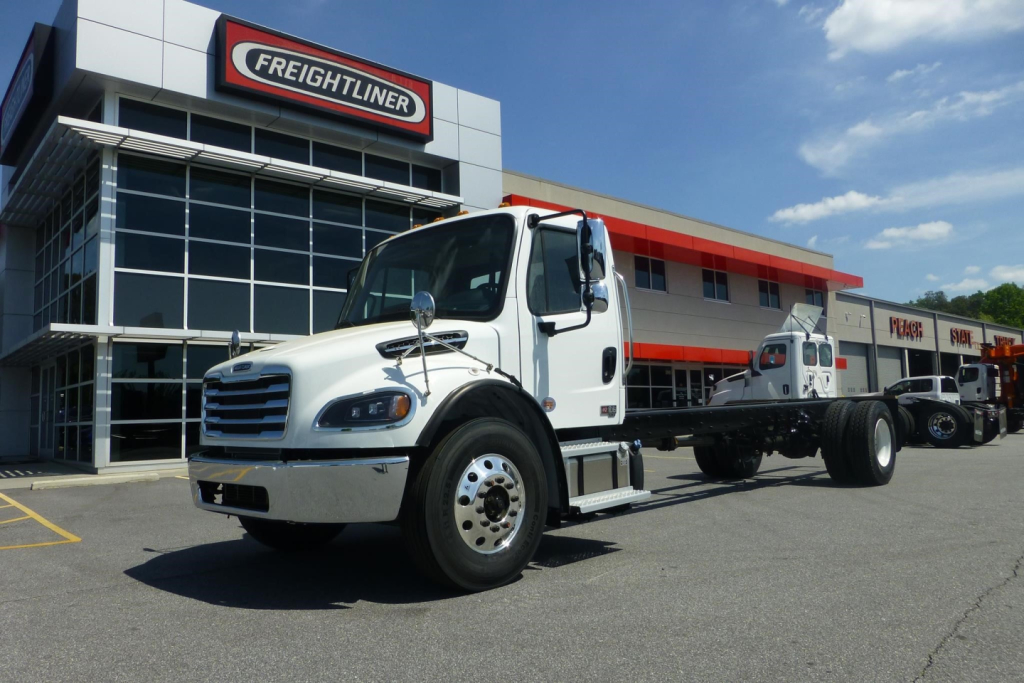
Selling a new 2027 freightliner cab and chassis truck? List your new 2027 freightliner cab and chassis truck for sale and reach thousands of commercial buyers.
New 2027 Freightliner Cab and Chassis Trucks in Georgia
The most important buying decision is usually not the cab itself but the chassis layout. Buyers should focus on GVWR, front and rear axle capacity, cab-to-axle dimension, wheelbase, frame rail section, and PTO readiness before comparing trim details. A Freightliner M2 106 cab and chassis can be configured for medium-duty applications with diesel power, automatic transmissions, air brakes or hydraulic brake setups depending on the build, and suspension choices tuned for payload or ride quality. If the truck is headed for stop-and-go urban work around Atlanta, Savannah, Macon, or Augusta, visibility, turning radius, and ease of entry matter as much as raw capacity.
Freightliner cab and chassis trucks are also known as incomplete trucks because they leave the factory ready for an upfitter to finish the body and equipment package. That makes electrical provisions, fuel tank placement, exhaust routing, and clear frame space especially important. A buyer planning a van body or refrigerated body will want the correct cab-to-axle measurement and clean frame access, while a dump or utility build may need heavier rear suspensions, PTO provisions, and more robust frame specifications. New model-year trucks appeal to fleets that want current emissions systems, warranty coverage, and the ability to standardize controls, telematics, and safety features across multiple units.
For Georgia operations, climate and duty cycle should shape the spec. Trucks running in heat and humidity benefit from proper cooling package selection and vocational interiors that hold up to dirt, moisture, and repeated entry. Local and regional operators should also think through bridge law, CDL threshold, and body-plus-payload math before choosing a rating. A well-matched Freightliner cab and chassis is easier to upfit, easier to keep productive, and less likely to end up overweight or underbuilt once the final body is installed.
Frequently Asked Questions about New 2027 Freightliner Cab and Chassis Trucks in Georgia
What is a Freightliner cab and chassis truck used for?
A Freightliner cab and chassis truck is used as a base platform for a completed vocational or straight-truck build. Common applications include dry van bodies, refrigerated bodies, flatbeds, stake beds, utility bodies, dump bodies, tow bodies, and service trucks. The chassis is purchased first, then the final body and work equipment are added to match the intended payload, route type, and operating environment.
What should I check before buying a new 2027 Freightliner cab and chassis?
The key items are GVWR, axle ratings, wheelbase, cab-to-axle dimension, frame strength, suspension type, brake system, engine and transmission pairing, and PTO capability if hydraulic or mechanical equipment will be added. Buyers should confirm that the chassis dimensions match the planned body length and that the available payload remains adequate after the body, liftgate, tools, fuel, and crew are included. This step prevents expensive upfit changes later.
What is the difference between a cab and chassis and a box truck?
A cab and chassis is an incomplete truck with the cab, frame, drivetrain, and running gear in place but no final body installed. A box truck is a completed straight truck with an enclosed cargo body already mounted. Buyers choose a cab and chassis when they need a custom body specification, while a box truck is the finished product used for delivery or cargo service.
Why are Freightliner M2 106 and M2 106 Plus models popular for cab and chassis applications?
The Freightliner M2 106 and M2 106 Plus are widely used because they fit a broad range of medium-duty body applications and are known for body-builder flexibility. They can be spec'd across multiple wheelbases and axle ratings, and they are commonly supported by fleets, dealers, and upfitters. That makes them a practical choice for buyers who need predictable serviceability and a chassis that adapts well to different vocational bodies.
How do I choose the right chassis size for a Georgia operation?
Start with the finished job, not the bare chassis. Calculate the body weight, expected payload, passenger count, mounted equipment, and fuel load, then compare that total to the truck's GVWR and axle capacities. In Georgia, buyers should also consider stop-and-go city use, seasonal heat, highway speed requirements, and any CDL or bridge-law implications tied to final operating weight and axle placement. A correct chassis size improves uptime and helps avoid overloading problems once the truck is fully built.