
New Freightliner Cab and Chassis Trucks For Sale
Shop new Freightliner cab and chassis trucks, including M2 106 models, built for box, flatbed, utility, dump, and vocational upfits.
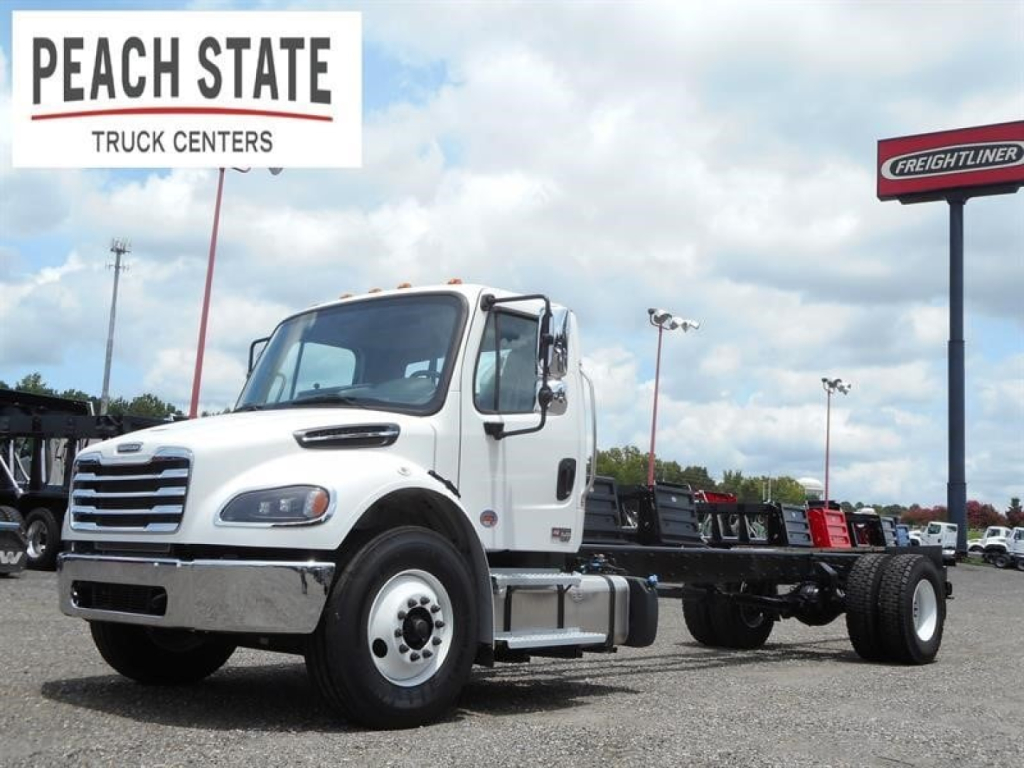
2027 Freightliner M2 106
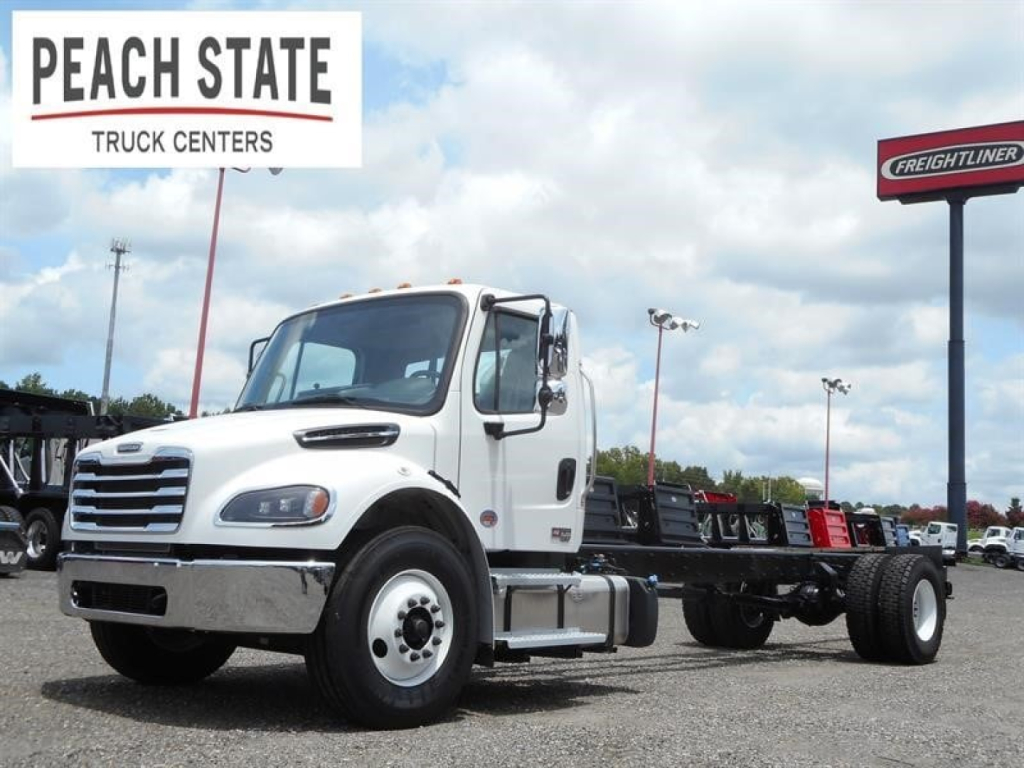
2027 Freightliner M2 106
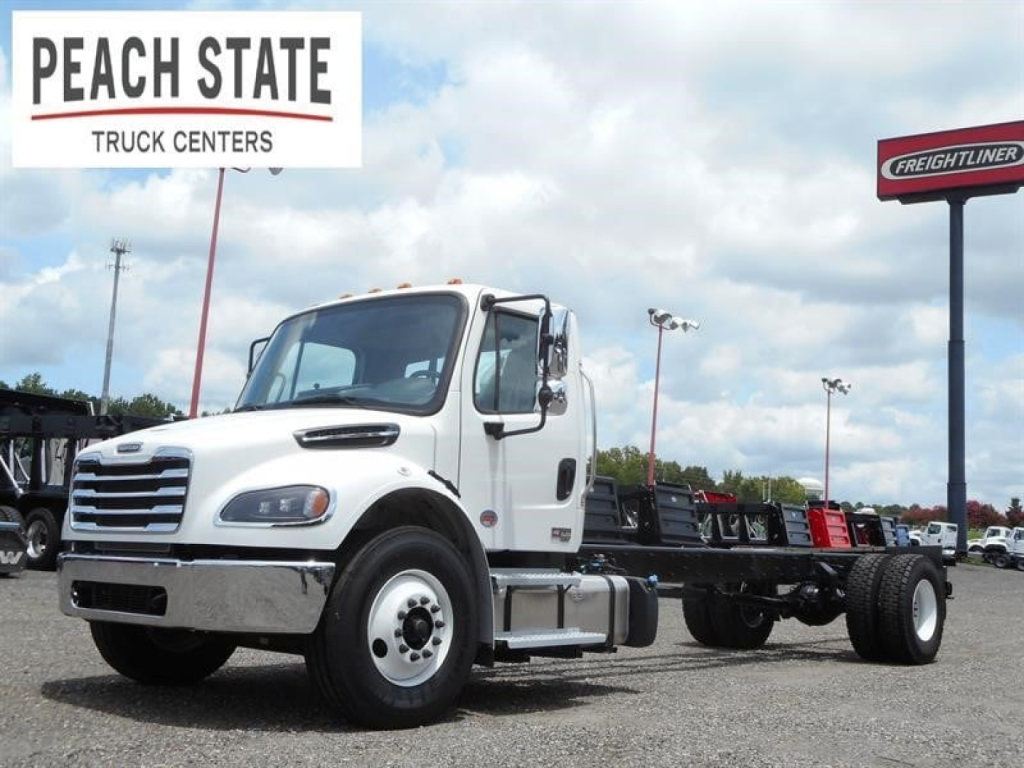
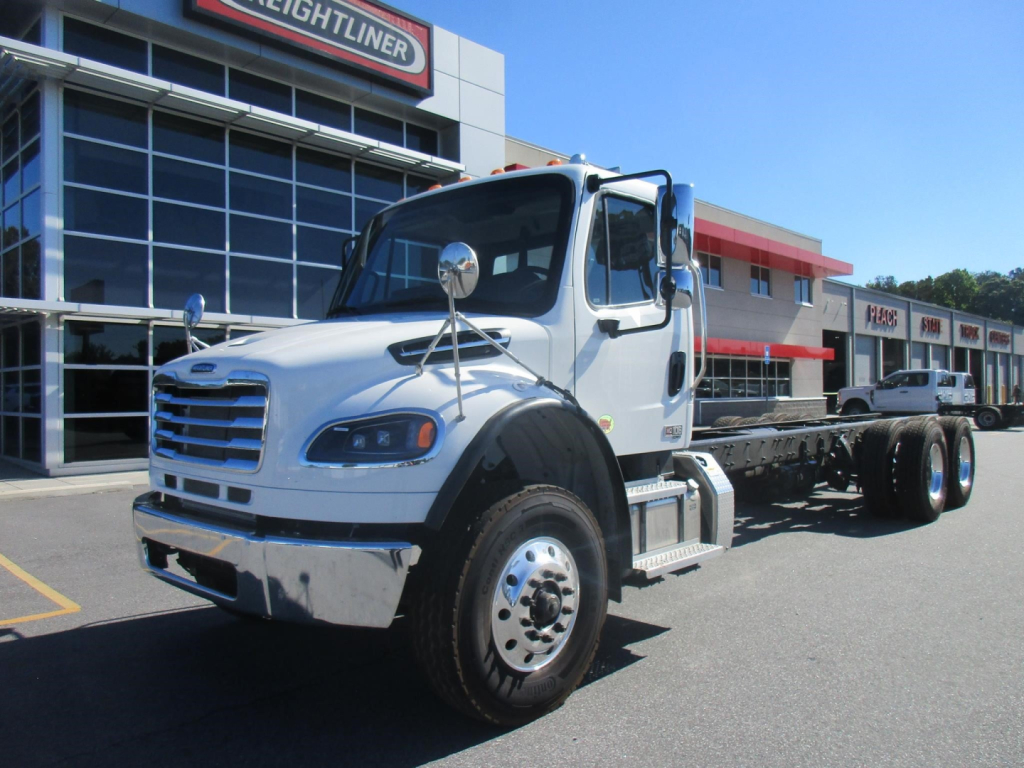
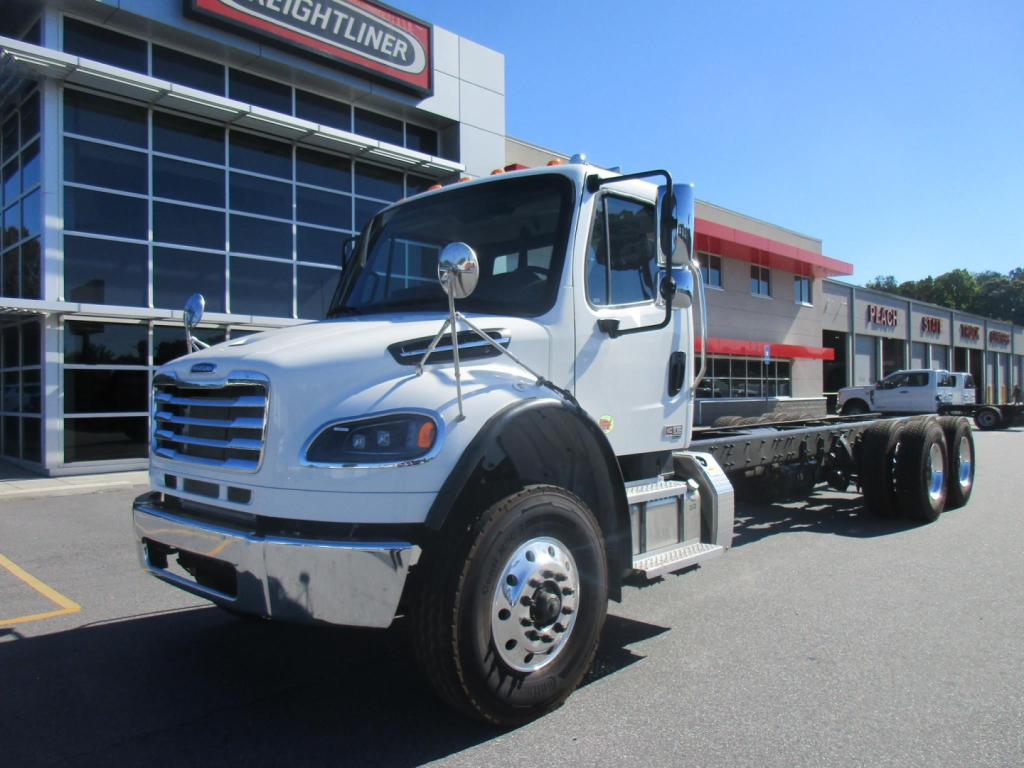
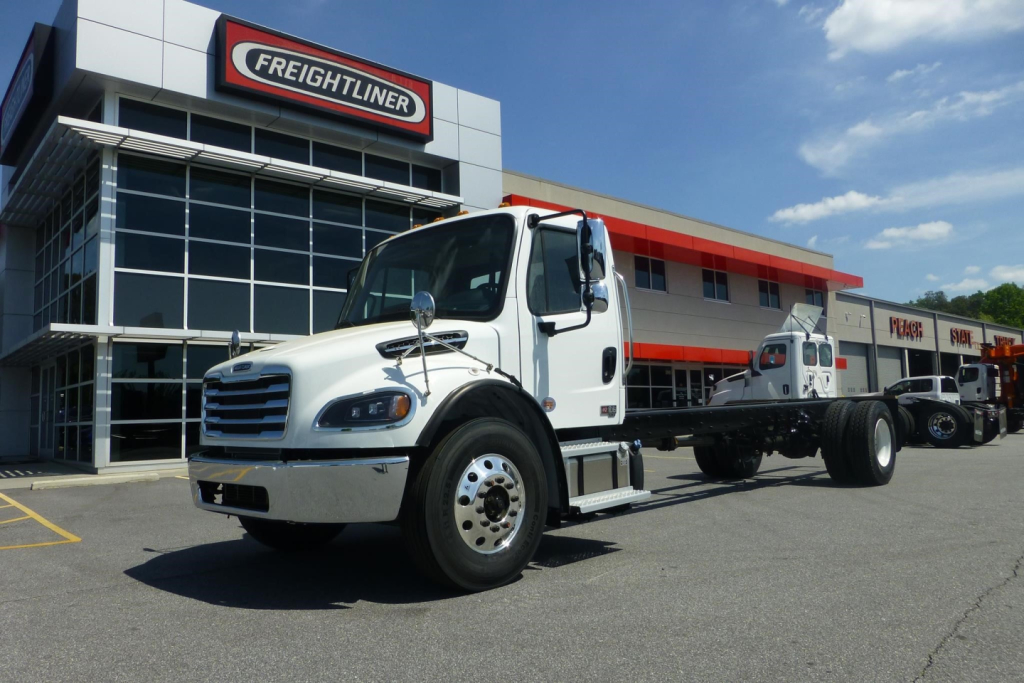
Selling a new freightliner cab and chassis truck? List your new freightliner cab and chassis truck for sale and reach thousands of commercial buyers.
New Freightliner Cab and Chassis Trucks
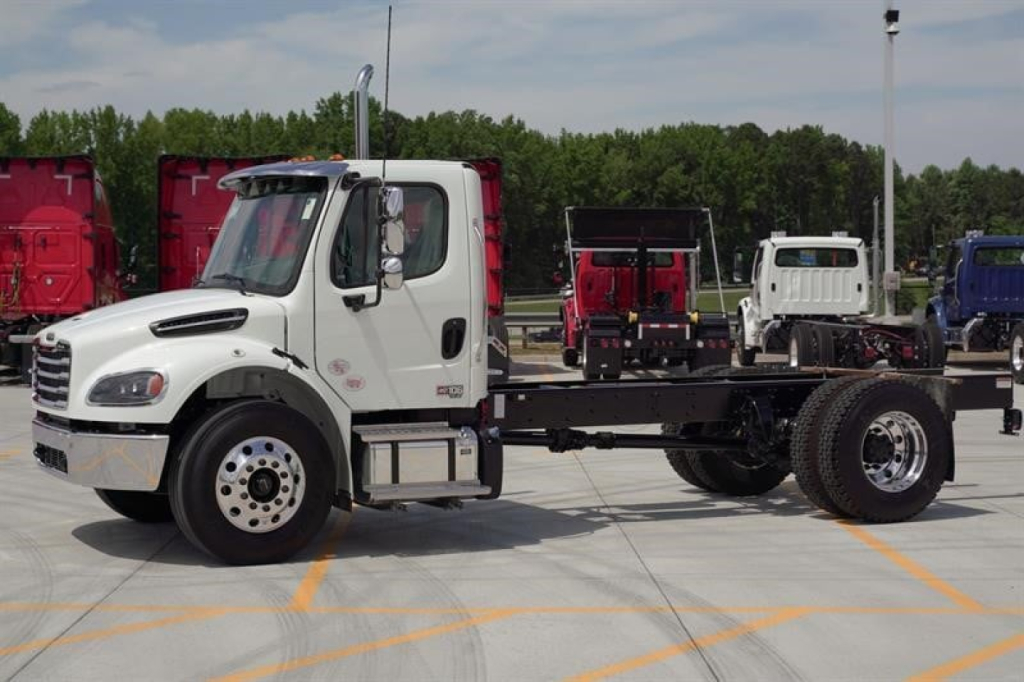
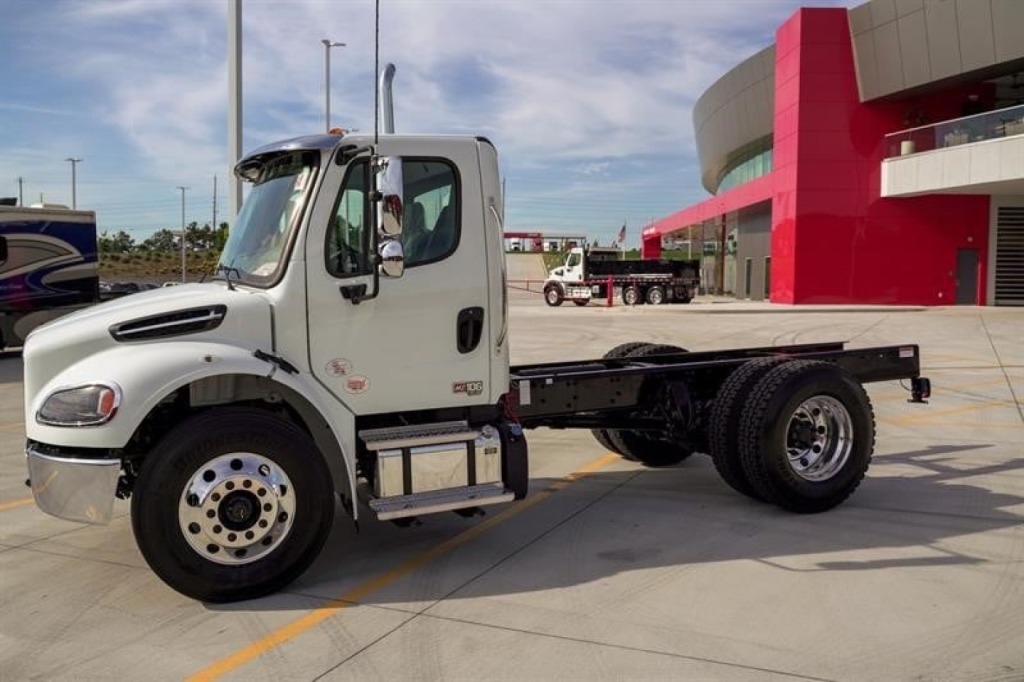
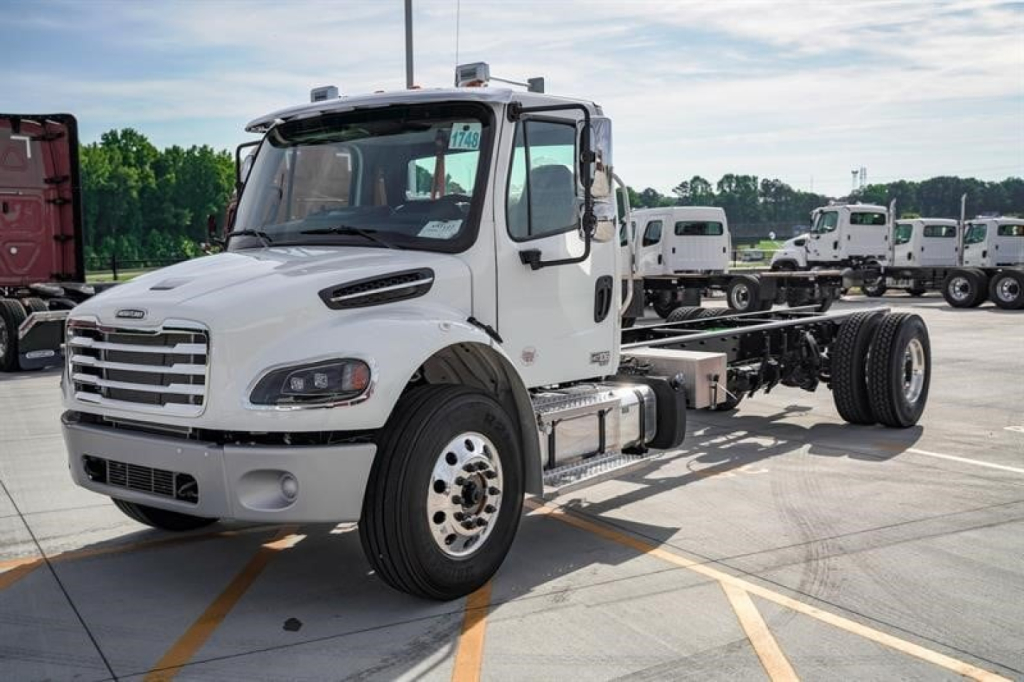
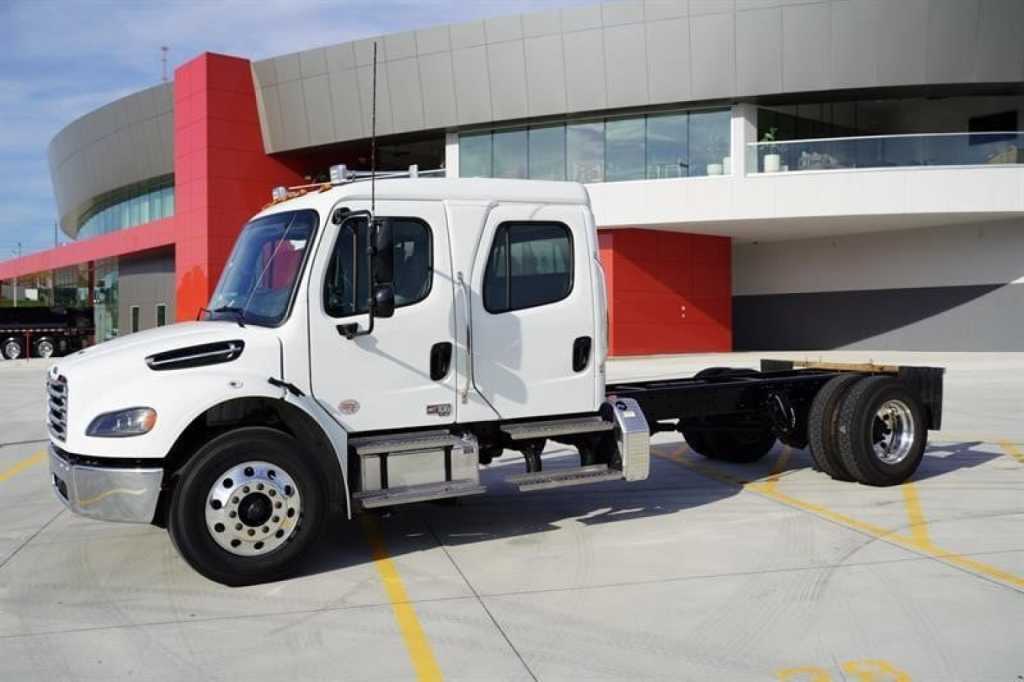
A typical new Freightliner cab and chassis in this group is a single-axle 4x2 with a standard cab, diesel power, and an automatic transmission. Many are spec'd with the Cummins B6.7 in the 250 hp range and paired with an Allison automatic, a combination widely used for stop-and-go city routes, vocational work, and fleets that want simple driver onboarding. Spring suspension remains common because it is durable, straightforward to maintain, and well suited to body installations that see uneven loading or jobsite use. Wheelbase matters more than many buyers expect, because it directly affects the body length you can mount, axle placement, turning radius, and bridge compliance once the truck is fully built.
The Freightliner M2 platform is well known for visibility, service access, and broad body-builder support. That matters if the chassis will become a refrigerated straight truck, landscape truck, crane body, utility truck, or delivery unit. Buyers should confirm key upfit details early, including cab-to-axle, frame rail dimensions, PTO compatibility, fuel tank placement, exhaust routing, and whether the electrical architecture supports the body equipment being installed. On a new truck, those decisions are easier and less expensive to get right before the body goes on than to correct later.
For buyer comparison, focus on the final working configuration rather than just the bare chassis spec sheet. A new Freightliner cab and chassis should be matched to the body, payload, route profile, and duty cycle it will actually see. Urban delivery fleets may prioritize tighter wheelbases, automatic transmissions, and lower step-in height, while contractors and municipalities may care more about frame strength, suspension rating, PTO readiness, and room for tool storage or auxiliary equipment. The right spec is the one that leaves enough legal payload, supports the body without compromise, and keeps maintenance predictable over the life of the truck.
Frequently Asked Questions about New Freightliner Cab and Chassis Trucks
What is a Freightliner cab and chassis truck used for?
A Freightliner cab and chassis truck is a stripped truck platform designed to receive a vocational or commercial body after purchase. Common applications include dry van bodies, refrigerated bodies, flatbeds, stake beds, dump bodies, utility bodies, rollback carriers, and service trucks. The chassis is selected first, then matched to the body size, payload requirement, and equipment needed for the job.
What should I look at first when buying a new Freightliner cab and chassis?
Start with GVWR, wheelbase, and cab-to-axle measurement because those three items drive body compatibility and legal payload more than almost anything else. After that, review engine and transmission pairing, front and rear axle ratings, suspension type, frame dimensions, and PTO provisions. A truck can have the right horsepower and still be a poor fit if the chassis dimensions do not match the planned body.
Why are Freightliner M2 106 cab and chassis trucks so common in medium-duty fleets?
The Freightliner M2 106 is common because it covers a wide range of medium-duty applications without being overly specialized. It is frequently spec'd in Class 6 and Class 7 work, offers strong body-builder compatibility, and is available with proven powertrain options like the Cummins B6.7 and Allison automatic transmission. Many fleets also value the M2 platform for driver visibility, service network access, and straightforward vocational upfitting.
Is the Cummins B6.7 and Allison automatic a good combination for a cab and chassis truck?
Yes, it is one of the most widely used medium-duty combinations for a reason. The Cummins B6.7 delivers dependable diesel performance for delivery and vocational work, while the Allison automatic is well suited to stop-and-go operation, frequent starts, and multiple drivers. This pairing is especially attractive for fleets that want broad service support, predictable operation, and easier driver training.
How does wheelbase affect a new cab and chassis truck?
Wheelbase affects more than overall length. It influences the body length the chassis can accept, weight distribution between the axles, turning radius, and ride characteristics once the truck is loaded. A wheelbase that is too short can limit body options or create balance issues, while one that is too long can reduce maneuverability in city work or tight jobsites. The best wheelbase is the one matched to the finished truck, not just the empty chassis.