
New Freightliner Trucks For Sale in Georgia
Shop new Freightliner trucks for sale in Georgia, including Cascadia highway tractors and M2 medium-duty trucks for box and reefer work.
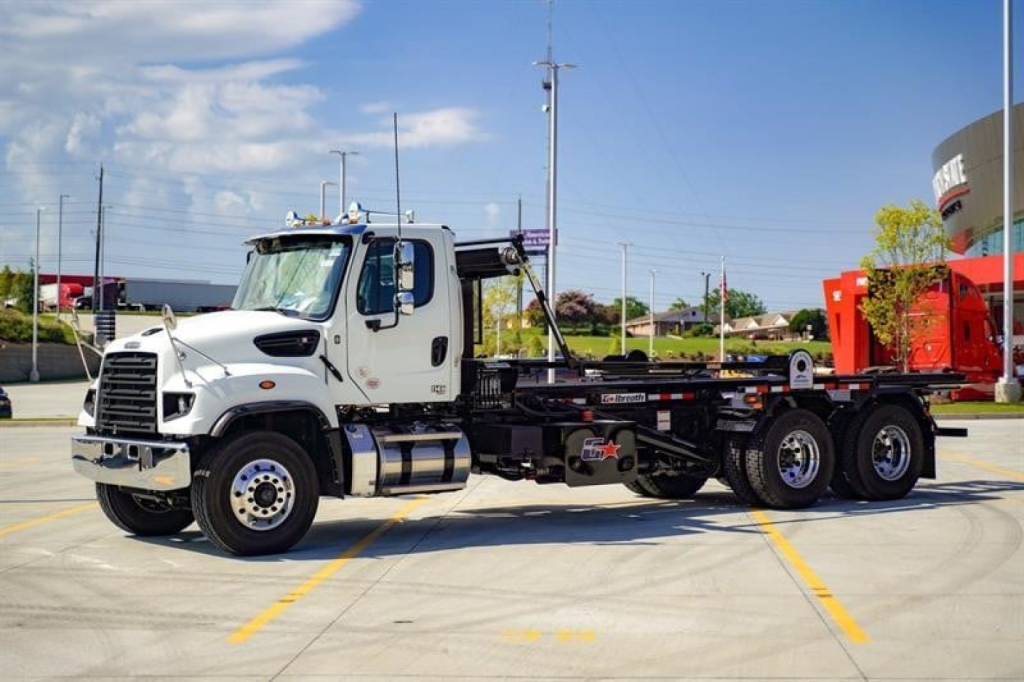
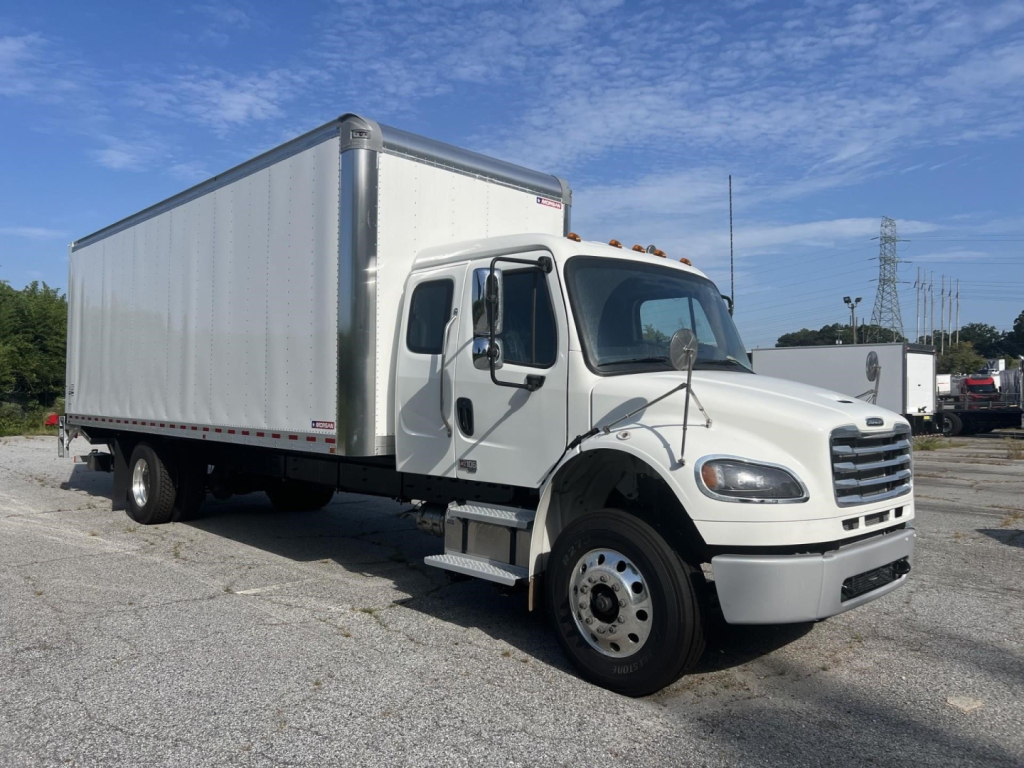
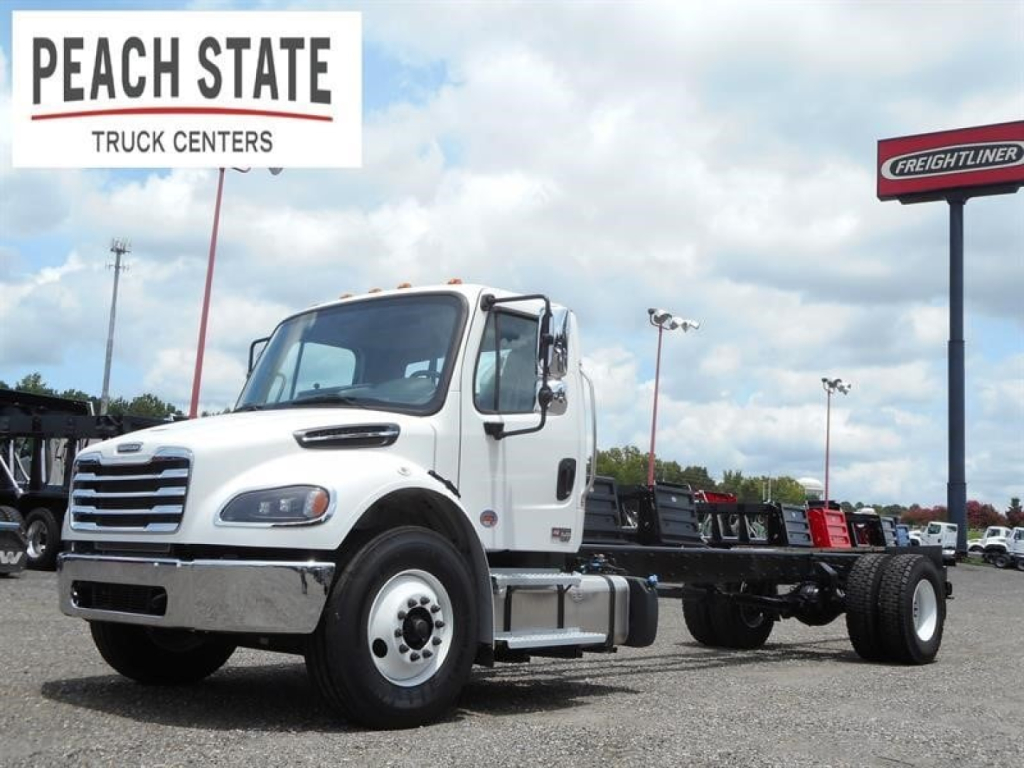
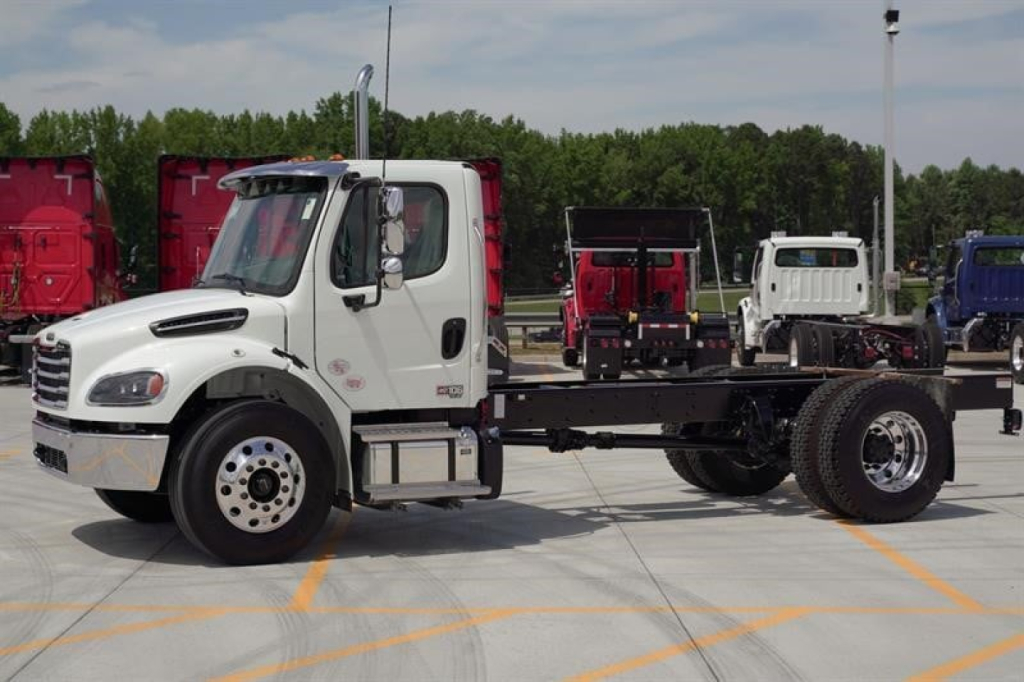
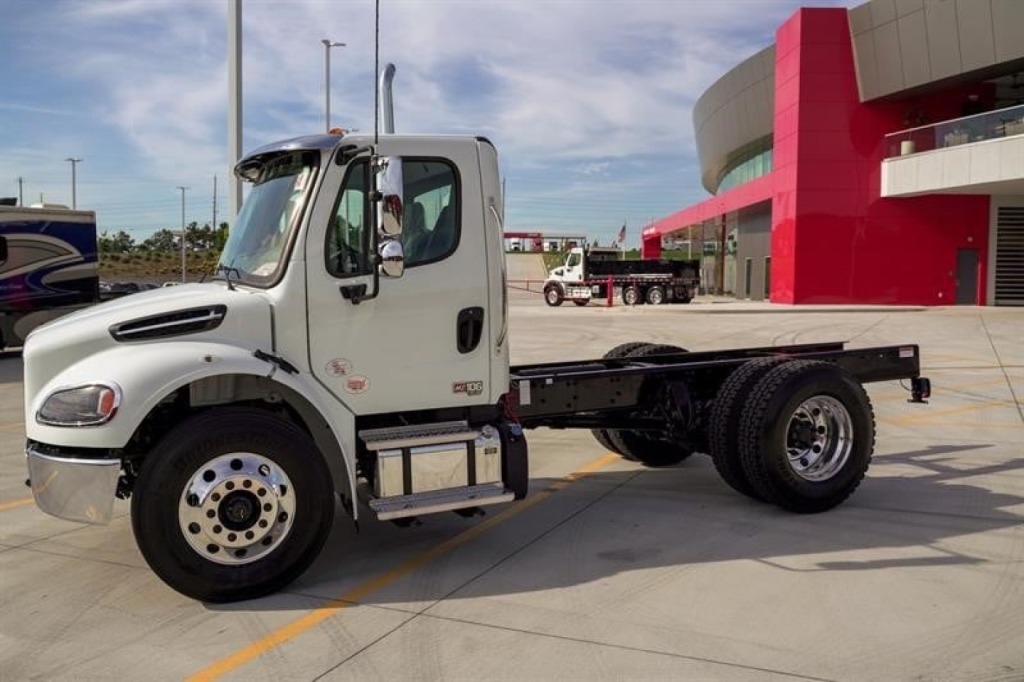
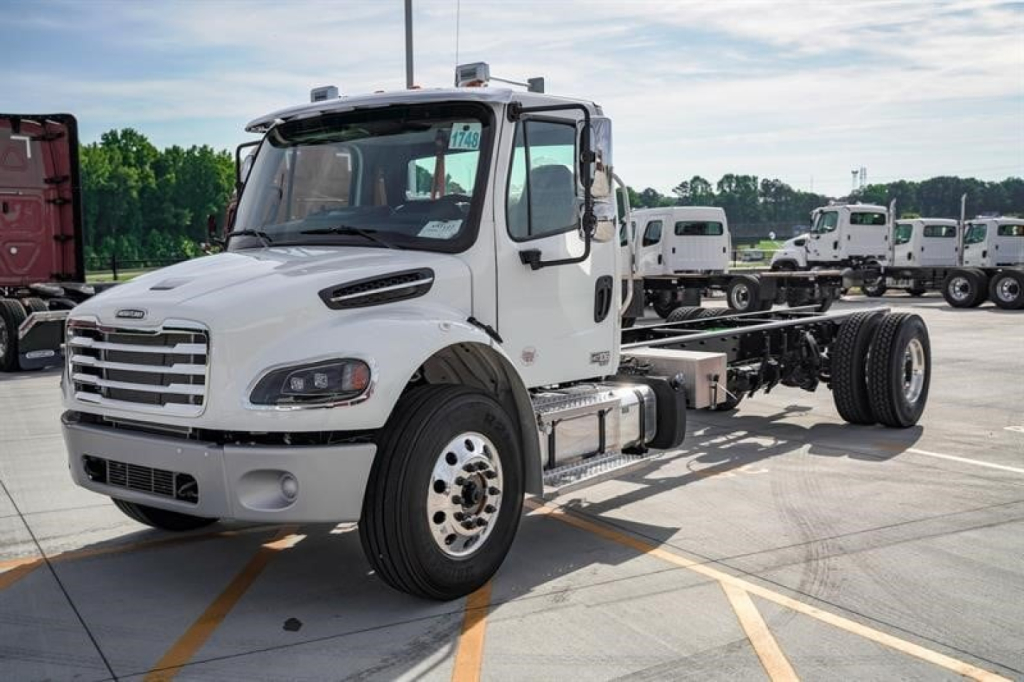
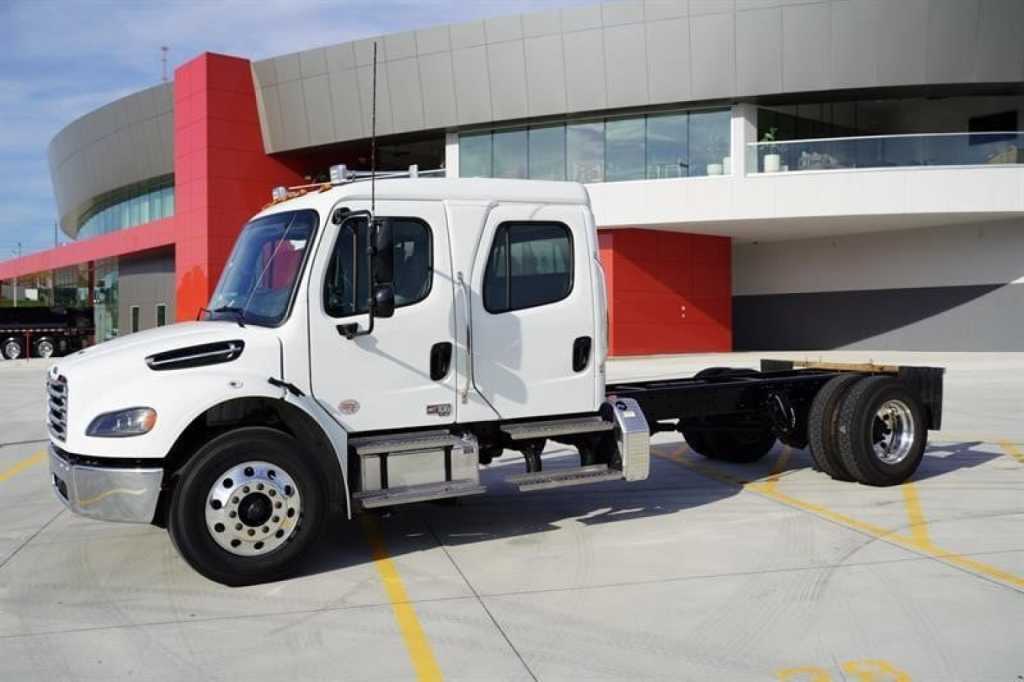
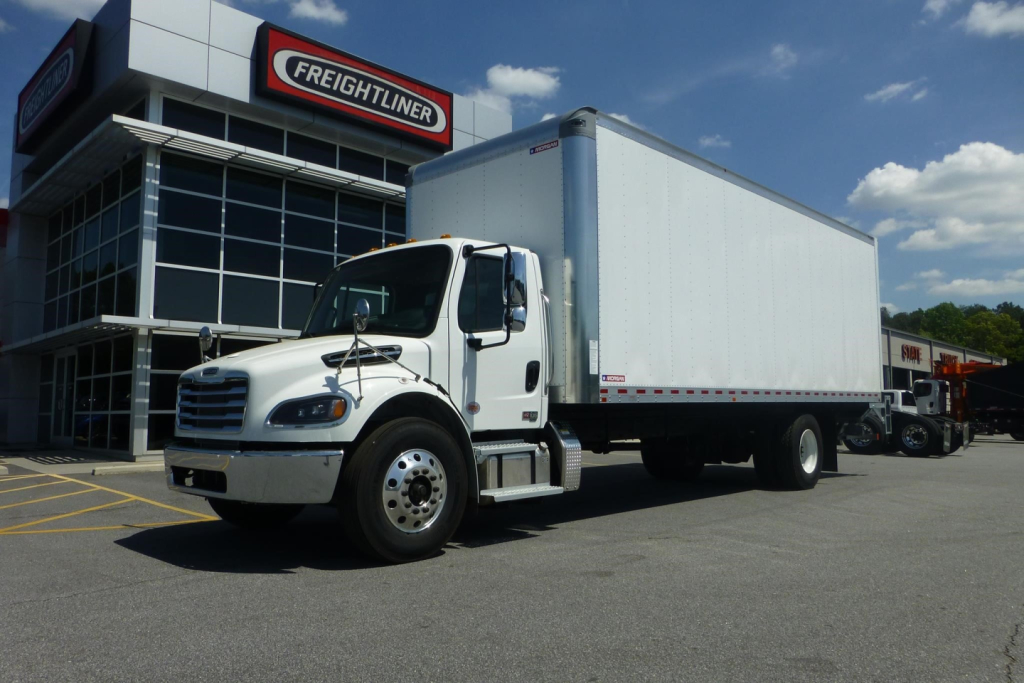
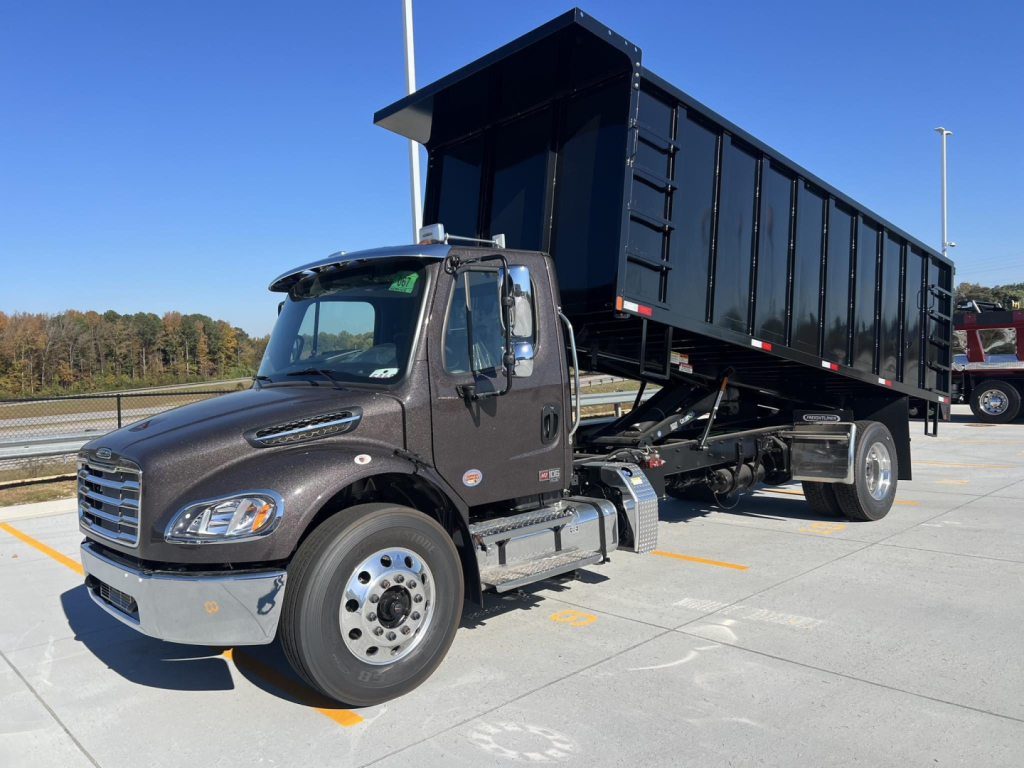
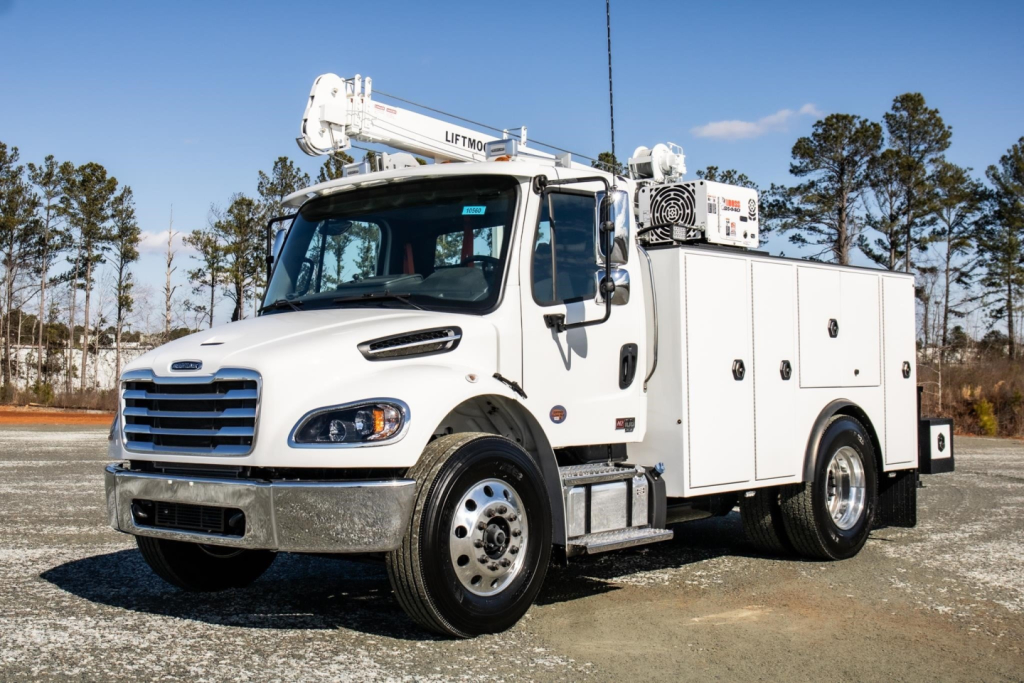
2027 Freightliner M2 106
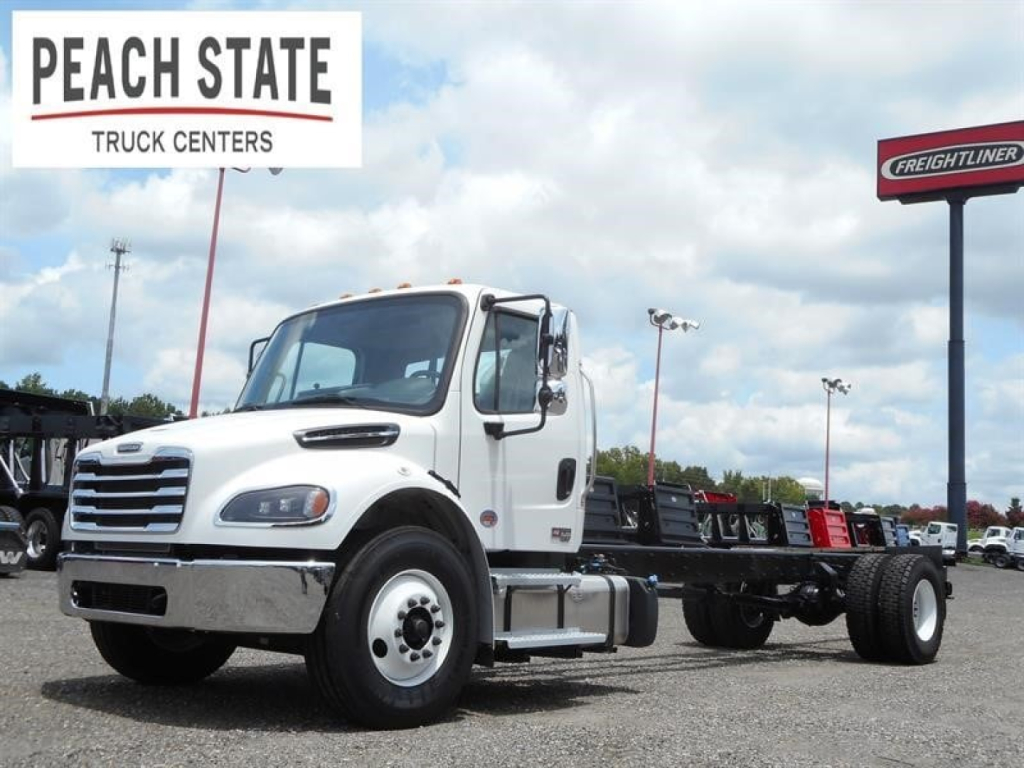
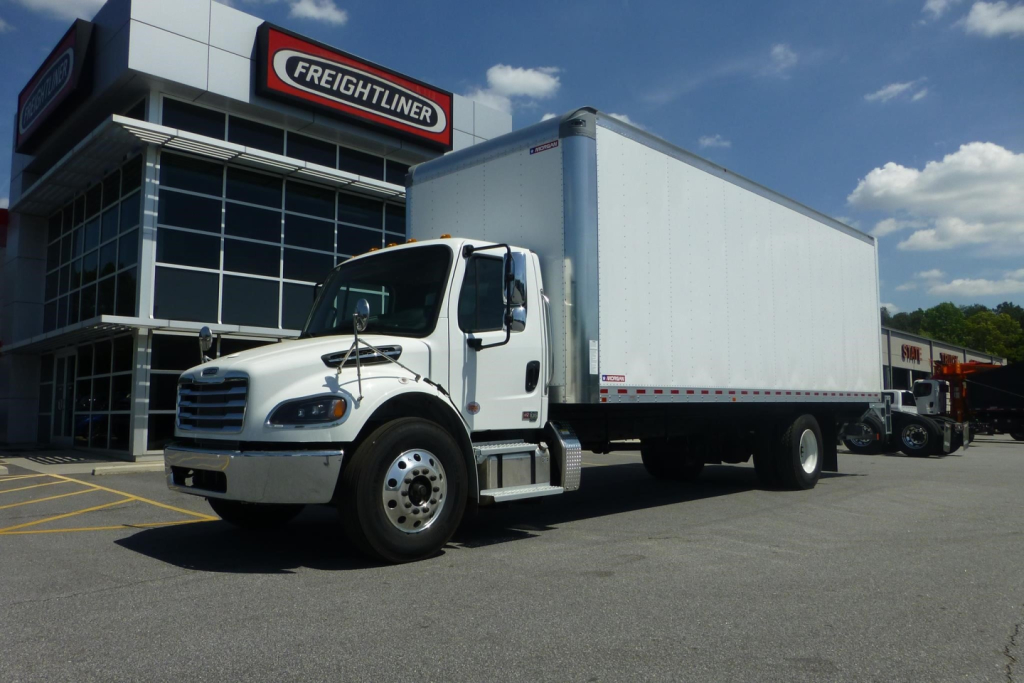
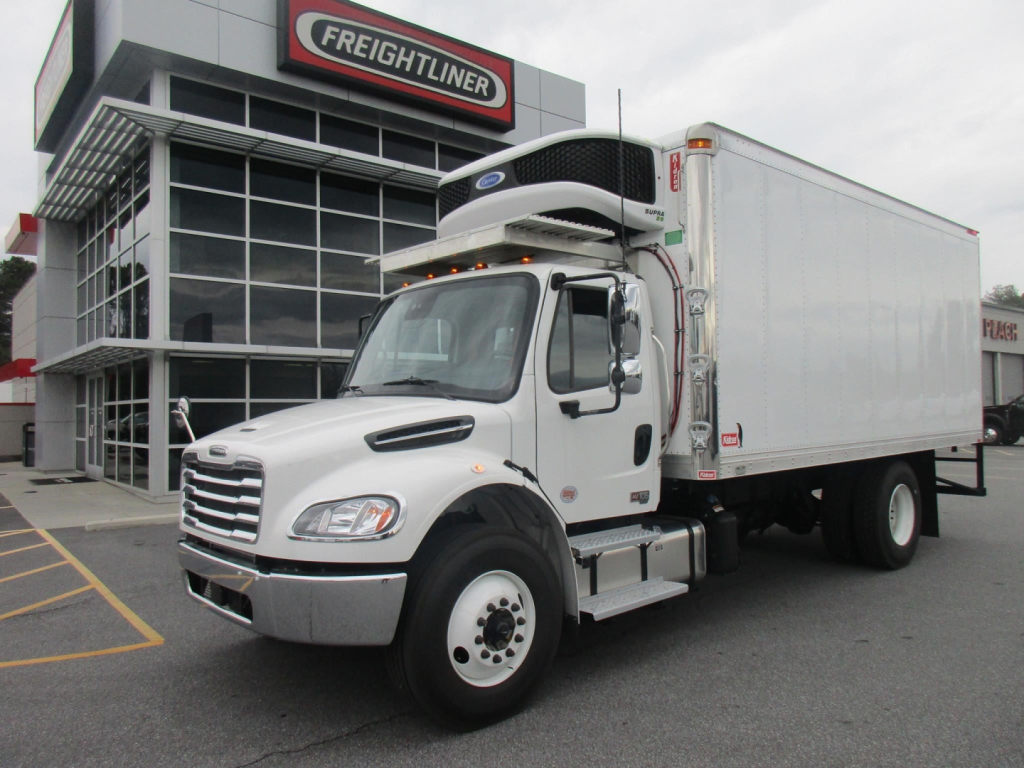
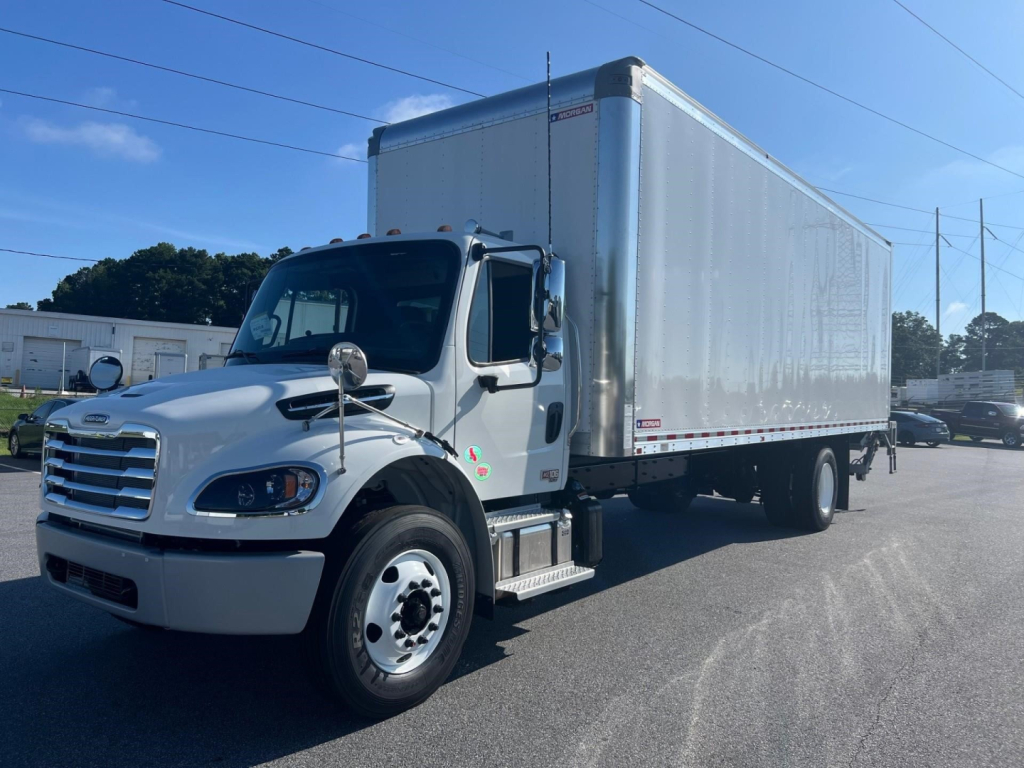
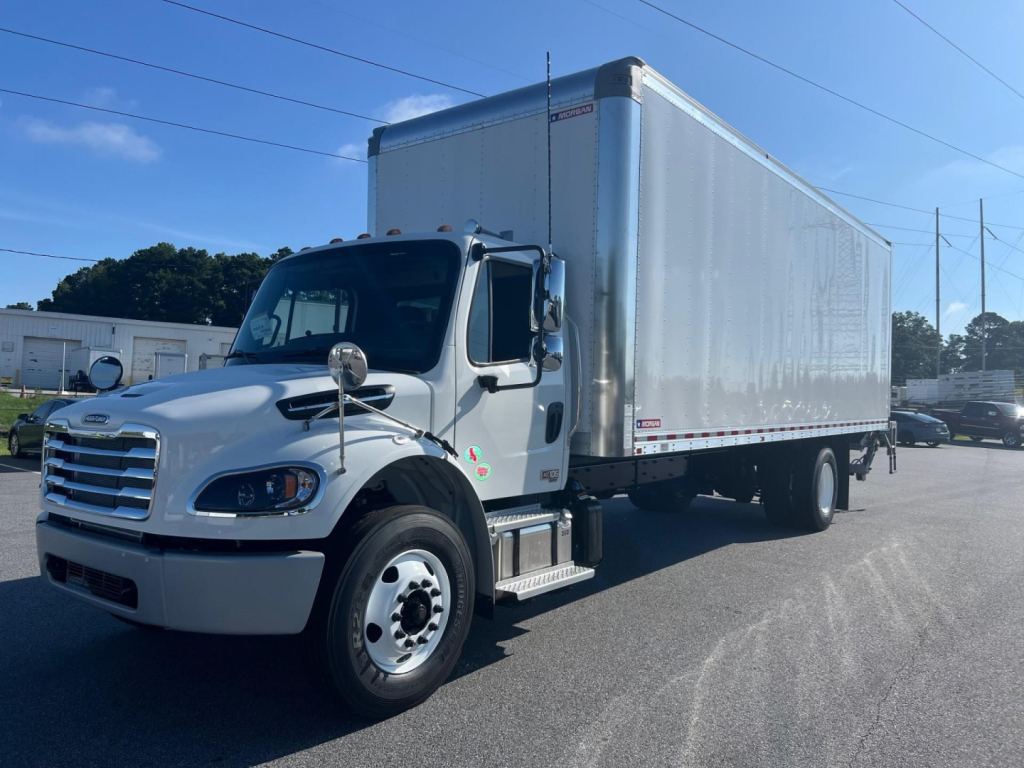
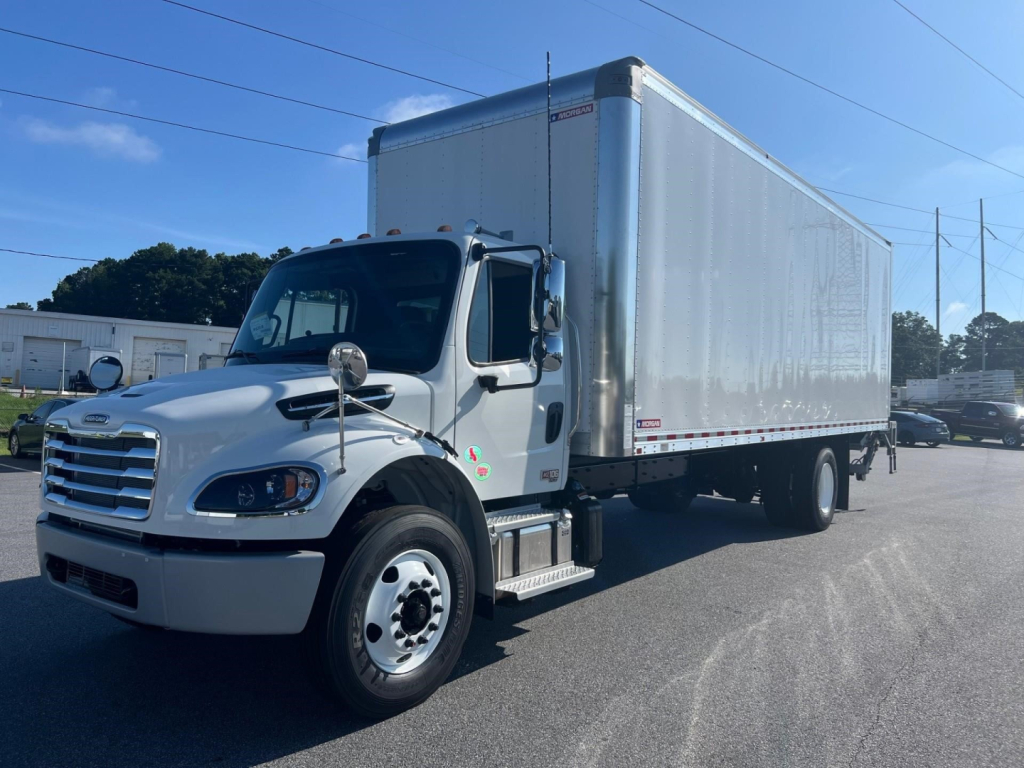
2027 Freightliner M2 106
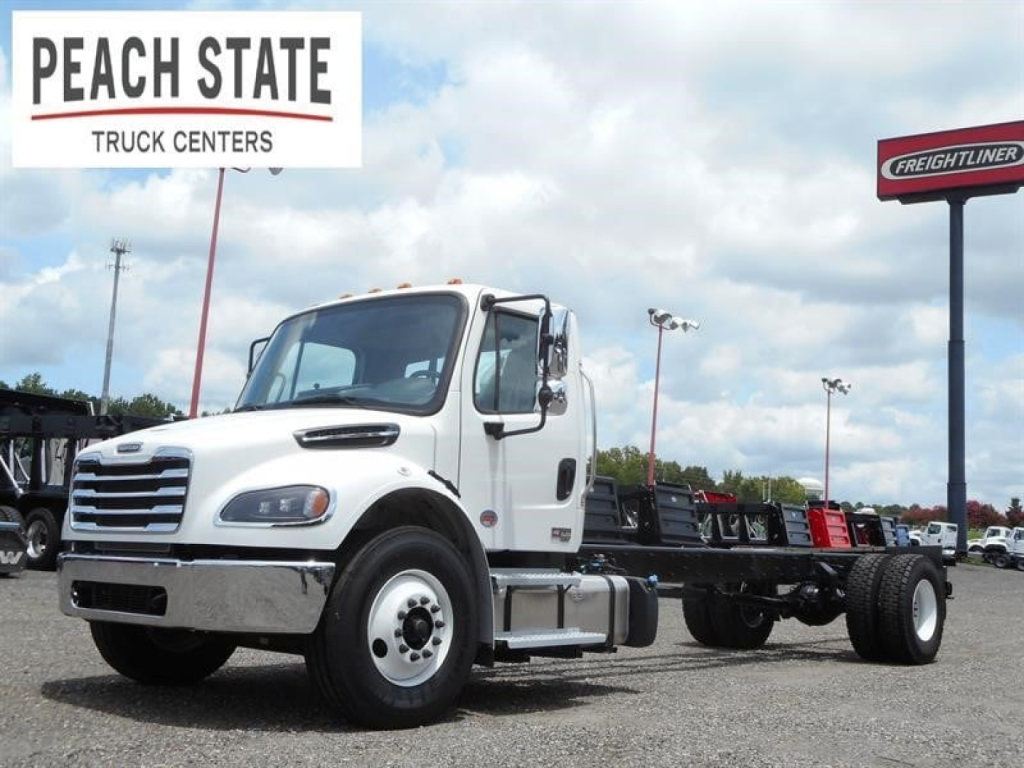
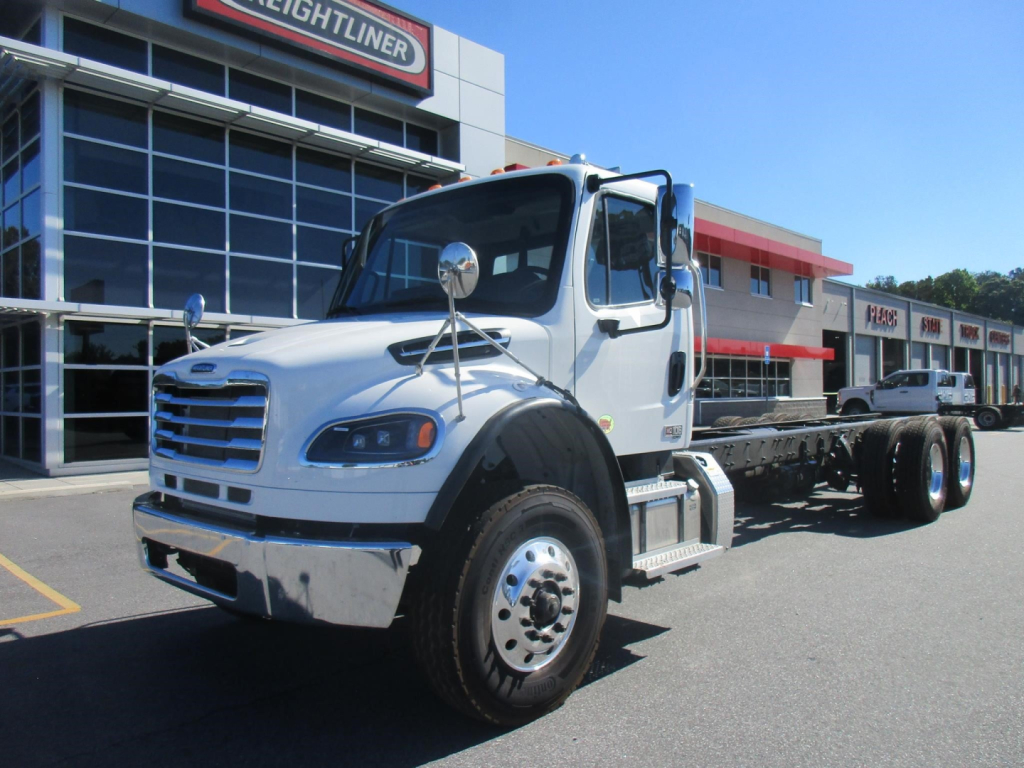
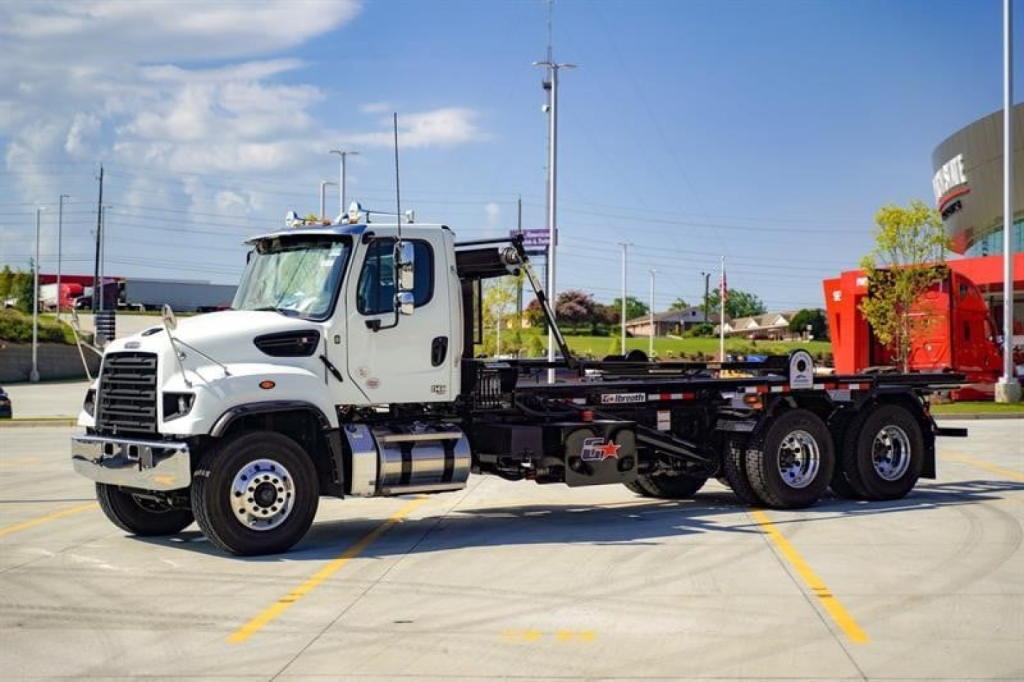
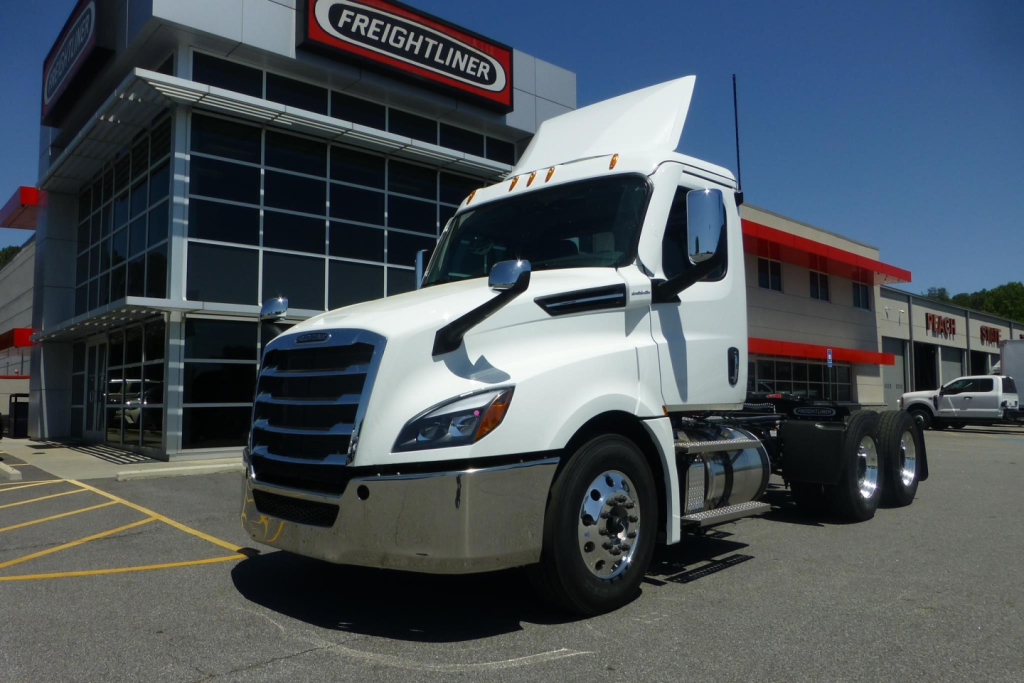
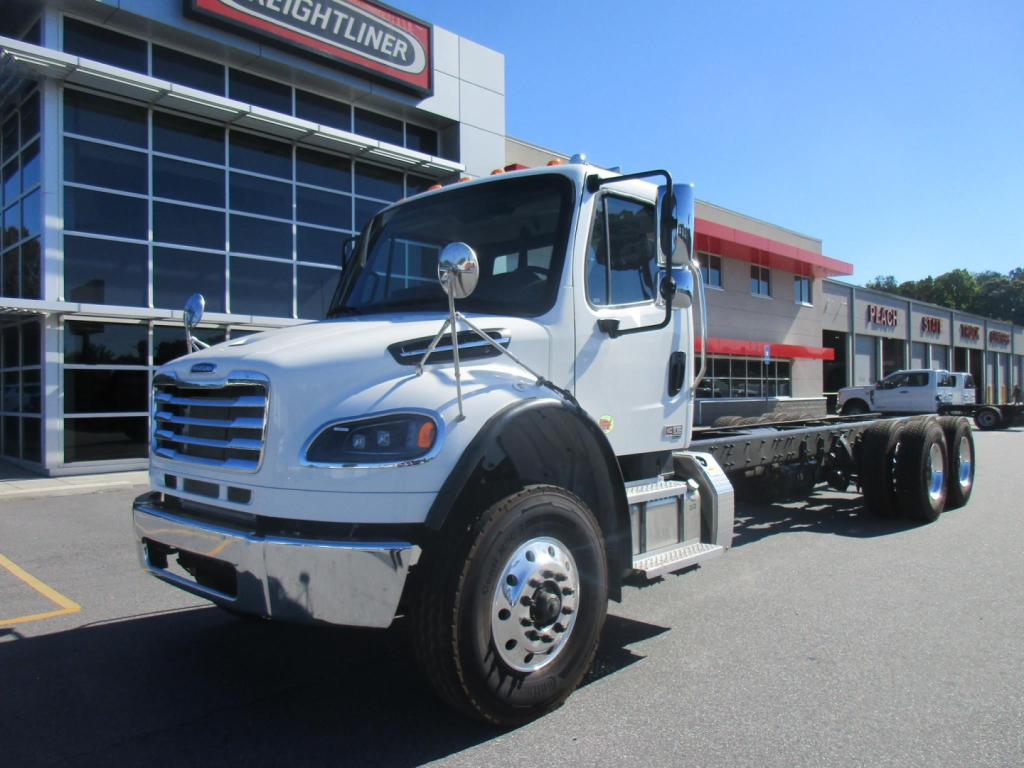
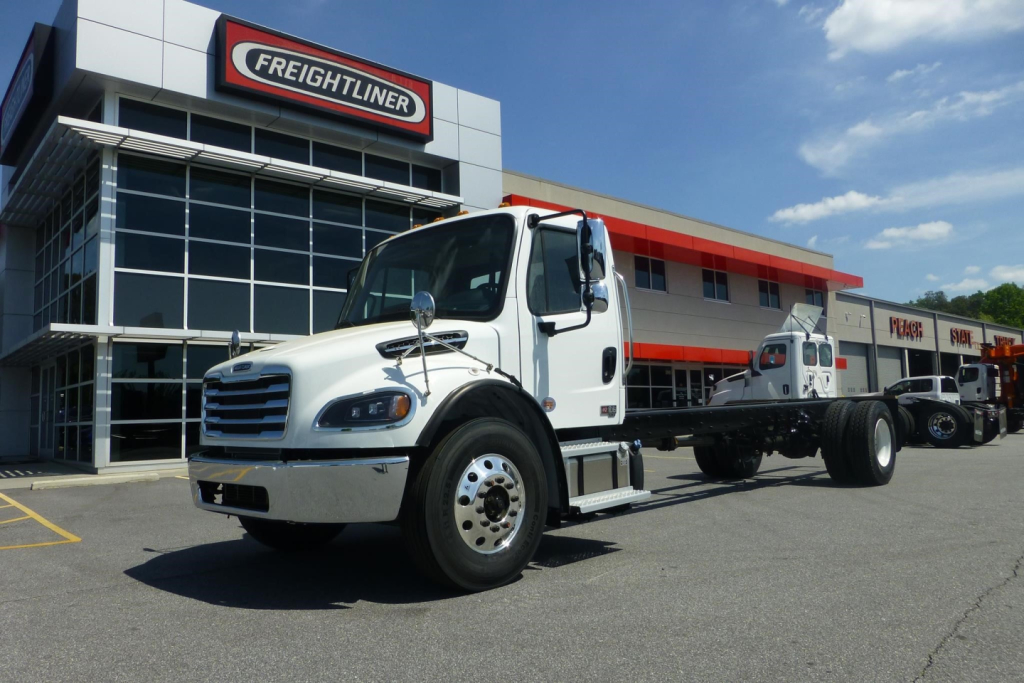
Showing 1 to 28 of 31 results
Selling a new freightliner truck? List your new freightliner truck for sale and reach thousands of commercial buyers.
New Freightliner Trucks in Georgia
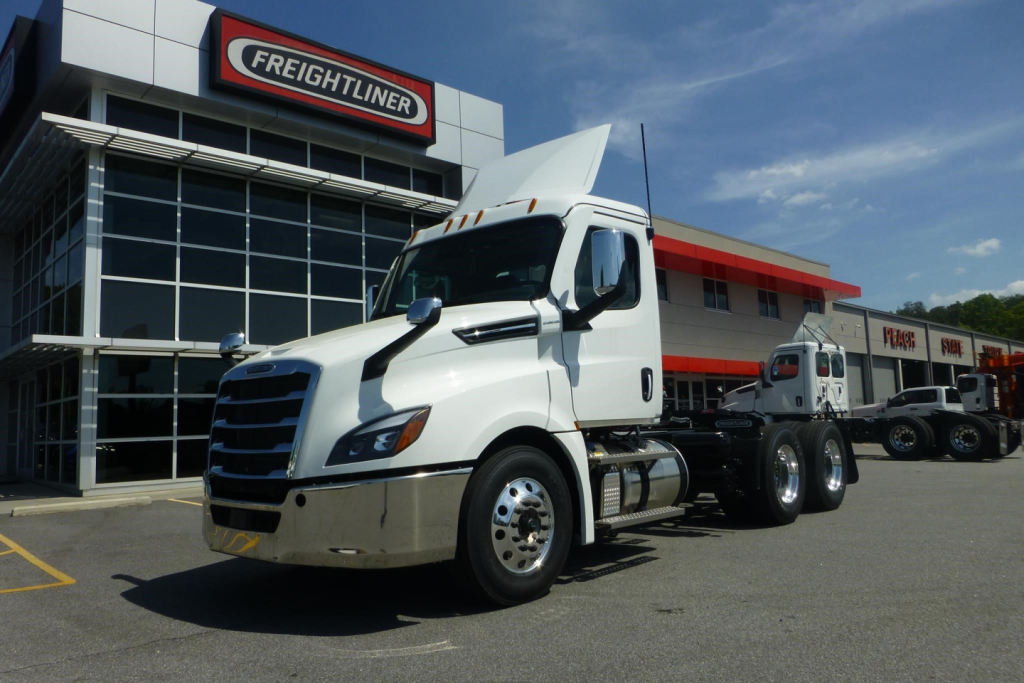
For on-highway use, the Freightliner Cascadia remains one of the most common aerodynamic conventional sleepers on the road, also known simply as a highway tractor or semi truck. New models are often configured with Detroit power, especially the DD15 in the 455 to 505 horsepower range, paired with the Detroit DT12 AMT. Buyers comparing listings should pay close attention to raised roof sleeper size, double-bunk layout, fuel capacity, kingpin-to-rear-axle dimensions, and 5th wheel slide travel if trailer interchange matters. Air ride suspension, 40,000-lb rear axles, aluminum wheels, and active safety systems like collision mitigation, adaptive cruise, lane departure warning, and side object detection are common on current specs because they support fuel economy, driver retention, and resale.
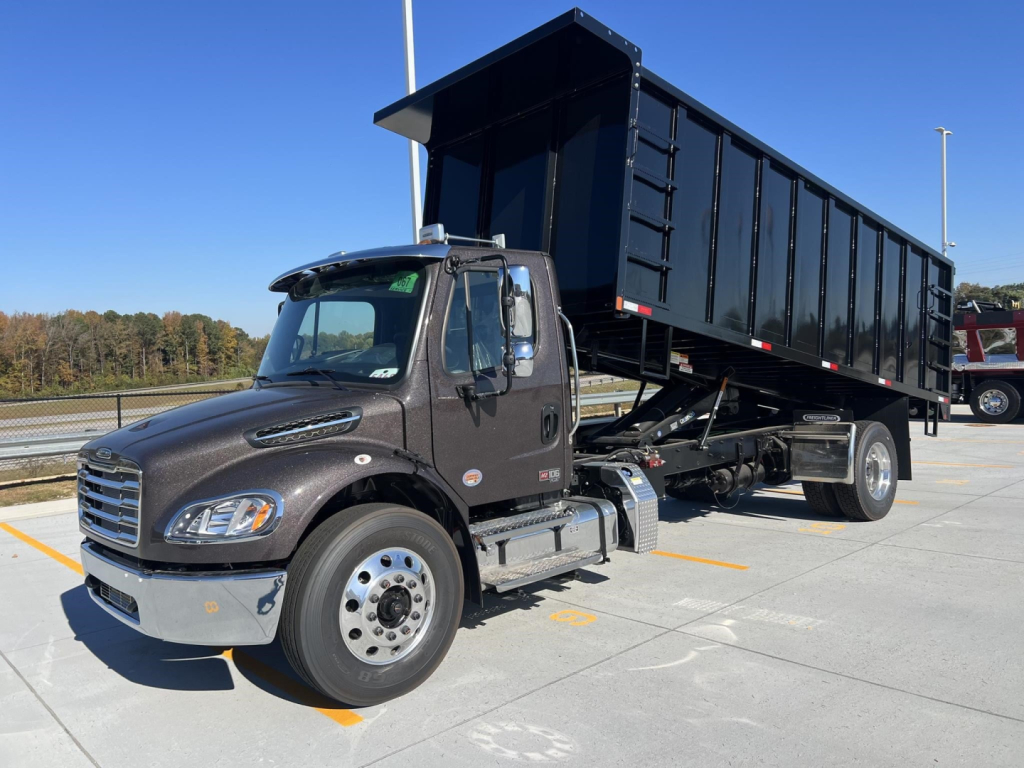
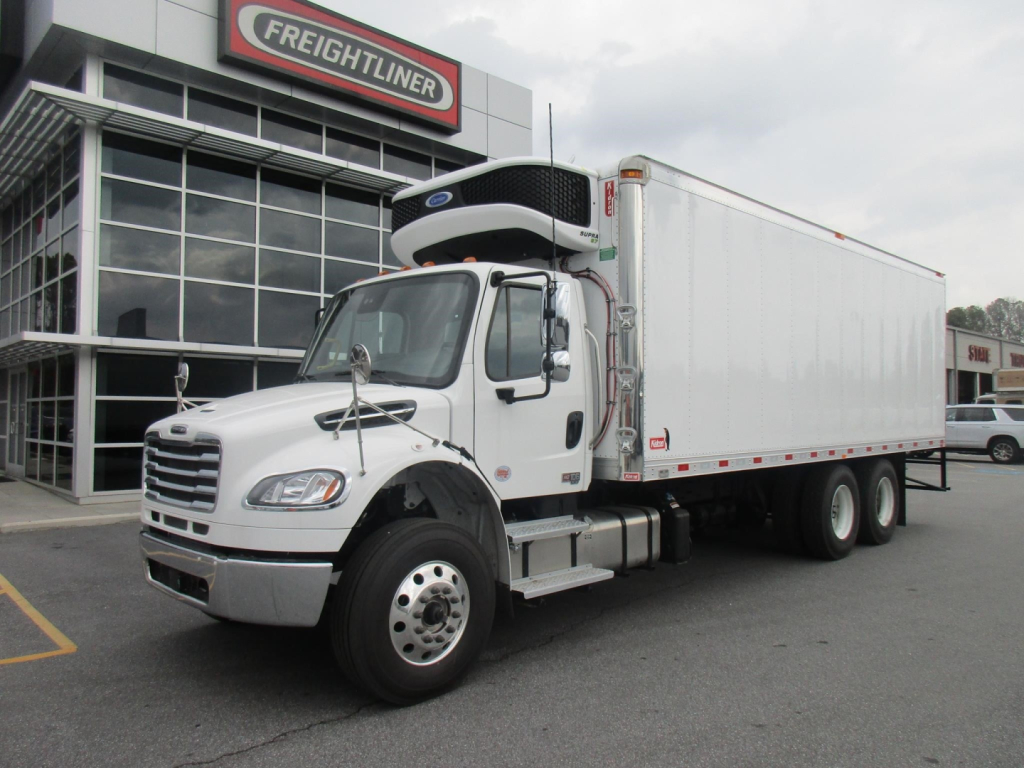
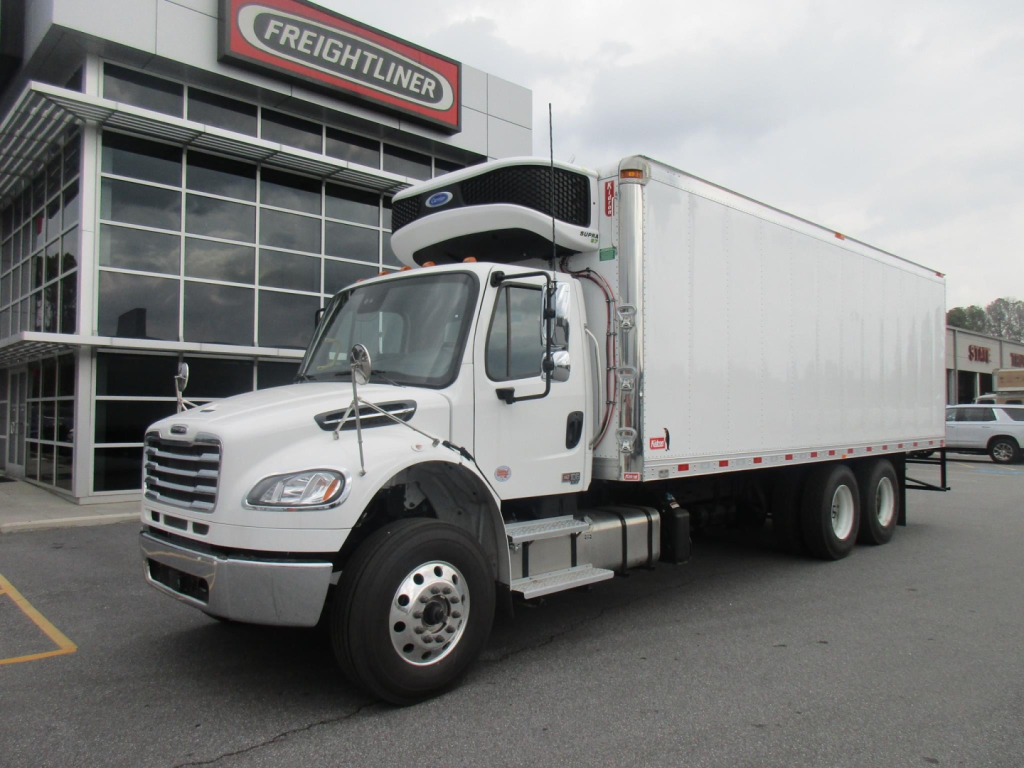
On the medium-duty side, Freightliner M2 106 and Business Class M2 106 Plus trucks are widely used for box truck, refrigerated truck, and final-mile applications. Common configurations in this segment include Cummins B6.7 or L9 diesel engines, Allison automatic transmissions, single rear axles, and wheelbases matched to 18-foot to 26-foot bodies. Buyers should look beyond cab and chassis specs and evaluate the upfit as closely as the truck itself. Body manufacturer, liftgate rating, reefer brand, insulation package, floor type, door opening height, and payload capacity all affect route efficiency and operating cost. In Georgia, heat and stop-and-go operation make cooling performance, transmission calibration, and service access especially important for foodservice and temperature-controlled delivery.
A new Freightliner also gives buyers access to current emissions hardware, factory safety technology, and warranty coverage that can reduce early-life downtime versus aging fleet units. The best listing is not always the highest horsepower or longest body. It is the truck with the right GVWR, axle rating, wheelbase, body length, and drivetrain for the freight. For buyers comparing new Freightliner trucks for sale in Georgia, the real decision usually comes down to highway sleeper versus medium-duty straight truck, then narrowing the spec around lane length, trailer or body requirements, driver comfort, and maintenance strategy.
Frequently Asked Questions about New Freightliner Trucks in Georgia
What is the difference between a Freightliner Cascadia and a Freightliner M2 106 Plus?
The Freightliner Cascadia is a Class 8 on-highway tractor designed for linehaul, regional haul, and sleeper applications. The Freightliner M2 106 Plus is a medium-duty platform commonly used for straight truck work such as dry freight delivery, refrigerated delivery, utility, and local route service. The Cascadia is typically spec'd with tandem drive axles, higher horsepower, and a 5th wheel for trailer towing, while the M2 106 Plus is more often built as a single-axle box or reefer truck with an automatic transmission and body upfit.
What engine and transmission combinations are common in new Freightliner trucks?
In new Freightliner highway tractors, Detroit DD15 engines paired with the Detroit DT12 automated manual transmission are among the most common combinations. In medium-duty Freightliner M2 trucks, buyers often see Cummins B6.7 or L9 engines matched with Allison automatic transmissions. The right pairing depends on route profile, loaded weight, stop frequency, and driver preference. Highway applications usually prioritize fuel economy and downspeeding, while delivery applications prioritize launch performance, PTO compatibility, and ease of operation in traffic.
What should I look for in a new Freightliner box or reefer truck?
Start with GVWR, front and rear axle ratings, wheelbase, and engine torque, then move to the body and equipment package. On a box truck, body length, liftgate capacity, interior dimensions, and floor construction directly affect payload handling. On a reefer truck, reefer unit brand, insulation quality, bulkhead setup, and temperature pull-down performance are critical. Buyers should also verify door configuration, body height, and any route-specific needs such as ramp access, dock compatibility, or low-clearance operation.
Are new Freightliner Cascadia sleepers a good choice for team or long-haul operations?
Yes, many new Cascadia sleepers are well suited for team and long-haul work, especially raised roof models with double bunks and factory sleeper amenities. Buyers should compare sleeper length, storage layout, inverter and shore power setup, HVAC provisions, bunk arrangement, and integrated idle reduction features. Long-haul fleets also tend to place more value on advanced driver assistance systems, air disc brakes, fuel capacity, and axle ratio because those items influence safety, driver comfort, and operating cost over high annual mileage.
Why does Georgia matter when choosing a new Freightliner truck?
Georgia operations often combine interstate freight lanes with dense metro delivery in hot weather, so cooling capacity, transmission behavior in stop-and-go driving, and service network access are practical buying factors. Highway buyers may want specs optimized for regional Southeast freight and heavy I-75 and I-85 use, while medium-duty buyers should consider reefer performance, cab air conditioning, liftgate durability, and maneuverability in urban delivery environments. Climate and route density can make the right axle ratio, body spec, and safety package more important than headline horsepower alone.