
New Freightliner Day Cab Trucks For Sale
Shop new Freightliner day cab trucks, including Cascadia models built for regional haul, local delivery, port work, and slip-seat fleets.
Have new freightliner day cab truck to sell? List it here to reach thousands of buyers.
New Freightliner Day Cab Trucks
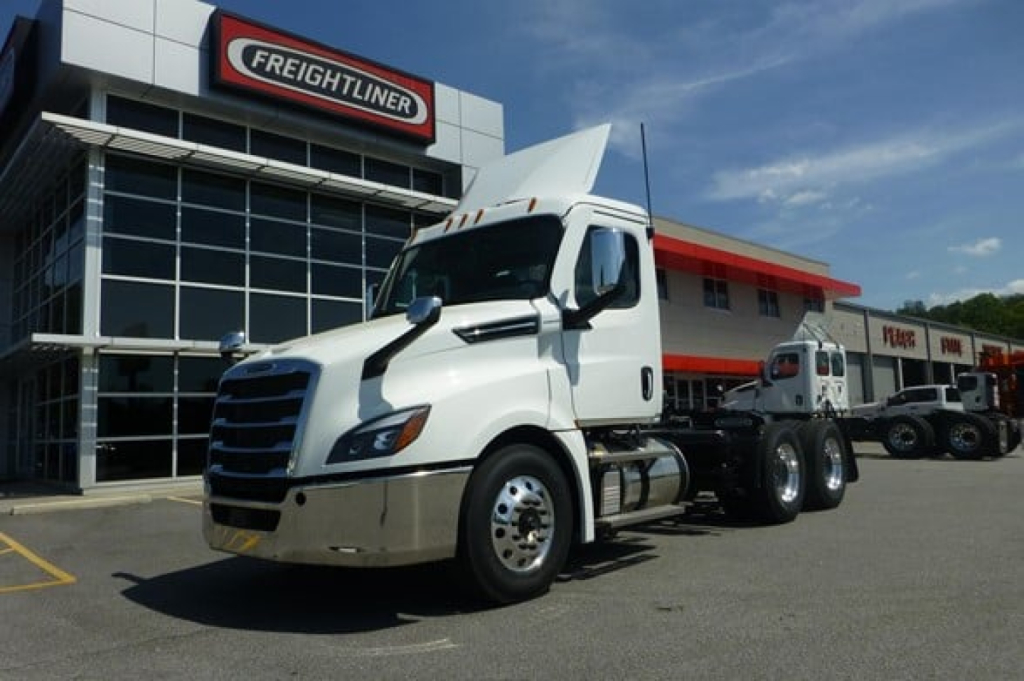
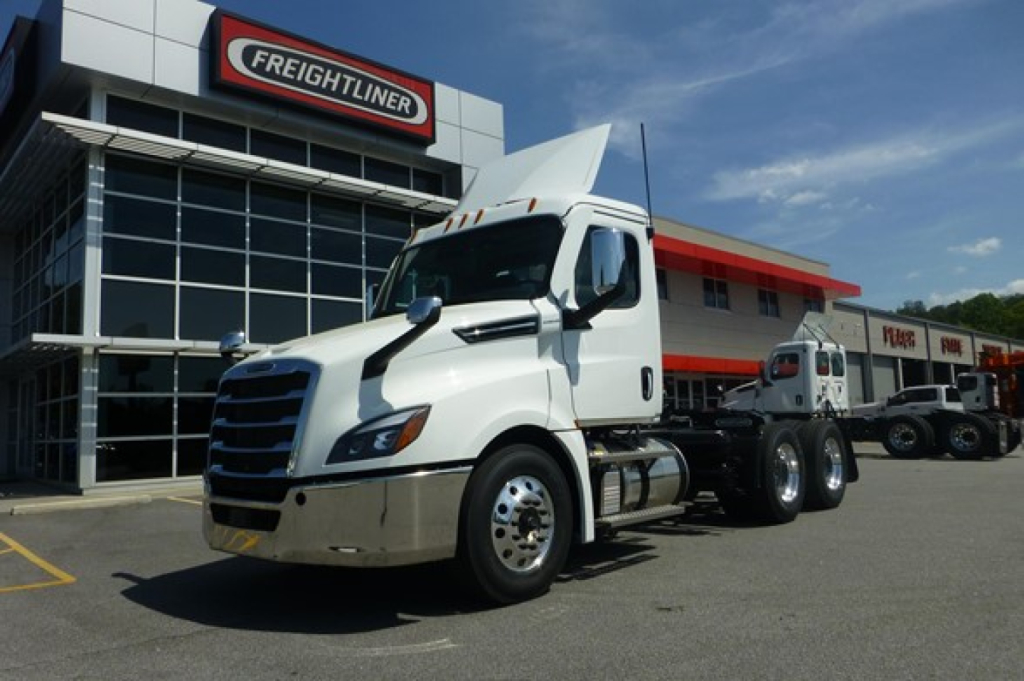
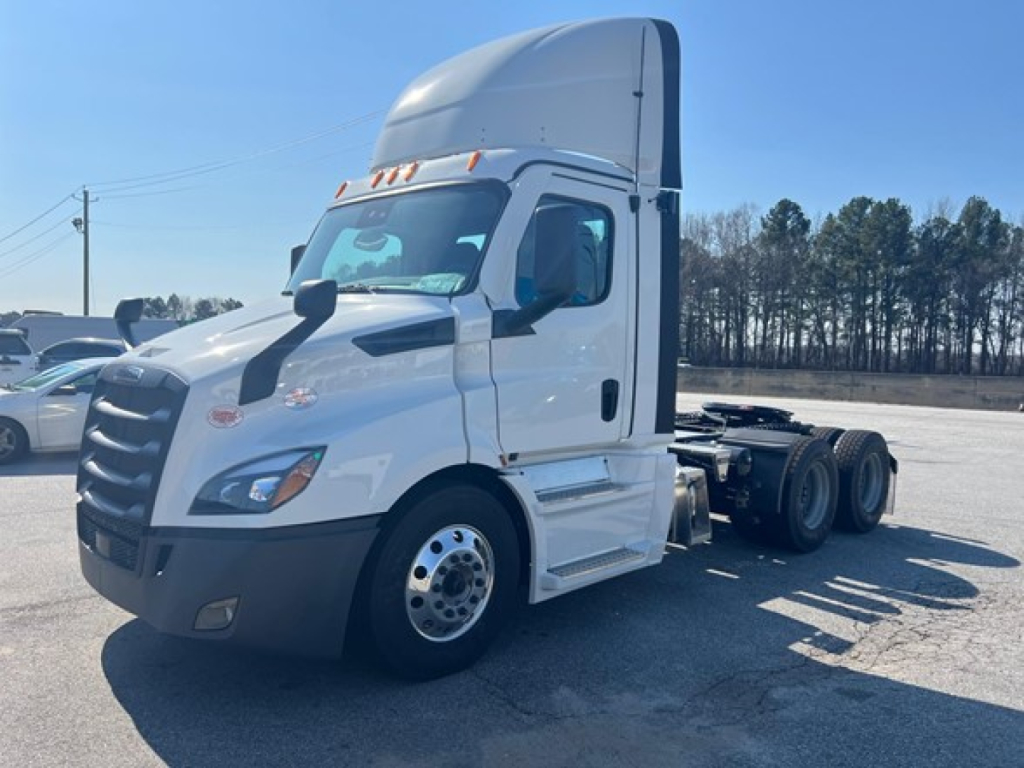
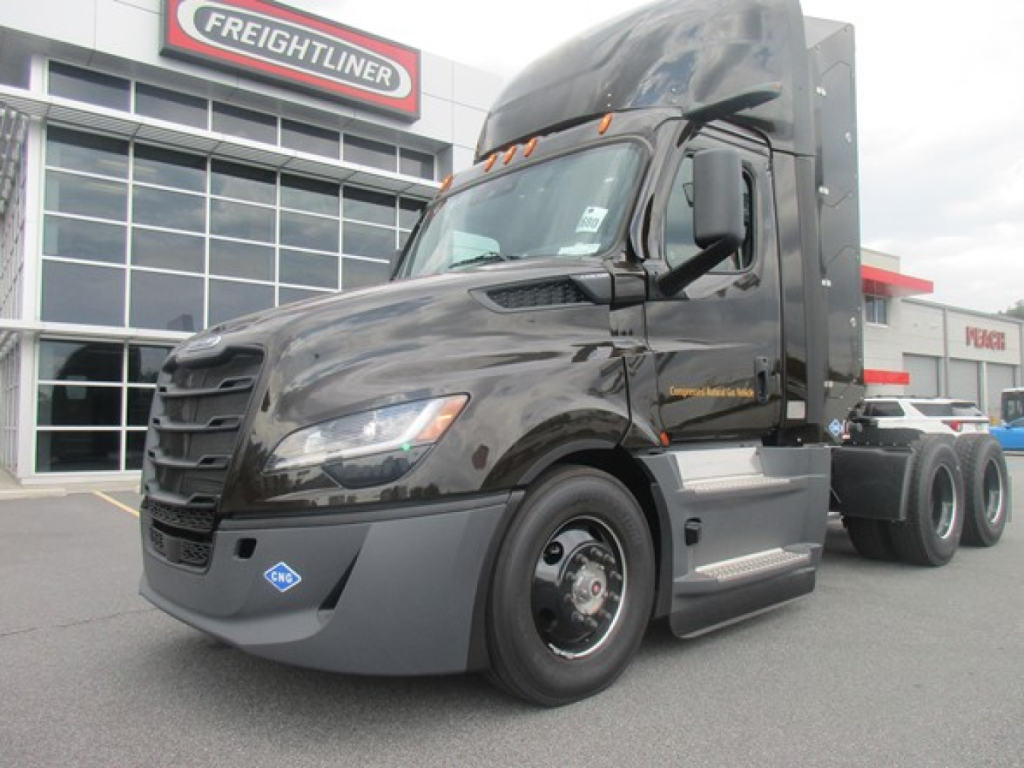
A typical new Freightliner day cab on today’s market is a tandem axle 6x4 with a Detroit DD13 diesel and DT12 automated manual transmission, often rated around 350 to 450 horsepower. Wheelbases commonly land in the mid-180s to around 190 inches, which is a practical range for balancing trailer swing clearance, bridge law considerations, and turning radius. Air ride suspension, aluminum or aluminum-steel wheel setups, and 40,000-lb rear axles are common fleet specs. Buyers running heavier freight or specialized routes may also find alternative powertrains such as Cummins X15N natural gas, which can make sense for dedicated operations with established CNG fueling access and emissions compliance goals.
The cab and chassis spec matters as much as the engine. Freightliner day cabs are often ordered with safety and visibility technology such as collision mitigation, lane departure warning, side object detection, and camera-based mirror systems. In-cab fifth wheel release, front and rear disc brakes, engine brakes, and fuel capacity sized for regional service are also worth comparing across listings. If the truck will spend most of its time in city traffic, shorter wheelbase and visibility options can improve maneuverability and reduce driver fatigue. If it will pull van, reefer, or tanker trailers across multi-state lanes, horsepower, fuel capacity, suspension tune, and highway gearing become more important.
For buyers evaluating new Freightliner day cab trucks for sale, the real question is duty cycle fit. A properly spec’d day cab can lower empty weight, simplify maintenance, and improve driver access compared with a sleeper tractor, but only if the chassis, rear axle ratio, and powertrain match the freight. Freightliner remains popular because the Cascadia platform gives buyers a wide spec window, from efficient regional fleet trucks to higher-output vocational-adjacent day cabs with hitch equipment or alternative fuel systems. When comparing units, pay close attention to intended trailer type, average payload, stop frequency, and terminal infrastructure, because those factors will determine the best day cab configuration more than the badge on the hood.
Frequently Asked Questions about New Freightliner Day Cab Trucks
What is a Freightliner day cab truck used for?
A Freightliner day cab truck is used for operations that return the driver to base without the need for a sleeper berth. Common applications include regional freight, drayage, local delivery, tanker work, flatbed hauling, LTL, and dedicated private fleet routes. The day cab layout reduces cab length and weight, which can improve maneuverability and make the truck a better fit for urban terminals, drop-and-hook operations, and high-frequency stop routes.
What engine and transmission are common in new Freightliner day cabs?
Many new Freightliner day cabs are spec’d with Detroit DD13 diesel engines paired with Detroit DT12 automated manual transmissions. This combination is popular because it balances fuel economy, drivability, and maintenance familiarity in regional and local Class 8 service. Some buyers also choose higher-output or alternative-fuel configurations, including Cummins natural gas engines, when route structure, fueling access, or emissions strategy supports that choice.
What wheelbase is best for a Freightliner day cab?
The best wheelbase depends on trailer type, axle spread requirements, and how tight the operating environment is. A wheelbase in the mid-180-inch to 190-inch range is common because it offers a workable balance between turning radius and trailer clearance. Shorter wheelbases generally help in city work and crowded yards, while slightly longer setups may better accommodate fuel capacity, frame-mounted equipment, or weight distribution needs.
Are new Freightliner day cabs good for fleet service?
New Freightliner day cabs are widely used in fleet service because the platform is available in standardized specs with broad dealer and parts support. Fleets often value the Cascadia for its fuel-efficient aerodynamics, common Detroit powertrain options, driver comfort, and integrated safety systems. Standardized day cab specs can also simplify technician training, parts stocking, and resale planning across a larger operation.
What should buyers compare when shopping for a new Freightliner day cab?
Buyers should compare horsepower, rear axle rating, suspension type, wheelbase, fuel capacity, transmission type, and safety technology before focusing on cosmetic details. It is also important to match the truck to the intended duty cycle, including trailer type, average payload, stop frequency, and annual mileage. Features such as collision mitigation, disc brakes, in-cab fifth wheel release, and camera visibility systems can materially affect driver efficiency, uptime, and operating cost.