
New Freightliner Day Cab Trucks For Sale in Georgia
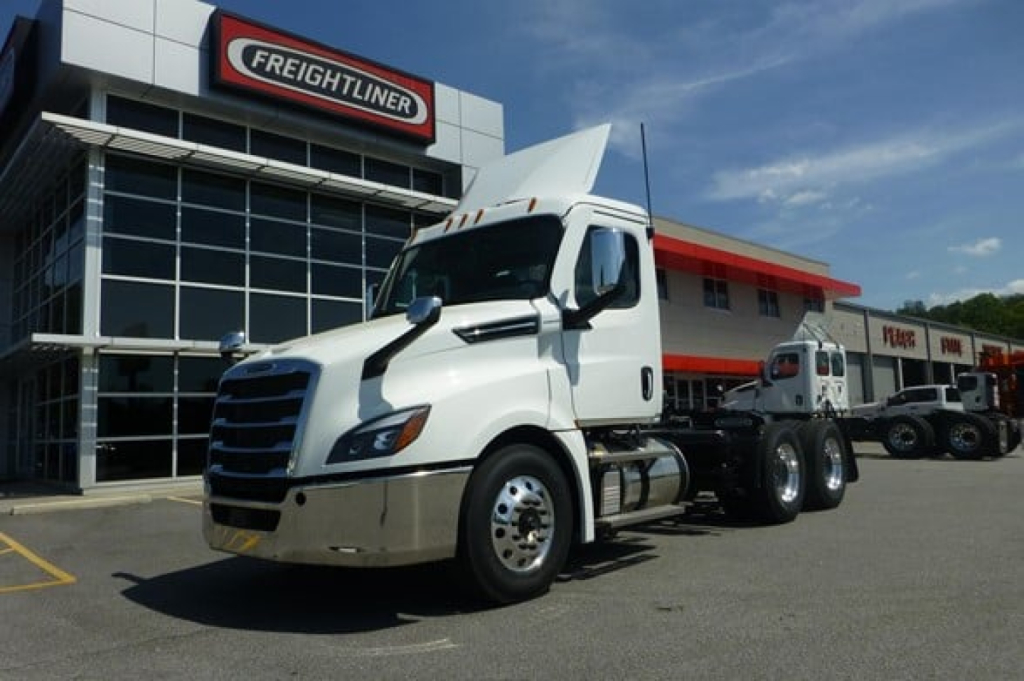
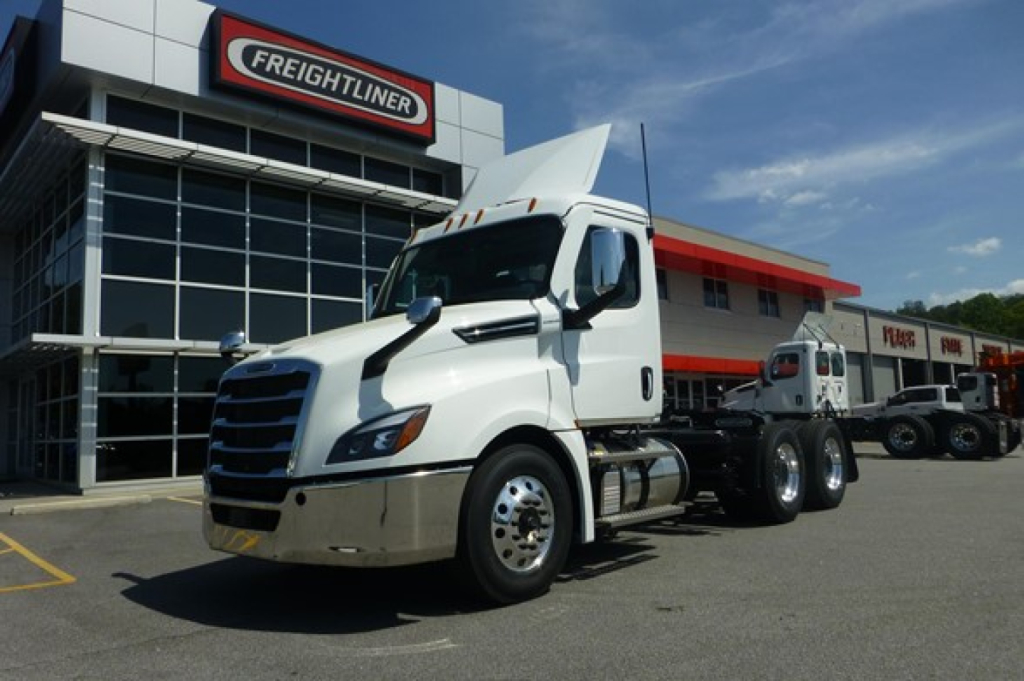
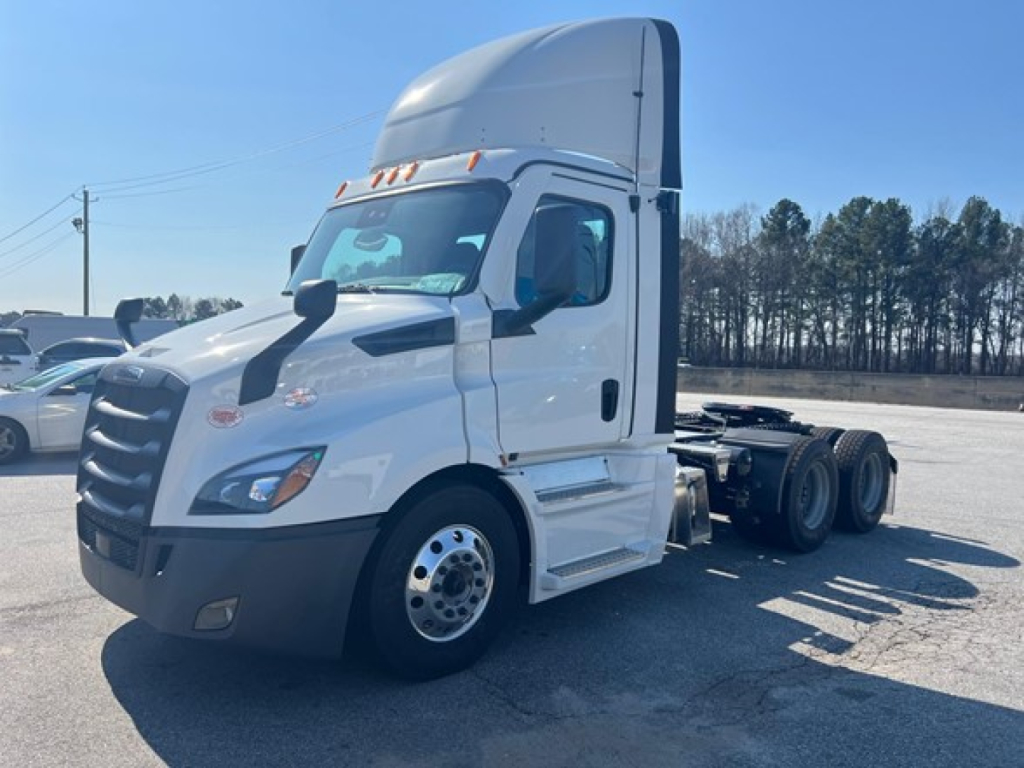
Shop new Freightliner day cab trucks in Georgia, including Cascadia 116 and 126 models built for regional haul, port work, and local fleets.
Have new freightliner day cab truck to sell? List it here to reach thousands of buyers.
New Freightliner Day Cab Trucks in Georgia
The first decision is usually wheelbase, axle layout, and engine package. A Cascadia 116 day cab is often spec'd for lighter regional duty or tighter operating environments, while a Cascadia 126 day cab is a frequent choice when buyers need more room for higher horsepower ratings, heavier vocational-adjacent assignments, or consistent interstate pulling. Common specs include 6x4 tandem rear axles, automated manual transmissions, and engines from the Detroit or Cummins families. Buyers should match horsepower, torque, rear axle ratio, and fifth wheel placement to the trailer mix and average gross combination weight. A poor spec can hurt fuel economy, gradeability, and tire life just as fast as it hurts driver satisfaction.
New Freightliner day cabs also stand out for driver-focused and fleet-focused technology. Current trucks are often equipped with Detroit Assurance or similar advanced safety systems, including collision mitigation, lane departure warning, and side object detection. Many buyers also look for disc brakes, adaptive cruise features, camera systems, in-cab fifth wheel release, and telematics integration for uptime management. Inside the cab, a flat floor is not the point on a day cab. Good visibility, smart switch layout, HVAC performance, seat comfort, and easy entry-exit matter more when the truck is making multiple stops or switching drivers. For fleet applications, the value is in predictable maintenance intervals, diagnostic support, and straightforward upfitting for wet kits, pintle hooks, PTO needs, or alternative fuel systems.
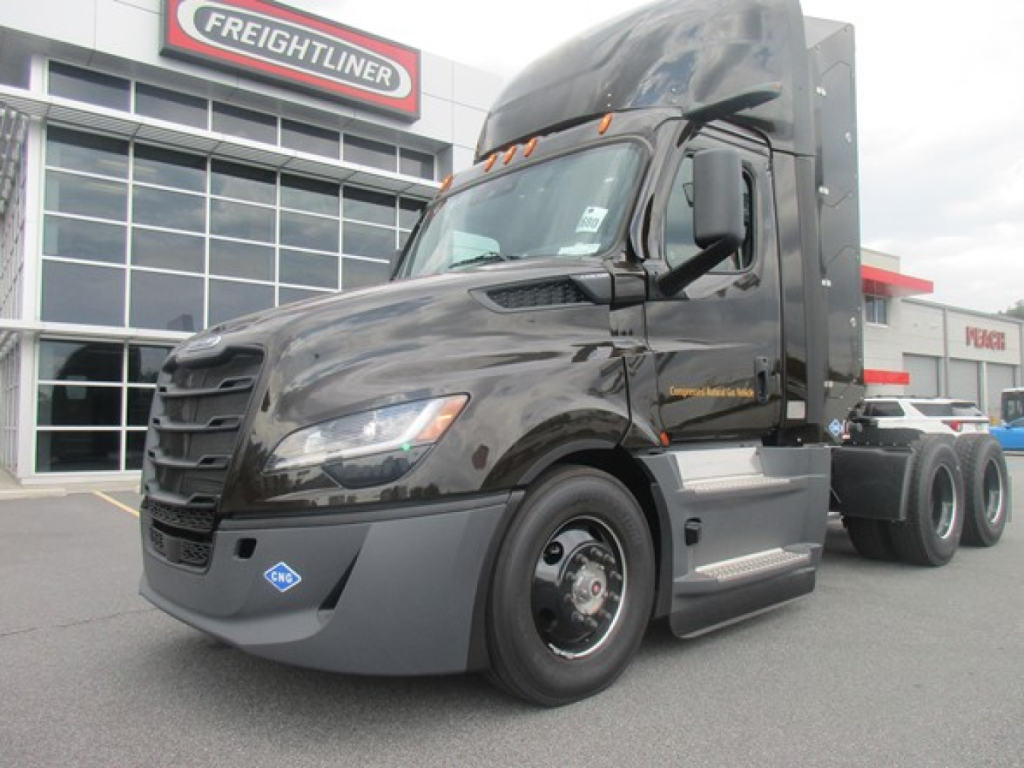
Fuel type deserves extra attention on a new purchase. Diesel remains the standard for broad application flexibility, but some new Freightliner day cabs are now spec'd with natural gas power for fleets focused on emissions strategy, fuel cost planning, or non-diesel compliance pathways. That can be relevant for regional operations that return to base and have a defined fueling plan. Buyers in Georgia should also think about the truck's lane profile, idle time, and trailer interchange demands before choosing between a lighter regional spec and a heavier all-purpose day cab. The best Freightliner day cab is the one that fits the route, the payload, and the maintenance plan from day one.
Frequently Asked Questions about New Freightliner Day Cab Trucks in Georgia
What is the difference between a Freightliner Cascadia 116 day cab and a Cascadia 126 day cab?
The Cascadia 116 is typically chosen for regional and weight-conscious applications where maneuverability and operating efficiency are priorities. The Cascadia 126 generally gives buyers more flexibility for higher horsepower and torque ratings, heavier GCW demands, and broader highway use. The right choice depends on trailer type, payload, terrain, and how much reserve power the operation needs on a daily basis.
What specifications matter most when buying a new Freightliner day cab?
The key specs are engine rating, transmission type, axle ratio, wheelbase, rear axle capacity, and fifth wheel location. Those items determine how well the truck starts under load, cruises at highway speed, handles tight yards, and matches the trailer set. Buyers should also review suspension type, brake package, fuel capacity or alternative fuel storage, and any PTO or vocational requirements before finalizing a spec.
Are new Freightliner day cabs a good fit for Georgia fleets?
Yes, day cabs are a strong fit for many Georgia operations because the state has a high concentration of regional freight, distribution traffic, port-related hauling, and short-to-medium haul lanes. A properly spec'd Freightliner day cab can handle urban congestion, frequent terminal turns, and interstate corridor work while keeping the truck compact and efficient. The ideal setup depends on whether the route is primarily local, regional, drayage, or heavier highway freight.
What safety technology is commonly available on new Freightliner day cab trucks?
Many new Freightliner day cabs are equipped with advanced driver assistance systems such as collision mitigation, lane departure warning, adaptive cruise functions, and side object detection. Some specs also include camera-based visibility systems, disc brakes, and integrated telematics. These features can improve driver awareness, reduce preventable incidents, and support fleet safety programs when paired with proper training and maintenance.
Should I consider a natural gas Freightliner day cab instead of diesel?
A natural gas day cab can make sense for fleets with return-to-base routing, planned fueling access, and a clear emissions or fuel strategy. These trucks are often used in regional applications where range and fueling logistics are predictable. Diesel remains the more flexible choice for mixed routes and wider fueling availability, so the better option depends on infrastructure, duty cycle, payload needs, and long-term operating costs.