
New 2026 Commercial Trucks For Sale in Florida
Shop new 2026 trucks for sale in Florida, including medium-duty and vocational models with diesel power, PTO options, and upfit-ready chassis.
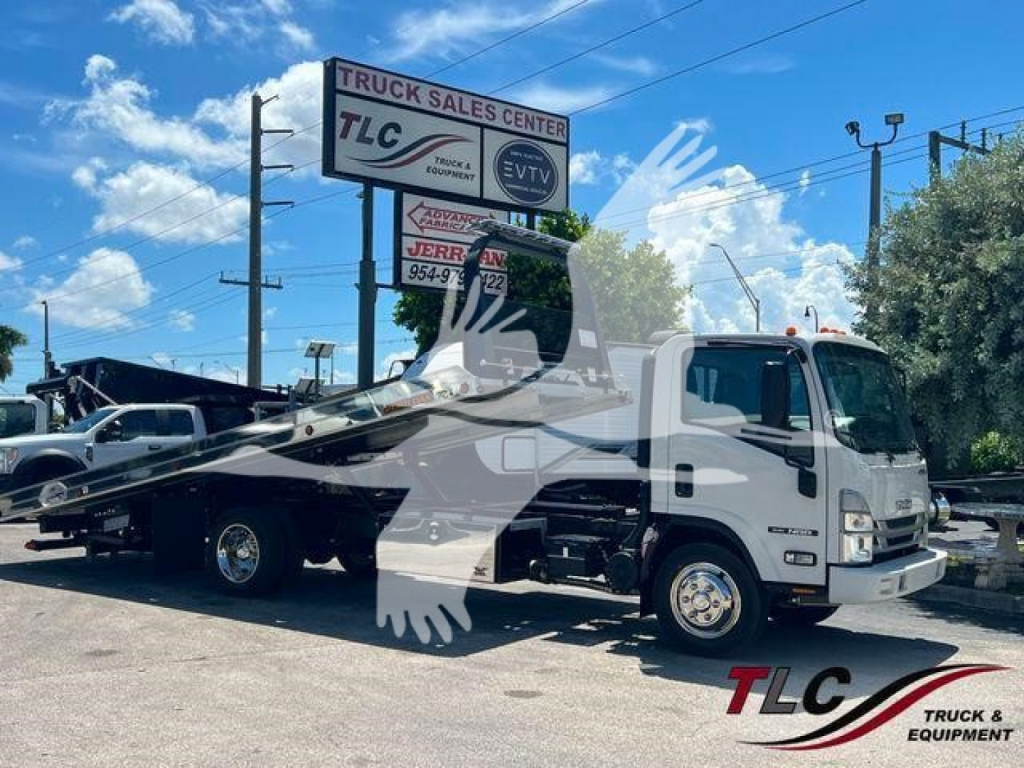
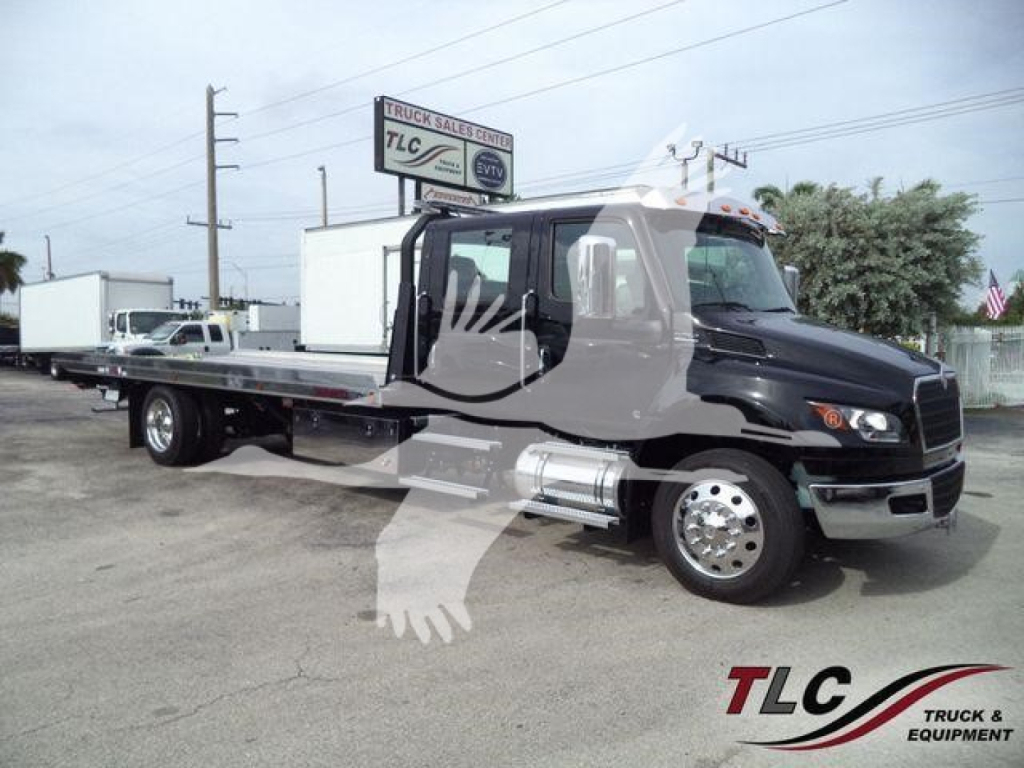
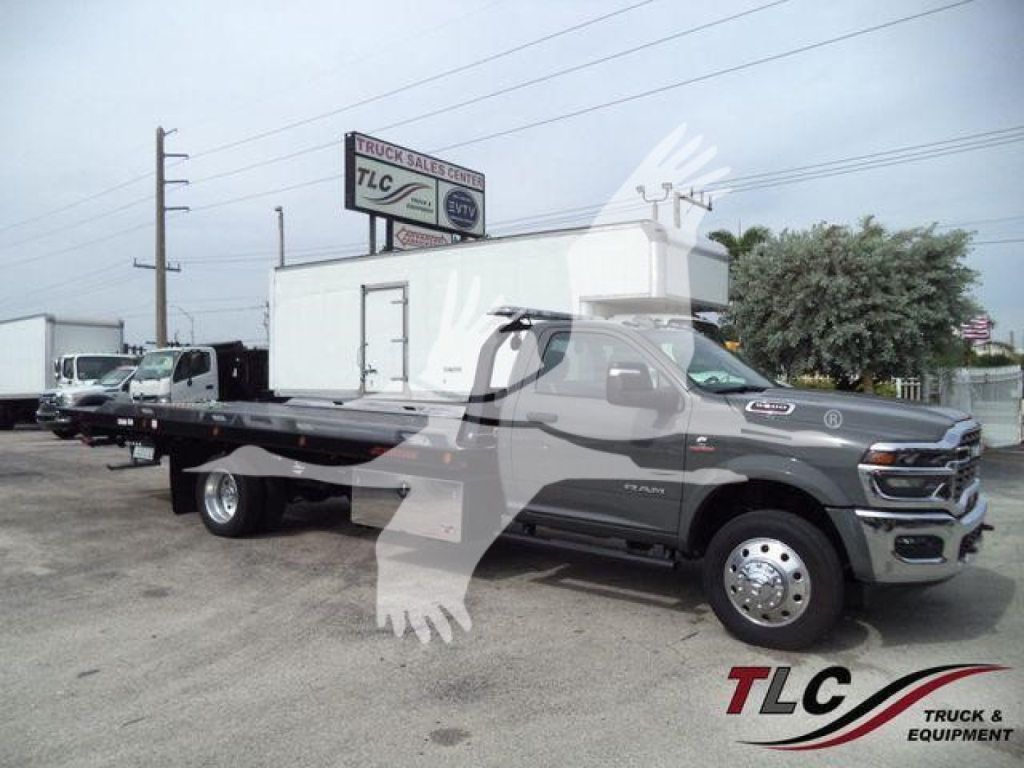
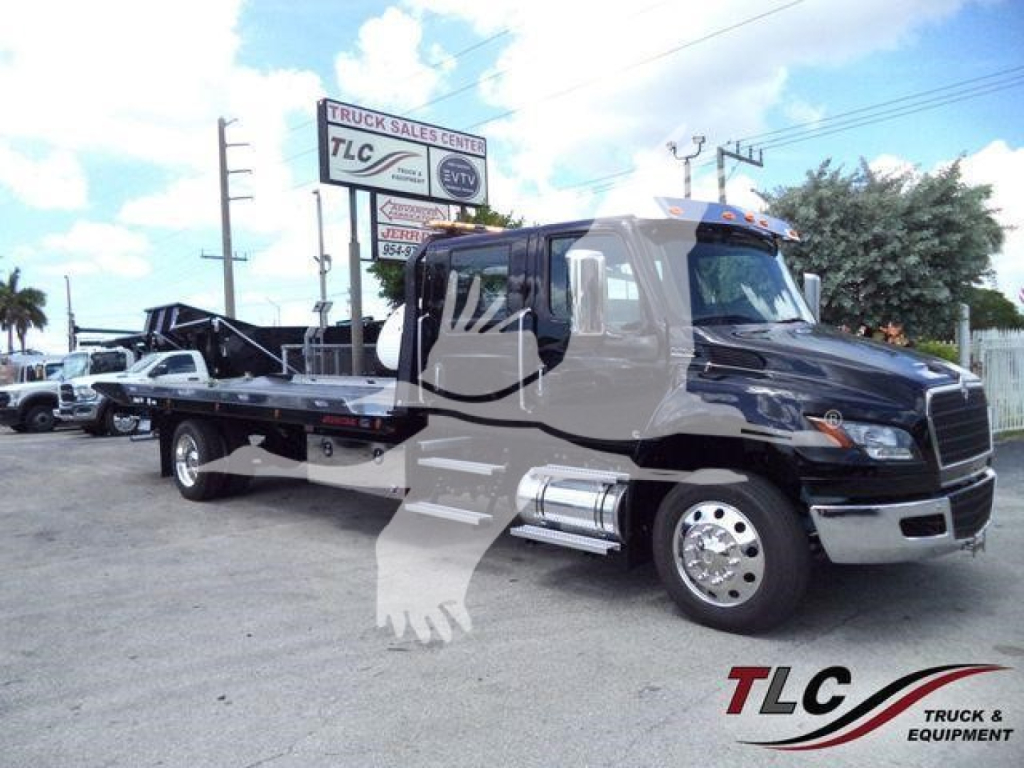
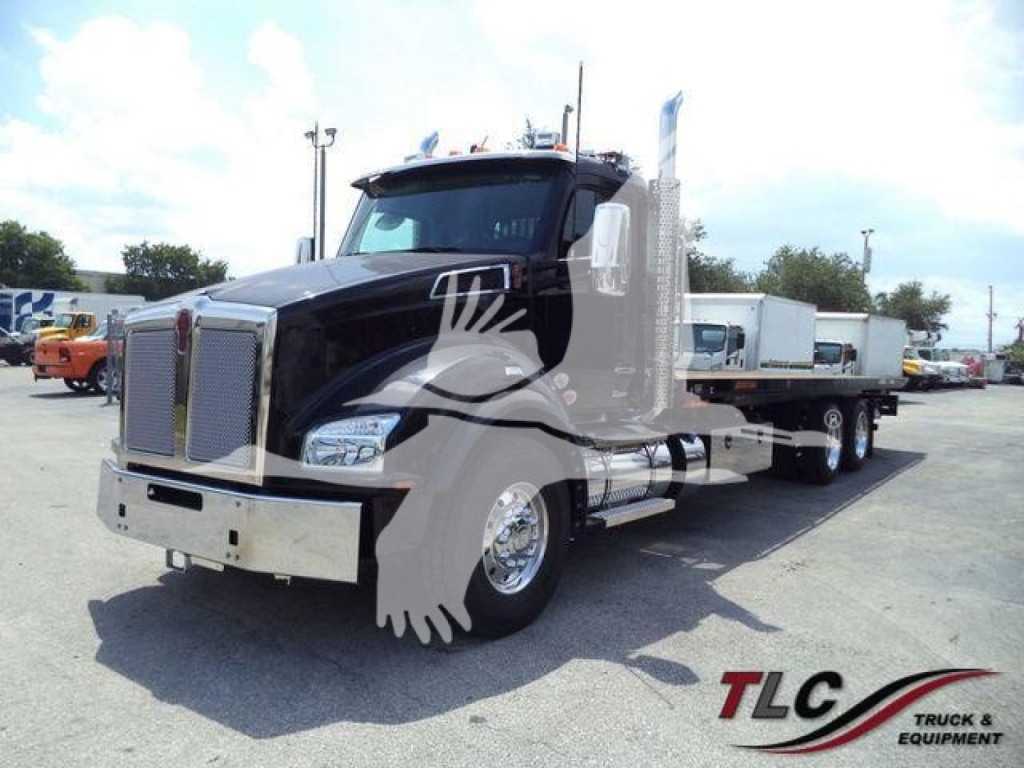
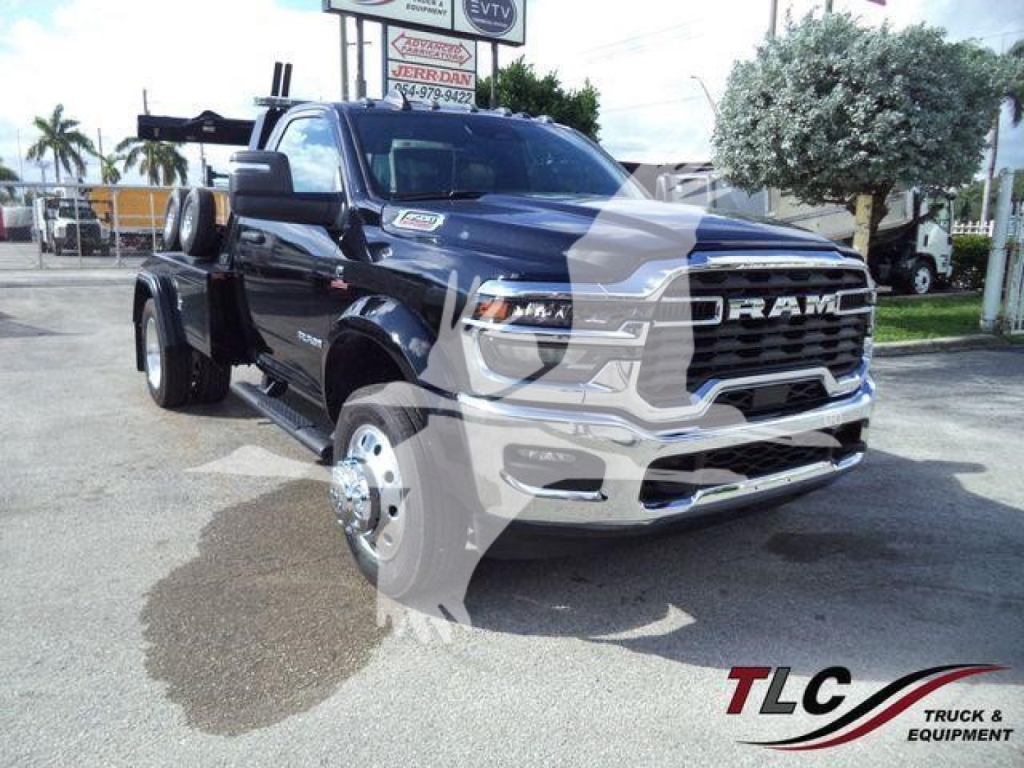
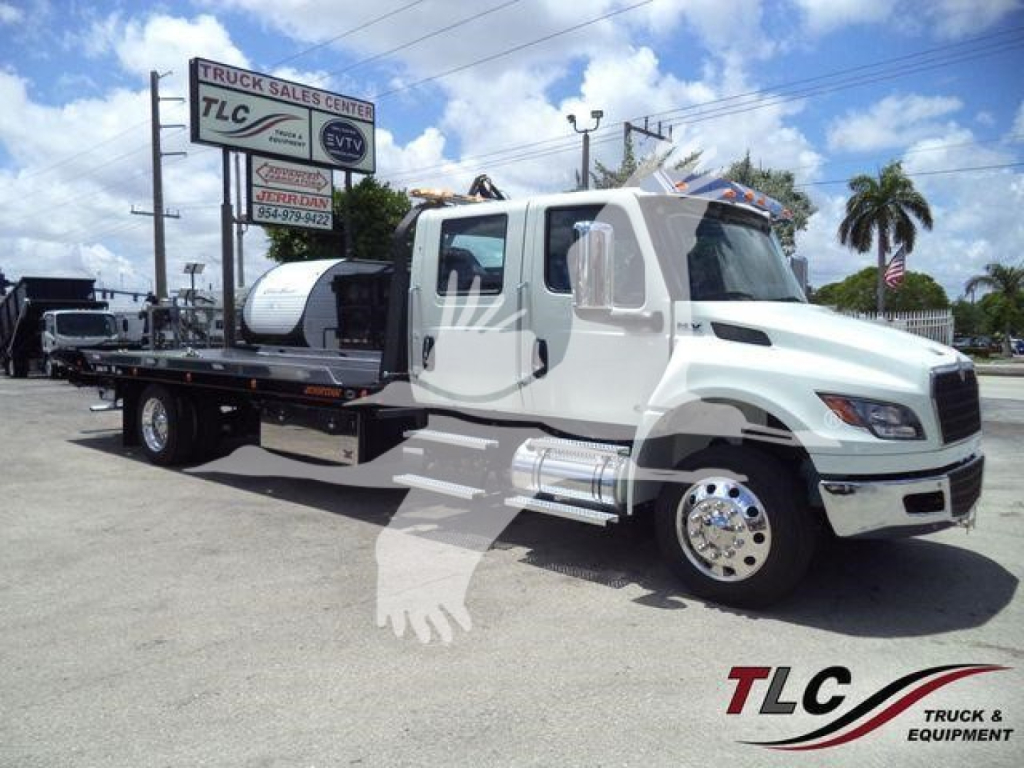
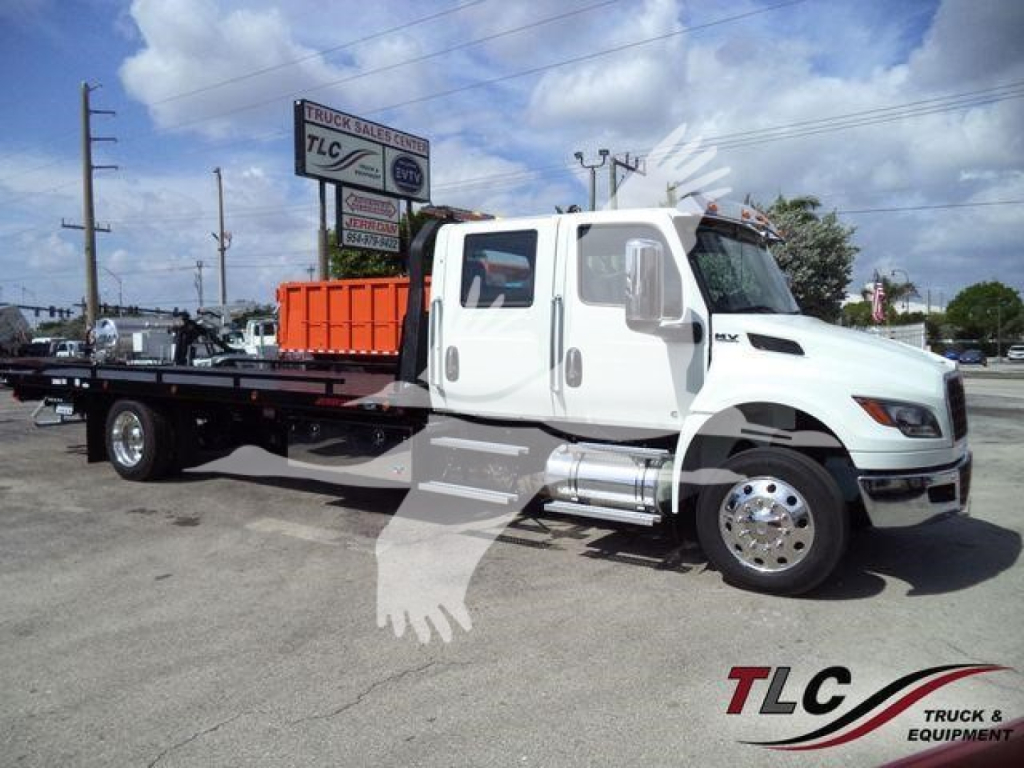
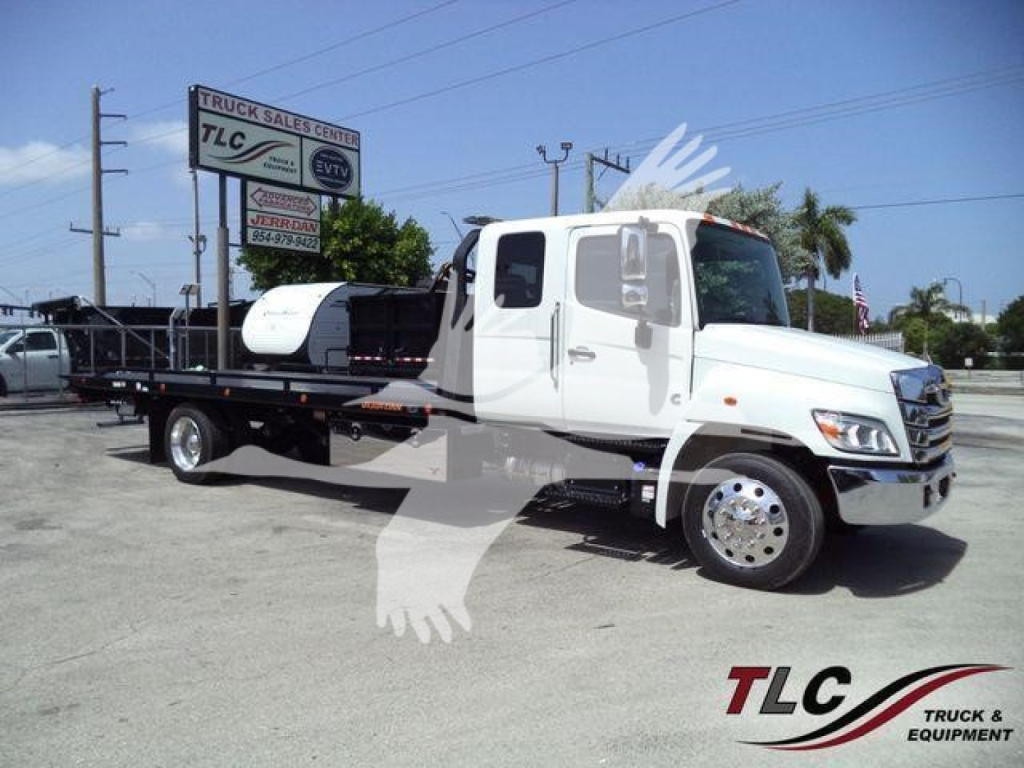
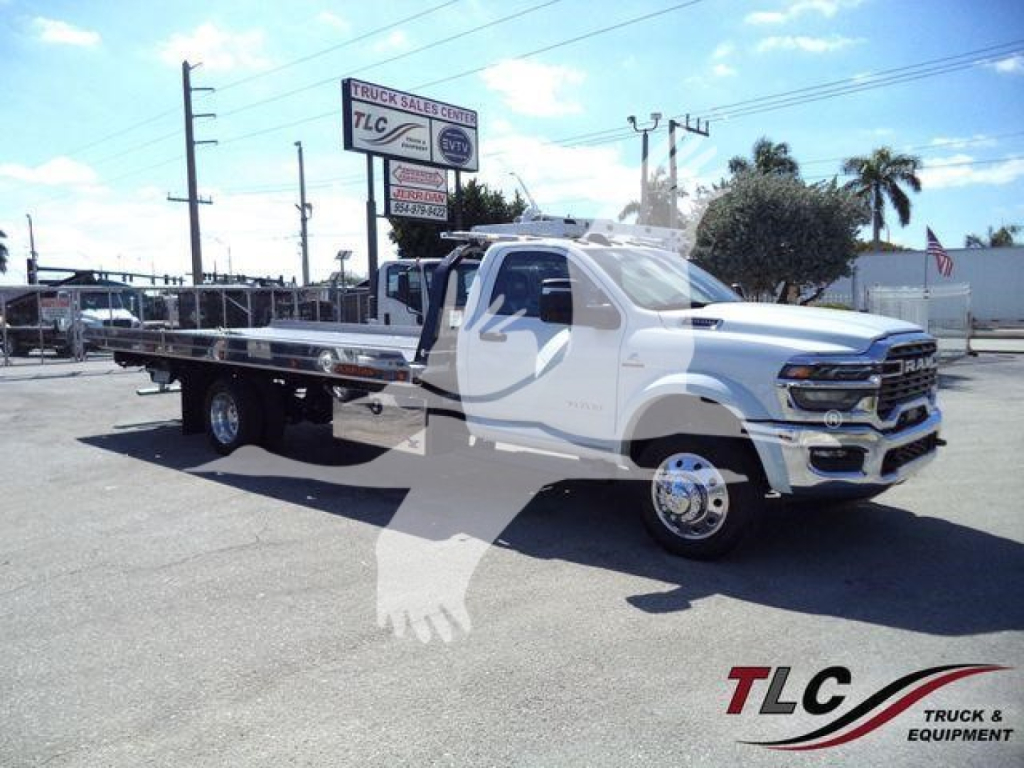
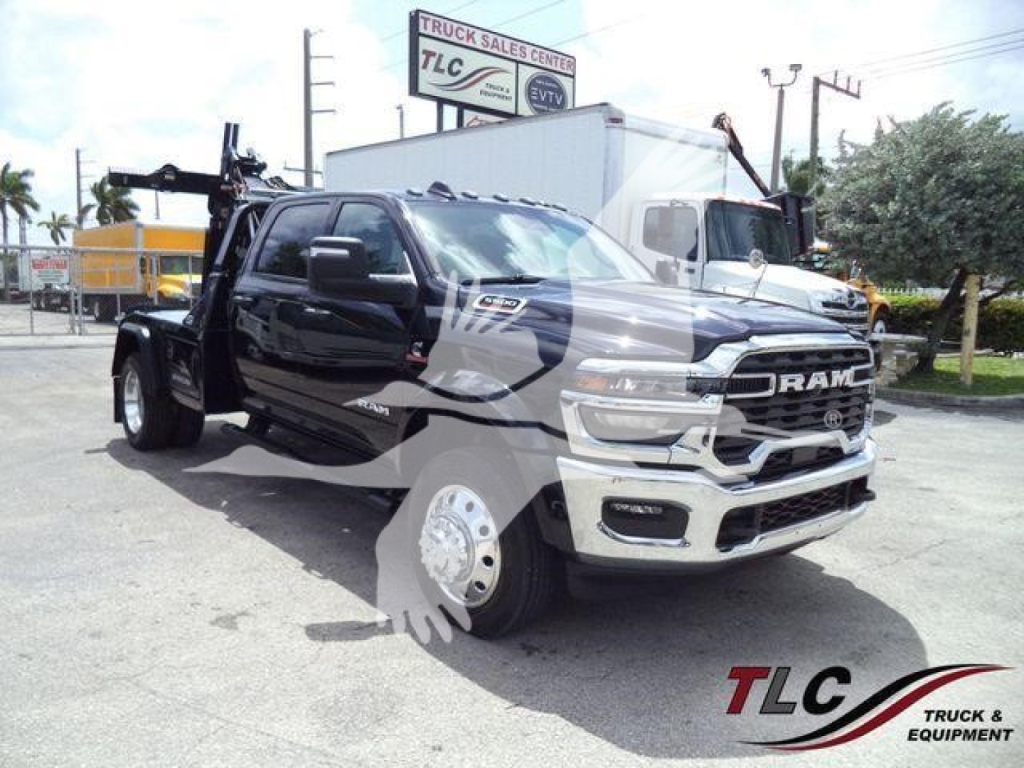
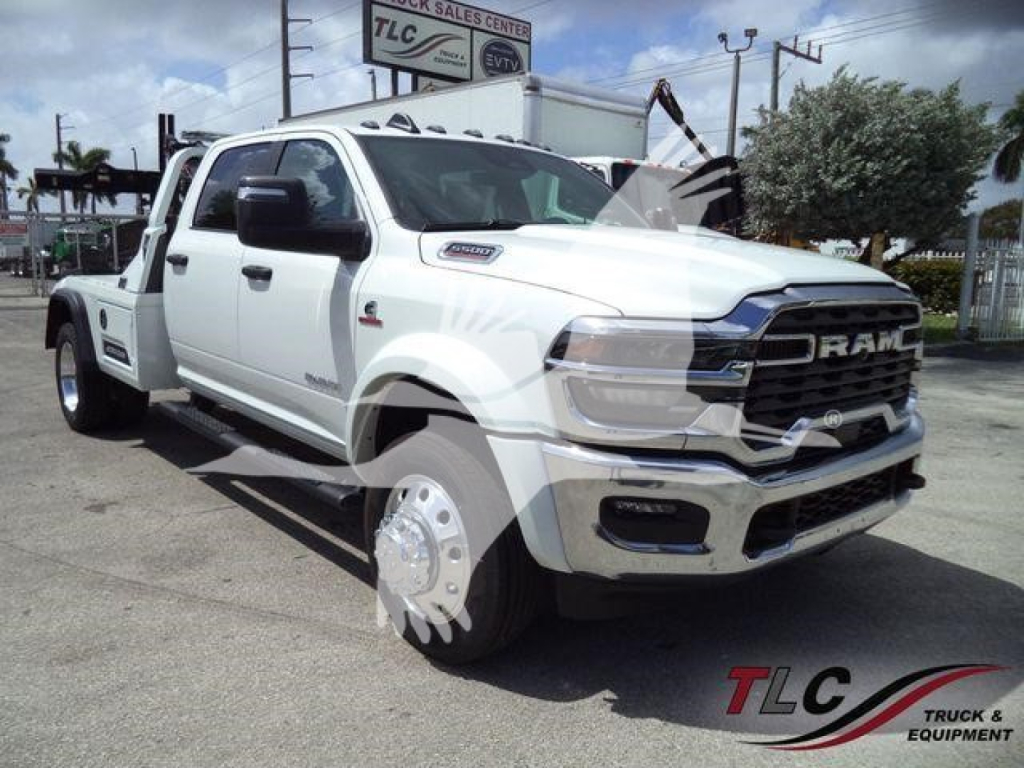
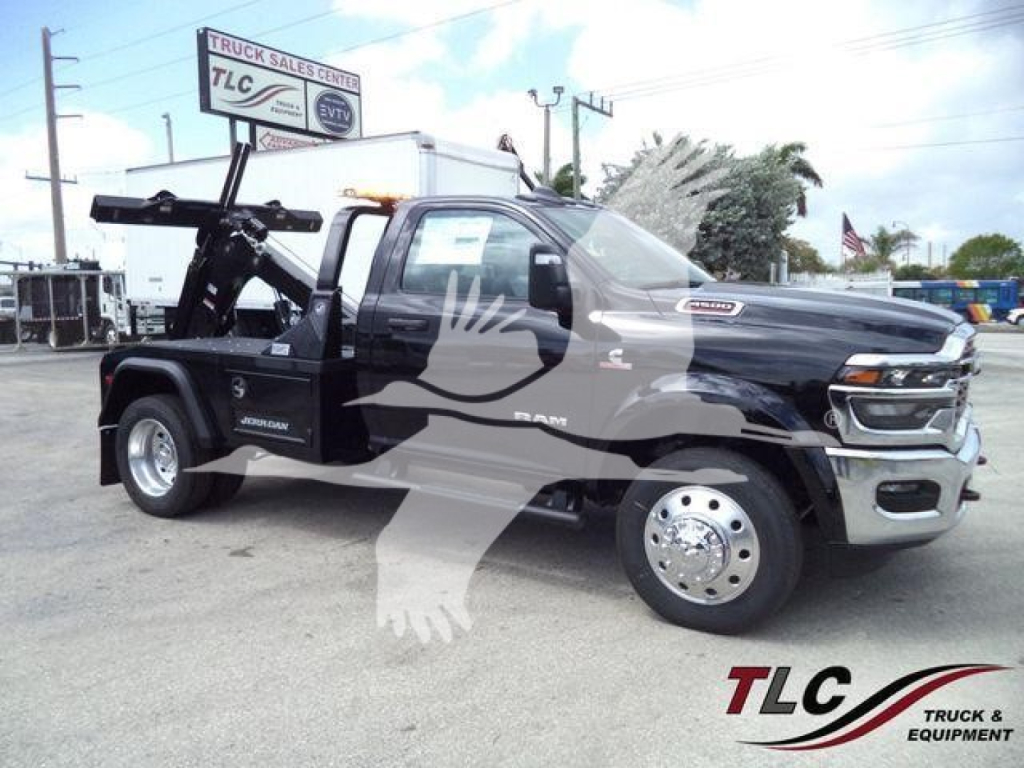
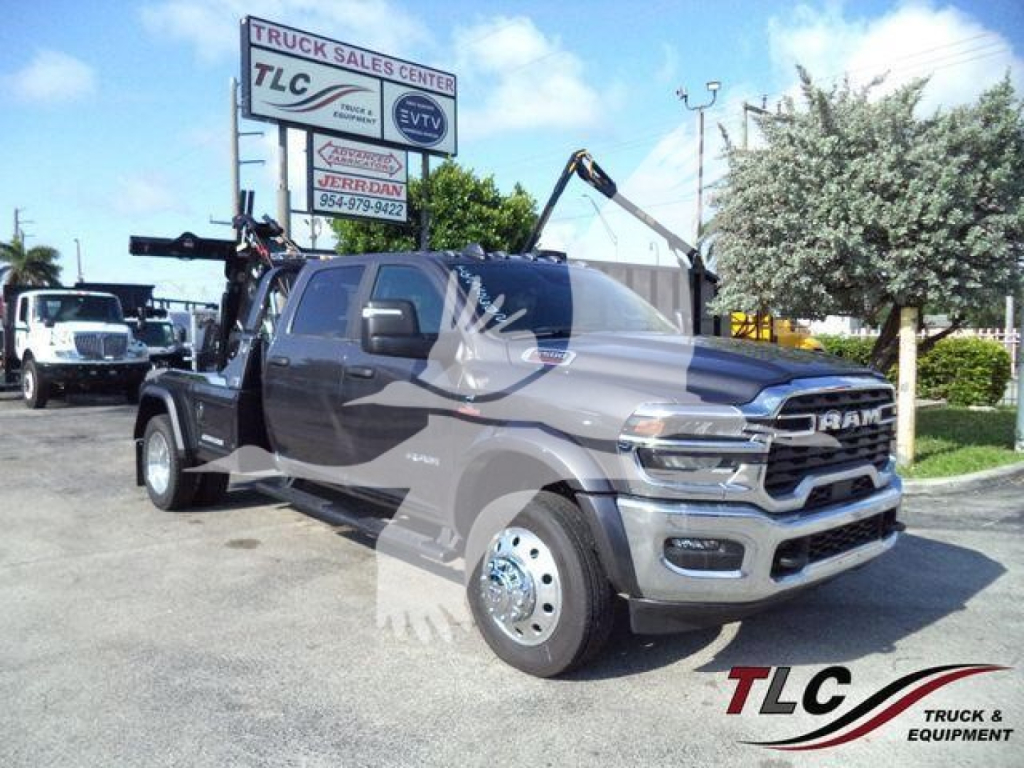
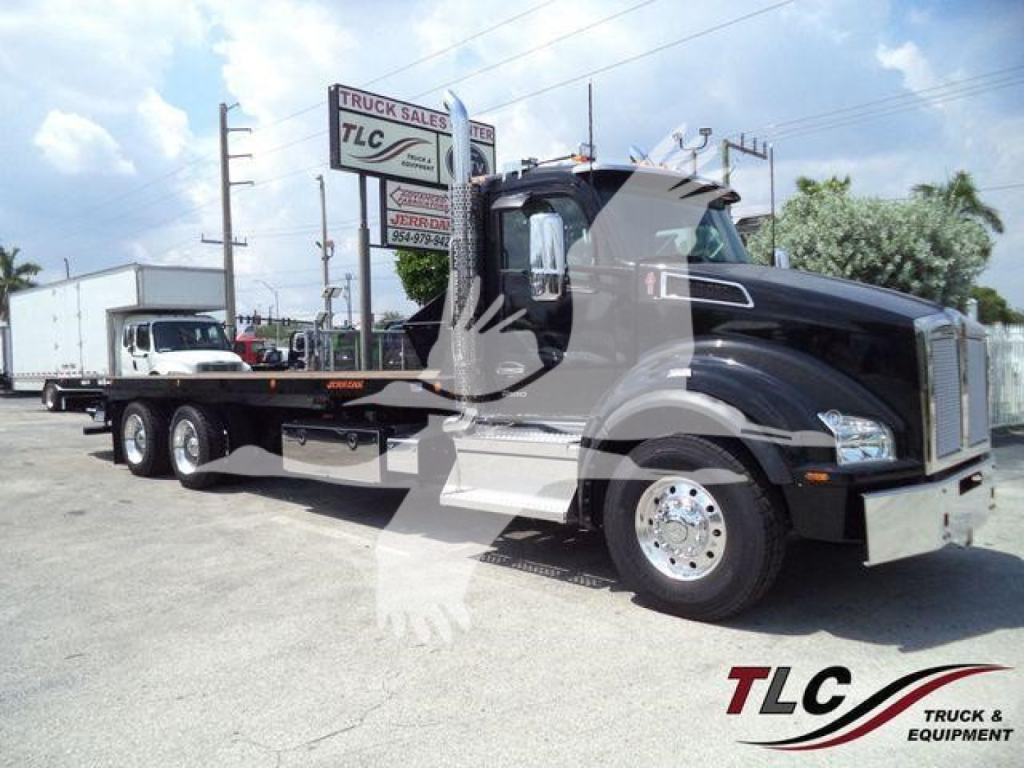
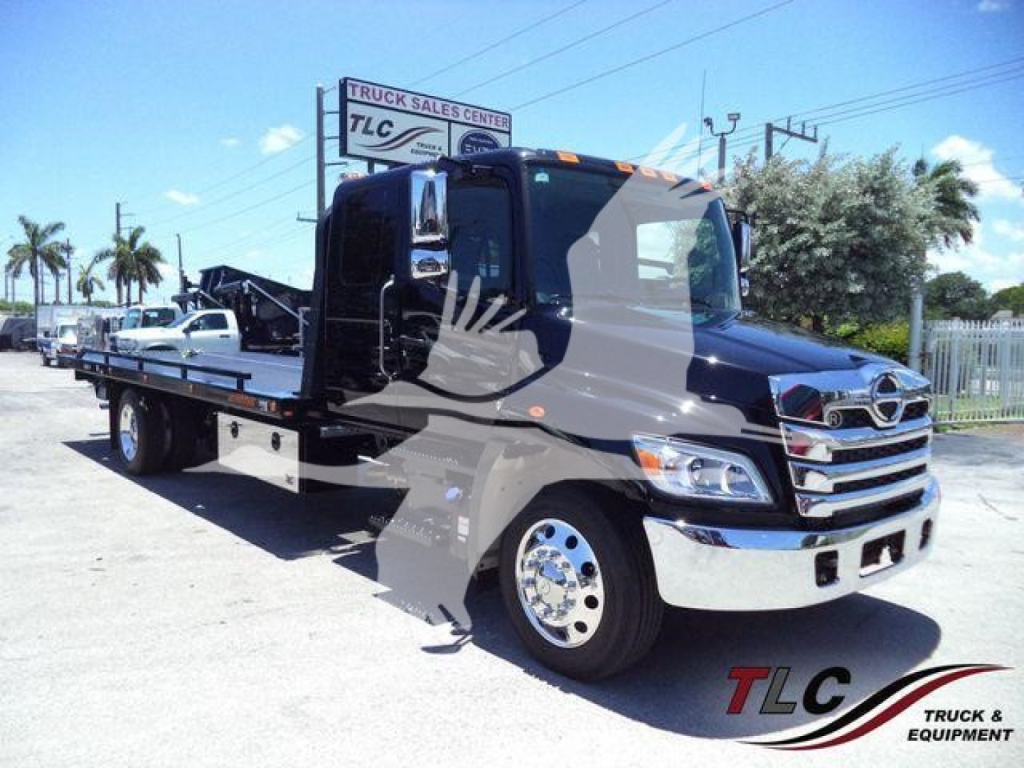
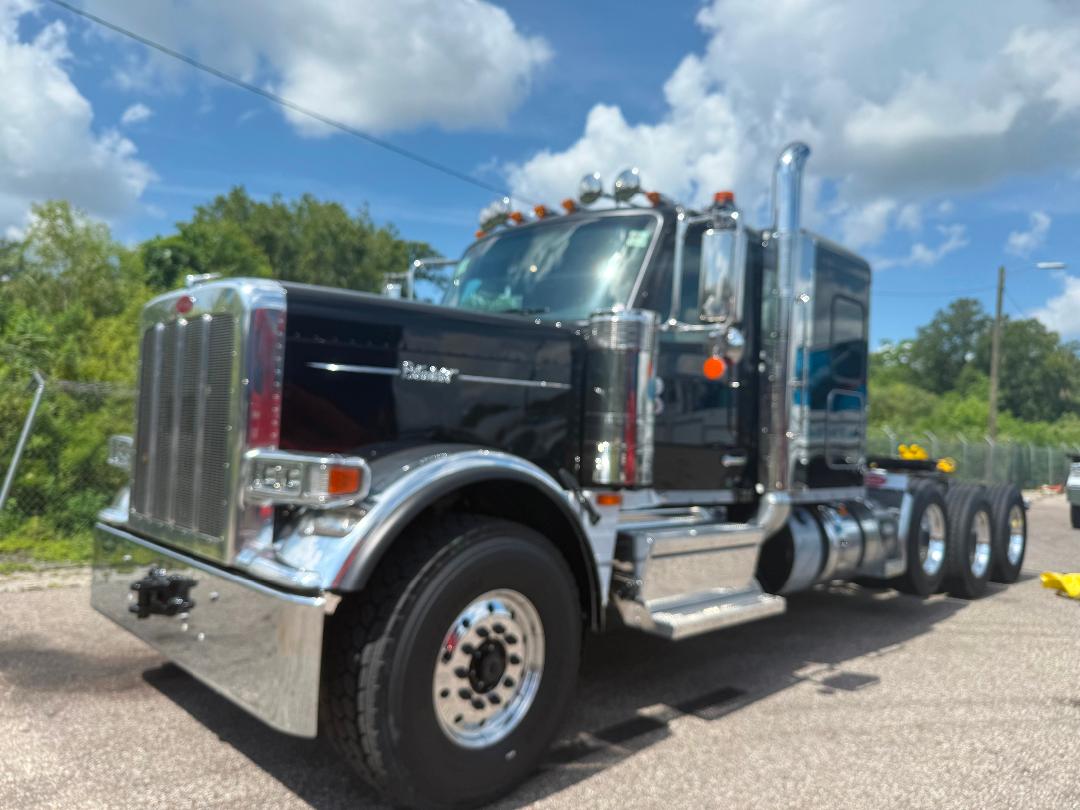
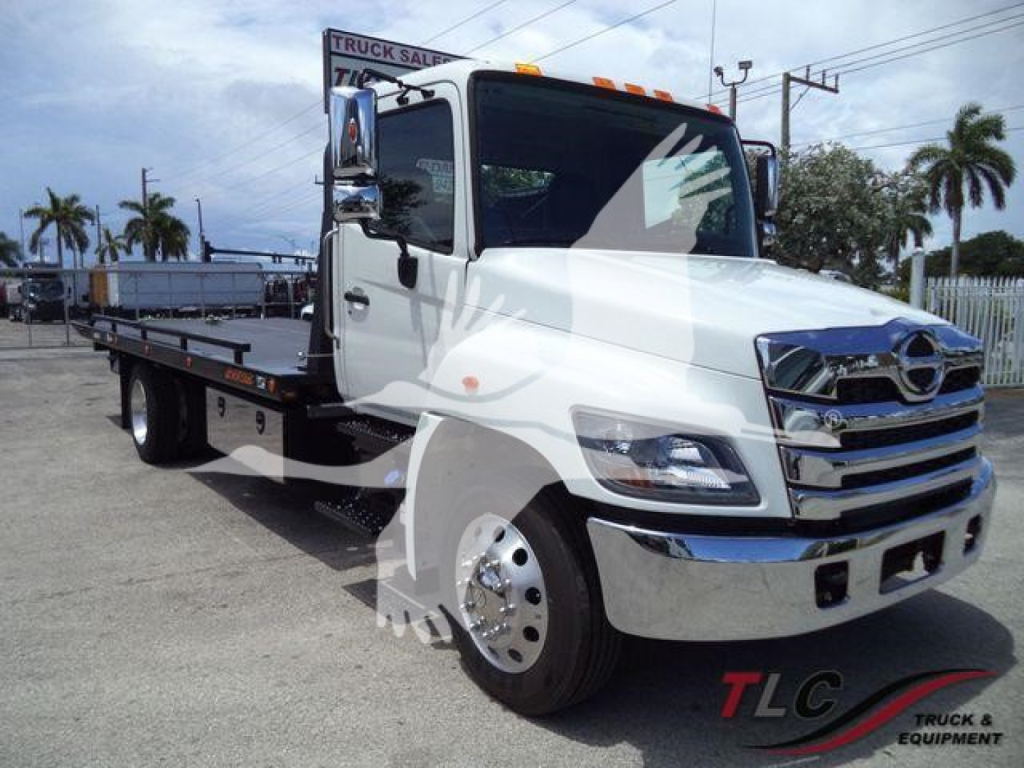
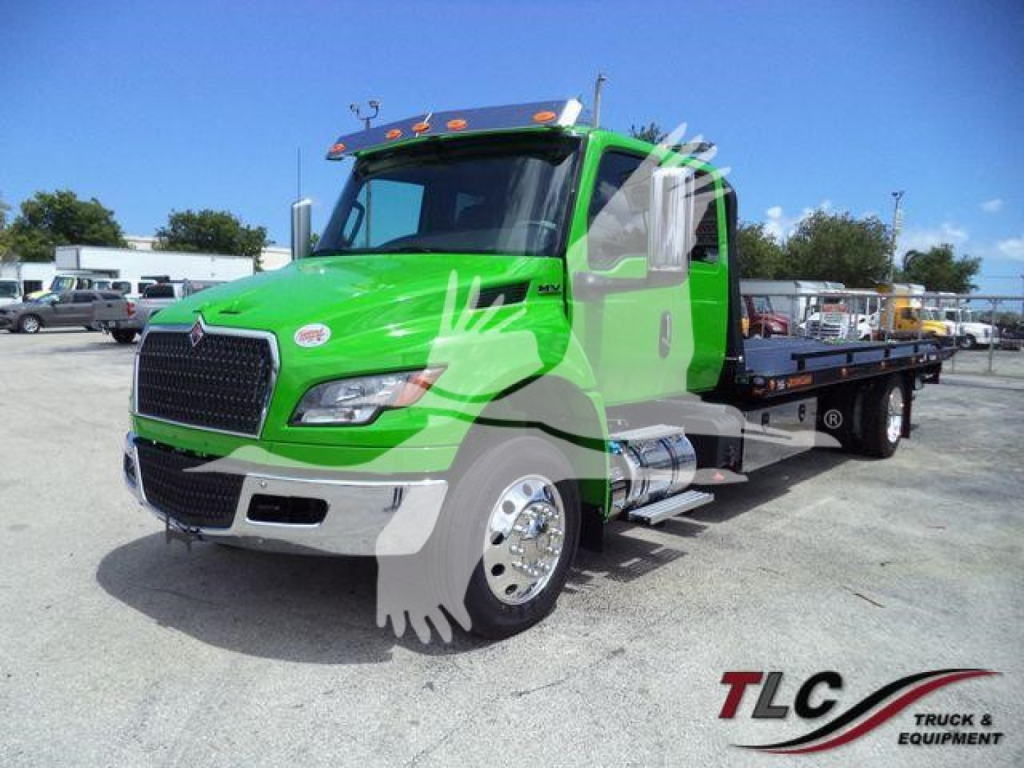
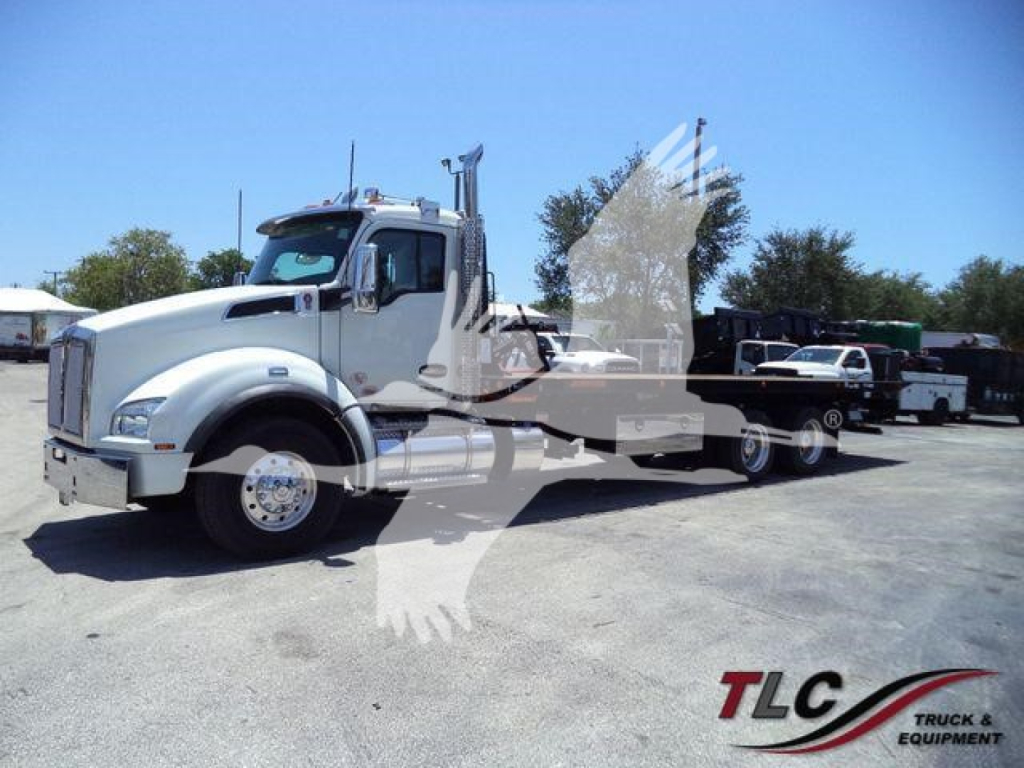
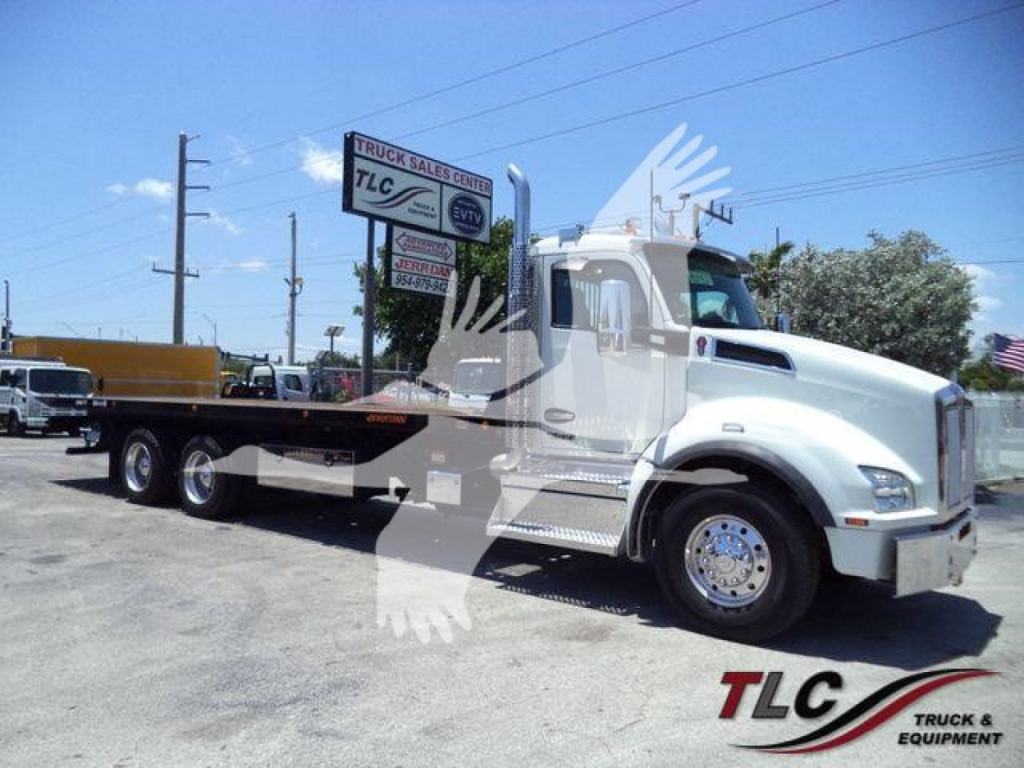
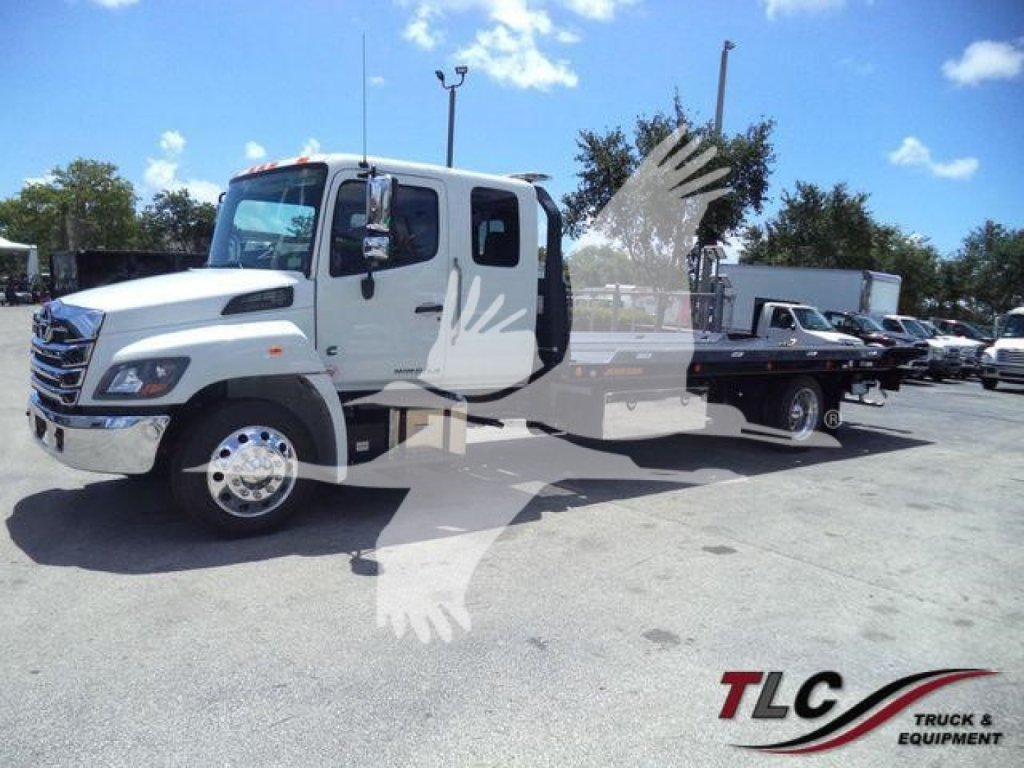
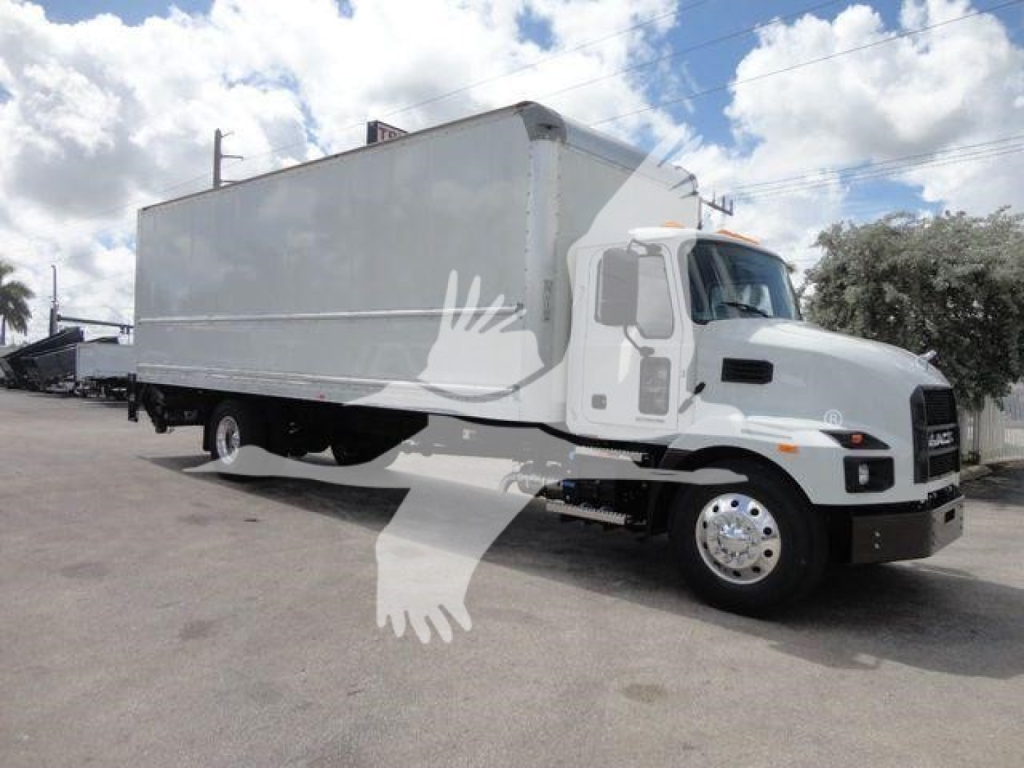
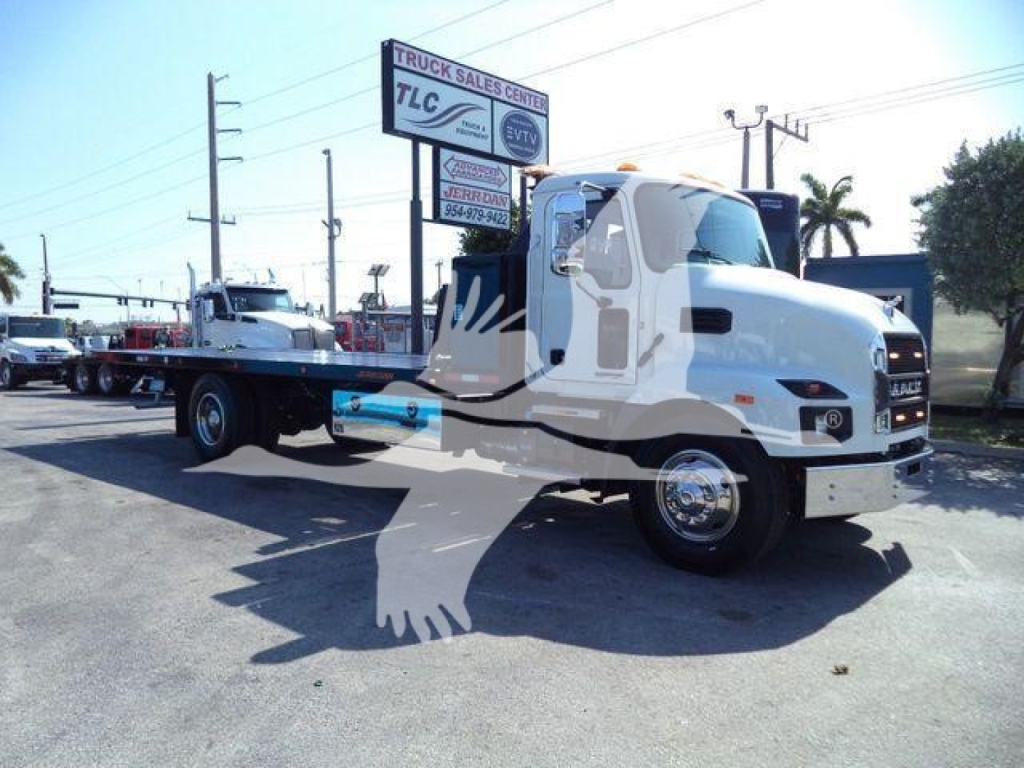
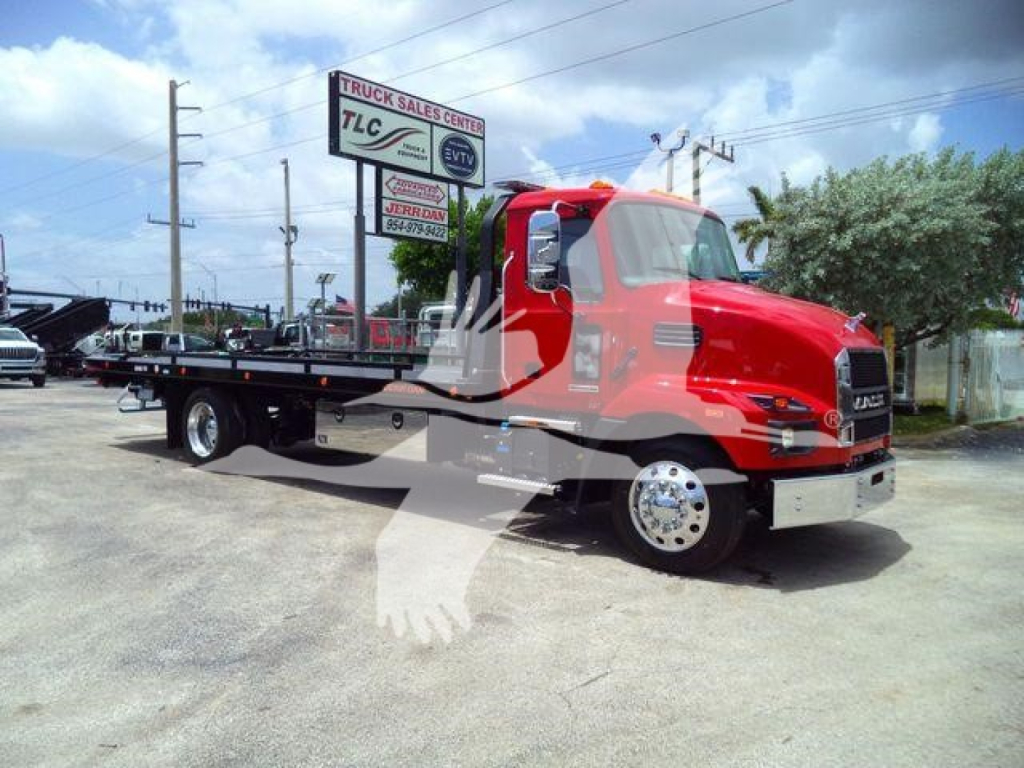
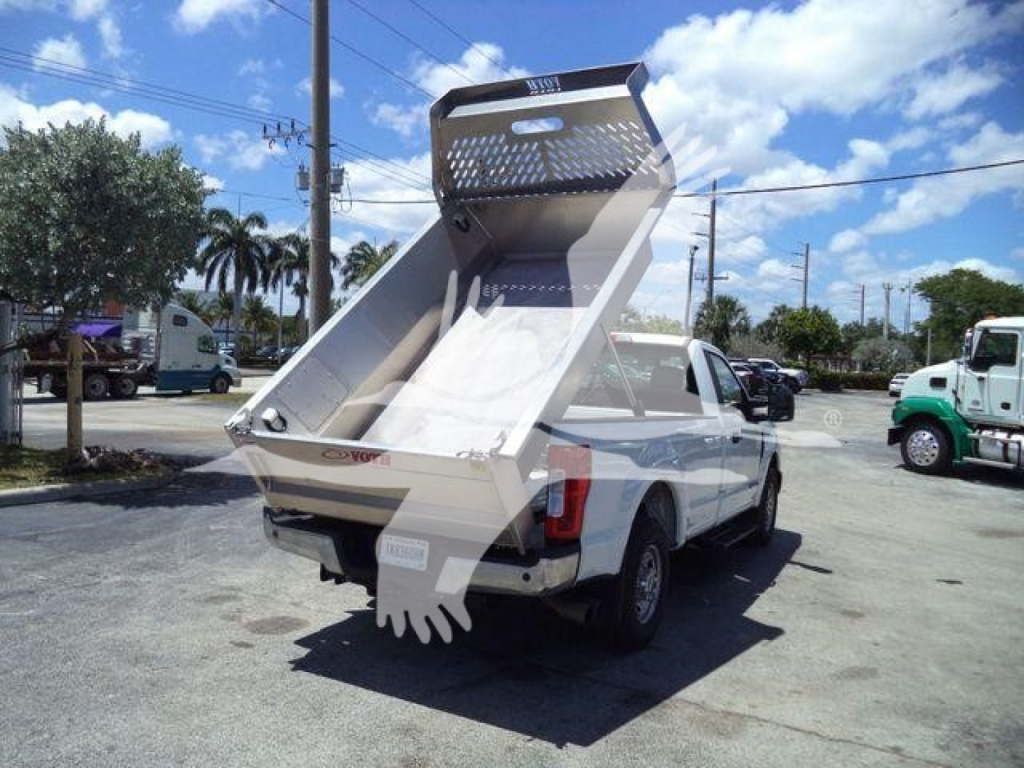
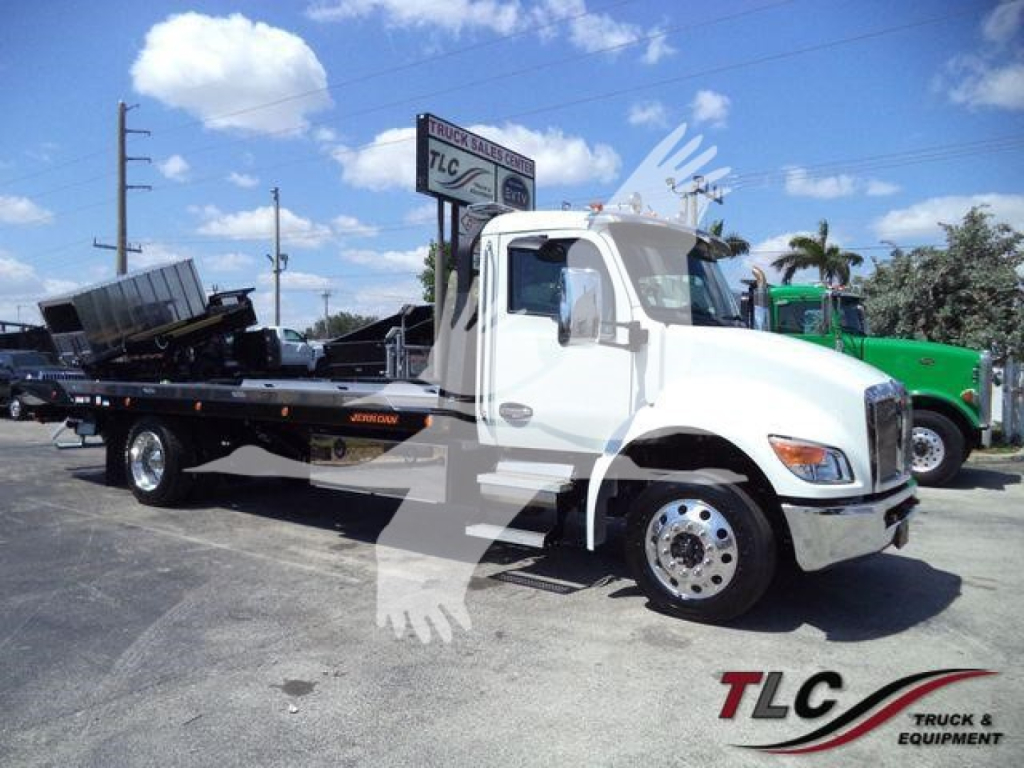
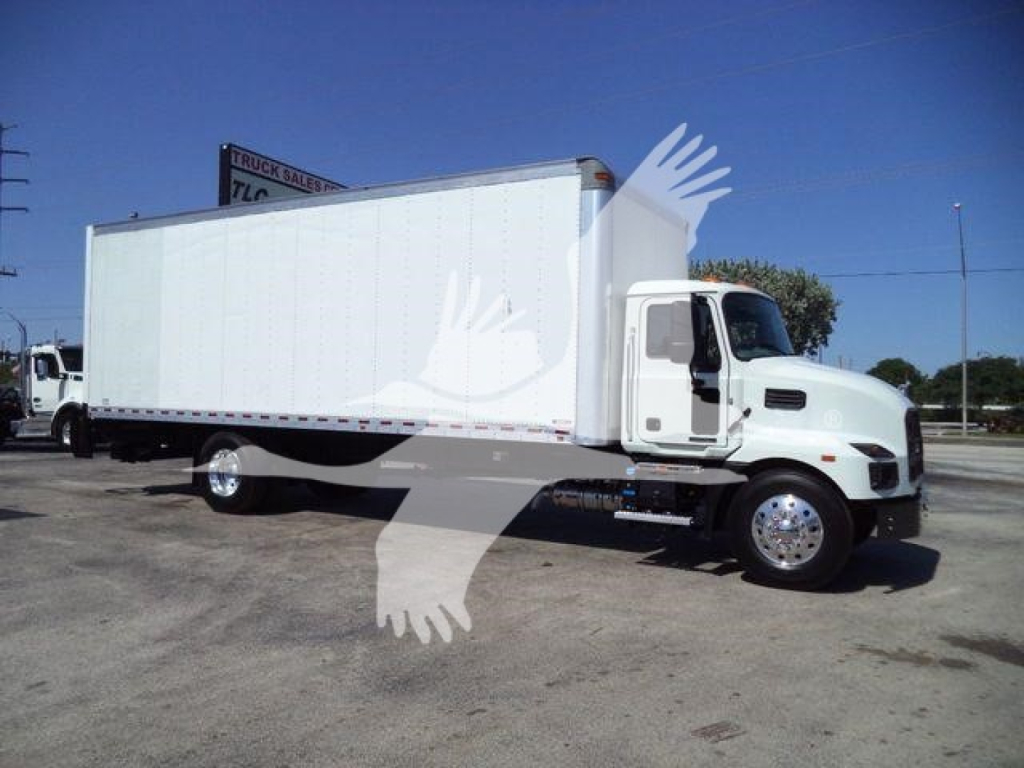
Showing 1 to 28 of 45 results
Selling a new 2026 commercial truck? List your new 2026 commercial truck for sale and reach thousands of commercial buyers.
New 2026 Commercial Trucks in Florida
Florida buyers usually put extra value on corrosion resistance, cooling performance, and ease of entry for stop-and-go work. Aluminum wheels, polished tanks, stainless trim, sealed lighting, and durable powder-coated bodies can matter more in coastal or high-humidity environments. For municipal, contractor, and towing work, medium-duty diesel engines from Cummins, Duramax, and similar platforms remain common because they pair well with Allison automatic transmissions and established service networks. Air brakes are typical as GVWR increases, while hydraulic brake setups still appear in lighter classes. Cab layout also matters more than many buyers expect. Regular cab trucks maximize body length, while extended and crew configurations improve storage and crew transport at the cost of available frame space.
Spec decisions should follow the job, not just the badge on the hood. A rollback or car carrier truck often centers on bed length, wheel-lift rating, winch capacity, low-profile deck design, and remote operation. A landscape or roll-off truck needs the right hoist capacity, container length, PTO performance, tarp system, hitch setup, and electrical connections for trailer brakes and auxiliary equipment. Buyers comparing new vocational trucks should also look at turning radius, visibility, crossmember design, fuel tank placement, and clear upfitter access along the frame rail. Those details affect body installation time, long-term maintenance, and how easily the truck can be adapted if the business changes.
New 2026 trucks also appeal to buyers who want current emissions systems, factory warranty coverage, updated safety technology, and clean maintenance baselines from day one. Features such as engine brakes, differential locks, air ride seats, power accessories, and integrated switch controls can improve daily productivity and driver retention. In a state like Florida, where trucks often see year-round use, uptime is tied closely to parts support, dealer access, and choosing a chassis that is not overloaded for the intended body. The best truck in this category is usually the one with the correct GVWR, wheelbase, cab configuration, and upfit package for the route, payload, and duty cycle it will actually run.
Frequently Asked Questions about New 2026 Commercial Trucks in Florida
What should I look for first when buying a new 2026 truck in Florida?
Start with the truck’s actual job and required body, then match that to GVWR, wheelbase, cab-to-axle, axle ratings, and drivetrain. Many buyers focus first on make or horsepower, but body fit, payload margin, brake type, and PTO compatibility usually have a bigger effect on long-term satisfaction. In Florida, corrosion resistance, cooling capacity, and service network coverage are also practical concerns because trucks often run year-round in heat, humidity, and coastal conditions.
Are diesel engines still the best choice for new medium-duty vocational trucks?
Diesel engines remain the standard choice for many medium-duty vocational trucks because they deliver strong low-end torque, work well with PTO-driven equipment, and are widely supported by commercial service networks. They are especially common in rollback, tow, dump, roll-off, and contractor applications where sustained loads and frequent stop-and-go use are normal. The best choice still depends on duty cycle, idling time, payload, and maintenance planning, but diesel continues to be the default spec in much of the vocational market.
How do I choose between spring suspension and air ride suspension on a new truck?
Spring suspension is simpler, durable, and common on trucks that prioritize lower initial cost and straightforward maintenance. Air ride suspension can improve ride quality, help protect certain loads or upfits, and is often preferred on rollback and towing applications where deck angle, driver comfort, and handling matter. The right decision depends on body type, operating terrain, driver expectations, and how sensitive the cargo or mounted equipment is to road shock.
Why are wheelbase and cab-to-axle measurements so important on new cab chassis trucks?
Wheelbase and cab-to-axle dimensions determine what body can be mounted correctly and how the truck will balance its load across the axles. If those measurements are wrong, the truck may not accept the intended rollback, dump, service body, or roll-off hoist without costly modification. They also affect turning radius, bridge law considerations, body overhang, and front-to-rear weight distribution, all of which influence drivability and legal payload.
What features add the most value on a new vocational truck?
The most valuable features are usually the ones that support uptime and match the work cycle. Buyers often prioritize automatic transmissions, PTO readiness, engine brakes, differential locks, air ride seats, durable lighting, trailer brake provisions, and body-specific equipment such as winches, wheel lifts, tarps, or hydraulic hoists. Factory-backed powertrain coverage and a chassis with strong parts availability can be just as important as visible options, especially for trucks expected to work every day.