
New 2026 Commercial Trucks For Sale in Montana
Shop new 2026 trucks for sale in Montana, including day cabs, sleepers, and cab & chassis models built for highway, vocational, and regional work.
Selling a new 2026 commercial truck? List your new 2026 commercial truck for sale and reach thousands of commercial buyers.
New 2026 Commercial Trucks in Montana
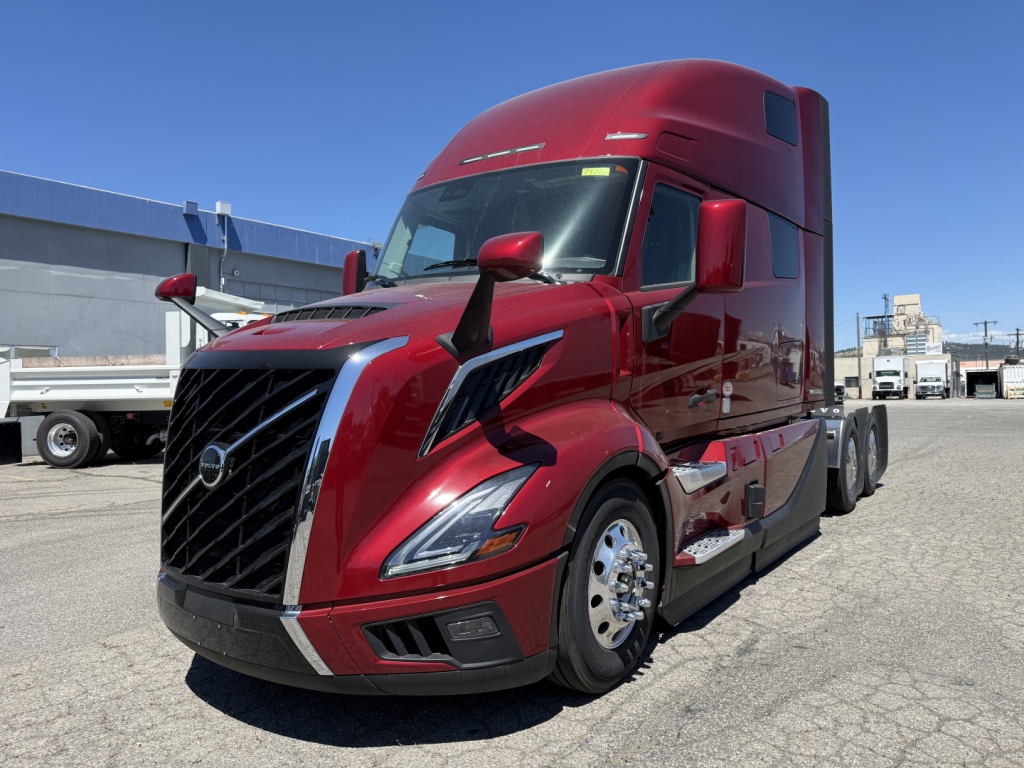
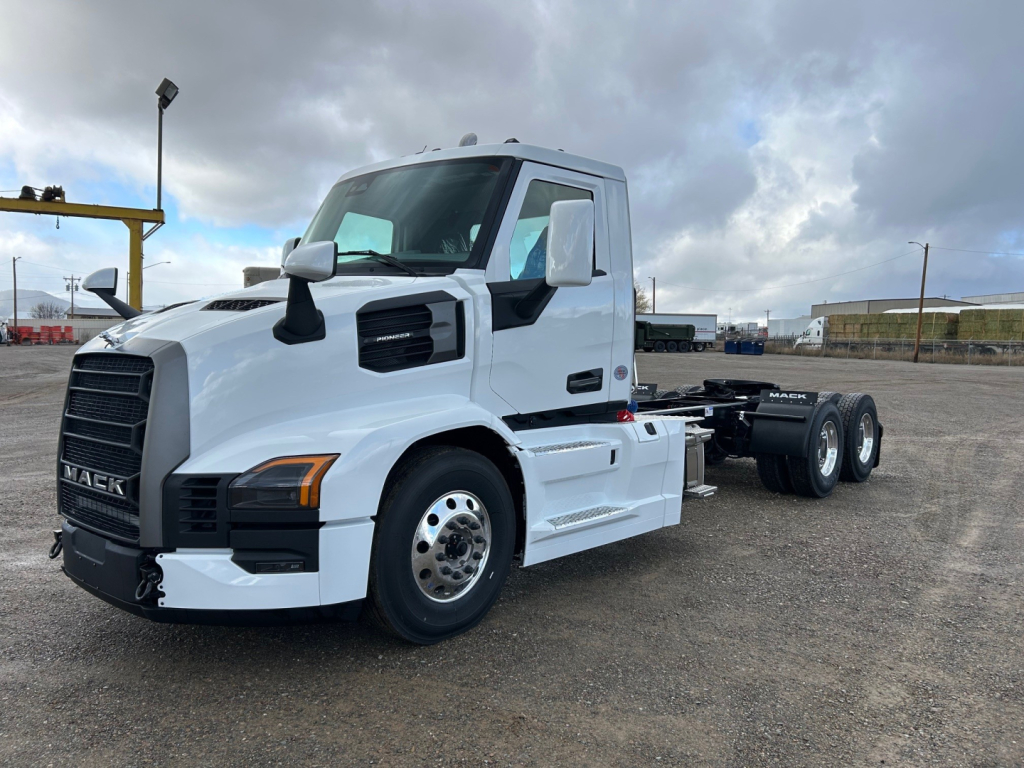
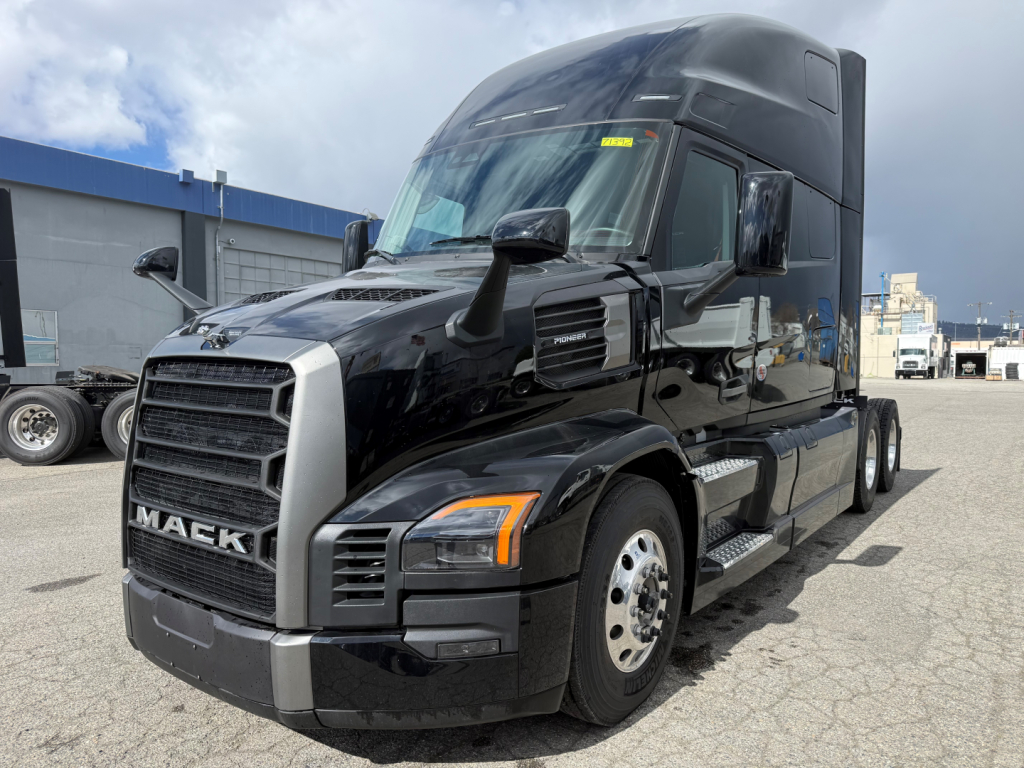
For highway tractors, the biggest purchase decisions usually come down to cab configuration, powertrain, and axle ratio. Day cabs, also known as conventional daycab trucks, are a strong fit for regional lanes, tanker work, and dedicated routes where sleeper space is not needed. Sleeper trucks, especially high-roof conventional sleepers, are better suited for long mileage and driver retention, with larger living spaces, bunk layouts, inverters, parking HVAC options, and premium seating packages. Engines in this class commonly fall in the 445 to 500 horsepower range, with 12- or 13-speed automated transmissions and rear axle ratios selected either for fuel economy or heavier startability. A buyer comparing 2026 models should pay close attention to wheelbase, fifth wheel type, suspension rating, fuel capacity, and the match between engine torque and intended GCW.
Montana buyers also tend to look closely at braking, traction, and driver-assistance technology. Disc brakes, engine brakes, hill start assist, collision mitigation, back-up cameras, and integrated telematics are increasingly common on new trucks and can improve both safety and uptime. For fleets running across mountain grades, winter conditions, or long rural stretches, a proper rear ratio, locking differentials where applicable, block heaters, and a proven air suspension setup can matter more than cosmetic trim. On sleeper tractors, interior layout and storage are not minor details. They affect driver comfort, idle strategy, and time on the road. On cab and chassis models, the critical issue is upfit compatibility, including wheelbase, frame clearances, PTO or ePTO provisions, axle capacity, and GVWR.
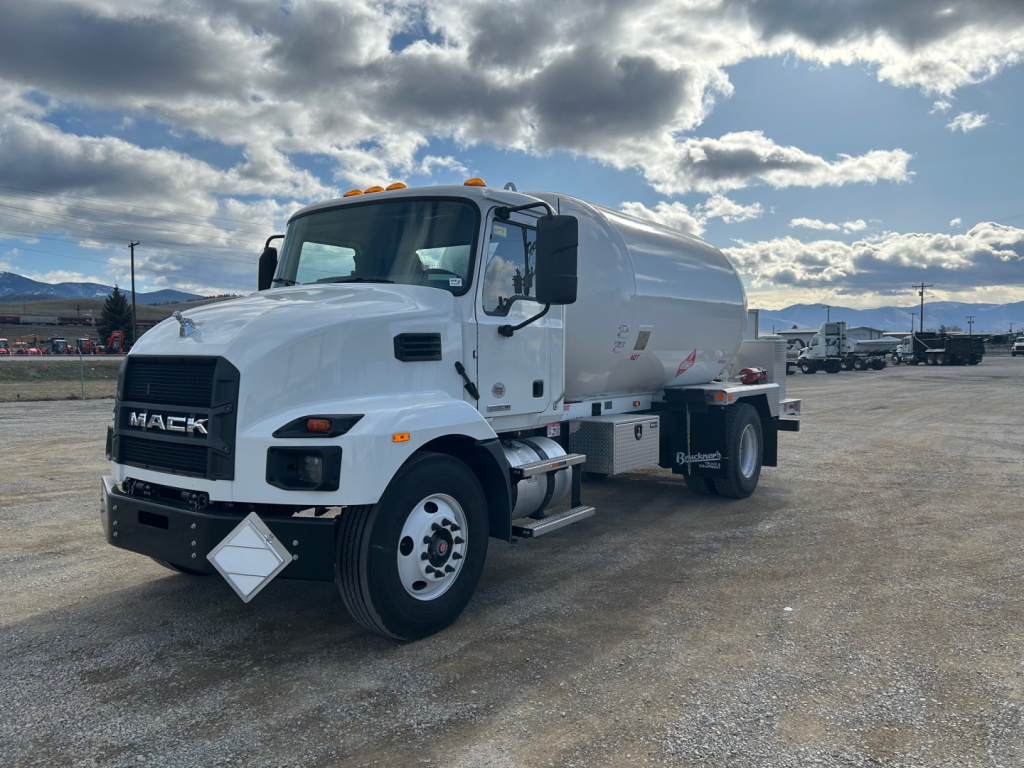
The 2026 market also includes more alternative-power options, including electric medium-duty cab and chassis trucks for urban and regional operations. These units are typically selected around route length, charging access, payload needs, and body requirements rather than traditional horsepower alone. For diesel buyers, newer model-year trucks continue to emphasize aerodynamics, connectivity, predictive cruise functions, and lower operating costs over long service cycles. The best choice in this category is usually the truck whose axle ratings, wheelbase, cab style, and drivetrain were specified for the actual work, not just the highest horsepower or newest interior package.
Frequently Asked Questions about New 2026 Commercial Trucks in Montana
What types of new 2026 trucks are most common in Montana?
The most common new 2026 trucks in Montana are conventional day cabs, conventional sleeper tractors, and cab and chassis models. Day cabs are often used for regional freight, tanker, bulk, and dedicated highway work. Sleeper tractors are more common in over-the-road applications where driver comfort and onboard amenities matter. Cab and chassis trucks are bought for upfitting with bodies such as dumps, service bodies, van bodies, or utility equipment.
What horsepower and drivetrain specs are typical for new 2026 highway trucks?
Many new 2026 highway trucks are spec'd with 13-liter engines in roughly the 445 to 500 horsepower range, paired with 12- or 13-speed automated manual transmissions. Tandem rear axles rated around 40,000 lbs are common, along with air-ride suspensions and front axles in the 12,500 to 13,200 lb range. Rear axle ratio is a key variable. Lower numerical ratios can improve fuel economy on highway runs, while higher numerical ratios can help with startability, heavier loads, and routes with more grades.
Is a day cab or sleeper better for Montana operations?
That depends on trip length, freight pattern, and driver scheduling. A day cab is usually the better fit for regional runs, local hauling, and operations where the truck returns to base regularly. A sleeper is the better fit for long-haul freight, multi-day trips, and carrier operations focused on driver comfort and retention. In Montana, where distances between stops can be significant, many buyers weigh not just route length but also weather exposure, overnight needs, and access to services.
What should buyers watch on a new cab and chassis truck?
On a new cab and chassis truck, the most important factors are wheelbase, frame layout, axle ratings, GVWR, suspension type, and PTO or ePTO capability. Those details determine what body can be installed and how the truck will perform once equipped. Buyers should also confirm clearance for liftgates, hoists, hydraulic systems, battery packaging on electric models, and any body-builder requirements. A chassis that looks similar on paper can be very different once body fitment and payload distribution are considered.
Are electric 2026 trucks practical for commercial use in Montana?
Electric 2026 trucks can be practical in Montana for the right duty cycle, especially medium-duty cab and chassis applications with predictable daily mileage and dependable charging access. They are generally best suited to urban or regional routes, municipal work, and operations that return to the same yard. Buyers should evaluate route length, cold-weather range impact, charging infrastructure, payload effect, and whether ePTO is needed for the body application. For long-haul or remote operations, diesel still remains the more flexible choice in most cases.