
New 2026 Commercial Trucks For Sale in Kansas
Shop new 2026 trucks for sale in Kansas, including day cabs, sleepers, dump trucks, and cab & chassis models for fleet and vocational use.
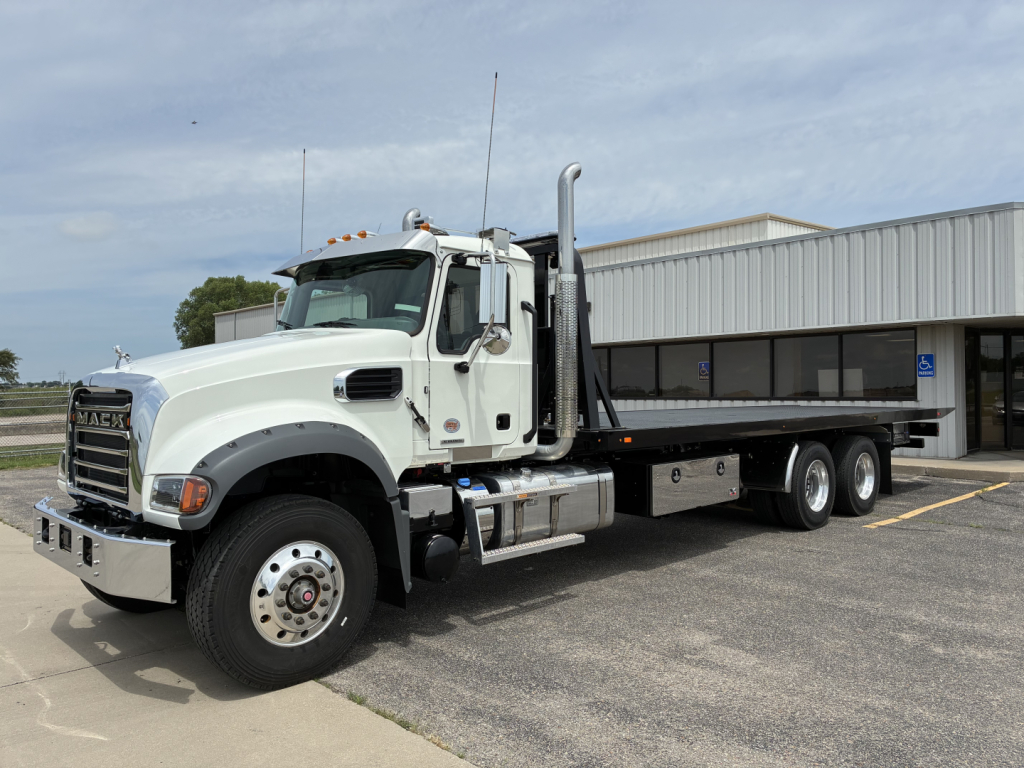
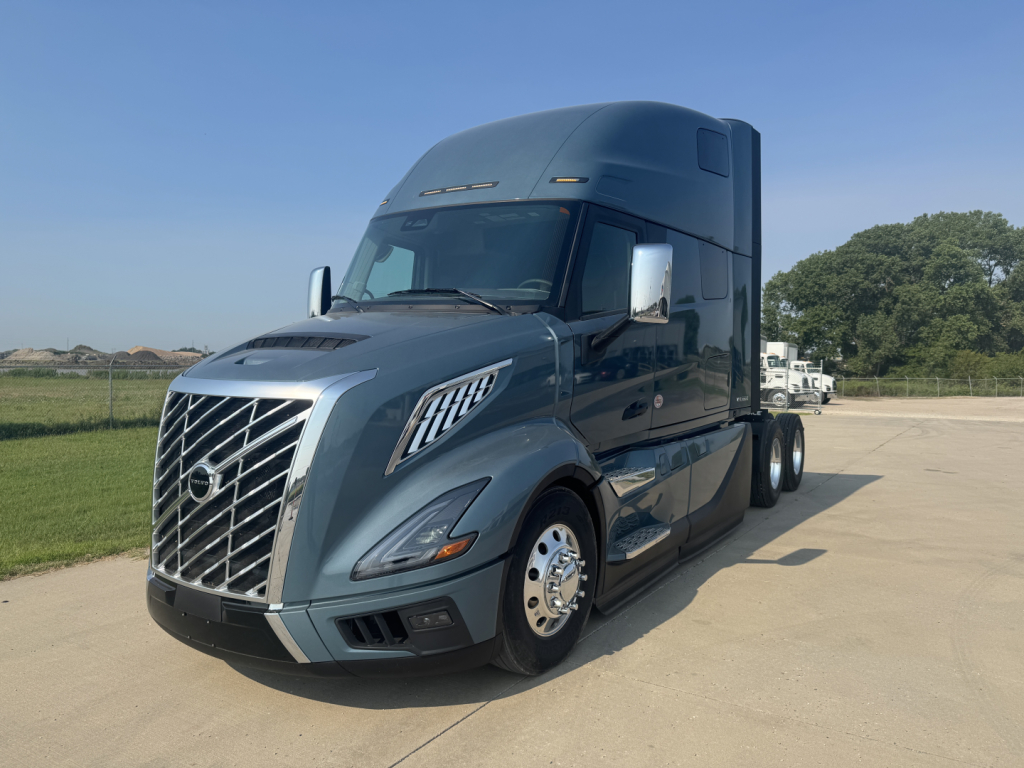
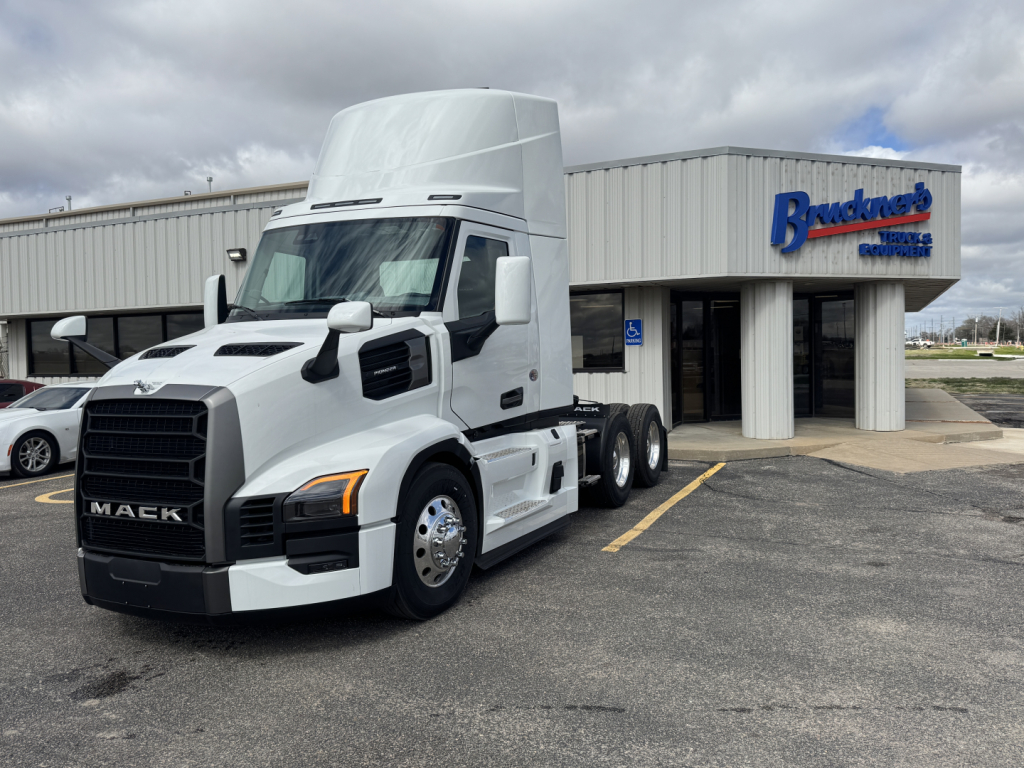
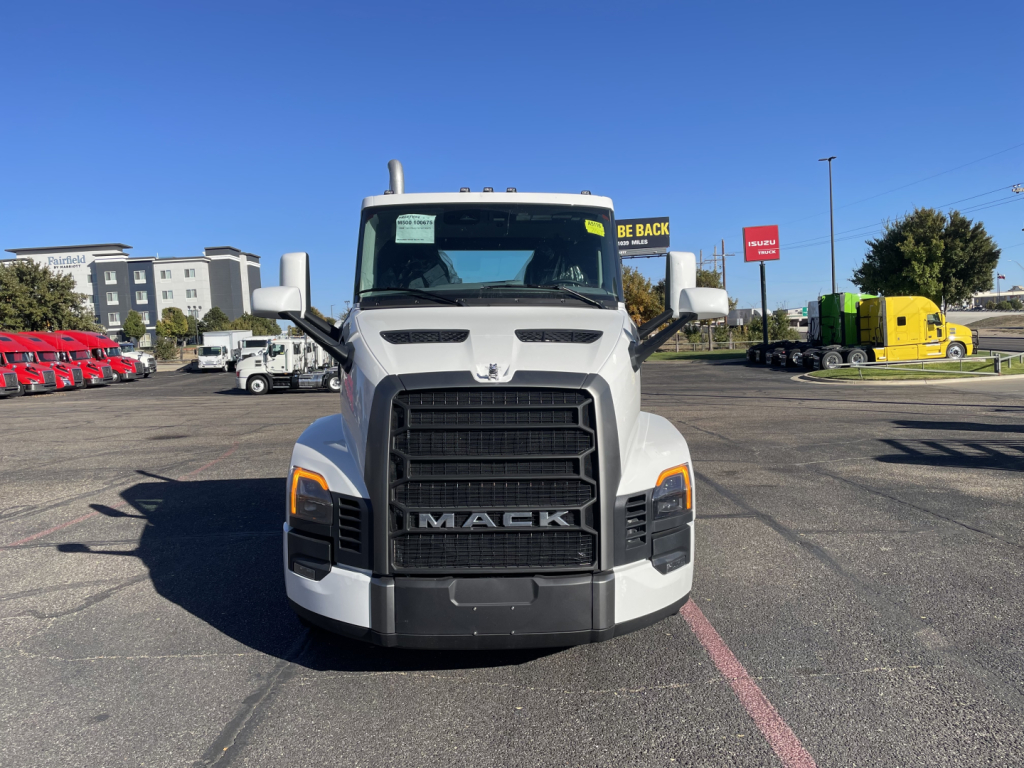
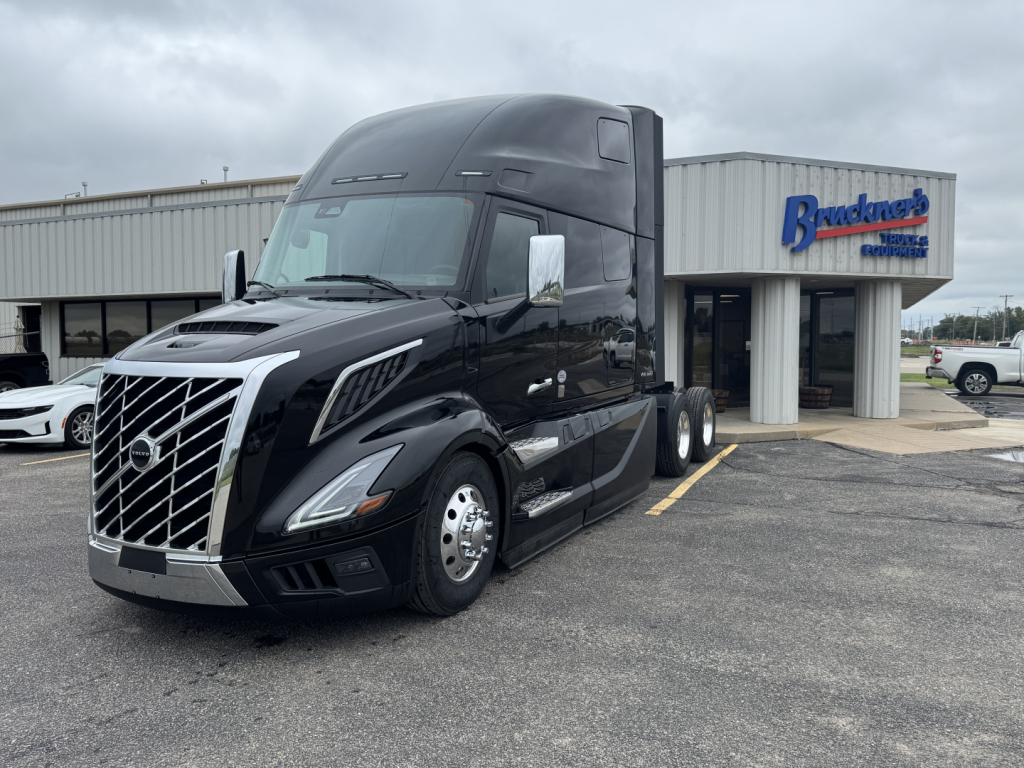
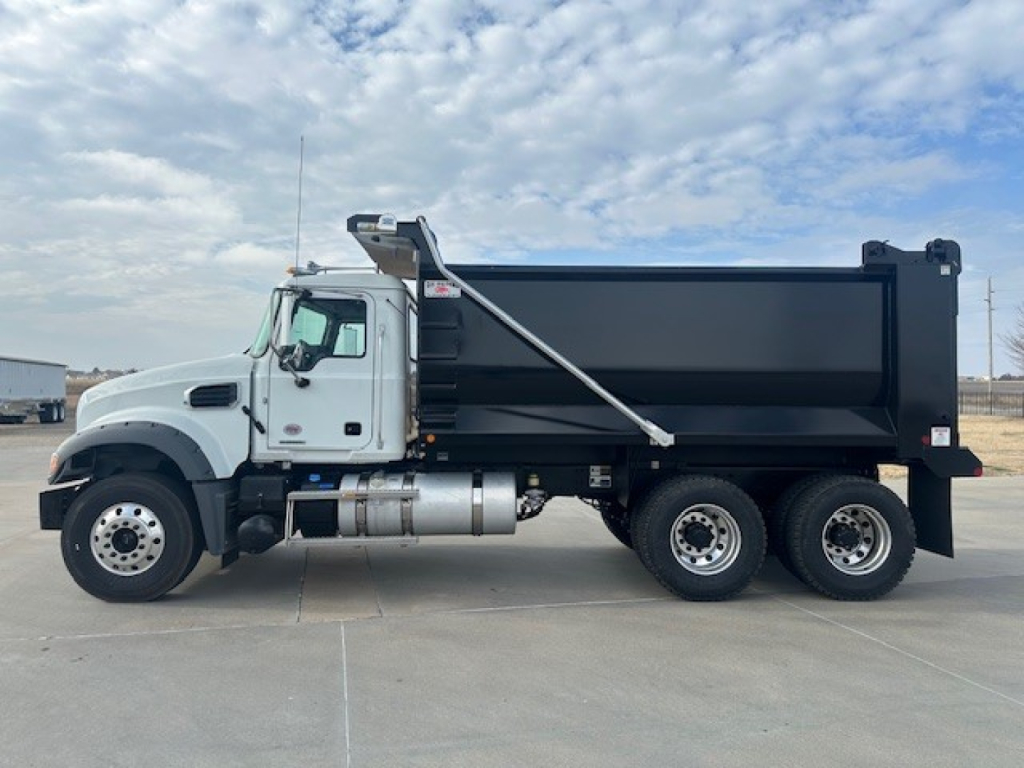
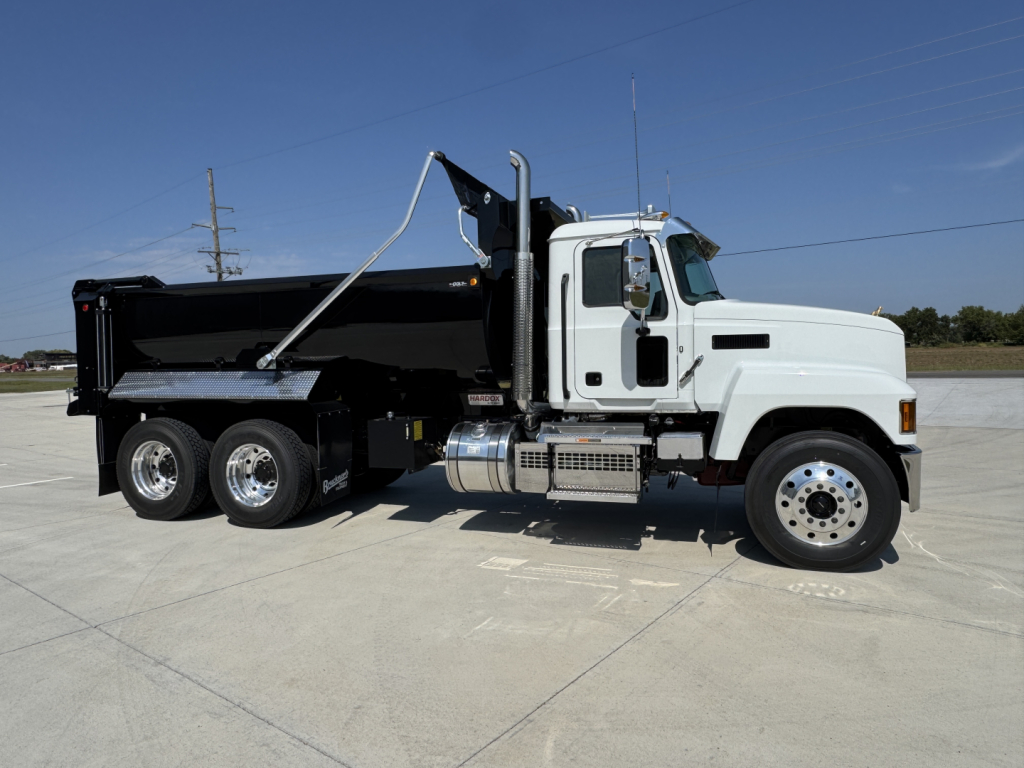
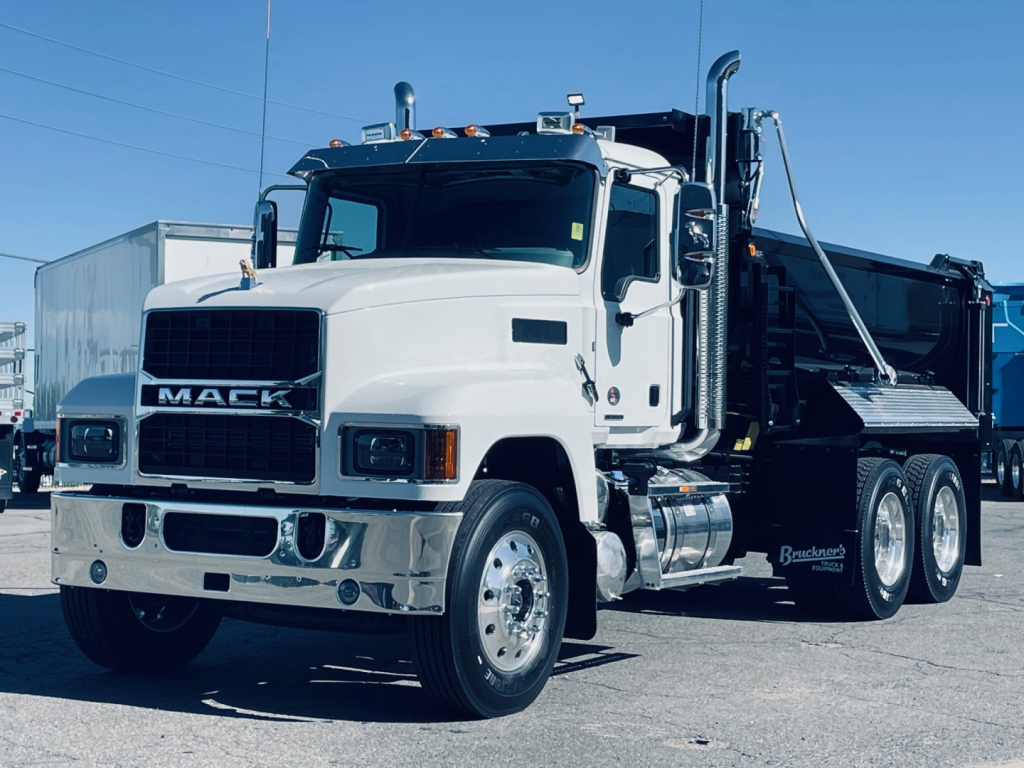
Selling a new 2026 commercial truck? List your new 2026 commercial truck for sale and reach thousands of commercial buyers.
New 2026 Commercial Trucks in Kansas
For highway trucks, buyers usually compare aerodynamic conventional tractors, also known as semi trucks or road tractors, based on powertrain and operating cost. Common specs include 6x4 tandem drive layouts, automated manual or automatic transmissions, and engine ratings suited to regional or long-haul freight. Day cabs are typically chosen for terminal work, dedicated routes, and regional operations where low curb weight and tight maneuverability matter. Sleeper trucks add driver accommodations and larger fuel capacity for longer dispatch cycles. Rear axle ratio, wheelbase, fifth wheel setup, and front axle capacity all affect how the truck handles payload, trailer type, and bridge law compliance.
Kansas buyers also tend to focus on durability and serviceability for mixed-use fleets. Vocational 2026 trucks such as dump trucks and cab and chassis models are often spec'd with heavier frame rails, higher GVWRs, vocational suspensions, PTO provisions, and Allison automatic transmissions for stop-and-go work. If the truck will carry a body, cab-to-axle measurement is one of the most important dimensions to confirm, along with front axle set-back, frame spacing, and available upfit clearance. For dump applications, body length, hoist configuration, tarp system, brake type, and tire setup all influence productivity and legal payload.
New-model trucks also bring updated safety systems, emissions hardware, and driver-assistance technology that can matter in fleet purchasing. Features such as adaptive cruise control, collision mitigation, electronic stability control, disc brakes, telematics integration, and factory warranty coverage can improve uptime and driver acceptance. Buyers comparing new 2026 trucks in Kansas should match the truck to the lane, terrain, trailer or body, and maintenance plan first. A properly spec'd truck will usually outperform a cheaper but mismatched unit over the life of the asset.
Frequently Asked Questions about New 2026 Commercial Trucks in Kansas
What types of new 2026 trucks are commonly available in Kansas?
New 2026 trucks in Kansas commonly include conventional day cabs, sleeper tractors, dump trucks, cab and chassis models, and other vocational trucks. Day cabs are typically used for regional freight, local delivery, and port or terminal-style work. Sleeper tractors are built for longer routes and over-the-road use. Cab and chassis units are designed for upfitting with van bodies, flatbeds, mechanics bodies, hooklifts, or other work-specific equipment. Dump trucks are spec'd for construction, aggregate, and municipal hauling.
How do I choose between a day cab and a sleeper for a new 2026 truck?
The choice depends on route length, driver schedule, payload needs, and operating cost. A day cab usually weighs less, costs less, and is easier to maneuver, which makes it a strong fit for regional hauls, dedicated lanes, and local trailer moves. A sleeper is better suited for longer runs where overnight accommodations, greater storage, and larger fuel capacity are important. Buyers should also compare wheelbase, fuel tank capacity, and axle ratio because those specs affect turning radius, range, and fuel economy.
What specs matter most when buying a new cab and chassis truck?
Cab-to-axle dimension is one of the most important specs because it determines what body can be installed and how weight will be distributed. Buyers should also verify GVWR, front and rear axle ratings, wheelbase, frame strength, PTO capability, brake type, and transmission choice. For many vocational applications, Allison automatic transmissions and PTO-ready setups are preferred. If the truck is being upfitted, frame clearance, exhaust routing, and fuel tank placement should also be reviewed before purchase.
Are new 2026 dump trucks different from highway tractors in key equipment areas?
Yes. Dump trucks are generally built with vocational priorities such as heavier suspensions, stronger frame rails, PTO and hoist compatibility, and axle ratings designed for frequent loading cycles and rough jobsite conditions. They may also use different tire setups, shorter gearing, and automatic transmissions better suited to stop-and-go work. Highway tractors are typically optimized for fuel economy, aerodynamics, ride quality, and trailer pulling efficiency rather than off-road durability or body integration.
Why do fleet buyers pay close attention to axle ratio, wheelbase, and suspension on new trucks?
These three specs strongly influence how the truck performs in its intended job. Rear axle ratio affects acceleration, gradeability, cruising rpm, and fuel economy. Wheelbase impacts turning radius, bridge compliance, trailer gap, and body fitment. Suspension choice changes ride quality, traction, maintenance needs, and stability under load. A truck with the right engine and transmission can still be a poor fit if the axle ratio, wheelbase, or suspension does not match the route or application.