
New 2026 Commercial Trucks For Sale in Washington
Shop new 2026 trucks for sale in Washington, including day cabs, vocational chassis, and spec options for regional, heavy-haul, and mixer work.
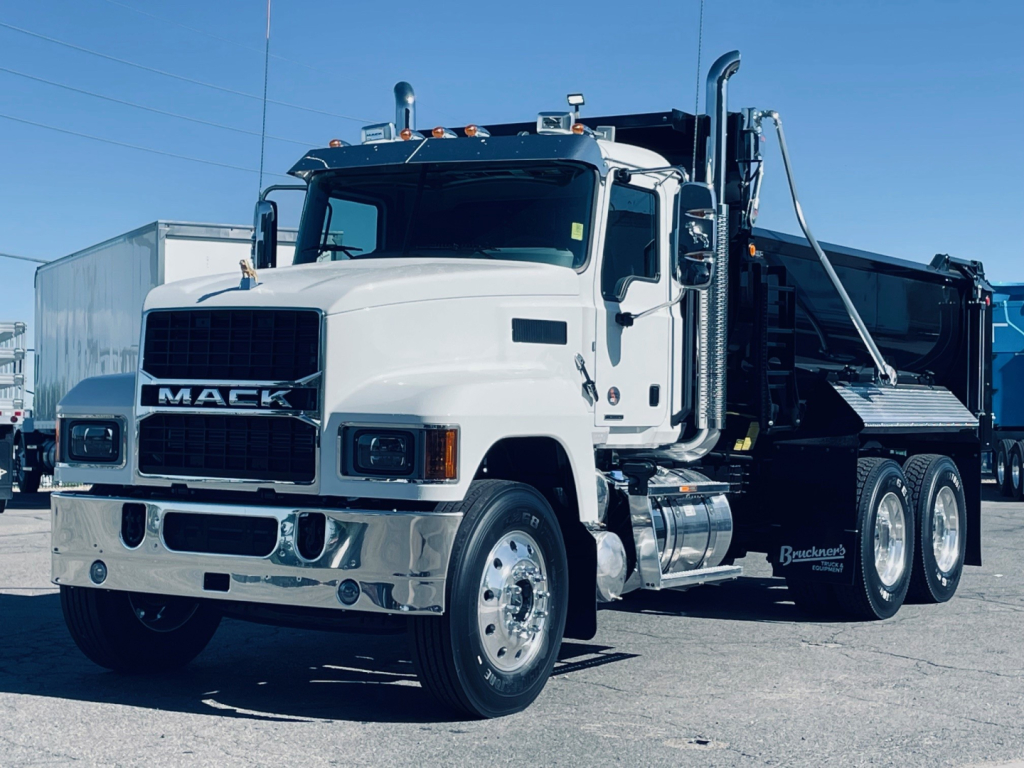
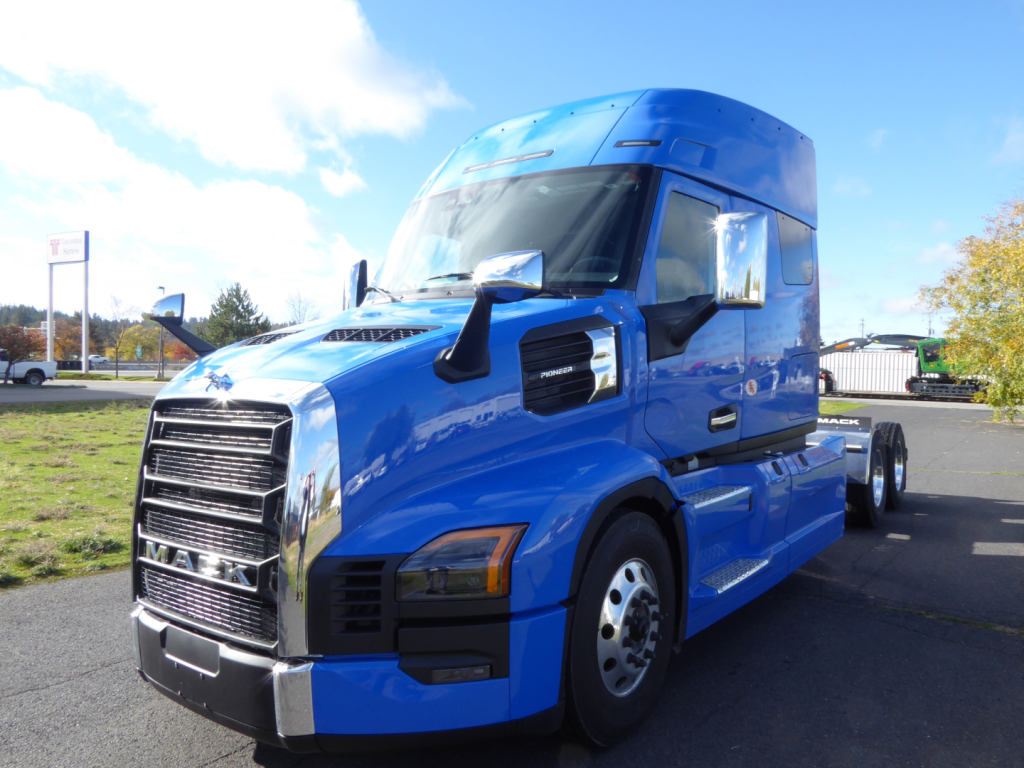
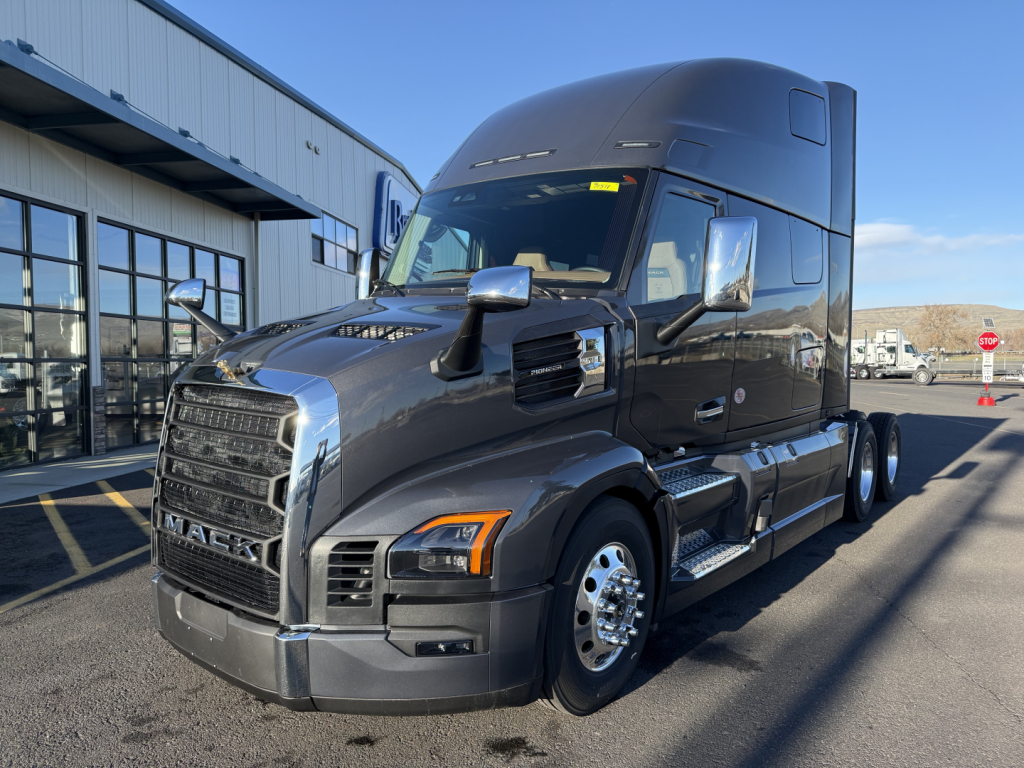
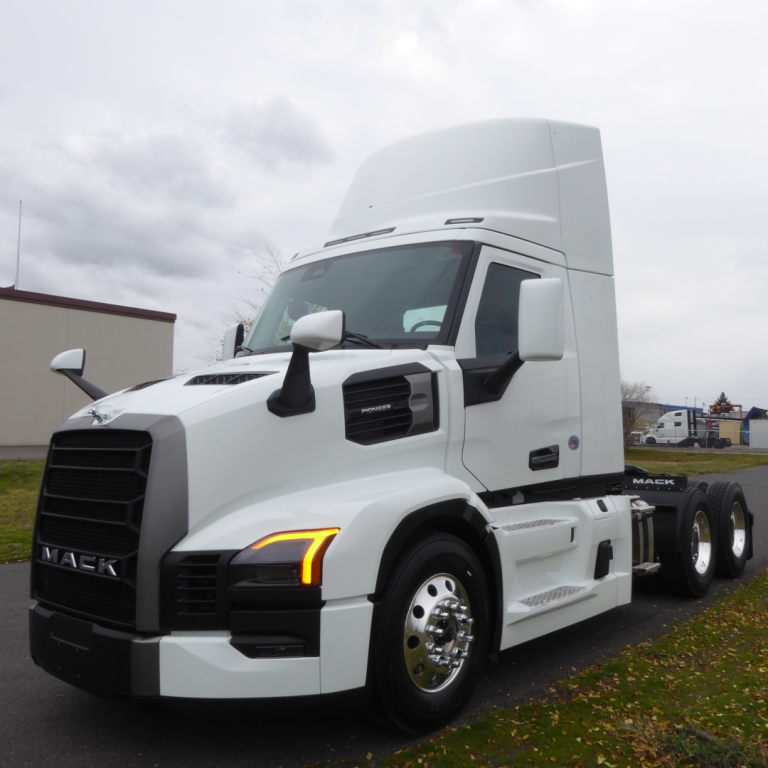
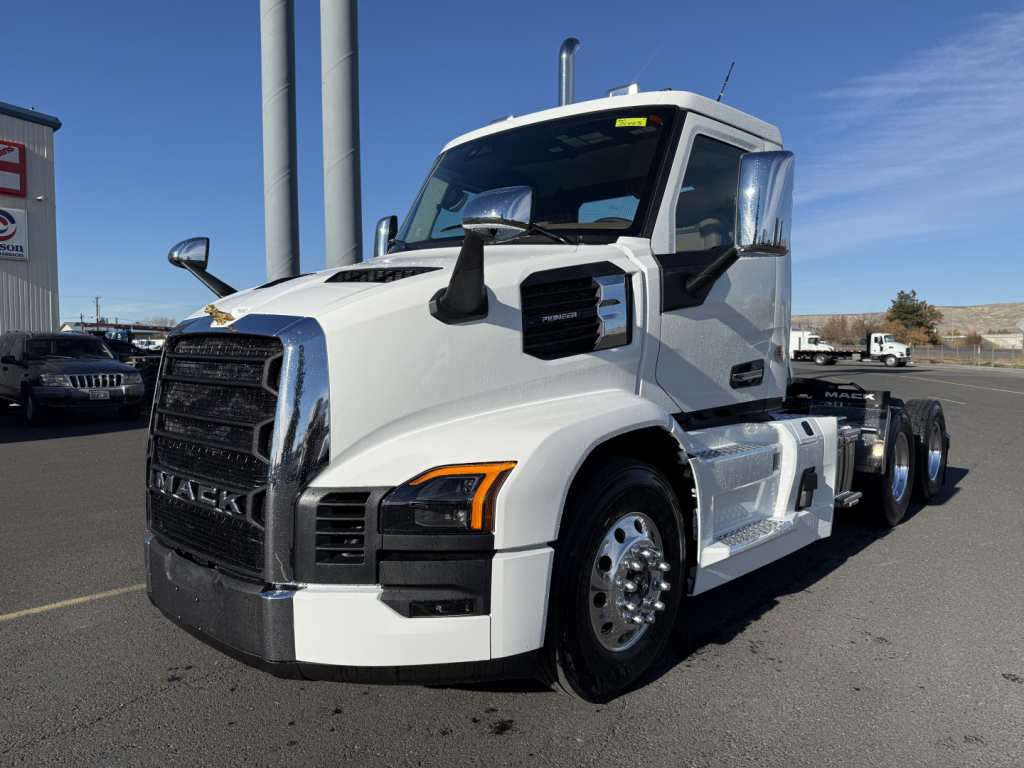
2026 Mack PR64T64
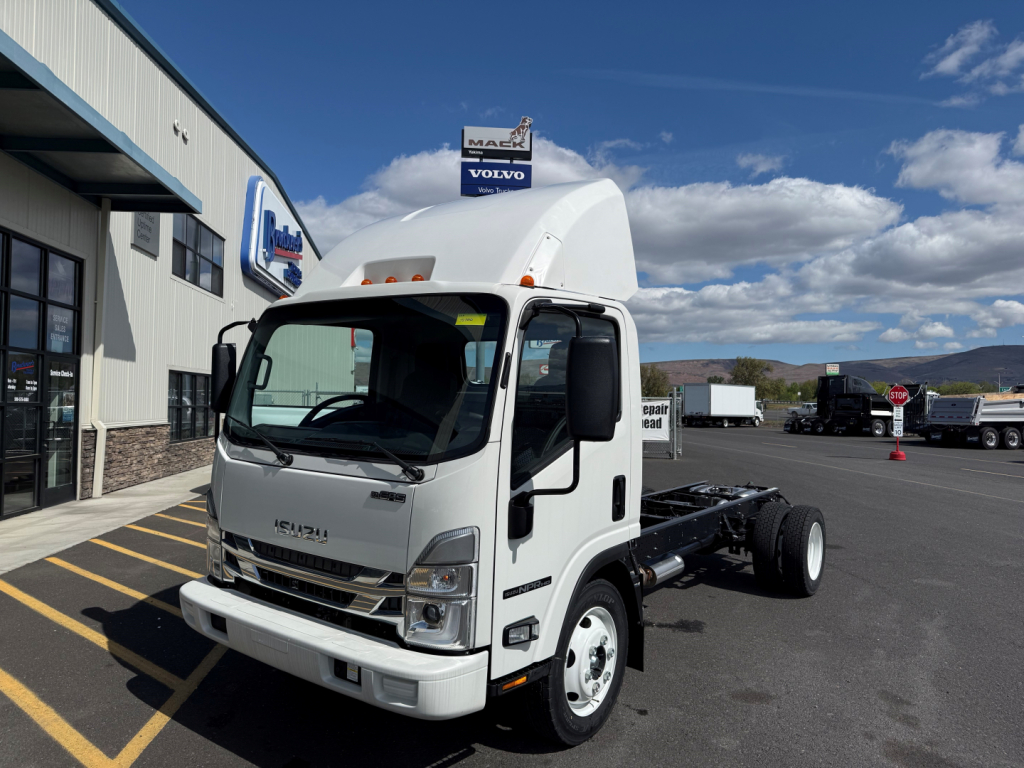
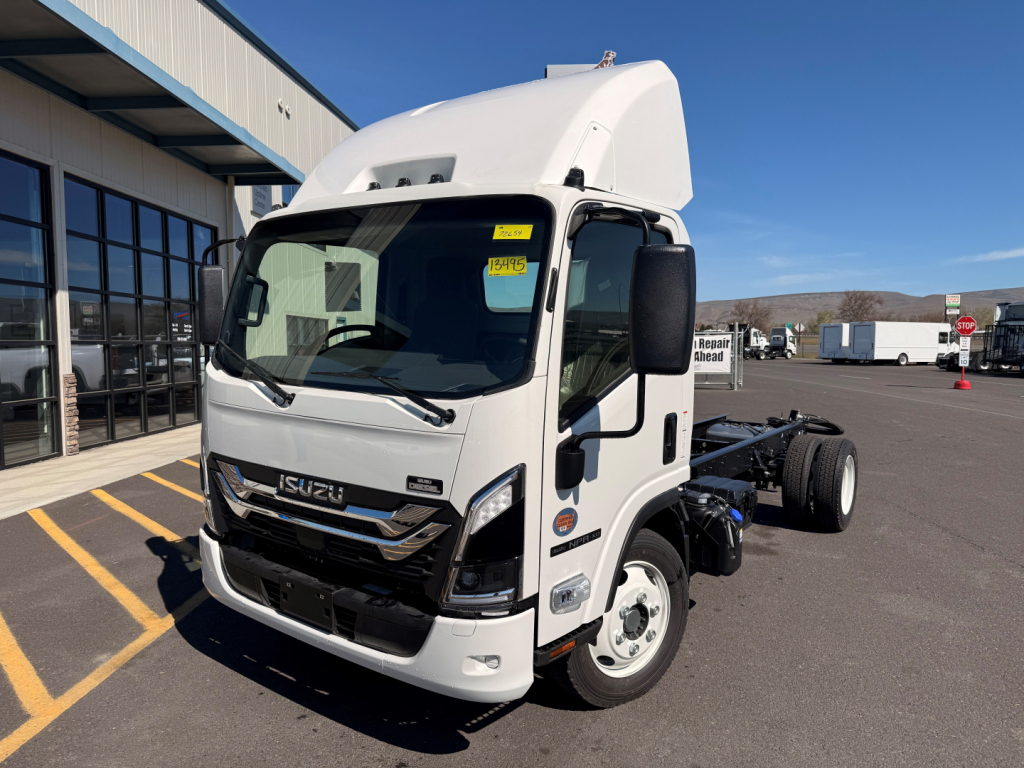
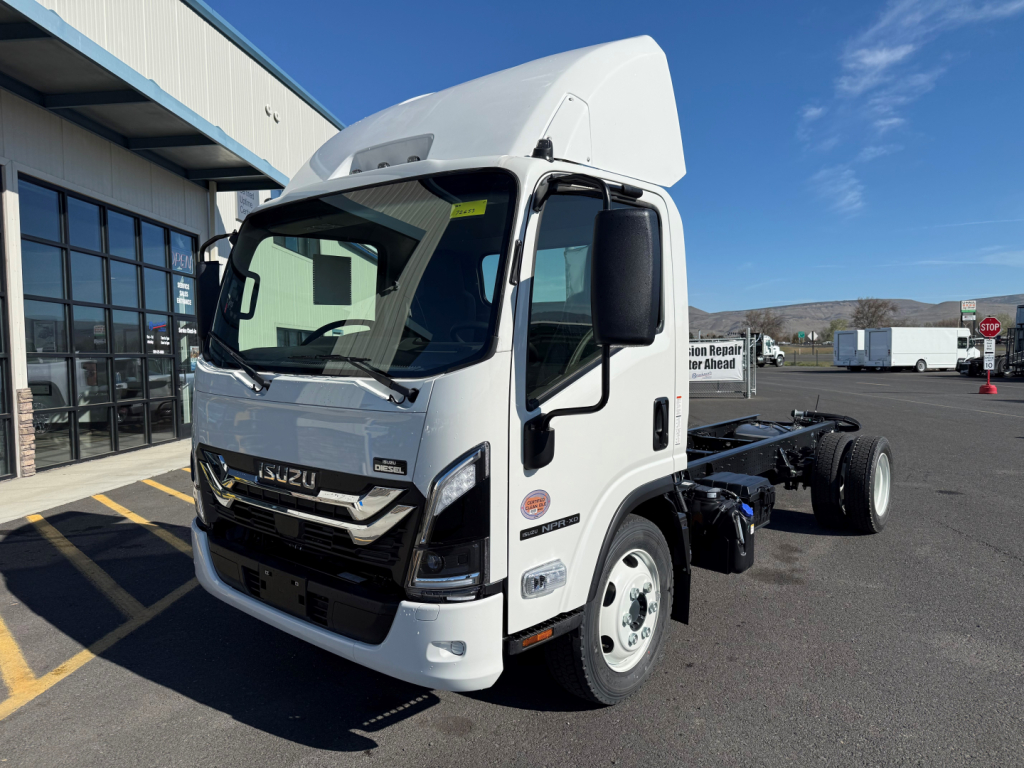
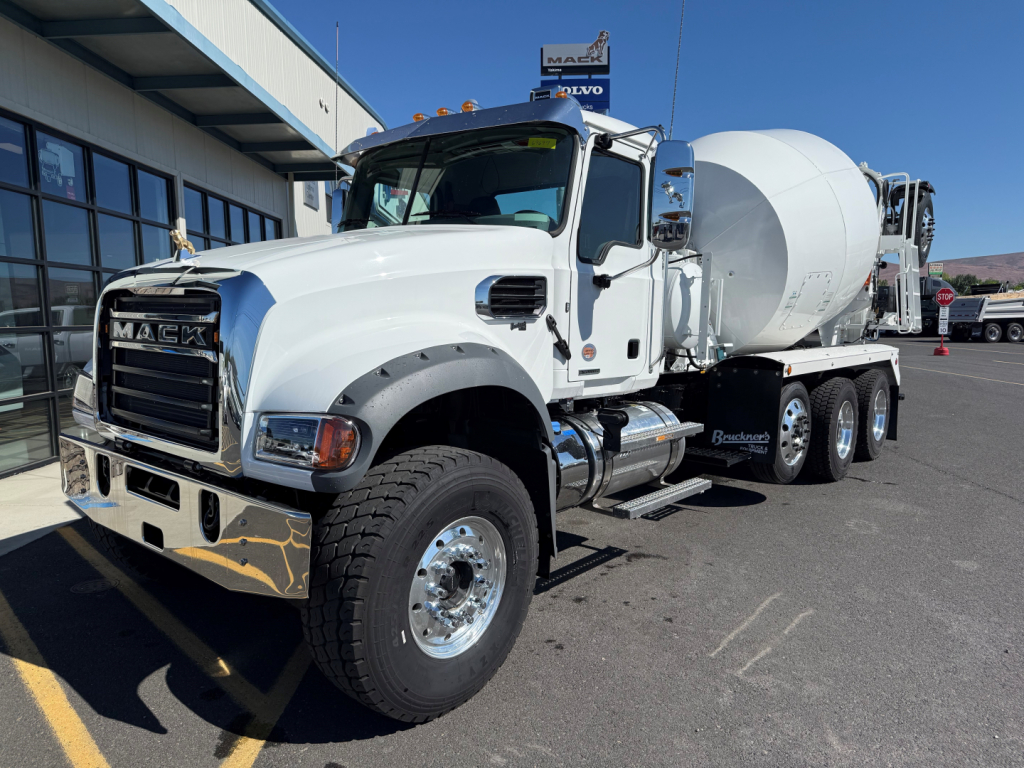
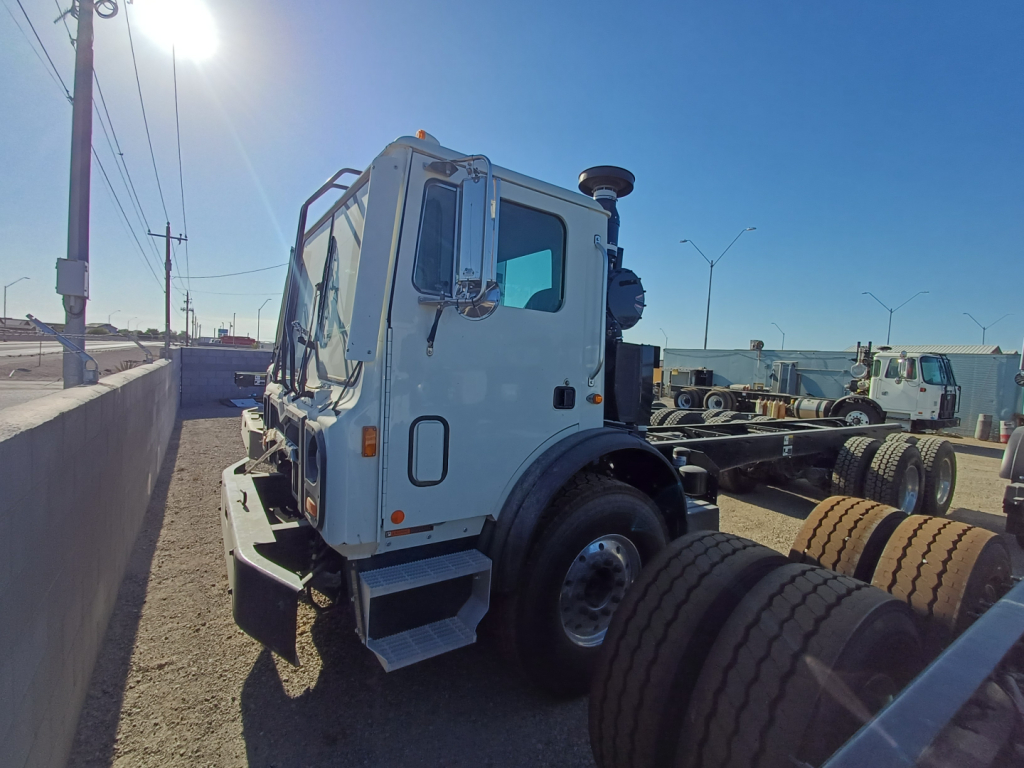
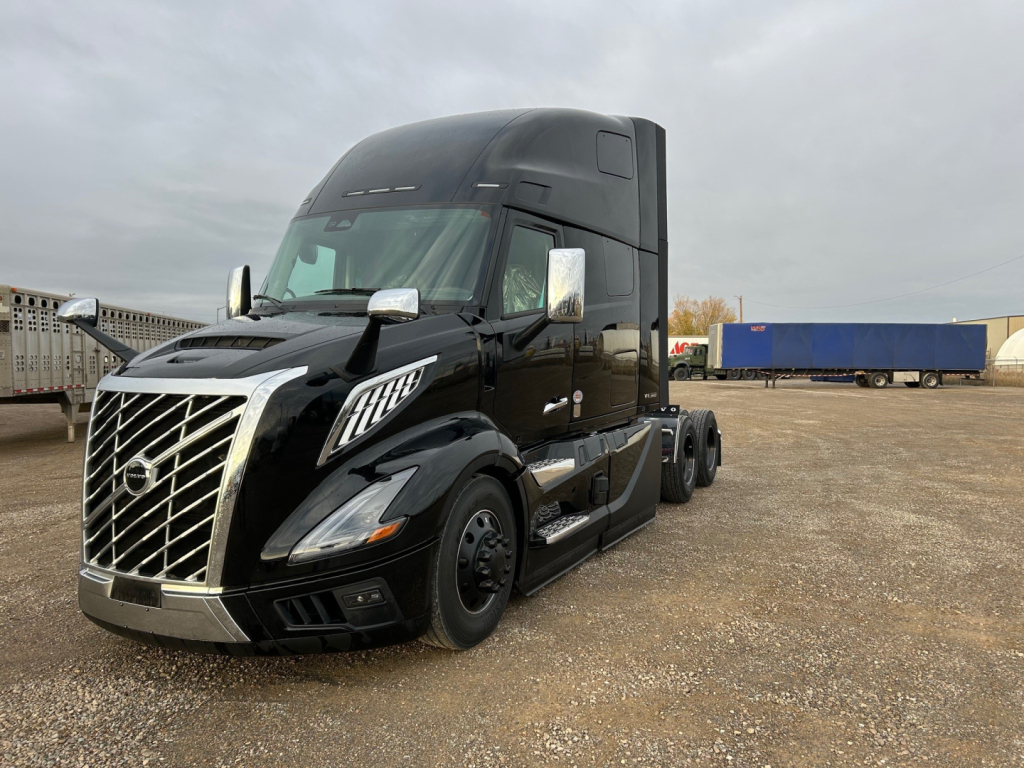
Selling a new 2026 commercial truck? List your new 2026 commercial truck for sale and reach thousands of commercial buyers.
New 2026 Commercial Trucks in Washington
For on-highway use, new 2026 conventional day cab trucks are commonly spec'd with 13-liter engines in the 445 to 515 horsepower range, automated manual transmissions, and rear axle ratios chosen around fuel economy, startability, and GCW targets. Features like crawler gears, engine brakes, hill start assist, collision mitigation, blind spot monitoring, backup cameras, and tire pressure monitoring are increasingly standard on premium specs. Buyers comparing new day cabs should look closely at front axle rating, rear suspension capacity, wheelbase, and fifth wheel setup, especially if the truck will handle heavy regional freight, PTO work, or frequent trailer changes. A 13,200-pound front axle with 40,000-pound rears is a common tandem road spec, while tri-axle day cabs can push legal payload flexibility higher for specialized operations.
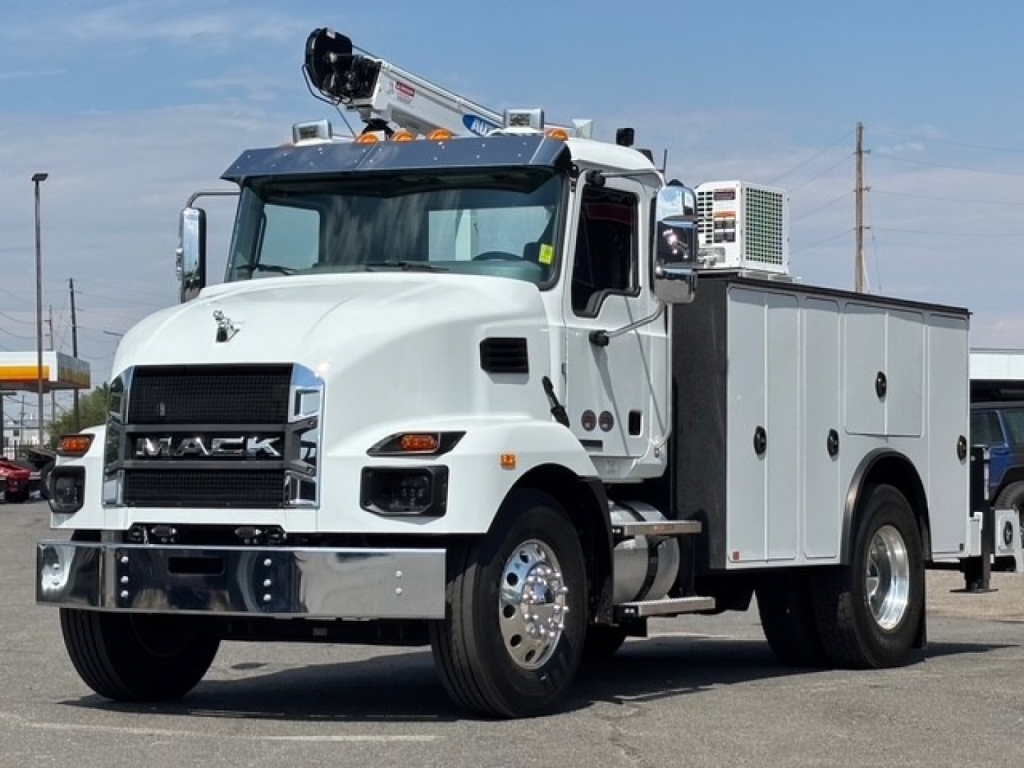
Vocational 2026 trucks in Washington often center on Mack Granite and similar severe-duty platforms used for mixers, dumps, and other body-mounted applications. These trucks are typically built with heavier front axles, higher GVWRs, pusher or lift axles, robust frame specs, and transmission calibrations suited for low-speed maneuvering. Mixer truck buyers, for example, should pay attention to bridge compliance, axle spread, steerable pusher design, rear suspension rating, and transmission gearing that supports creep speeds on uneven jobsites. A spec with a 20,000-pound front axle, 46,000-pound rears, disc brakes, and a 14-speed automated manual can make sense where payload, gradeability, and tight-site control matter more than long-haul fuel economy.
New model-year trucks also appeal to buyers focused on warranty coverage, emissions system life, and current safety technology. The real value is in matching the spec to the duty cycle rather than chasing the highest horsepower or newest badge. For Washington operations, that usually means considering mountain routes, bridge formulas, body upfit plans, and service support for the engine and transmission platform you choose. A well-matched 2026 truck should deliver the right combination of legal payload, drivability, uptime, and resale strength for the work it is expected to do.
Frequently Asked Questions about New 2026 Commercial Trucks in Washington
What should I look for when buying a new 2026 truck in Washington?
Start with the truck's intended application, then verify axle ratings, wheelbase, suspension, brake type, engine horsepower, transmission setup, and expected gross combination weight. Washington buyers should also consider mountain grades, bridge laws, urban maneuverability, and whether the truck will carry a body, pull a trailer, or do both. A truck spec that works for regional van freight may be completely wrong for mixer, dump, or PTO-driven work.
Are new 2026 day cab trucks a good fit for regional hauling?
Yes, especially when the truck is spec'd with the right rear axle ratio, fuel capacity, and transmission calibration for regional lanes. New day cabs are commonly used for port work, short to medium haul freight, dedicated lanes, and heavy local operations. In Washington, buyers often prefer engine brakes, automated manuals with crawler options, and safety systems that help in traffic, hills, and wet weather conditions.
What is the advantage of a tri-axle truck over a tandem-axle truck?
A tri-axle truck adds another axle, often as a pusher, to improve legal weight distribution and increase payload flexibility. That matters for applications such as mixers, heavy day cab work, and other operations where bridge compliance and axle loading are critical. The tradeoff is added weight, more tire and suspension maintenance, and a more specialized spec compared with a standard tandem.
Why do axle ratings and wheelbase matter so much on new vocational trucks?
Axle ratings determine how much load the truck can legally and safely carry, while wheelbase affects body fit, turning radius, weight distribution, and bridge compliance. On vocational trucks, these numbers directly influence how well the truck performs with a mixer barrel, dump body, or other installed equipment. A wrong wheelbase or axle package can limit payload, complicate body installation, or create handling issues on the job.
Should I choose a direct-drive or overdrive automated manual transmission?
It depends on speed, terrain, and operating weight. Direct-drive specs are often favored for certain regional and heavier-duty applications because they can provide strong driveline efficiency when matched with the correct rear ratio. Overdrive setups can support lower cruise RPM and fuel savings in the right highway application. The best choice comes from matching the transmission, rear ratio, tire size, and route profile rather than judging the transmission alone.