
New 2026 Commercial Trucks For Sale in Louisiana
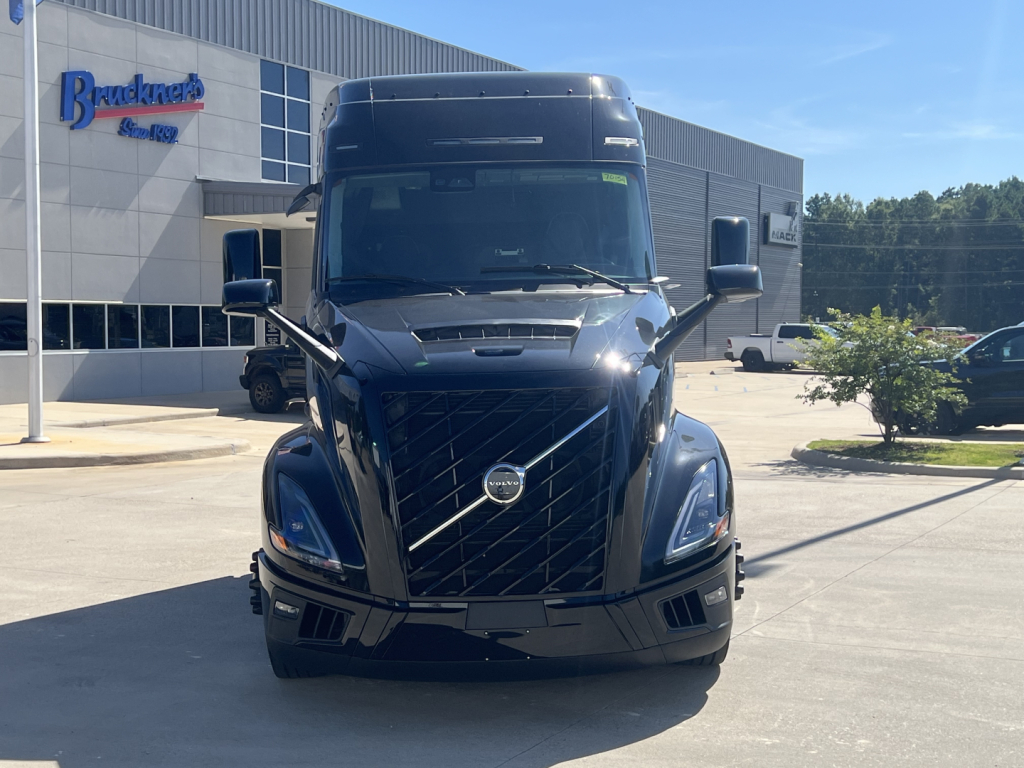
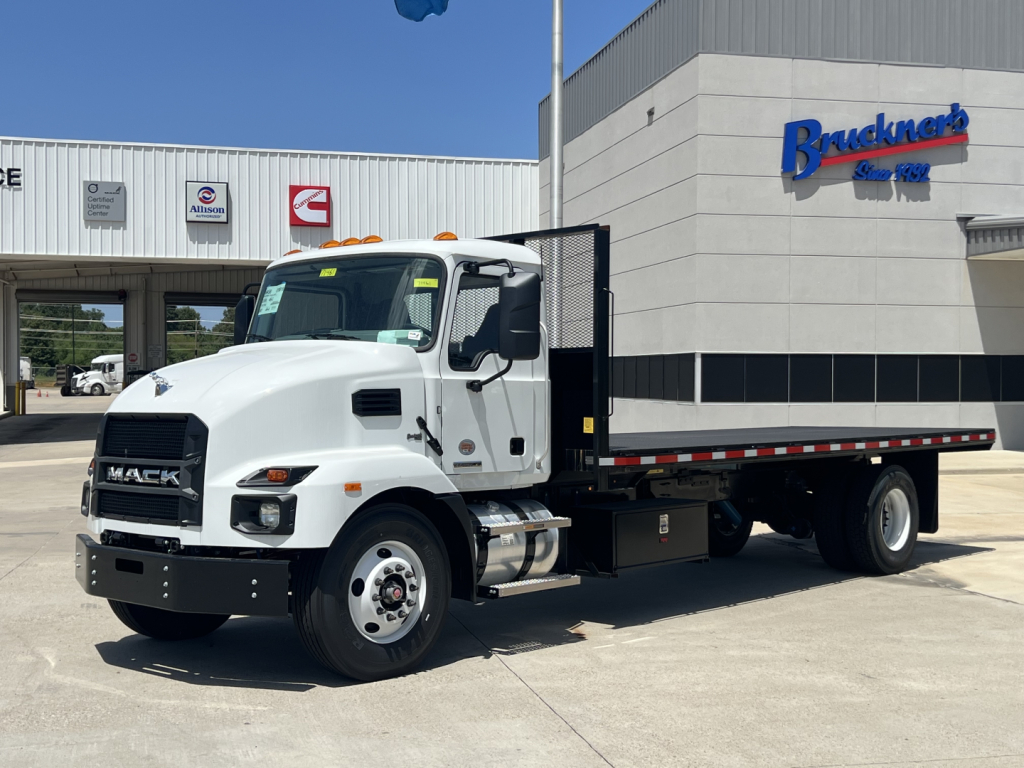
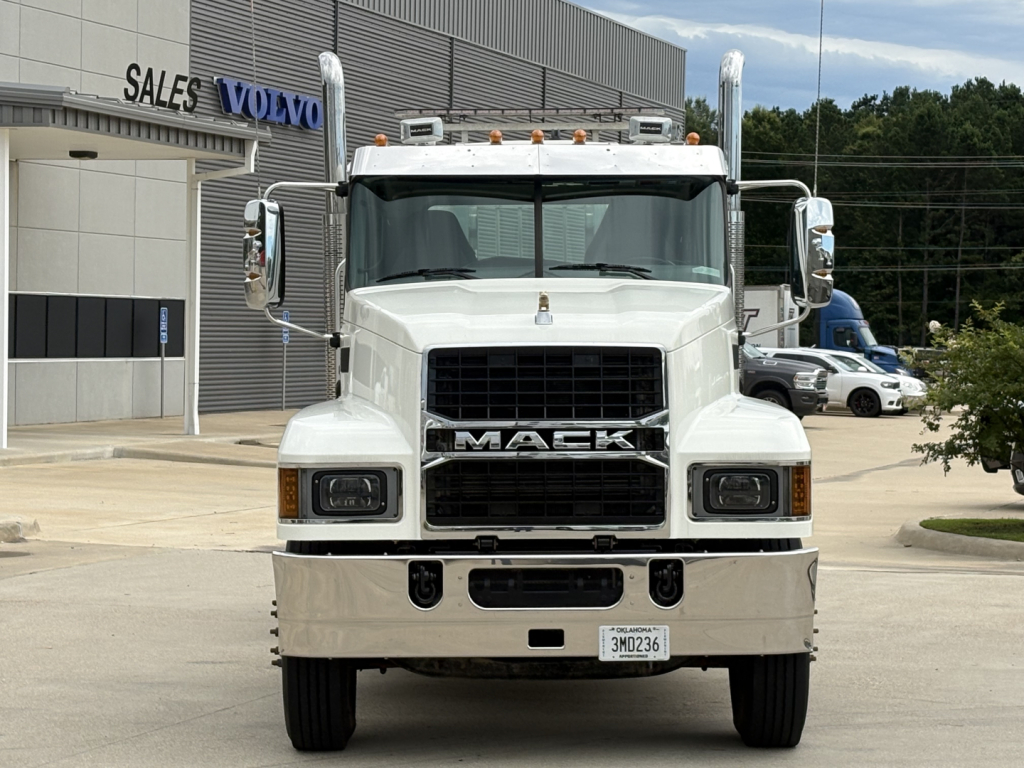
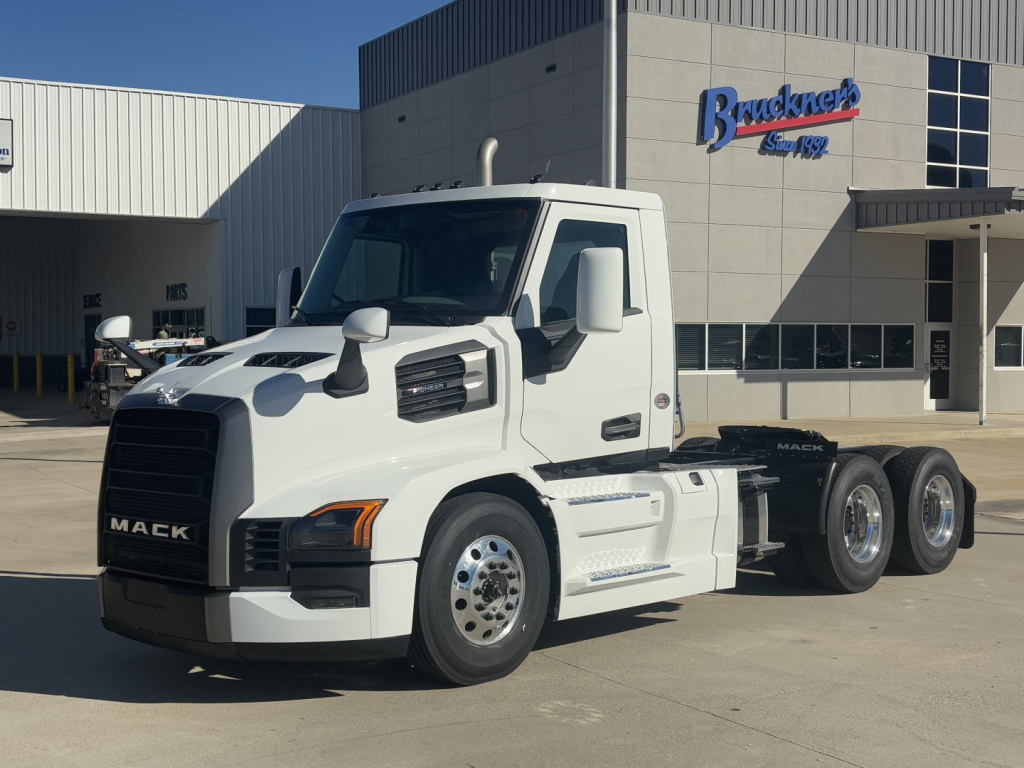
Shop new 2026 trucks for sale in Louisiana, including day cabs, mixers, flatbeds, and medium-duty work trucks built for regional and vocational use.

Selling a new 2026 commercial truck? List your new 2026 commercial truck for sale and reach thousands of commercial buyers.
New 2026 Commercial Trucks in Louisiana
For heavy-duty buyers, the key specs are engine class, transmission type, suspension, and axle capacity. New vocational and regional trucks in this segment often use diesel engines in the mid-300 to mid-400 horsepower range with automated manual or fully automatic transmissions, depending on duty cycle. Tandem day cabs may be spec'd with 44,000 to 46,000 lb rear axles, air ride suspensions, and wheelbases suited for a fifth wheel, wet kit, or body upfit. Mixer and severe-service applications typically push higher front axle ratings, heavy rear suspensions, and tri-axle configurations to manage bridge laws, payload, and jobsite durability. In Louisiana, that matters because soft shoulders, urban traffic, and frequent stop-and-go work can punish a light spec truck quickly.
Medium-duty 2026 trucks are also a strong fit for Louisiana buyers who need a new truck without stepping straight into a Class 8 platform. A Class 6 or Class 7 truck can be set up as a flatbed truck, dump flatbed, rollback, van body, service truck, or landscape chassis depending on the body and PTO needs. Common specs include Cummins or similar diesel power, Allison automatic transmissions, spring suspensions, and rear axle ratios chosen for low-speed pulling rather than highway fuel economy. Buyers should pay close attention to frame height, cab-to-axle measurement, hoist compatibility, bulkhead and toolbox options, and whether the final GVWR keeps the truck under CDL in the intended configuration.
New-model-year trucks also give buyers an advantage on emissions system life, warranty coverage, and upfitter flexibility. If the truck will work in oilfield support, municipal service, concrete, site development, or local freight, look closely at front axle capacity, brake package, PTO provisions, body clearances, and turning radius before comparing price alone. Louisiana operations often benefit from corrosion-conscious specs, durable interior materials, and drivetrain setups that handle heat, humidity, and repeated low-speed load cycles. A well-matched 2026 truck should be judged less by badge and more by how its GVWR, axle spread, wheelbase, suspension, and transmission line up with the body, payload, and route it will actually run.
Frequently Asked Questions about New 2026 Commercial Trucks in Louisiana
What types of new 2026 trucks are common in Louisiana?
Louisiana buyers commonly shop new 2026 day cabs, mixer trucks, flatbed trucks, dump-body chassis, and medium-duty work trucks. The mix reflects the state's construction, concrete, municipal, oilfield support, and local freight demand. Heavy-duty tandem and tri-axle trucks are common for payload and severe-duty work, while medium-duty single-axle trucks are popular for contractors, delivery fleets, and under-CDL applications.
What should I look at first when comparing new 2026 trucks for sale?
Start with the job requirement, then match the truck's GVWR, axle ratings, wheelbase, cab-to-axle dimension, and transmission to that task. A buyer looking at a day cab for regional hauling will care about horsepower, rear ratio, suspension, and fifth-wheel setup. A buyer looking at a mixer or flatbed should focus more on front axle capacity, body compatibility, PTO provisions, frame strength, and brake configuration. These specs determine how well the truck fits the application long before cosmetic differences matter.
Is a medium-duty 2026 truck a good alternative to a heavy-duty truck?
Yes, if the payload, body, and route fit the platform. A medium-duty truck can be a cost-effective choice for flatbeds, dump flatbeds, service bodies, and local delivery work, especially when maneuverability and lower operating cost matter more than maximum GCWR. Buyers should still verify the final body weight, tool storage, hoist system, and cargo expectations so the truck is not overmatched. The best medium-duty spec is one that handles the full working load without living at its limit every day.
Why do axle ratings matter so much on new vocational trucks?
Axle ratings directly affect legal payload, body selection, and durability in real service. A vocational truck with a heavier front axle can better support equipment mounted behind the cab or a loaded mixer barrel, while a stronger rear axle and suspension package helps the truck survive repeated loading, rough access roads, and stop-start cycles. In applications like concrete, aggregate, and construction support, axle capacity is often one of the most important buying decisions because it shapes both compliance and service life.
Are automated transmissions common in new 2026 trucks?
Yes. Automated manual transmissions and automatic transmissions are common in new 2026 trucks across both heavy-duty and medium-duty segments. Automated manuals are widely used in day cabs and vocational Class 8 trucks because they balance driver ease, fuel efficiency, and durability. Traditional automatics remain popular in medium-duty applications and some vocational setups where smooth low-speed operation, PTO work, and driver turnover are bigger priorities.