
New 2026 Mack Trucks For Sale in Louisiana
Shop new 2026 Mack trucks in Louisiana, including day cab specs, Mack MP engines, mDRIVE transmissions, axle ratings, and fleet-ready options.
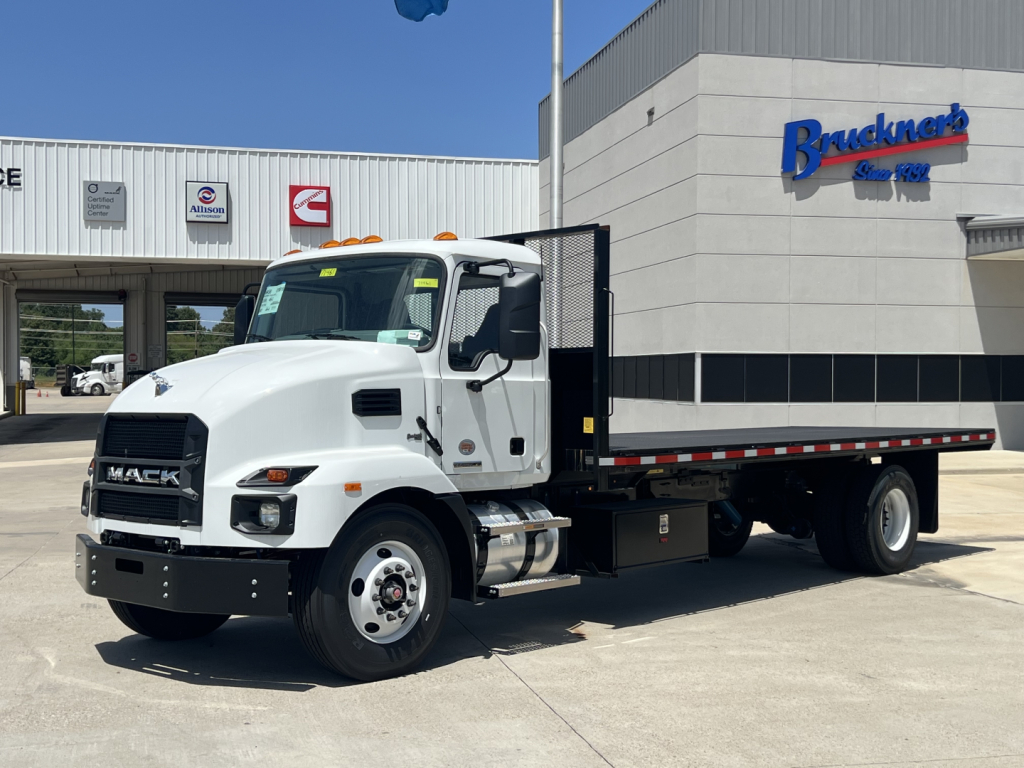
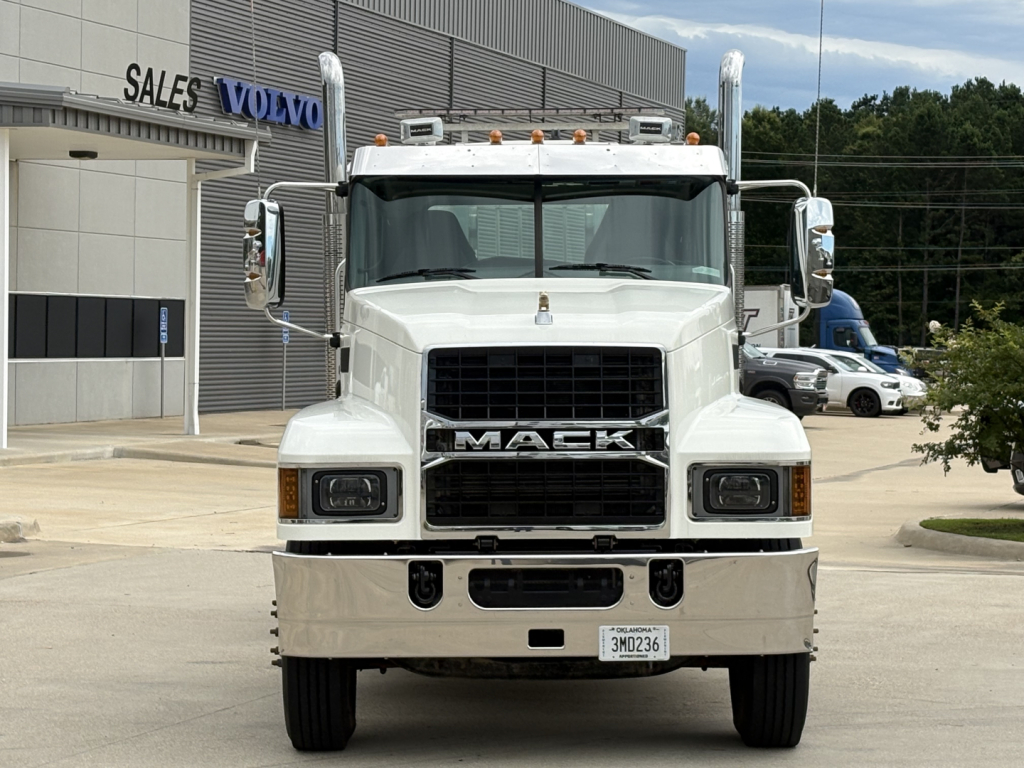
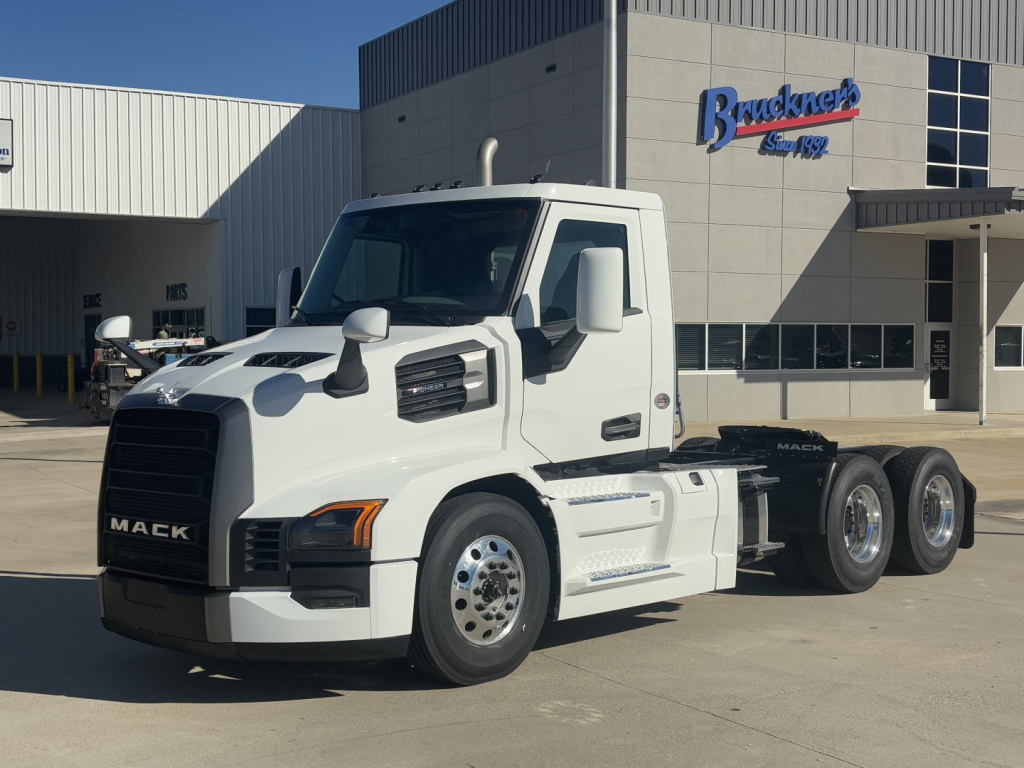

Selling a new 2026 mack truck? List your new 2026 mack truck for sale and reach thousands of commercial buyers.
New 2026 Mack Trucks in Louisiana
A lot of the buying decision comes down to application. For regional hauling, tank, dump, refuse, heavy haul support, or short-run trailer work, a Mack day cab can be spec'd to balance fuel economy with gradeability and startability. The Mack MP8 remains a common choice for strong torque and proven performance in heavy specs, while newer MP13 offerings are drawing attention from buyers looking at updated efficiency, emissions strategy, and driver-assist integration. The Mack mDRIVE 12-speed is now a central part of the package, especially for operations that want consistent shifting, reduced clutch wear, and easier driver onboarding. In Louisiana, where trucks may see port traffic, oilfield support, construction routes, and high-heat stop-and-go service, cooling capacity, PTO compatibility, and suspension durability deserve a close look.
Cab and chassis details matter just as much as headline engine specs. Buyers should pay attention to frame rail strength, wheelbase for body or trailer swing clearance, fuel tank sizing, fifth-wheel placement, and the difference between a highway-leaning spec and a severe-service build. Mack trucks are often chosen because the powertrain, axles, and software are engineered to work as a system, which can help with drivability and service diagnostics. Newer safety and telematics features are also becoming standard on many 2026 models, including adaptive cruise control, lane support systems, camera prep, and integrated protection packages that help fleets manage driver performance and risk.
For a buyer comparing multiple new Mack trucks for sale, the smartest approach is to match the truck to the freight first, then evaluate the spec sheet for durability and operating cost. A 3.56 or 3.79 rear ratio, HD version of the mDRIVE, air ride versus vocational suspension, and 225-inch or similar wheelbase all change how the truck will behave under load. Mack conventional trucks, also known as hooded day cab tractors in many fleet spec sheets, continue to appeal to buyers who want a tough chassis with modern controls and strong dealer support. The best value is usually found in a spec that is neither overbuilt nor under-axled for the lanes, trailer weights, and duty cycle it will actually run.
Frequently Asked Questions about New 2026 Mack Trucks in Louisiana
What are the most important specs to compare on a new 2026 Mack truck?
The most important specs are engine rating, transmission model, axle capacities, suspension type, rear ratio, wheelbase, and intended duty cycle. A buyer looking at a day cab tractor should confirm steer axle rating, rear axle rating, locking differential setup, and whether the truck uses a standard or heavy-duty version of the mDRIVE. Those details affect payload handling, traction, maintenance expectations, and how well the truck fits regional haul, vocational, or severe-service work.
Is the Mack mDRIVE transmission a good choice for fleet and owner-operator use?
The Mack mDRIVE is a strong fit for many fleet and owner-operator applications because it improves shift consistency and reduces driver-to-driver variability. It can also reduce clutch-related wear compared with a manual transmission in stop-and-go or mixed-route service. The key is making sure the transmission calibration and gearing match the application, especially if the truck will pull heavy loads, work off-road, or require PTO integration.
What engine should I look for in a new Mack day cab, MP8 or MP13?
The right engine depends on weight, terrain, and annual mileage. The MP8 is a proven choice in heavy day cab specs where strong torque and vocational durability are priorities. The MP13 may appeal to buyers focused on updated efficiency, newer platform features, and highway-regional performance. Engine selection should be tied to GCW, rear ratio, transmission spec, and how often the truck starts heavy on grades or operates in congested routes.
Are new Mack trucks well suited for Louisiana hauling conditions?
Yes, new Mack trucks are commonly well suited for Louisiana operations because they can be spec'd for heat, humidity, port traffic, construction work, and mixed pavement conditions. Buyers in Louisiana should pay close attention to cooling package capacity, axle and suspension specs, corrosion exposure, and gearing for low-speed loaded starts. A truck that performs well in flat highway service may need a different suspension, locker setup, or PTO preparation for local vocational work.
What is the difference between a highway spec Mack and a heavy vocational Mack?
A highway spec Mack is generally built for fuel economy, smoother ride quality, and regional or linehaul trailer work, often with lighter chassis components and road-focused gearing. A heavy vocational Mack usually adds stronger frame options, heavier axle ratings, full lockers, more robust suspensions, and drivetrain settings intended for jobsite traction and repeated heavy starts. The difference matters because over-spec'ing can add unnecessary weight and cost, while under-spec'ing can shorten component life in severe service.