
New 2026 Volvo Trucks For Sale in Louisiana
Shop new 2026 Volvo trucks in Louisiana, including VNL sleepers and VHD vocational models built for highway, regional, and heavy-duty work.
Selling a new 2026 volvo truck? List your new 2026 volvo truck for sale and reach thousands of commercial buyers.
New 2026 Volvo Trucks in Louisiana
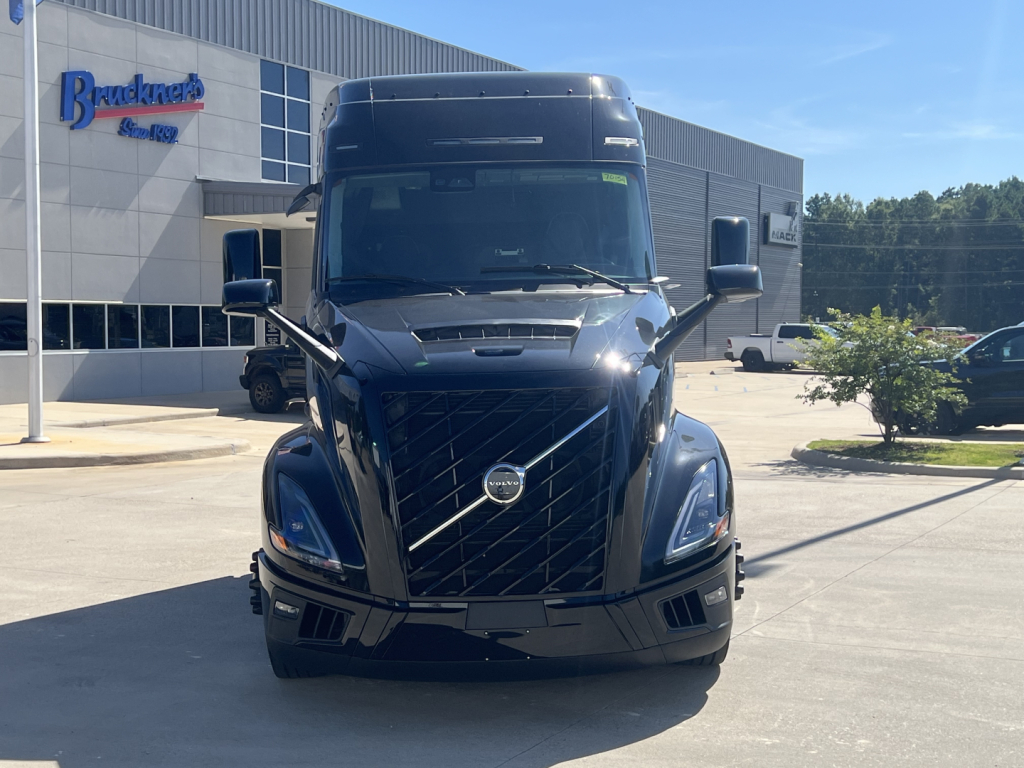
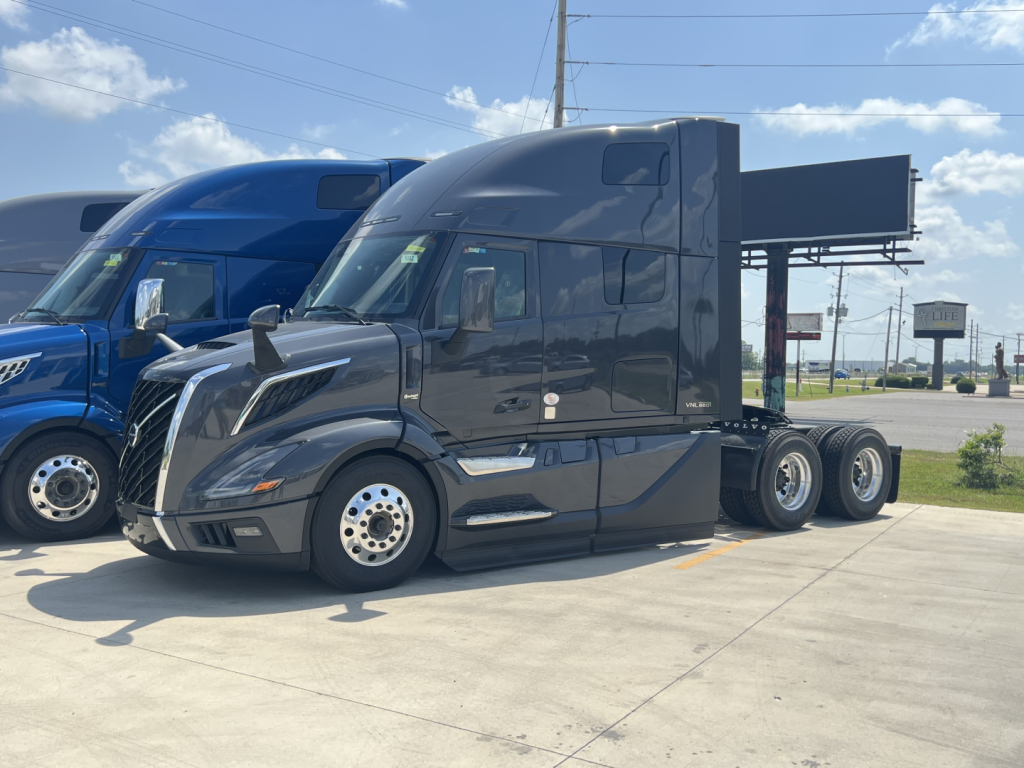
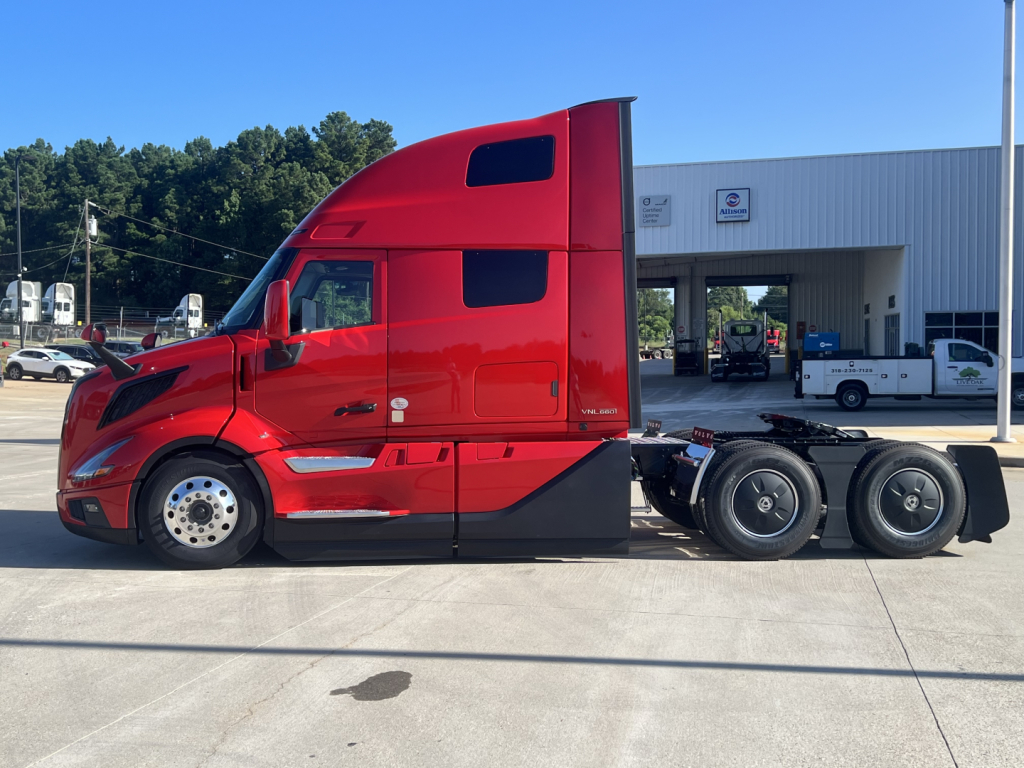
For linehaul use, the VNL platform is known for a quiet cab, strong visibility, and a modern safety package that often includes collision mitigation, lane support features, and integrated telematics. Buyers typically focus on sleeper size, roof profile, fuel capacity, wheelbase, and powertrain pairing. Volvo's D13 engine and I-Shift automated manual transmission are common specs because they deliver predictable fuel economy, easy driver onboarding, and strong performance in mixed terrain. A 6x4 tandem axle setup is the standard for most over-the-road freight, but the exact ratio, fifth wheel position, and tank layout should be matched to trailer type, payload, and average route profile. In Louisiana, that often means considering heat, idle reduction needs, and driver comfort features such as a parking cooler or optimized HVAC performance.
For construction, municipal, and other vocational work, the VHD deserves a different kind of evaluation. Look closely at front axle capacity, rear axle ratings, suspension type, frame section, brake spec, and body-builder readiness. Heavy-spec examples may carry 14,000-plus lb steer axles, 46,000 lb rears, full lockers, and air ride or vocational suspension depending on how the truck will be used. Dump applications often call for PTO setup, favorable bridge spacing, and durable components that can stand up to jobsite loads and off-pavement use. Disc brakes, transmission calibration, and axle gearing can also have a direct impact on uptime and driver control in stop-and-go or uneven terrain.
Volvo trucks also stand out for cab ergonomics and serviceability, which matter just as much as published horsepower. A buyer comparing new 2026 models should review GCWR targets, intended trailer or body configuration, expected annual miles, and maintenance access before narrowing down a spec. For a sleeper tractor, the right truck is the one that balances fuel economy, driver retention, and payload flexibility. For a VHD, the right truck is the one with the right axle, frame, and drivetrain package for the work cycle. That is the difference between buying a truck that looks right on paper and buying one that performs profitably in Louisiana conditions.
Frequently Asked Questions about New 2026 Volvo Trucks in Louisiana
What is the difference between a Volvo VNL and a Volvo VHD?
The Volvo VNL is primarily a highway tractor designed for regional and long-haul freight, with an emphasis on aerodynamics, cab comfort, fuel economy, and driver-assist technology. The Volvo VHD is a vocational platform built for heavier-duty applications such as dump, construction, municipal, and severe-service tractor work. Buyers usually choose a VNL based on sleeper layout, wheelbase, and fuel economy, while VHD buyers focus more on axle ratings, frame strength, suspension, PTO capability, and body-builder compatibility.
Is the Volvo I-Shift transmission a good choice for new Volvo trucks?
Yes. The I-Shift automated manual transmission is one of the most common and most practical specs in new Volvo trucks because it improves shift consistency, helps reduce driver fatigue, and simplifies driver recruitment compared with a traditional manual. It also pairs well with Volvo engine calibrations for fuel economy and grade performance. In vocational applications, buyers should confirm the exact I-Shift version, software programming, and PTO requirements to make sure the transmission matches the work cycle.
What specs matter most when buying a new Volvo truck in Louisiana?
In Louisiana, buyers should pay close attention to cooling performance, idle reduction options, corrosion exposure, and application-specific axle and suspension specs. For highway tractors, fuel tank size, sleeper comfort, HVAC performance, and a parking cooler can be especially important in hot weather. For vocational trucks, front axle capacity, rear axle ratio, brake type, frame spec, and body installation requirements usually have a bigger impact on long-term usability than cosmetic options.
What axle configuration is most common on new Volvo trucks?
A 6x4 tandem axle configuration is the most common setup for both highway and vocational Volvo trucks because it provides a strong balance of traction, payload support, and versatility. On a VNL, a 6x4 is typical for over-the-road freight and general tractor use. On a VHD, tandem rears are often paired with higher-capacity front axles and heavier suspension packages for dump, tractor, or severe-service work. The right axle rating still depends on payload, body type, bridge laws, and terrain.
Are new Volvo sleeper trucks a good fit for long-haul operations?
Yes. Volvo sleeper trucks are widely used in long-haul service because they combine an aerodynamic chassis, efficient powertrain options, and a cab designed around driver comfort and visibility. Buyers should compare sleeper height, bunk layout, storage, fuel capacity, wheelbase, and idle-management features to make sure the truck fits the route and the driver's time away from home. A well-matched sleeper spec can improve retention, reduce fatigue, and support better operating costs over the life of the truck.