
New 2026 Western Star Trucks For Sale
Shop new 2026 Western Star trucks, including 47X and 49X models built for vocational, dump, heavy haul, and day cab applications.
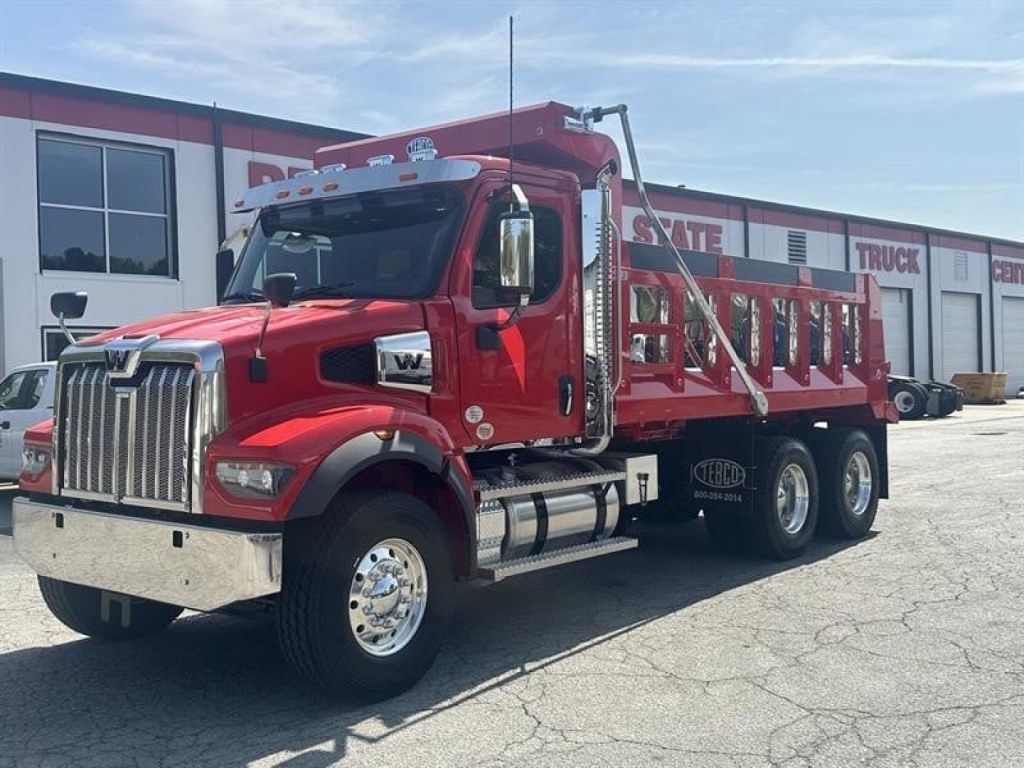
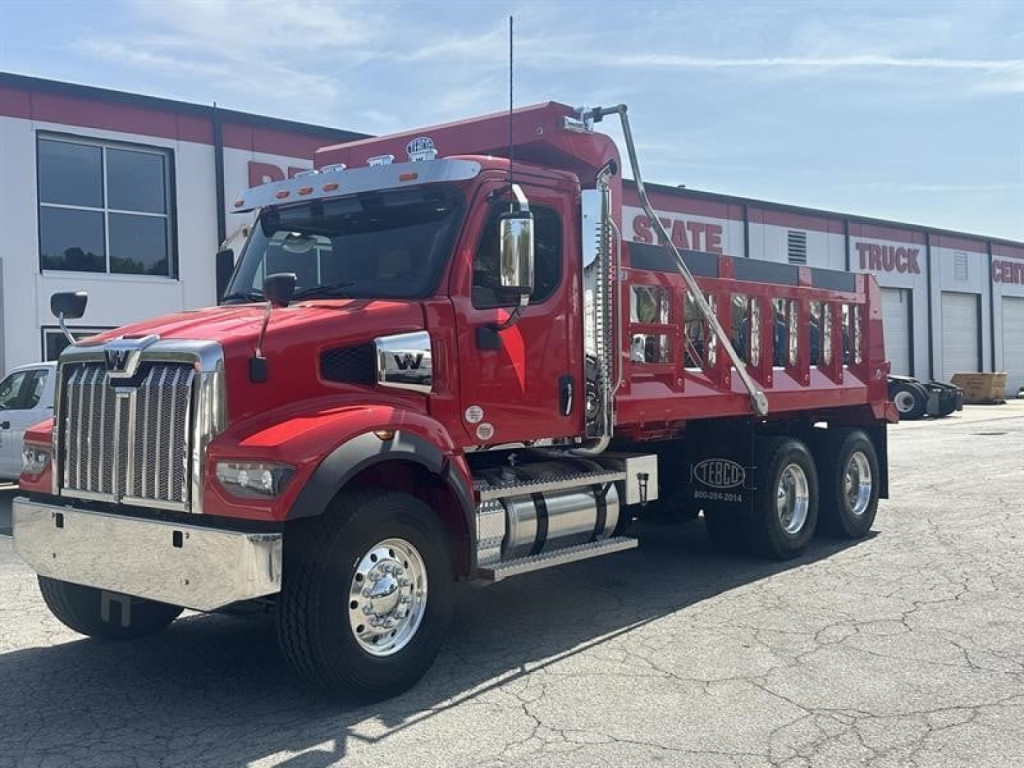
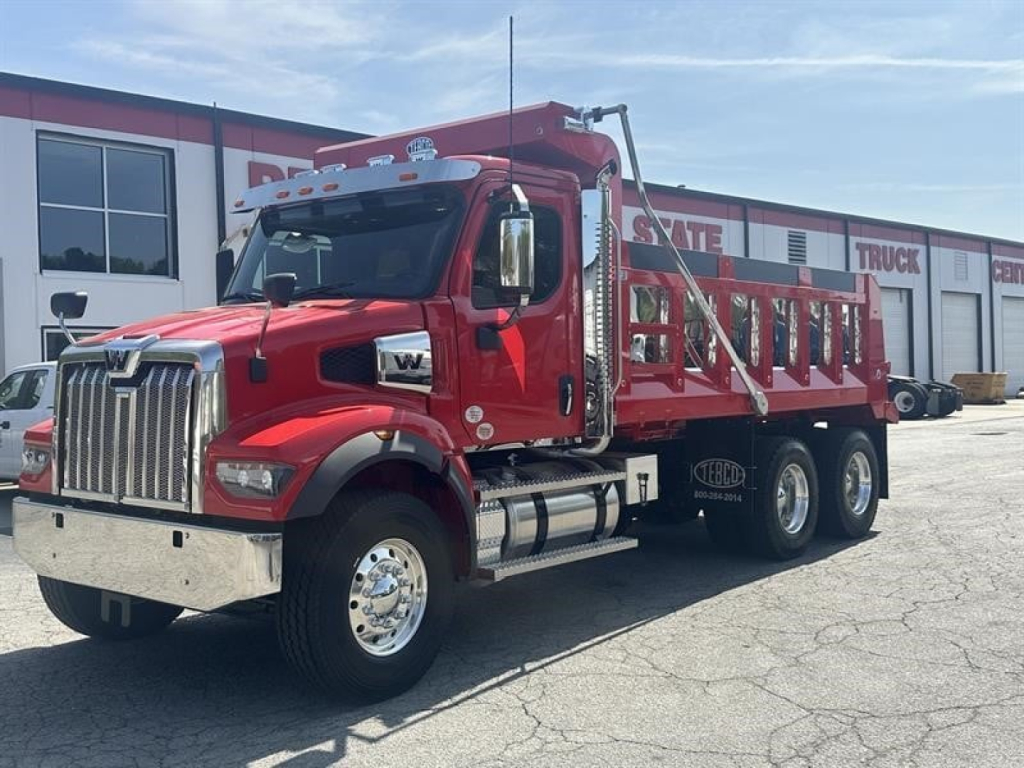
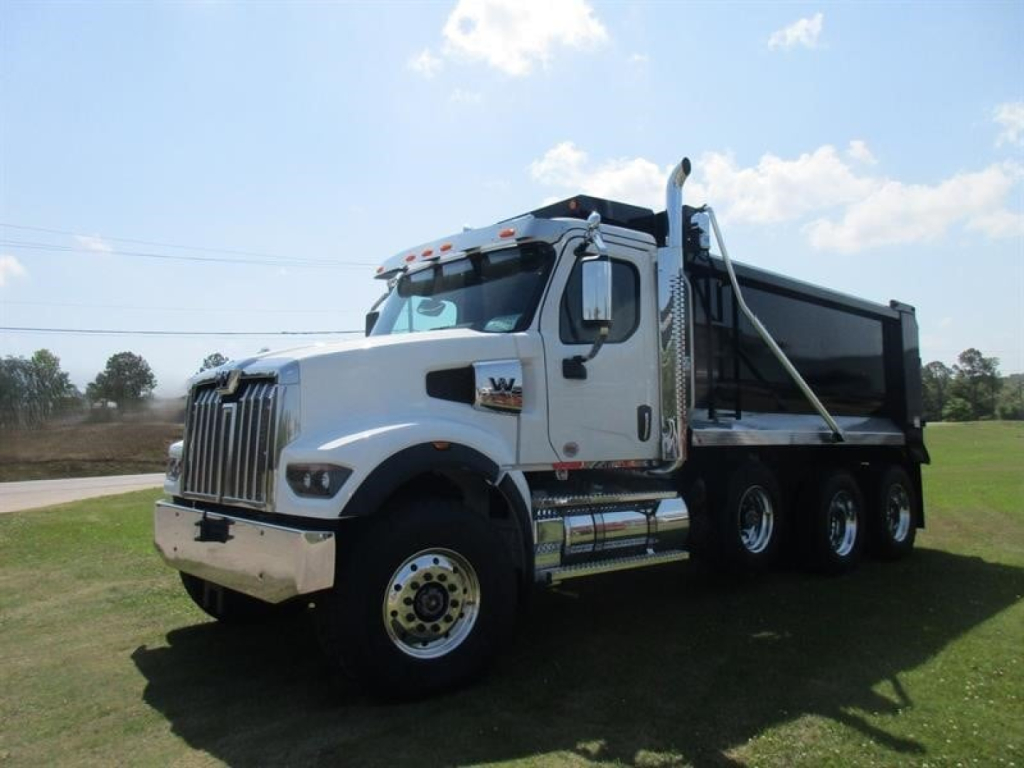
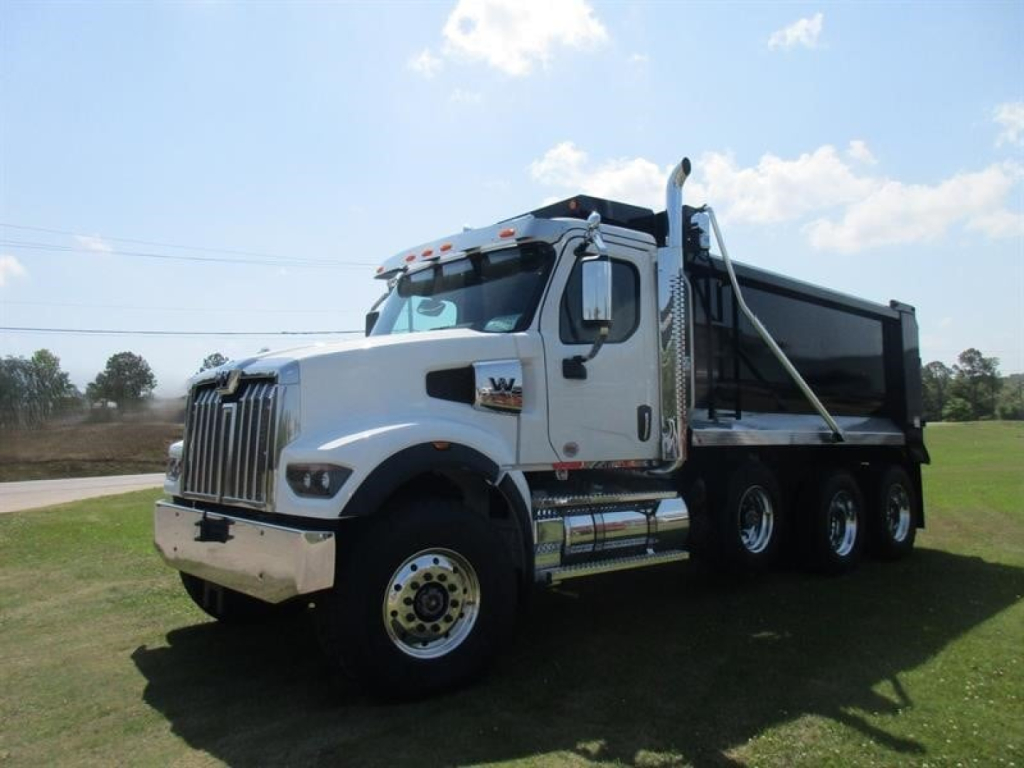
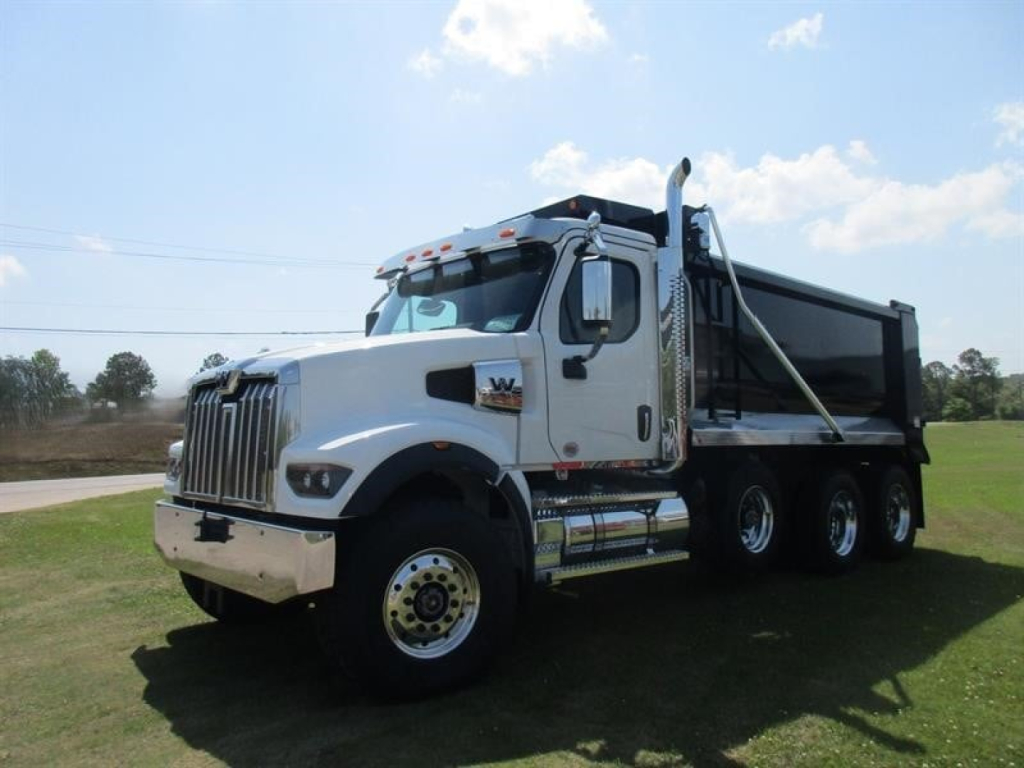
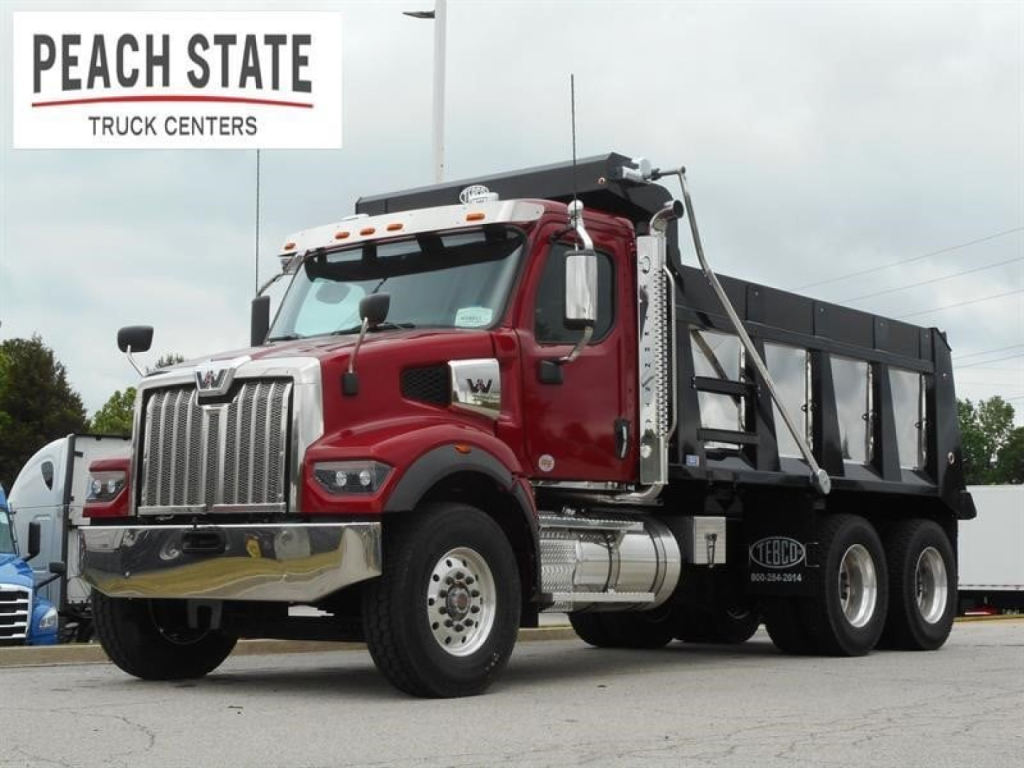
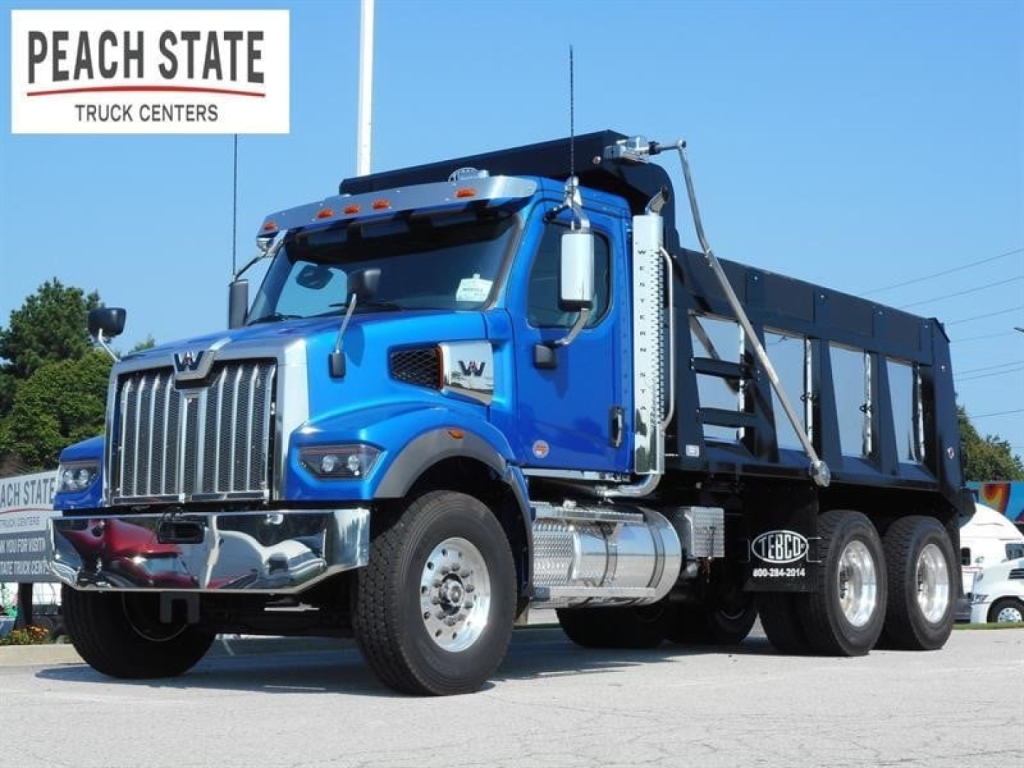
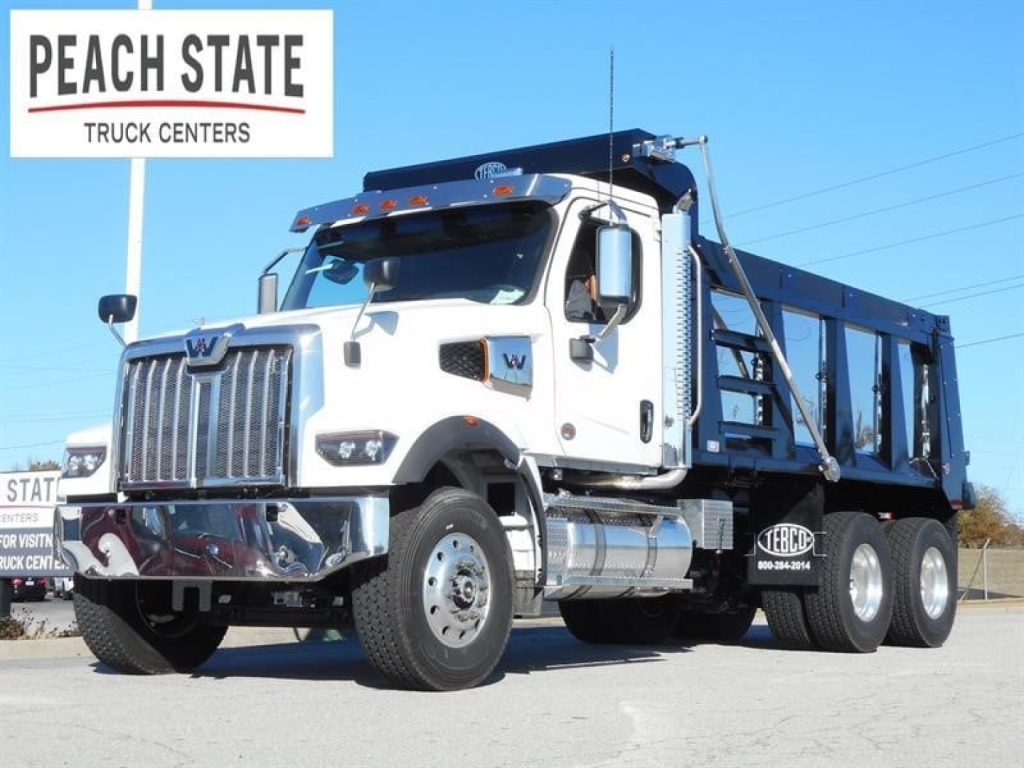
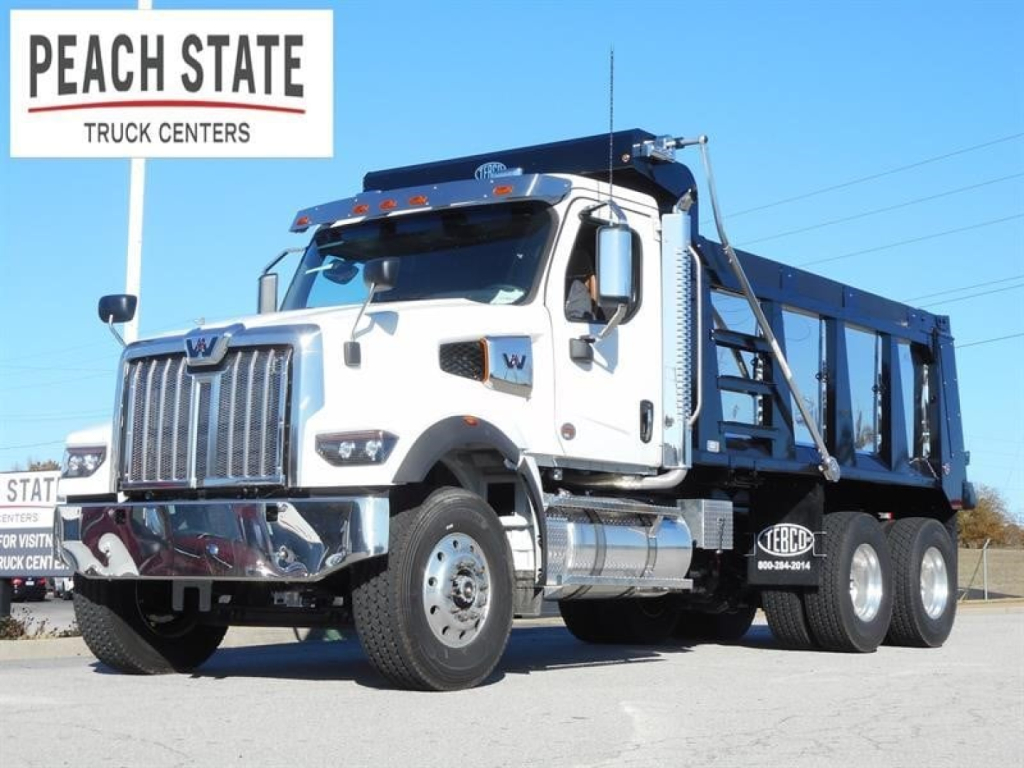
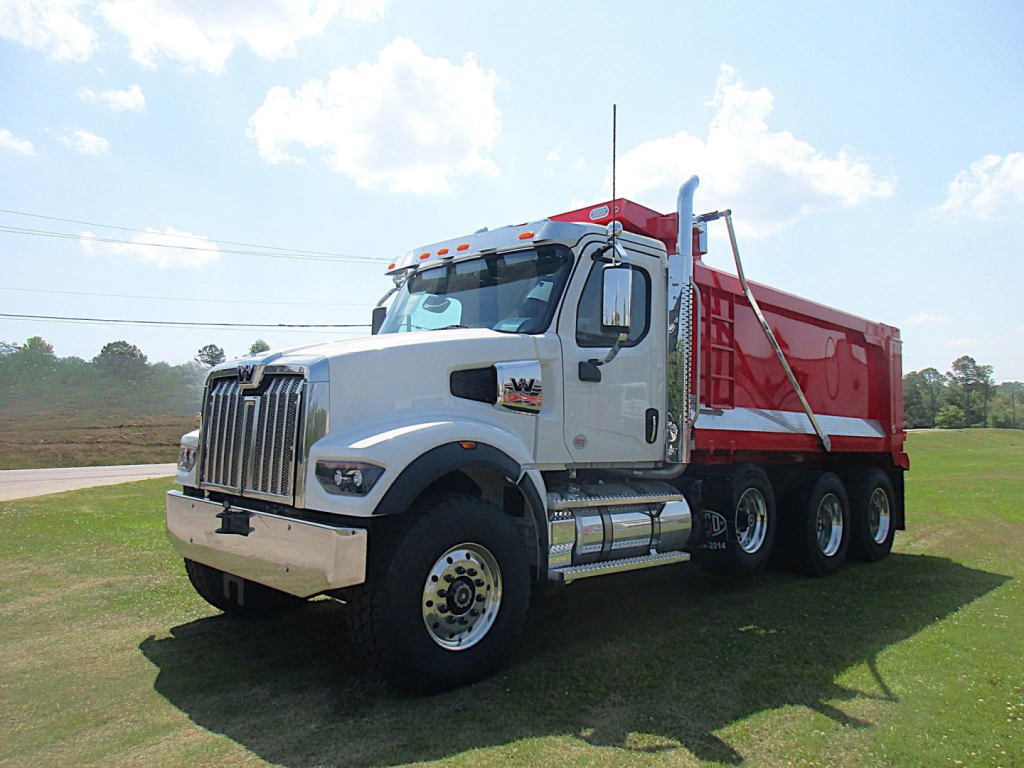
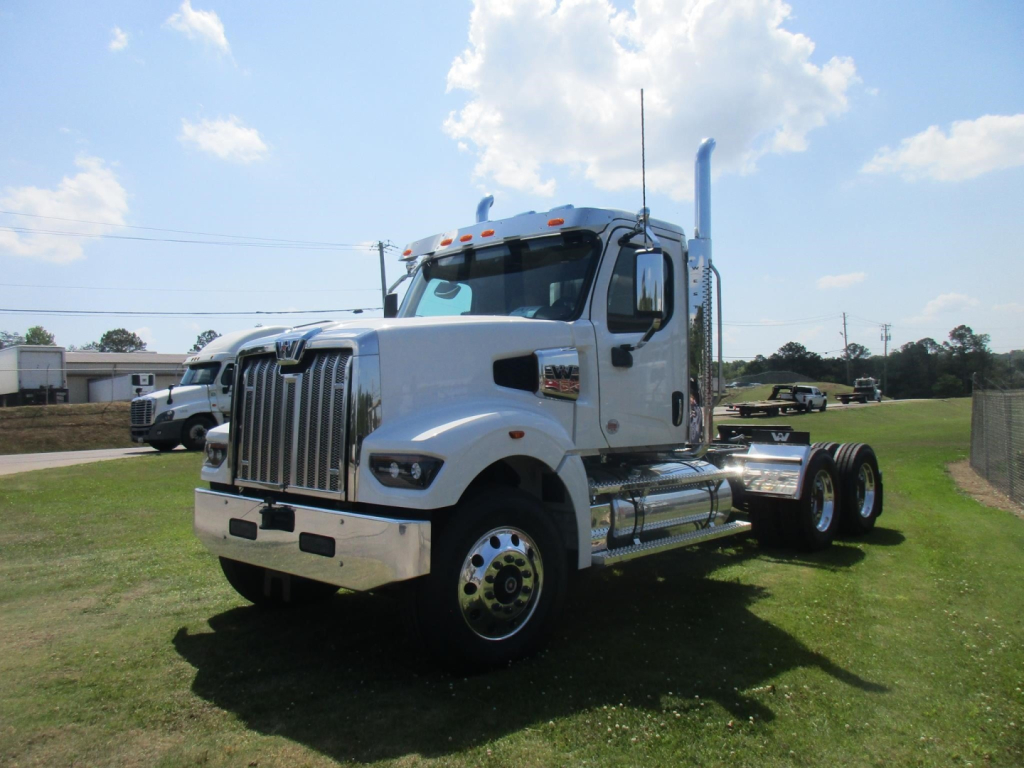
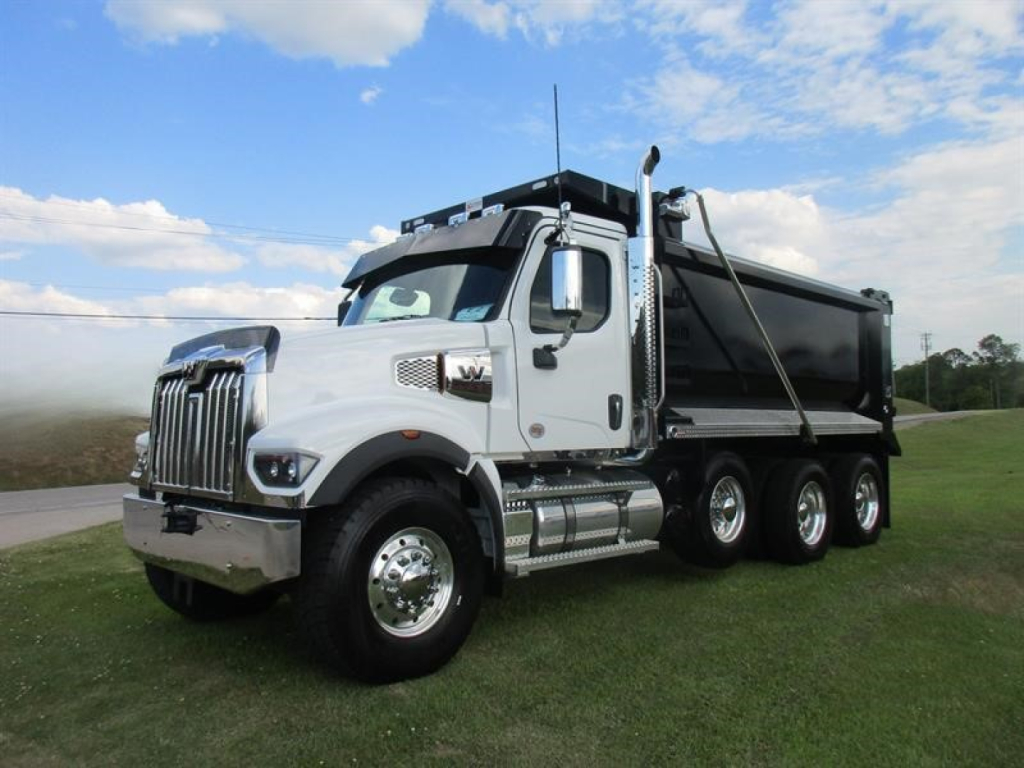
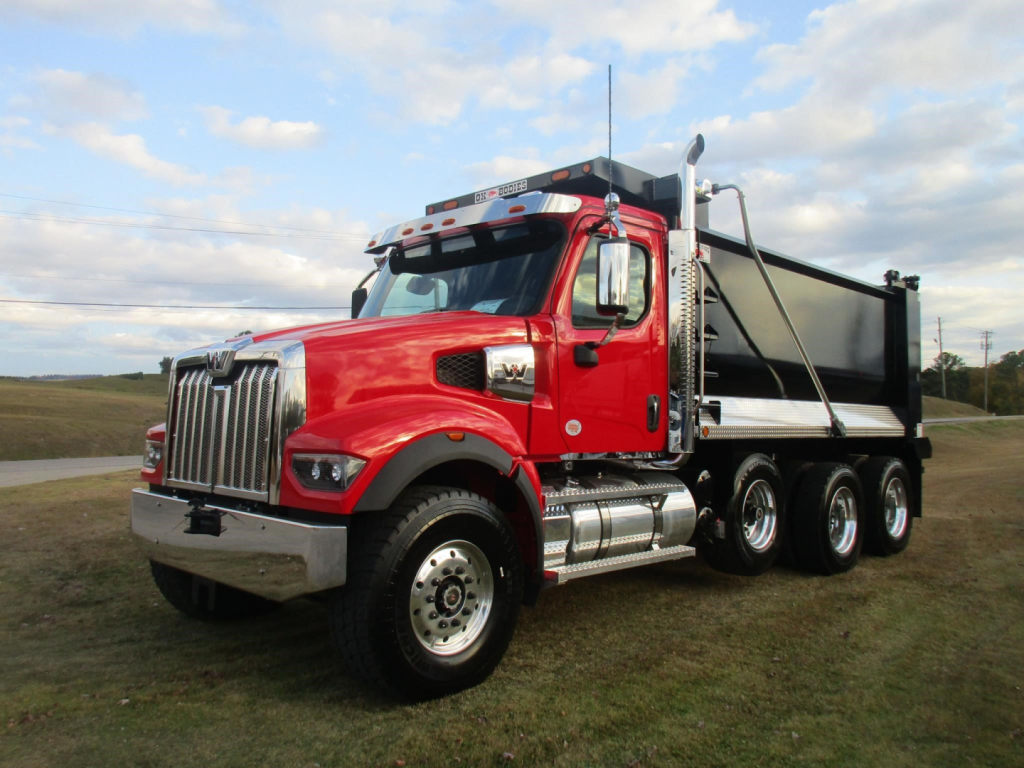
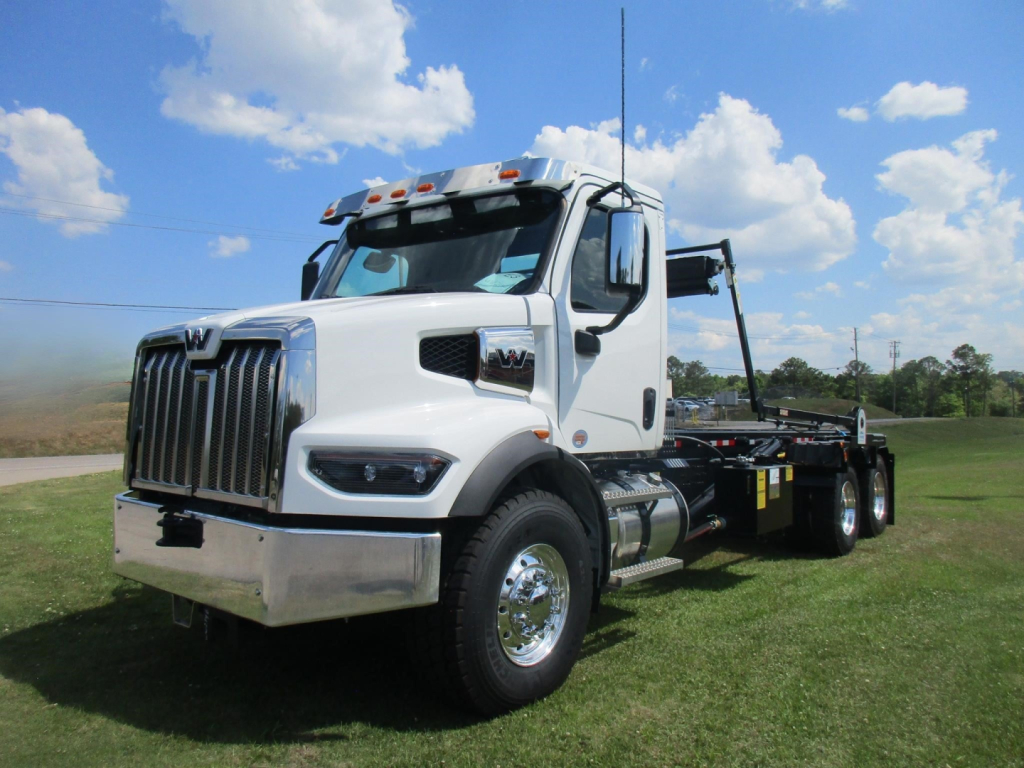
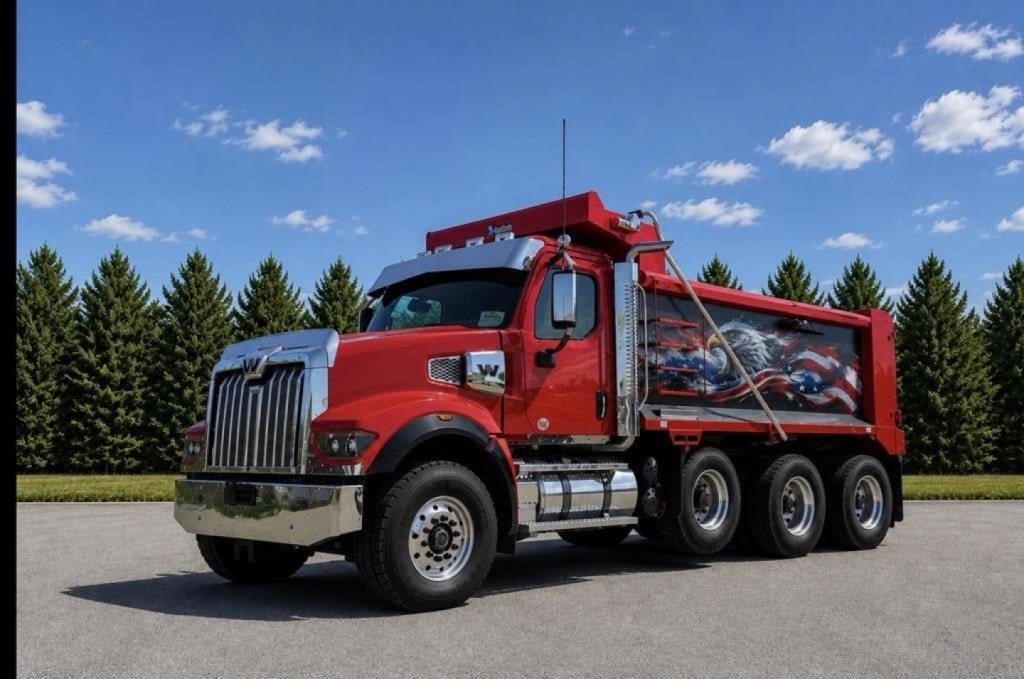
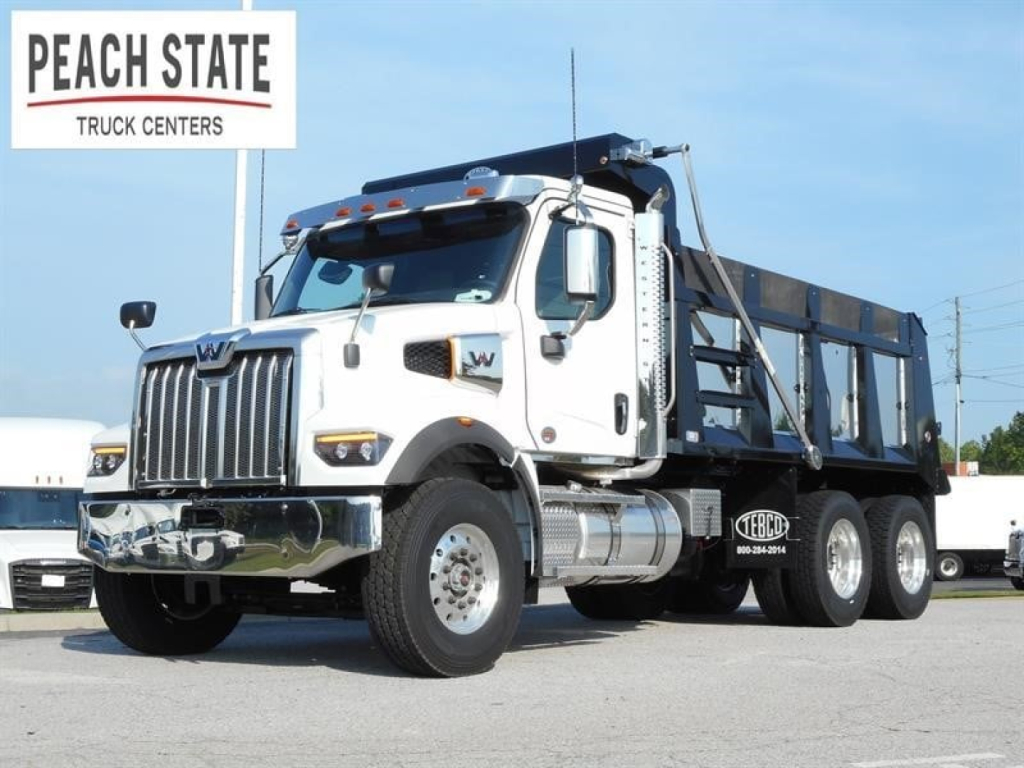
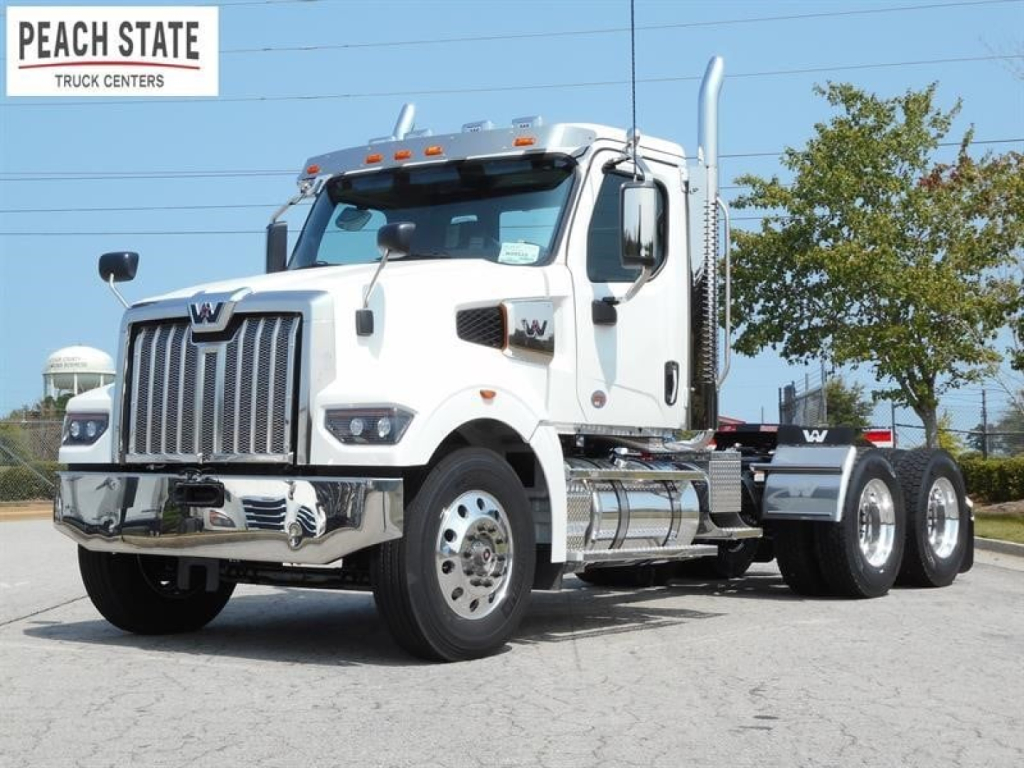
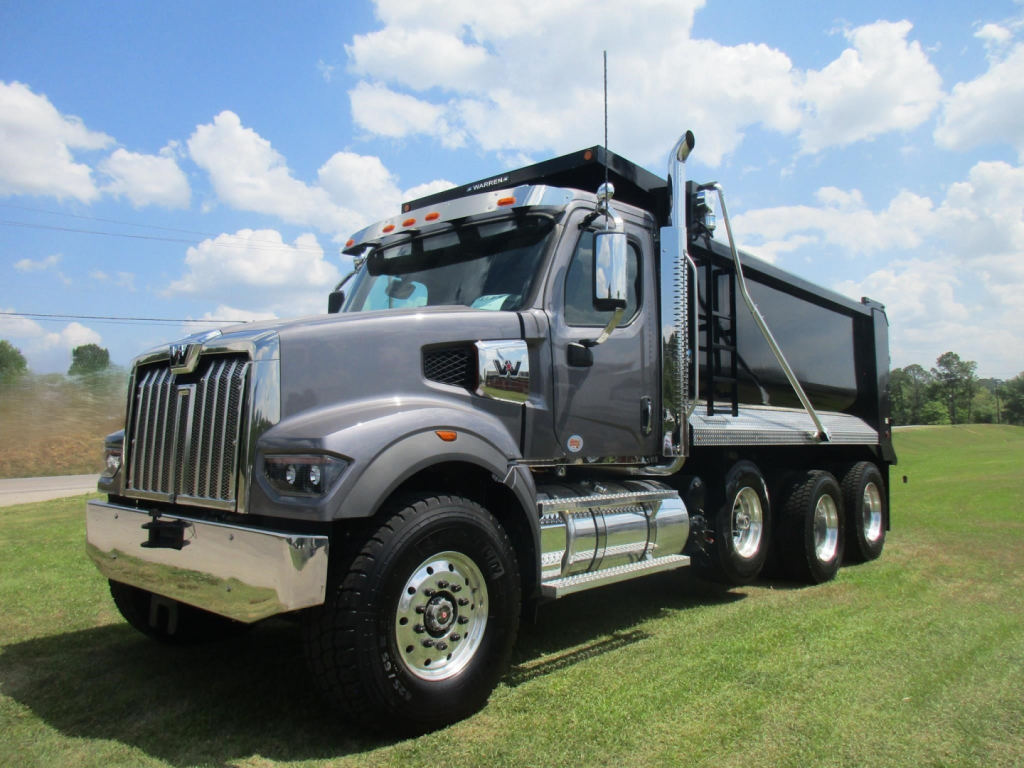
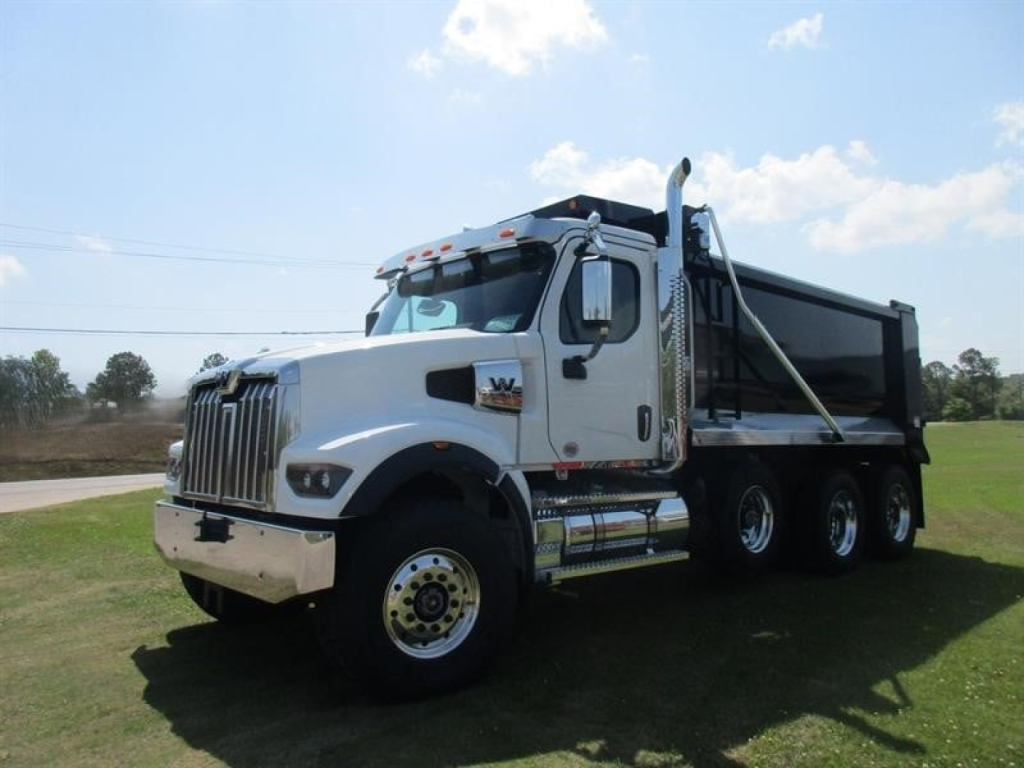
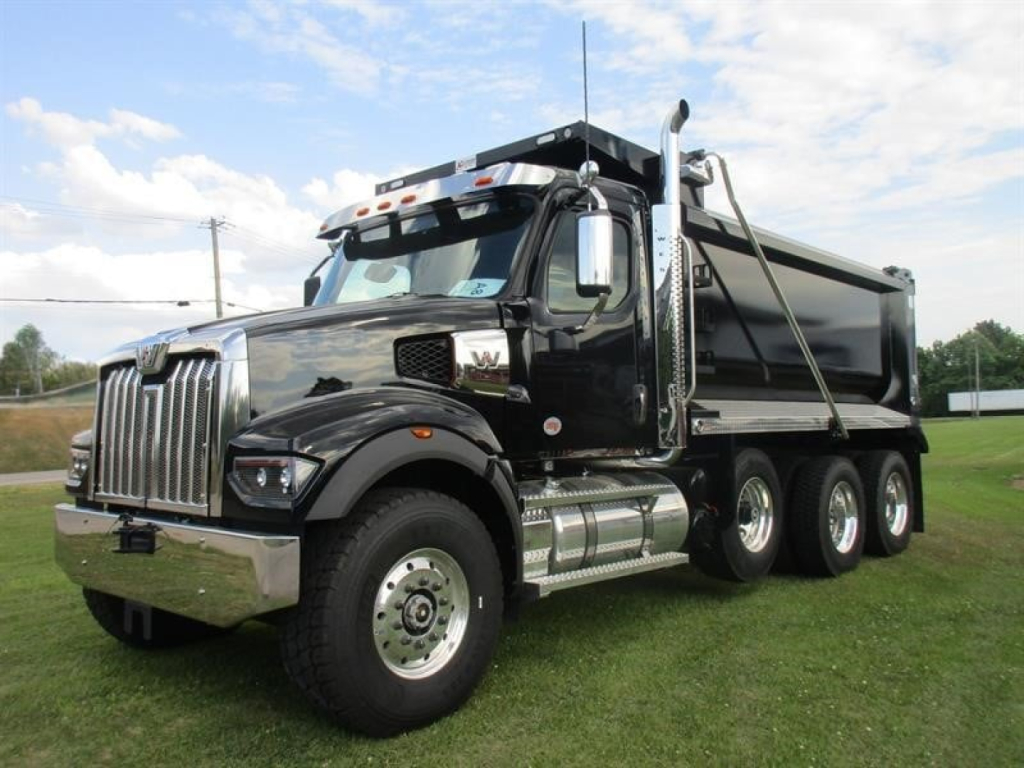
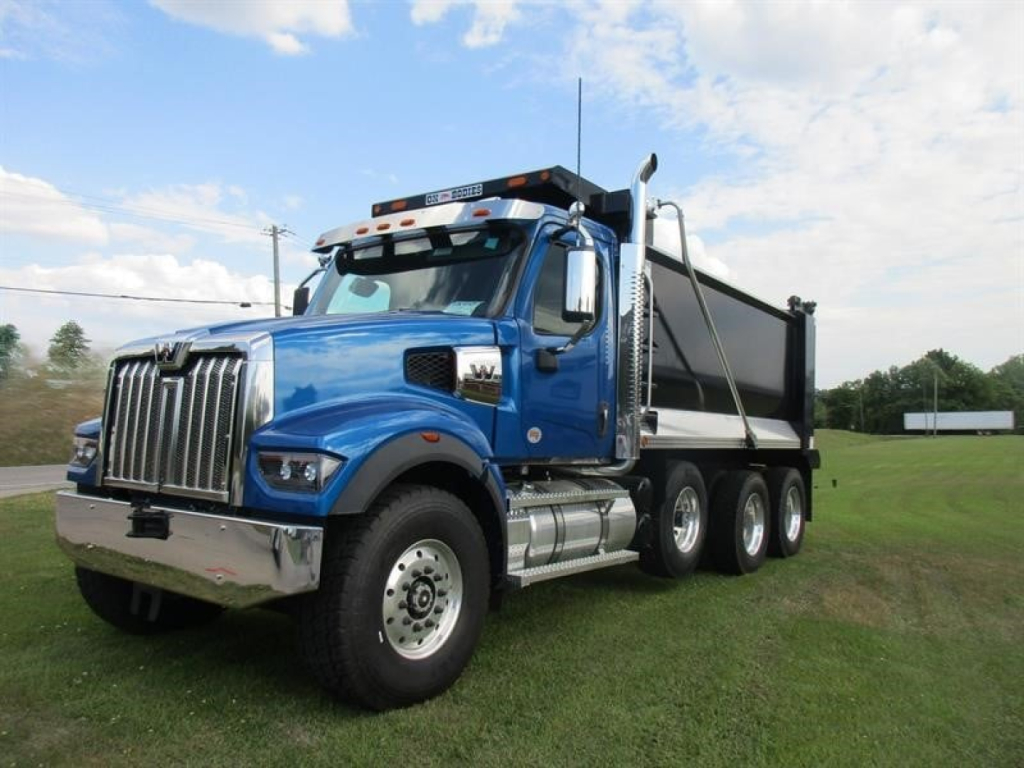
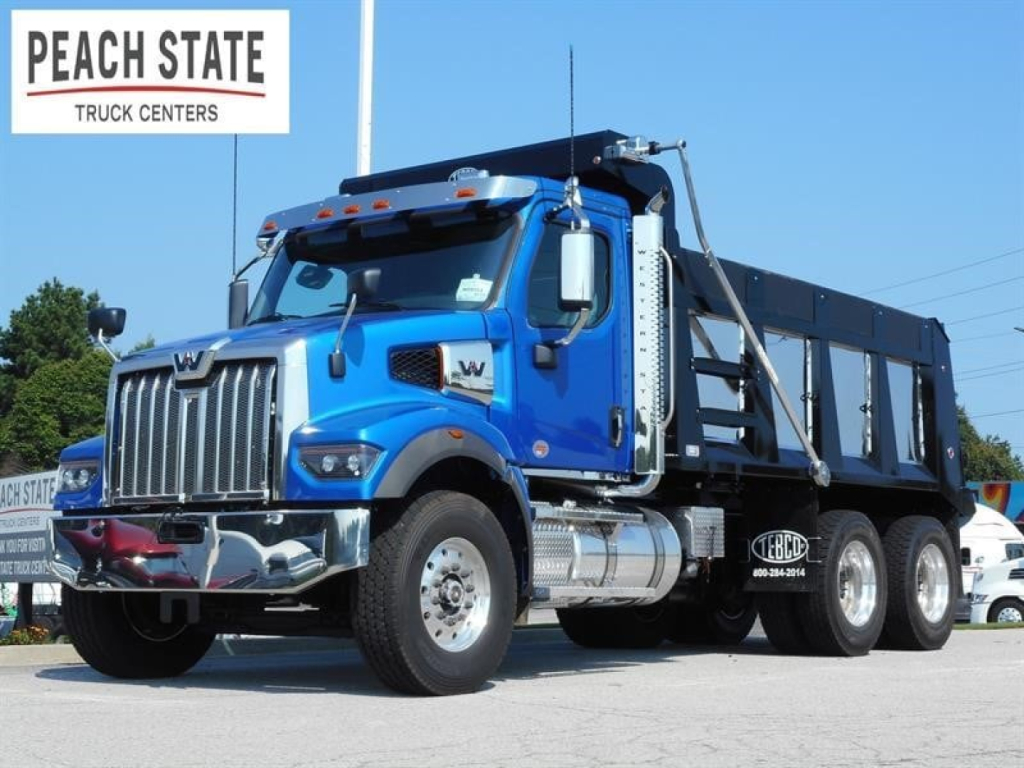
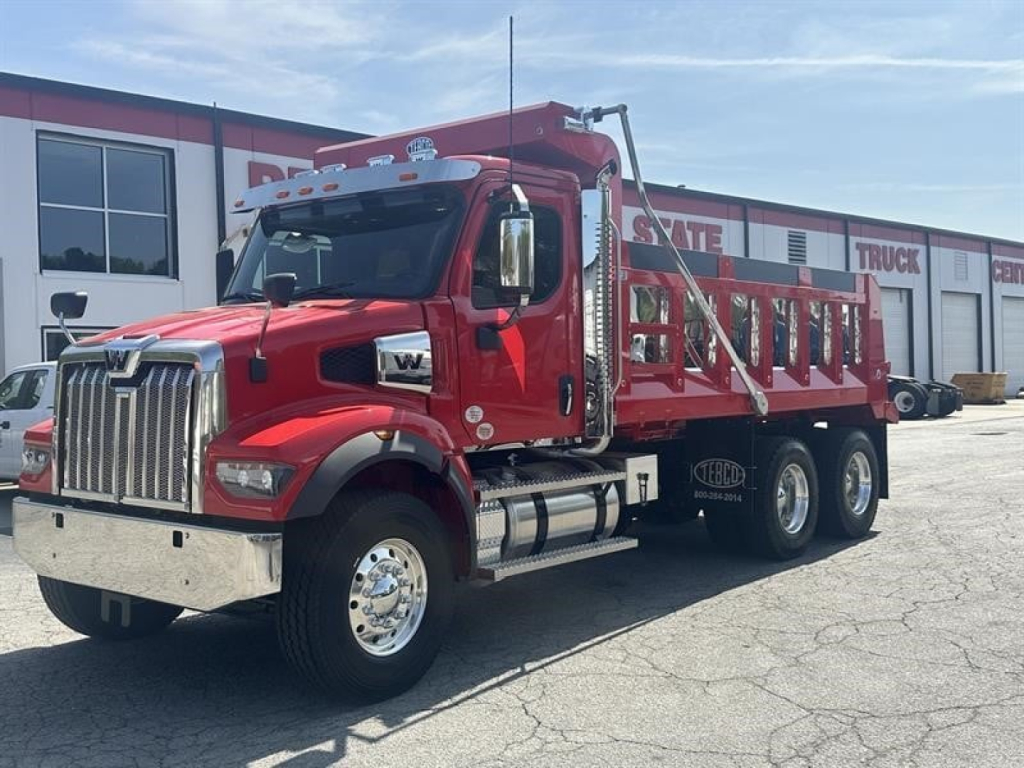
Showing 1 to 28 of 37 results
Selling a new 2026 western star truck? List your new 2026 western star truck for sale and reach thousands of commercial buyers.
New 2026 Western Star Trucks
For tractor applications, the 2026 Western Star 49X is commonly spec'd as a day cab with tandem or tri-axle configurations, often in 6x4 or 8x4 layouts. Engines in this class frequently include the Detroit DD15, Detroit DD16, and Cummins X15, generally in the 500 to 600 horsepower range depending on the job. Transmission choices typically include automated manuals such as the Detroit DT12 or Eaton Endurant, along with 18-speed manual options for specialized heavy haul work. A sliding fifth wheel, 214-inch to 261-inch wheelbase, aluminum wheels, and 40,000-pound rears are common details to review on highway and lowboy tractor specs. If the truck will pull construction equipment, run a lowboy, or carry a high-GCWR assignment, pay close attention to front axle rating, rear suspension, PTO compatibility, and frame reinforcement.
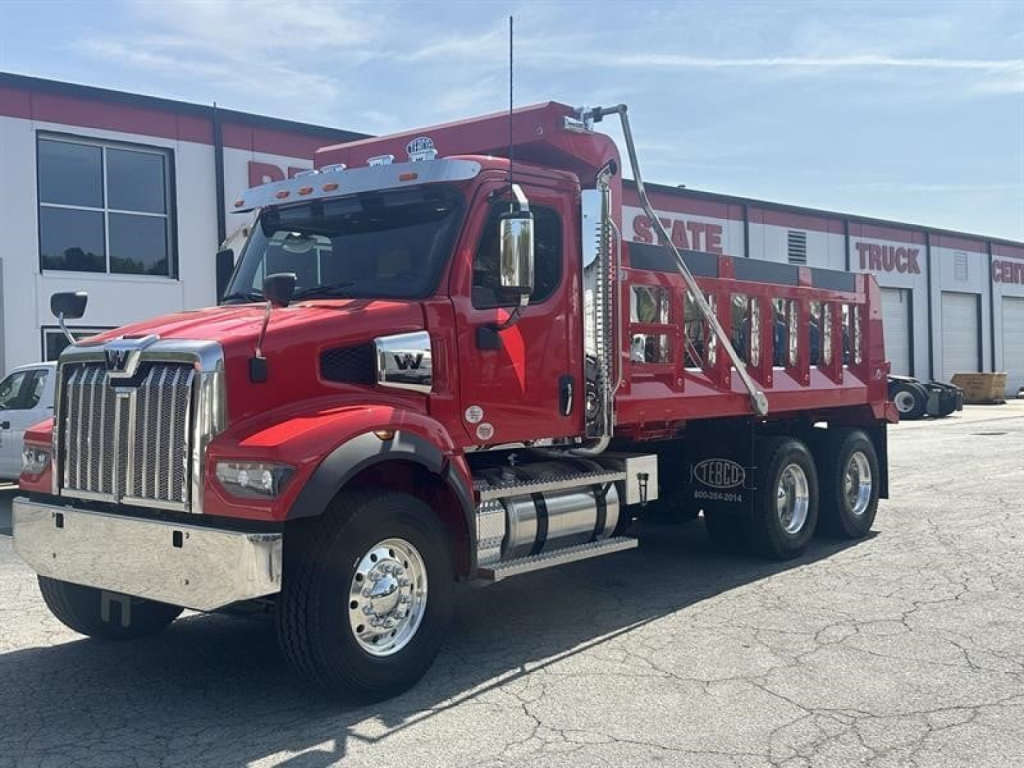
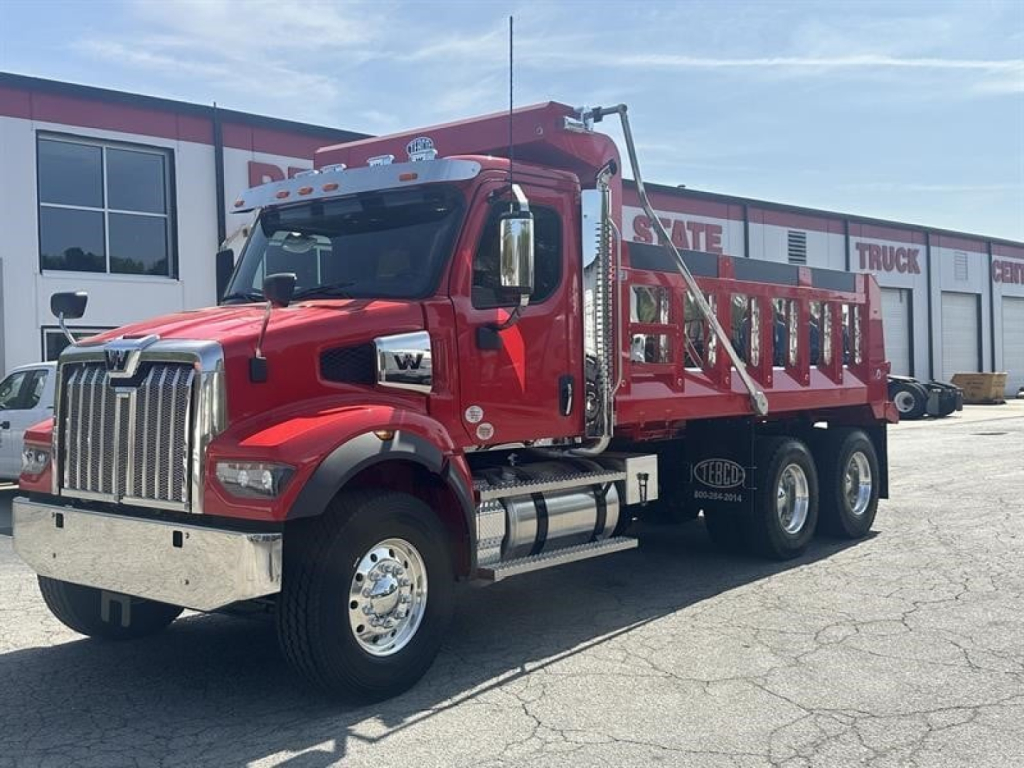
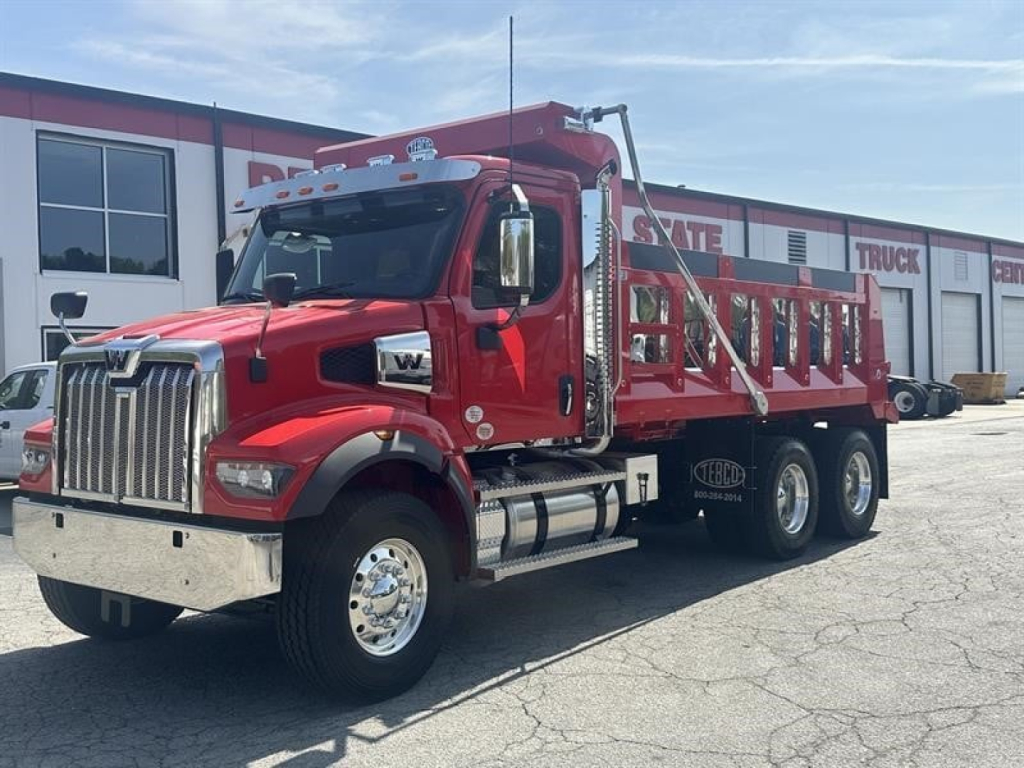
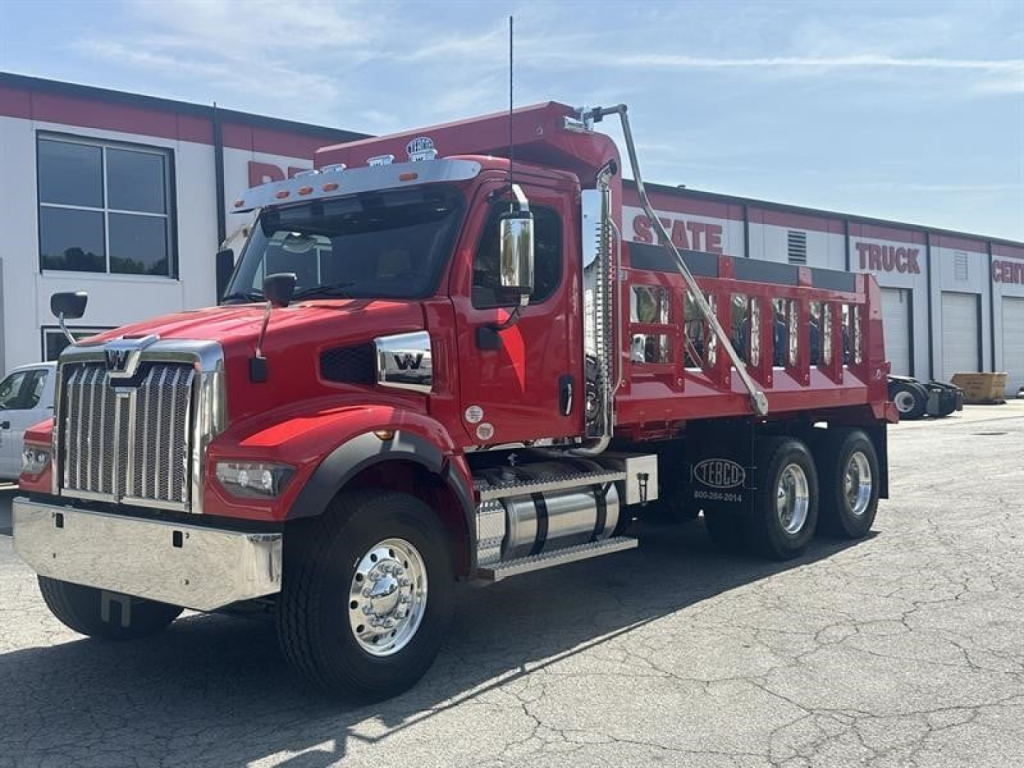
For vocational truck buyers, new 2026 Western Star 47X and 49X dump truck configurations are designed around payload, body integration, and jobsite durability. Typical specs include spring suspension, set-forward or vocational front axle configurations, heavy front axle ratings around 20,000 pounds, rear ratings up to 46,000 pounds, and steel dump bodies in end-dump setups. Engine options such as the DD13 or Cummins X15 in the 500-horsepower range are common, while transmissions may be spec'd with an Allison automatic for stop-and-go work or an AMT for a balance of efficiency and control. On dump applications, body make, hoist package, frame spec, and bridge-law compliance matter as much as horsepower. Buyers should also confirm tire size, pusher or lift axle needs, and whether the truck is set up for local aggregate, asphalt, demolition, or municipal work.
A new Western Star also appeals to fleets looking for updated driver-assist features and a more refined cab without giving up severe-service capability. Many 2026 trucks in this class include collision mitigation systems, modern cab layouts, and strong factory integration for vocational equipment. The Western Star name is closely associated with premium vocational and heavy-duty trucks, and that reputation shows up most clearly when the spec is matched to the work. A regional day cab should be evaluated for powertrain efficiency, ride quality, and fifth wheel position. A dump or heavy tractor should be evaluated for axle capacity, transmission logic, frame strength, and body or trailer compatibility. The right 2026 Western Star truck is less about the badge alone and more about how the chassis was ordered for the job.
Frequently Asked Questions about New 2026 Western Star Trucks
What are the main differences between the 2026 Western Star 47X and 49X?
The Western Star 47X is generally positioned as a lighter vocational platform, while the 49X is more common in severe-service, heavy haul, and high-capacity vocational or tractor applications. In practical terms, buyers often see the 47X in dump and regional vocational roles with strong maneuverability and lower curb weight, while the 49X is frequently spec'd for heavier front axles, tri-axle setups, larger engines, and more demanding trailer or body applications. The actual difference depends on how the chassis is spec'd, so axle ratings, wheelbase, frame, and suspension should be compared before the model badge.
Which engine is better in a new 2026 Western Star truck: Detroit or Cummins?
Both are strong choices, and the better option depends on the application and service network preference. Detroit DD13, DD15, and DD16 engines are common in Western Star trucks and are often chosen for integration with DT12 automated transmissions, fuel efficiency, and fleet standardization. Cummins X15 engines remain popular for vocational, heavy haul, and mixed-duty applications because of broad service support, strong torque ratings, and familiarity across owner-operators and municipal fleets. Buyers should compare horsepower, torque curve, transmission pairing, maintenance support, and intended duty cycle rather than choosing strictly by brand.
Is an AMT, manual, or automatic transmission best for a 2026 Western Star?
For linehaul, regional, and many vocational applications, an AMT is often the most balanced choice because it reduces driver fatigue and can improve consistency across a fleet. A manual transmission still has appeal in specialized heavy haul work where drivers want maximum control over gearing and low-speed maneuvering. A full automatic such as an Allison is especially popular in dump, refuse, and stop-and-go construction work because it performs well in frequent starts, jobsite movement, and PTO-driven vocational use. The right transmission depends on terrain, driver pool, body equipment, and how often the truck operates off-road or under load.
What should I check first on a new Western Star dump truck listing?
Start with axle ratings, suspension type, body material, and dump configuration. A dump truck's value is driven by how well the chassis, body, and hoist are matched for the intended payload and road conditions. Front axle capacity, rear axle capacity, spring versus air suspension, wheelbase, and body manufacturer are core details. After that, confirm engine horsepower, transmission type, body length, and whether the truck includes features needed for local regulations such as lift axles or bridge-compliant spacing. These specs determine payload, durability, and legal operating flexibility.
Why do wheelbase and fifth wheel settings matter on a 2026 Western Star day cab?
Wheelbase and fifth wheel position directly affect trailer clearance, axle loading, turning radius, and ride quality. A shorter wheelbase can improve maneuverability in urban or yard environments, while a longer wheelbase may be better suited to heavy trailer applications, bridge law requirements, or specific body installations. On a day cab tractor, a sliding fifth wheel adds flexibility for different trailer lengths and kingpin settings. Buyers should make sure the truck's wheelbase and fifth wheel setup match the trailers and routes it will actually handle, especially in lowboy, flatbed, tanker, or regional van service.