
Conventional Sleeper Trucks For Sale
Shop conventional sleeper trucks built for long-haul freight, with high-roof cabs, tandem axles, diesel power, and driver comfort features.
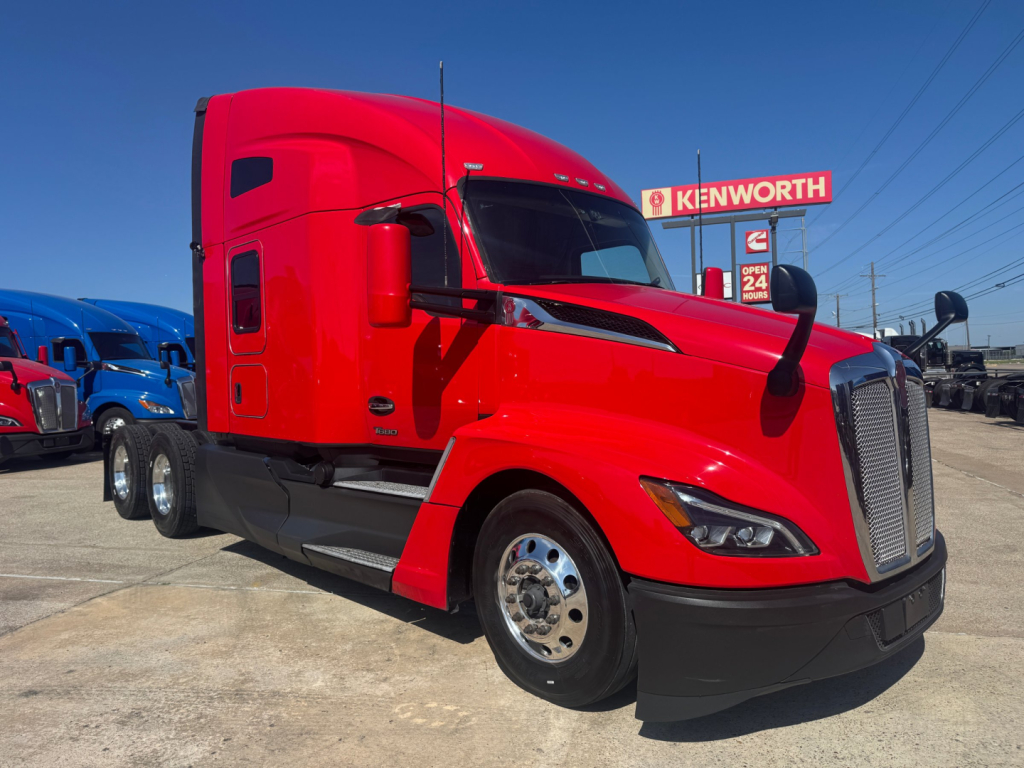
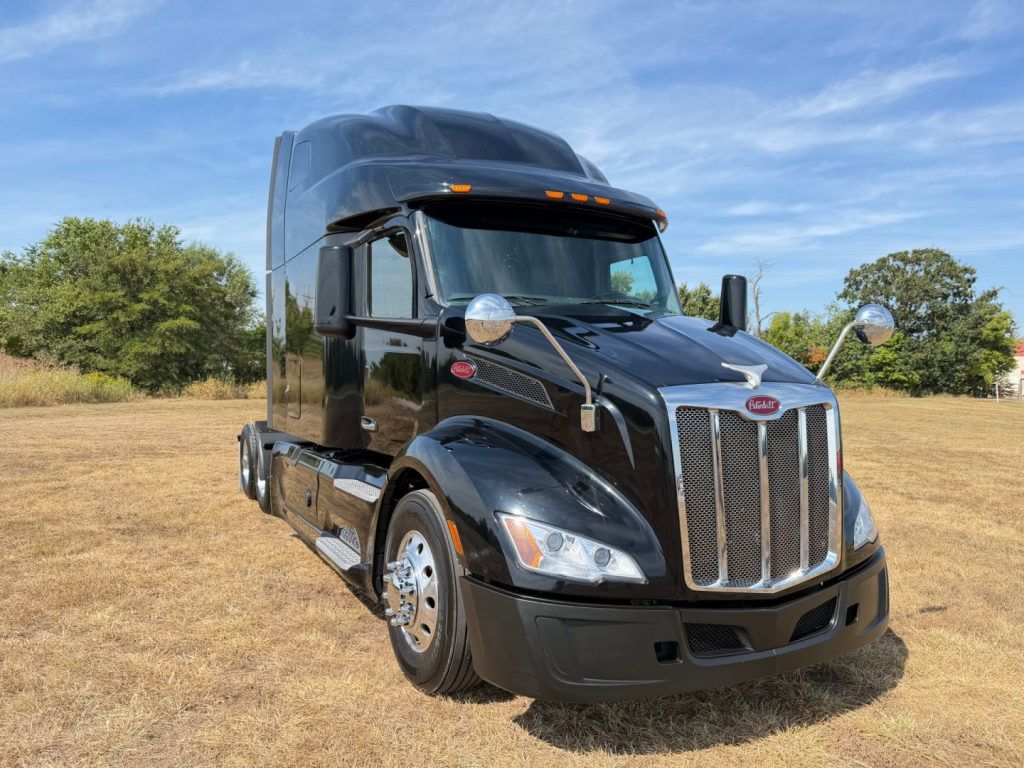
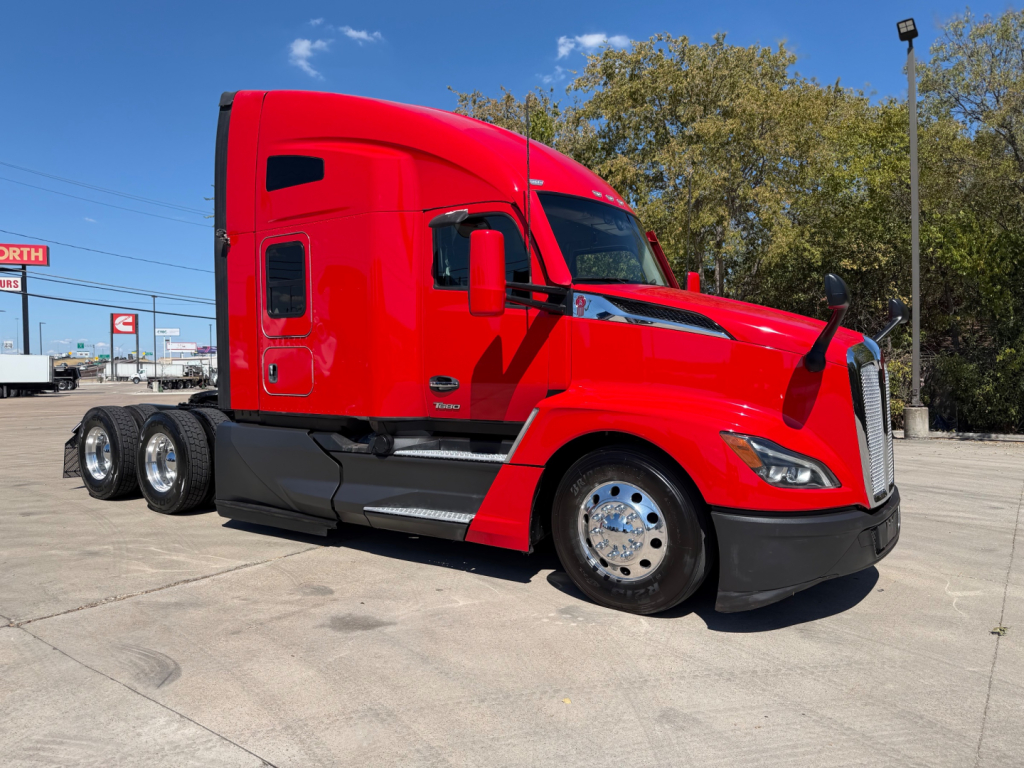
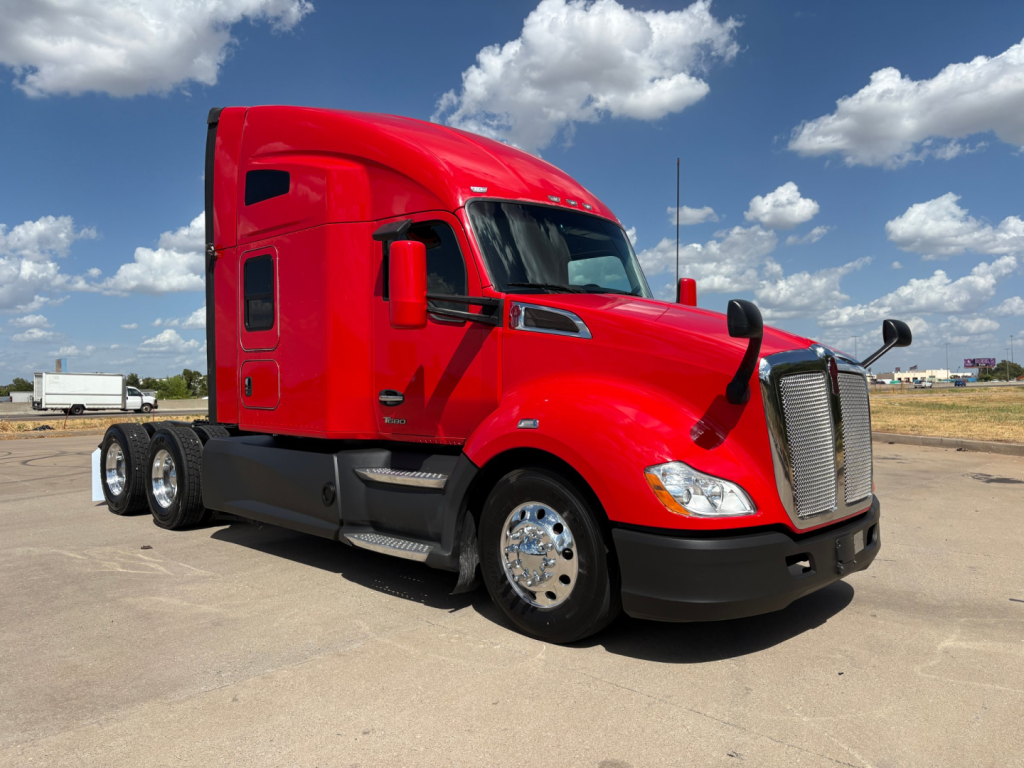
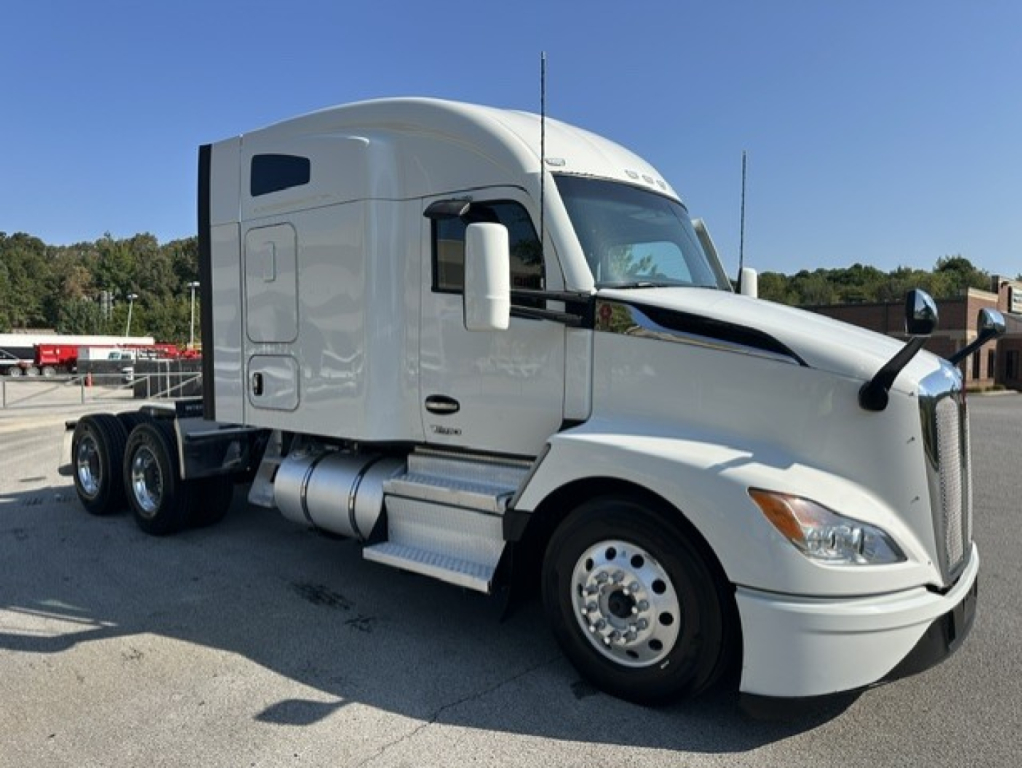
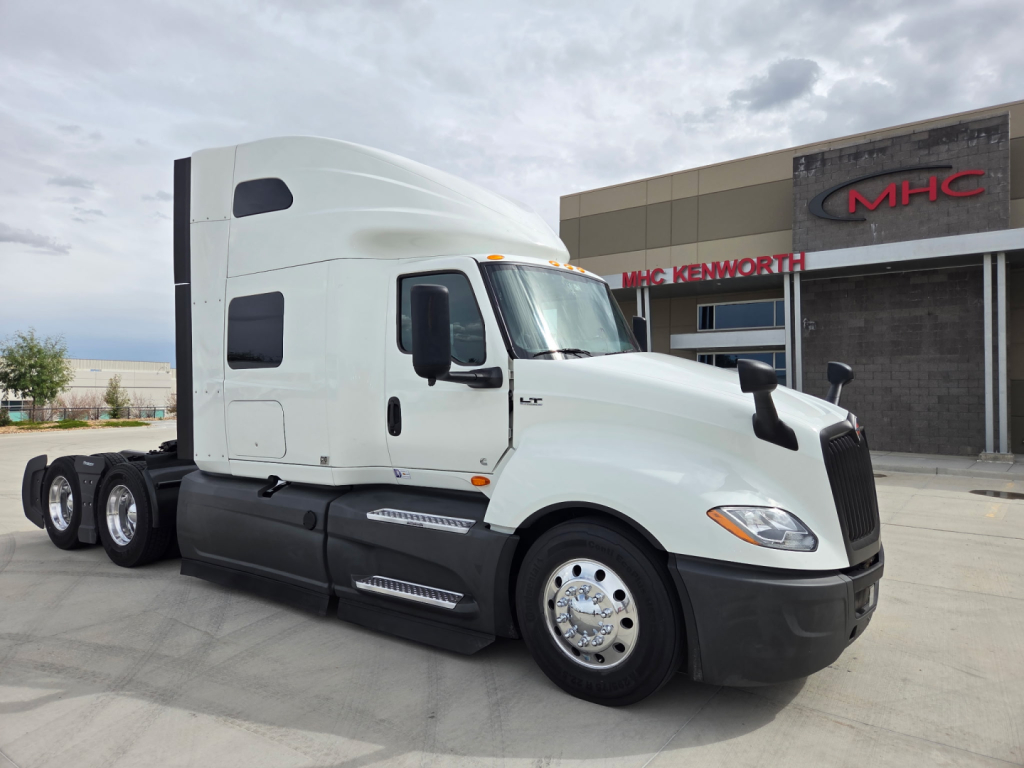
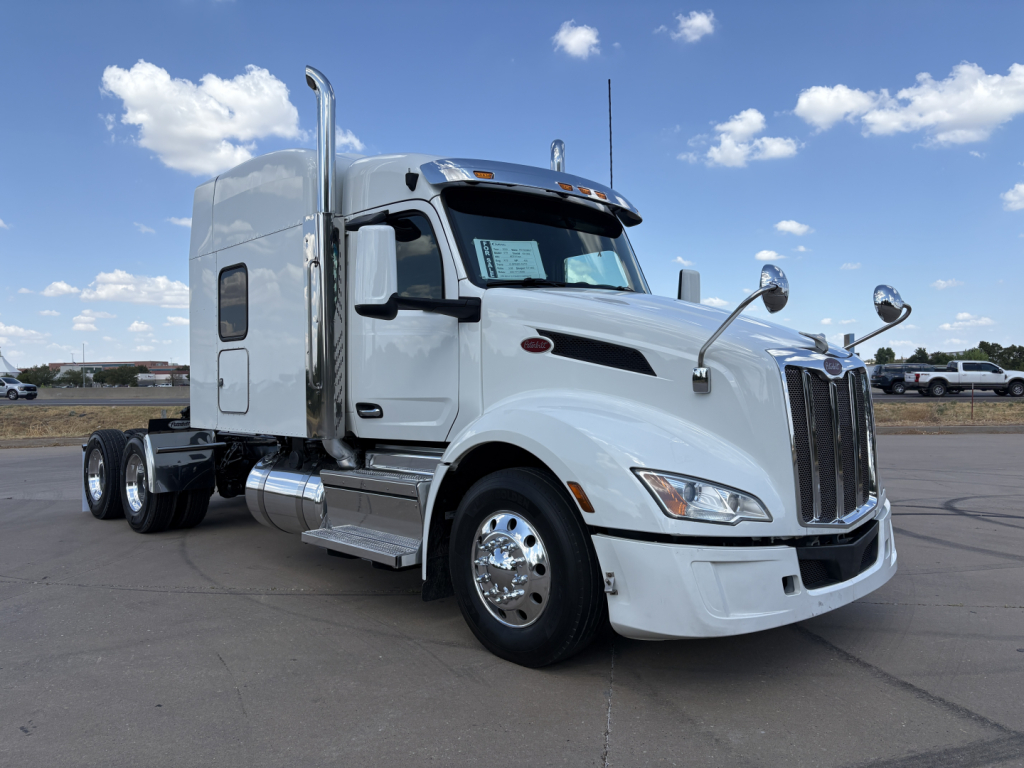
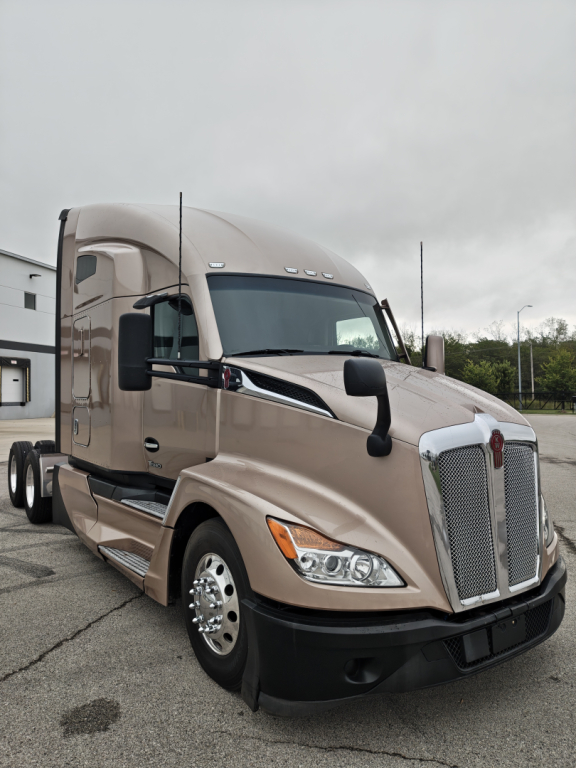
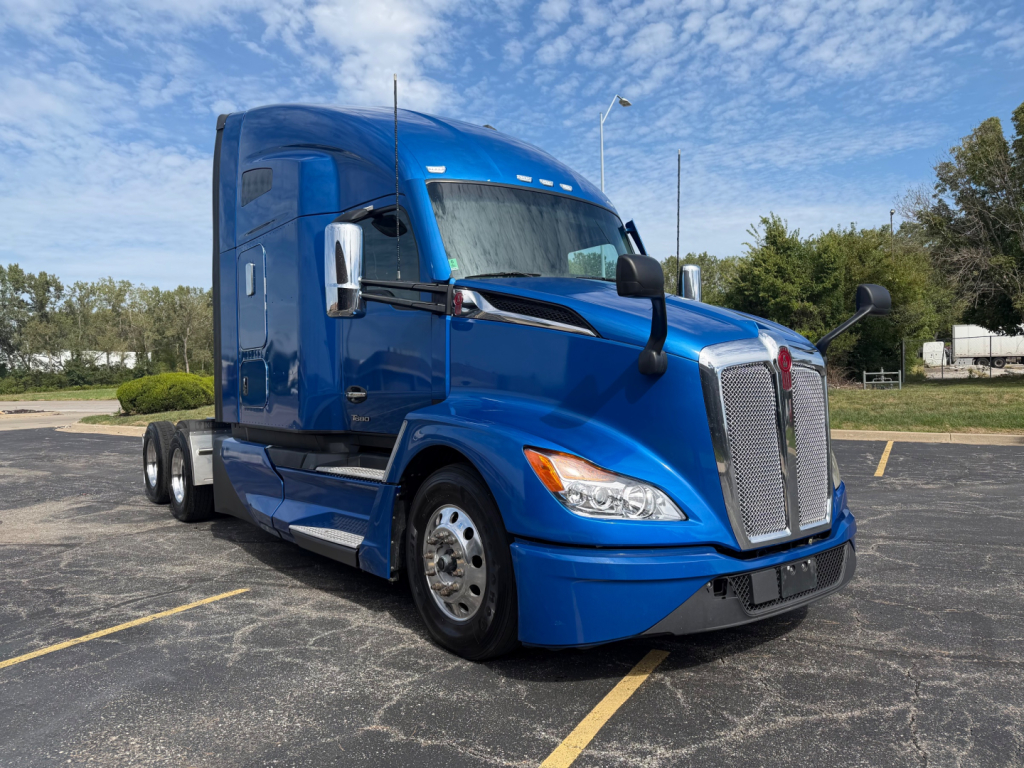
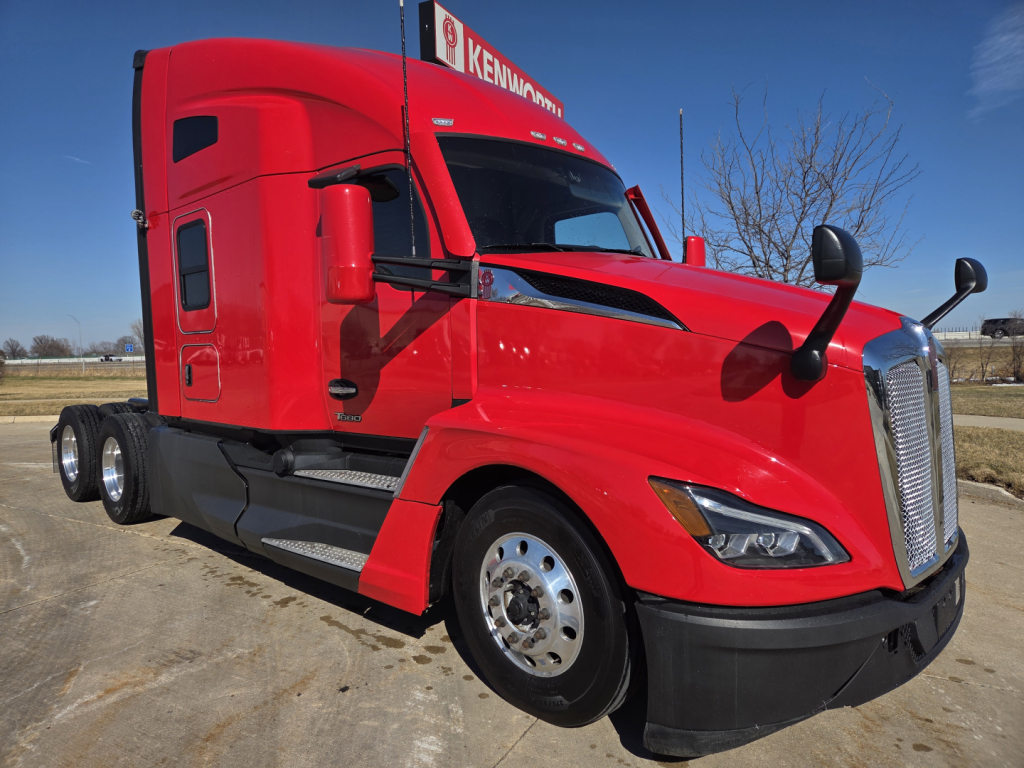
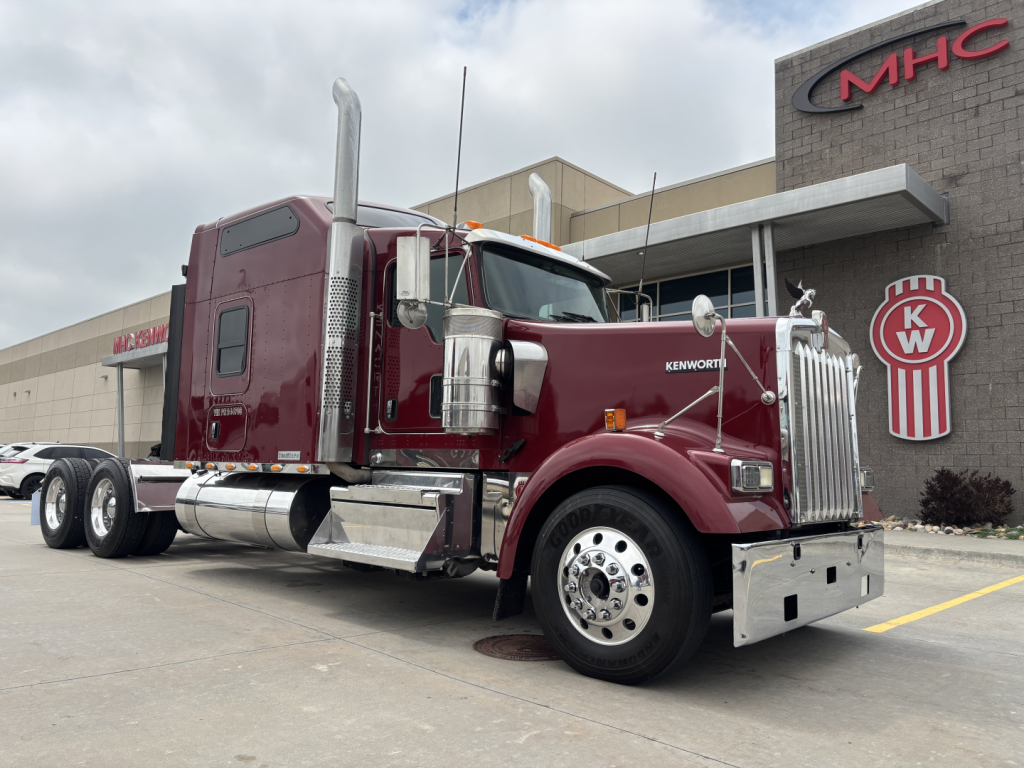
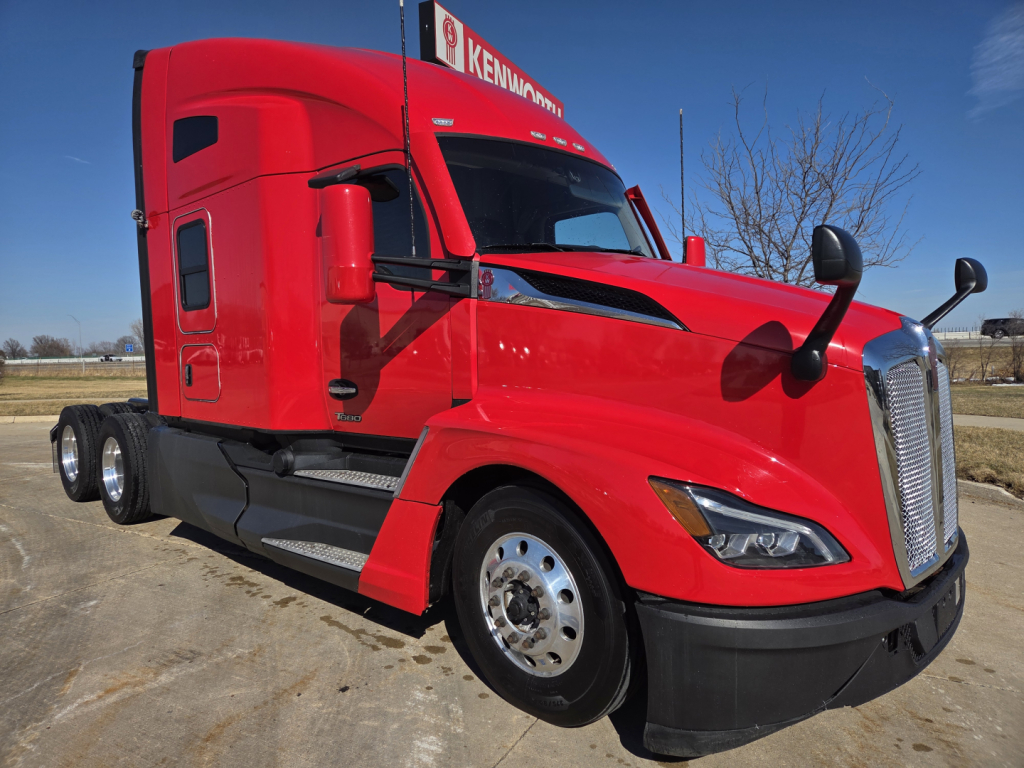
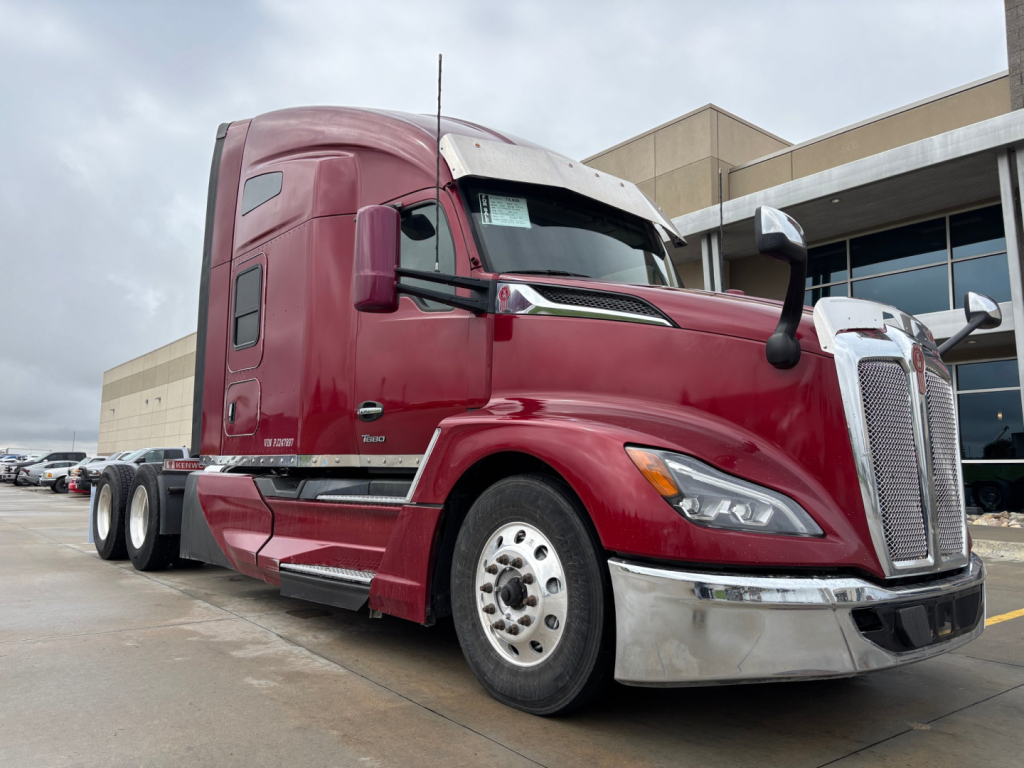
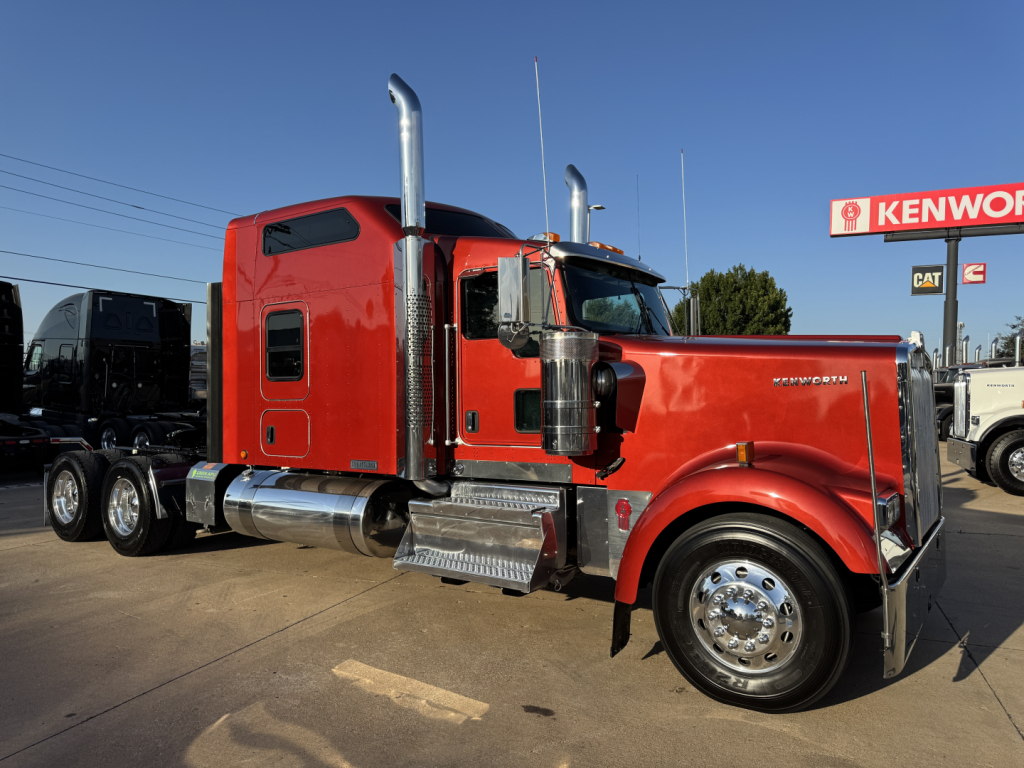
Showing 113 to 140 of 933 results
Have conventional sleeper truck to sell? List it here to reach thousands of buyers.
Conventional Sleeper Trucks
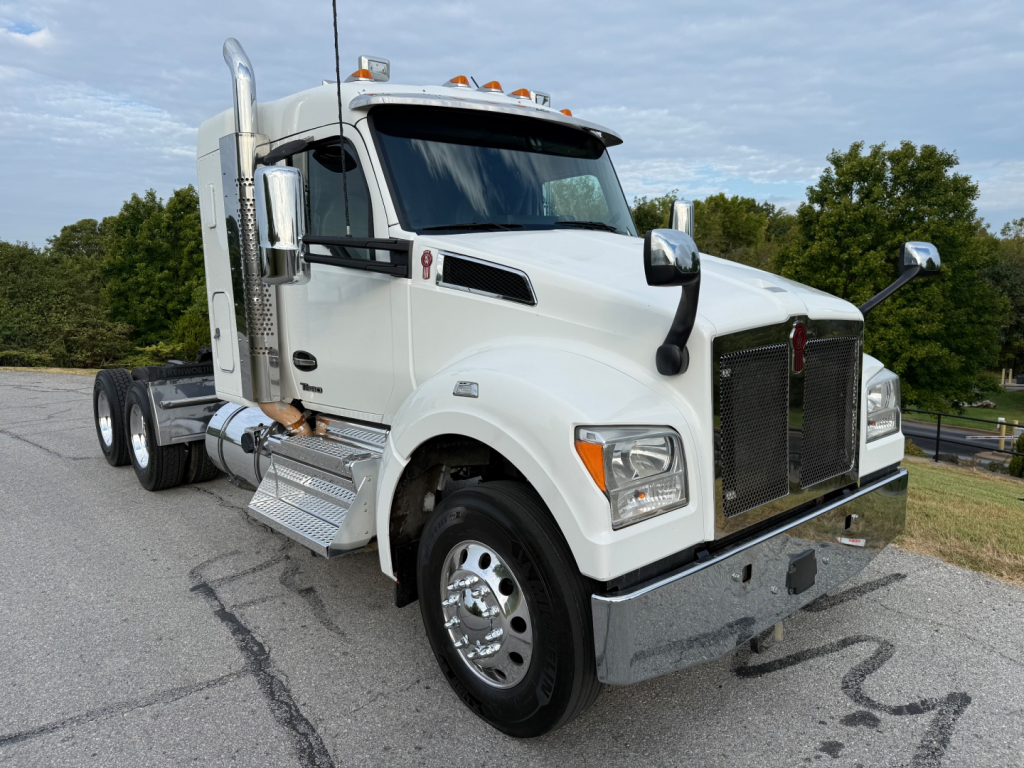
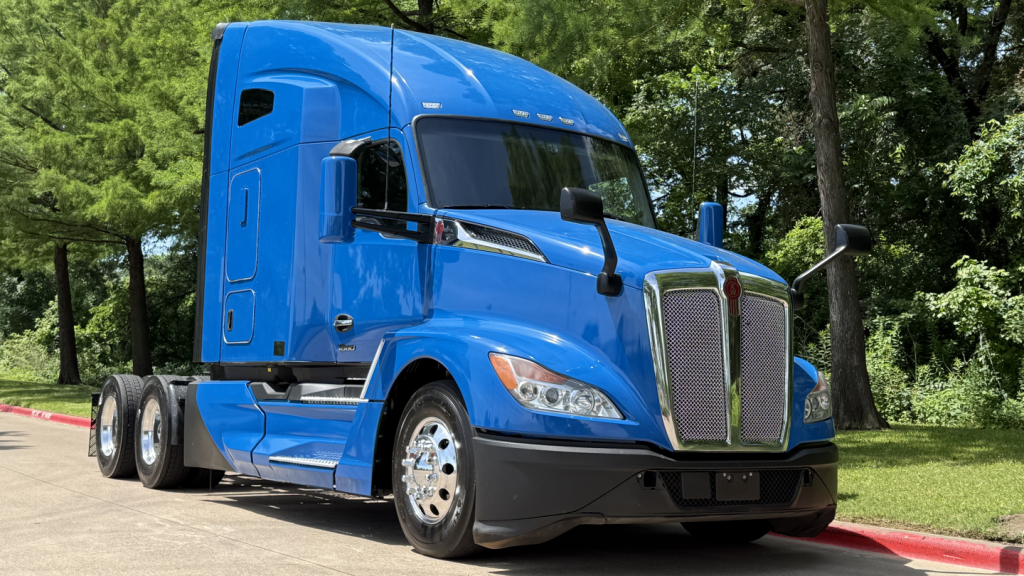
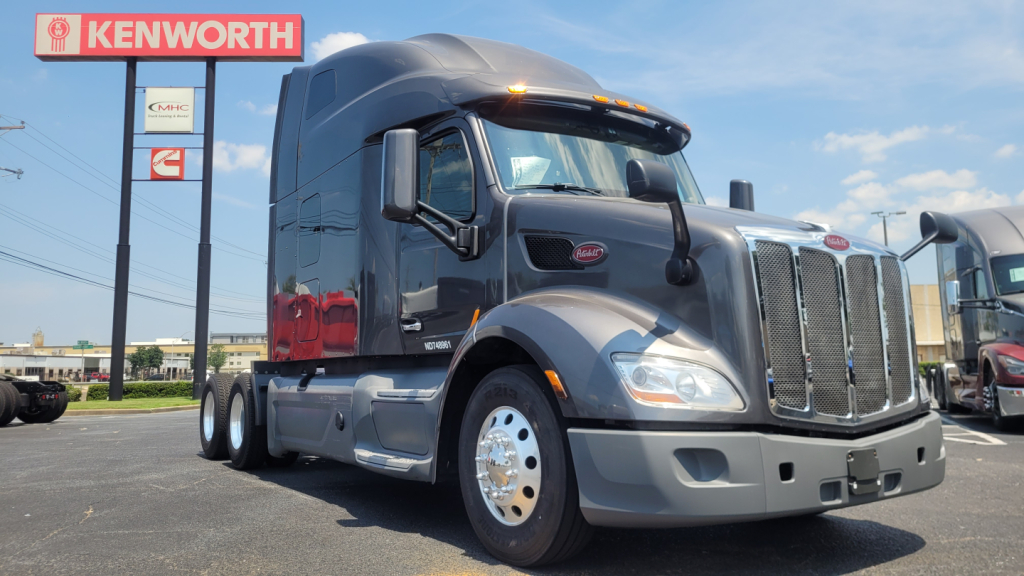
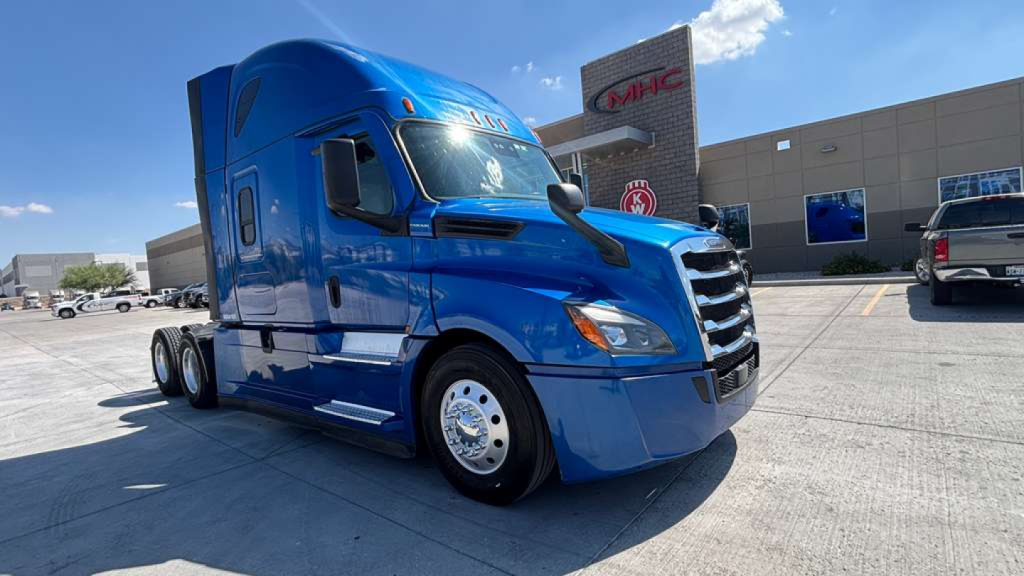
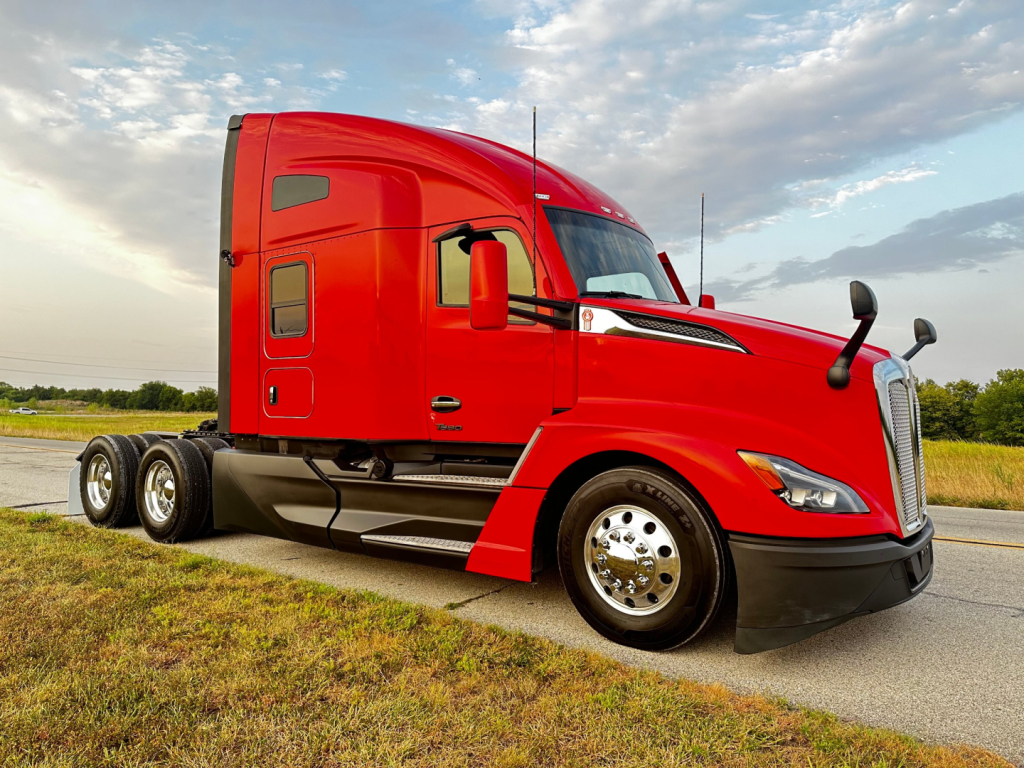
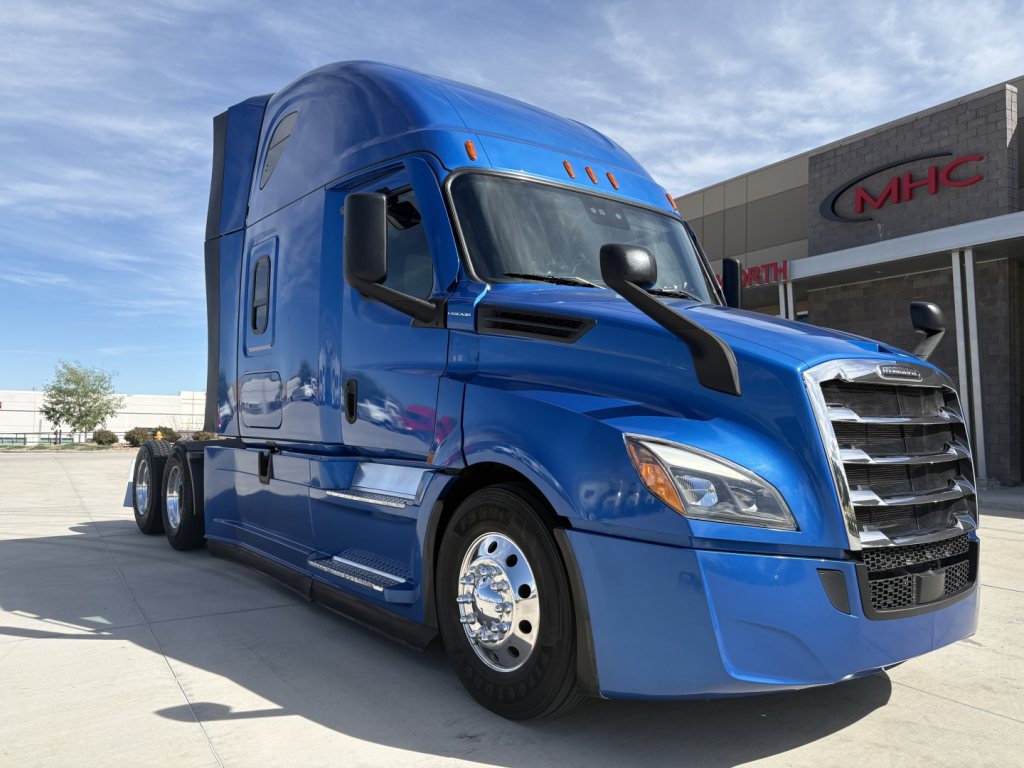
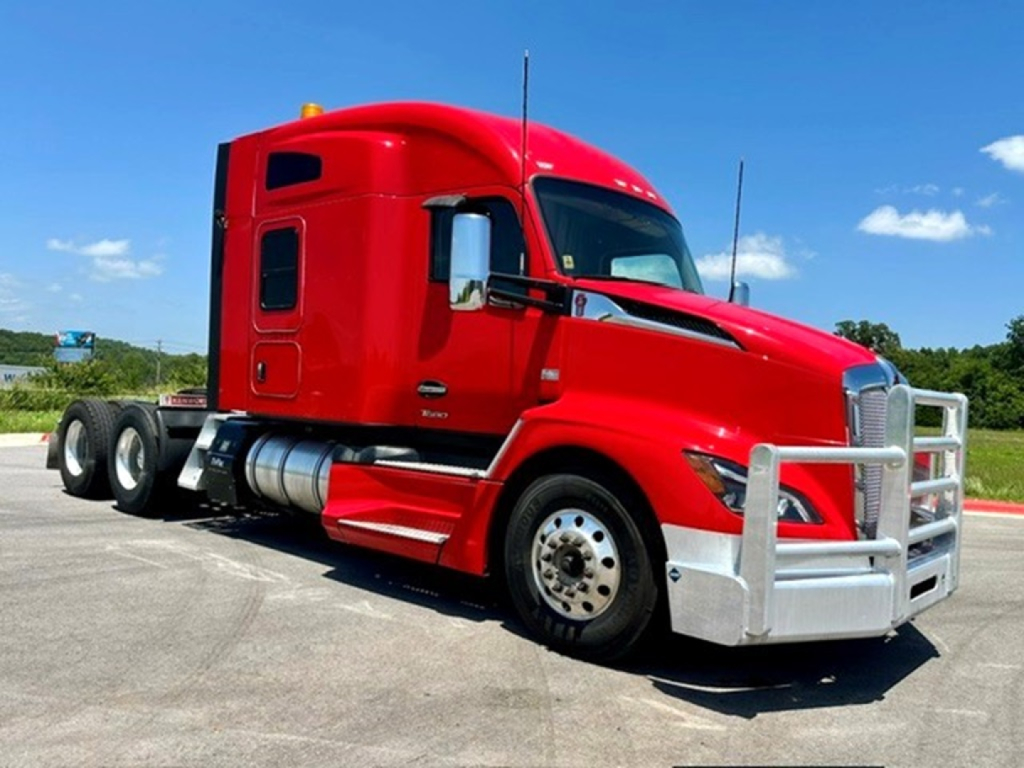
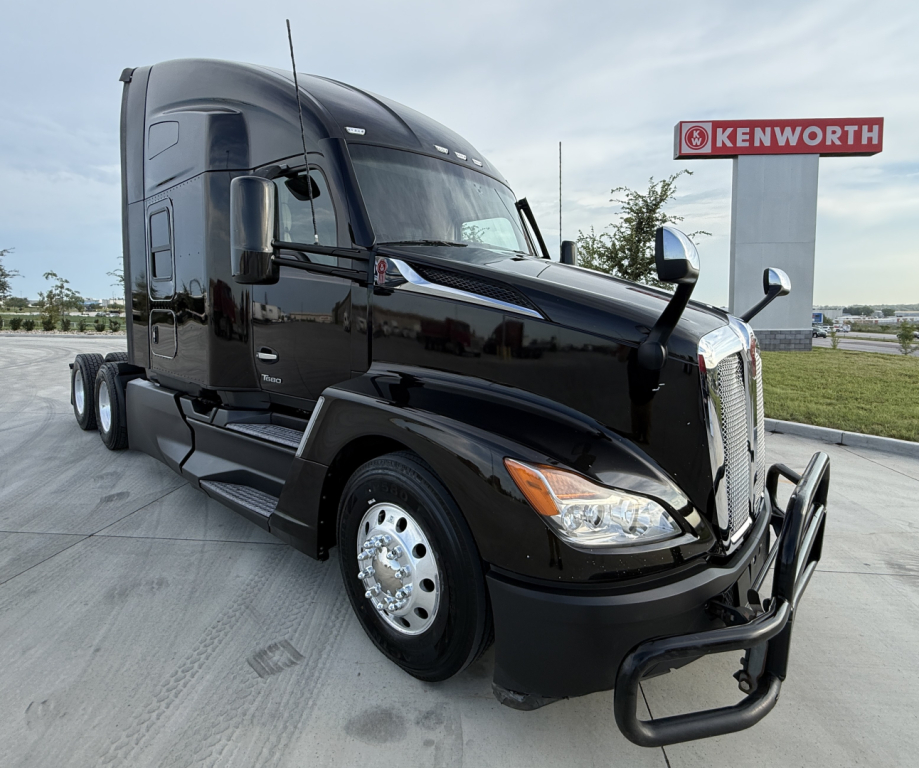
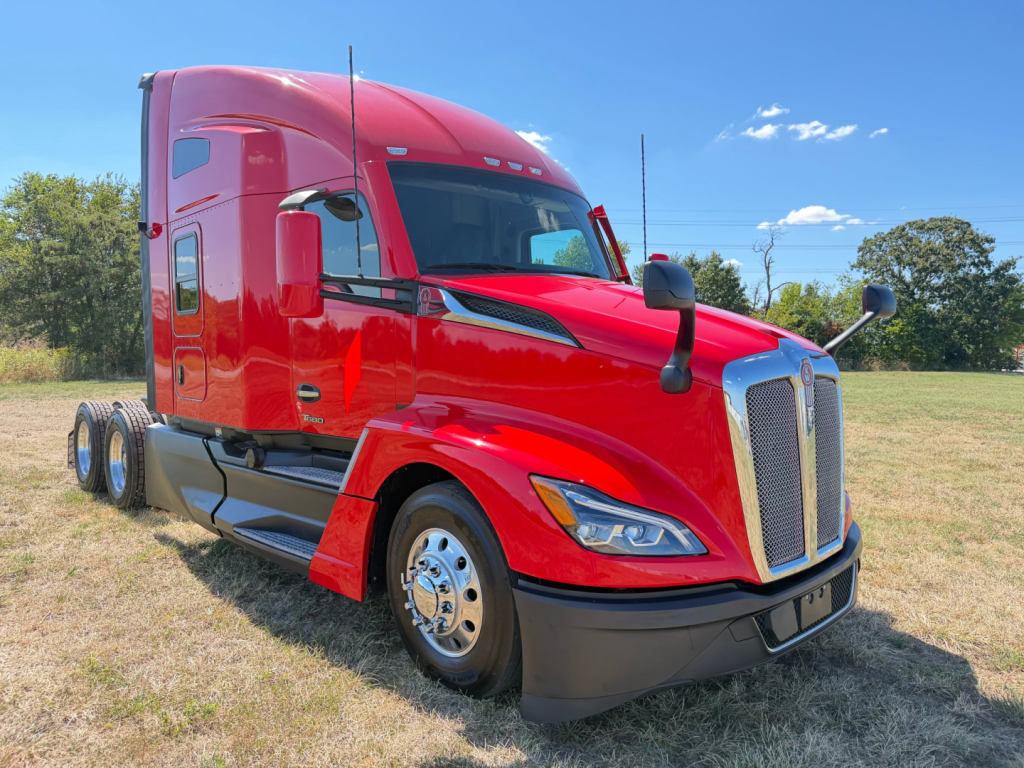
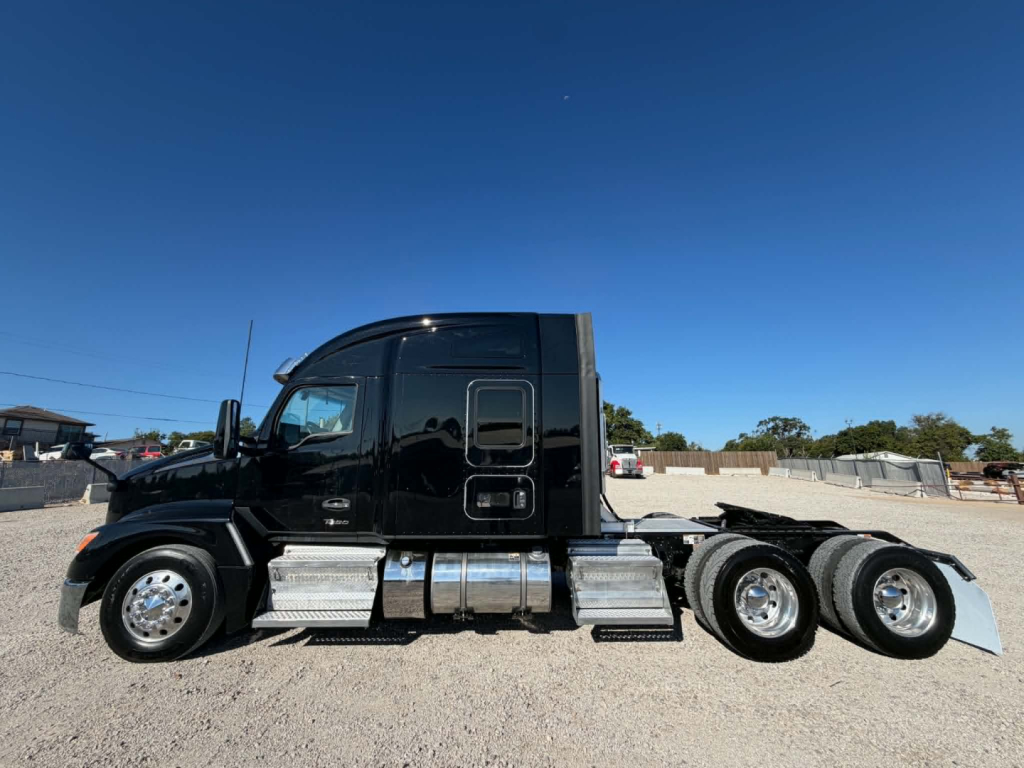
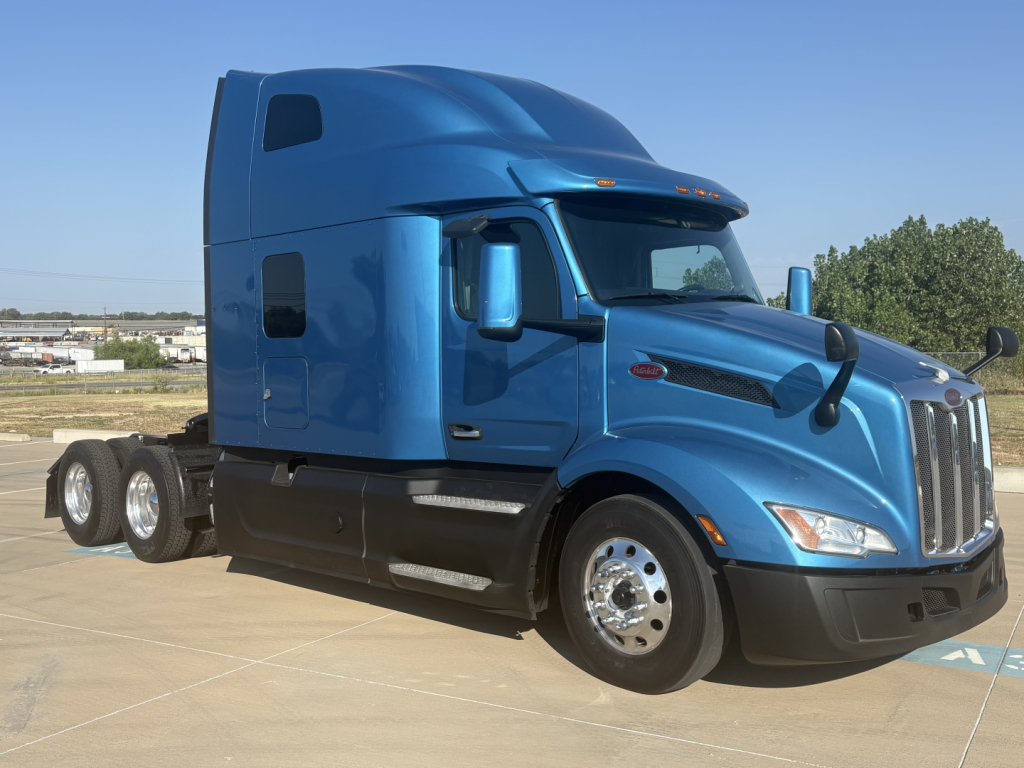
Sleeper size and cab layout matter as much as the powertrain. Fleet-spec highway units often carry 60 to 72 inch sleepers, while premium owner-operator setups may have larger high-roof sleepers with double bunks, cabinetry, inverter prep, fridge space, and idle reduction systems such as an APU. Interior height, bunk configuration, storage, and HVAC performance directly affect driver comfort and retention on long runs. Aerodynamic models like the Freightliner Cascadia and Kenworth T680 are common for fuel-sensitive van and reefer lanes, while heavier vocational-oriented conventional sleepers such as a Kenworth T800 or Peterbilt 388 are often chosen for lowboy, heavy haul, or more demanding mixed-use work.
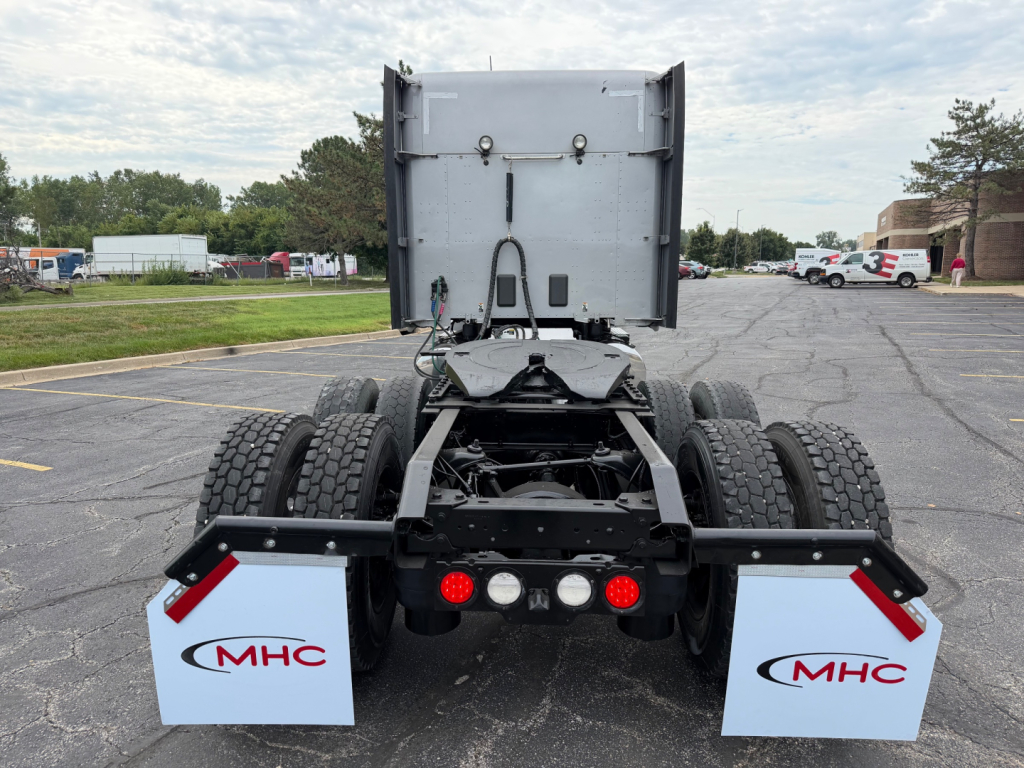
Spec matching is critical. A 10-speed or automated manual transmission can make sense for general freight, but heavy haul buyers may prefer 13-speed or 18-speed manuals for grade control and load flexibility. Tandem rear axles at 40,000 pounds are typical, paired with air-ride suspensions, sliding fifth wheels, and 22.5-inch rubber. Pay close attention to wheelbase, cab-to-axle, and kingpin setting requirements if the truck must work with a specific trailer fleet or bridge law profile. Emissions equipment also deserves close review on later-model units, including DEF systems, aftertreatment history, and fault code records. On used sleeper trucks, odometer miles, engine hours, service records, and signs of sleeper wear often tell more than appearance alone.
For buyers comparing listings, the best conventional sleeper truck is the one that fits the lane and cost structure. Fuel economy, sleeper amenities, axle ratio, and serviceability all affect operating cost over time. A regional sleeper can be spec'd lighter and shorter for maneuverability, while a true coast-to-coast tractor usually benefits from a larger bunk, bigger fuel capacity, and a drivetrain built to hold highway speed efficiently. The strongest value usually comes from a truck with a proven engine platform, a clean maintenance history, and a sleeper configuration that matches how the truck will actually be dispatched.
Frequently Asked Questions about Conventional Sleeper Trucks
What is a conventional sleeper truck?
A conventional sleeper truck is a hooded Class 8 road tractor with a sleeper compartment mounted behind the cab. It is designed for long-haul freight where the driver may spend nights on the road. Most conventional sleepers are tandem-axle tractors used in van, reefer, flatbed, and specialized hauling applications.
What engine size is common in conventional sleeper trucks?
Most conventional sleeper trucks use diesel engines in the 12 to 15 liter range. Common examples include the Detroit DD15, Cummins X15 or ISX, and Paccar MX-13. Horsepower ratings often fall between 400 and 565 hp, with torque and axle ratio selected based on freight type, terrain, and cruising speed targets.
How do I choose the right sleeper size?
Sleeper size should match the run length and driver needs. A 60 to 72 inch sleeper is common for general over-the-road service and can provide enough room for a bunk, storage, and basic living space. Larger high-roof sleepers are better suited for team operations, longer dispatch cycles, or buyers who want more cabinet space, double bunks, and room for idle reduction equipment.
What should I inspect on a used conventional sleeper truck?
Focus on engine hours, maintenance records, aftertreatment history, transmission condition, rear axle and suspension specs, and any active fault codes. Check the sleeper for HVAC performance, water leaks, bunk wear, and electrical accessory function. Tire wear patterns, fifth wheel condition, frame condition, and evidence of drivetrain repairs can also reveal how the truck was operated and maintained.
Are aerodynamic sleeper trucks better than heavier vocational sleeper models?
They are better for different jobs. Aerodynamic sleepers such as a Cascadia or T680 generally offer better fuel economy and are widely used in dry van and reefer service. Heavier conventional sleeper models such as a T800 or similar long-hood platform are often preferred for heavy haul, lowboy, or more demanding applications where chassis strength, gearing options, and vocational durability matter more than aerodynamic efficiency.