
2010 Conventional Sleeper Trucks For Sale
Shop 2010 conventional sleeper trucks with specs that matter for long-haul work, including engine options, sleeper sizes, drivetrains, and axle setups.
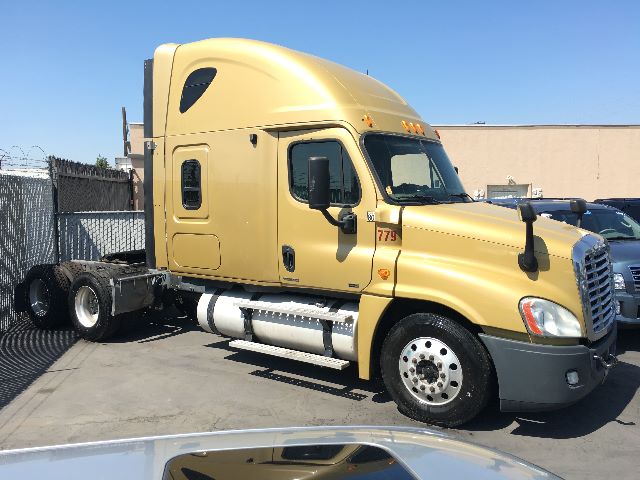
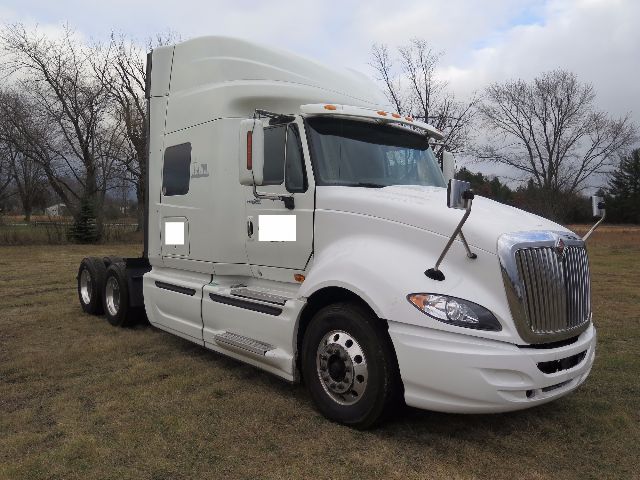
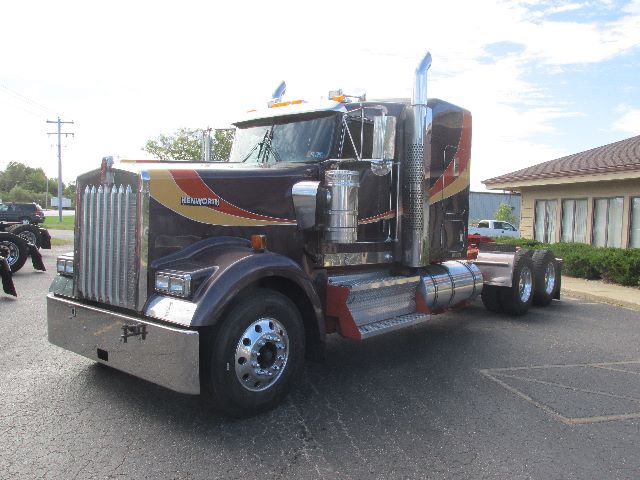

Selling a 2010 conventional sleeper truck? List your 2010 conventional sleeper truck for sale and reach thousands of commercial buyers.
2010 Conventional Sleeper Trucks
The biggest buying decision on a 2010 conventional sleeper is usually the powertrain. Trucks from this year commonly carry engines such as the Detroit DD15, Cummins ISX, Caterpillar legacy platforms in some early applications, Volvo D13, or Paccar MX depending on make. Many 2010 trucks fall into the early SCR and DPF emissions period, so buyers should pay close attention to aftertreatment service history, fault codes, regen performance, and the condition of the DEF system where equipped. Transmission choices often include 10-speed and 13-speed manuals along with automated manuals that were becoming more common. Rear axle ratios, often in the fuel-economy range for highway use, should match the intended load profile and terrain. A truck geared for flat interstate lanes may not be ideal for heavy bulk or mountain work.
Sleeper layout and chassis spec matter just as much as the engine badge. In this category, buyers will see mid-roof and high-roof sleepers with single-bunk or double-bunk arrangements, cabinets, workstation space, and room for idle-reduction equipment such as an APU or bunk heater. Fuel capacity, fairings, air slide fifth wheels, and suspension design all affect daily usability. Look closely at wheelbase, frame condition, crossmember corrosion, suspension wear, and brake type. Air ride suspension is standard on many long-haul specs, and aluminum wheels, aerodynamic mirrors, and cab extenders are common on trucks set up to save fuel. Interior wear is also a strong clue to true duty cycle, especially on high-mileage fleet tractors.
A good 2010 conventional sleeper truck can still be a productive asset if the spec fits the route and the maintenance record supports the mileage. Buyers comparing listings should focus on engine hours, documented in-frame history, clutch or automated transmission service, DPF cleaning intervals, tire and brake condition, and any recent work on injectors, EGR components, or DEF-related systems. This category is also known as a sleeper semi tractor or highway sleeper truck. For owner-operators and fleets alike, the right truck is usually the one with a proven service file, a clean drivetrain spec, and a sleeper configuration that matches the freight network.
Frequently Asked Questions about 2010 Conventional Sleeper Trucks
What should I look for first on a 2010 conventional sleeper truck?
Start with the engine and emissions service history. A 2010 sleeper tractor often falls into an emissions transition period, so records for DPF cleaning, EGR work, SCR components, DEF system repairs, and diagnostic fault history matter more than cosmetic condition. After that, review mileage versus engine hours, transmission type, rear axle ratio, and any recent major repairs such as an in-frame overhaul, clutch replacement, turbocharger work, or injector service.
Are 2010 conventional sleeper trucks good for long-haul freight?
Yes, many 2010 conventional sleepers are well-suited for long-haul service if the truck was originally spec'd for highway work and has been maintained properly. Raised-roof sleepers, aerodynamic packages, dual fuel tanks, air ride suspension, and highway gearing are common in this segment. The key is matching the truck's wheelbase, axle ratio, sleeper size, and horsepower to the lanes, terrain, and trailer type you plan to run.
What engines are common in 2010 conventional sleeper tractors?
Common engines in this category include the Detroit DD15, Cummins ISX, Volvo D13, and Paccar MX on brand-specific models. Some applications may also show legacy engine platforms depending on build date and chassis make. Buyers should evaluate not just the engine model, but the emissions package, maintenance records, oil sample history, blow-by, cold-start behavior, and any evidence of repeated aftertreatment issues.
Is an automatic or manual transmission better in a 2010 sleeper truck?
It depends on the operation and driver pool. Manual transmissions such as 10-speed or 13-speed units remain popular for serviceability and driver preference, especially in specialized or heavy-haul applications. Automated manuals can improve consistency and reduce driver fatigue in highway use, but buyers should confirm calibration history, clutch actuator condition, and transmission service records because early automated systems vary widely in performance and reliability.
How important is sleeper size on a 2010 conventional sleeper?
Sleeper size directly affects driver comfort, storage, resale appeal, and the type of work the truck can support. A larger raised-roof sleeper with double-bunk space is better suited for extended over-the-road use, team operations, or drivers who spend multiple nights out. A smaller mid-roof setup may be enough for regional or dedicated routes, but it can narrow the truck's flexibility if your operation changes later.