
2016 Conventional Sleeper Trucks For Sale
Shop 2016 conventional sleeper trucks with proven long-haul specs, raised-roof cabs, efficient powertrains, and driver-focused comfort.
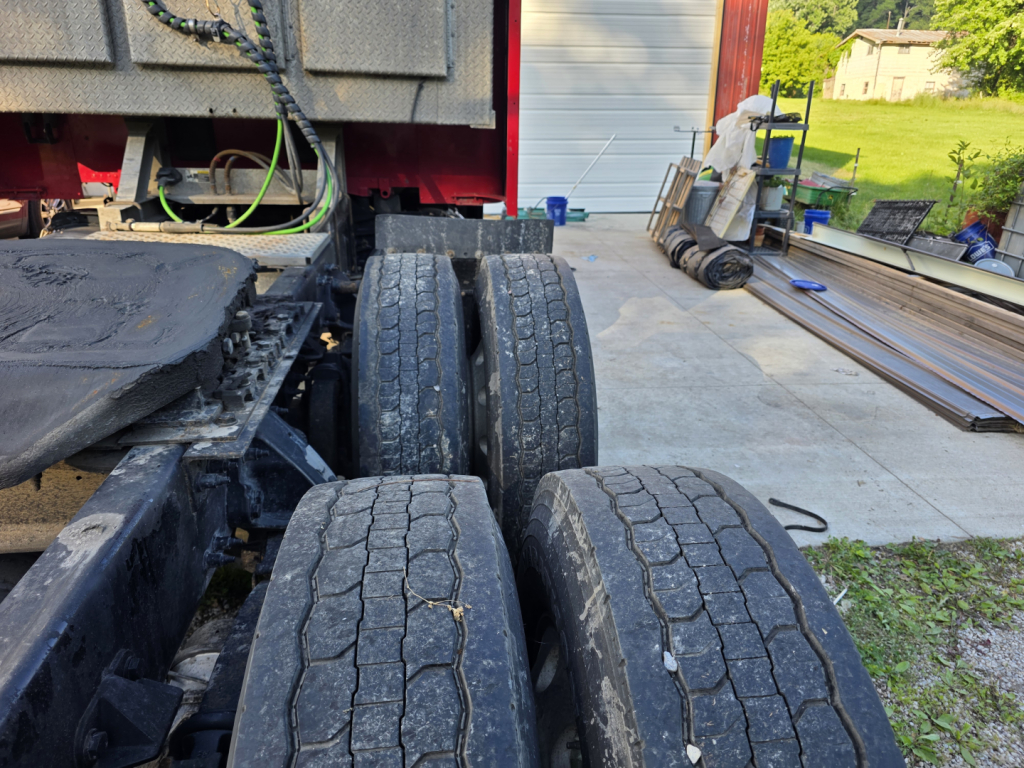
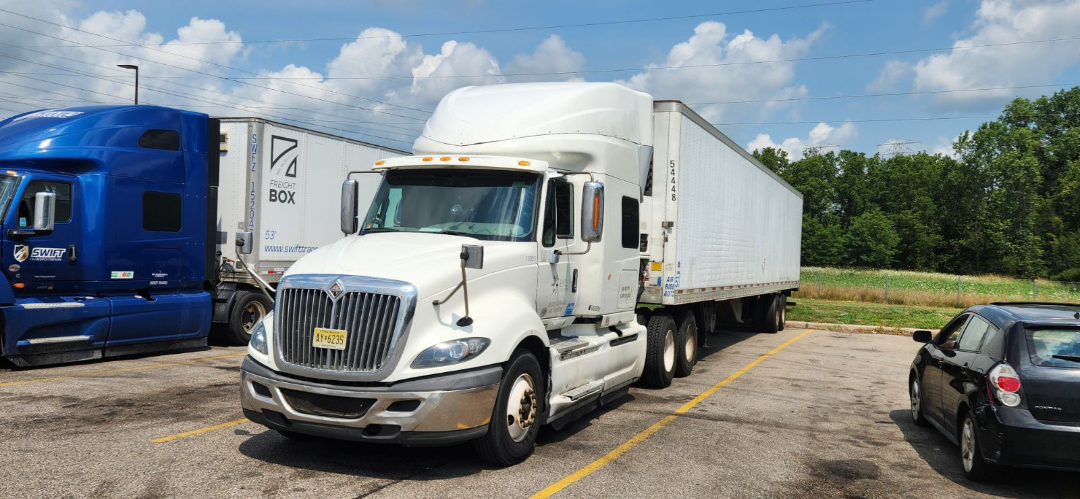
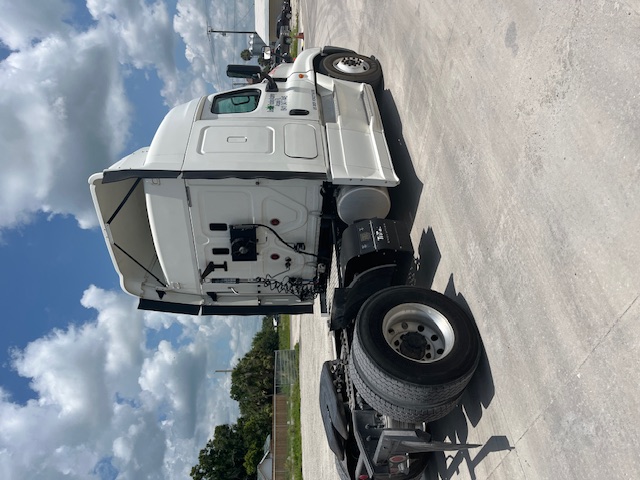
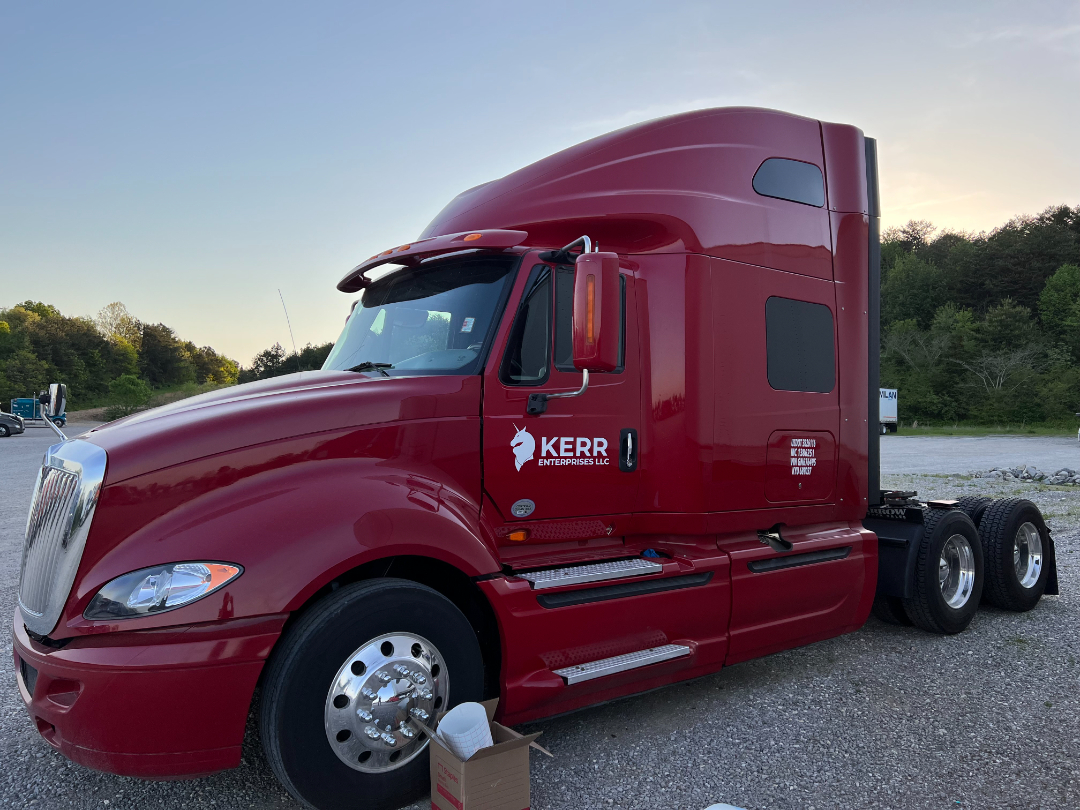
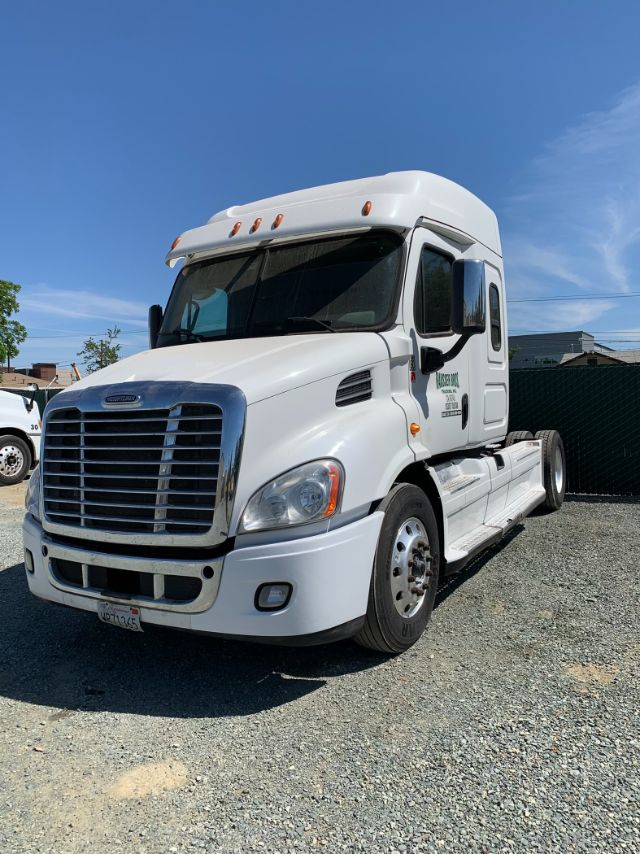
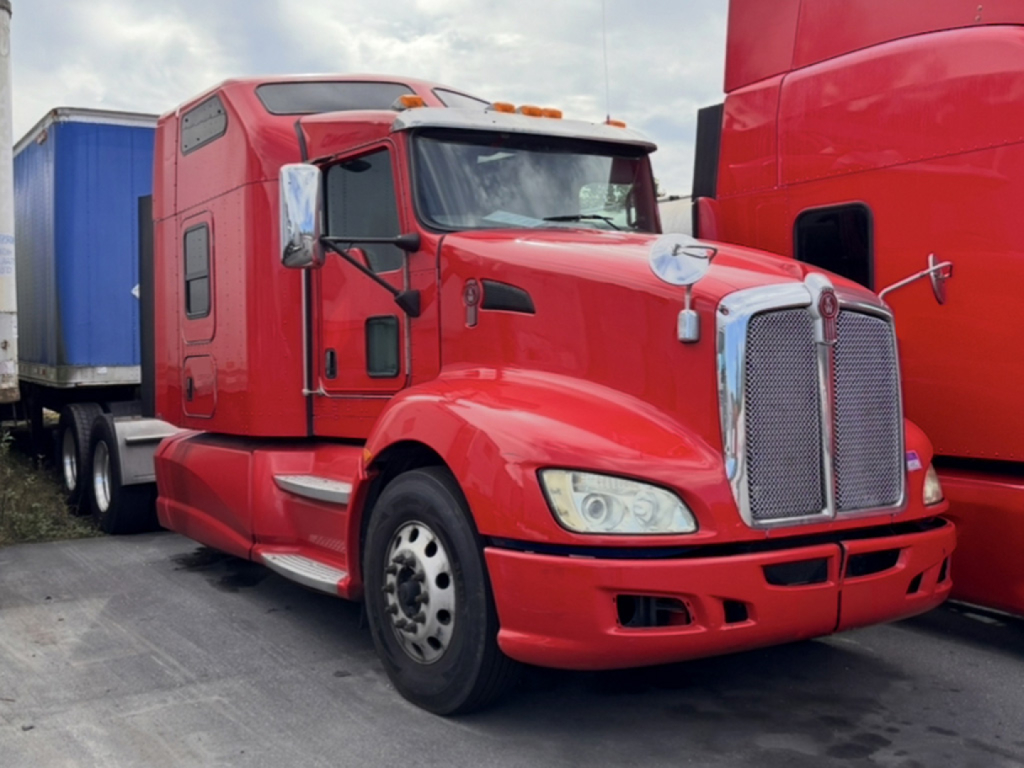
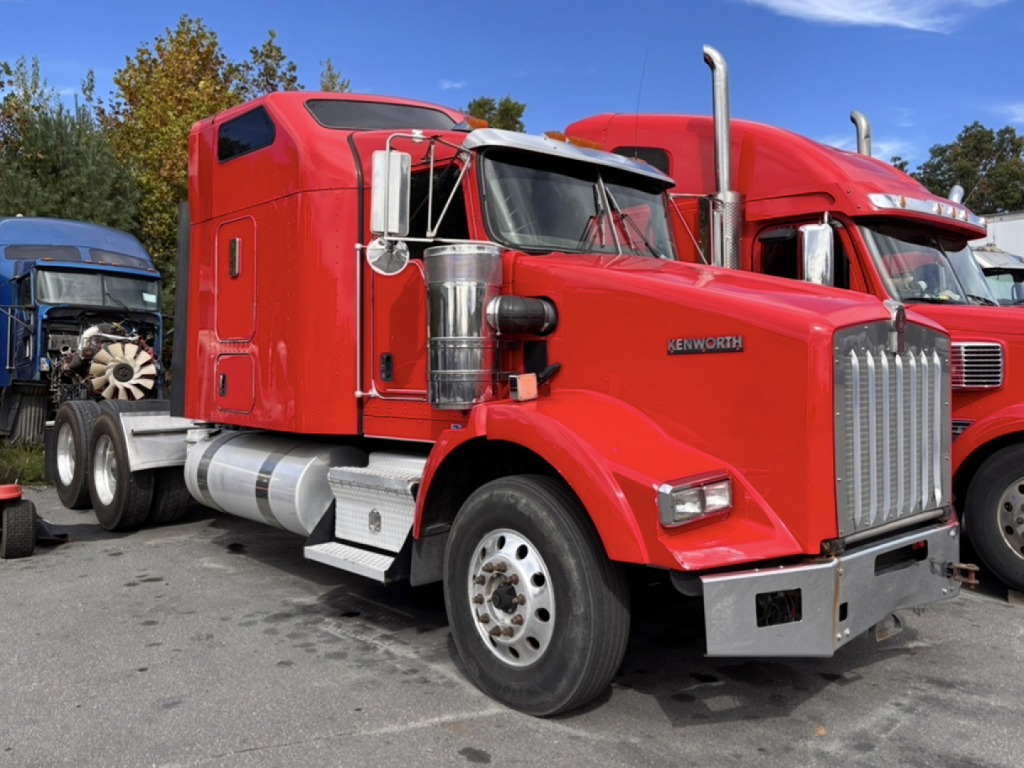
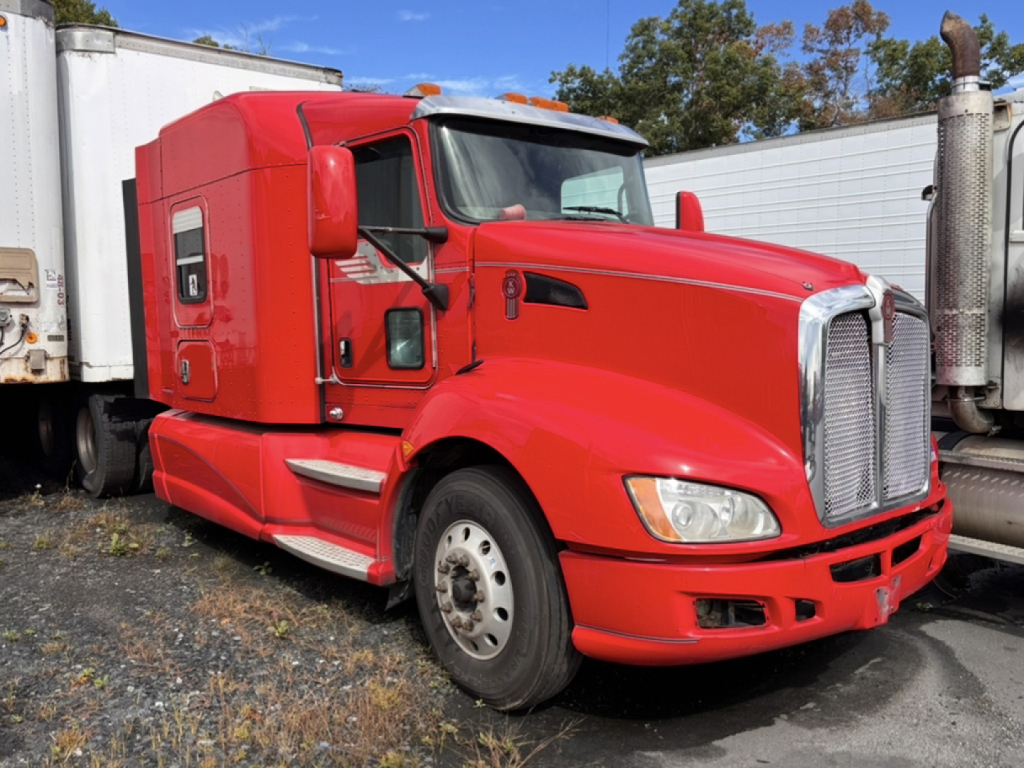
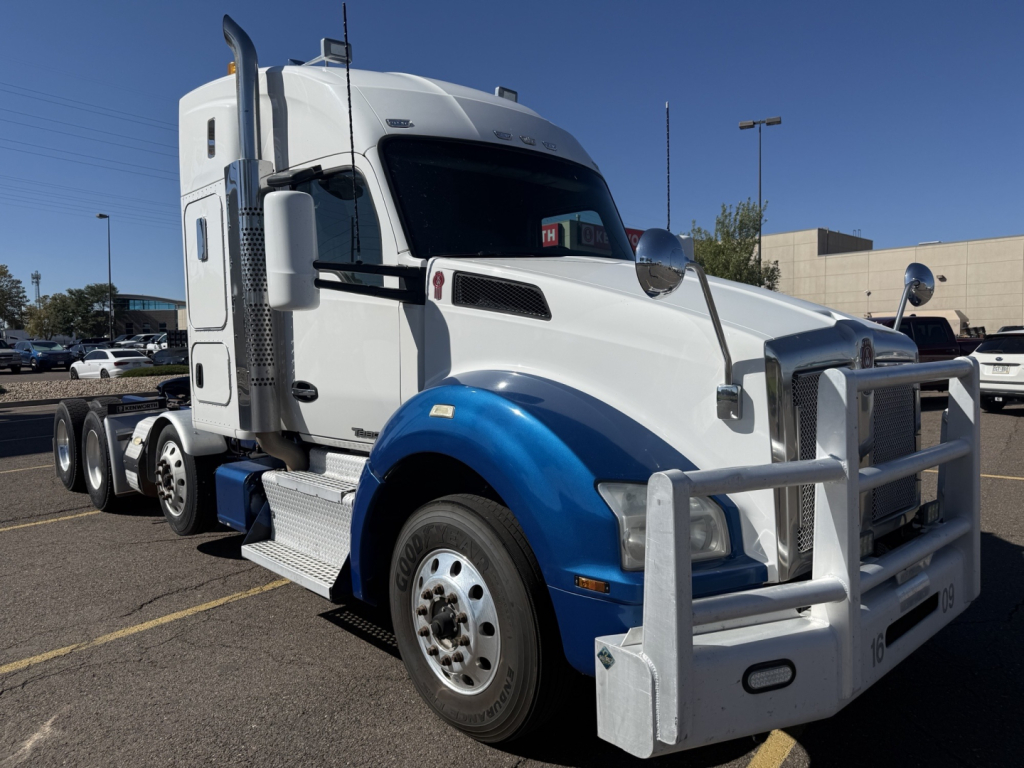
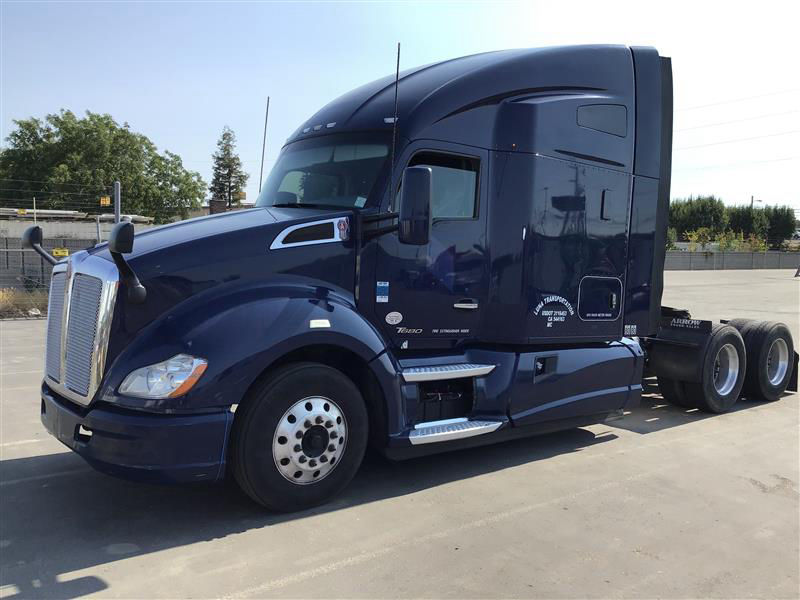

Selling a 2016 conventional sleeper truck? List your 2016 conventional sleeper truck for sale and reach thousands of commercial buyers.
2016 Conventional Sleeper Trucks
The biggest buying decisions usually come down to engine, transmission, rear ratio, and sleeper size. Common engines in this year range include the Detroit DD15, Cummins ISX15 or X15 transition-era variants, PACCAR MX-13, Volvo D13, and Navistar's big-bore offerings depending on make. Horsepower typically falls in the 400 to 500 hp range, with 10-speed, 12-speed automated manual, or traditional manual transmissions all showing up in the market. Many 2016 sleepers were spec'd with 2.64 to 3.08 rear ratios, 225 to 236 inch wheelbases, and dual fuel tanks sized for regional or coast-to-coast work. For buyers focused on payload and application fit, axle ratings, wheelbase, and fifth wheel setup matter just as much as engine badge.
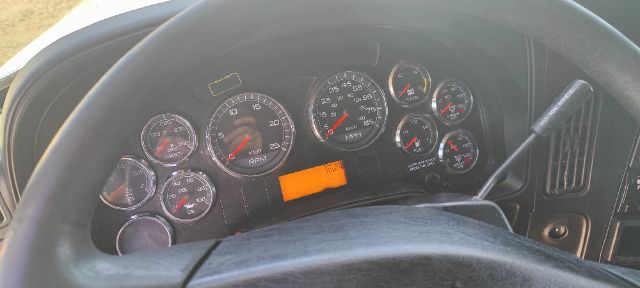
For long-haul use, the sleeper itself deserves close attention. A 60 inch to 80 inch raised-roof sleeper is common, often with upper bunk, cabinet packages, bunk heater, inverter prep, and room for an APU. Aerodynamic fairings, cab extenders, and chassis skirts are typical on this class because fuel economy was a major spec priority by 2016. Interior condition can be a better indicator of how a truck was treated than exterior cosmetics alone, so seat wear, bunk trim, dash function, HVAC performance, and signs of idle-heavy use are worth checking carefully. If the truck will run team freight or irregular-route work, storage layout and bunk accessibility can matter more than a small difference in horsepower.
A 2016 conventional sleeper truck can be a strong fit for dry van, reefer, dedicated lane, and general freight operations if maintenance history is solid and the emissions system has been properly cared for. Buyers should pay particular attention to DPF and SCR service records, engine hours versus odometer miles, clutch life on automated manuals, and suspension or steering wear on higher-mile units. Disc versus drum brakes, tire size, wheel type, and the presence of an air slide fifth wheel can also affect operating cost and trailer compatibility. In this category, the best value usually comes from matching the truck's original spec to the route it will actually run, not simply choosing the lowest-mile unit.
Frequently Asked Questions about 2016 Conventional Sleeper Trucks
What is a 2016 conventional sleeper truck best suited for?
A 2016 conventional sleeper truck is primarily suited for over-the-road freight, including dry van, reefer, and dedicated highway lanes. Most were spec'd for fuel-efficient linehaul work with aerodynamic cabs, integrated sleepers, and powertrains built to hold highway speeds efficiently. They can also work well in regional operations if sleeper space, wheelbase, and axle configuration fit the route and trailer mix.
What engines are common in 2016 conventional sleeper trucks?
Common engines in this category include the Detroit DD15, Cummins ISX15, PACCAR MX-13, Volvo D13, and other make-specific heavy-duty diesel platforms. Most are found in the 400 to 500 horsepower range with torque suited for highway loads and 80,000-pound GCW applications. The right choice depends less on peak horsepower and more on service network, maintenance history, emissions performance, and how the truck was originally spec'd.
Are 2016 sleeper trucks usually manual or automatic?
Both are common, but many 2016 long-haul sleepers were built with automated manual transmissions as fleets pushed for better fuel economy and easier driver onboarding. You will still find some traditional 10-speed and 13-speed manual trucks, especially in owner-operator or specialized fleet specs. Buyers should evaluate transmission type alongside clutch condition, software updates, and service records rather than treating one setup as automatically better.
What should I inspect first on a used 2016 conventional sleeper?
Start with maintenance records, engine hours, fault code history, and emissions-system service documentation. Then inspect the DPF and SCR system, check for coolant or oil leaks, review suspension wear, steering play, brake condition, and tire wear patterns, and confirm the fifth wheel and frame match your trailer application. Inside the cab, HVAC operation, bunk condition, switchgear, and signs of excessive idle time can reveal a lot about how the truck was used.
How important is sleeper size on a 2016 highway tractor?
Sleeper size matters because it directly affects driver comfort, storage, and how practical the truck is for extended trips or team operations. A smaller sleeper may be perfectly adequate for regional or single-driver runs with frequent home time, while a 72 inch to 80 inch raised-roof sleeper usually makes more sense for long-haul service. Buyers should compare bunk layout, cabinet space, APU room, and interior condition just as closely as they compare engine and drivetrain specs.