
2016 Freightliner Conventional Sleeper Trucks For Sale
Shop 2016 Freightliner conventional sleeper trucks. Compare Cascadia sleeper specs, DD15 engines, DT12 transmissions, wheelbases, and cab options.
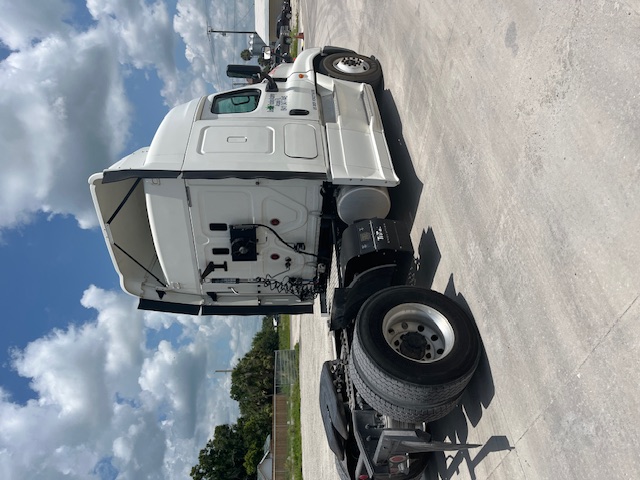
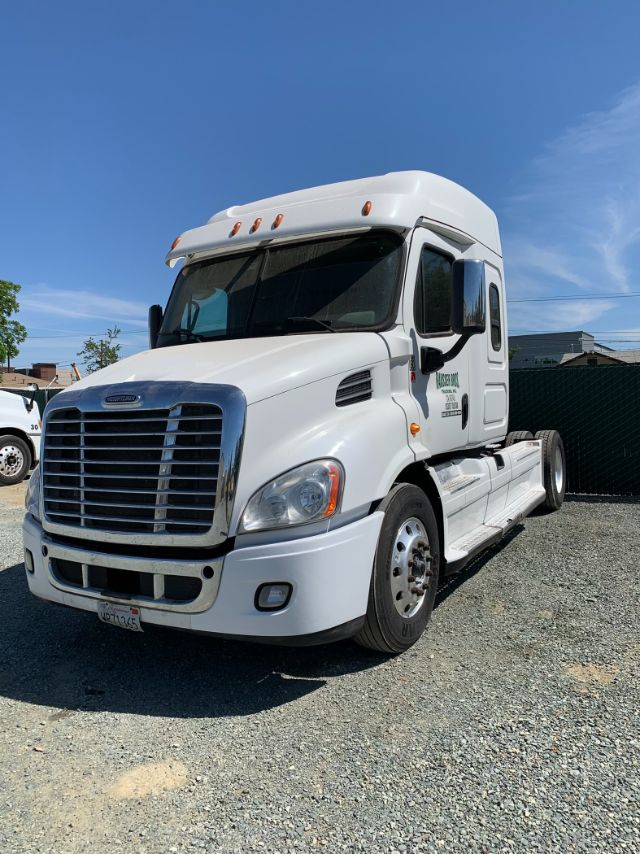

Selling a 2016 freightliner conventional sleeper truck? List your 2016 freightliner conventional sleeper truck for sale and reach thousands of commercial buyers.
2016 Freightliner Conventional Sleeper Trucks
The first decision on a 2016 Freightliner sleeper is usually powertrain. Many are equipped with Detroit DD15 engines, often paired with either a manual transmission or the Detroit DT12 automated manual. Typical horsepower ratings commonly fall in the 400 to 505 HP range, with rear axle ratings around 40,000 lbs and fuel-efficient axle ratios such as 2.64, 2.85, or 3.08 depending on intended speed and terrain. Buyers should compare wheelbase, 5th wheel setup, and suspension spec closely, because a truck built for high-cube dry van work on flat interstate lanes can feel very different from one spec'd for heavier reefer service or mixed-terrain regional freight. It is also worth checking for air ride suspension, engine brake performance, and whether the truck has disc or drum brakes, since those details affect both operating cost and driver preference.
Cab and sleeper configuration matter just as much as engine spec on a 2016 conventional sleeper. Freightliner offered raised-roof sleeper layouts that are well suited for teams, extended runs, and drivers who spend multiple nights out. Common features in this class include dual fuel tanks, side fairings, cab extenders, air-slide 5th wheels, upper bunks, bunk heaters, refrigerators, and power convenience options. Interior condition matters on a sleeper truck because wear in the bunk area, seats, steering column, cabinets, and HVAC system often tells you as much about prior use as the odometer does. On a used 2016 model, buyers should also pay attention to emissions system service history, idle management strategy, and any records for one-box, DPF, turbo, injector, or aftertreatment repairs.
A well-matched 2016 Freightliner conventional sleeper can still be a strong earnings truck if the spec fits the lane. For fuel-focused operations, look for an aerodynamic package, low rolling resistance tires, and tall gearing. For heavier or more varied freight, prioritize durability items such as proper wheelbase, locking differential availability, suspension condition, and a drivetrain history that supports the application. Freightliner remains a popular choice in this segment because service access is broad, used-market familiarity is high, and Cascadia-based sleeper tractors are easy to compare across fleets when shopping by mileage, engine hours, and maintenance records.
Frequently Asked Questions about 2016 Freightliner Conventional Sleeper Trucks
What engine is most common in a 2016 Freightliner conventional sleeper truck?
The Detroit DD15 is one of the most common engines found in 2016 Freightliner conventional sleeper trucks, particularly in the Cascadia. It is popular because it offers a strong balance of fuel economy, power, and parts availability. Depending on the original spec, horsepower may range from the low 400s up to around 505 HP, so buyers should confirm the exact rating, torque setting, and service history instead of assuming every DD15-equipped truck is configured the same way.
Is a 2016 Freightliner Cascadia sleeper good for long-haul use?
Yes, a 2016 Freightliner Cascadia sleeper is generally well suited for long-haul and over-the-road service. The aerodynamic hood, driver-focused cab layout, and common raised-roof sleeper configurations make it a practical choice for van and reefer freight. The real difference comes down to sleeper size, fuel capacity, axle ratio, and maintenance condition, because those factors affect comfort, range, and operating cost more than the model name alone.
What should I inspect on a used 2016 Freightliner sleeper tractor?
Key inspection points include engine hours, idle hours, aftertreatment service records, transmission performance, suspension wear, brake type and condition, and signs of bunk or interior abuse. Buyers should also review DPF and one-box history, check for coolant or oil leaks, inspect the 5th wheel and frame for wear, and verify tire condition and alignment. A sleeper truck can look clean cosmetically while still carrying deferred maintenance in the emissions system or driveline, so records matter as much as appearance.
What transmission options are common in a 2016 Freightliner conventional sleeper?
Many 2016 Freightliner sleeper trucks were spec'd with either a manual transmission or the Detroit DT12 automated manual transmission. The DT12 became popular in fleet service because it supports fuel economy goals and reduces driver fatigue in long-haul operation. Buyers who have strong preferences should confirm the transmission type early, because driver acceptance, maintenance familiarity, and resale appeal can differ between manual and automated specs.
What axle ratio is best for a 2016 Freightliner sleeper truck?
The best axle ratio depends on the freight, terrain, and cruise speed the truck will run. Ratios such as 2.64 or 2.85 are commonly chosen for fuel-efficient highway service, while a 3.08 or similar ratio may better suit heavier loads or more frequent grade changes. The axle ratio should always be considered alongside tire size, transmission gearing, and engine torque curve, because those components work together to determine startability, fuel economy, and road speed.