
2016 Freightliner Conventional Sleeper Trucks For Sale in California

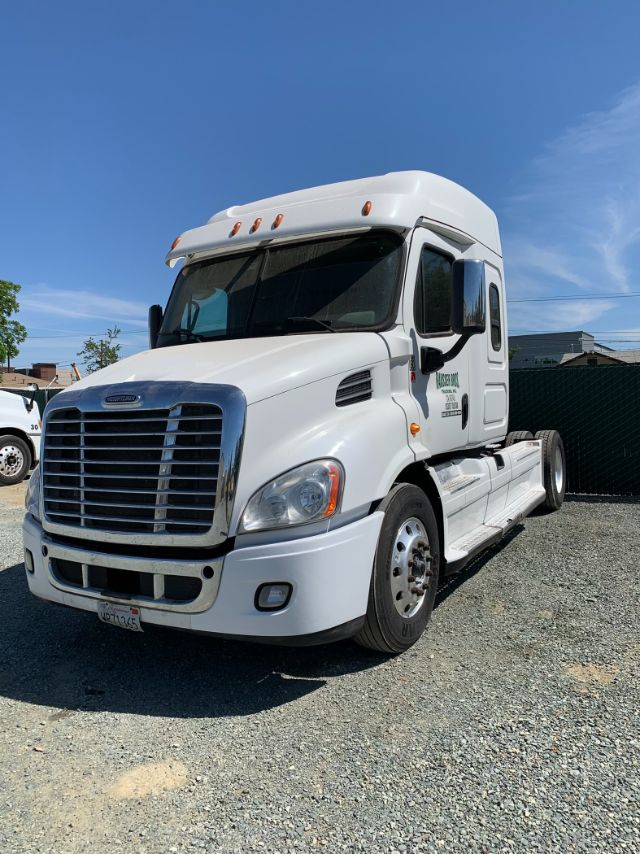
Have 2016 freightliner conventional sleeper truck to sell? List it here to reach thousands of buyers.
2016 Freightliner Conventional Sleeper Trucks in California
The most important buying decisions usually come down to engine, transmission, rear axle ratio, and sleeper configuration. A 2016 Freightliner sleeper may be spec'd with Detroit or Cummins power depending on application, with horsepower commonly falling in the mid-400 range for general van, reefer, and dry bulk work. Automated manuals are common in fleet service because they reduce driver fatigue and can help with fuel management, while manual transmissions still appeal to some operators running specialized routes or older mixed fleets. Check wheelbase, 5th wheel travel, and axle rating against the trailers you plan to pull, especially if you need flexibility for different kingpin settings or a balance between maneuverability and ride quality.
For California buyers, emissions compliance and operating environment should be part of the evaluation. A 2016 truck is old enough that buyers should pay close attention to aftertreatment history, including DPF, DEF, and SCR system maintenance, along with any fault code trends, idle hours, and documented repair records. California operation also puts more focus on clean-running emissions systems, cooling performance in hot inland corridors, and aerodynamic specs that make sense for I-5 and other long highway lanes. Features such as fairings, cab extenders, bunk heaters, disc brakes, collision mitigation, and low-rolling-resistance tire setups can make a real difference in operating cost and driver acceptance.
Sleeper layout matters as much as drivetrain on a conventional sleeper tractor. Raised-roof sleepers in this class often include a single bunk or double bunk arrangement, storage cabinets, room for a refrigerator, and enough headroom for teams or solo drivers spending multiple nights out. When comparing used 2016 Freightliner conventional sleepers, buyers should look beyond mileage and focus on maintenance records, engine brake performance, suspension condition, tire wear patterns, and signs of hard service around the frame, fifth wheel, and interior. A well-spec'd sleeper tractor from this year can still be a strong choice for highway freight if the maintenance history is solid and the truck matches the lane, trailer, and gross combination weight requirements.
Frequently Asked Questions about 2016 Freightliner Conventional Sleeper Trucks in California
What engine and transmission setups are common in a 2016 Freightliner conventional sleeper truck?
Many 2016 Freightliner conventional sleeper tractors, especially Cascadia models, were spec'd with Detroit or Cummins engines paired with either a manual transmission or an automated manual. Horsepower in the 400 to 500 range is common for general over-the-road freight. The right setup depends on load profile, terrain, and driver preference. Automated manuals are widely used for fuel efficiency and easier operation, while manual transmissions still show up in applications where the fleet wants more direct driver control.
Is a 2016 Freightliner sleeper truck a good choice for California operation?
It can be, but California buyers should verify emissions system condition very carefully. A 2016 truck typically uses modern aftertreatment components including DPF, DEF, and SCR systems, so service records matter. Look for documentation on sensor replacements, forced regens, DPF cleaning intervals, and any history of recurring fault codes. Cooling system condition, APU or idle management strategy, and highway-friendly gearing also matter for California lanes and regulatory pressure.
What sleeper size should I look for in a 2016 Freightliner Cascadia?
That depends on how the truck will be used. A raised-roof sleeper is the most common choice for over-the-road work because it gives better standing room, more storage, and more flexibility for drivers staying out several nights at a time. If the truck will be used on dedicated regional runs with limited overnight time, a smaller sleeper may be enough. Team operations usually benefit from a roomier sleeper with an upper bunk, better storage, and space for driver amenities.
What specs matter most when comparing used conventional sleeper tractors?
The key specs are engine rating, transmission type, rear axle ratio, wheelbase, axle capacity, sleeper configuration, and brake type. Buyers should also pay attention to practical details such as fuel tank capacity, suspension design, fifth wheel adjustment, and tire size. On a used truck, maintenance history is just as important as the original spec. Uneven tire wear, driveline vibration, poor shifting, excessive idle hours, and aftertreatment issues can affect operating cost more than the badge on the hood.
Why do many buyers focus on the Freightliner Cascadia in this category?
The Cascadia is one of the most common conventional sleeper tractors on the road, which gives it strong parts availability, broad technician familiarity, and a large used-market knowledge base. It is also known for aerodynamic design, driver-friendly cab layout, and fleet-oriented specifications that can support fuel economy and uptime. For buyers comparing multiple used trucks, that commonality can make service planning, parts sourcing, and resale expectations easier to manage.