
2016 Conventional Sleeper Trucks For Sale in California
Browse 2016 conventional sleeper trucks for sale in California. Compare roof heights, engine and transmission specs, wheelbase, and sleeper setup.
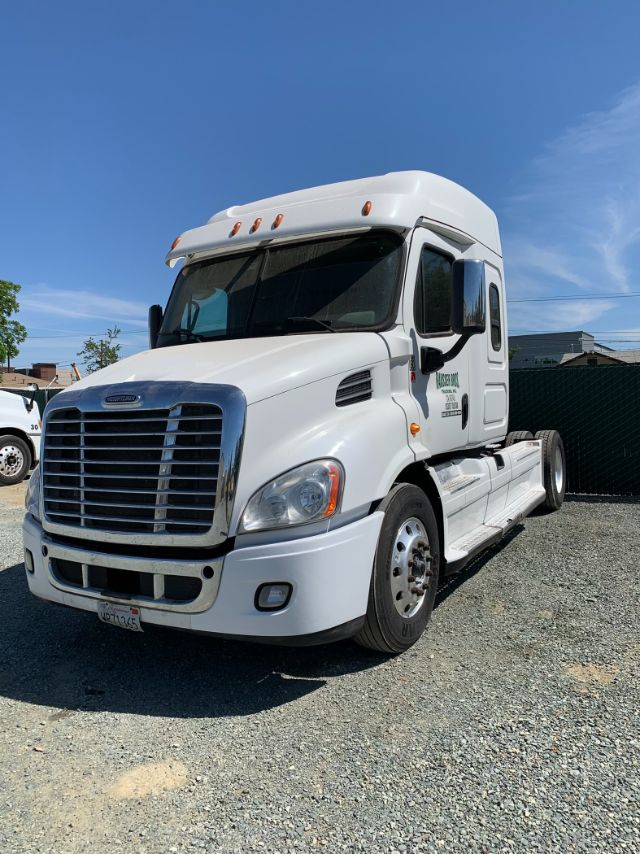
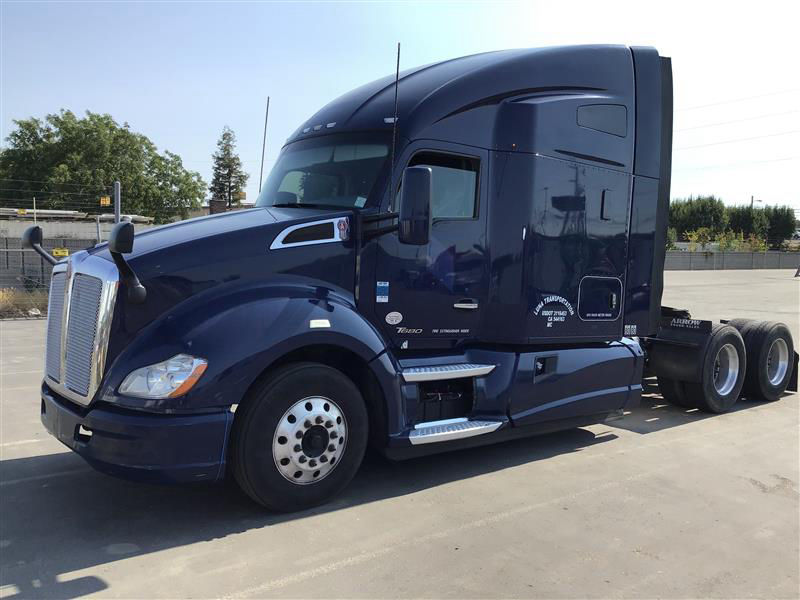

Selling a 2016 conventional sleeper truck? List your 2016 conventional sleeper truck for sale and reach thousands of commercial buyers.
2016 Conventional Sleeper Trucks in California
For this model year, common engines include the Cummins ISX15, Detroit DD15, PACCAR MX-13, and some Volvo D13 applications, usually paired with 10-speed, 13-speed, or automated manual transmissions. Typical ratings fall in the 400 to 500 horsepower range with 1,450 to 1,850 lb-ft of torque, which is enough for most 53-foot van and reefer lanes. Rear axle ratios often land between about 2.64 and 3.55 depending on intended cruise speed, terrain, and transmission spec. A buyer comparing 2016 sleeper trucks should look closely at wheelbase, fuel capacity, fifth wheel type, suspension spec, and brake configuration, since those details have a direct impact on payload flexibility, turning radius, and operating cost.
Sleeper size matters more than many first-time buyers expect. A 60-inch to 76-inch sleeper changes storage, bunk layout, and driver retention, especially in over-the-road service. Raised-roof sleepers are common in this category because they improve stand-up room and cabinet space, while mid-roof configurations can make sense for weight-sensitive or shorter-wheelbase applications. Interior details such as bunk heater, inverter prep, refrigerator space, and idle-management setup can make a meaningful difference in driver comfort and fuel burn. On the chassis side, air ride suspension, sliding fifth wheels, aluminum wheels, fairings, and dual fuel tanks are common spec points in this segment.
For a 2016 conventional sleeper in California, the inspection should go beyond the usual tire and brake walkaround. Pay attention to DPF and SCR service history, transmission calibration, engine brake operation, suspension wear, and any signs of excessive idle hours. ECM downloads, maintenance records, and oil sample history are especially valuable on this year range. Buyers running western lanes should also consider cooling performance, gearing for mountain grades, and sleeper HVAC condition. A well-spec'd 2016 conventional sleeper truck can still be a cost-effective revenue unit when the drivetrain, emissions system, and cab condition line up with the job.
Frequently Asked Questions about 2016 Conventional Sleeper Trucks in California
What should I check first on a 2016 conventional sleeper truck in California?
Start with emissions compliance and aftertreatment health. On a 2016 truck, the DPF, SCR, DEF system, sensors, and related service history can have a major effect on uptime and legal operation in California. After that, review engine hours versus odometer miles, confirm there are no active fault codes, and inspect the transmission, suspension, brakes, and sleeper HVAC system. Maintenance records and an ECM report are especially useful on this model year.
What engines are common in 2016 conventional sleeper trucks?
Common 2016 engines in this category include the Cummins ISX15, Detroit DD15, PACCAR MX-13, and Volvo D13, depending on make and model. Most are spec'd in the 400 to 500 horsepower range for highway freight. The right choice depends less on peak horsepower and more on service network, emissions history, torque rating, and how the engine is matched to the transmission and rear axle ratio.
Is a 2016 conventional sleeper truck good for over-the-road work?
Yes, if the truck is properly spec'd and well maintained. A 2016 conventional sleeper is commonly used for over-the-road dry van, reefer, and general freight because it combines highway aerodynamics with a full sleeper compartment. Buyers should match sleeper size, fuel capacity, wheelbase, and gearing to the length of haul and terrain. A raised-roof sleeper with the right drivetrain can still be a productive OTR platform.
What sleeper size is best in this category?
The best sleeper size depends on route length and driver needs. A 60-inch sleeper may work for shorter regional runs, while 72-inch and 76-inch raised-roof sleepers are more common for long-haul and team applications because they offer better storage, bunk space, and stand-up room. Larger sleepers usually improve comfort and retention, but they also add weight and length, which can affect maneuverability and payload.
Are automated transmissions common on 2016 sleeper semis?
Yes, many 2016 conventional sleeper trucks were spec'd with automated manual transmissions, although manual transmissions are still common in this year range. Automated units can improve driver acceptance, reduce shift-related wear, and help with fuel economy when properly calibrated. Buyers should verify clutch life where applicable, review transmission software updates, and road test the truck under load if possible to confirm shift quality.