
2009 Conventional Sleeper Trucks For Sale
Shop 2009 conventional sleeper trucks with common specs, engine options, sleeper sizes, and buyer tips for long-haul and regional use.

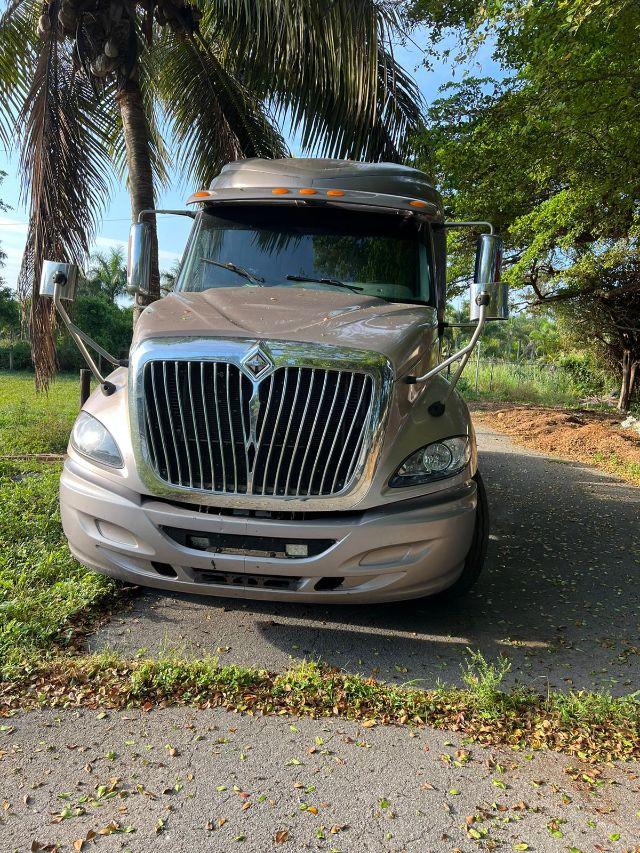
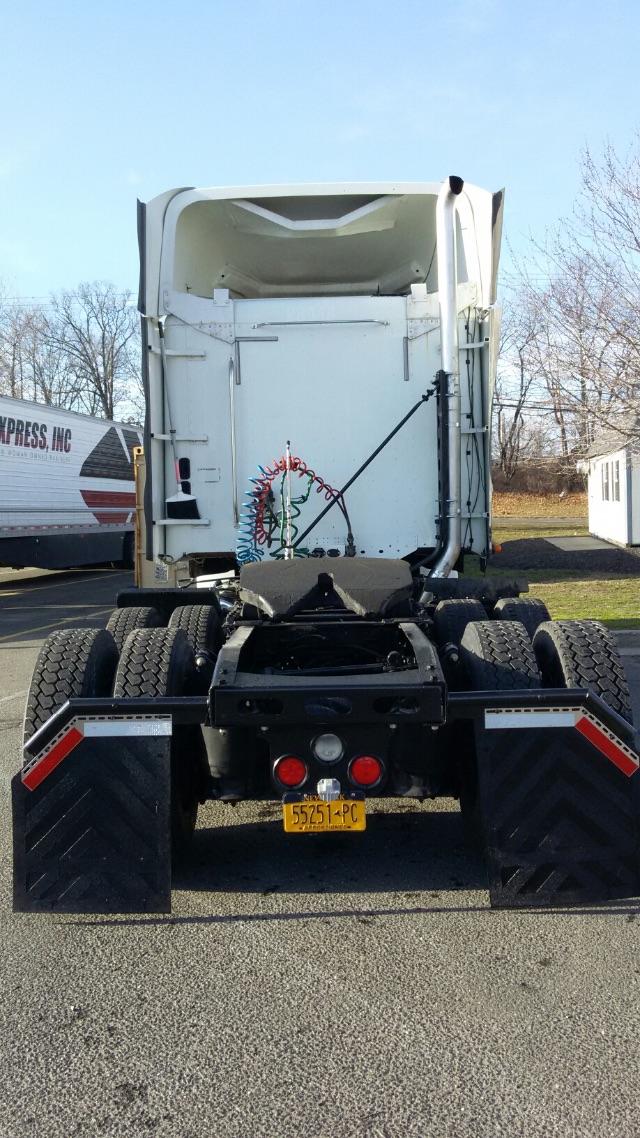
Selling a 2009 conventional sleeper truck? List your 2009 conventional sleeper truck for sale and reach thousands of commercial buyers.
2009 Conventional Sleeper Trucks
On 2009 conventional sleeper trucks, you will commonly see raised-roof sleepers in the 60-inch to 86-inch range, tandem rear axles, air ride suspension, and wheelbases set up for van, reefer, or general freight work. Typical power ratings often fall between 400 and 500 horsepower, with torque levels matched to linehaul loads and higher-speed interstate operation. Manual 10-speed and 13-speed transmissions are still common in this year range, though some automated manuals appear as well. Buyers should pay close attention to rear axle ratio, fifth wheel position, fuel capacity, and front axle rating because those details affect payload, drivability, and lane-to-lane versatility. Interior equipment can vary widely, from basic single-bunk layouts to condo sleepers with storage, fridge prep, bunk heaters, and inverter setups.
The 2009 model year matters because it sits firmly in the emissions-era market. Many trucks from this period use exhaust gas recirculation and diesel particulate filter systems, but not the later DEF-based SCR setup that became standard on most 2010 and newer highway tractors. That can be attractive to buyers looking for a simpler emissions package than newer units, but condition is everything. DPF service history, regen performance, injector condition, turbo health, and signs of soot-related issues should all be reviewed closely. A clean overhead report, ECM mileage verification, service records, and evidence of recent work on aftertreatment, clutch, suspension, and cooling system often matter more than odometer alone on a 2009 sleeper.
For long-haul owner-operators and smaller fleets, a 2009 conventional sleeper can still be a capable revenue truck if the spec matches the freight. A lighter aero truck with fairings and taller gearing may suit dry van and reefer lanes, while a heavier spec with a manual transmission, deeper ratios, and stronger vocational durability may fit specialized hauling better. Look at frame condition, crossmember corrosion, air system leaks, kingpin and steer axle wear, bunk HVAC operation, and tire wear patterns before making a decision. The right 2009 sleeper truck is usually the one with a proven maintenance file, a stable driveline spec, and a cab and sleeper layout that keeps the driver productive for the type of miles being run.
Frequently Asked Questions about 2009 Conventional Sleeper Trucks
What should I look for first on a 2009 conventional sleeper truck?
Start with the engine and emissions service history. On a 2009 truck, DPF maintenance, regen history, injector performance, turbo condition, cooling system repairs, and any documented overhead work are critical. After that, verify transmission type, axle ratio, mileage consistency through the ECM, frame condition, suspension wear, and sleeper functionality. A well-documented truck with average mileage is usually a better buy than a cheaper truck with missing records.
Are 2009 sleeper trucks pre-DEF?
Most 2009 conventional sleeper trucks are pre-DEF, meaning they generally do not use the SCR and diesel exhaust fluid systems found on most 2010 and newer highway tractors. However, they are still emissions-era trucks and commonly use EGR and a diesel particulate filter. That makes maintenance history especially important, because these systems can be expensive if neglected.
Is a manual or automated transmission better on a 2009 sleeper truck?
It depends on the operation and driver preference. A manual transmission, especially a 10-speed or 13-speed, is still popular in this year range because it is familiar, widely serviceable, and often preferred in heavy haul or mixed-terrain work. An automated transmission can reduce driver fatigue and improve consistency in highway service, but buyers should confirm software updates, clutch life, and repair history before purchase.
What sleeper size is most common on a 2009 conventional truck?
Many 2009 conventional sleepers fall into the mid-roof or raised-roof category, typically around 60 to 86 inches. Smaller sleepers work well for regional runs and slip-seat operations where weight and wheelbase matter. Larger condo-style sleepers provide more storage and comfort for teams or long-haul operators who stay out for extended periods. The right sleeper size depends on freight lanes, home time, and how much living space the driver needs.
Can a 2009 conventional sleeper still work for over-the-road freight?
Yes, if the truck has been maintained correctly and the spec fits the application. Many 2009 sleepers are still suitable for dry van, reefer, and general linehaul work, especially when they have aerodynamic fairings, proper gearing, dependable bunk climate control, and a sound chassis. The key is to evaluate the total operating risk, not just the purchase price. Downtime, emissions repairs, and deferred maintenance can quickly erase any upfront savings.