
Conventional Sleeper Trucks For Sale in Texas
Browse conventional sleeper trucks in Texas with specs for long-haul freight, including sleeper sizes, engine options, wheelbases, and driveline setups.
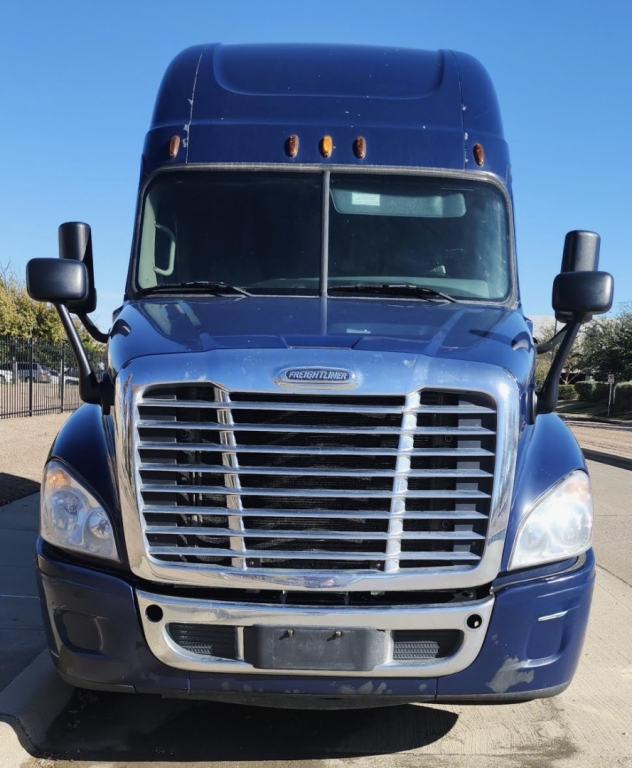
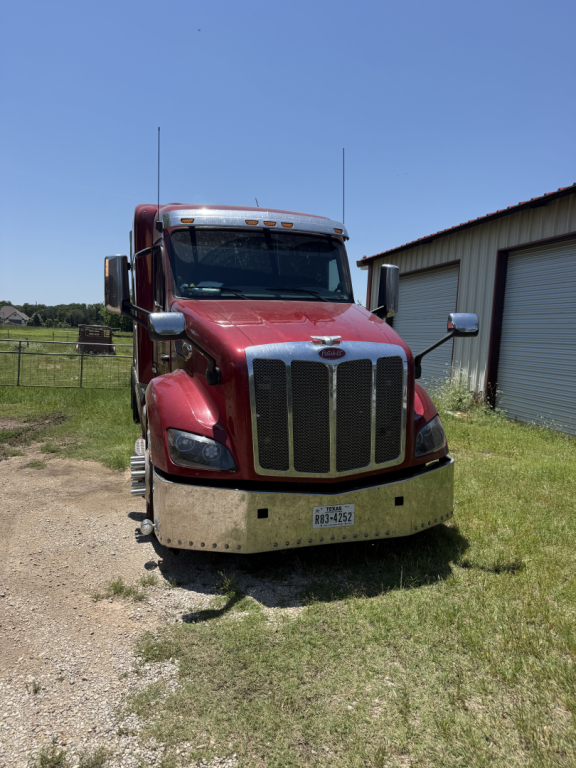
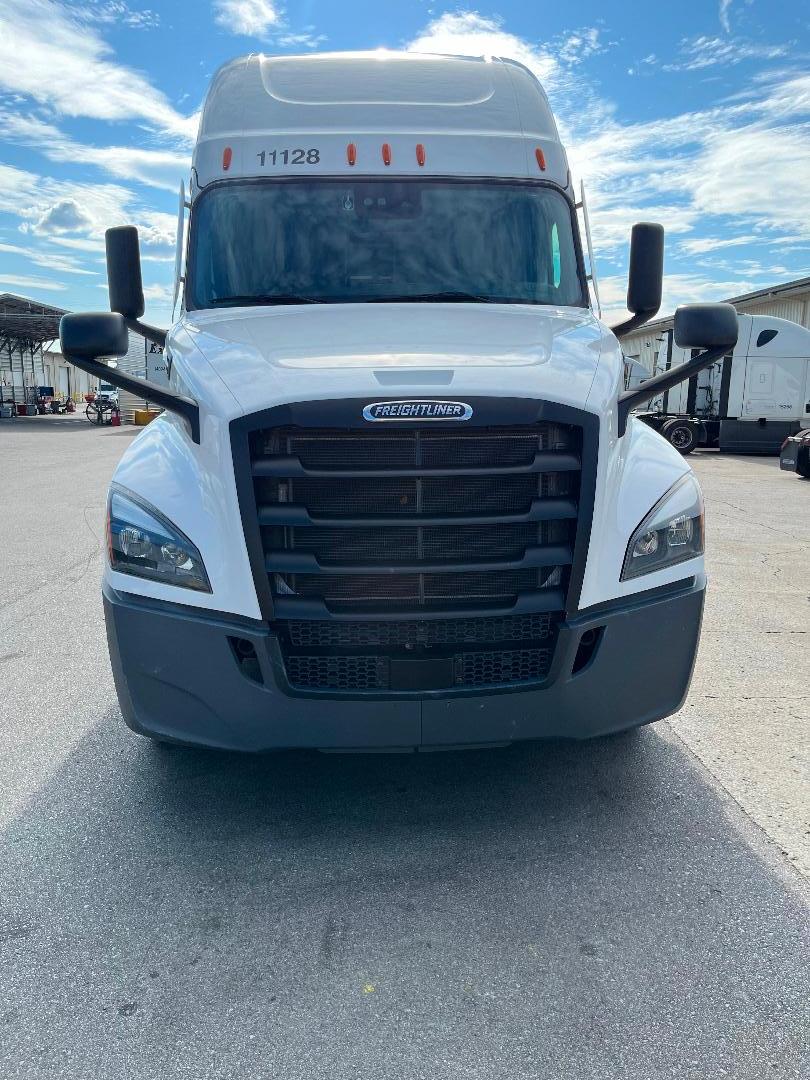
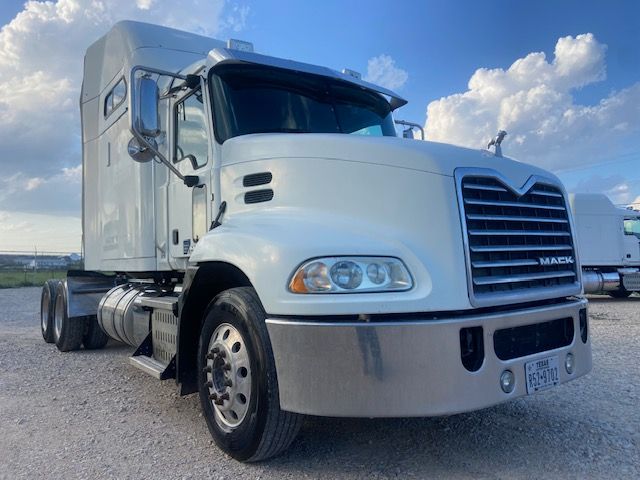
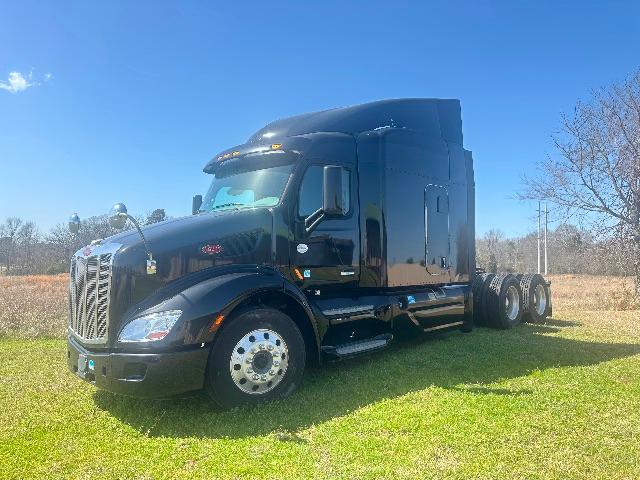
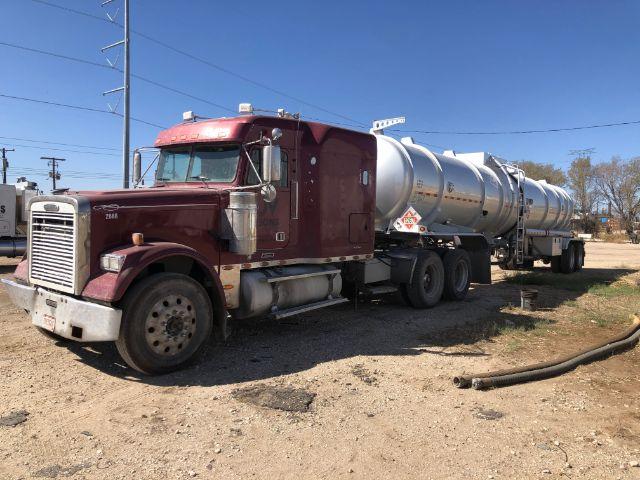
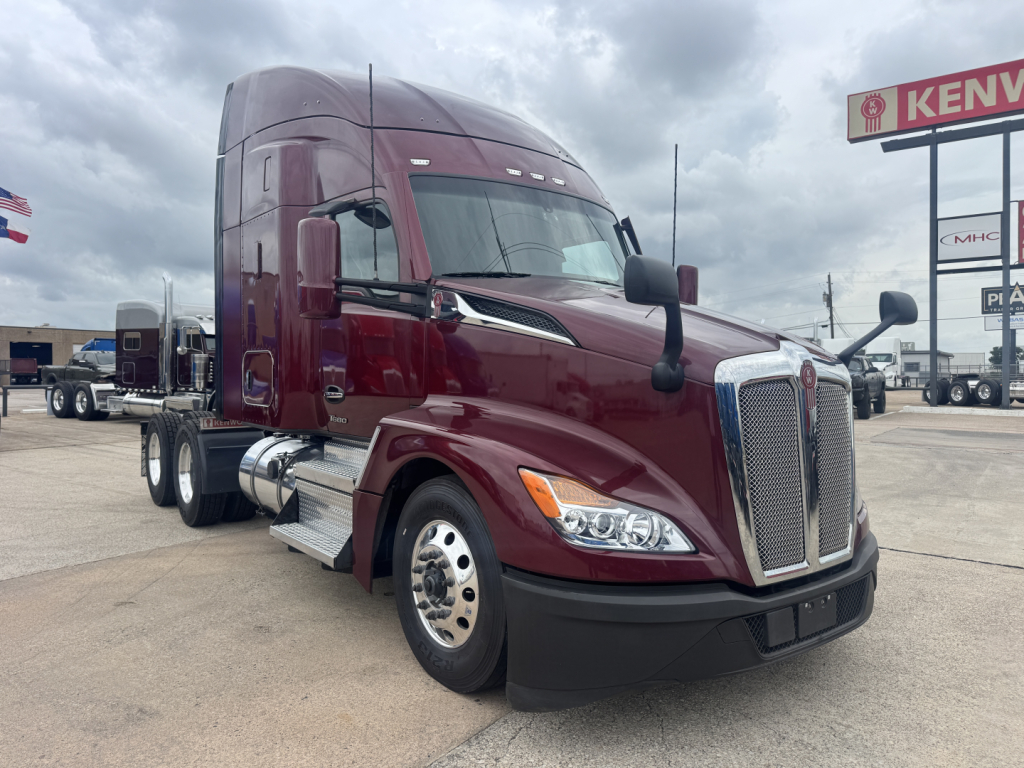
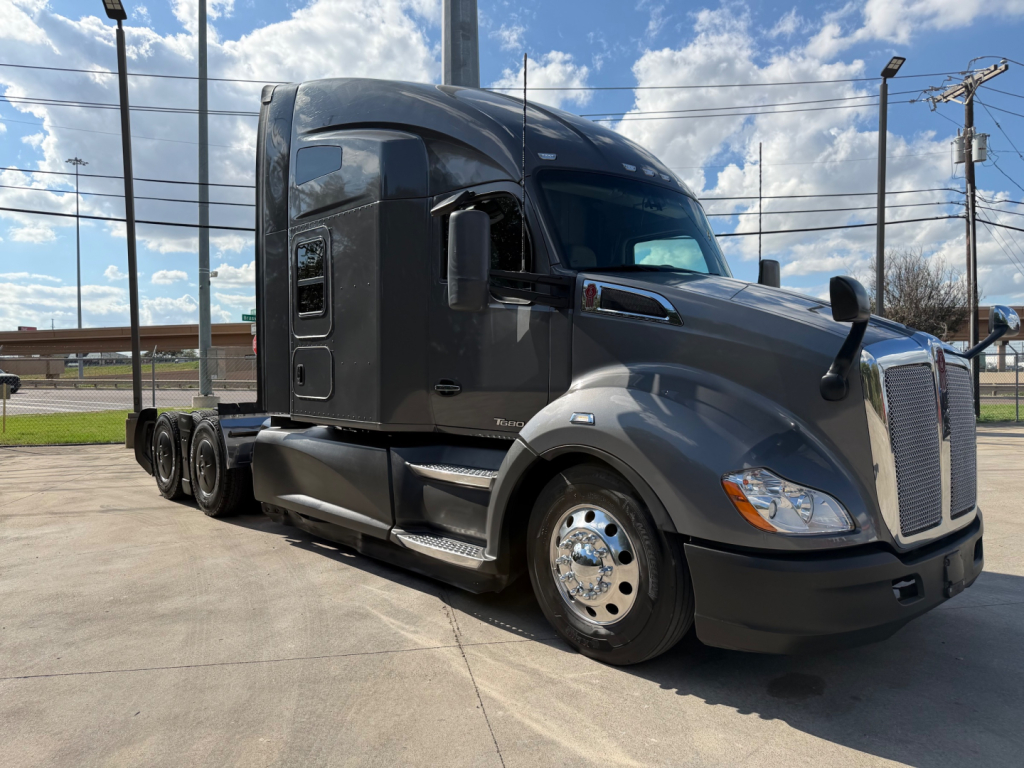
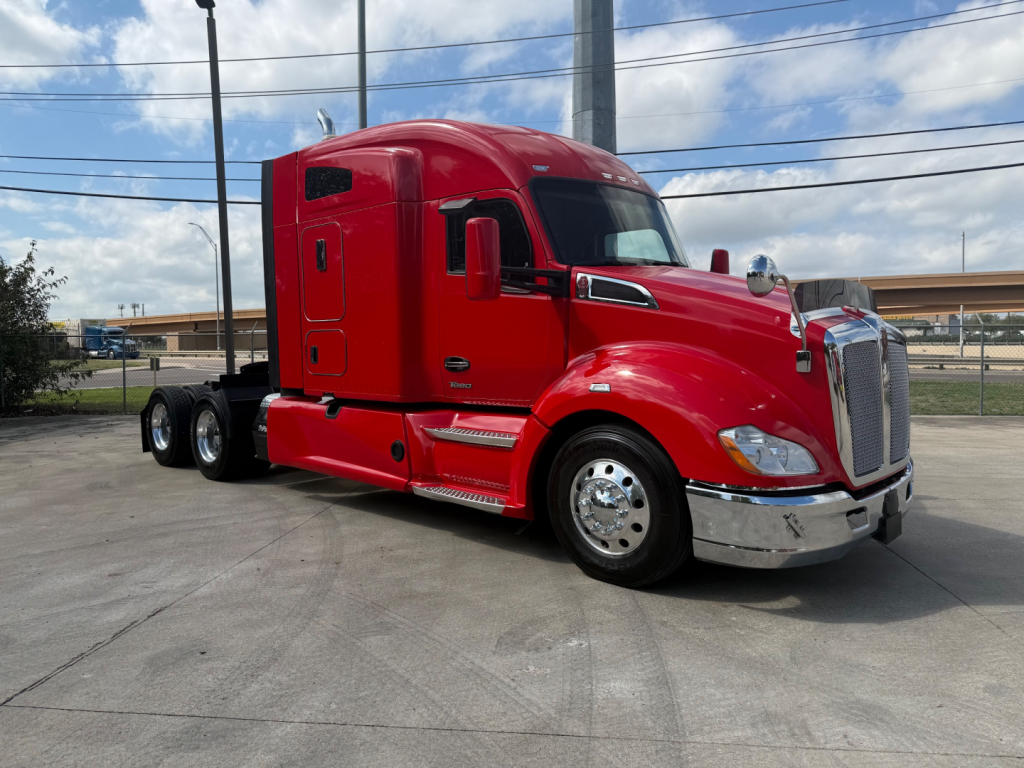
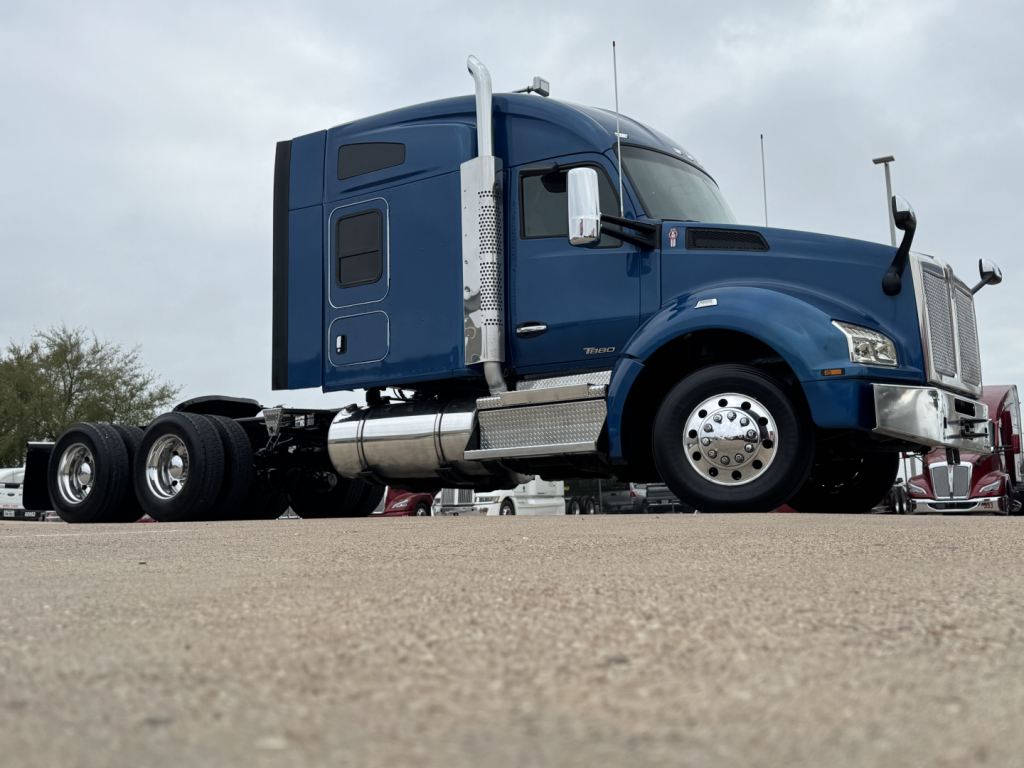
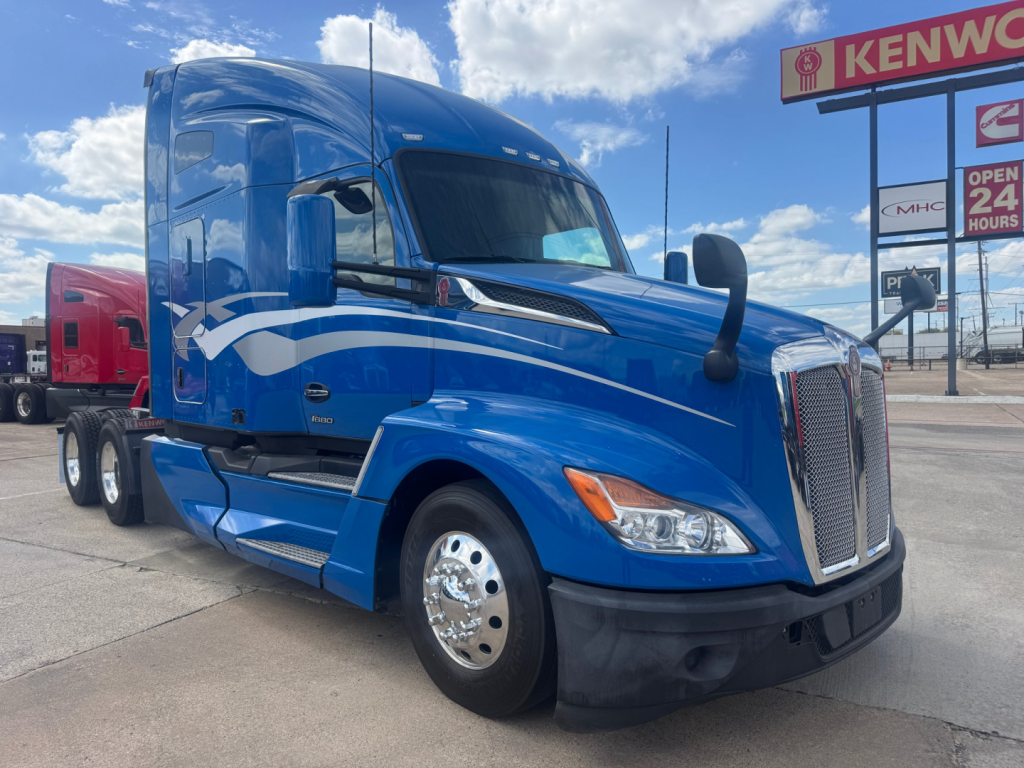
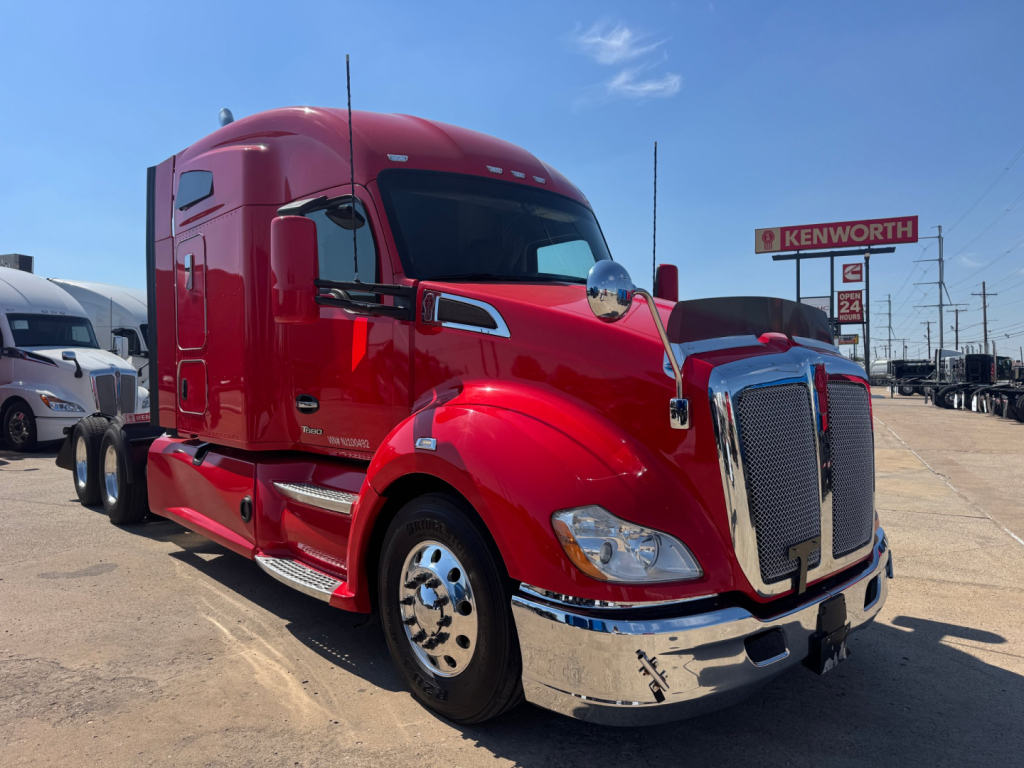
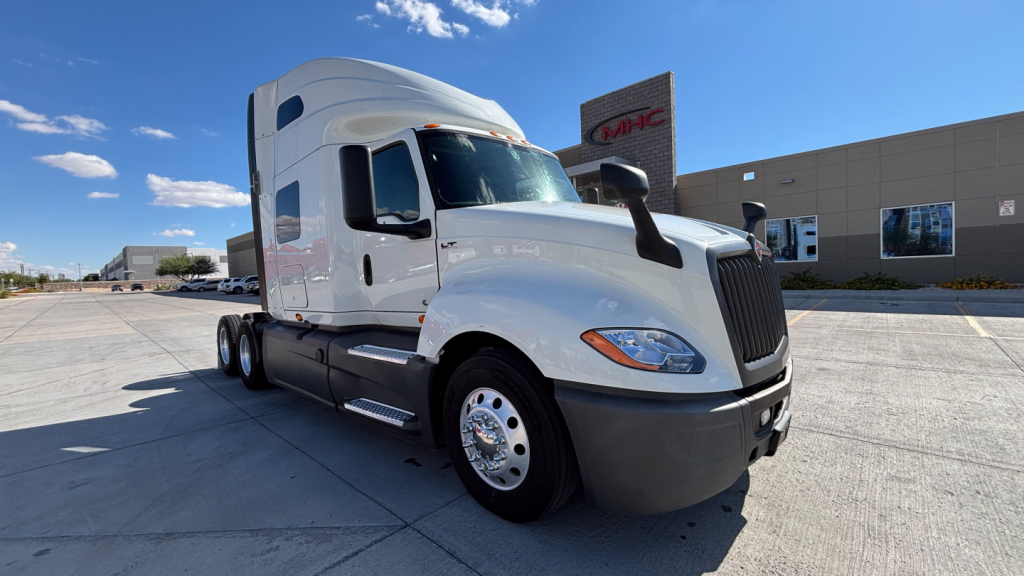
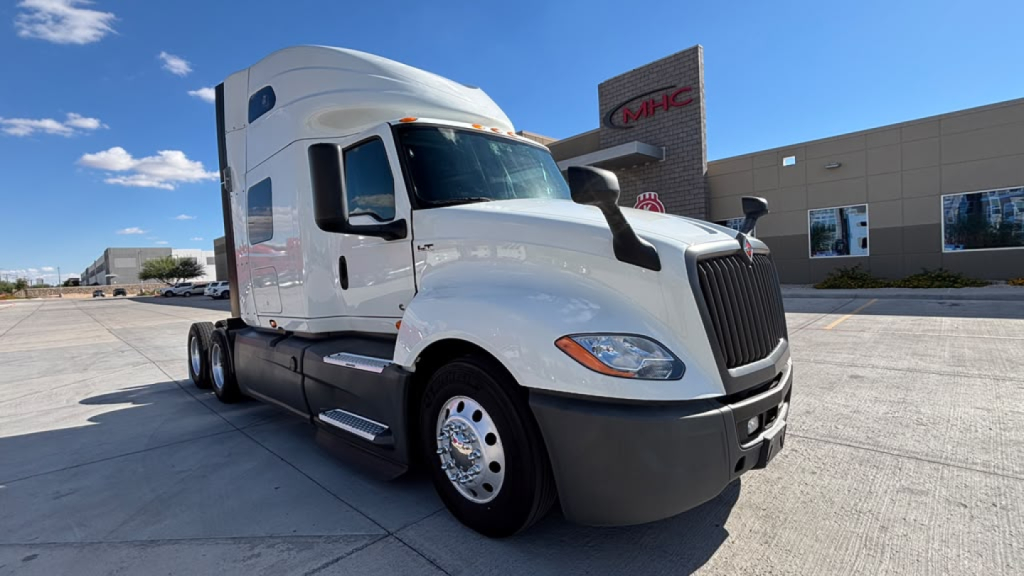
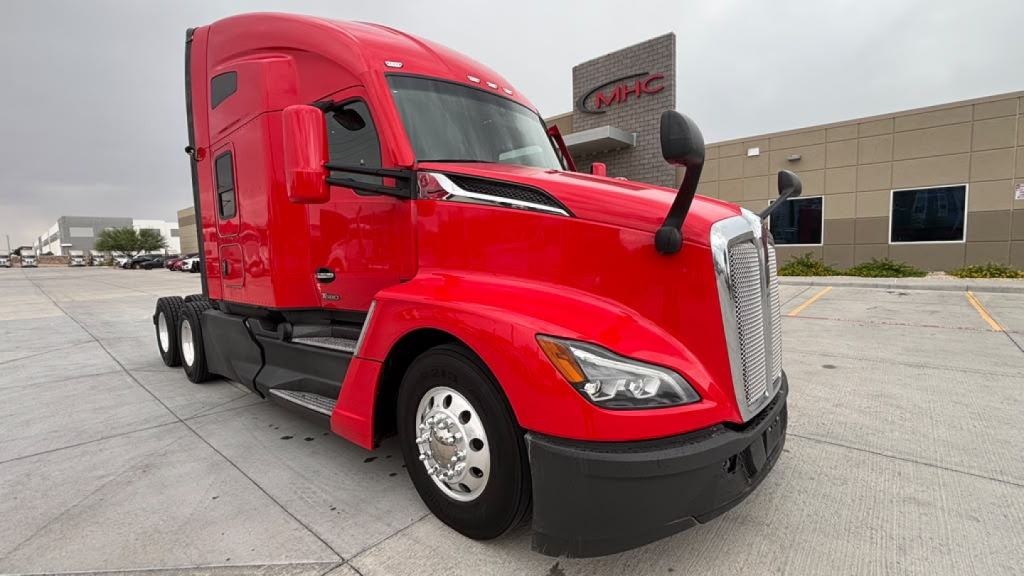
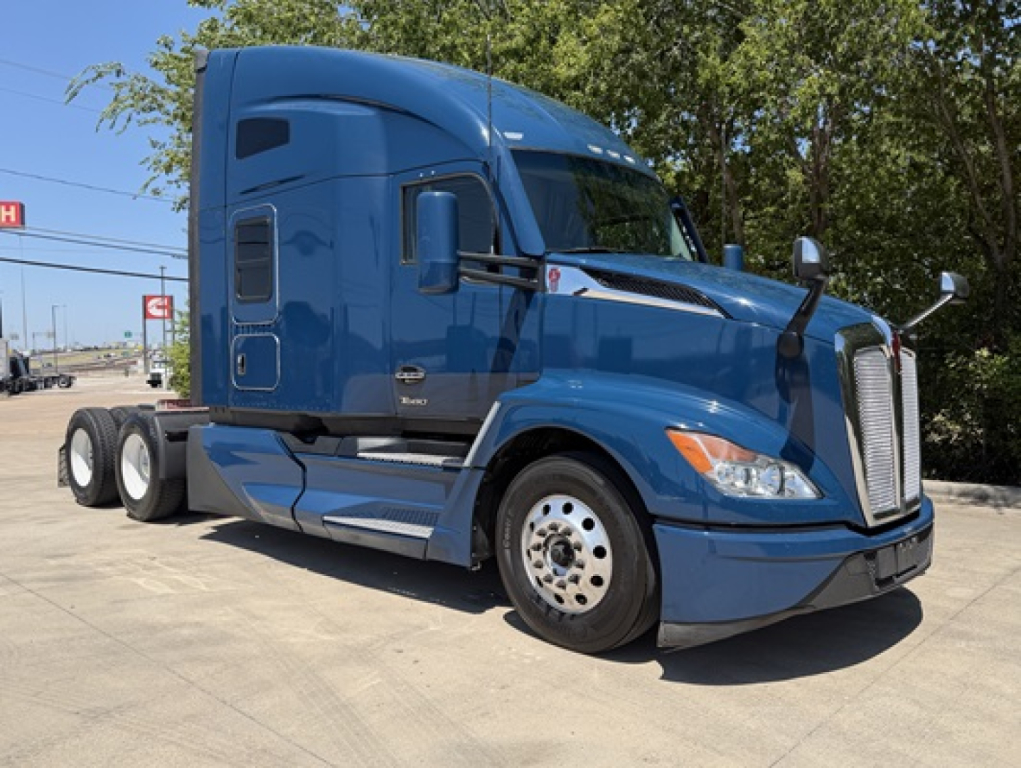
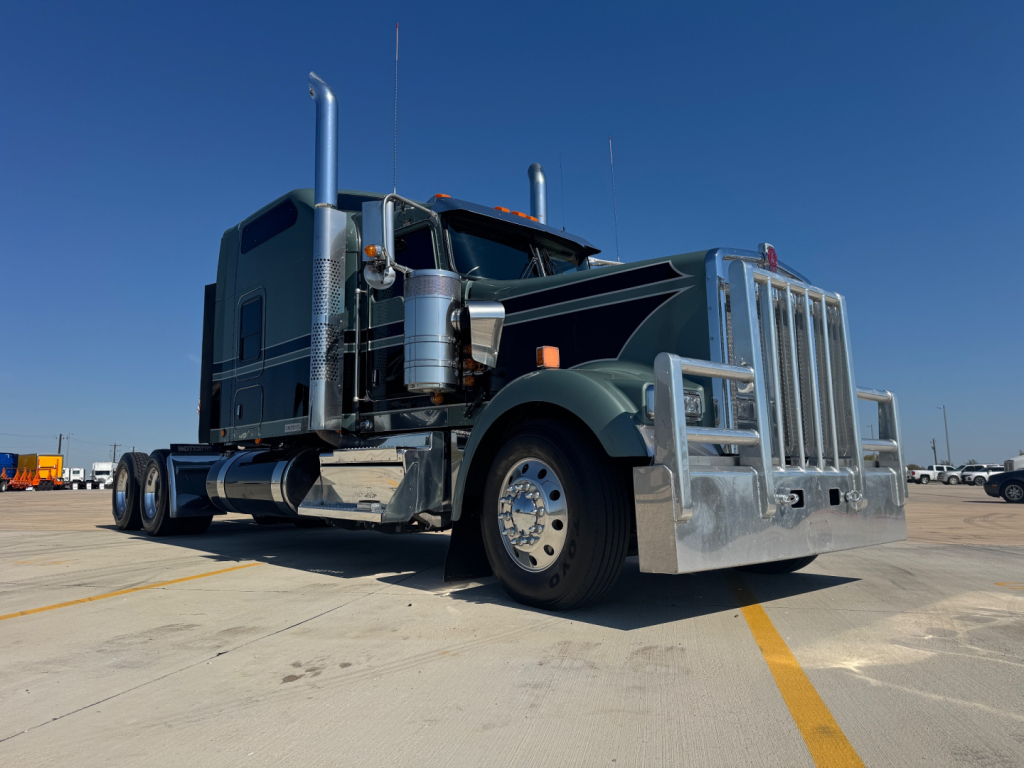
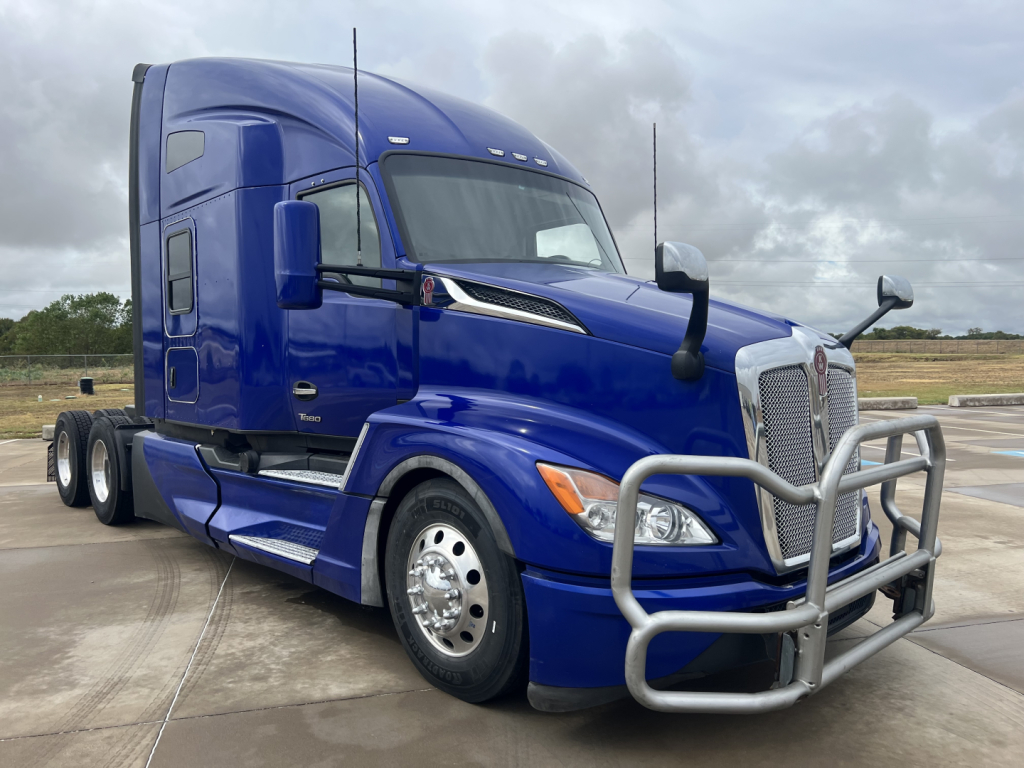
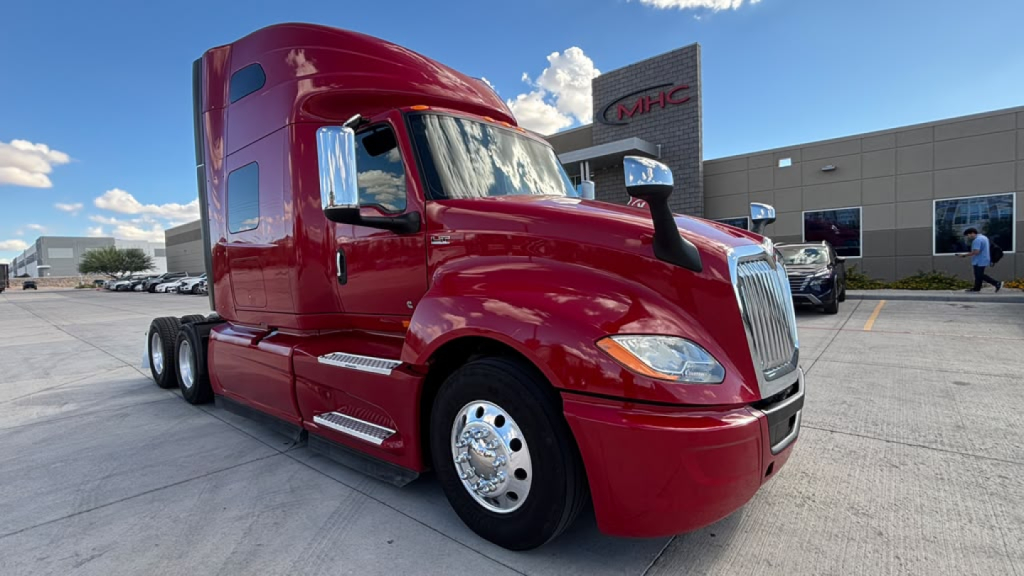
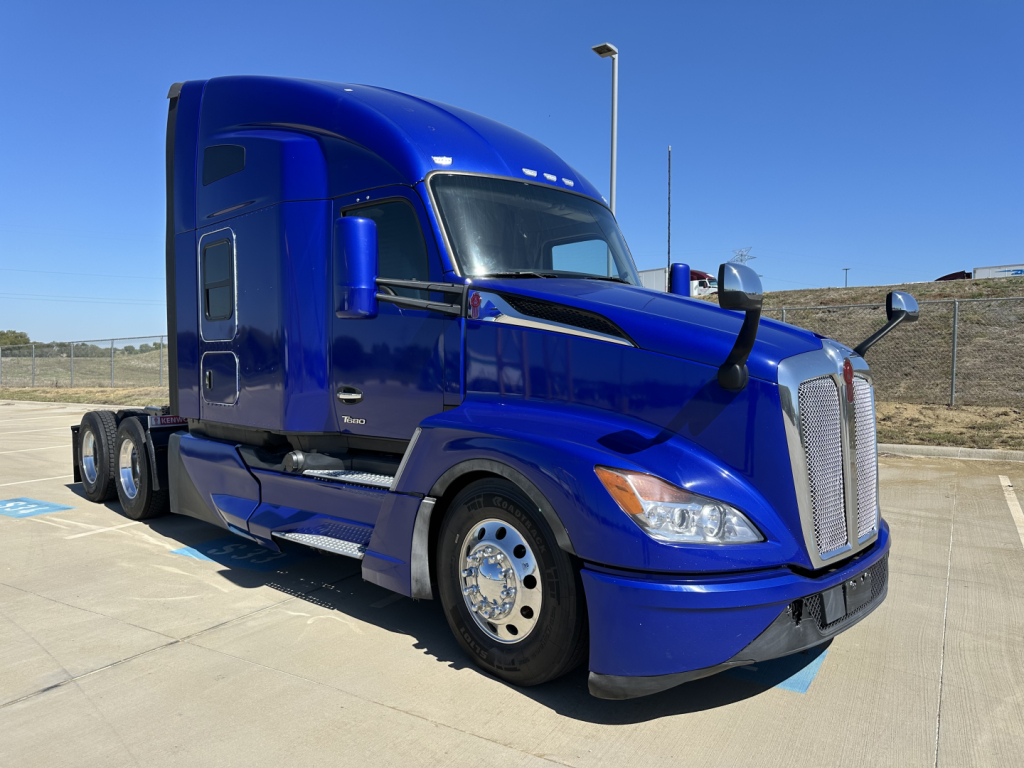
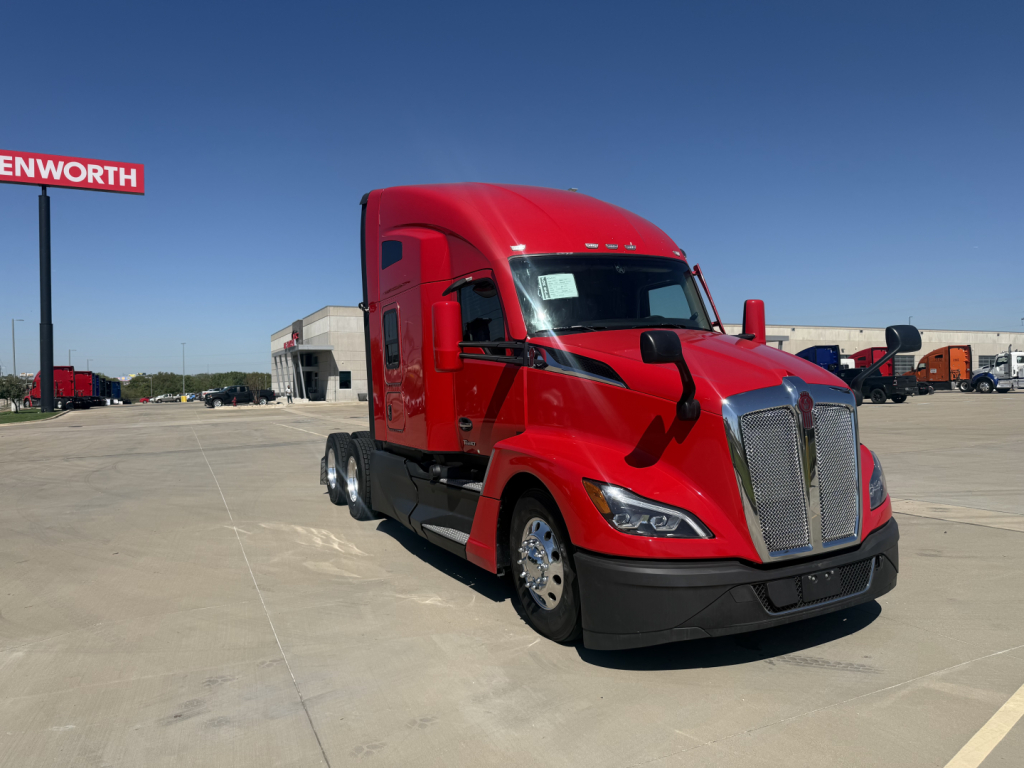
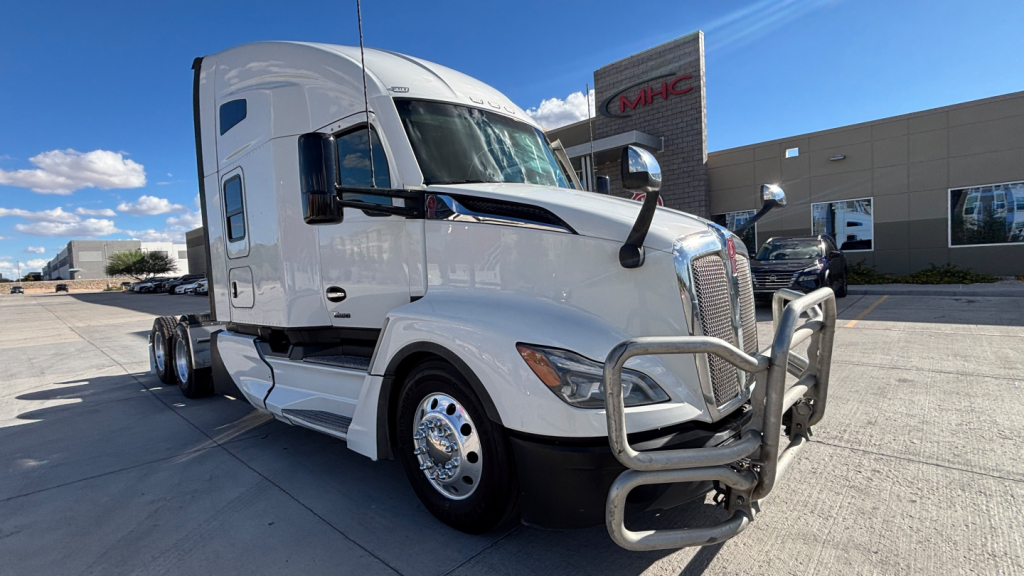
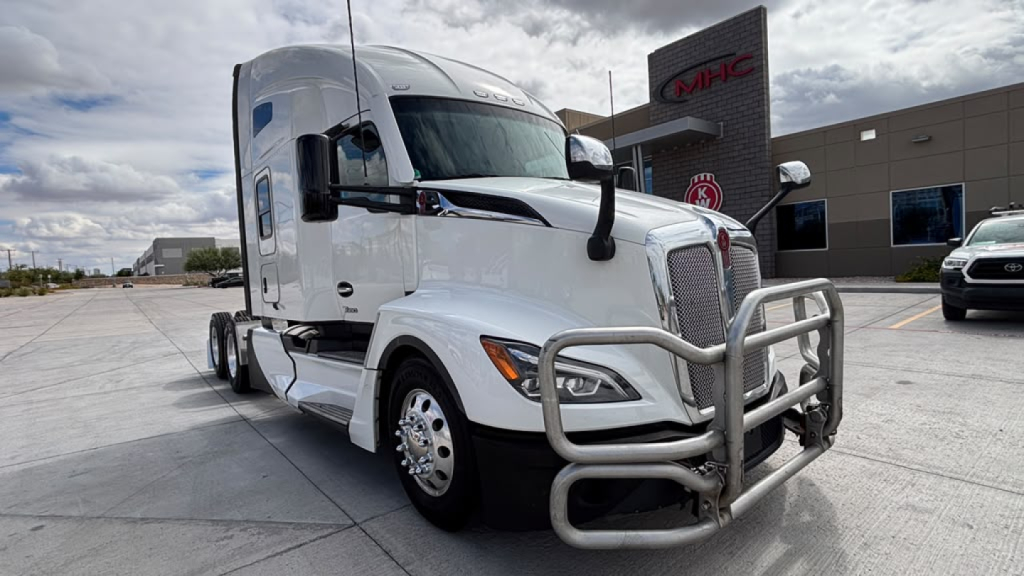
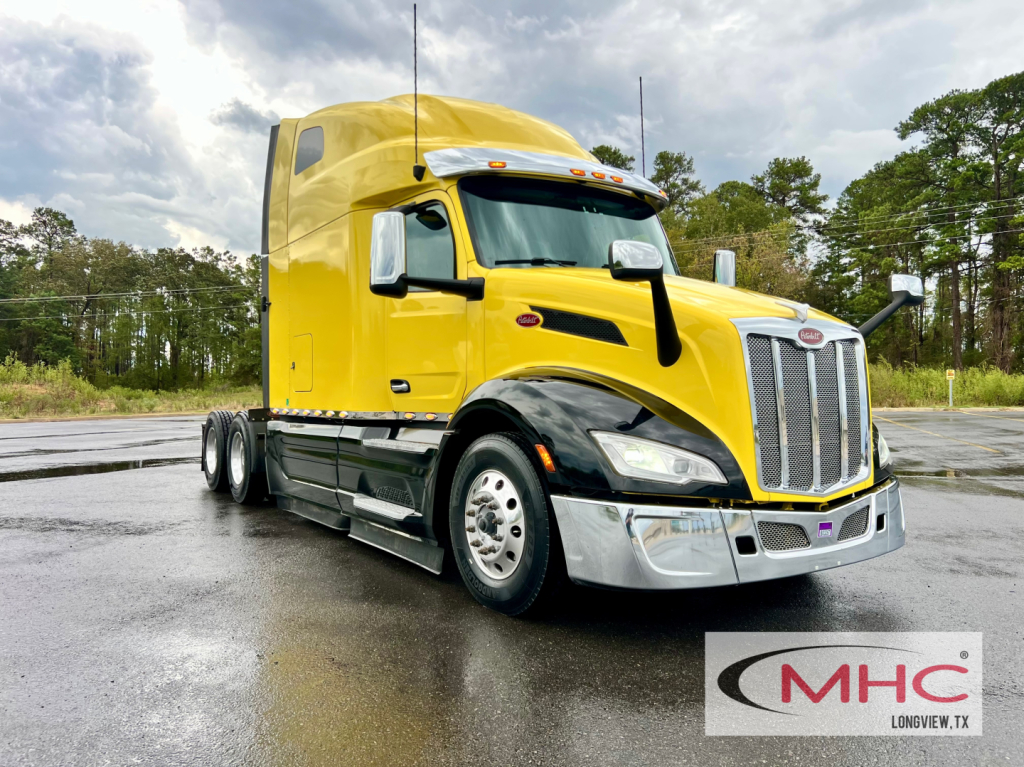
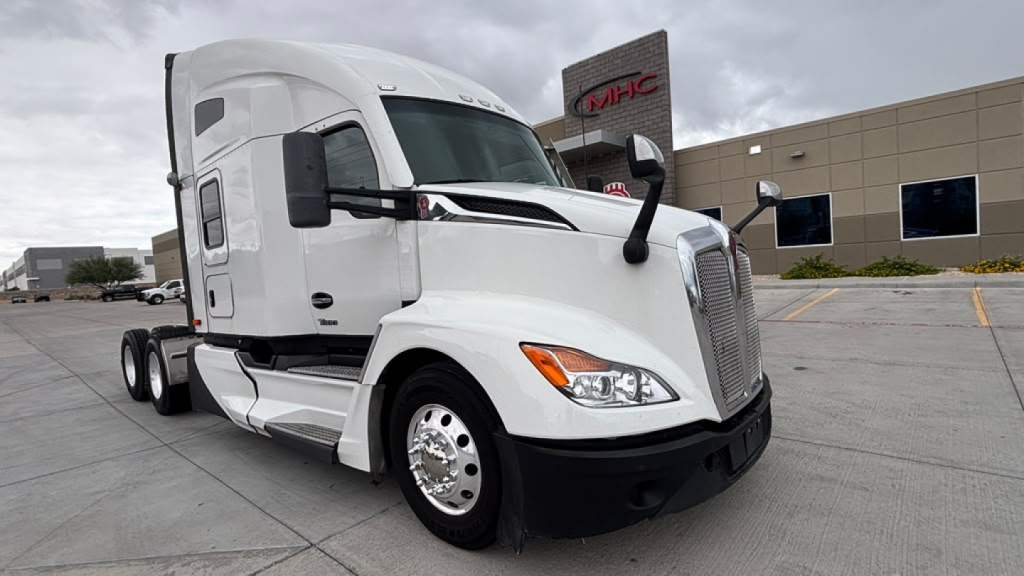
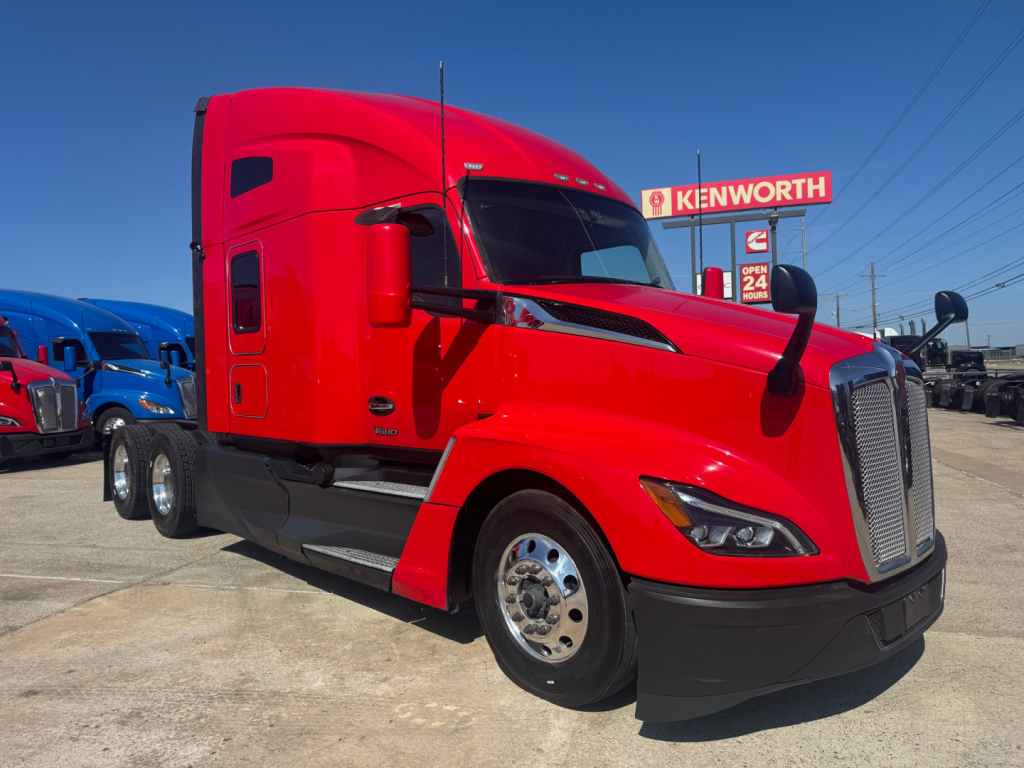
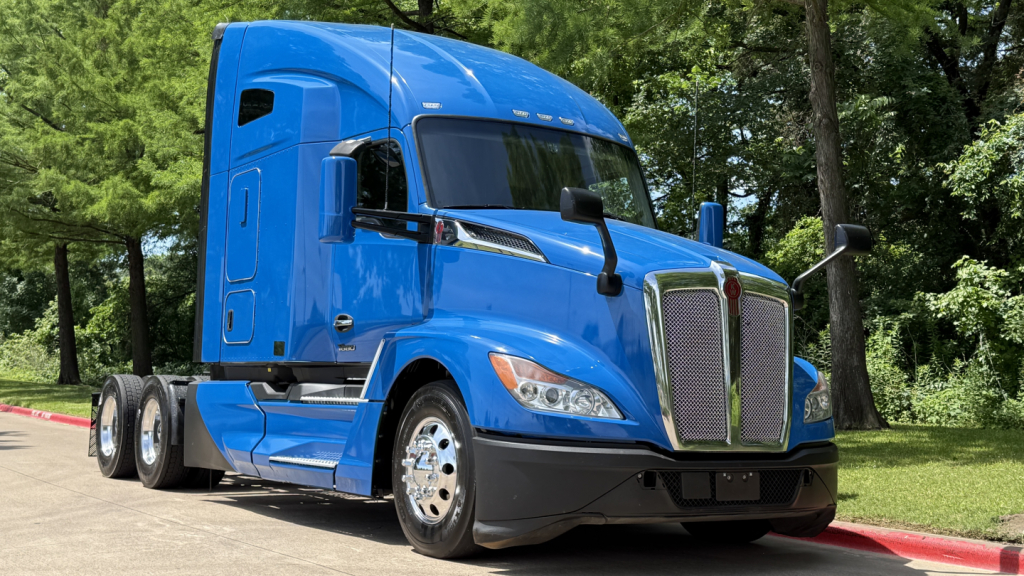
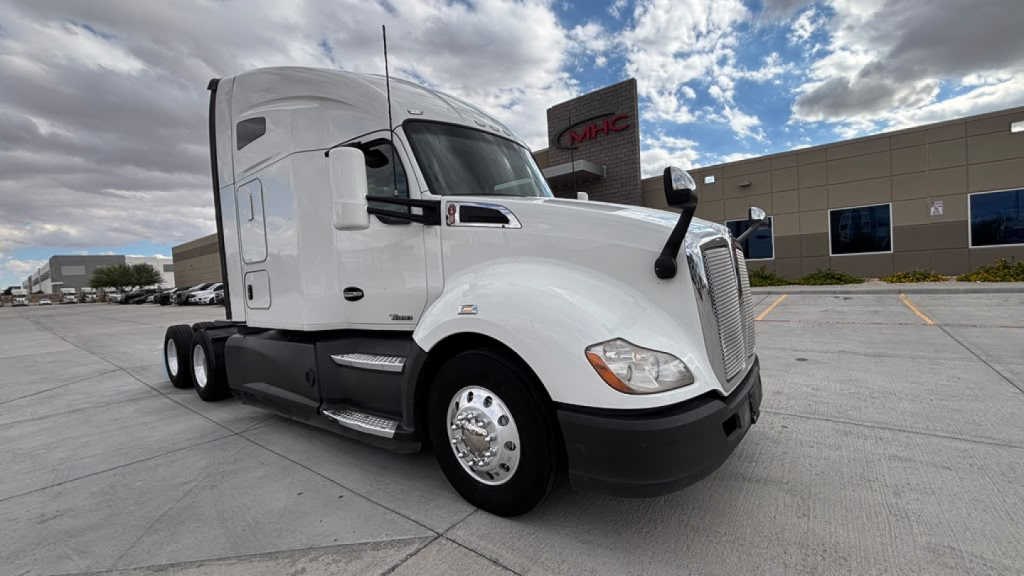
Showing 1 to 28 of 193 results
Selling a conventional sleeper truck? List your conventional sleeper truck for sale and reach thousands of commercial buyers.
Conventional Sleeper Trucks in Texas
The biggest buying decisions usually start with the sleeper and the driveline. Sleeper sizes commonly range from about 60 to 86 inches, with raised-roof and mid-roof layouts depending on how much stand-up room, bunk space, and cabinet storage the operation needs. Power is usually in the 400 to 515 horsepower range from engines such as the Detroit DD15, Cummins X15, Volvo D13, or Mack MP13, often paired with automated manual transmissions like the DT12, I-Shift, mDRIVE, or Endurant. Rear axle ratings around 40,000 pounds are standard, and gear ratios like 2.26, 2.41, or 2.64 are common on fuel-economy oriented highway specs. Buyers should match horsepower, torque, transmission programming, and axle ratio to the actual trailer weight and terrain instead of buying strictly by engine badge.
Cab configuration matters just as much as engine spec. Many conventional sleepers use air ride suspension, dual aluminum fuel tanks, aerodynamic side fairings, cab extenders, and sliding fifth wheels to balance comfort, range, and trailer compatibility. Wheelbase affects both ride quality and application, with longer wheelbases often supporting larger sleepers and fuel capacity, while shorter setups can help maneuverability and weight distribution. Safety and driver retention features have become standard considerations, including collision mitigation, adaptive cruise, lane departure alerts, disc brakes, tire pressure monitoring, APUs, inverters, and parking HVAC systems. Interior details like upper bunks, workstation layouts, refrigerator prep, and storage design can make a noticeable difference for team operations or drivers staying out for extended runs.
A smart evaluation of a conventional sleeper truck goes beyond mileage and model year. Look closely at idle hours, maintenance history, emissions system service, transmission calibration, tire wear, aftertreatment performance, and signs of uneven loading or alignment issues. In Texas, cooling system condition, APU operation, and air conditioning performance deserve extra attention because heat load can expose weak components quickly. For buyers comparing multiple listings, the best truck is usually the one with the right wheelbase, sleeper size, fuel capacity, and drivetrain for the freight mix, not simply the newest unit or the highest horsepower rating.
Frequently Asked Questions about Conventional Sleeper Trucks in Texas
What is a conventional sleeper truck used for?
A conventional sleeper truck is used for long-haul and regional freight where the driver needs an onboard sleeping compartment between runs. These tractors are common in dry van, refrigerated, flatbed, and dedicated lanes because they combine highway gearing, larger fuel capacity, and better living space than a day cab. The sleeper allows for longer dispatch cycles and improved driver comfort on multi-day trips.
What sleeper size is best for a long-haul operation?
For long-haul service, many buyers focus on 72-inch to 86-inch sleepers because they offer more stand-up room, storage, and better livability for drivers who stay out for extended periods. A smaller sleeper can still work well for regional routes or operations with more frequent home time. The right size depends on trip length, team or solo use, and how important features like an upper bunk, cabinets, inverter, or parking HVAC are to the operation.
Which engine and transmission setup is common in conventional sleeper trucks?
Most modern conventional sleepers are spec'd with 13-liter to 15-liter diesel engines in the 400 to 515 horsepower range, paired with automated manual transmissions. Common combinations include Detroit engines with DT12, Cummins X15 with Endurant, Volvo D13 with I-Shift, and Mack MP engines with mDRIVE. The best setup depends on gross combination weight, average terrain, cruise speed targets, and fuel economy goals rather than brand preference alone.
What should I inspect first on a used conventional sleeper truck?
Start with maintenance records, engine hours, idle hours, and any documentation for aftertreatment, clutch, transmission, and cooling system repairs. Then inspect tire wear, suspension condition, alignment signs, fifth wheel operation, brake condition, and the sleeper's HVAC and electrical accessories. A used highway tractor may look clean cosmetically while still having expensive deferred maintenance in the emissions system, driveline, or cab comfort systems.
Why do axle ratio and wheelbase matter on a sleeper tractor?
Axle ratio affects cruise RPM, fuel economy, startability, and grade performance, so it needs to match the engine torque curve and the loads being hauled. Wheelbase affects ride quality, turning radius, weight distribution, and how much room is available for sleeper length and fuel tanks. On a conventional sleeper truck, both specs have a direct impact on operating cost and trailer compatibility.