
2023 Conventional Sleeper Trucks For Sale in Texas
Browse 2023 conventional sleeper trucks in Texas with specs for long-haul freight, driver comfort, fuel economy, and regional compliance.
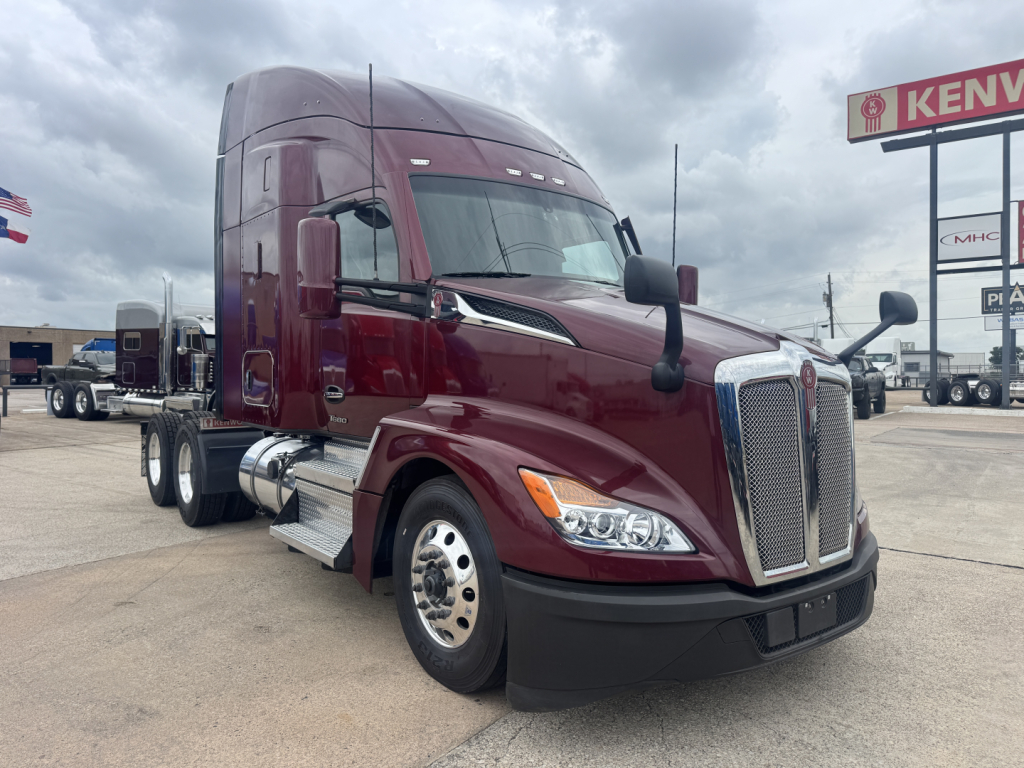
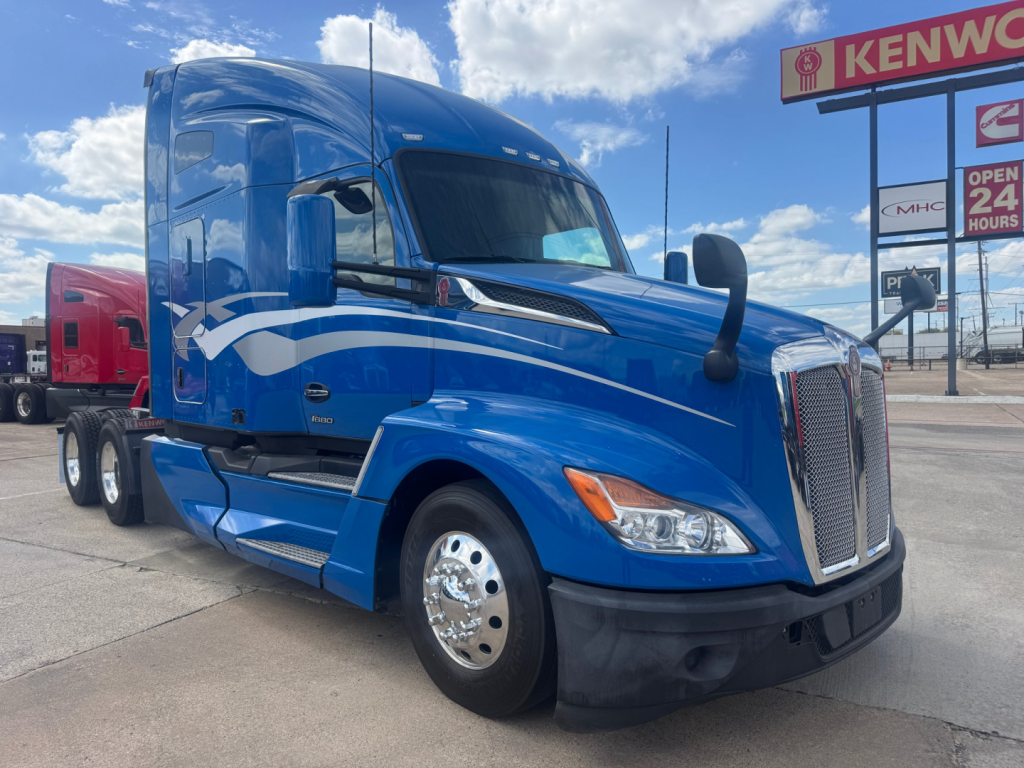
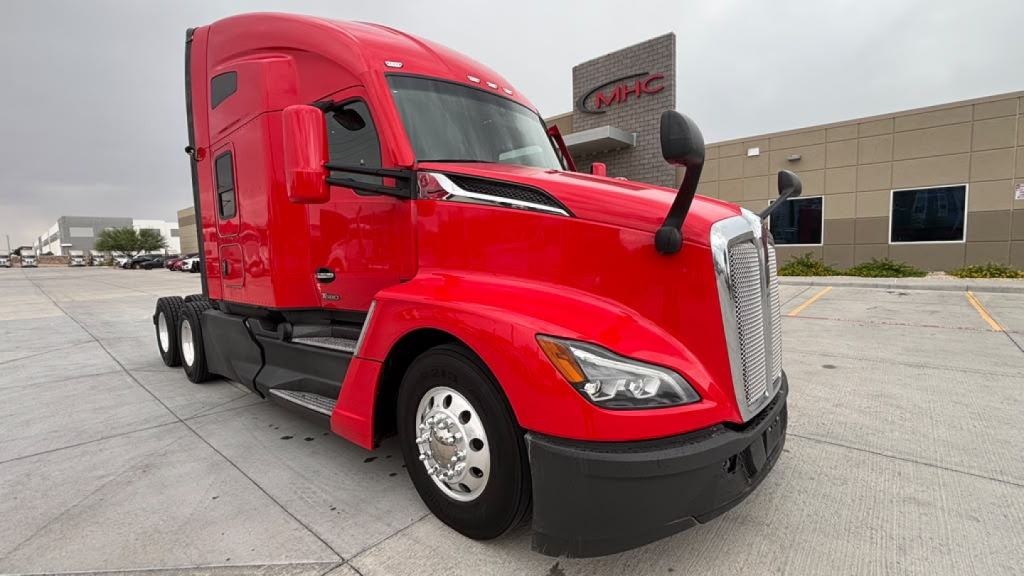
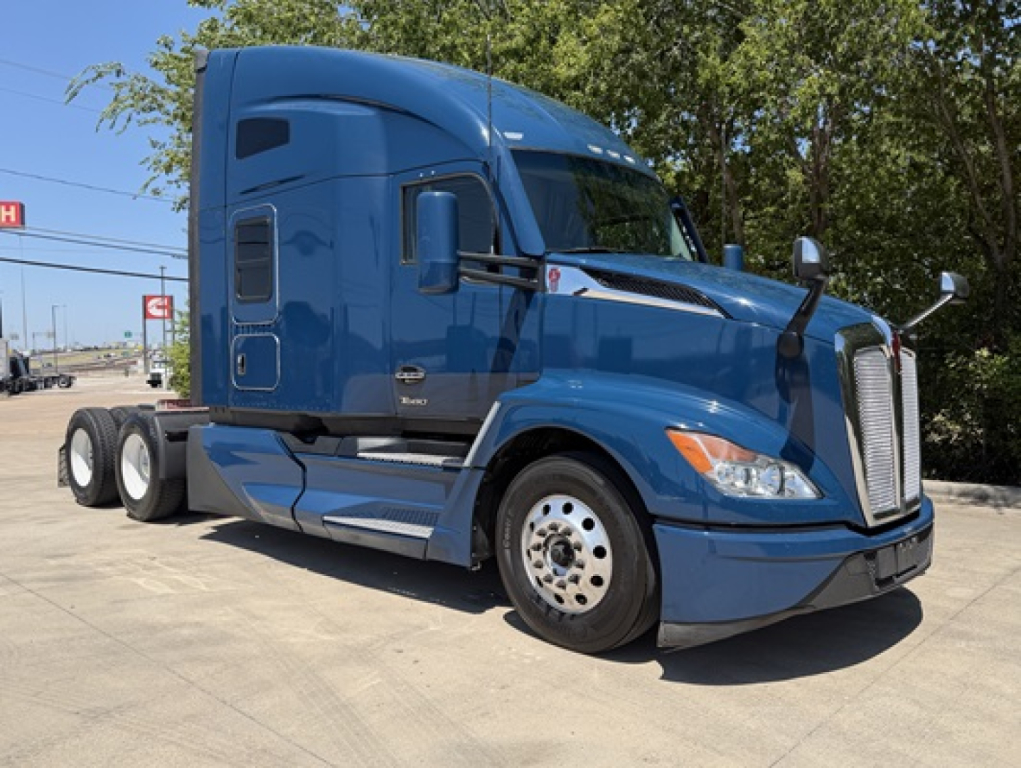
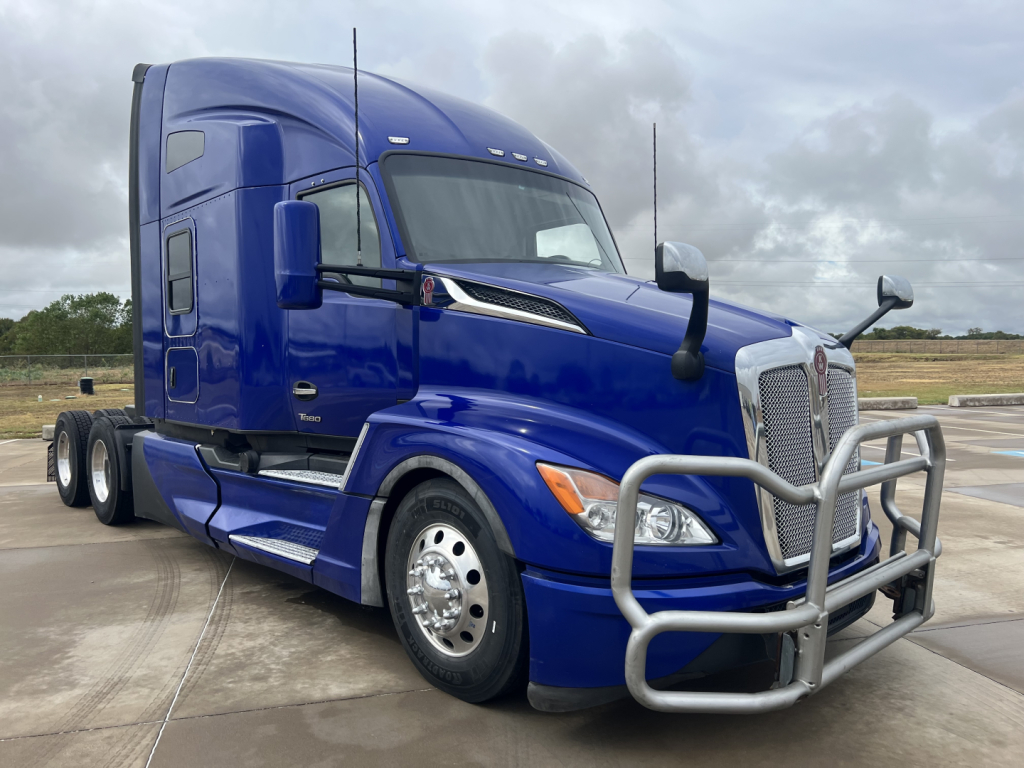
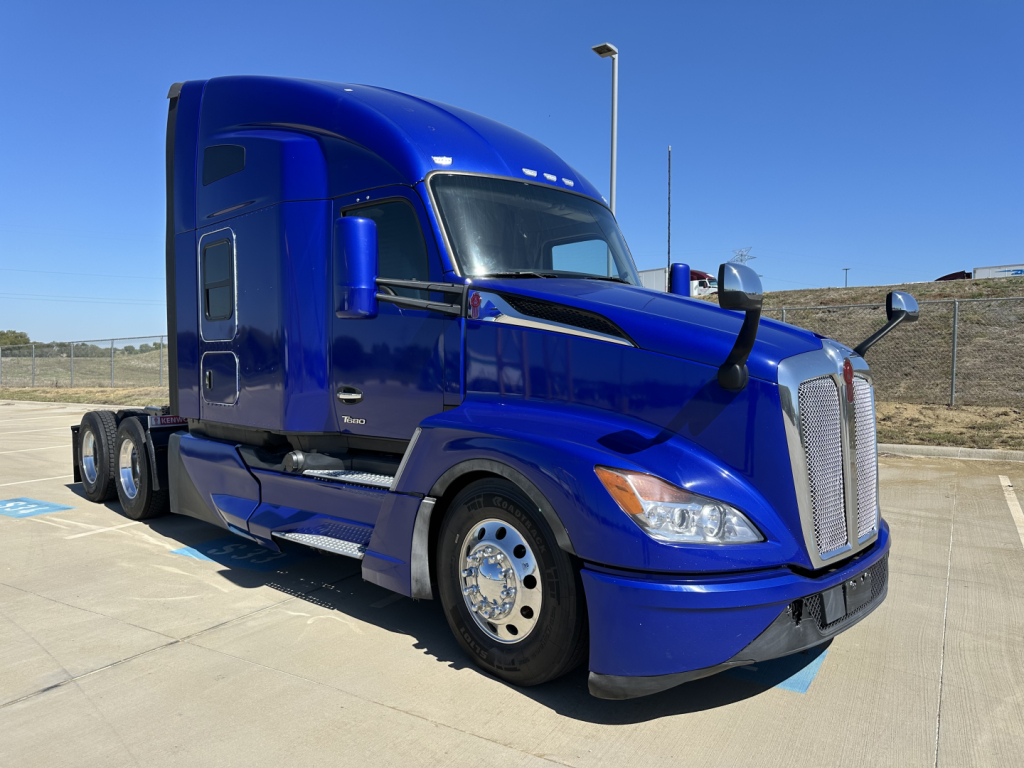
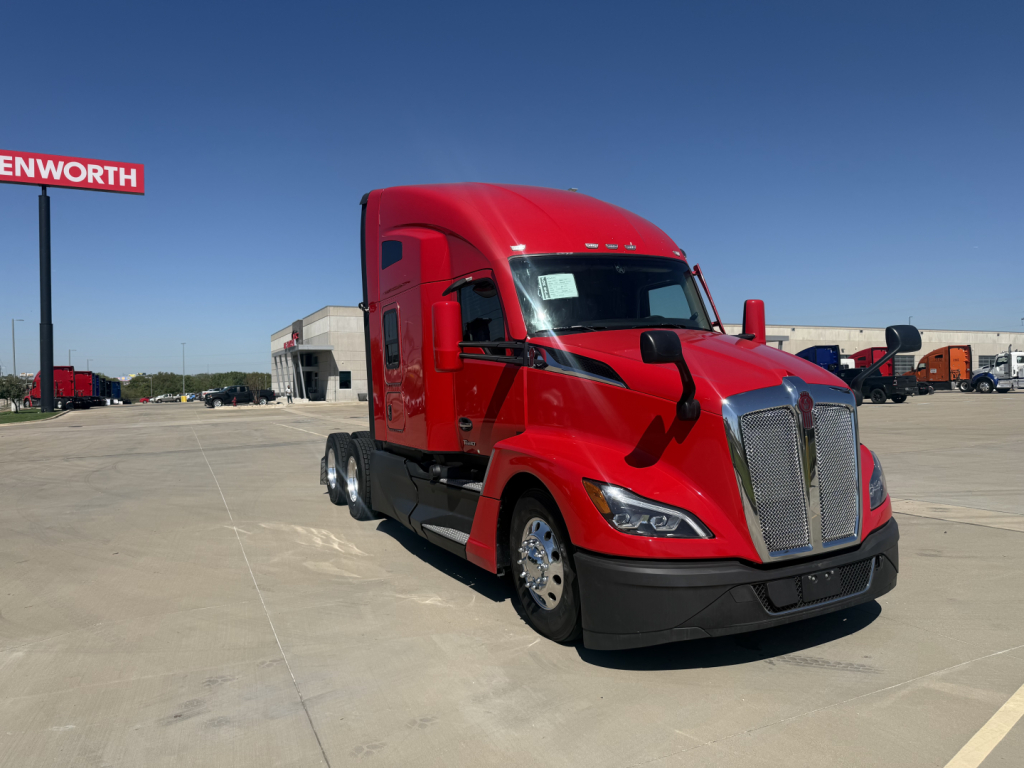
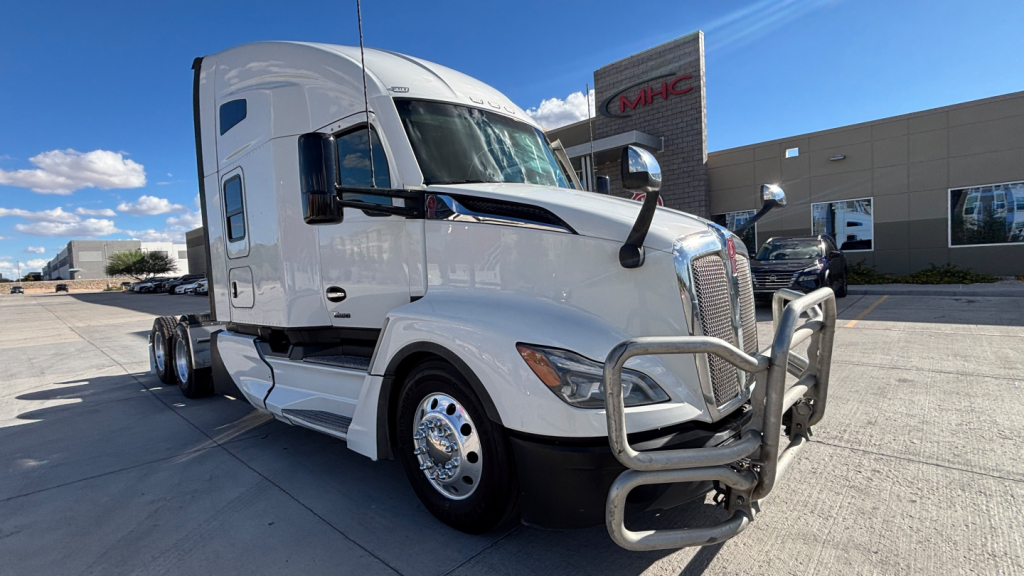
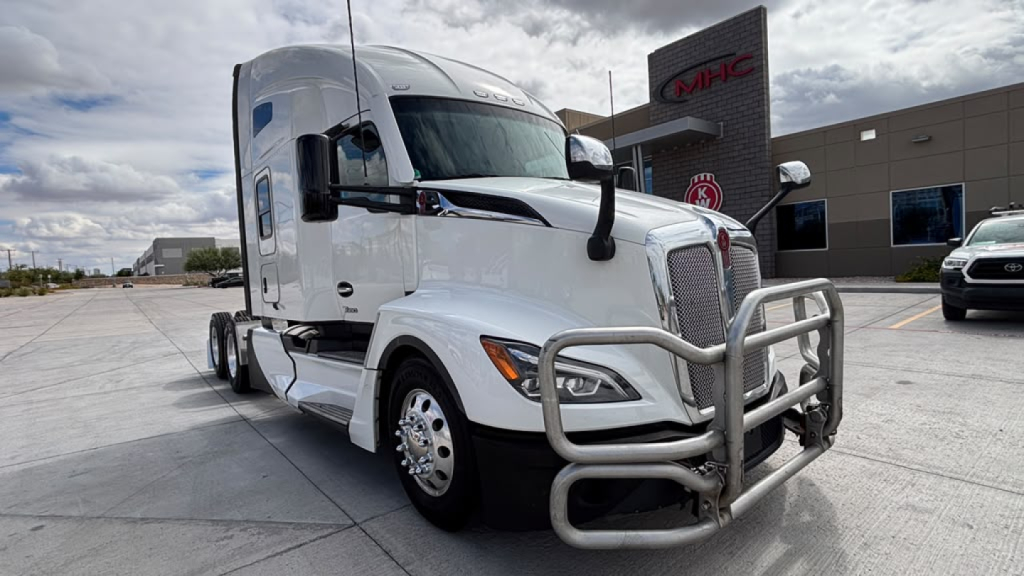
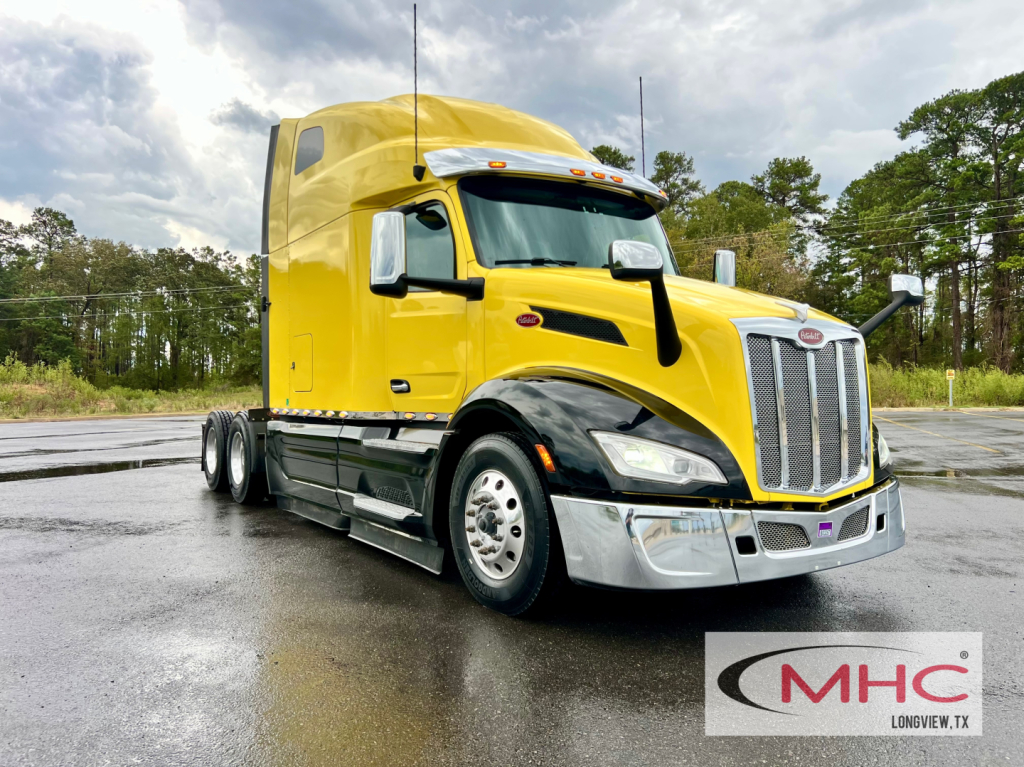
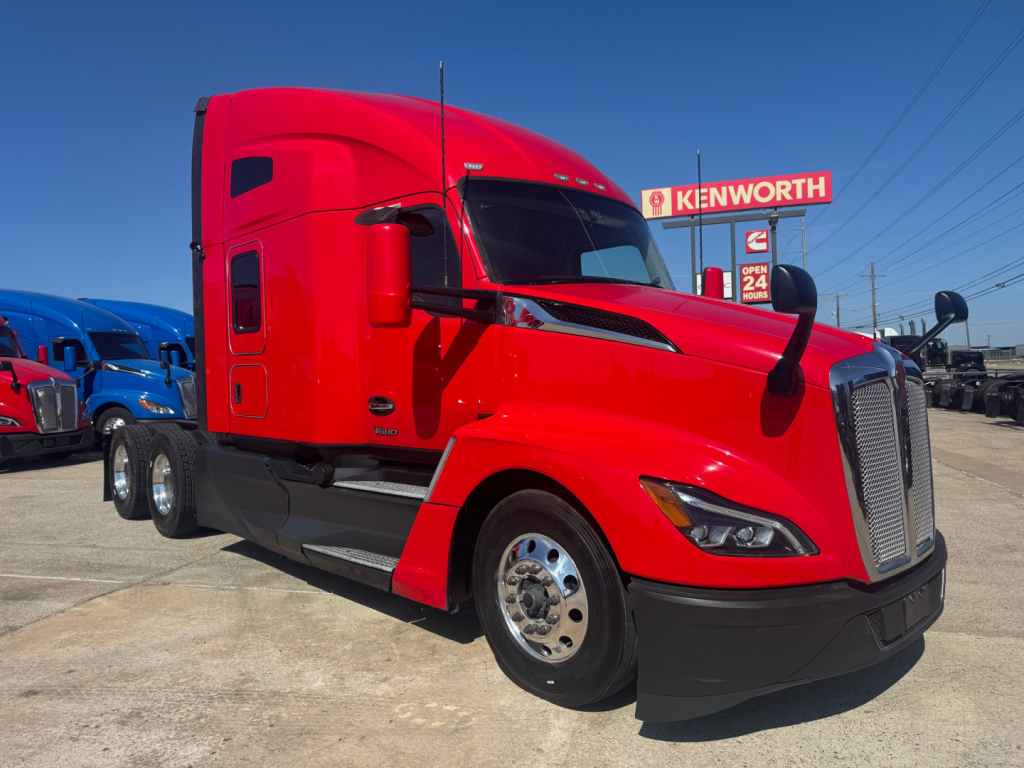
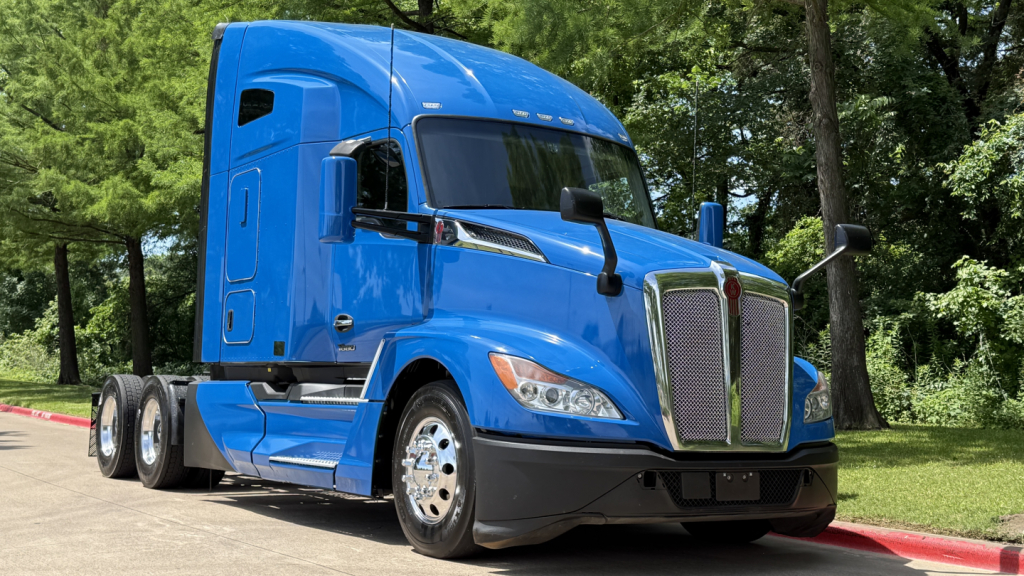
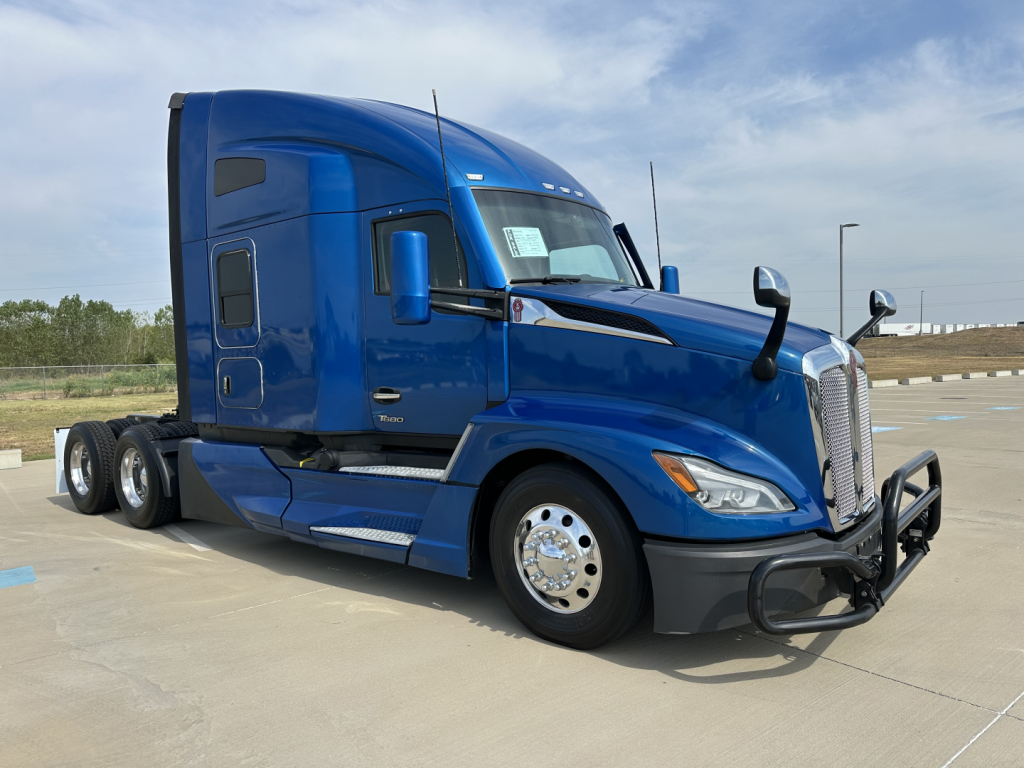
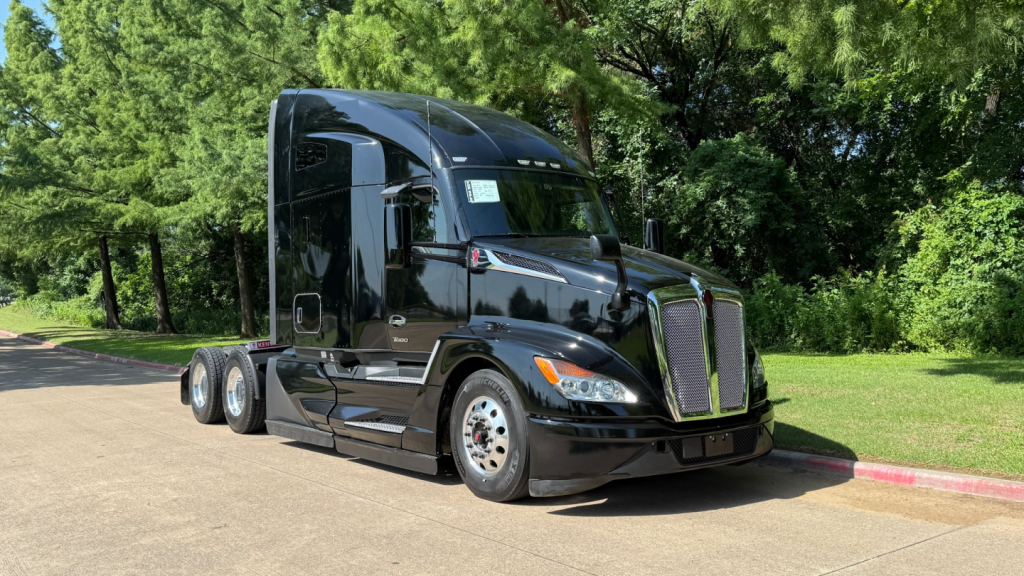
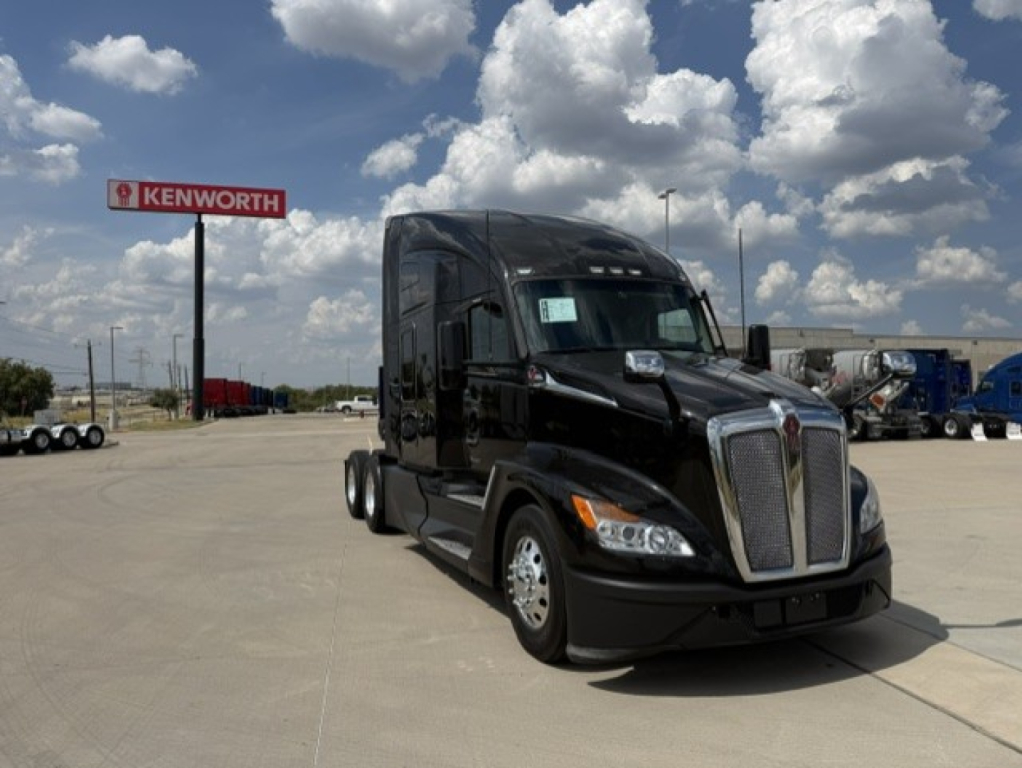
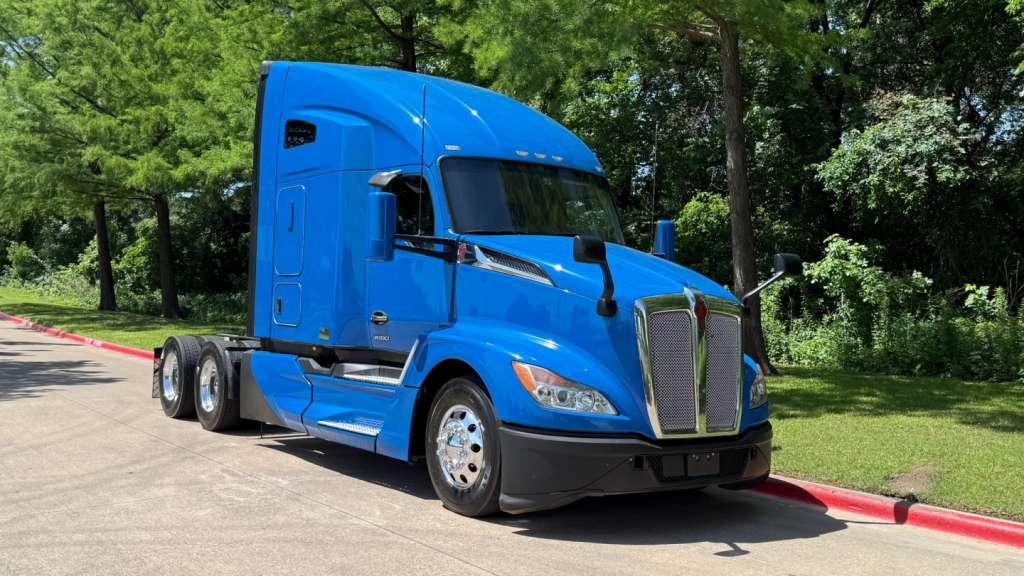
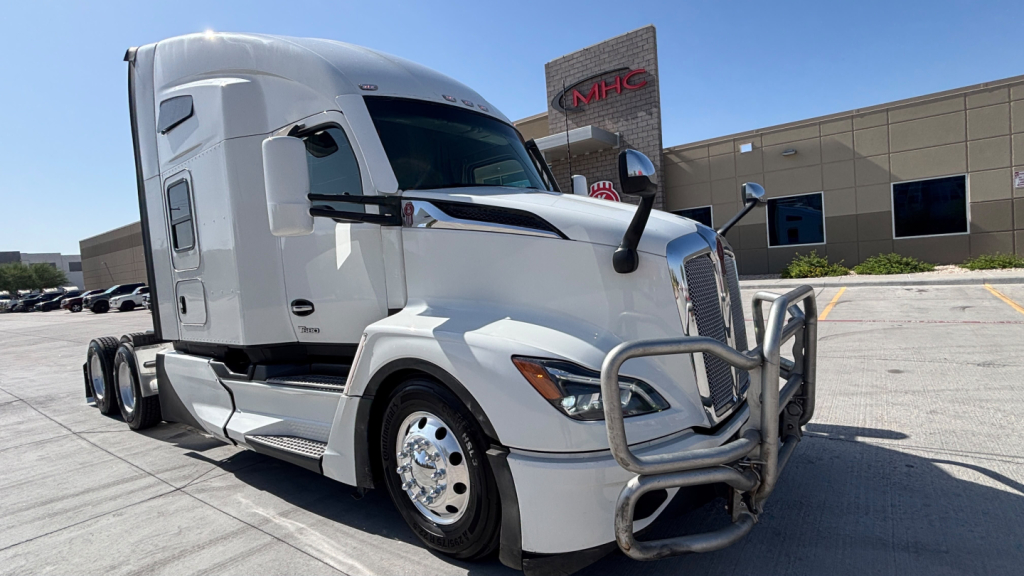
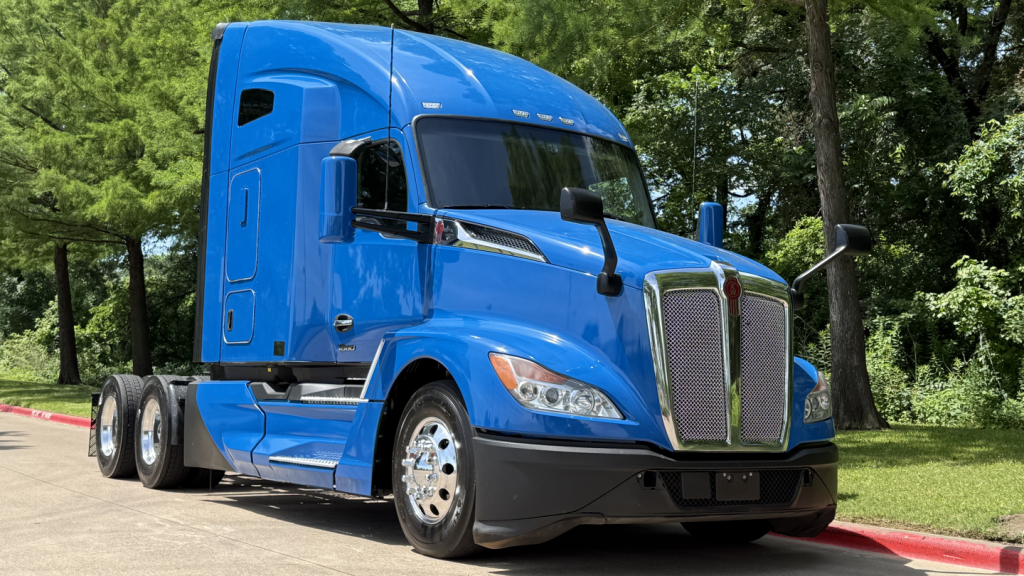
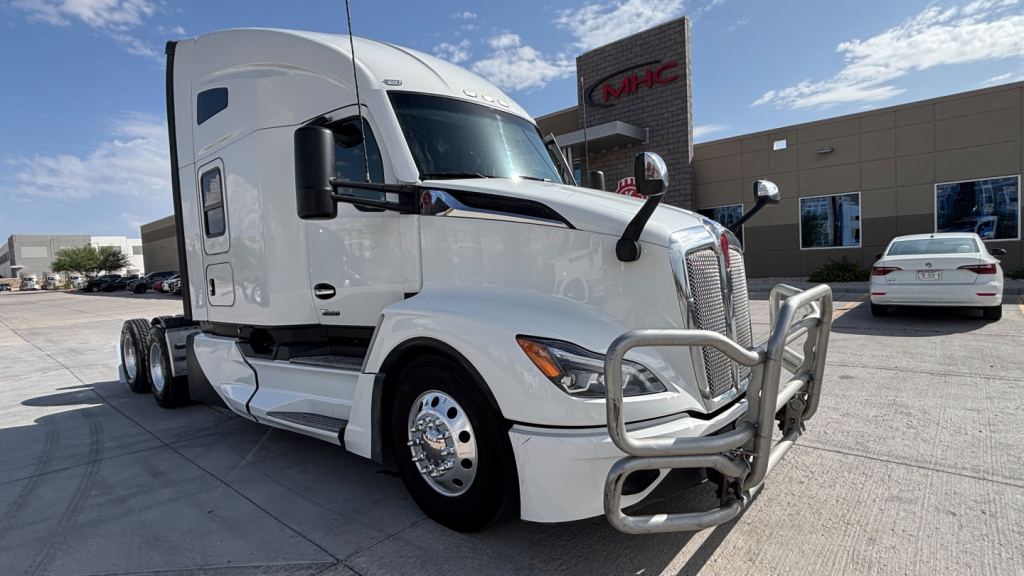
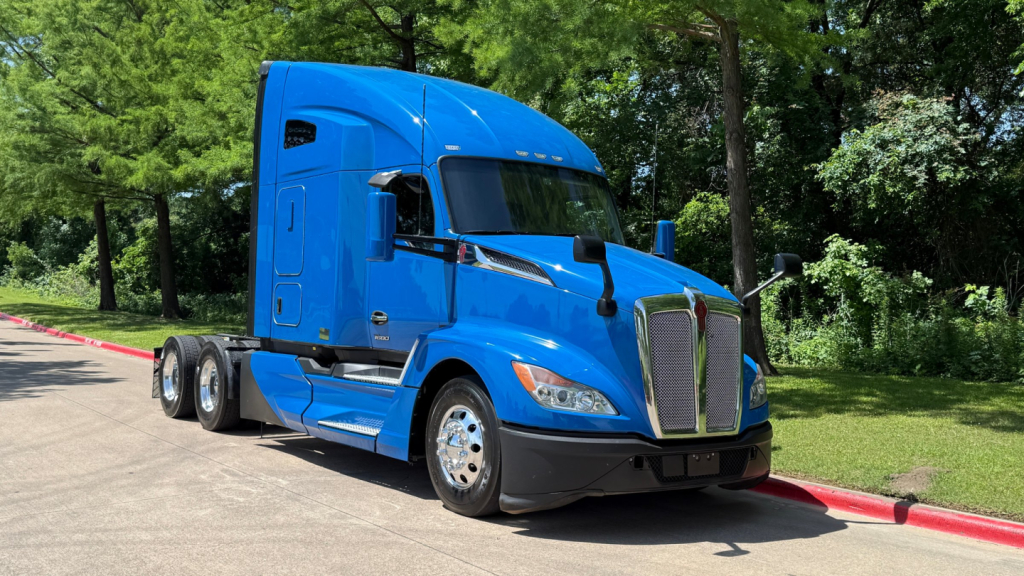
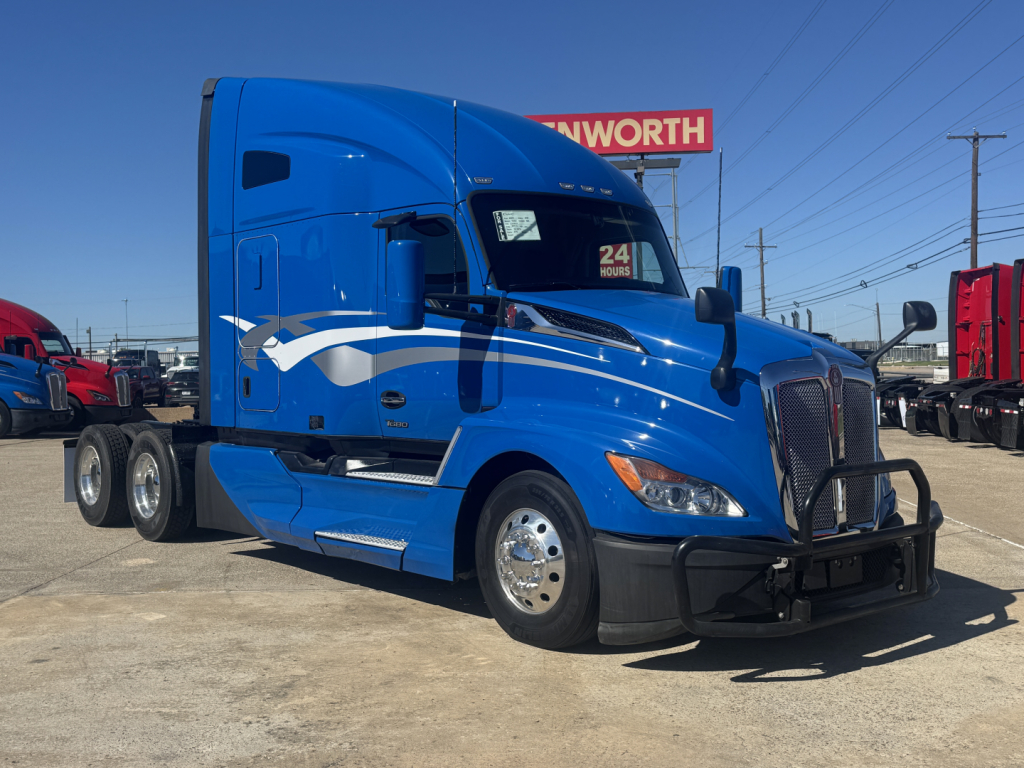
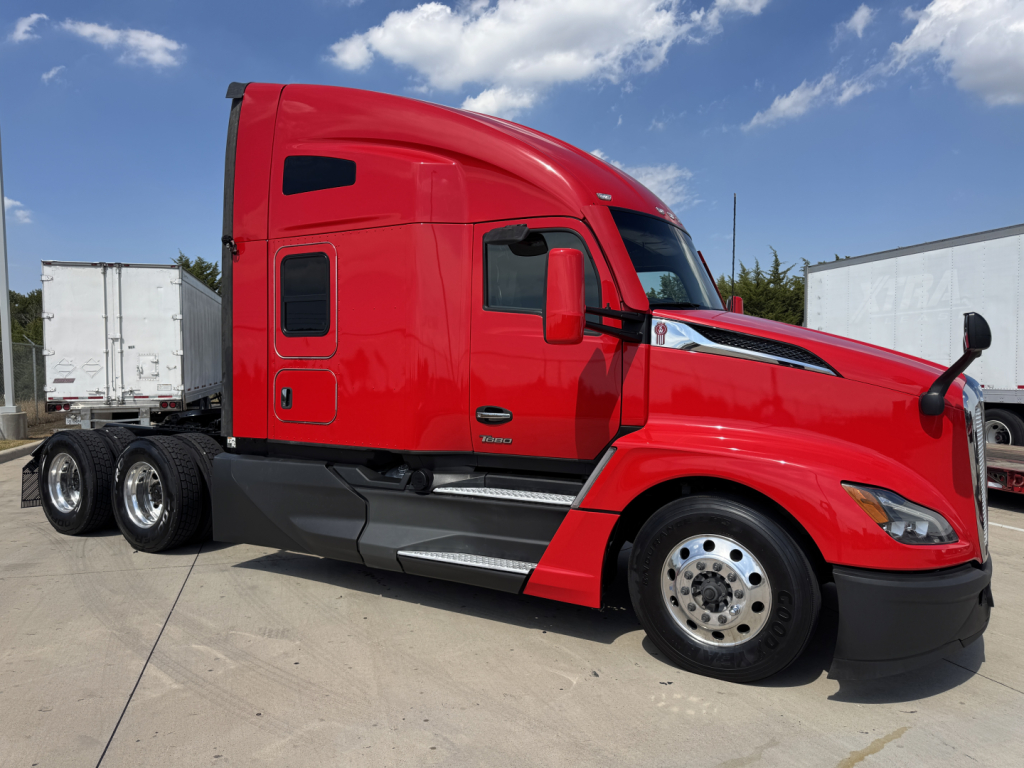
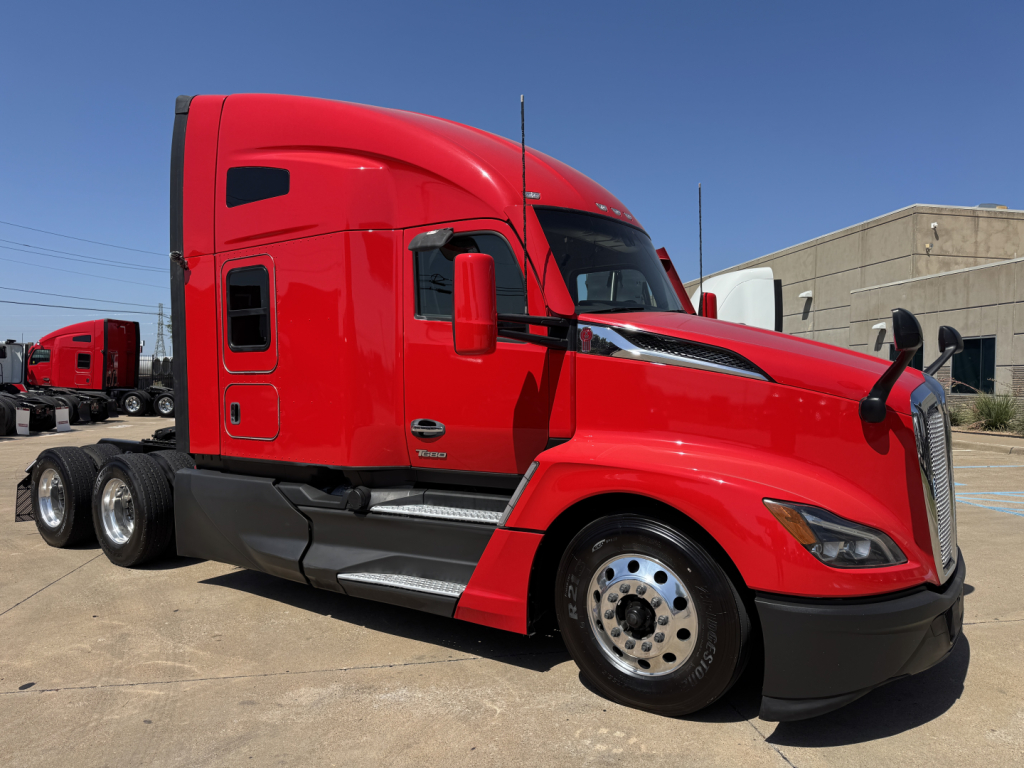
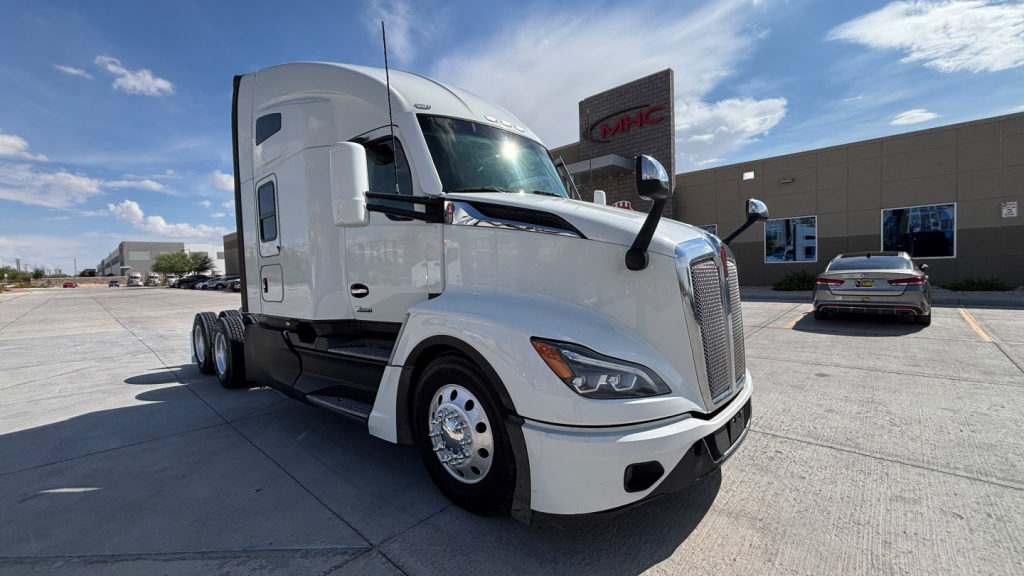
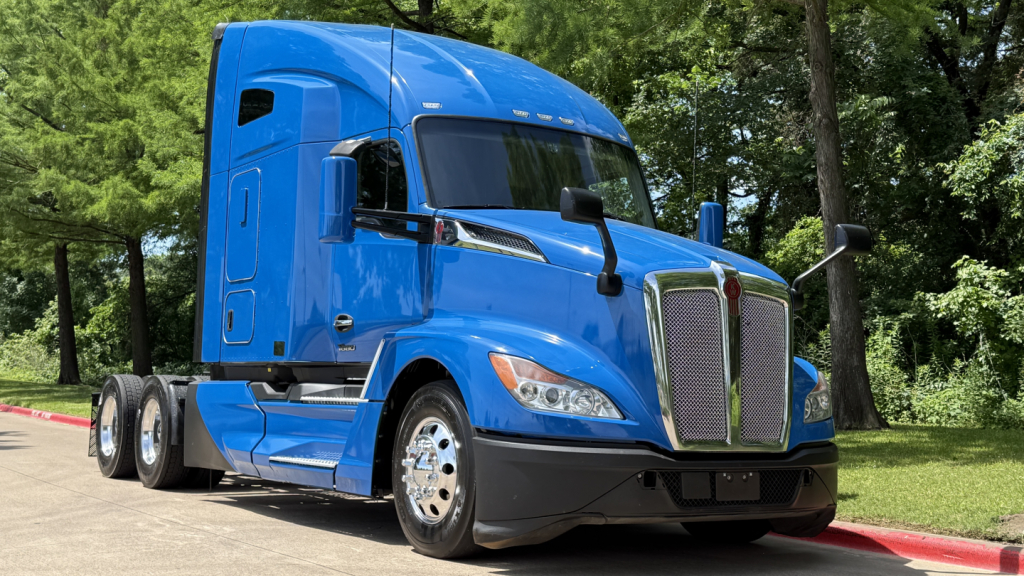
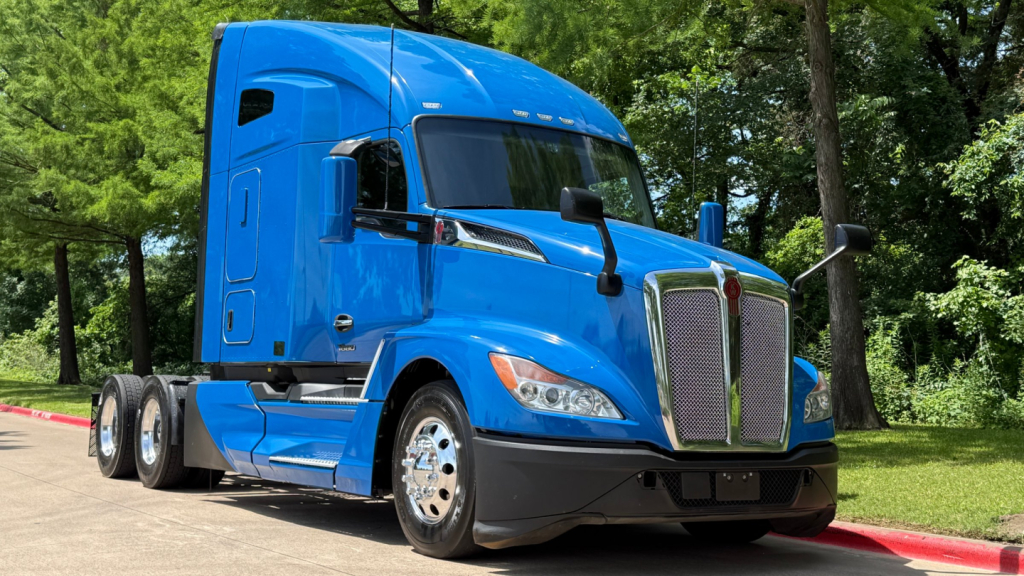
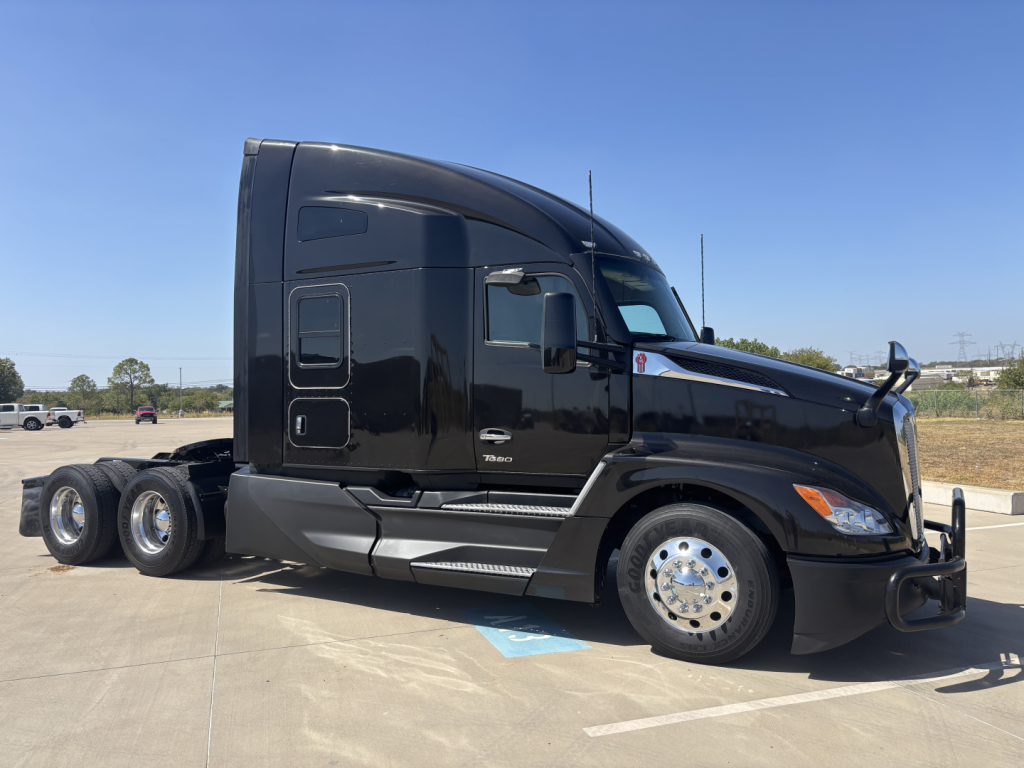
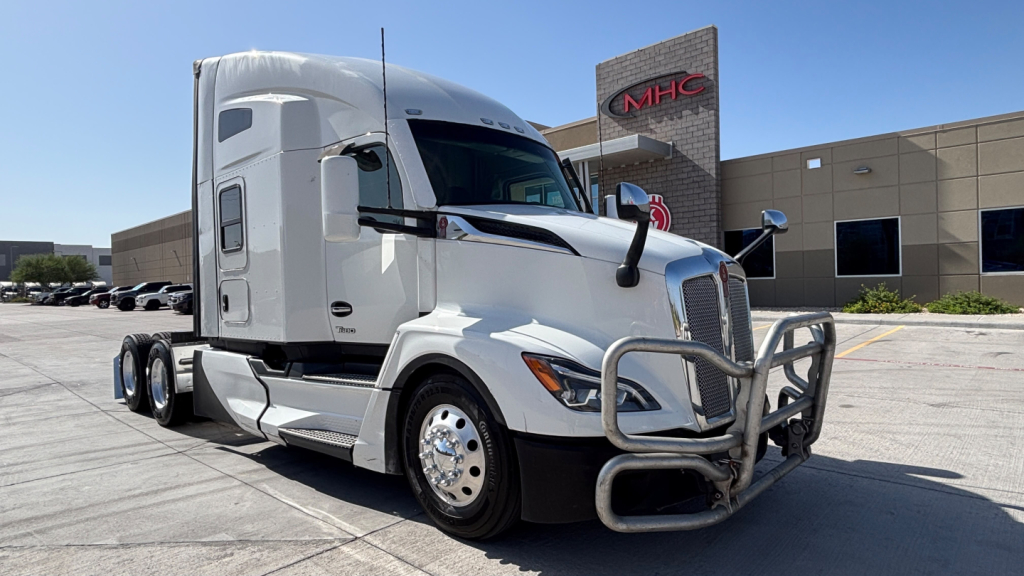
Showing 1 to 28 of 39 results
Selling a 2023 conventional sleeper truck? List your 2023 conventional sleeper truck for sale and reach thousands of commercial buyers.
2023 Conventional Sleeper Trucks in Texas
The key buying decision is how the truck was spec'd for its original duty cycle. A 2023 sleeper set up for dry van and reefer work may carry a lighter drivetrain, taller rear gears, and strong aero packaging for highway fuel mileage. A truck ordered for heavier freight or mixed terrain may have a more robust rear suspension, lower axle ratio, locking differentials, and a wheelbase that better supports load transfer and fifth wheel travel. In Texas, that matters because a tractor may see long interstate runs one week and oilfield-adjacent, rougher secondary roads the next. Fuel capacity is another practical checkpoint. Dual tanks in the 200 to 250 gallon total range are common on long-haul specs and can reduce fuel stop frequency on wide Texas lanes.
Sleeper design deserves as much attention as the engine badge. A 2023 conventional sleeper typically includes a single bunk or double bunk layout, workstation provisions, inverter prep, and idle reduction options such as an APU or battery HVAC system. Look closely at interior trim, storage, mattress width, and climate control setup if the truck will be assigned to a driver rather than run slip-seat. Safety and electronics became more advanced in this era, so it is common to find adaptive cruise, collision mitigation, lane departure alerts, and backup cameras. Those systems can improve highway safety and resale appeal, but buyers should confirm calibration status, fault history, and repair costs along with the basic drivetrain inspection.
For buyers comparing listings, the most important specs are sleeper size, engine rating, transmission type, wheelbase, rear axle ratio, suspension rating, fuel capacity, and fifth wheel configuration. A sliding fifth wheel adds flexibility across trailer lengths and kingpin settings, while disc brakes, tire inflation systems, and telematics can improve uptime and fleet control. Service history is especially important on a 2023 model because many trucks in this age range are just entering the secondary market after fleet use. A clean maintenance record, emissions system performance, and tire and brake condition often tell more about future cost than odometer alone. If the truck will stay in Texas, also consider dealer support by brand across major freight corridors such as I-10, I-20, I-35, and I-45.
Frequently Asked Questions about 2023 Conventional Sleeper Trucks in Texas
What is a conventional sleeper truck used for?
A conventional sleeper truck is a highway tractor with a long hood and an integrated sleeping compartment behind the cab. It is primarily used for long-haul freight, regional runs with overnight stays, and dedicated routes where the driver needs onboard rest space, storage, and basic living amenities between loads.
What engine and transmission specs are common in 2023 conventional sleeper trucks?
Most 2023 conventional sleeper trucks are equipped with 12 to 13 liter diesel engines rated around 400 to 505 horsepower and paired with automated manual transmissions. Common combinations include Detroit DD15 with DT12, Mack MP8 or MP13 with mDRIVE, Volvo D13 with I-Shift, Cummins X15 with Endurant, and Paccar MX-13 with automated transmission options. Final gearing and horsepower should match the freight weight, terrain, and average highway speed of the intended route.
What sleeper size is best for long-haul trucking?
For long-haul work, many buyers prefer a 70-inch to 76-inch sleeper because it provides better storage, more comfortable bunk space, and room for amenities like an inverter, refrigerator prep, or idle reduction equipment. Mid-roof sleepers can still work well for teams or regional overnights, but larger condo-style sleepers are usually favored when the truck stays out for extended periods.
What should I inspect first on a used 2023 conventional sleeper truck?
Start with maintenance records, fault codes, emissions system performance, and drivetrain condition. Then review tire wear, brake life, suspension components, kingpins, wheel seals, and evidence of collision repair. On sleeper units, also inspect HVAC operation, bunk equipment, inverter or APU systems, and any advanced driver assistance features that may require calibration or software updates.
Why does wheelbase and fifth wheel setup matter on a sleeper tractor?
Wheelbase affects ride quality, trailer gap, bridge law flexibility, and how the tractor handles different trailer lengths and load distributions. Fifth wheel type and travel range matter because they determine how easily the truck can adapt to varying kingpin settings and trailer applications. A truck with the right wheelbase and a sliding fifth wheel is generally more versatile across mixed fleet work.