
2023 Conventional Sleeper Trucks For Sale
Shop 2023 conventional sleeper trucks with modern aerodynamics, high-roof cab options, automated transmissions, and long-haul specs.
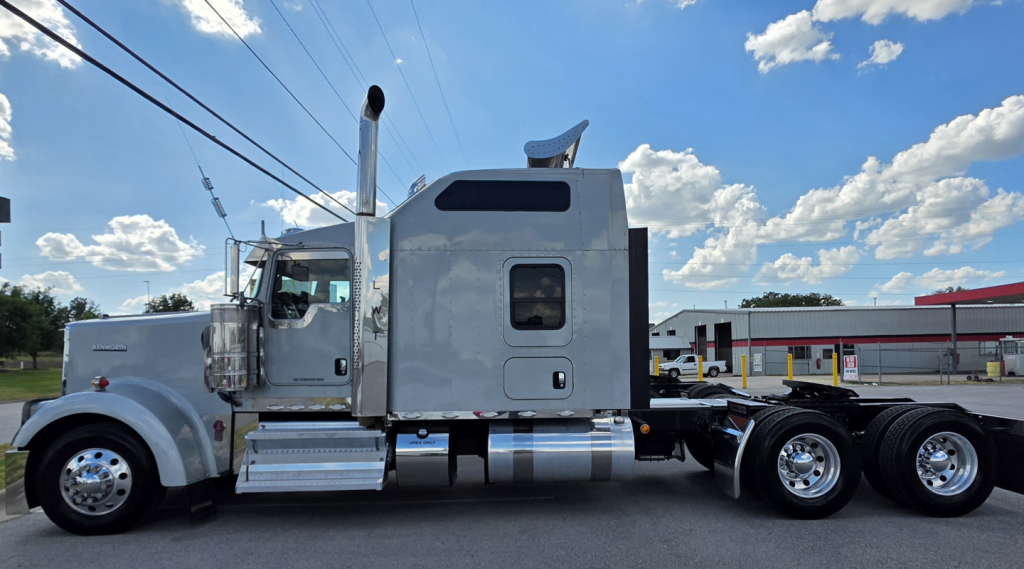
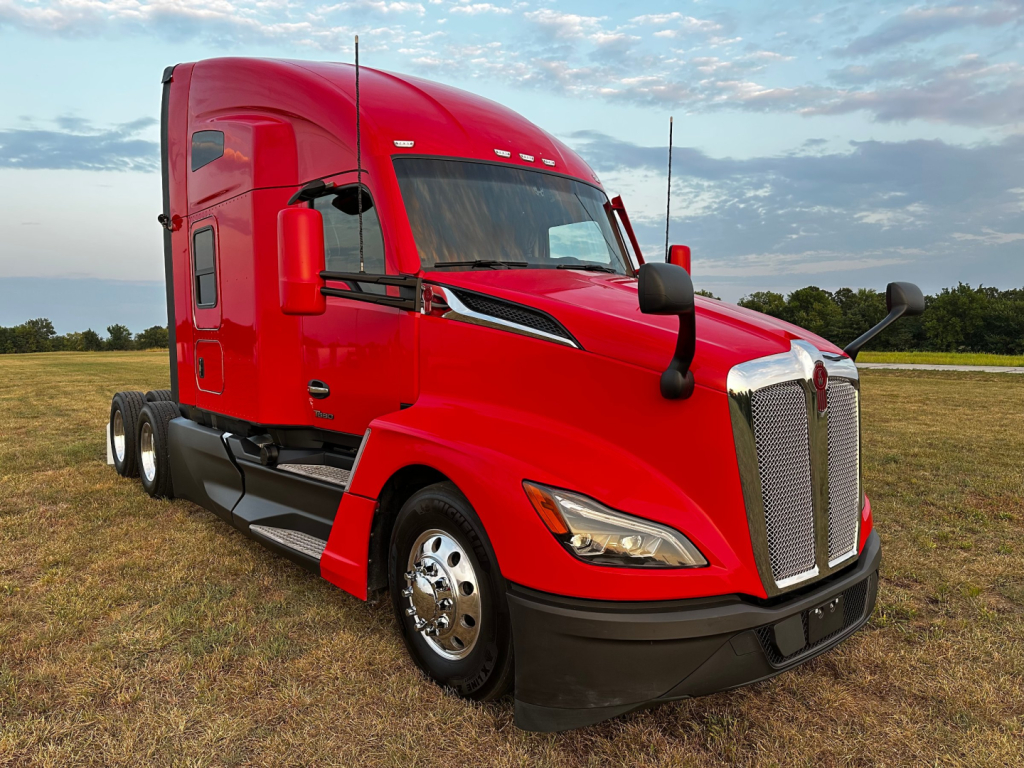
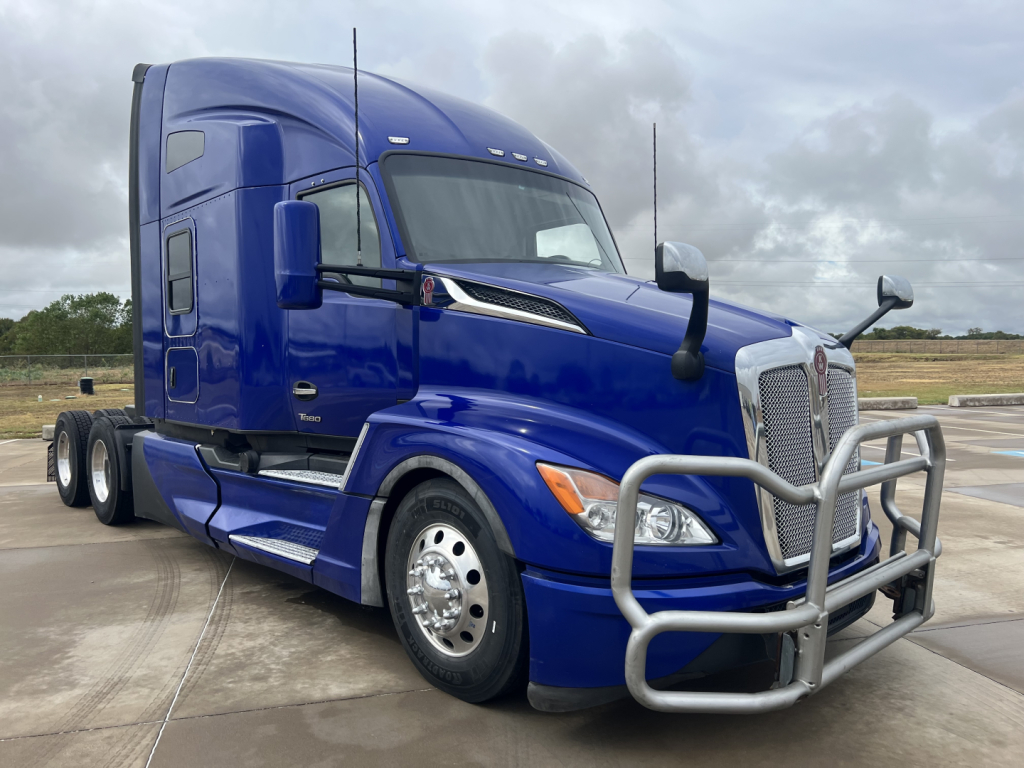
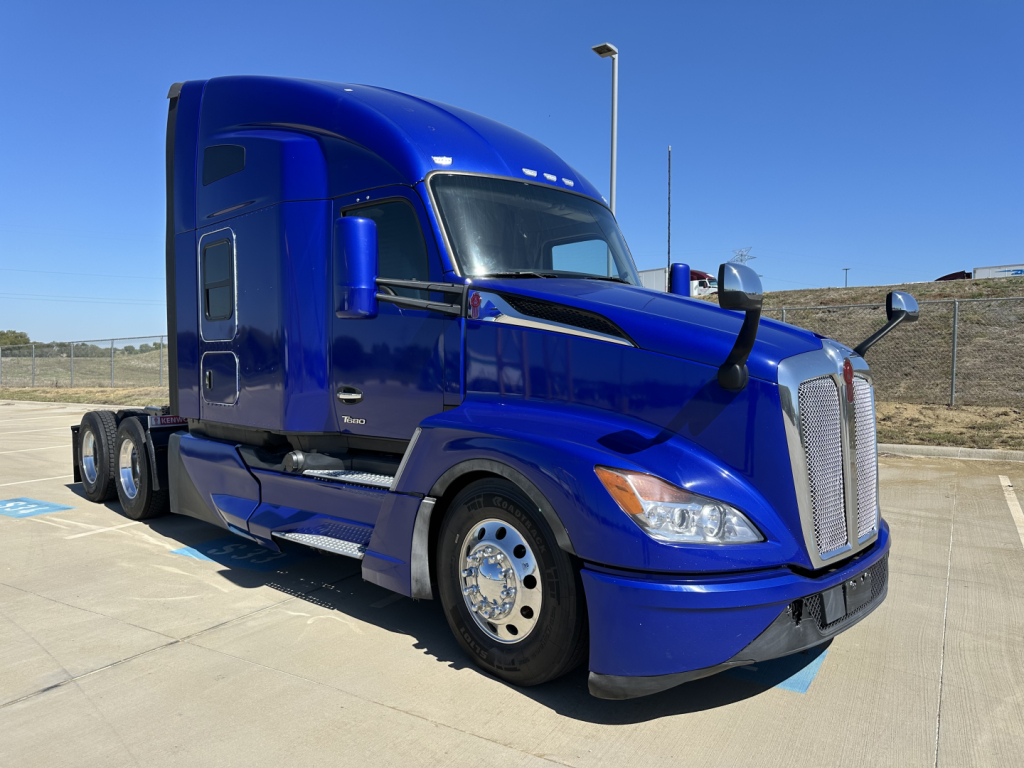
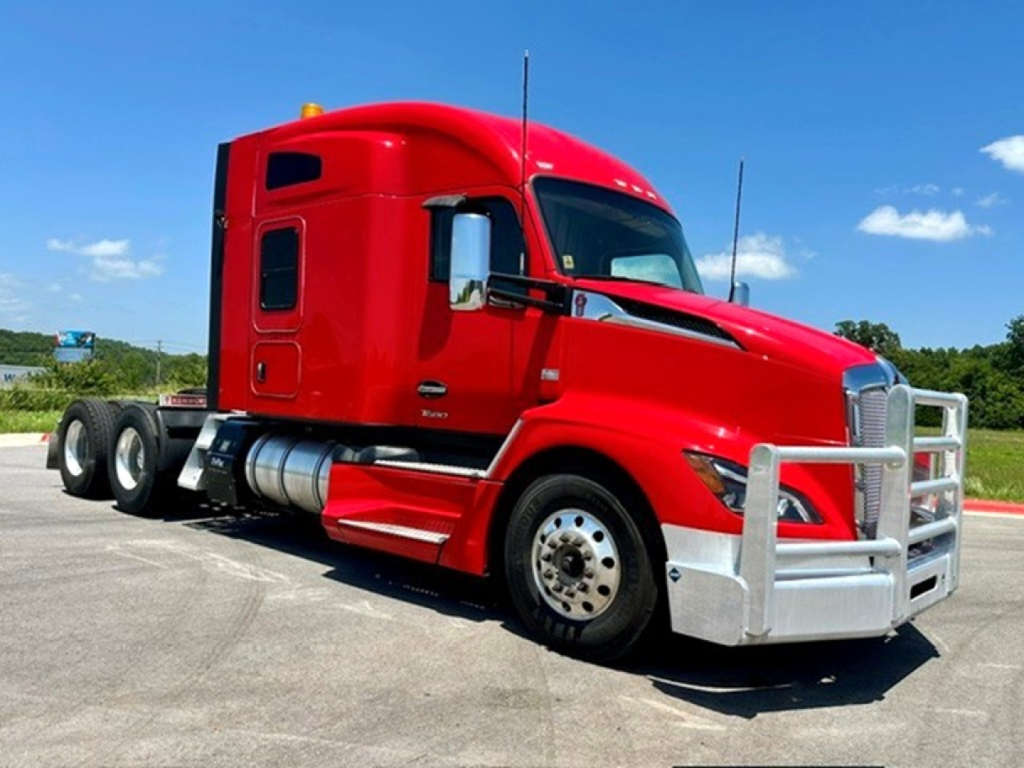
2023 Kenworth W900
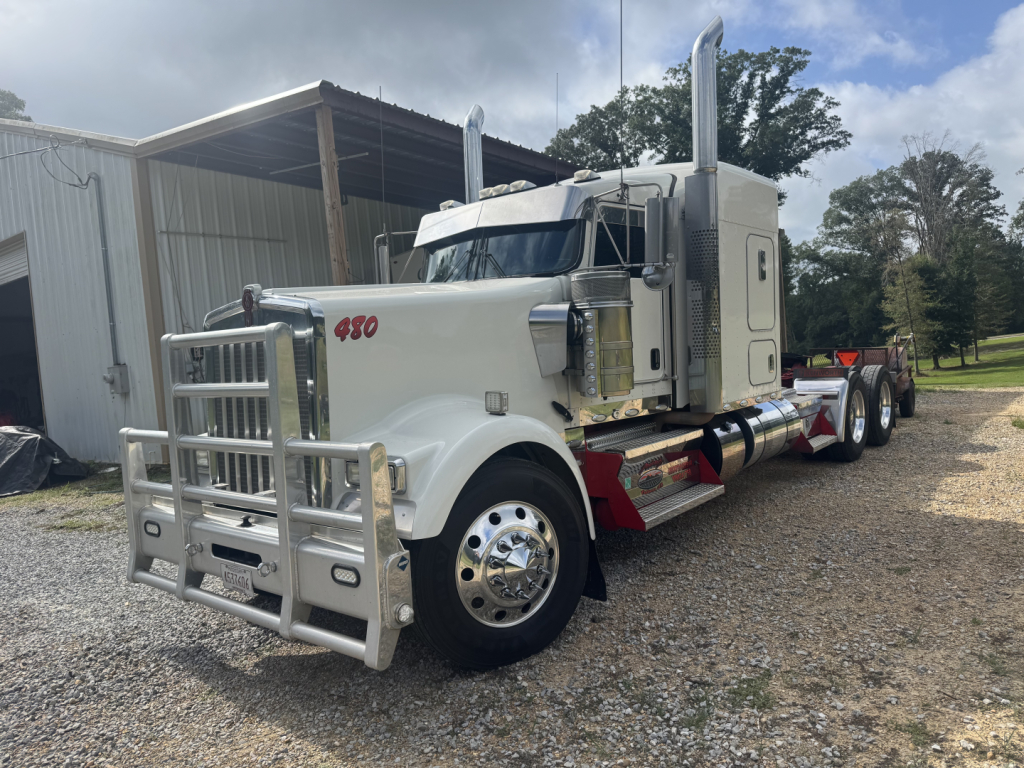
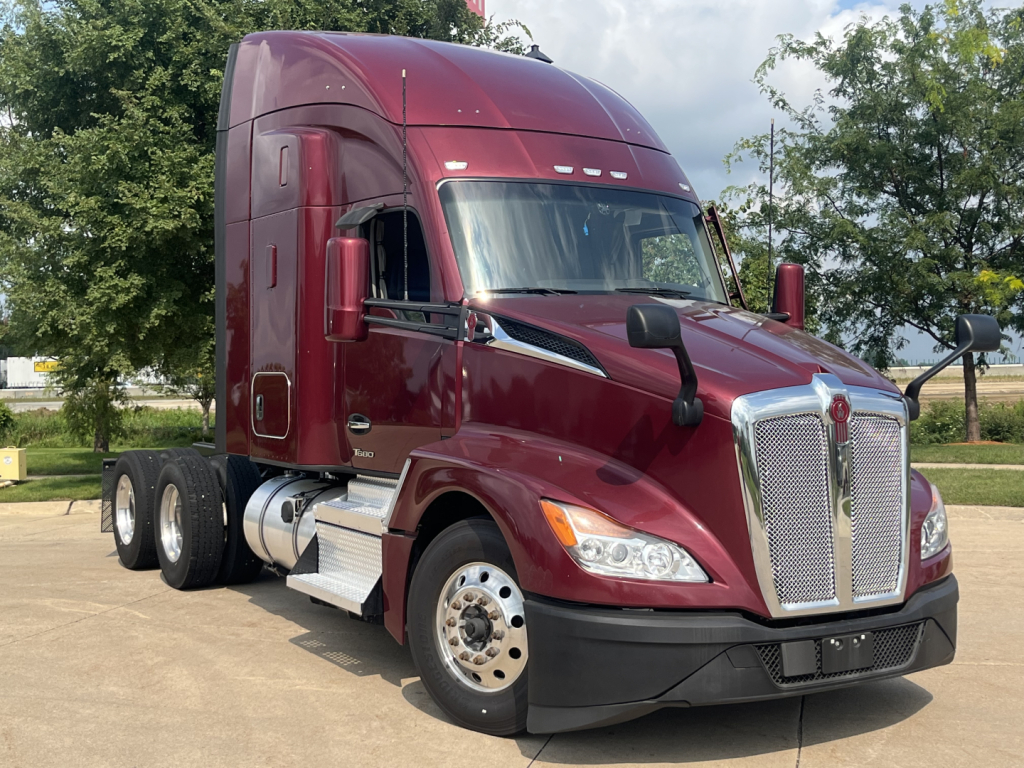
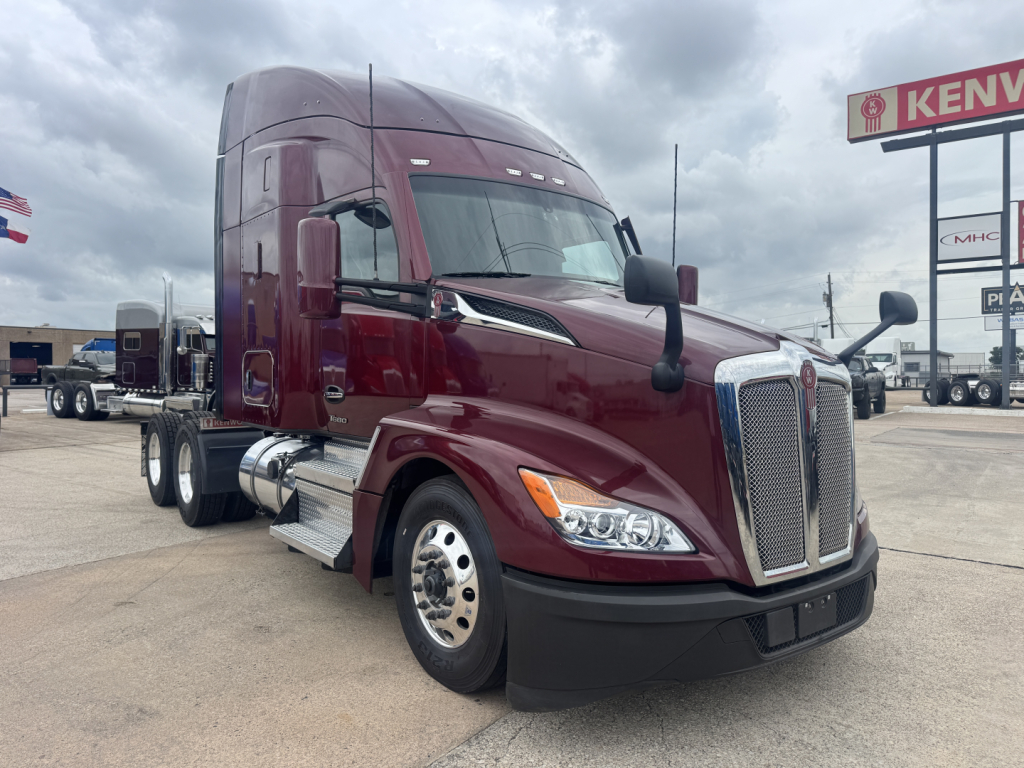
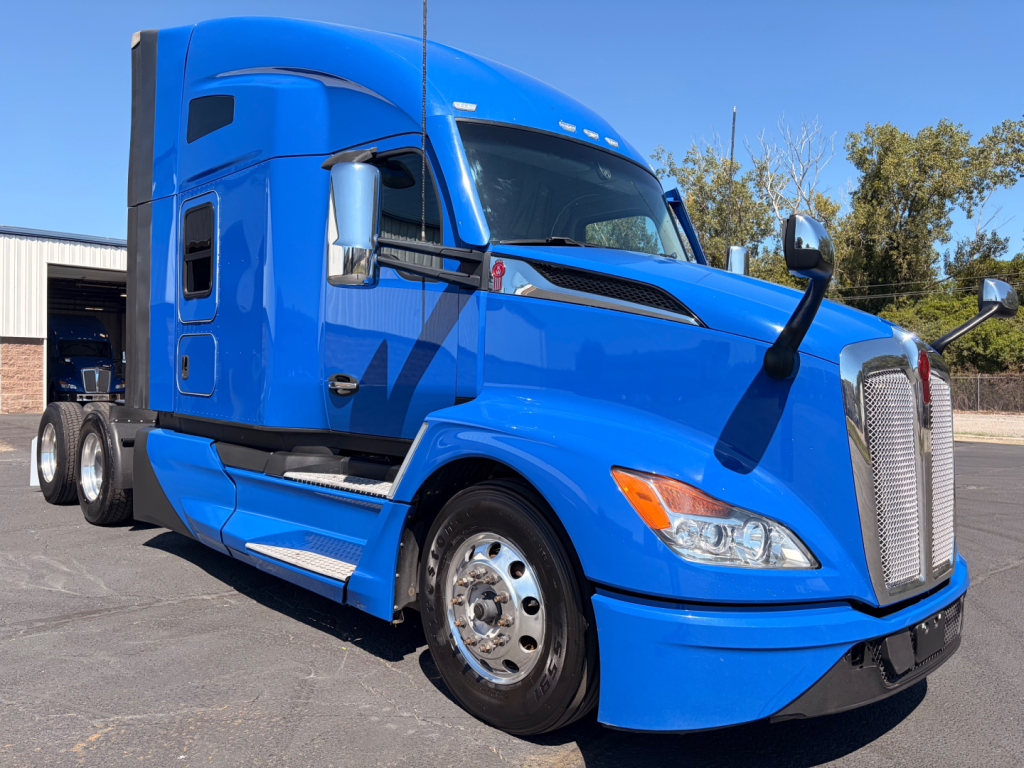
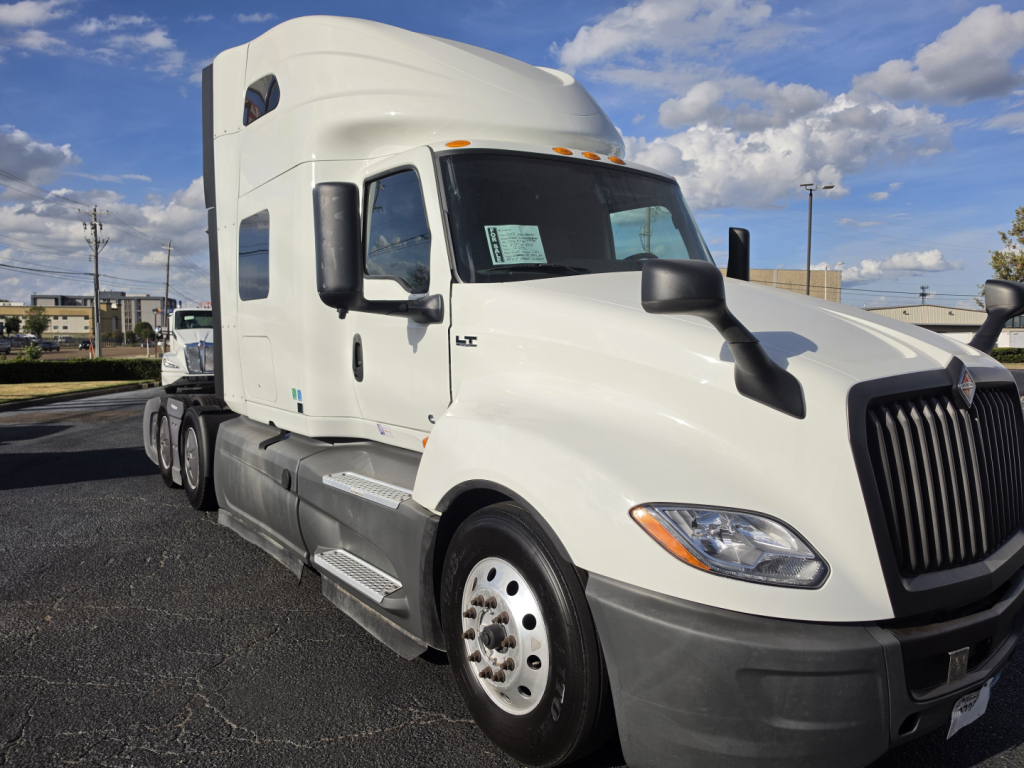
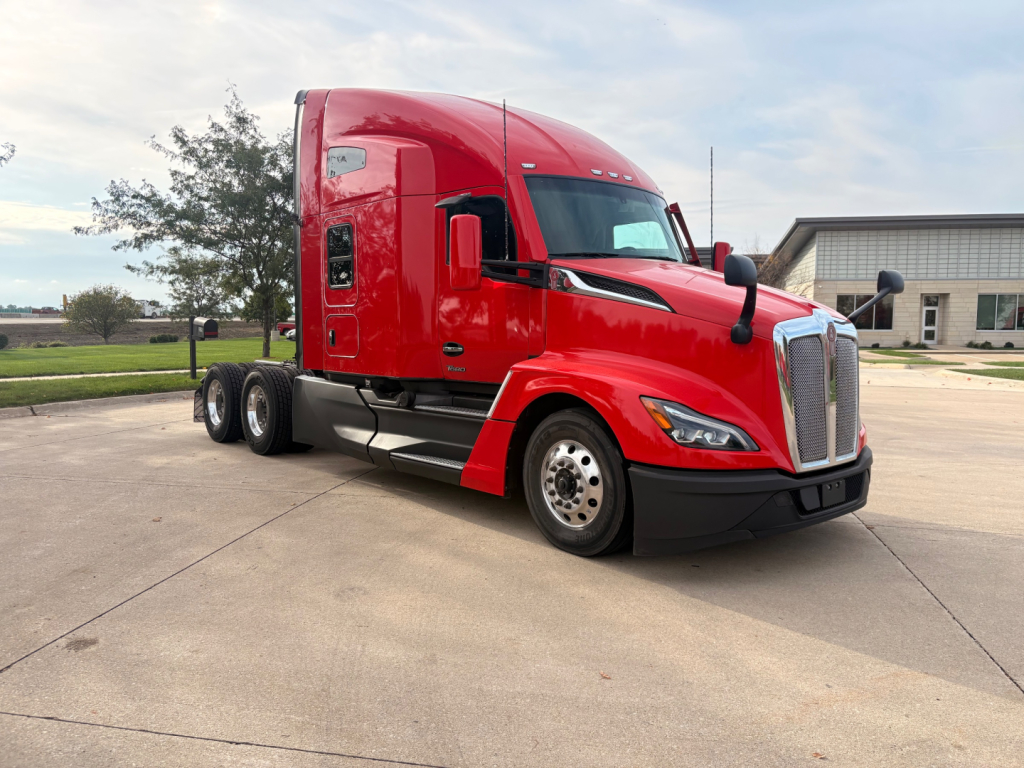
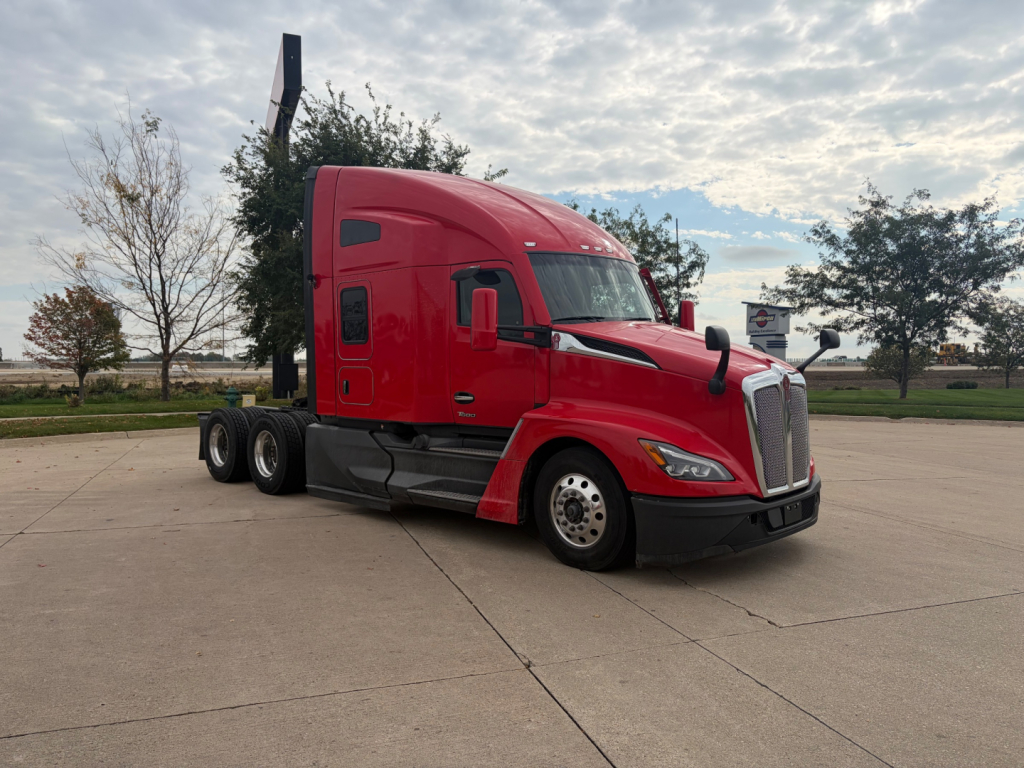
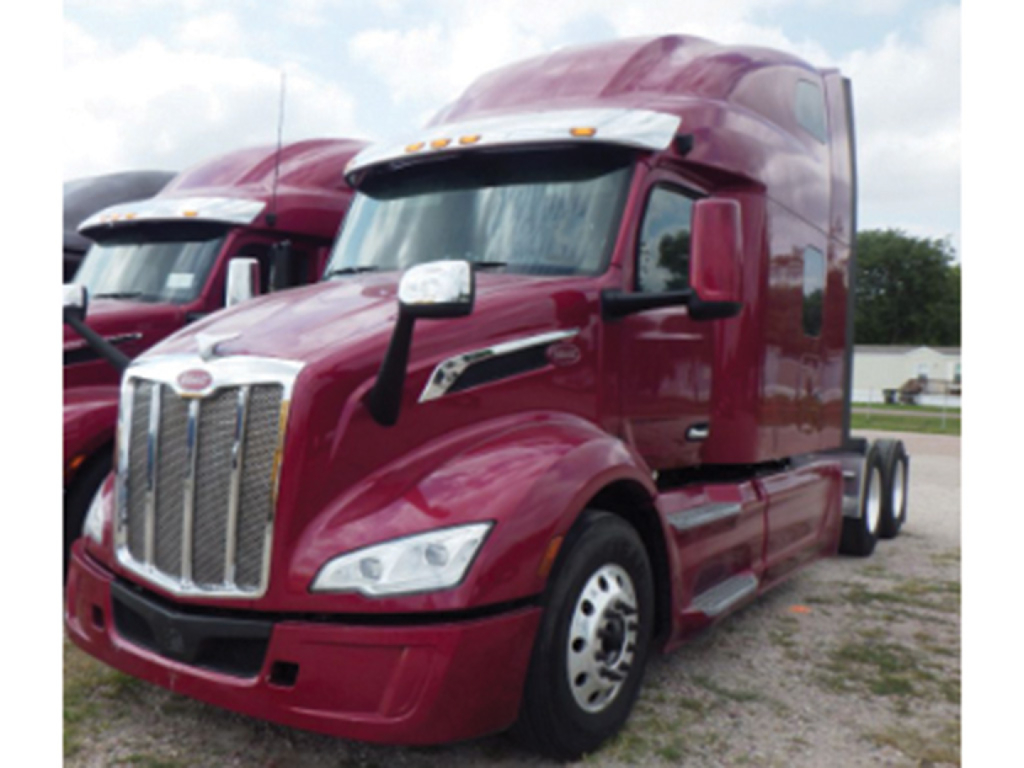
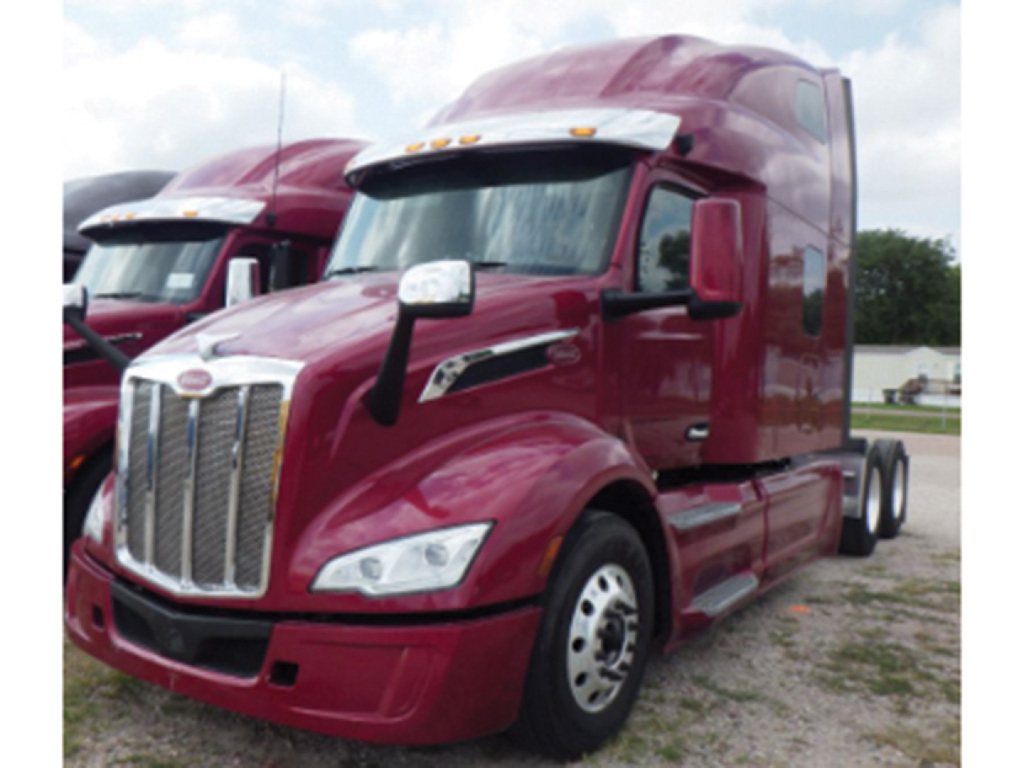
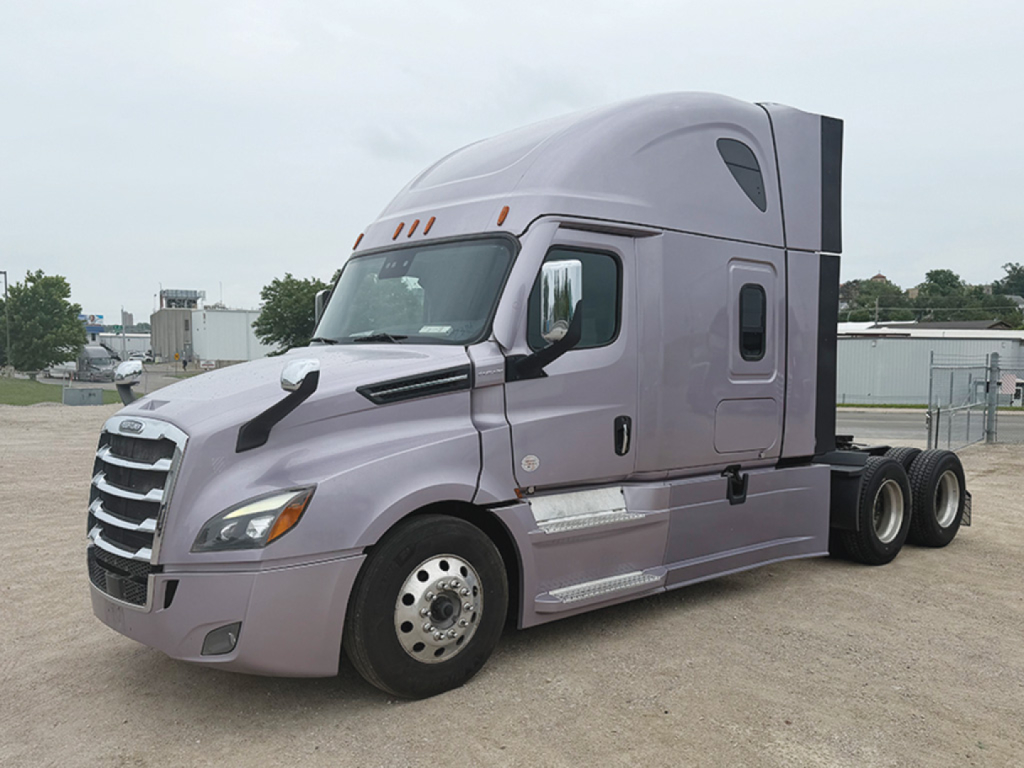
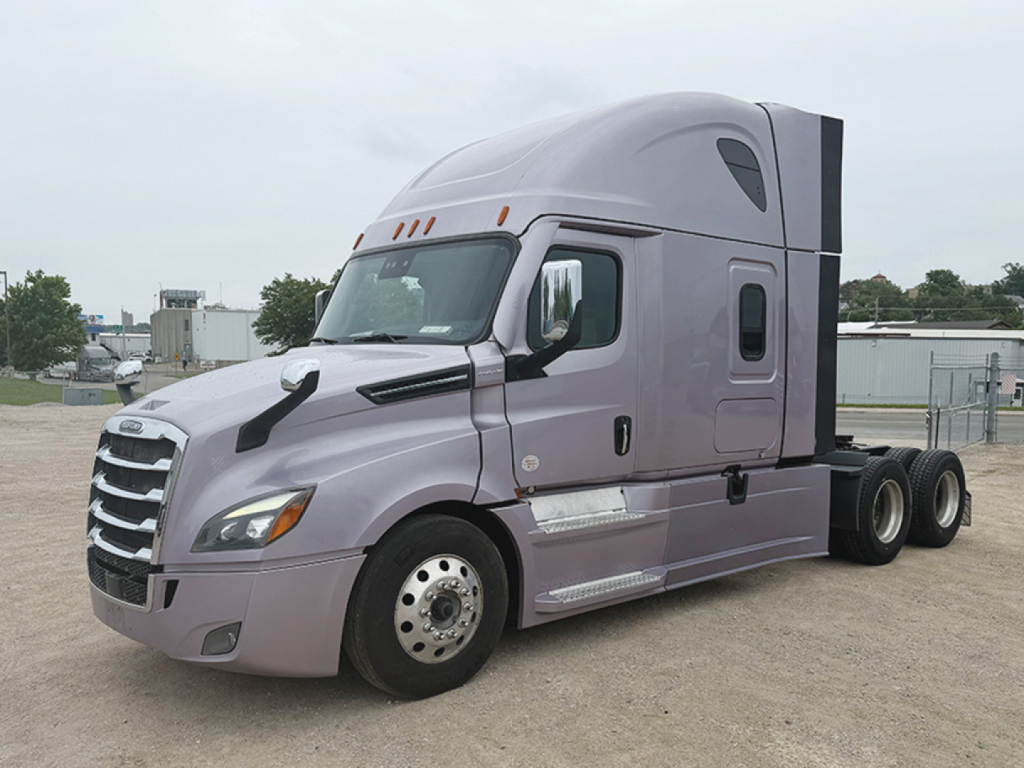
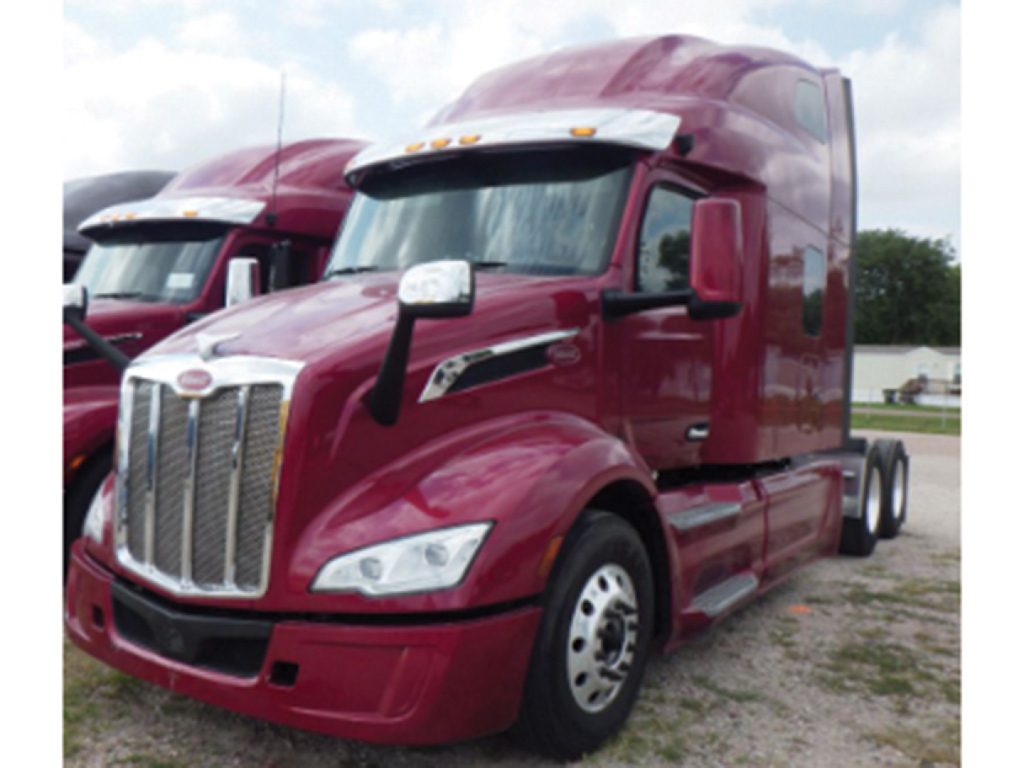
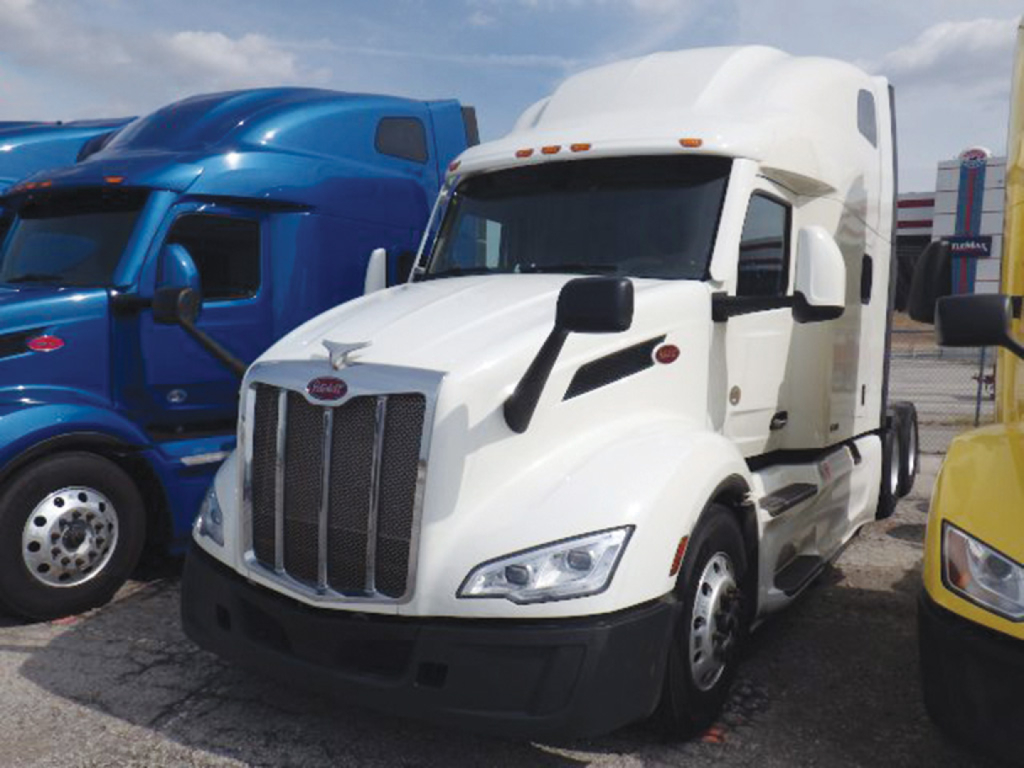
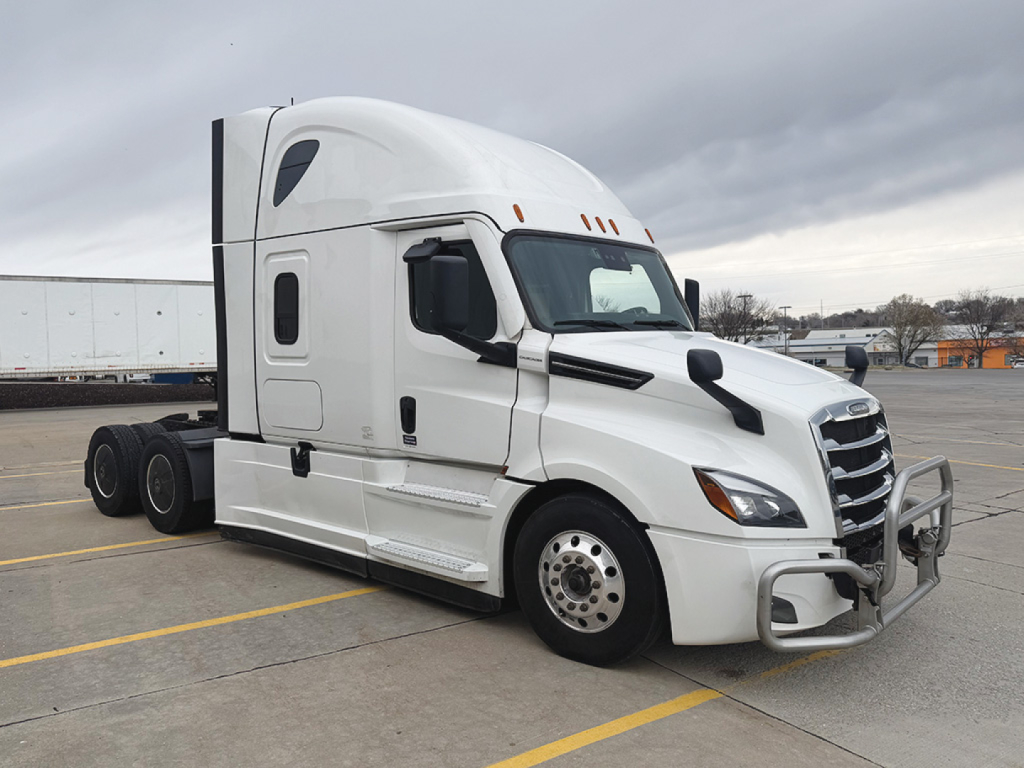
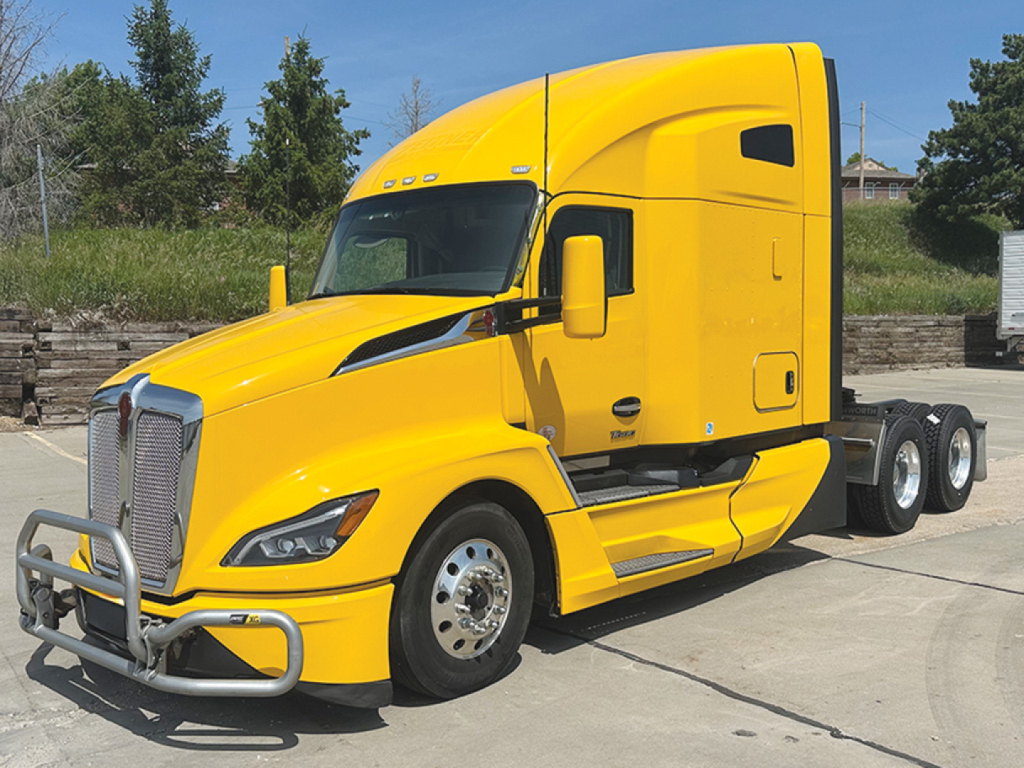
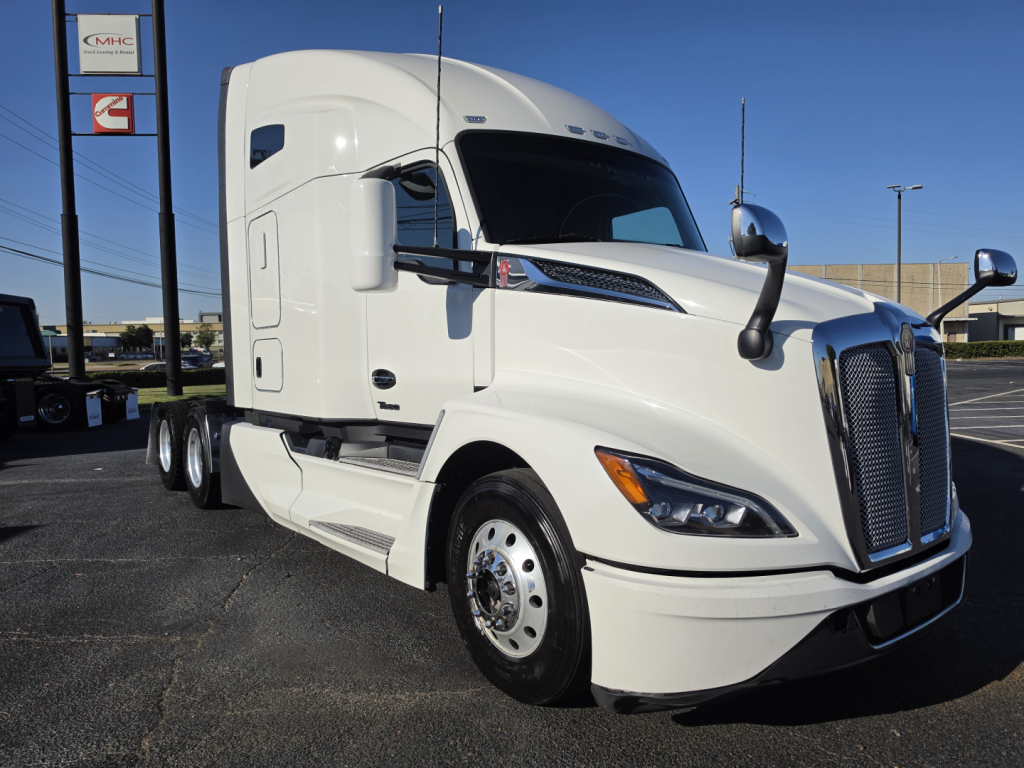
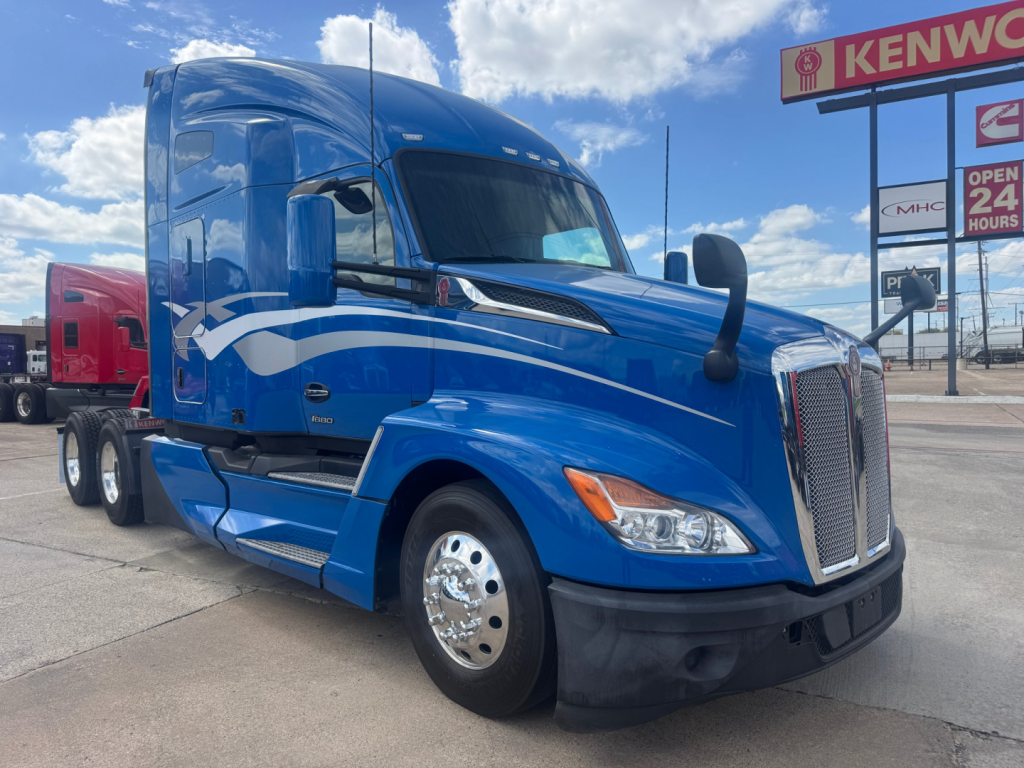
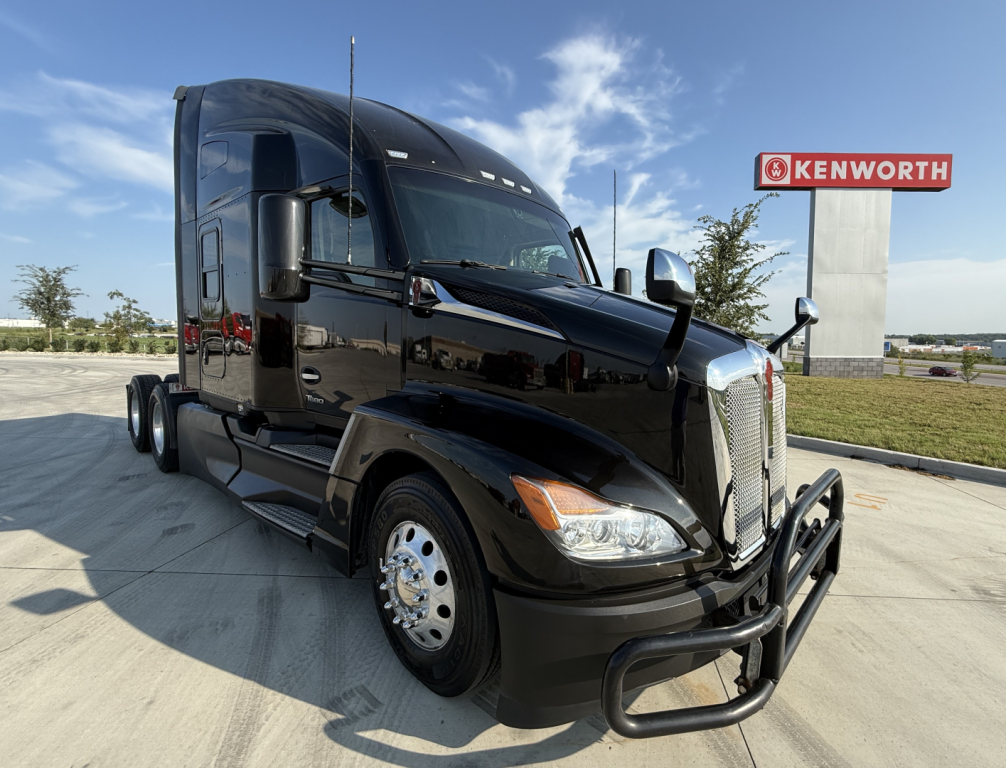
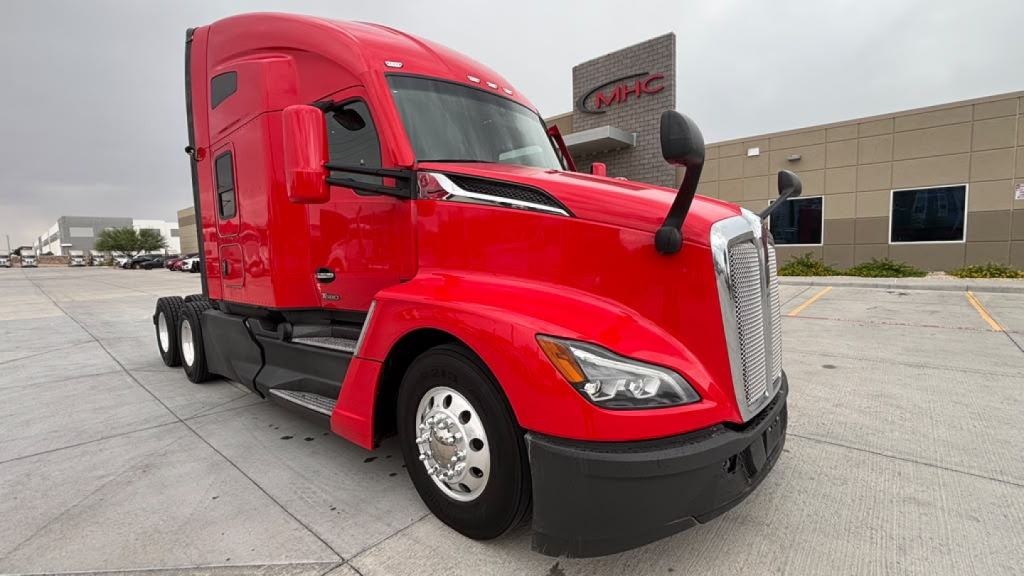
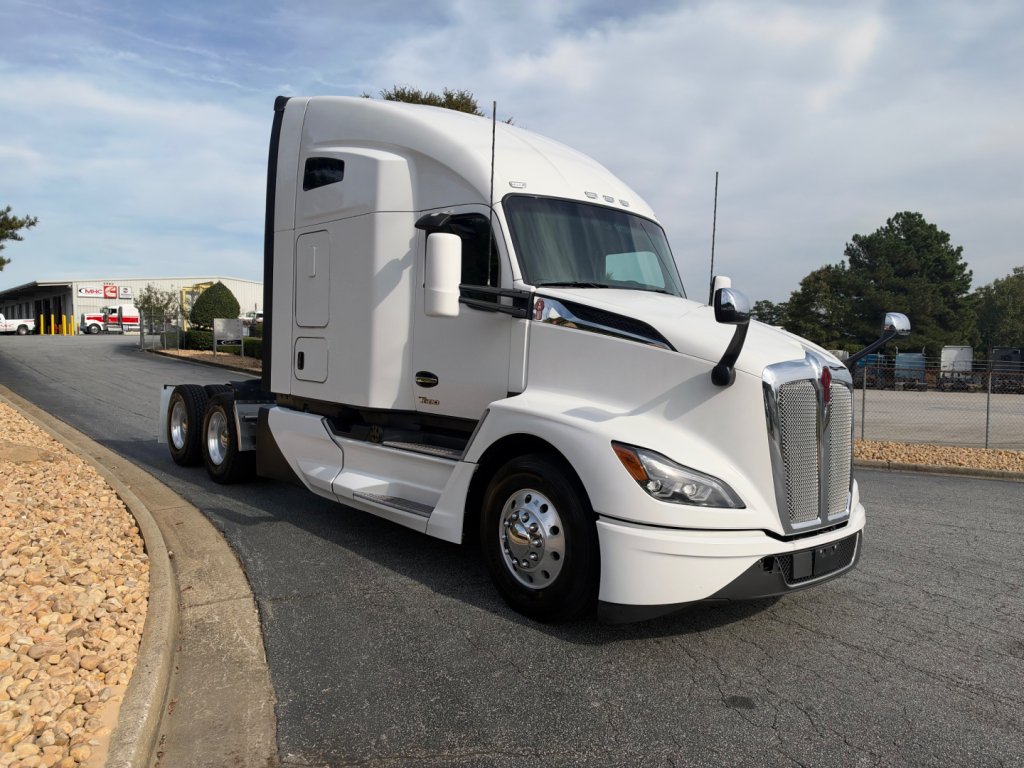
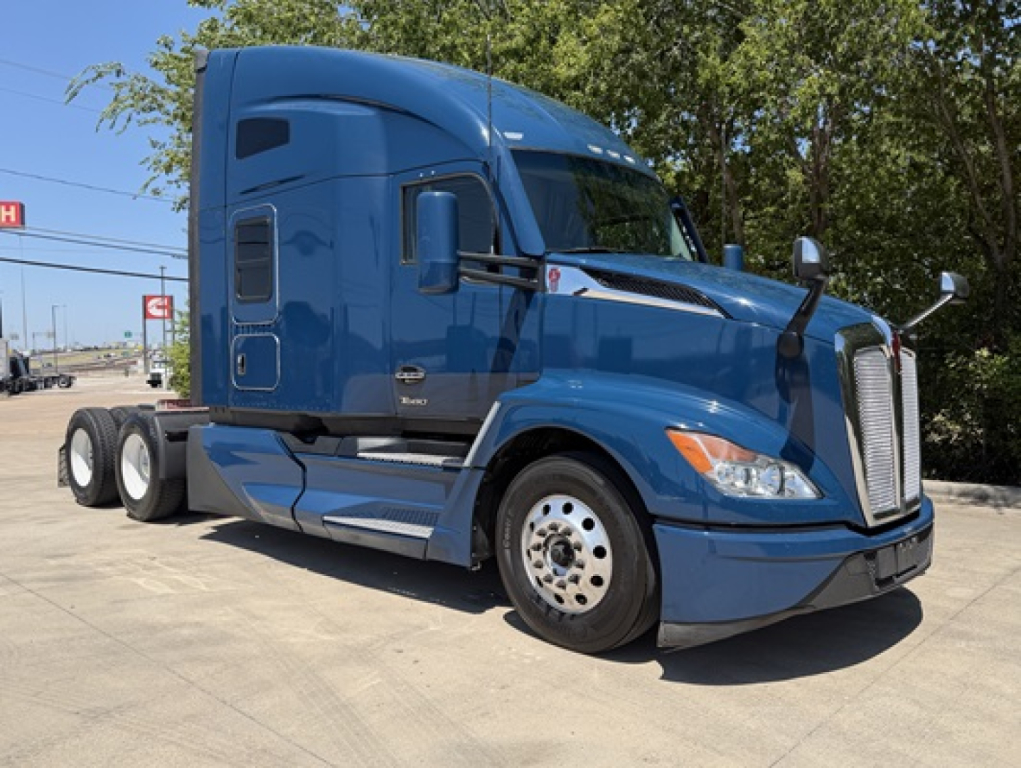
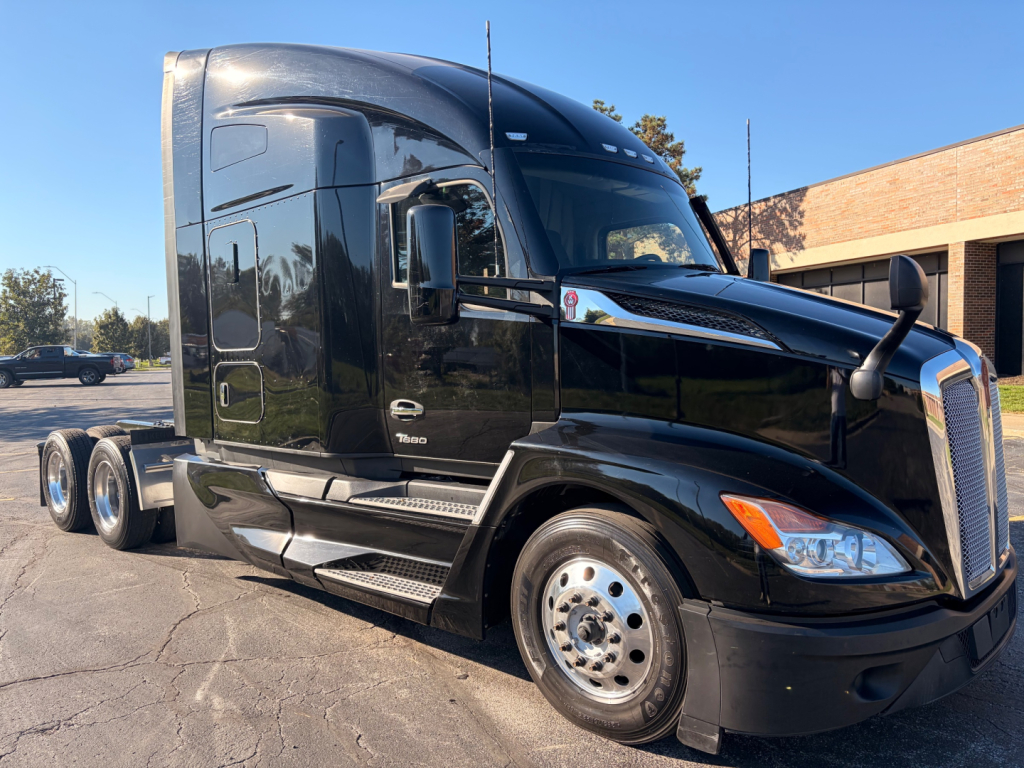
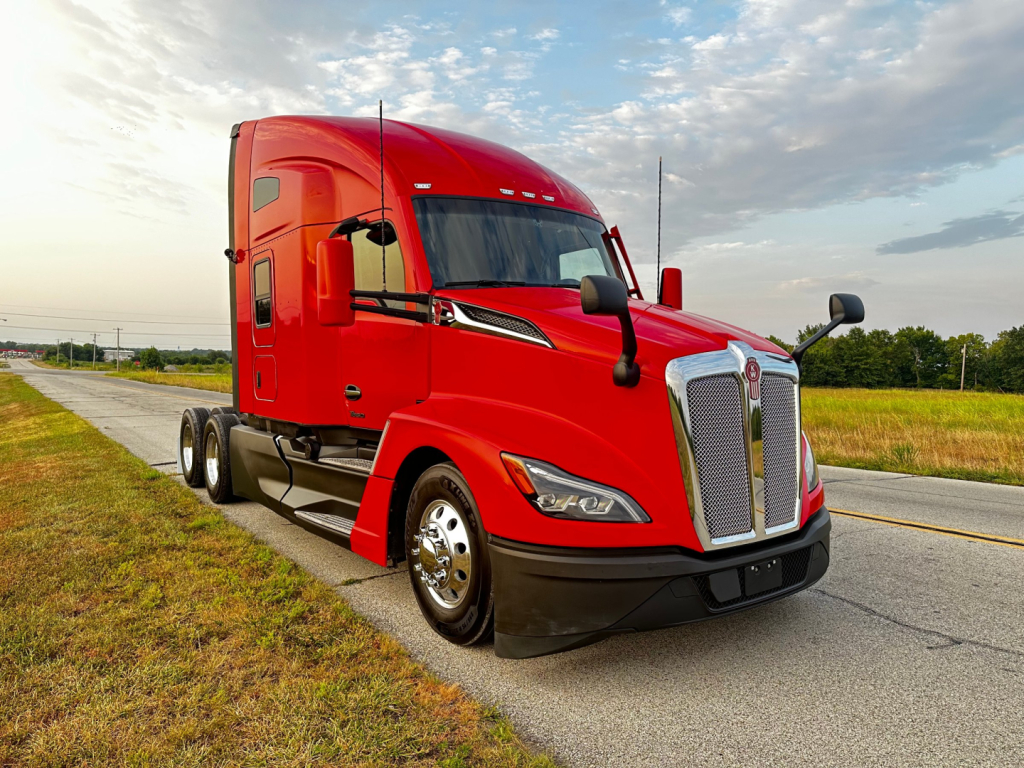
Showing 1 to 28 of 165 results
Selling a 2023 conventional sleeper truck? List your 2023 conventional sleeper truck for sale and reach thousands of commercial buyers.
2023 Conventional Sleeper Trucks
The main buying decisions are powertrain, sleeper layout, and rear axle spec. In this model year, many trucks are equipped with 13-liter to 15-liter diesel engines such as the Detroit DD13 and DD15, Cummins X15, Volvo D13, and Paccar MX-13, typically paired with automated manual transmissions. Buyers should compare horsepower and torque ratings against route profile, gross combination weight, and average trailer type. Rear axle ratios like 2.64, 2.85, and 3.08 are common in fuel-economy focused highway trucks, while wheelbase, fifth-wheel travel, and fuel capacity affect maneuverability and range. Sleeper details also matter. Double bunk setups, bunk heaters, inverter prep, workstation layouts, refrigerator cabinets, and storage design can materially affect driver retention and team usability.
A 2023 conventional sleeper is also where safety and telematics become a bigger part of the value equation. Many trucks in this year range include collision mitigation, adaptive cruise control, lane departure warning, electronic stability control, and integrated camera or radar systems. These features can influence insurance, fleet safety scoring, and training requirements. Buyers should also review brake configuration, APU or idle-reduction equipment, tire condition, fairing integrity, and any signs of prior collision repair. On late-model units, maintenance history, remaining engine or aftertreatment warranty, and software update records are often just as important as mileage.
For operation cost, focus on the total spec rather than just the badge on the hood. A well-matched 2023 conventional sleeper truck can deliver strong fuel economy, low driver fatigue, and better uptime when the engine, transmission, suspension, and cab package are aligned with the job. Fleets hauling dry van, reefer, and general long-haul freight often prioritize aerodynamics, lighter specs, and automated shifting. Heavy regional and mixed-duty users may lean toward higher horsepower, more aggressive axle ratios, and robust interior trim that holds up to frequent entry and exit. Also known simply as a sleeper tractor or highway sleeper truck, this category remains the standard choice for carriers that need a balance of road comfort, payload flexibility, and resale appeal.
Frequently Asked Questions about 2023 Conventional Sleeper Trucks
What is a conventional sleeper truck?
A conventional sleeper truck is a highway tractor with an engine mounted ahead of the cab and a built-in sleeper compartment behind the driver area. It is designed for long-haul and regional freight where off-duty rest space is needed. Compared with a day cab, a sleeper tractor adds bunk space, storage, and often more fuel capacity, making it better suited for over-the-road operations and team driving.
What engine and transmission specs are common in 2023 conventional sleeper trucks?
Most 2023 conventional sleeper trucks use 13-liter or 15-liter diesel engines rated roughly from the low 400 horsepower range into the 500-plus range, depending on application. Automated manual transmissions are very common in this model year, including Detroit DT12, Volvo I-Shift, Endurant, and similar setups from other OEMs. Buyers should match horsepower, torque, and rear axle ratio to their freight weight, terrain, cruise speed, and fuel-economy goals rather than choosing by engine size alone.
What sleeper size is best for long-haul use?
For solo long-haul use, a mid-roof or raised-roof sleeper can work well depending on route length and how much in-cab storage is needed. For team operations or drivers spending extended time on the road, larger raised-roof sleepers with double bunks and more cabinet space are usually the better fit. Interior standing room, bunk width, HVAC performance, noise levels, and storage layout often matter more in day-to-day use than the listed sleeper length by itself.
What should I inspect on a used 2023 conventional sleeper truck?
Focus on maintenance documentation, engine hours, aftertreatment history, tire wear, brake condition, suspension components, and any signs of fairing or cab repair. On a 2023 truck, electronic safety systems, software updates, and fault-code history are especially important because late-model diagnostics can affect uptime and dealer repair costs. It is also smart to verify axle ratio, wheelbase, fifth-wheel setup, and sleeper features so the truck actually matches the intended trailer and freight application.
Are 2023 conventional sleeper trucks good for fleet resale value?
In general, yes. Late-model conventional sleepers tend to hold broad market appeal because they fit the core over-the-road freight segment and are easier to place with fleets and owner-operators than highly specialized tractors. Resale value depends heavily on brand reputation, mileage, service history, emissions-system condition, accident history, and how desirable the original spec is. Aerodynamic highway specs with popular engines, automated transmissions, and clean maintenance records usually attract the widest buyer pool.