
2023 Kenworth Conventional Sleeper Trucks For Sale
Shop 2023 Kenworth conventional sleeper trucks with specs covering T680 and W900 platforms, sleeper sizes, powertrains, wheelbases, and road use.
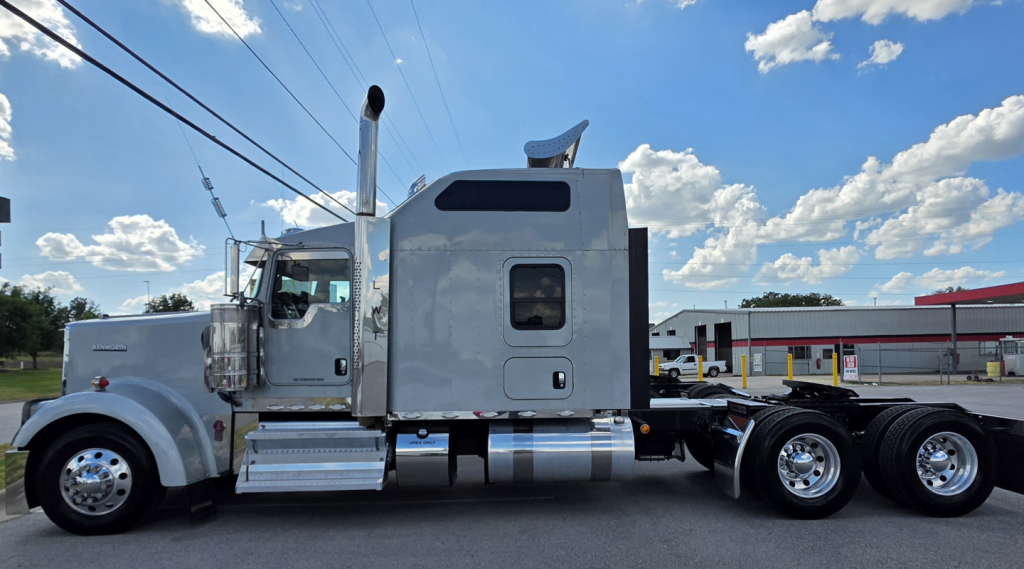
2023 Kenworth W900
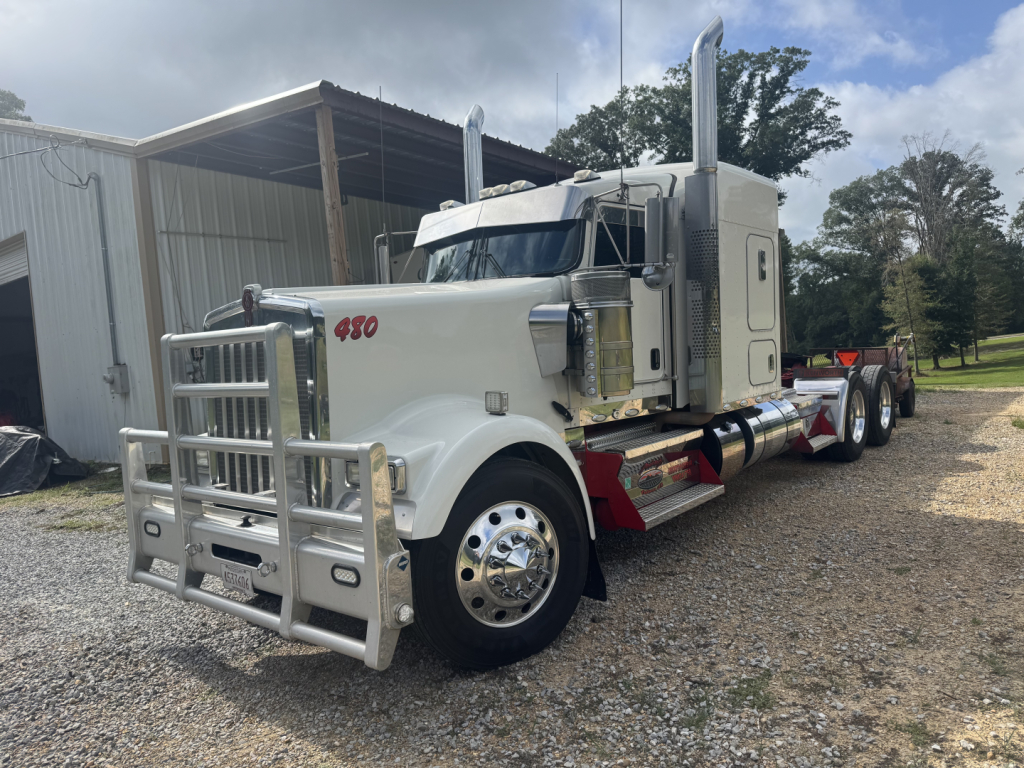
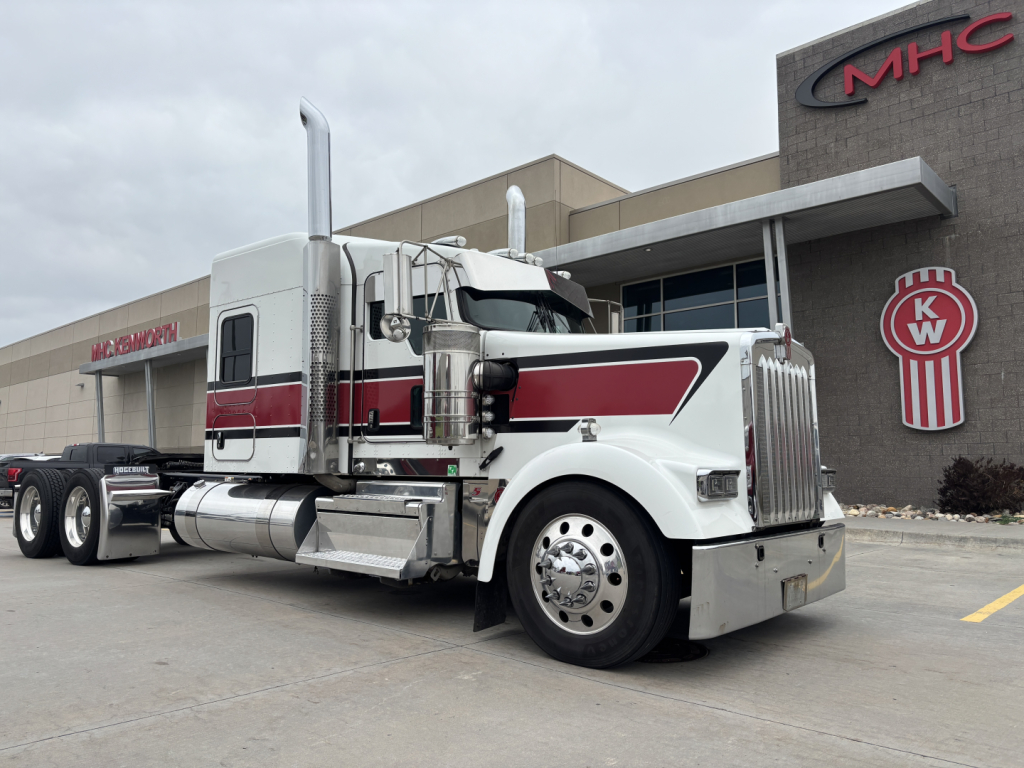
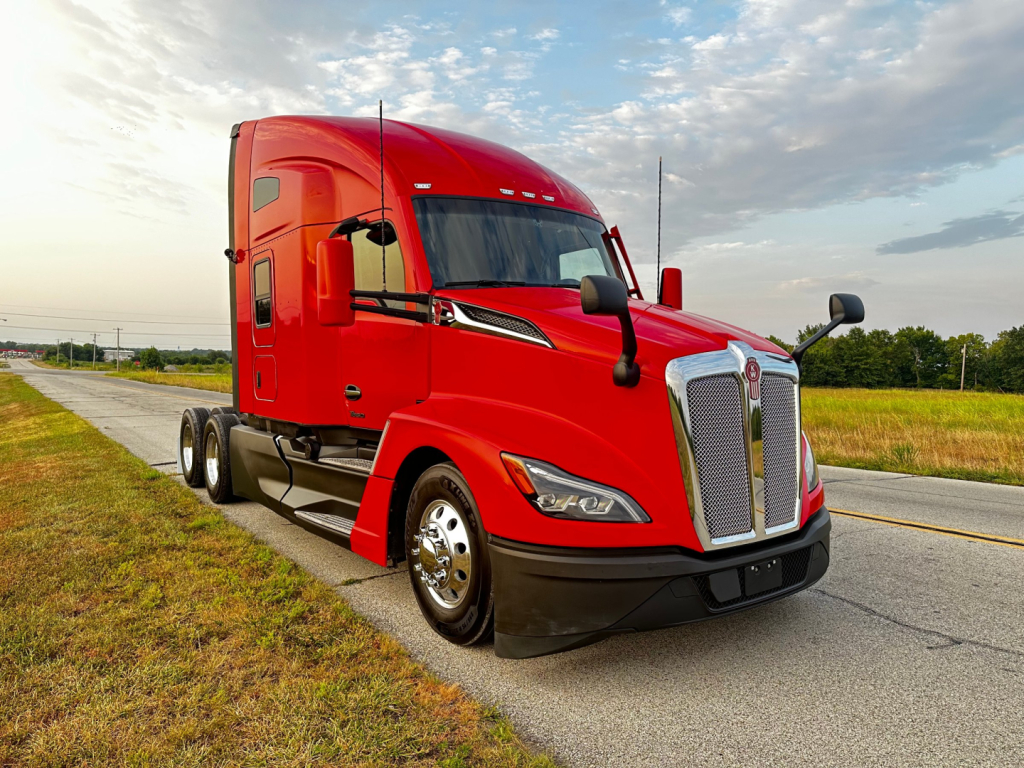
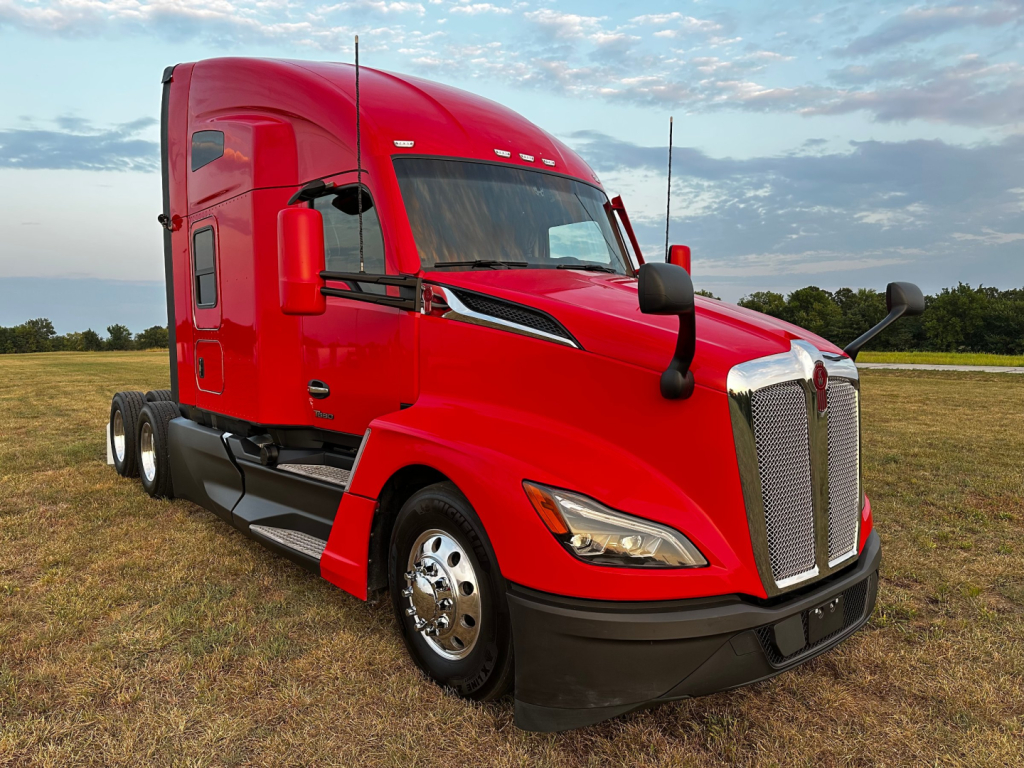
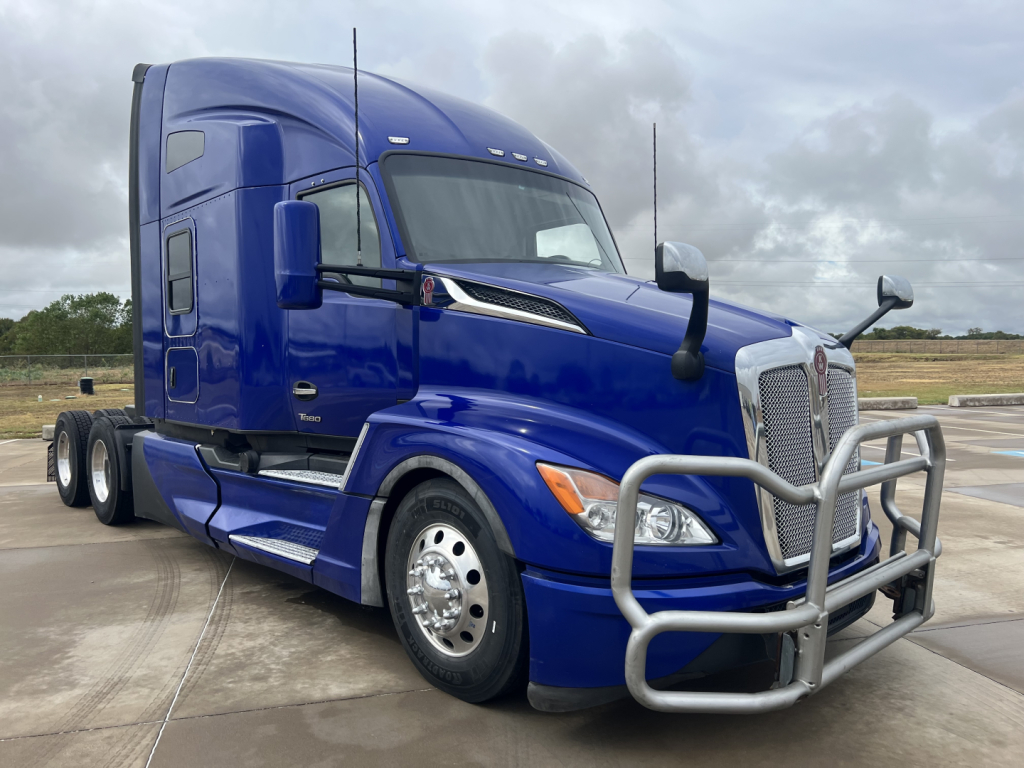
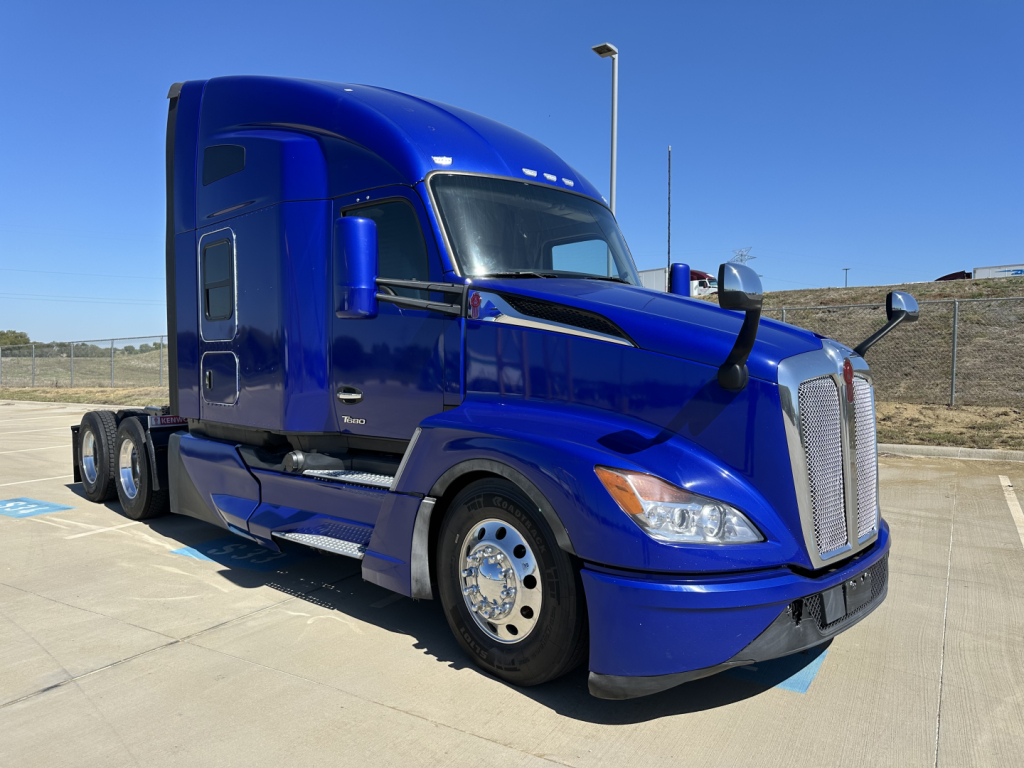
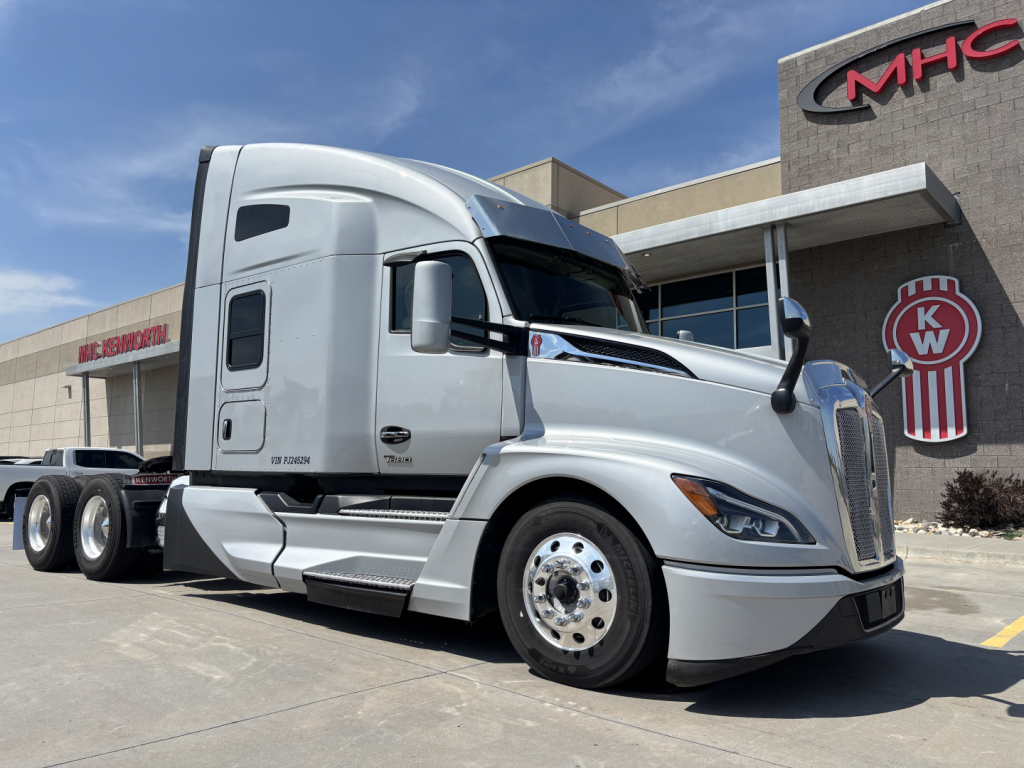
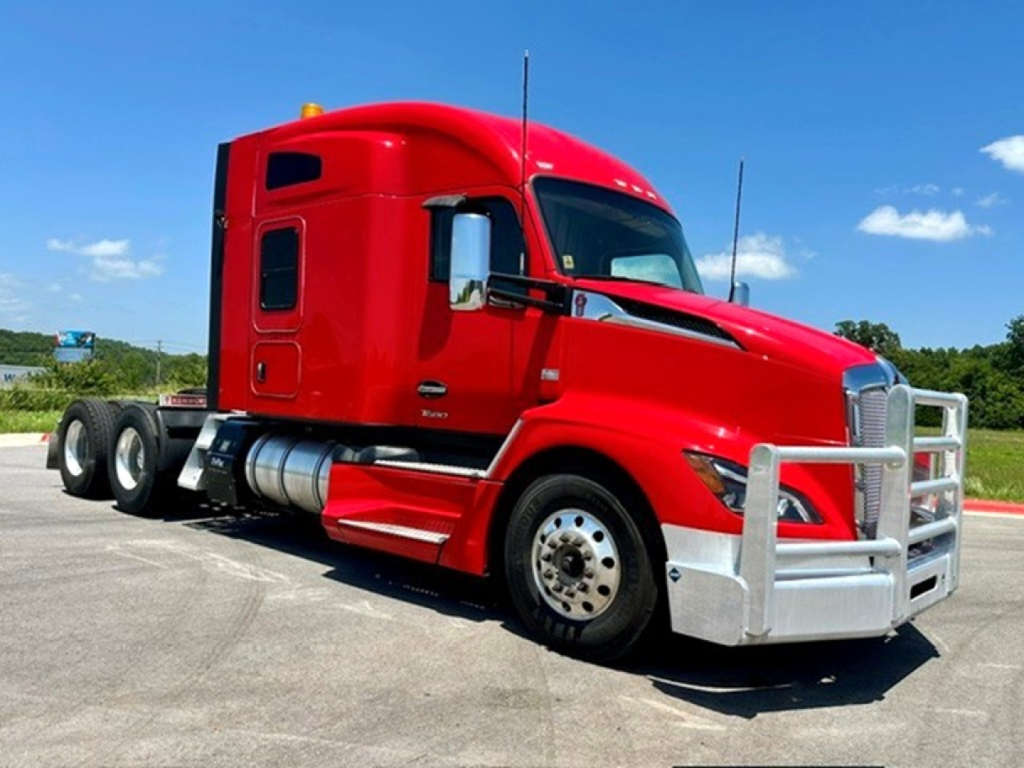
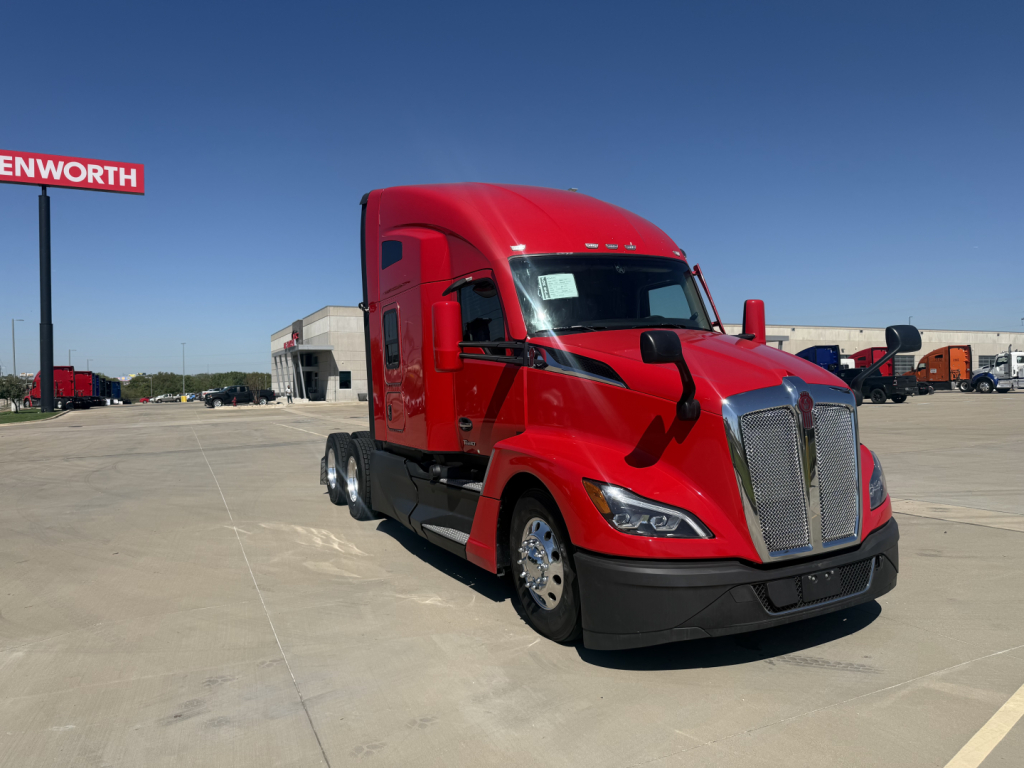
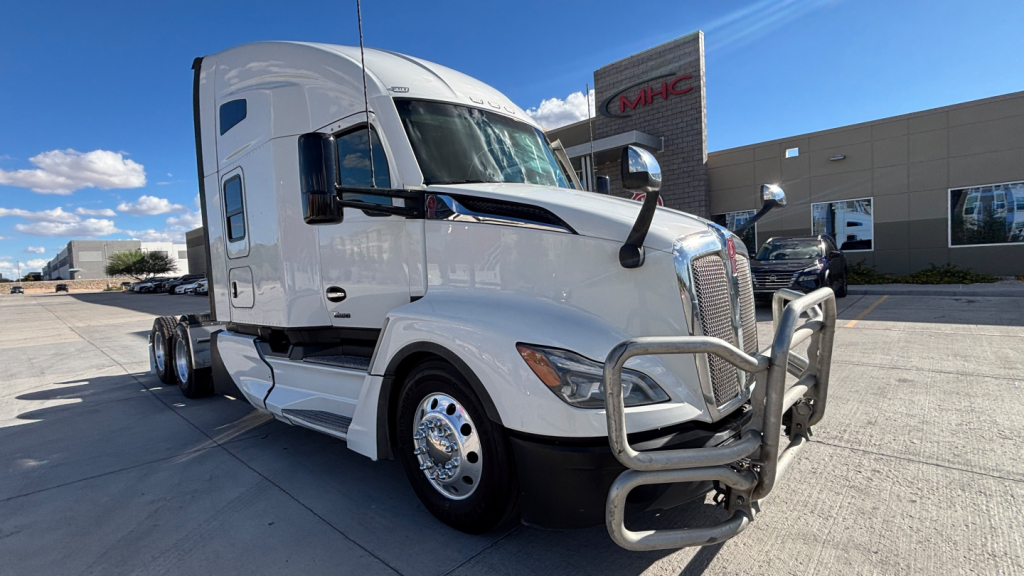
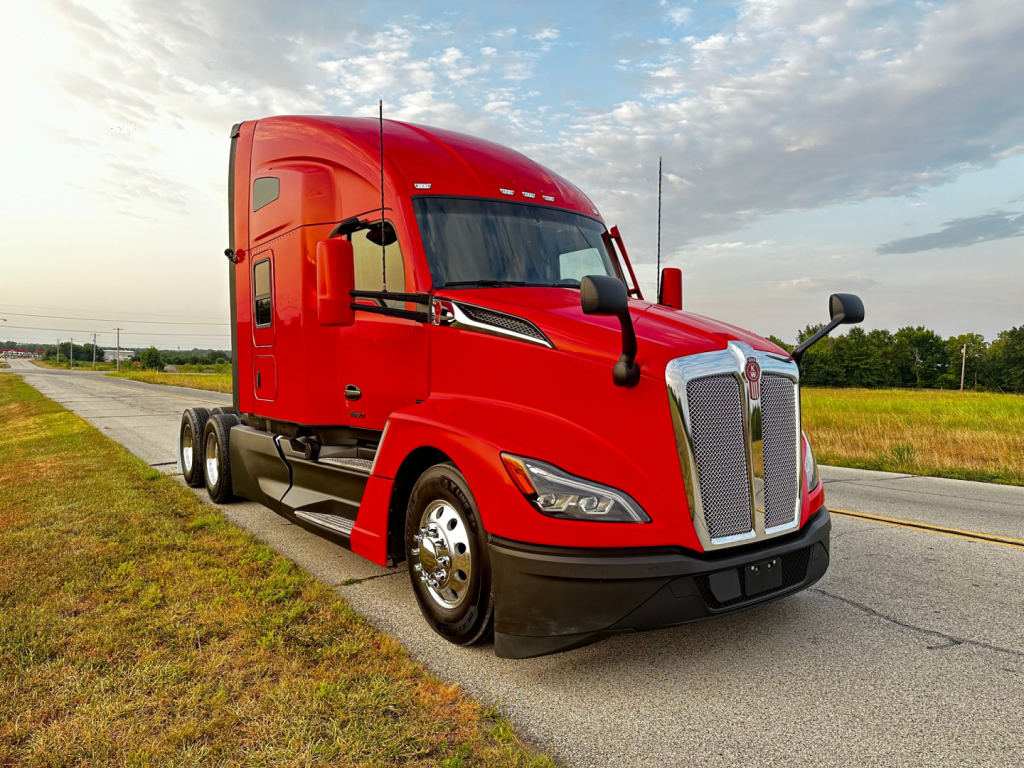
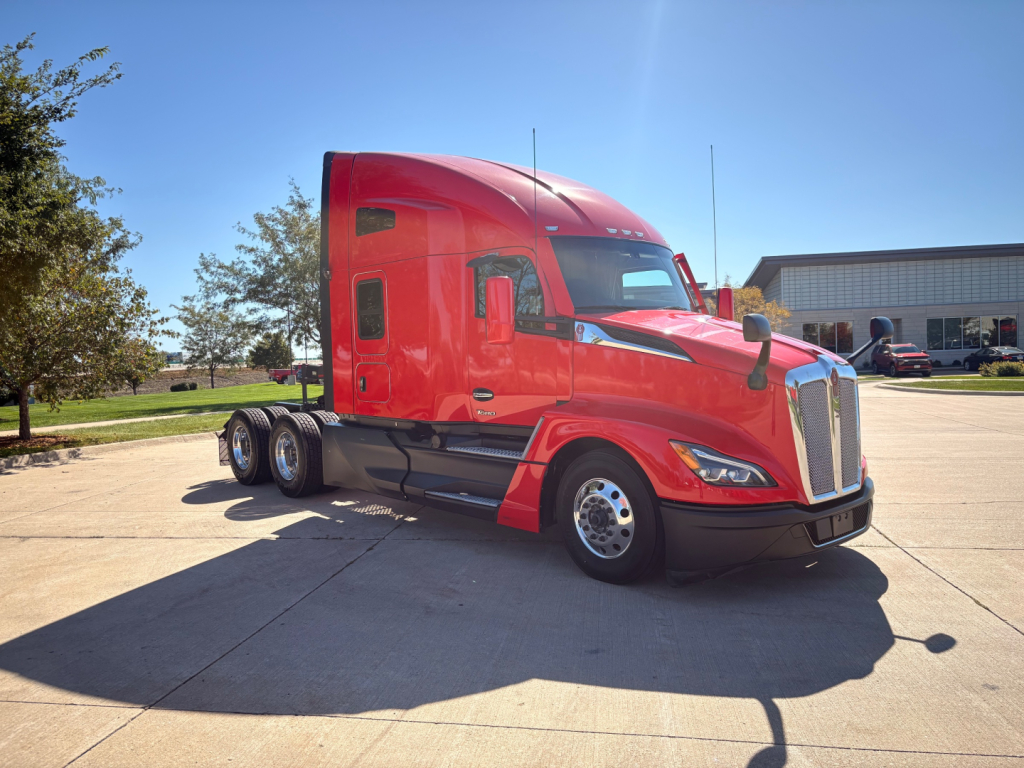
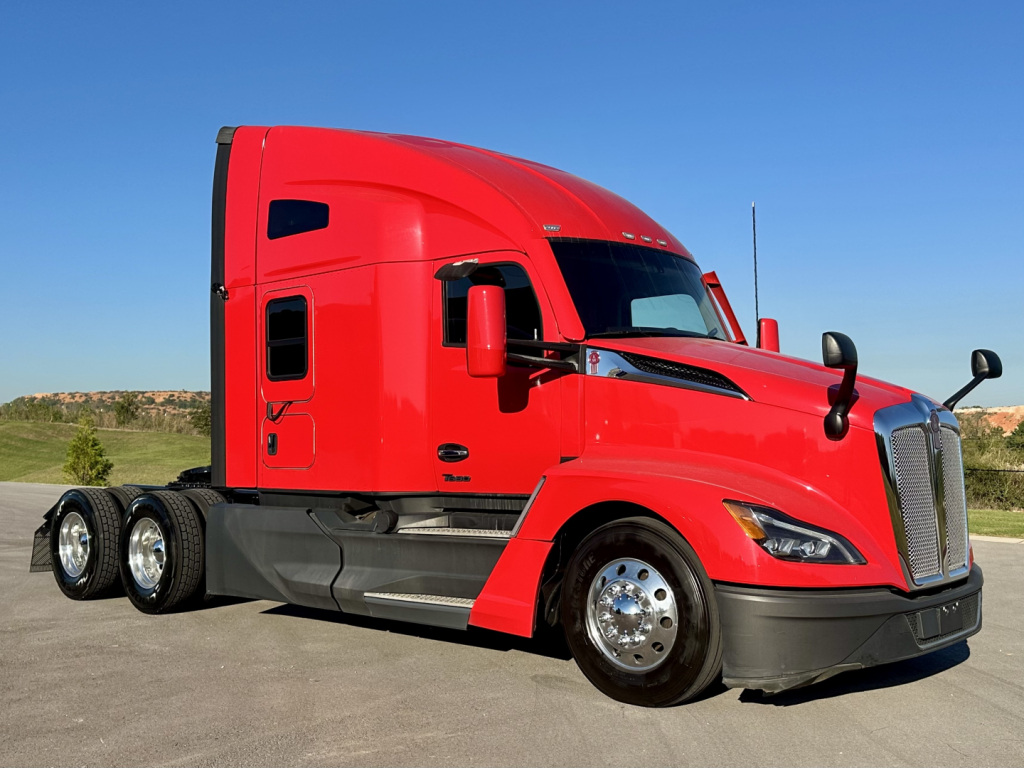
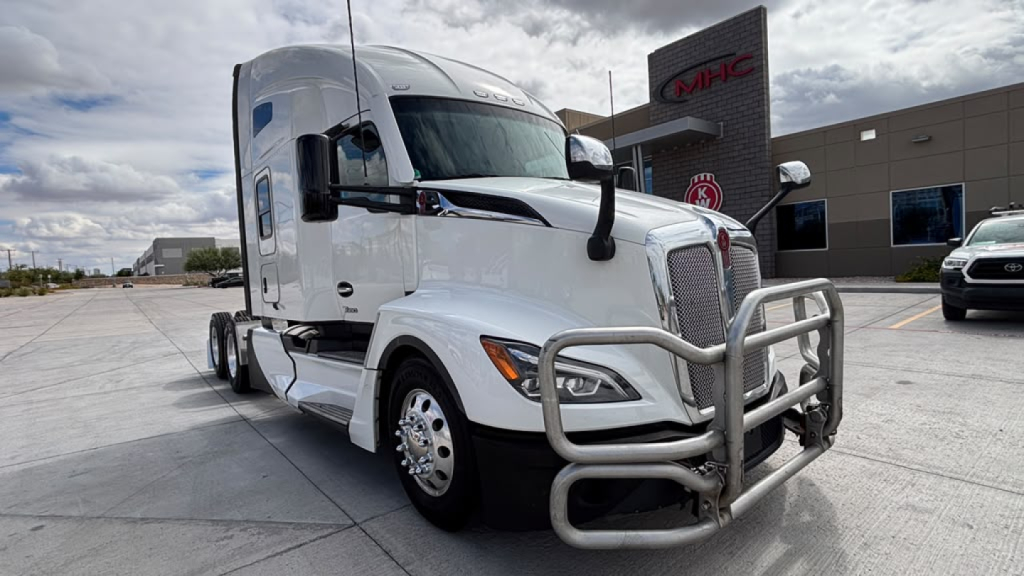
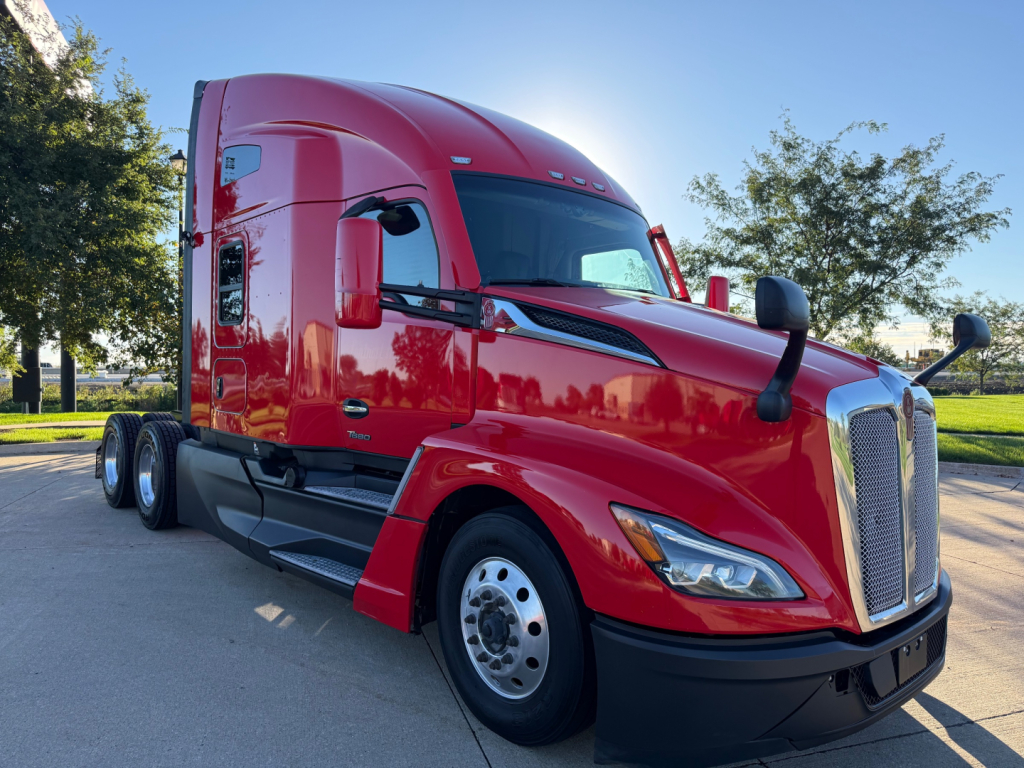
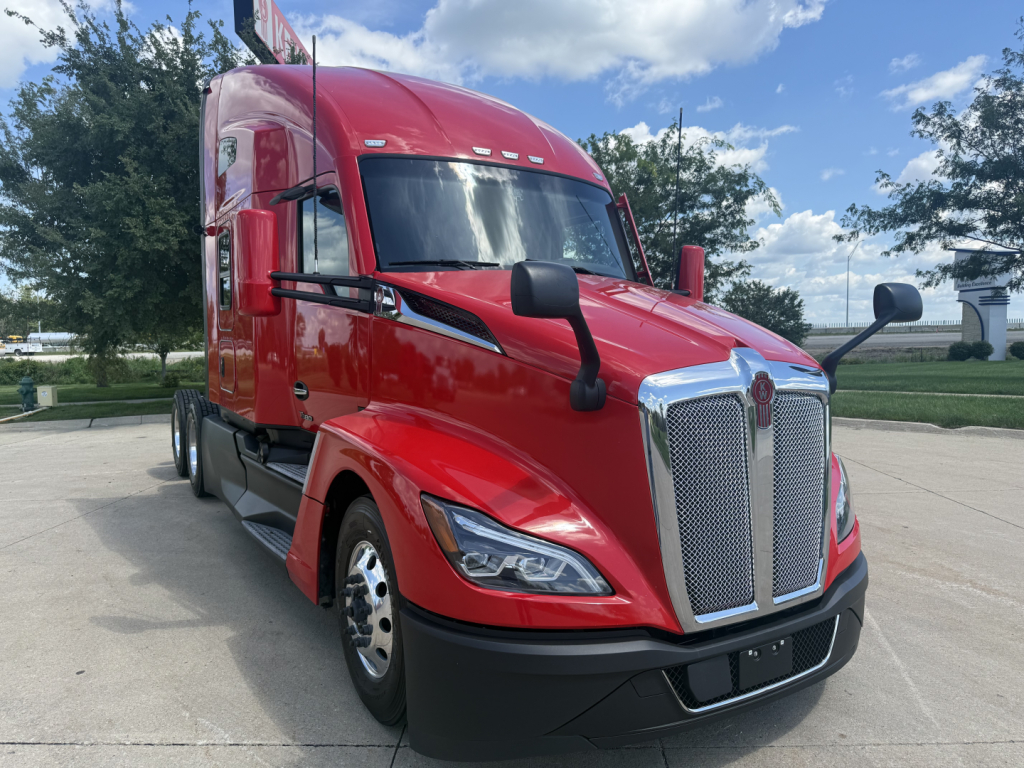
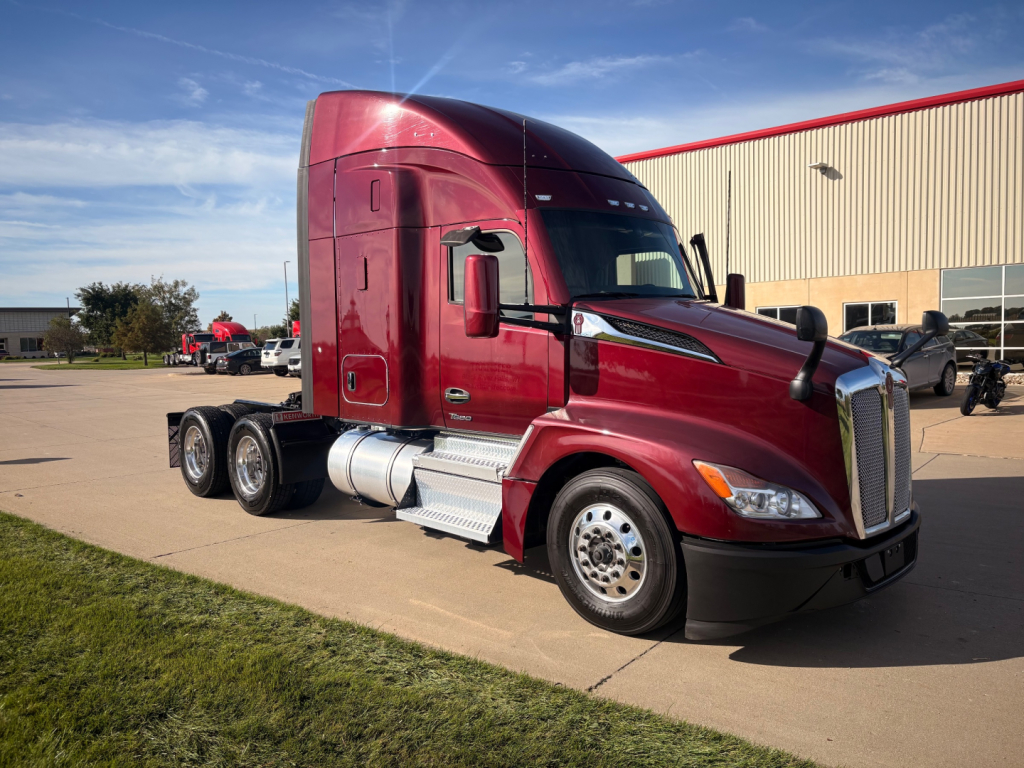
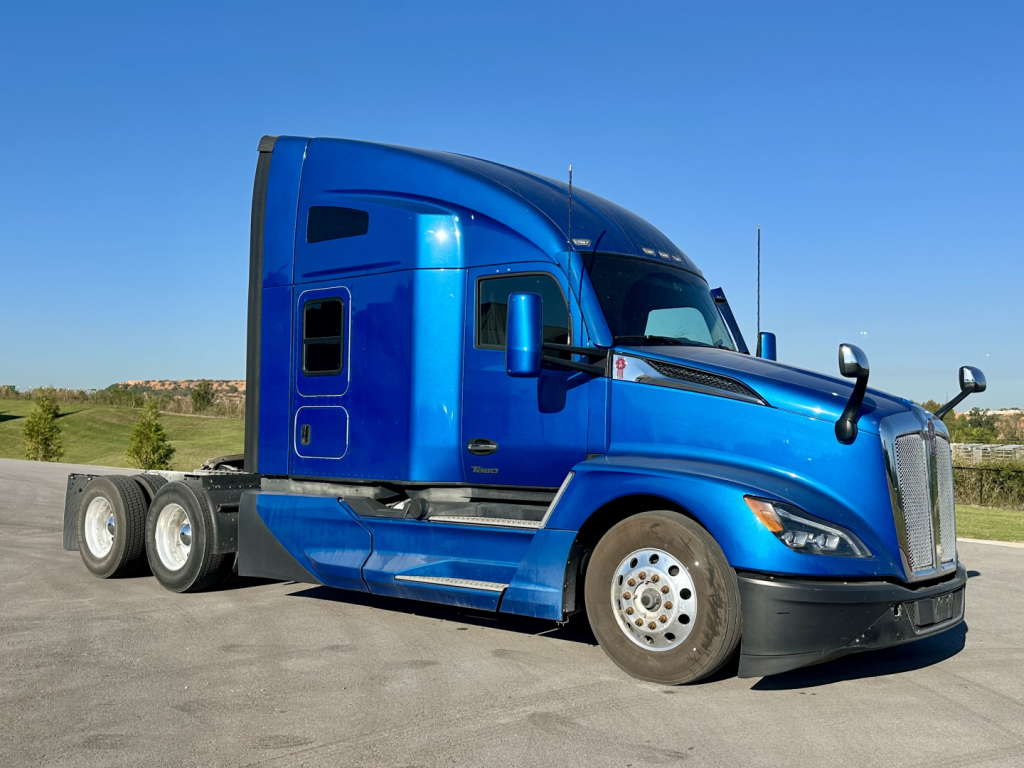
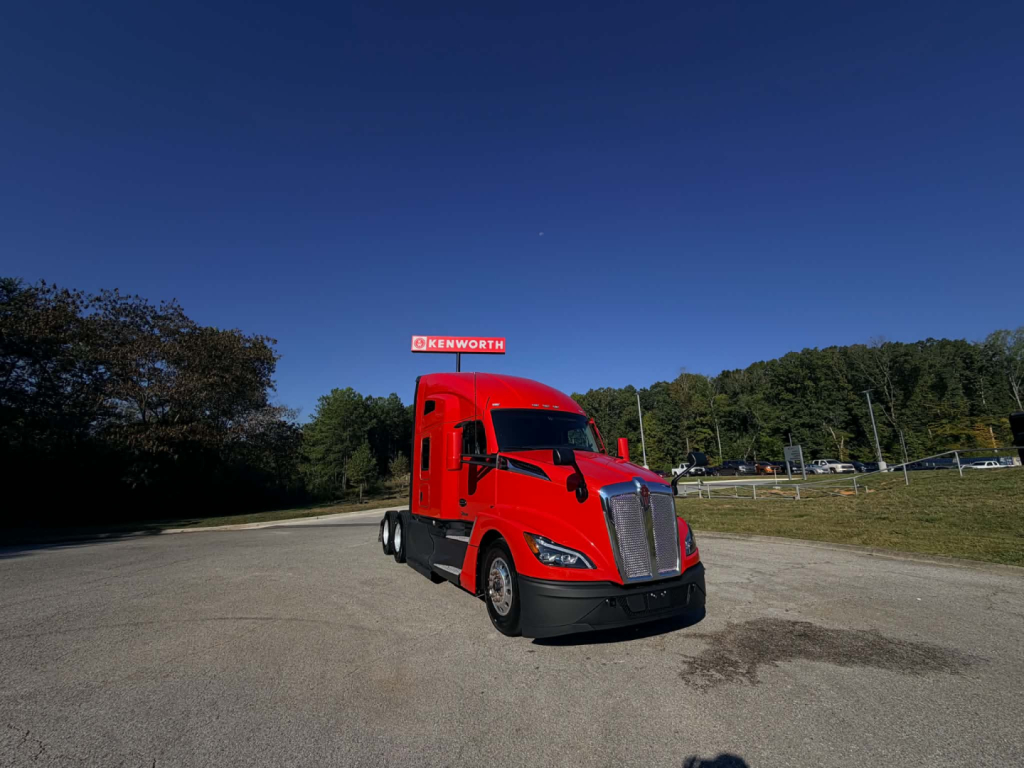
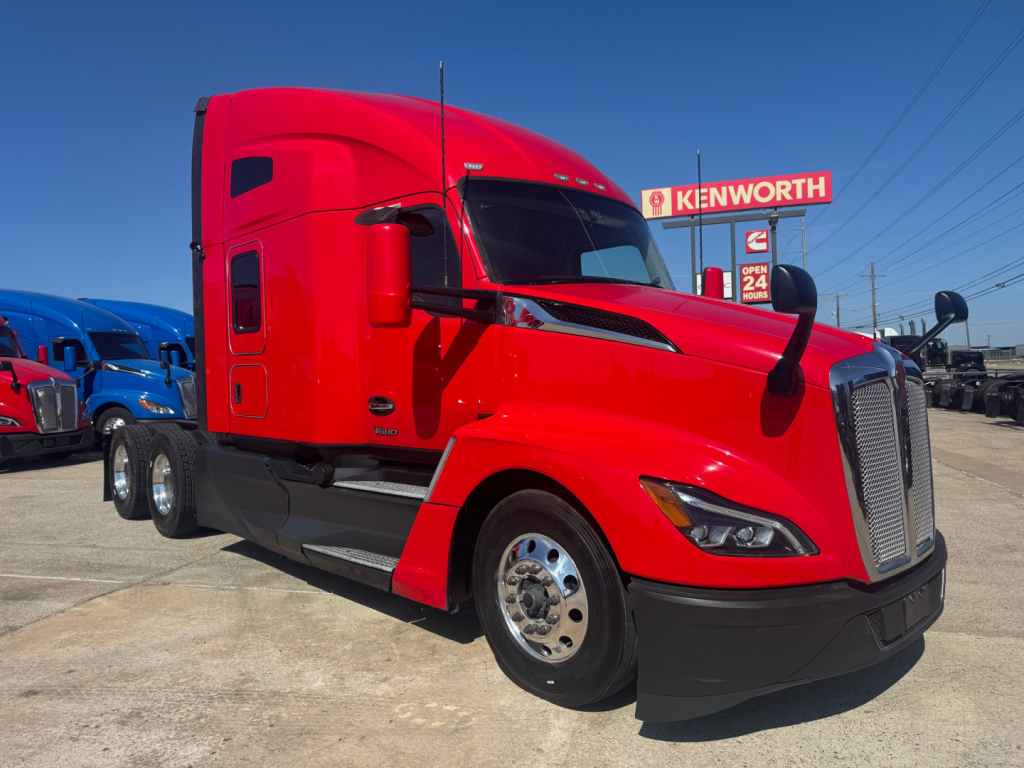
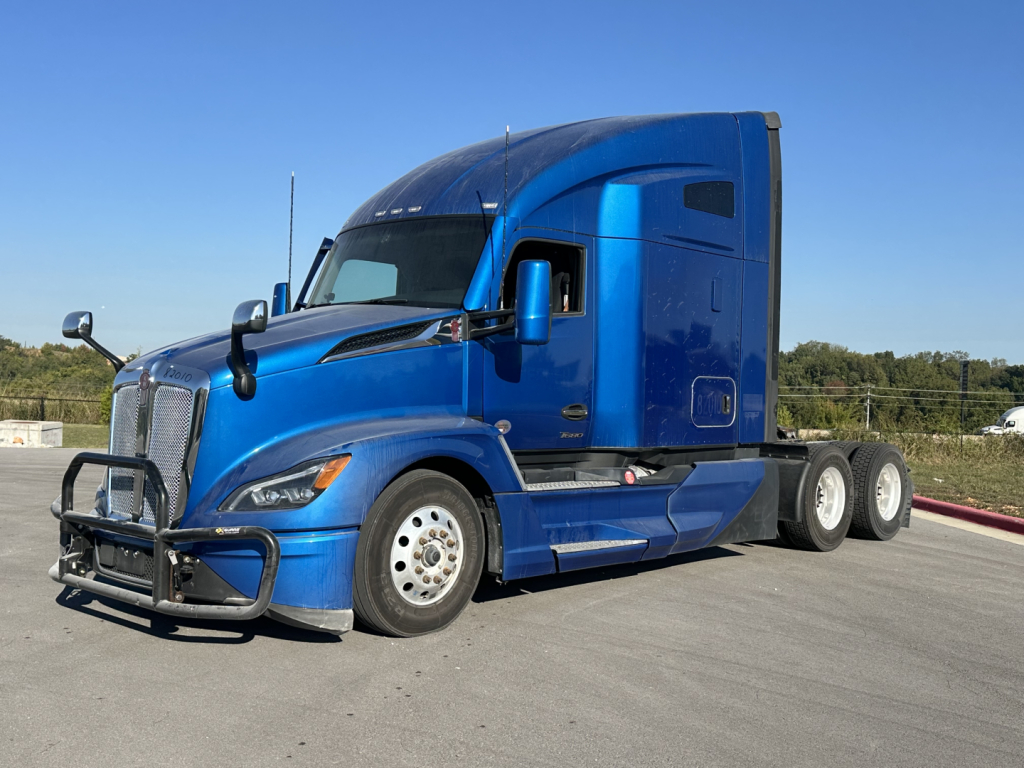
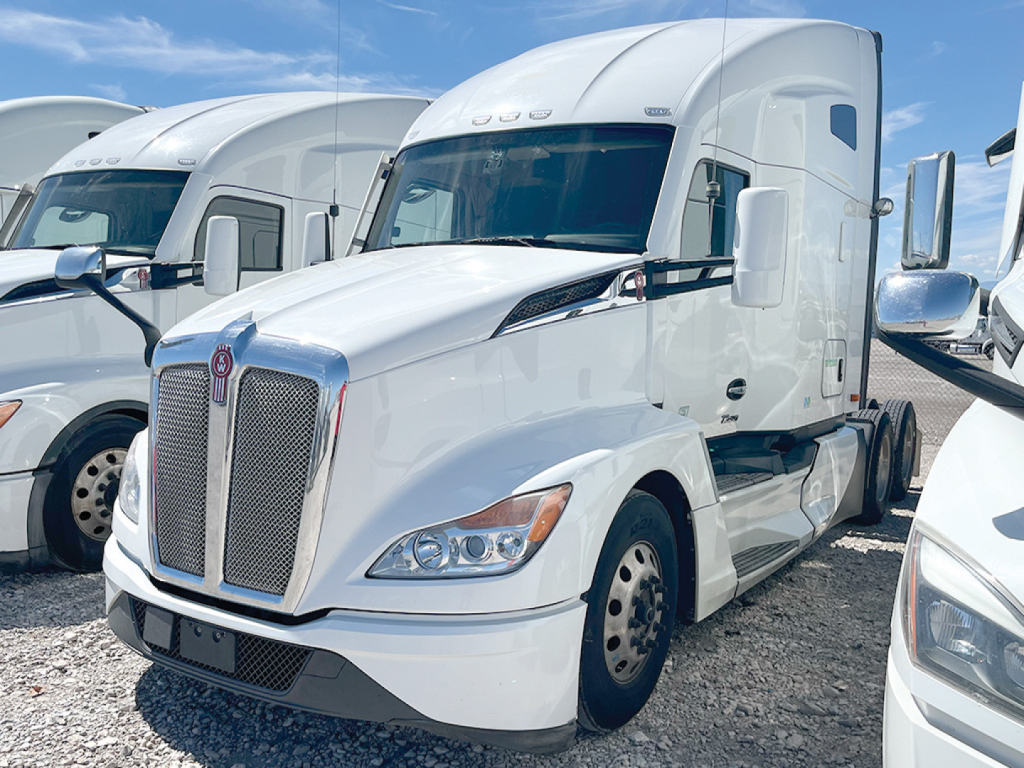
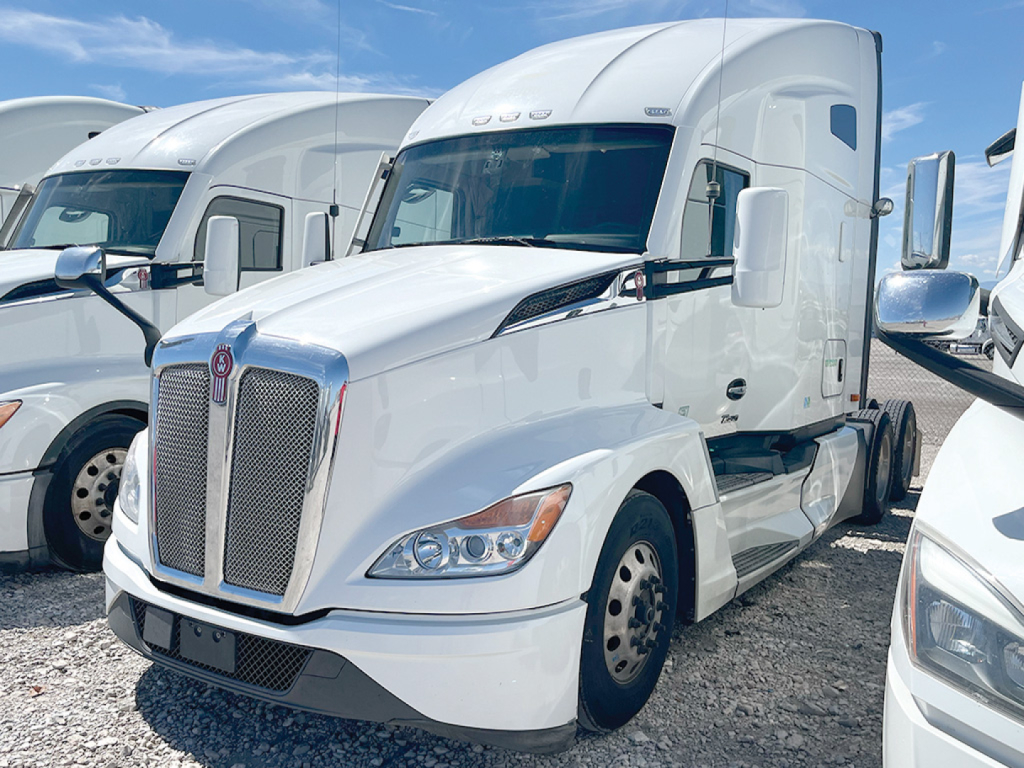
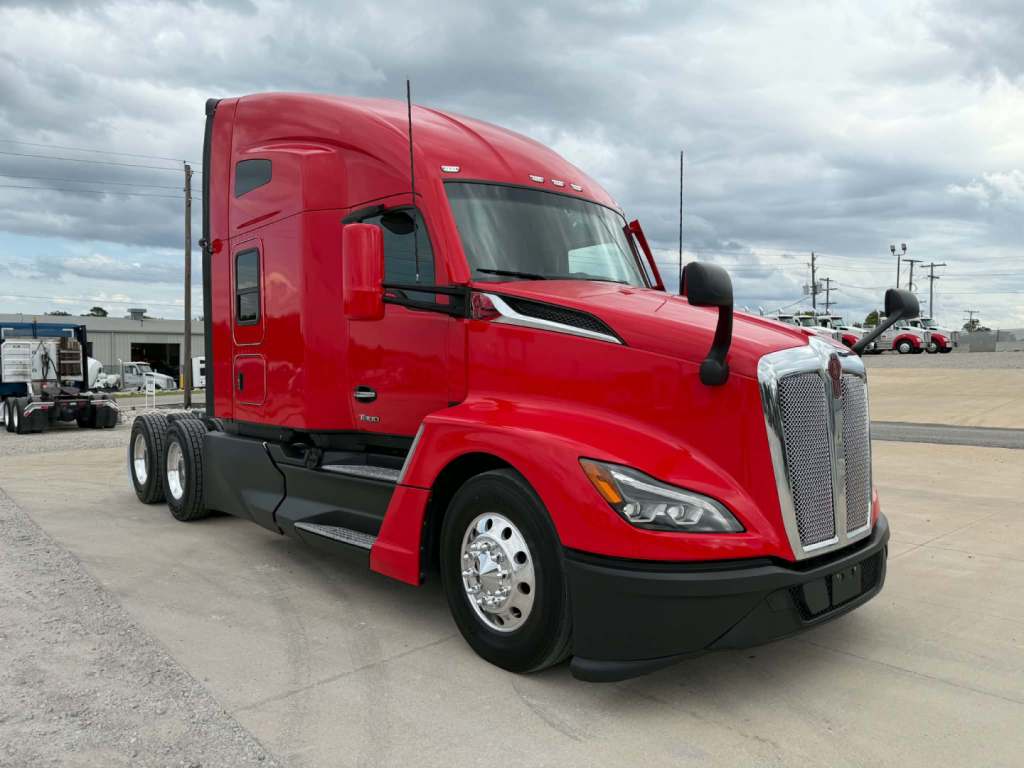
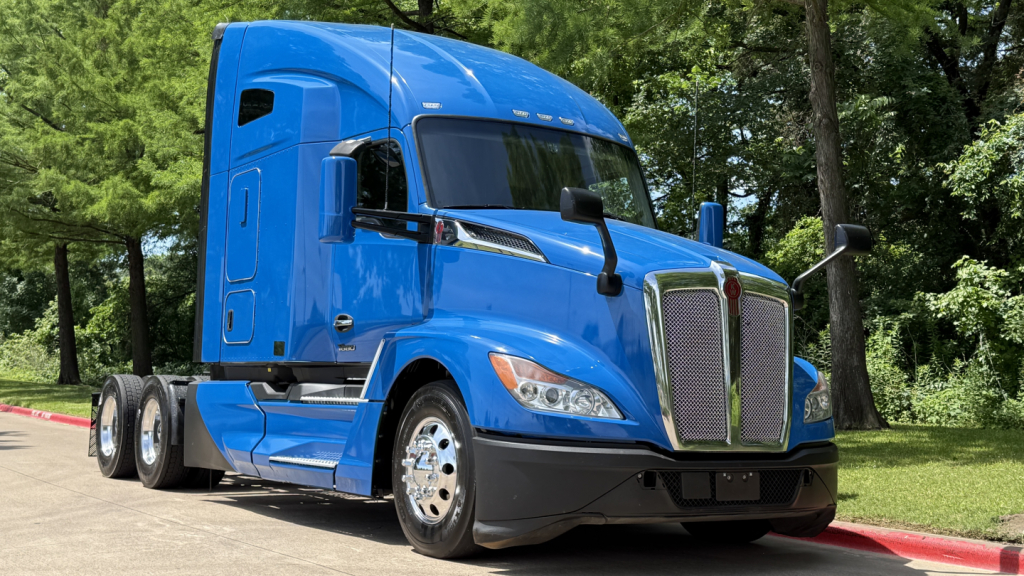
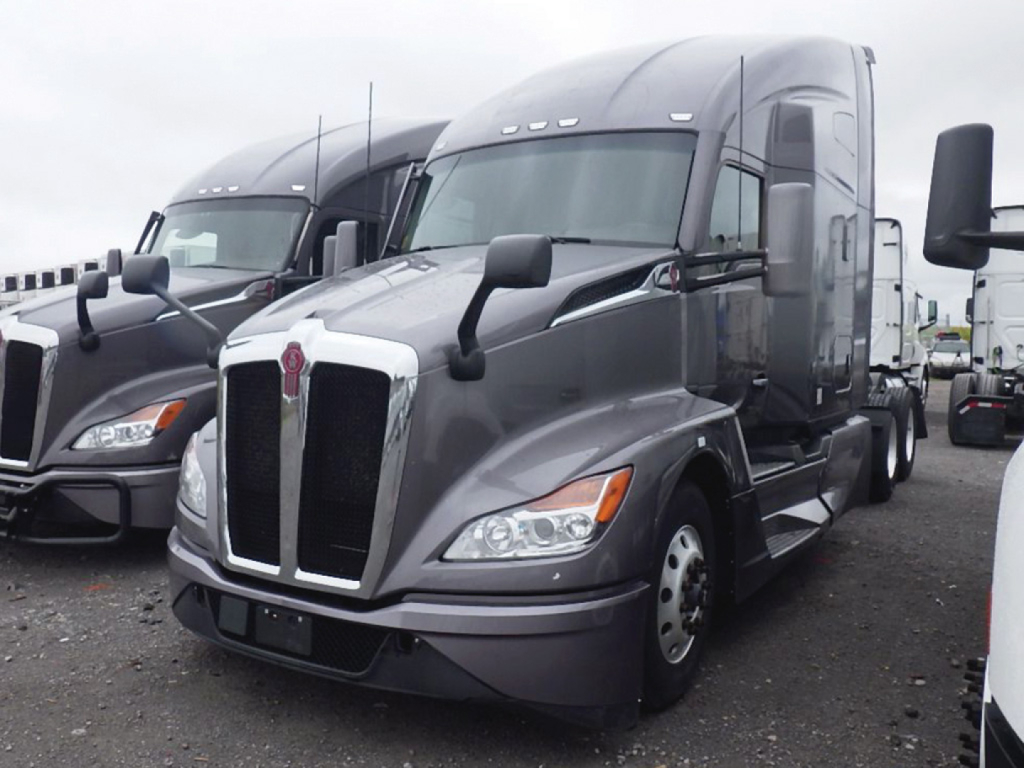
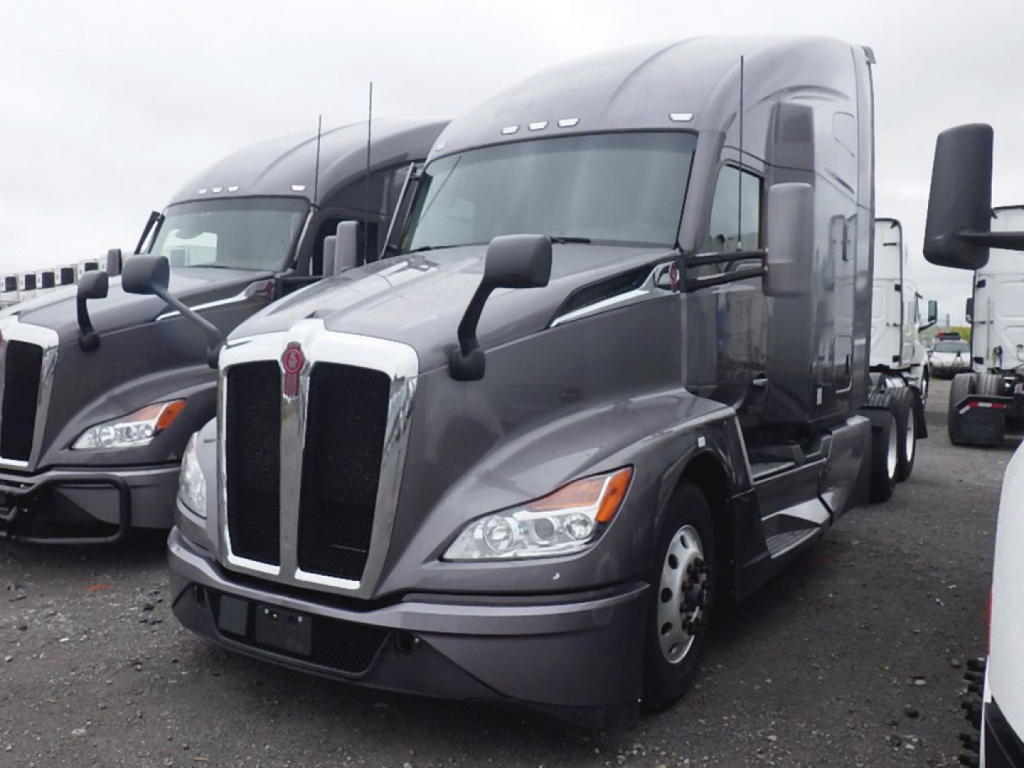
Showing 1 to 28 of 115 results
Selling a 2023 kenworth conventional sleeper truck? List your 2023 kenworth conventional sleeper truck for sale and reach thousands of commercial buyers.
2023 Kenworth Conventional Sleeper Trucks
Powertrain selection is usually the first real dividing line. Many 2023 Kenworth sleepers are equipped with Cummins X15 ratings that can range from efficiency-focused horsepower settings up to higher-output specs for heavy haul or high-GCW work. Transmissions commonly include Eaton manual or automated options, and rear axle ratios such as 3.25 or 3.36 are typical depending on cruise speed targets, terrain, and payload. Buyers should match horsepower, torque, transmission type, and axle ratio to the lane the truck will actually run. A truck built for van freight at highway speeds needs a different spec than one pulling step deck, lowboy, or mountain freight.
Sleeper layout and chassis configuration deserve close attention because they affect both driver retention and trailer compatibility. Common sleeper sizes in this class include 72-inch flat-top and 76-inch mid-roof sleepers, with features such as double bunks, bunk heaters, APUs, premium interior trim, navigation, and air ride suspension showing up often on highway tractors. Wheelbase, air-slide fifth wheel travel, fuel capacity, and fairing package all influence turning radius, ride, bridge law flexibility, and how well the truck fits different trailer lengths. Disc brakes, aluminum wheels, dual fuel tanks, and driver-assist or comfort features can also change total operating cost over time.
For a buyer comparing 2023 Kenworth conventional sleeper trucks for sale, the key is to look past appearance and focus on spec discipline. Check engine rating, transmission model, rear suspension, front axle and rears, brake type, tire size, and emissions warranty status. Review service history for aftertreatment work, clutch life, and any downtime related to sensors or electrical systems. On premium long-hood trucks, also inspect frame length, steer tire wear, and kingpin setting compatibility with the trailers you plan to pull. A well-matched 2023 Kenworth sleeper can serve linehaul, regional haul, refrigerated freight, flatbed, and specialized heavy applications with the right combination of sleeper size, driveline, and wheelbase.
Frequently Asked Questions about 2023 Kenworth Conventional Sleeper Trucks
What is the difference between a 2023 Kenworth T680 sleeper and a 2023 Kenworth W900 sleeper?
The T680 is Kenworth’s aerodynamic conventional sleeper and is usually chosen for fuel economy, linehaul efficiency, and modern fleet specs. The W900 is a long-hood conventional sleeper that appeals to owner-operators and specialized applications where styling, wheelbase flexibility, and heavier vocational-style specs matter. In practical terms, a T680 often makes more sense for dry van, reefer, and general highway freight, while a W900 is frequently seen in flatbed, lowboy, and premium custom tractor applications.
What engine and transmission specs are common in 2023 Kenworth conventional sleeper trucks?
Cummins X15 engines are among the most common power choices in this category, with horsepower ratings that can support either fuel-conscious over-the-road use or higher-output hauling needs. Buyers will also see both manual and automated transmissions, usually paired with highway-friendly axle ratios in the low 3s. The right combination depends on trailer type, average gross weight, terrain, cruise speed, and whether the truck will be driven by a fleet driver or an owner-operator who prefers manual control.
Is a 72-inch flat-top or 76-inch mid-roof sleeper better?
A 72-inch flat-top sleeper is often preferred when overall height, weight, or a classic long-hood profile is part of the spec, and it can still provide strong long-haul comfort. A 76-inch mid-roof sleeper usually offers better interior volume, more storage, and stronger compatibility with aerodynamic fairing packages for highway operation. The better choice depends on the trailer height you pull, the amount of time drivers spend in the truck, and how much you value aero performance versus traditional styling.
What should I inspect first on a used 2023 Kenworth sleeper truck?
Start with the drivetrain and emissions system. Confirm the engine rating, transmission model, axle ratio, and rear suspension spec, then review maintenance records for oil service intervals, aftertreatment repairs, clutch wear, and brake work. After that, inspect the sleeper equipment, APU if equipped, fifth wheel operation, tire wear patterns, and any signs of frame or alignment issues. A truck can look clean cosmetically and still be poorly matched to your trailers or operating weights, so the spec sheet matters as much as condition.
Are 2023 Kenworth conventional sleeper trucks good for owner-operators?
Yes, especially when the truck’s configuration matches the freight. Owner-operators often value Kenworth sleepers for cab comfort, interior quality, ride, and strong brand recognition in the resale market. Aerodynamic T680 models can help reduce fuel cost on long highway runs, while W900 sleepers remain attractive to buyers who want a premium long-hood truck with higher visual appeal and flexibility for specialized hauling. The best owner-operator truck is the one that balances payment, fuel burn, maintenance exposure, and revenue per mile.