
2023 Conventional Sleeper Trucks For Sale in California

Have 2023 conventional sleeper truck to sell? List it here to reach thousands of buyers.
2023 Conventional Sleeper Trucks in California
Powertrain choices in a 2023 sleeper typically center on 13-liter to 15-liter diesel engines rated around 400 to 505 horsepower, paired with automated manual transmissions such as the Detroit DT12, Volvo I-Shift, PACCAR TX-12, or Eaton Endurant. A lot of buyers shop rear axle ratio and transmission spec as closely as engine make, because a 2.26 to 2.64 ratio generally favors fuel mileage on flatter long-haul work, while a deeper ratio can make more sense for heavier gross weights, mountain grades, or more stop-and-go duty. Most units in this class run tandem 40,000 lb rears, air ride suspension, and wheelbases in the low- to mid-220-inch range, though longer wheelbases show up on larger sleepers and owner-operator spec trucks. Disc brakes, collision mitigation, adaptive cruise, lane departure warning, and tire pressure monitoring became more common by this model year and deserve close attention if safety tech matters to your operation.
Sleeper layout matters more than many first-time buyers expect. A 72-inch to 80-inch high-roof sleeper gives better standing room, cabinet space, refrigerator options, and a more usable workstation setup for multi-day runs. Mid-roof sleepers keep weight and height down and can be a smart fit for fleets balancing regional and long-haul work. Look closely at bunk heater spec, inverter capacity, APUs or battery HVAC systems, fuel tank capacity, and air slide fifth wheel configuration. For California operations, idle reduction equipment and clean aftertreatment history are especially important, and service records for the DPF, DOC, and SCR system can be just as valuable as engine hours or mileage.
A good 2023 conventional sleeper truck should match the freight before it matches the badge. Dry van and reefer fleets usually want an aerodynamic 6x4 with a fuel-efficient engine, automated transmission, and full fairing package. Heavier or more specialized lanes may justify more horsepower, a different wheelbase, or a more aggressive gearing strategy. When comparing listings, pay attention to sleeper size, front axle and rear axle ratings, ratio, transmission model, wheelbase, brake type, and driver amenity package. Those details will tell you a lot more about how the truck will perform on California lanes and western regional routes than mileage alone.
Frequently Asked Questions about 2023 Conventional Sleeper Trucks in California
What is a conventional sleeper truck?
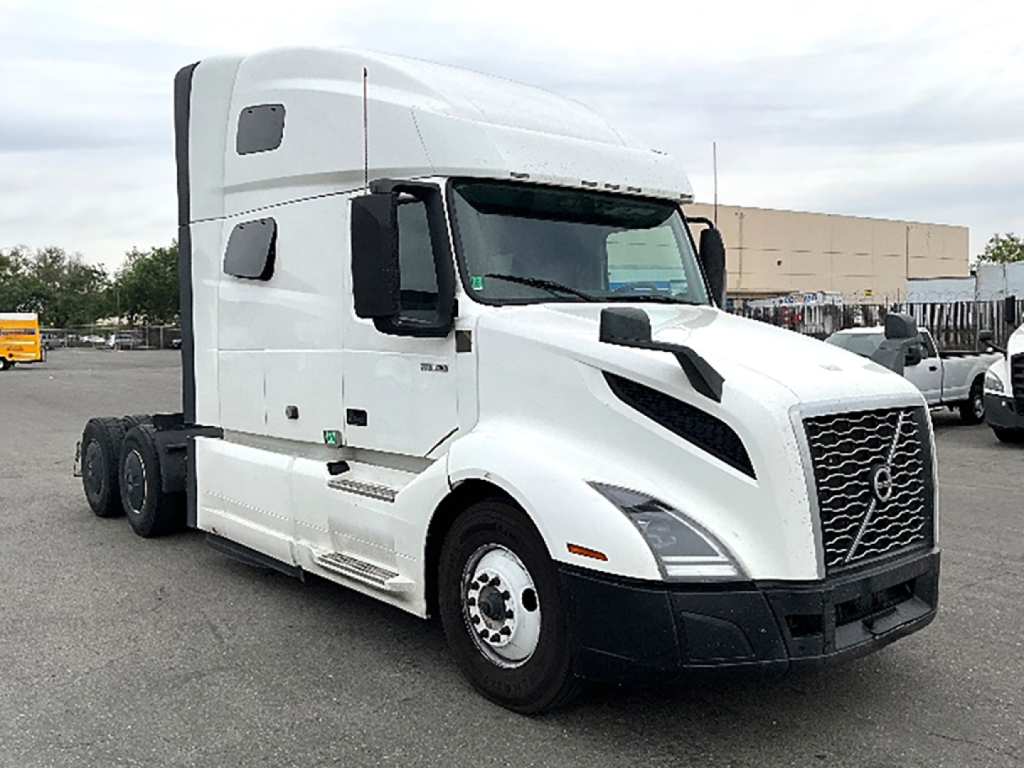
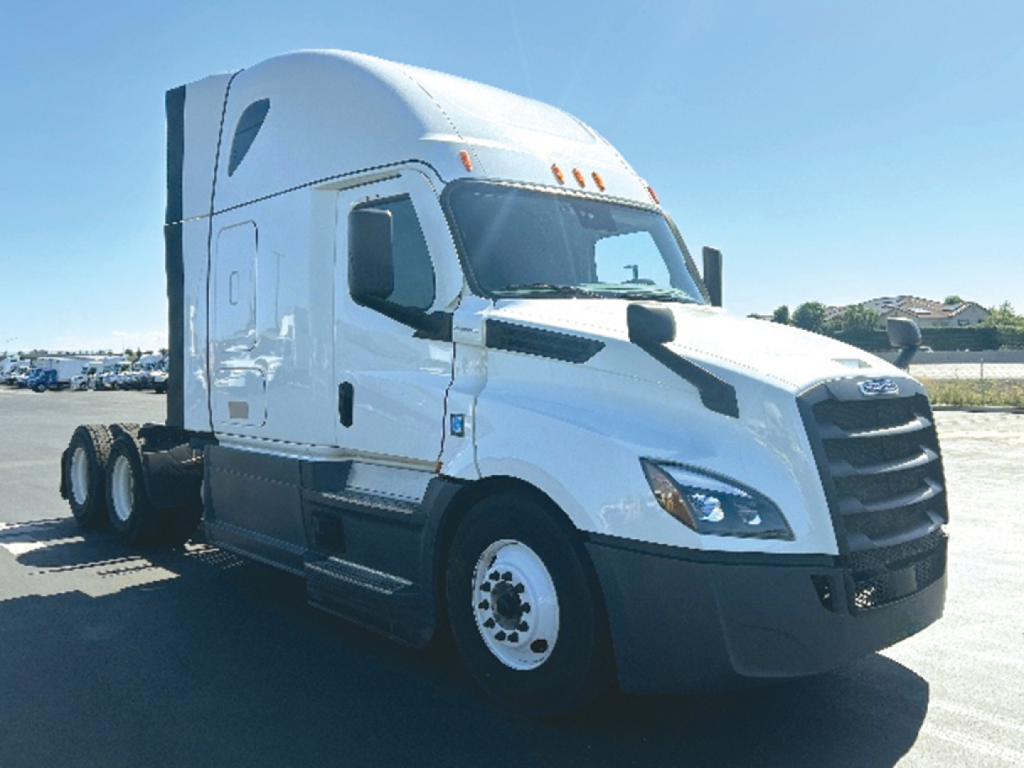
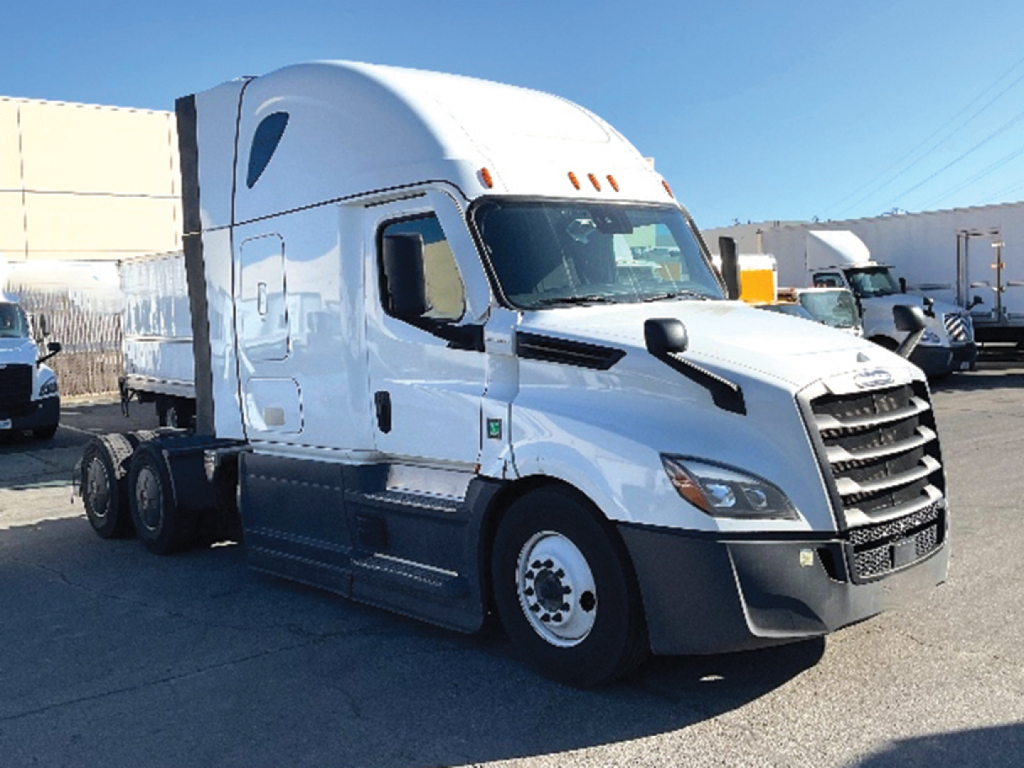
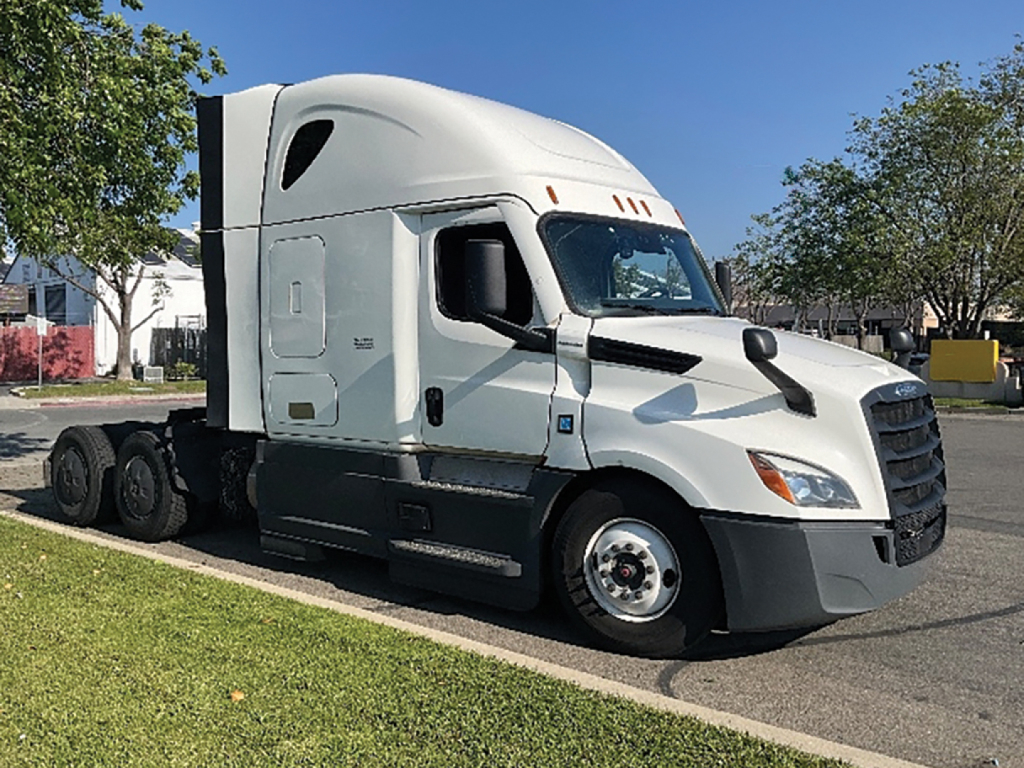
A conventional sleeper truck is a highway tractor with a forward engine hood and an integrated sleeper compartment mounted behind the cab. It is designed for long-haul or multi-day freight where the driver needs a bunk, storage, and basic living space. In today’s market, the term usually refers to aerodynamic road tractors such as the Cascadia, T680, VNL, 579, and LT, although long-hood owner-operator configurations also fall into the same broad category.
What engine and transmission specs are common in a 2023 conventional sleeper?
Most 2023 conventional sleeper trucks are equipped with 13-liter or 15-liter diesel engines in the 400 to 505 horsepower range. Common pairings include Detroit engines with DT12 automated transmissions, Volvo D13 with I-Shift, Cummins X15 with Eaton Endurant, and PACCAR MX engines with TX-12. Tandem 40,000 lb rear axles, air ride suspension, and fuel-economy-oriented axle ratios are standard on many fleet-spec units, while heavier-duty or mountain-route trucks may carry different gearing and higher horsepower.
Is a high-roof or mid-roof sleeper better for California and western regional hauling?
The better choice depends on run length, driver retention goals, and freight profile. A high-roof sleeper usually provides better comfort for long western runs, team operations, and drivers who spend several nights in the truck. A mid-roof sleeper can save some weight, reduce overall height, and still work well for regional freight with occasional overnight use. On California and western lanes, where routes can be long and terrain can vary, many buyers prefer a high-roof if the truck will stay in over-the-road service.
What should buyers inspect on a used 2023 sleeper truck in California?
The inspection should go beyond mileage and cosmetics. Buyers should review aftertreatment service history, fault code history, engine hours, idle hours, transmission calibration records, brake wear, tire condition, and any evidence of collision repairs. In California, emissions system condition is a major factor, so documentation for DPF cleaning intervals, SCR performance, and any emissions-related repairs is important. It also helps to confirm the sleeper equipment works properly, including HVAC, bunk heater, inverter, refrigerator, and all driver convenience systems.
What axle ratio works best in a conventional sleeper truck?
The right axle ratio depends on the freight and terrain. Ratios in the low 2s often support better fuel economy on long highway runs with van or reefer freight, especially when paired with an overdrive automated transmission. Deeper ratios can improve startability, grade performance, and drivability for heavier loads or mountain service. Buyers should evaluate the ratio together with tire size, transmission gearing, and expected gross weight, because the complete driveline package determines cruise RPM and operating cost.