
2023 Conventional Sleeper Trucks For Sale in Nevada
Browse 2023 conventional sleeper trucks for sale in Nevada. Compare raised-roof sleepers, engine options, wheelbases, and highway specs.
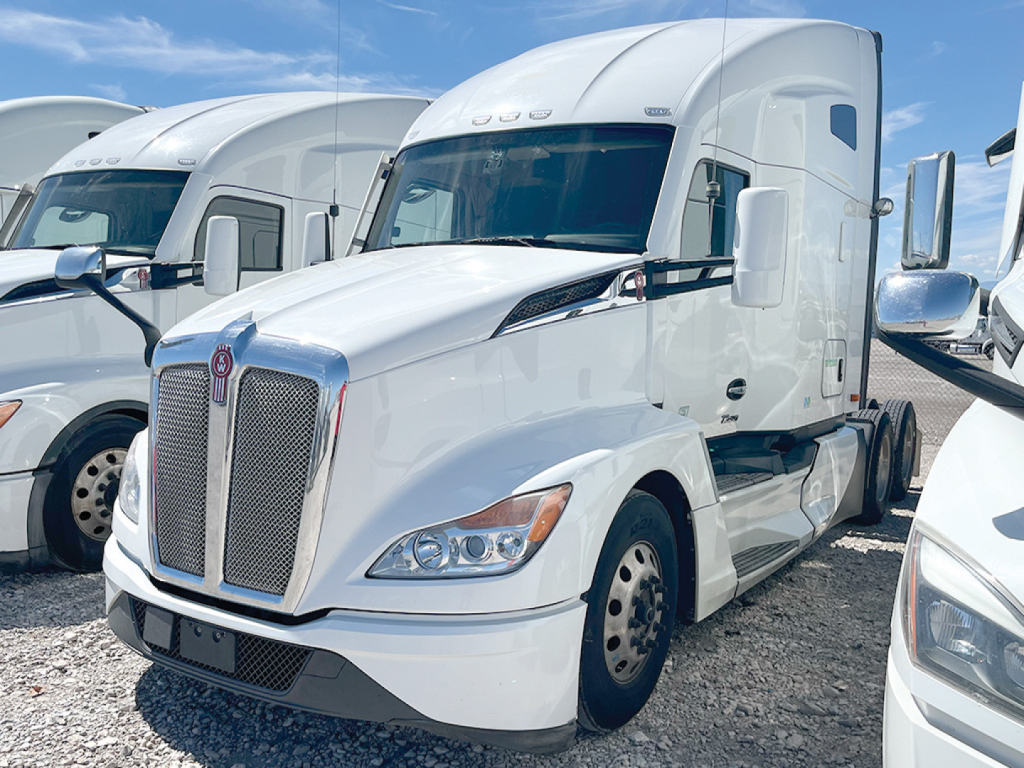
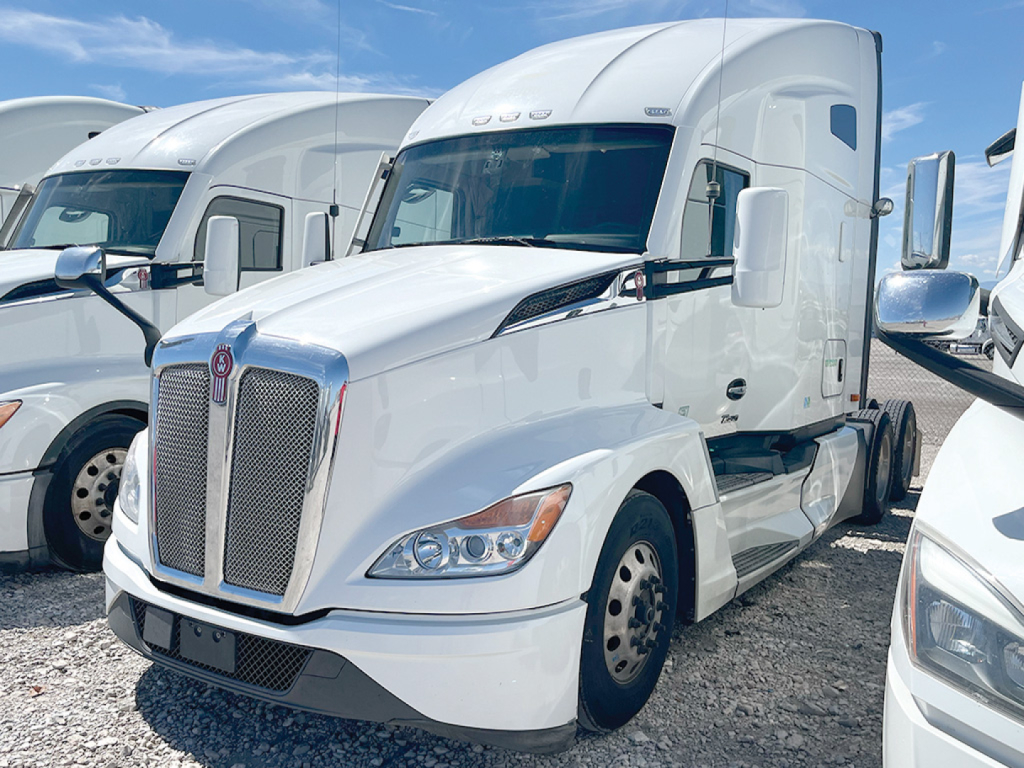
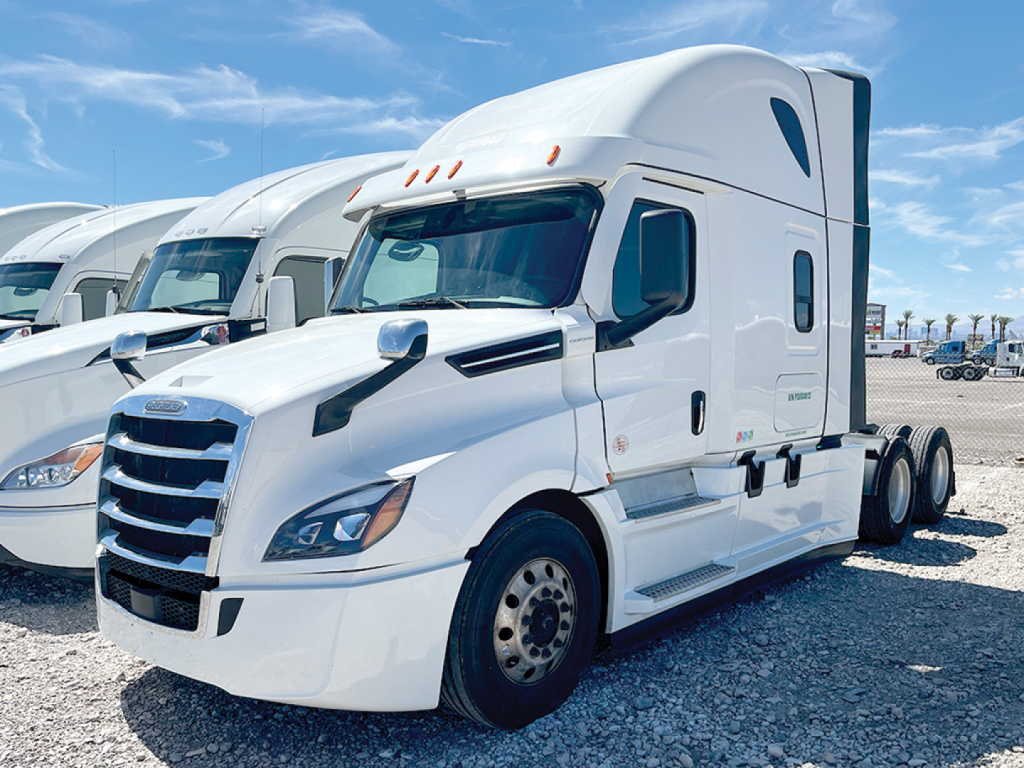
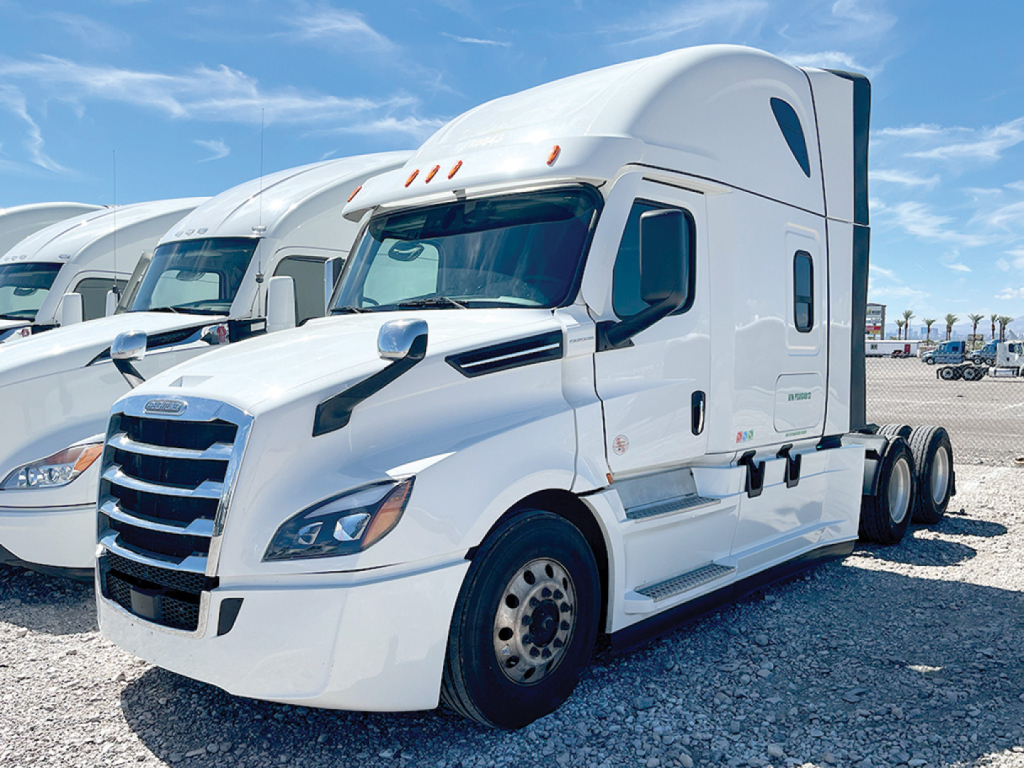
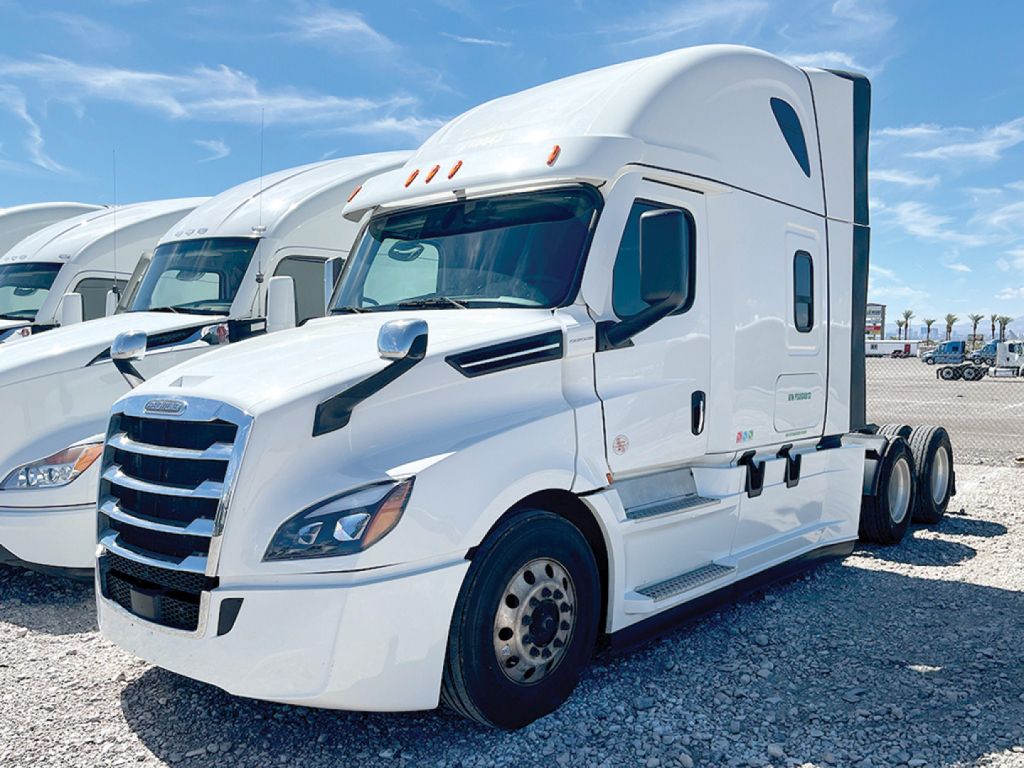
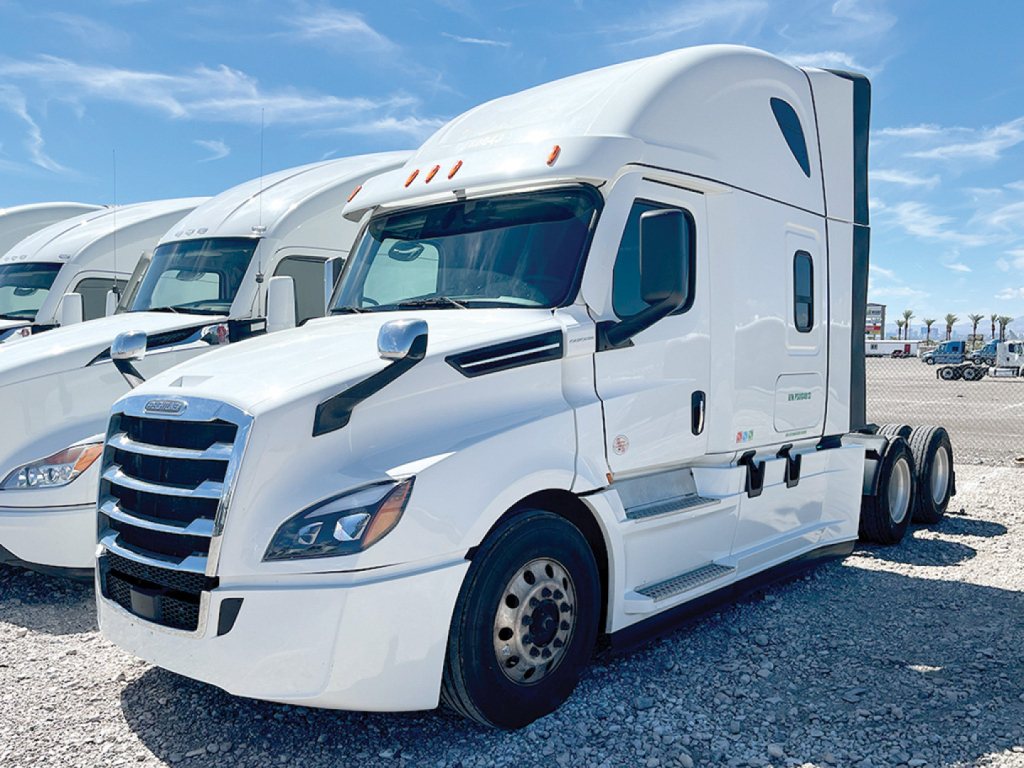

Selling a 2023 conventional sleeper truck? List your 2023 conventional sleeper truck for sale and reach thousands of commercial buyers.
2023 Conventional Sleeper Trucks in Nevada
The first decision is usually sleeper size and powertrain. Common sleeper configurations run from about 60 to 80 inches, with 72-inch raised-roof sleepers being especially common because they balance driver comfort, storage, and overall weight. Typical 2023 specs in this class include 400 to 500 horsepower, engines such as the Detroit DD13, Detroit DD15, or Cummins X15, and automated manual transmissions like the DT12 or Eaton Endurant. Many buyers look closely at rear axle ratio, because a 2.64, 3.08, or 3.23 ratio changes cruise RPM, gradeability, and fuel economy. A 40,000 lb rear axle setup, air ride suspension, engine brake, and air slide fifth wheel are standard fleet-oriented features in this segment.
Wheelbase and chassis layout matter more than many buyers expect. A 229 to 235 inch wheelbase is common on fleet-spec conventional sleepers and usually supports a stable highway ride with good trailer compatibility. If the truck will stay in dry van or reefer service, an aerodynamic spec with side fairings, cab extenders, quarter fenders, and horizontal exhaust is often preferred for fuel savings and easier trailer access. If the truck will see heavier lanes or more western grades, buyers may lean toward higher horsepower, a stronger engine brake, and driveline gearing that keeps the truck efficient without feeling underpowered. Disc brakes, collision mitigation systems, cruise control, and tilt-telescoping steering columns are now common on newer highway tractors and can make a real difference in safety, driver retention, and maintenance planning.
For a 2023 model year conventional sleeper, condition and spec alignment usually matter more than brand badge alone. A buyer should compare engine family, transmission model, bunk layout, fuel tank capacity, tire and wheel spec, brake type, and fairing package against the freight being hauled. In Nevada, it is also smart to pay attention to service network strength, emissions warranty status, and signs of excessive idle time or heat-related wear. The right conventional sleeper truck should match the route profile, trailer type, and operating cost targets, not just the purchase price.
Frequently Asked Questions about 2023 Conventional Sleeper Trucks in Nevada
What is a conventional sleeper truck used for?
A conventional sleeper truck is a highway tractor with a hooded cab and an integrated sleeping compartment behind the seats. It is primarily used for long-haul and regional freight where the driver needs overnight accommodations, added storage, and a more comfortable cab environment than a day cab provides. This category is common in dry van, reefer, dedicated contract freight, and general over-the-road operations.
What engine and transmission specs are common in a 2023 conventional sleeper?
Many 2023 conventional sleeper trucks are spec'd with engines in the 400 to 500 horsepower range, with Detroit DD13, Detroit DD15, and Cummins X15 engines being common examples. Automated manual transmissions are now standard in much of the market, including models such as the DT12 and Eaton Endurant. Buyers should also compare rear axle ratio, engine brake performance, and GCWR-related drivetrain choices because those details directly affect fuel economy, road speed, and hill-climbing performance.
What sleeper size should a buyer choose?
Sleeper size should match the length of haul, driver expectations, and payload priorities. A 72-inch raised-roof sleeper is one of the most common choices because it offers enough room for a bunk, storage, and daily living space without pushing the truck into an oversized premium sleeper configuration. Smaller sleepers can reduce weight and cost, while larger sleepers may improve driver comfort on extended over-the-road schedules.
Why does rear axle ratio matter on a conventional sleeper truck?
Rear axle ratio has a major effect on how the truck performs at highway speed and on grades. Lower numerical ratios such as 2.64 can help reduce cruise RPM and improve fuel economy on flatter lanes, while ratios like 3.08 or 3.23 usually provide better launch feel and gradeability in heavier or more mountainous service. The right ratio depends on engine torque, transmission gearing, tire size, trailer weight, and the terrain the truck will run.
What should buyers in Nevada pay special attention to?
Nevada buyers should pay close attention to cooling system condition, air conditioning performance, idle-management strategy, and the truck's ability to hold speed in high-temperature desert conditions and on western grades. Fuel capacity, fairing condition, and engine brake performance are also important because highway distances can be long and terrain can vary quickly. A late-model safety package, strong service support, and a drivetrain spec matched to western interstate operation can be more important than cosmetic features.