
2023 Freightliner Conventional Sleeper Trucks For Sale in Nevada
Browse 2023 Freightliner conventional sleeper trucks, including Cascadia-style specs for long-haul freight, fuel economy, and driver comfort.
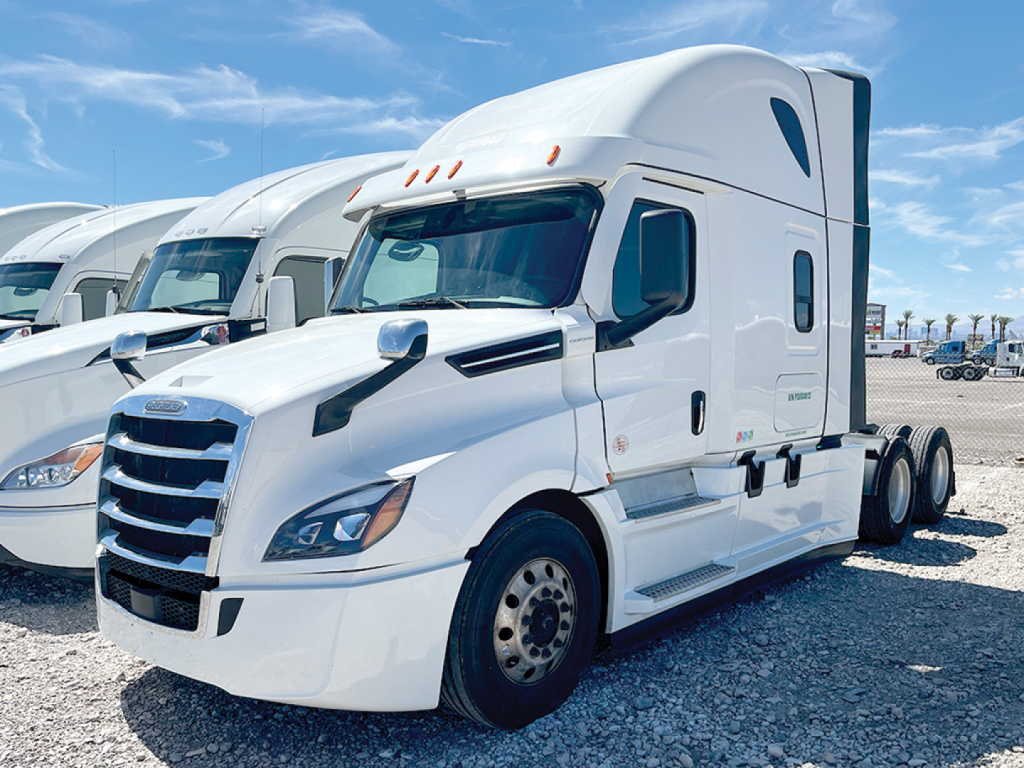
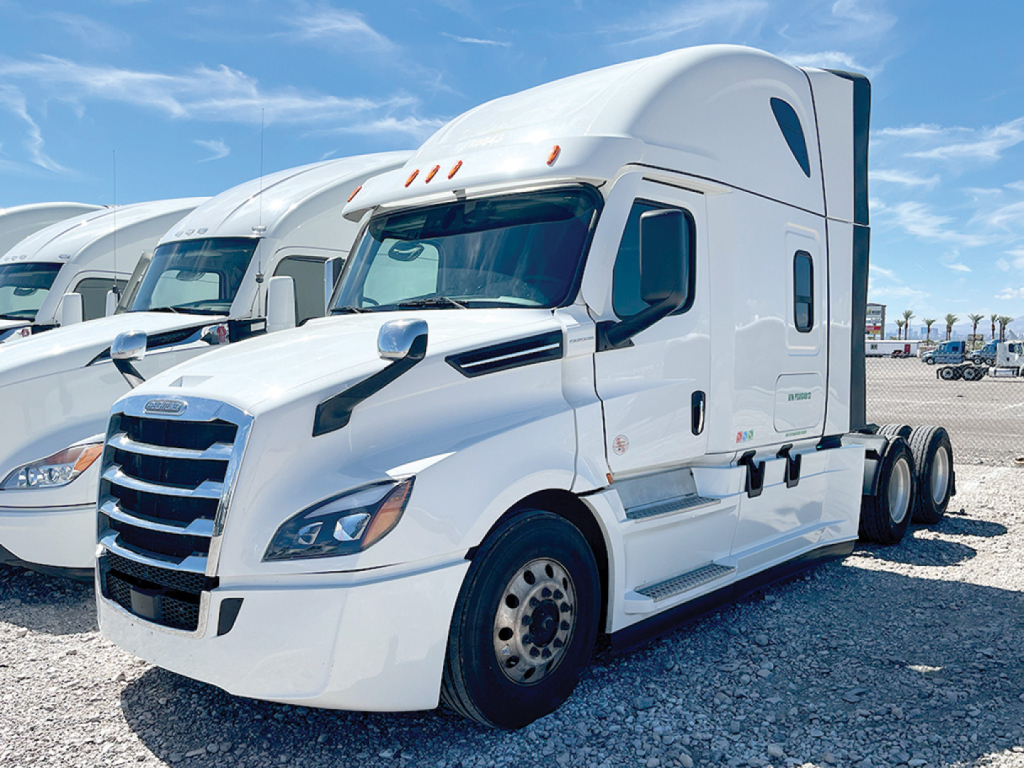
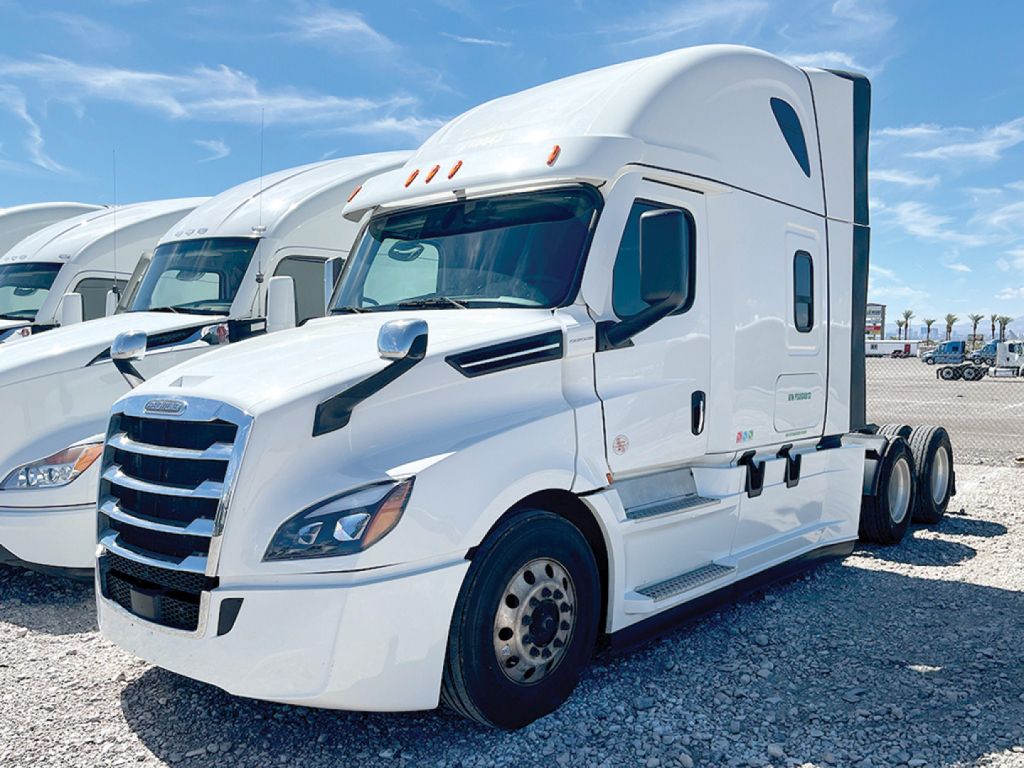
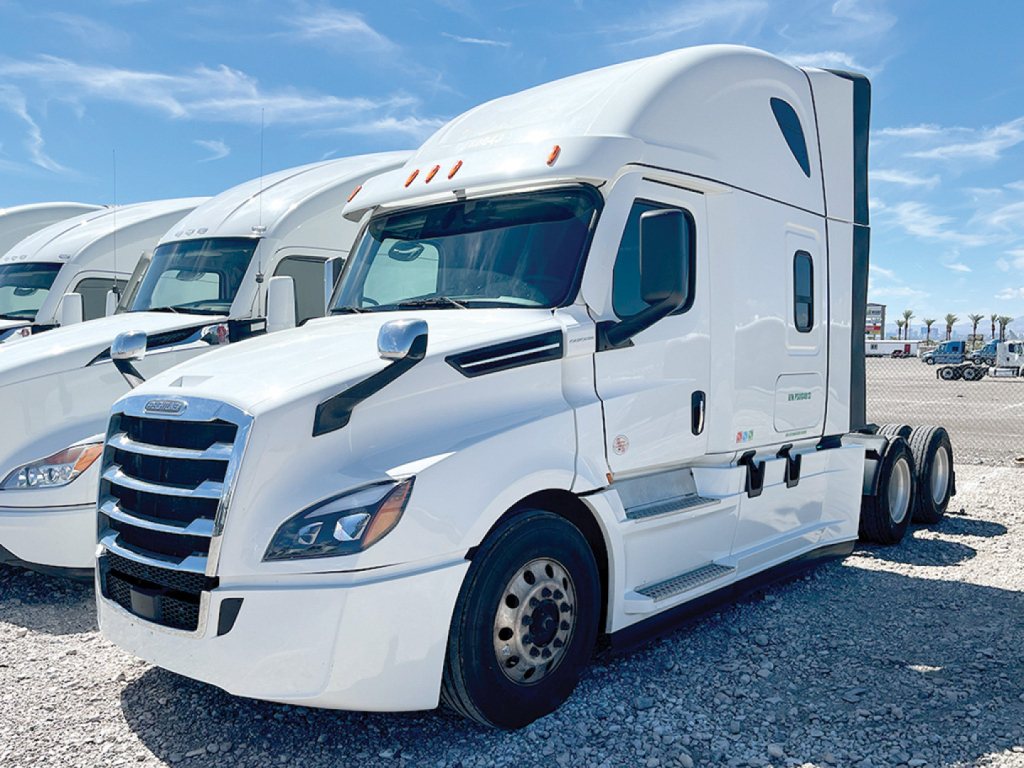
Selling a 2023 freightliner conventional sleeper truck? List your 2023 freightliner conventional sleeper truck for sale and reach thousands of commercial buyers.
2023 Freightliner Conventional Sleeper Trucks in Nevada
The big buying decisions usually start with engine and rear axle ratio. A DD13 in the 450 horsepower range can be a strong fit for lighter long-haul freight and fuel-conscious operations, while a DD15 is often preferred for heavier average gross weights, tougher grades, or customers that want more reserve power. Ratios such as 2.85 or 3.08 are common in fleet-style specifications and can materially affect cruise RPM, startability, and fuel burn. Buyers should also compare transmission calibration, engine brake performance, and whether the truck is set up with a 40,000-pound rear, full locking differentials, or a more weight-sensitive linehaul spec.
Sleeper layout and chassis details matter just as much as the powertrain. Many Freightliner conventional sleepers in this class carry a 72-inch raised-roof sleeper with upper bunk, storage cabinets, bunk heater, climate control features, and room for options like a refrigerator or inverter. Wheelbase, fifth-wheel type, and fuel capacity should match the trailer mix and lane profile. An air slide fifth wheel adds flexibility if trailer kingpin settings vary, while side fairings, cab extenders, quarter fenders, and horizontal exhaust all support cleaner aerodynamics and easier fleet maintenance. Disc brakes, low-profile front tires, and super singles or duals at the rear can also change maintenance planning and tire cost over the life of the truck.
For Nevada operators, cooling system condition, A/C performance, and idle management deserve extra attention because desert heat exposes weak components quickly. Buyers comparing 2023 Freightliner sleeper trucks should review emissions warranty status, service history, collision mitigation equipment, and any signs of hard linehaul use. A well-spec'd conventional sleeper from this year can fit dry van, refrigerated, dedicated contract, and general OTR applications, especially when the axle ratio, sleeper package, and wheelbase are matched to the freight instead of bought on horsepower alone.
Frequently Asked Questions about 2023 Freightliner Conventional Sleeper Trucks in Nevada
What engine is most common in a 2023 Freightliner conventional sleeper truck?
The most common engines in this category are Detroit DD13 and Detroit DD15 platforms. A DD13 is often selected for strong fuel economy and lighter long-haul or regional work, while a DD15 is more common when average payload is heavier or the route includes more mountain terrain. The right choice depends less on badge preference and more on gross combination weight, cruise speed, and how often the truck runs in demanding terrain.
Is a 72-inch raised-roof sleeper a good spec for long-haul freight?
Yes, a 72-inch raised-roof sleeper is one of the most practical long-haul configurations because it gives the driver enough room for rest, storage, and basic onboard amenities without pushing the chassis into an overly specialized spec. Many buyers want an upper bunk, storage, HVAC support, and room for a refrigerator or power accessories. That combination works well for team service, extended trips, and fleets focused on driver comfort and retention.
What rear axle ratio should I look for in a 2023 Freightliner sleeper?
Rear axle ratio should be matched to load profile and cruising speed, not picked by habit alone. Ratios like 2.85 generally support lower engine RPM and fuel-efficient highway operation, while 3.08 can provide a little more flexibility for starts, grades, or mixed-route work. The best ratio depends on tire size, transmission programming, average weight, and the speeds the truck actually runs every day.
Are automated transmissions standard in this category?
Automated manual transmissions are extremely common in late-model Freightliner conventional sleepers, especially the Detroit DT12. They help standardize fuel economy across drivers, reduce clutch-related wear, and simplify training for fleet operations. Buyers should still verify transmission calibration, PTO needs if any, and service history because drivability can vary depending on software setup and prior maintenance.
What should a Nevada buyer inspect first on a used 2023 Freightliner conventional sleeper?
In Nevada, heat-related wear is a priority, so start with the cooling system, air conditioning performance, batteries, and aftertreatment health. Then look closely at tire condition, brake wear, suspension components, and fairing damage from highway miles. Service records, fault code history, and signs of excessive idle time are also important because they can reveal problems that are not obvious during a basic walk-around.