
2023 Western Star Conventional Sleeper Trucks For Sale
Shop 2023 Western Star conventional sleeper trucks. Compare 4900 and related highway specs, sleeper sizes, powertrain setups, and axle ratings.
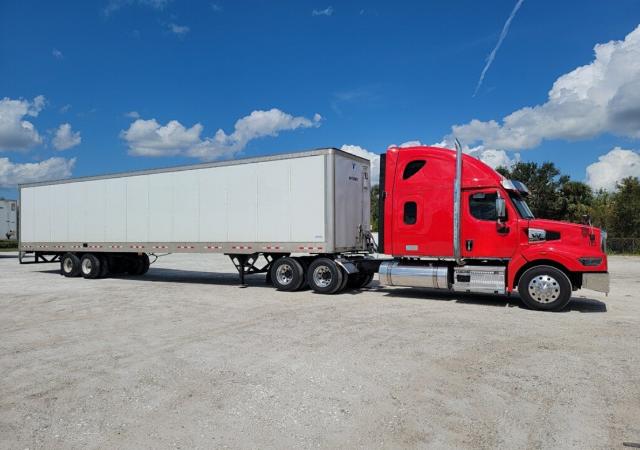
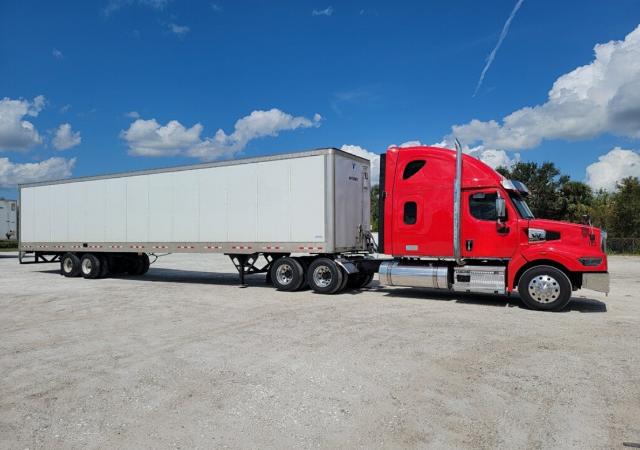
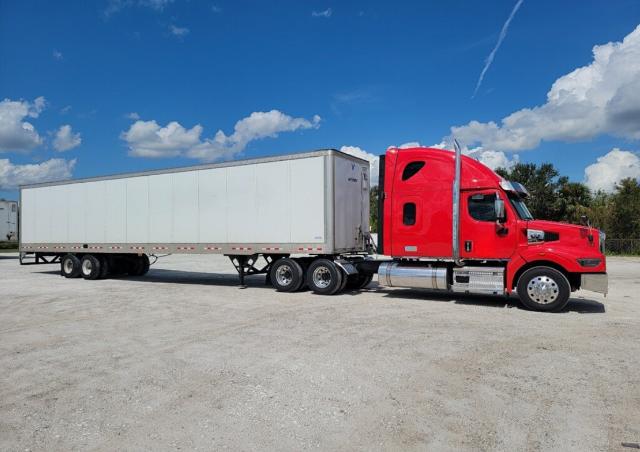
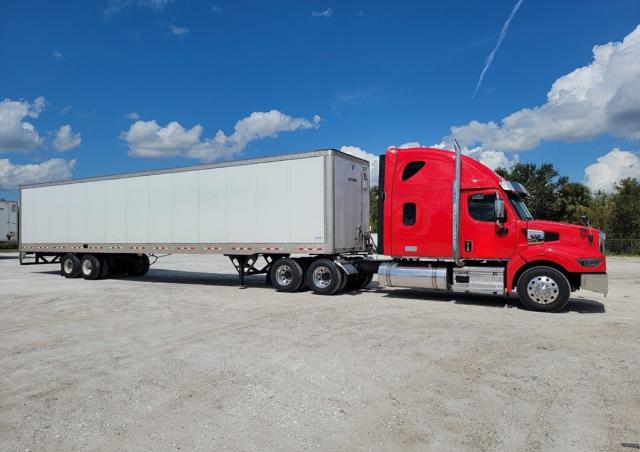
Selling a 2023 western star conventional sleeper truck? List your 2023 western star conventional sleeper truck for sale and reach thousands of commercial buyers.
2023 Western Star Conventional Sleeper Trucks
The sleeper itself is a major buying point. Western Star conventional sleepers are commonly spec'd with mid-roof or high-roof configurations, and sleeper size should match the freight lane and driver schedule. A larger bunk with cabinets, workstation space, bunk heater, and upper bunk can make a real difference on multi-day runs. Wheelbase, fuel capacity, and fairing package all matter here because they affect ride quality, bridge law flexibility, turning radius, and fuel range. Buyers should also pay close attention to interior trim level, noise control, HVAC performance, and the condition of driver-contact items such as seats, mattresses, and storage hardware.
Powertrain spec is where these trucks vary the most. A 2023 Western Star conventional sleeper may be equipped with Detroit power, often paired with an automated manual transmission such as the DT12, though manual transmissions still matter in certain heavy-spec operations. Horsepower and torque ratings need to match the intended work. A highway tractor pulling van or reefer freight may be optimized around fuel economy and axle ratio, while a heavy specialized setup may need higher horsepower, deeper gearing, heavier rears, and a more robust suspension package. Check GCWR, front axle rating, rear axle capacity, wheelbase, fifth wheel type, and whether the truck has locking differentials, engine brake, full lockers, or lift axle provisions.
Western Star sleeper trucks also deserve a close look underneath. Frame rail specification, crossmember design, suspension type, and PTO readiness can tell you a lot about what the truck was built to do. For buyers comparing multiple 2023 units, useful checkpoints include emissions warranty status, idle hours versus road miles, aftertreatment service history, tire wear pattern, brake type, and signs of frame or fifth wheel stress. If the truck will stay in over-the-road service, an aerodynamic package, proper rear ratio, and sleeper amenities may be the deciding factors. If it will cross into vocational or severe-service work, heavier chassis components and simpler, durable specs usually matter more than appearance alone.
Frequently Asked Questions about 2023 Western Star Conventional Sleeper Trucks
What is the difference between a Western Star conventional sleeper and an aerodynamic highway tractor?
A Western Star conventional sleeper truck usually has a more traditional long hood design, heavier chassis options, and broader vocational spec flexibility than a fully aerodynamic fleet tractor. That makes it attractive for buyers who need a sleeper truck that can handle demanding applications such as heavy haul, tanker, or mixed highway and jobsite work. The tradeoff is that some conventional specs may not match the fuel economy of the most aerodynamic highway tractors, especially at sustained interstate speeds.
What should I check first on a 2023 Western Star 4900 sleeper?
Start with the powertrain and chassis tag information. Confirm engine rating, transmission model, rear axle ratio, suspension capacity, wheelbase, and axle ratings, then compare those numbers to the freight you plan to haul. After that, review maintenance records for aftertreatment service, look at idle hours, inspect the fifth wheel area for wear, and check tire and brake condition. On a sleeper truck, the bunk layout and driver comfort equipment also matter because they directly affect usability on long runs.
Are 2023 Western Star conventional sleeper trucks good for heavy haul or specialized work?
They can be an excellent fit when properly spec'd. Western Star conventional sleepers are often ordered with strong frame rails, heavy front axles, high-capacity rears, and driveline components suited for demanding service. The key is not the badge alone but the exact build sheet. A truck set up for general over-the-road freight will be very different from one configured for heavy haul, so buyers should verify axle ratings, gearing, suspension, and frame specification before assuming capability.
What sleeper features matter most on a conventional sleeper truck?
The most important sleeper features depend on run length and driver expectations, but bunk size, storage, HVAC performance, insulation, and heater setup are usually at the top of the list. High-roof sleepers give better standing room and storage for extended trips, while smaller sleepers may be enough for regional work. Buyers should also look at inverter setup, upper bunk configuration, cabinet layout, and overall condition of the sleeper interior because those items affect downtime, comfort, and resale appeal.
Is an automated transmission a good choice in a Western Star sleeper?
For many highway operations, yes. An automated manual transmission can improve driver consistency, reduce fatigue, and help protect the driveline when matched with the correct engine and axle ratio. It is especially common in modern over-the-road specs. Some specialized fleets and owner-operators still prefer a manual transmission for certain terrain or load types, so the right choice comes down to route profile, driver preference, maintenance support, and application.