
Western Star Conventional Sleeper Trucks For Sale
Shop Western Star conventional sleeper trucks with DD15 power, high-roof sleeper options, heavy-duty specs, and long-haul comfort.
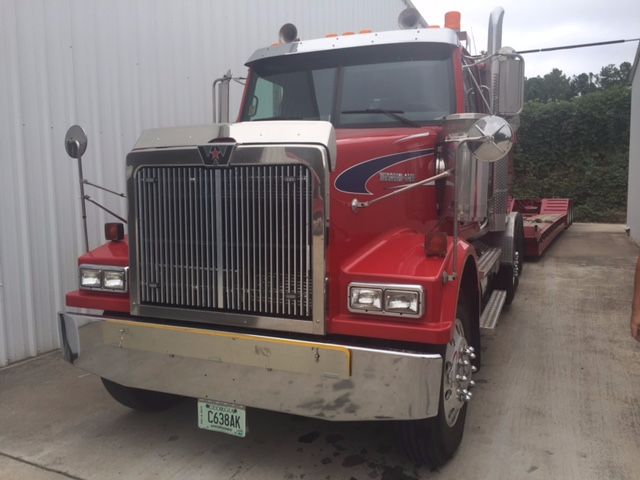
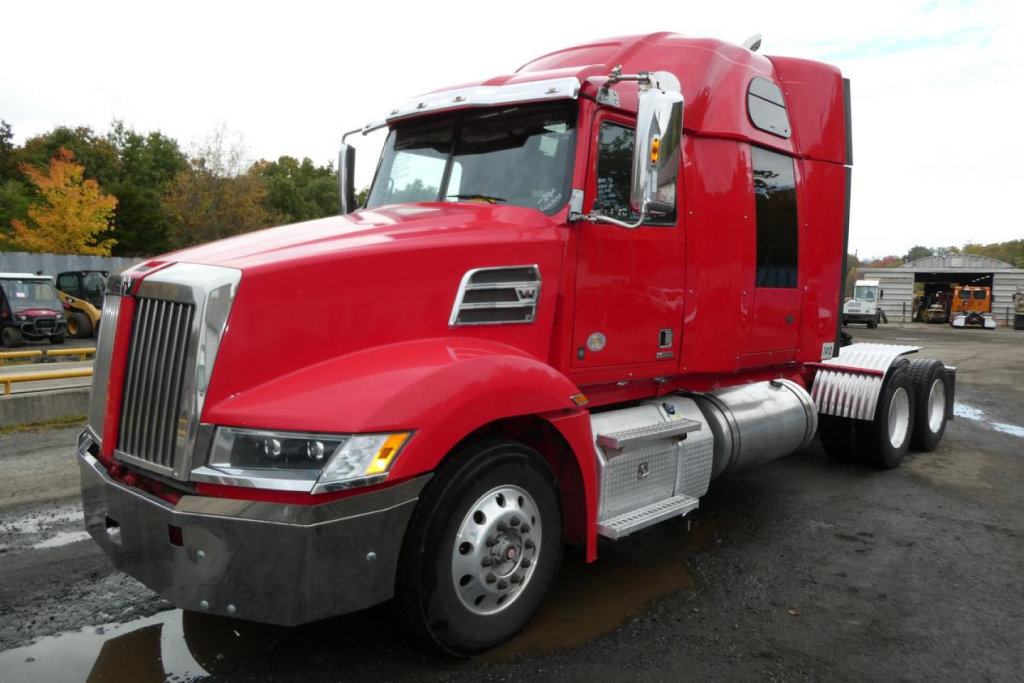
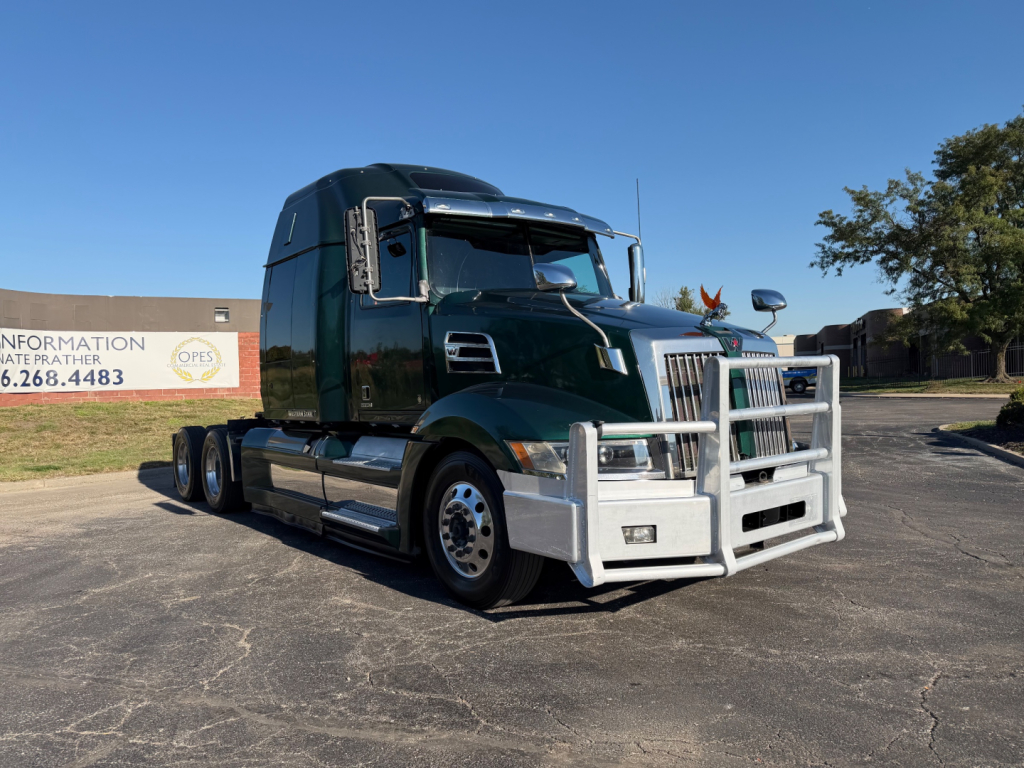
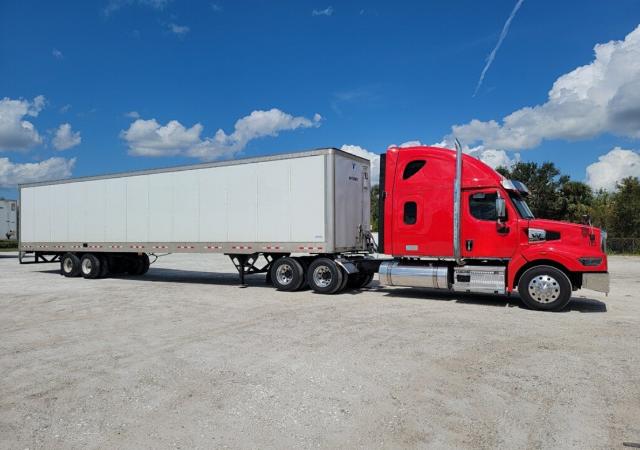
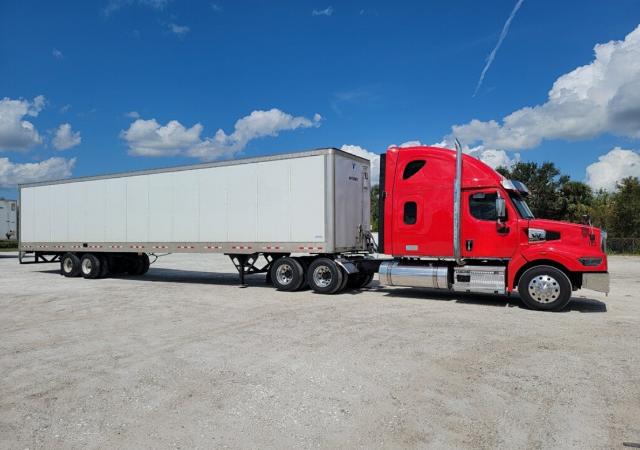
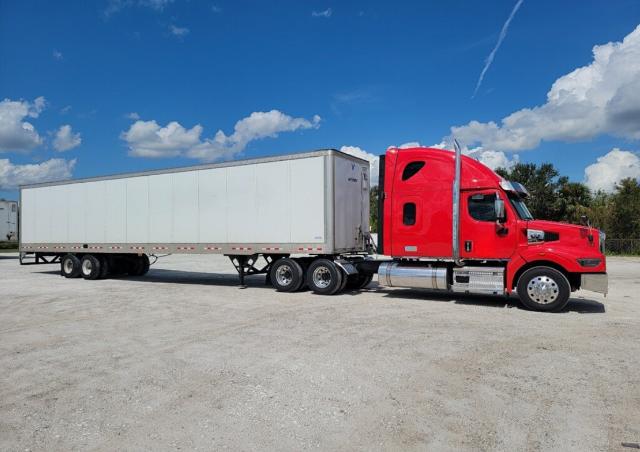
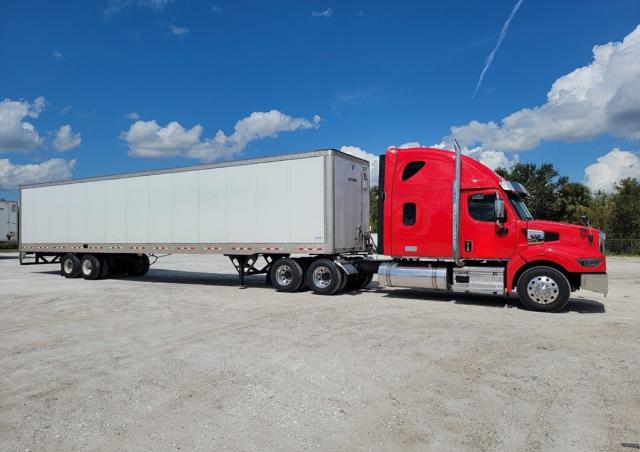

Selling a western star conventional sleeper truck? List your western star conventional sleeper truck for sale and reach thousands of commercial buyers.
Western Star Conventional Sleeper Trucks
Powertrain selection matters more than almost any cosmetic difference on a Western Star sleeper. Late-model examples are frequently equipped with Detroit DD15 engines in the 455 to 505 horsepower range, often paired with Detroit DT12 automated manual transmissions. That combination is popular because it balances fuel efficiency, driver acceptance, and serviceability across large dealer networks. Buyers should also review rear axle ratings, suspension type, and axle ratio closely. A 2.64 to 2.85 ratio generally points to fuel-minded highway operation, while heavier or more performance-oriented specs may carry different gearing. Wheelbase, fifth wheel configuration, and front axle capacity should also match the trailer type and bridge law requirements in your lanes.
Sleeper configuration is a major buying point in this category. Western Star sleepers are commonly found with mid-roof or high-roof layouts, including larger integrated sleepers intended for team service or extended time away from home. Key features to compare include bunk arrangement, bunk heater or auxiliary HVAC, cabinet space, inverter setup, refrigerator prep, and overall headroom. On highway-spec units, aerodynamic fairings, cab extenders, air slide fifth wheels, aluminum wheels, and disc brakes are all common value points. If uptime is the top concern, pay attention to emissions system history, maintenance records, brake and tire condition, and whether the truck has warranty coverage remaining on the engine or aftertreatment components.
A Western Star conventional sleeper usually appeals to fleets and owner-operators who want a truck with premium build quality, strong driver appeal, and a reputation for handling both highway miles and tougher-duty cycles. Compared with lighter fleet tractors, these trucks often bring a more substantial chassis, a more robust interior feel, and strong resale interest when properly maintained. The right choice comes down to the balance between aerodynamics, sleeper size, curb weight, and driveline spec. For buyers running long regional or coast-to-coast freight, that spec balance will determine fuel burn, payload, driver comfort, and total operating cost far more than the badge on the hood alone.
Frequently Asked Questions about Western Star Conventional Sleeper Trucks
What is the difference between a Western Star 4900 sleeper and a 5700XE sleeper?
The Western Star 4900 is typically the more traditional and heavy-duty platform, with a long-hood design and specs that often appeal to buyers who want durability, appearance, and flexibility for mixed on-highway and heavier applications. The 5700XE is the more aerodynamic highway-focused tractor, designed to improve fuel efficiency and reduce wind resistance on long runs. Buyers comparing the two should look closely at hood style, wheelbase, sleeper size, weight, and driveline gearing because those factors usually have a bigger impact on operating cost than model name alone.
What engine and transmission are common in late-model Western Star conventional sleeper trucks?
Many late-model Western Star conventional sleepers are equipped with Detroit DD15 engines and Detroit DT12 automated manual transmissions. This is a common long-haul combination because it delivers strong highway horsepower, good integration with Detroit electronics, and broad service support. Horsepower ratings around 500 hp are common in highway sleeper specs, though exact output, torque rating, and transmission calibration should be confirmed against the VIN or build sheet before purchase.
Are Western Star sleeper trucks good for long-haul freight?
Yes. Western Star sleeper trucks are well suited for long-haul freight when spec'd correctly for the operation. High-roof and larger integrated sleeper configurations provide better driver living space for extended trips, and common highway specs such as aerodynamic fairings, air ride suspension, overdrive automated transmissions, and fuel-efficient axle ratios support over-the-road use. The best fit depends on the freight type, trailer length, terrain, and expected annual mileage.
What should I check when buying a used Western Star conventional sleeper?
Focus on powertrain history, emissions performance, and chassis spec before looking at cosmetic details. Review engine hours, maintenance records, aftertreatment repairs, transmission service history, rear axle ratio, suspension type, brake condition, and tire wear. It is also smart to verify sleeper equipment operation, including HVAC, bunk heater, electrical accessories, and any idle-management systems. On a used sleeper tractor, poor spec alignment can cost more over time than visible wear.
What sleeper size is best in a Western Star conventional truck?
The best sleeper size depends on route length, driver schedule, and cab storage needs. A larger high-roof sleeper is usually the better fit for team operations, irregular-route freight, or drivers who spend extended periods on the road. A smaller sleeper can reduce weight and may be adequate for shorter regional runs with frequent home time. Buyers should compare headroom, bunk layout, cabinet space, and available climate-control features instead of judging sleeper value by length alone.