
Western Star Conventional Sleeper Trucks For Sale in Georgia
Shop Western Star conventional sleeper trucks in Georgia. Compare 49X and 4900 specs, DD15 power, sleeper sizes, wheelbases, and highway setups.
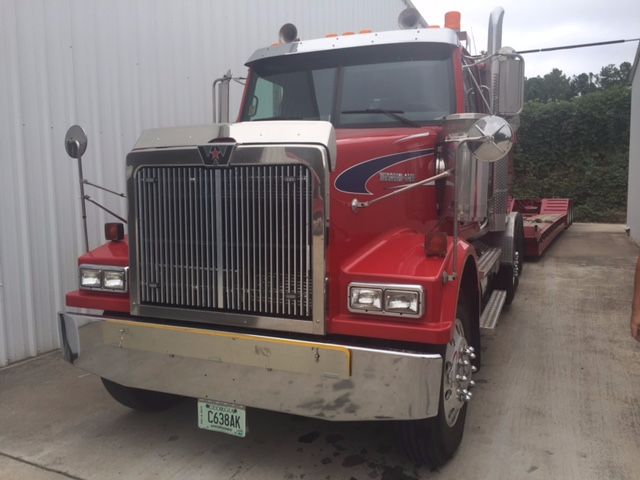
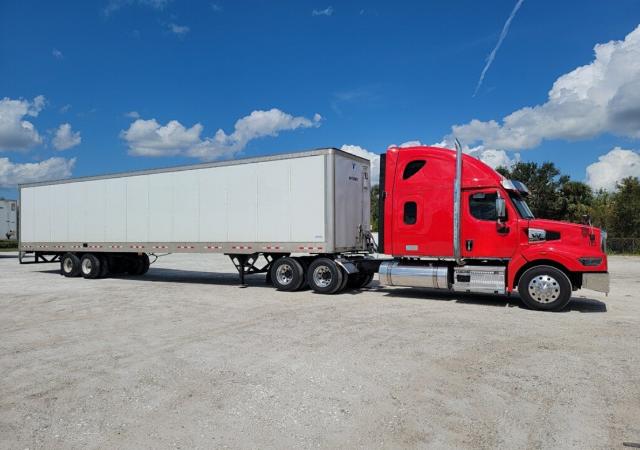
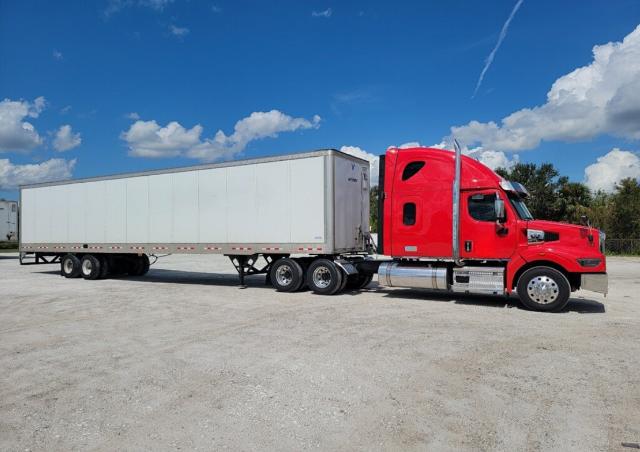
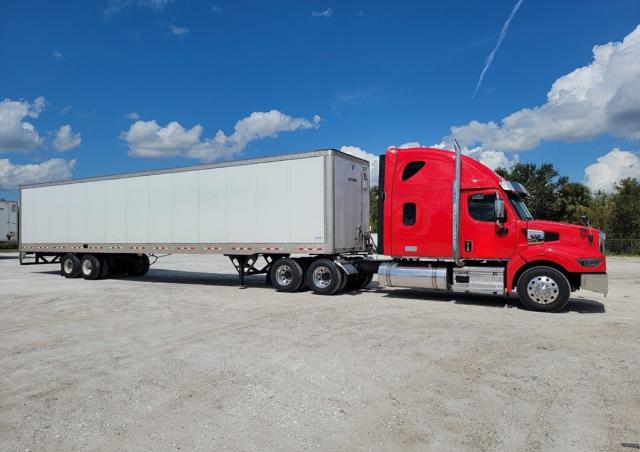
Selling a western star conventional sleeper truck? List your western star conventional sleeper truck for sale and reach thousands of commercial buyers.
Western Star Conventional Sleeper Trucks in Georgia
The first decisions usually come down to engine, transmission, and wheelbase. Many late-model Western Star sleepers are spec'd with Detroit DD15 engines in the 500 to 505 horsepower range, often paired with a Detroit DT12 automated manual transmission. That combination is common for fleets looking for strong fuel economy, good integration with Detroit electronics, and easier driver onboarding than a traditional manual. Buyers comparing listings should also watch rear axle ratio, suspension type, and wheelbase. A 250-inch wheelbase with air ride suspension and a sliding fifth wheel is a common highway spec, but the right setup depends on trailer type, kingpin setting, bridge law considerations, and how often the truck needs to maneuver into tighter Southeast docks and jobsite entrances.
Sleeper configuration matters more than many buyers expect. Raised-roof sleepers in the 72-inch range are popular because they give teams and solo drivers better standing room, storage, and livability without moving into a larger specialty cab. Interior trim can vary from straightforward fleet spec to higher-end owner-operator trim with aluminum wheels, premium seating, dual exhaust, and added driver-assist features such as collision mitigation. For used Western Star conventional sleepers, pay close attention to maintenance history, emissions system service, brake and tire condition, and signs of hard vocational use if the truck came from mixed on-highway and jobsite duty. On 4900 models in particular, buyers often value the heavier-duty feel and traditional Western Star styling, while 49X models tend to attract fleets wanting newer aerodynamics, safety tech, and a more modern driver environment.
A good Western Star sleeper truck should be matched to the work, not just the badge and horsepower number. Confirm front and rear axle ratings, drivetrain spec, sleeper size, fuel capacity, and warranty coverage if applicable. In Georgia service, cooling performance, A/C function, and idle-management strategy are worth checking because heat and humidity affect driver comfort and uptime. For buyers narrowing down Western Star conventional sleeper trucks for sale, the best listing is usually the one with a clear spec sheet, a driveline matched to the freight, and evidence the truck was maintained for dependable Class 8 highway service.
Frequently Asked Questions about Western Star Conventional Sleeper Trucks in Georgia
What are the most common Western Star models in the conventional sleeper category?
The Western Star 49X and 4900 are the models most commonly seen in this category. The 49X is a newer platform with improved aerodynamics, updated safety systems, and strong appeal for fleet highway use. The 4900 remains popular with buyers who want a traditional long-hood truck with a heavier-duty feel, strong resale appeal, and flexibility for both on-highway and specialized applications.
What engine and transmission setup is common in late-model Western Star sleeper trucks?
A very common late-model spec is a Detroit DD15 engine around 500 to 505 horsepower paired with a Detroit DT12 automated manual transmission. This setup is popular because it balances pulling power, fuel efficiency, and driver-friendly operation. Buyers should still verify torque rating, rear axle ratio, and software calibration, because those details affect how the truck performs with different trailer weights and terrain.
What sleeper size should I look for in a Western Star conventional sleeper?
A 72-inch raised-roof sleeper is a common choice because it gives drivers enough room for over-the-road comfort, storage, and in many cases dual-bed capability. The right sleeper depends on lane length, team or solo use, and how much time the truck spends away from the terminal. Larger sleepers improve livability, but they also affect wheelbase, weight distribution, and sometimes maneuverability.
Are Western Star conventional sleepers good for regional freight in Georgia?
Yes. Western Star conventional sleeper trucks can be a strong choice for Georgia regional freight, especially in lanes that mix interstate miles with occasional jobsite, plant, port, or rural access points. Buyers in this market should pay attention to cooling system condition, A/C performance, axle ratio, and wheelbase because hot weather, traffic, and mixed-route operation can expose weak specs quickly.
What should I inspect on a used Western Star conventional sleeper truck?
Focus on the full drivetrain and duty history. Check engine hours, emissions system service records, transmission operation, axle and suspension condition, brake measurements, tire wear pattern, and signs of frame or cab stress. It is also smart to confirm sleeper functions, HVAC performance, collision mitigation equipment if installed, and whether the truck was used strictly for highway freight or spent time in harsher vocational service.