
Volvo Conventional Sleeper Trucks For Sale in Texas
Shop Volvo conventional sleeper trucks in Texas. Compare VNL specs, D13 power, I-Shift options, sleeper sizes, and long-haul features.
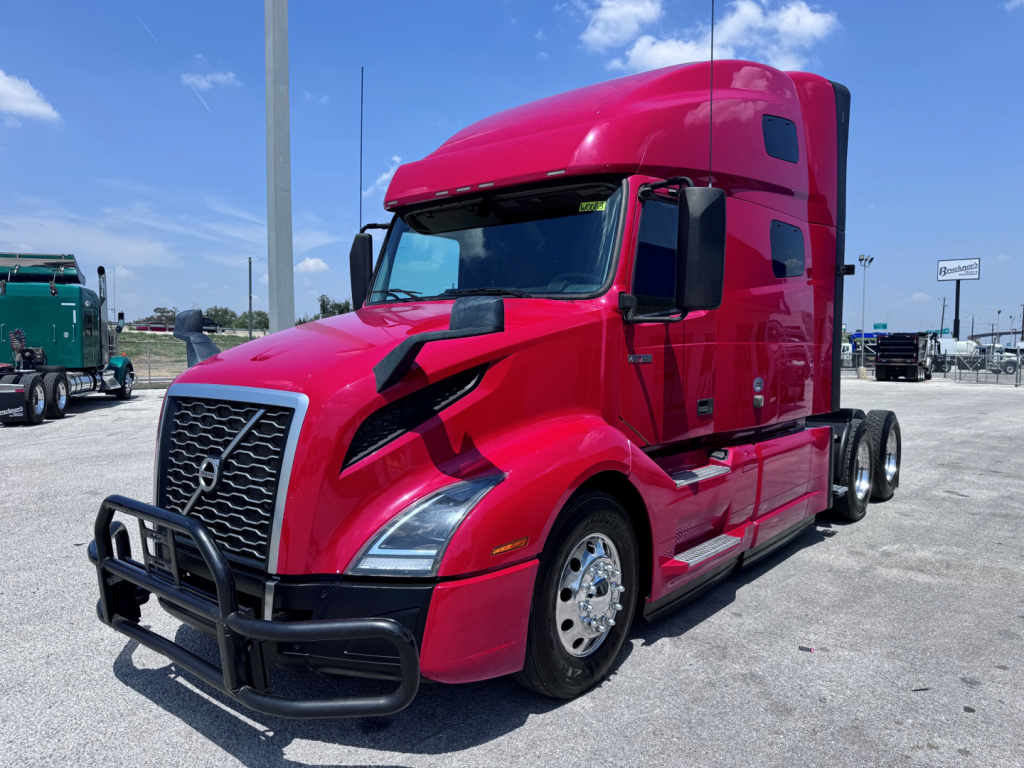
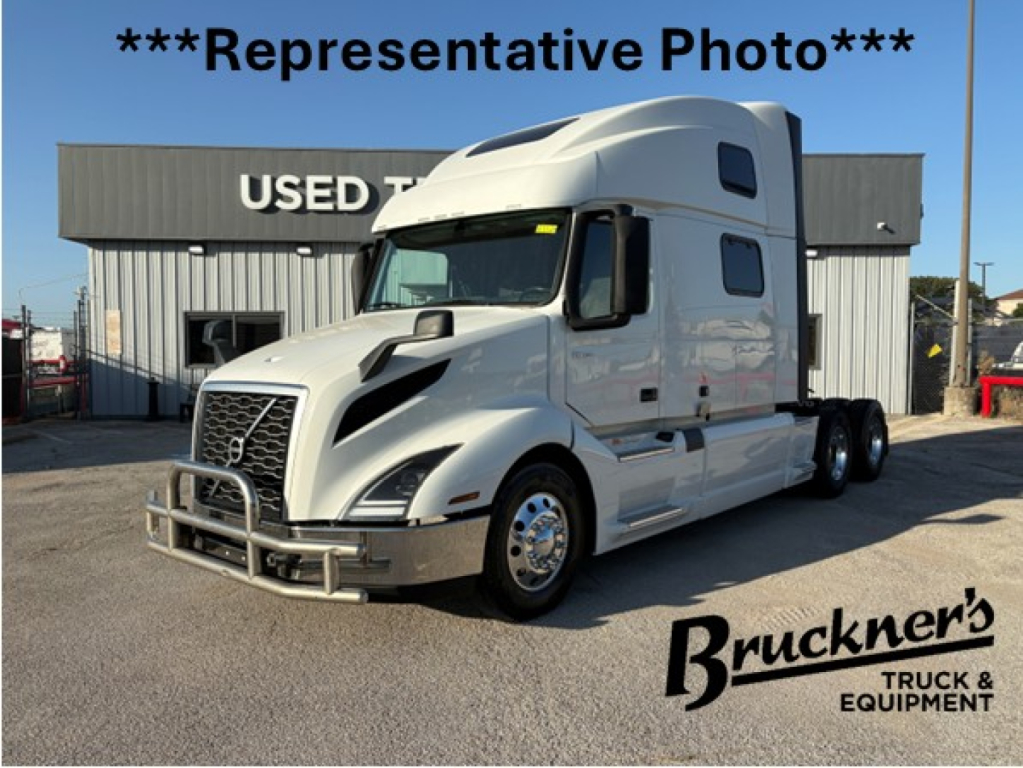
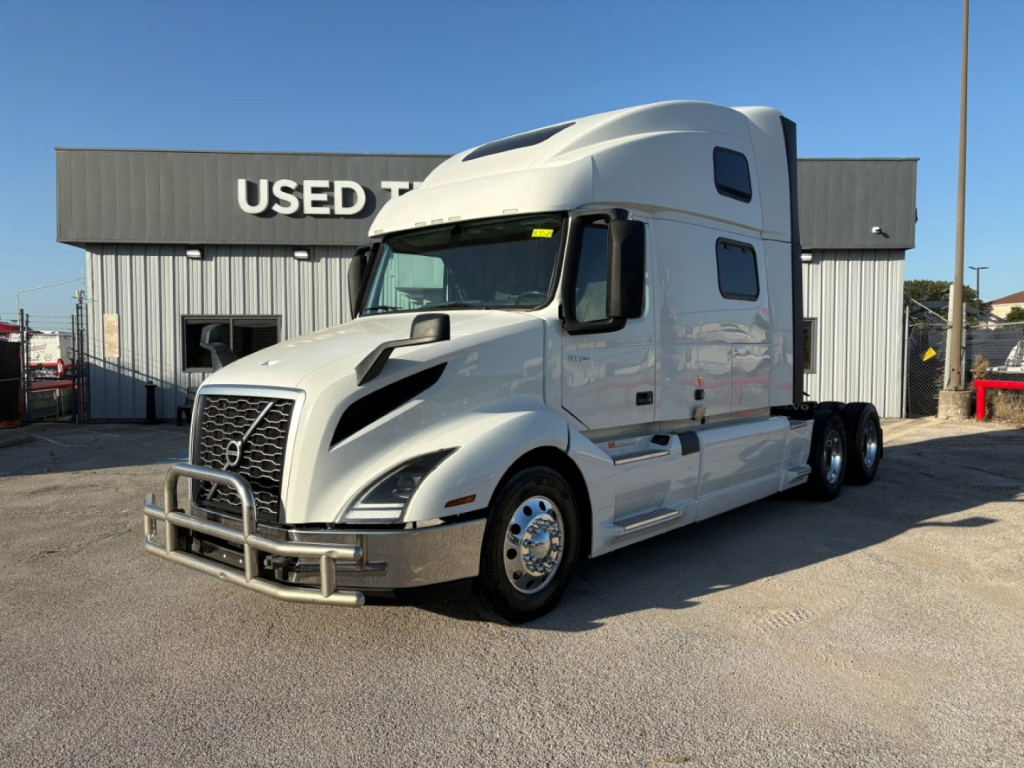
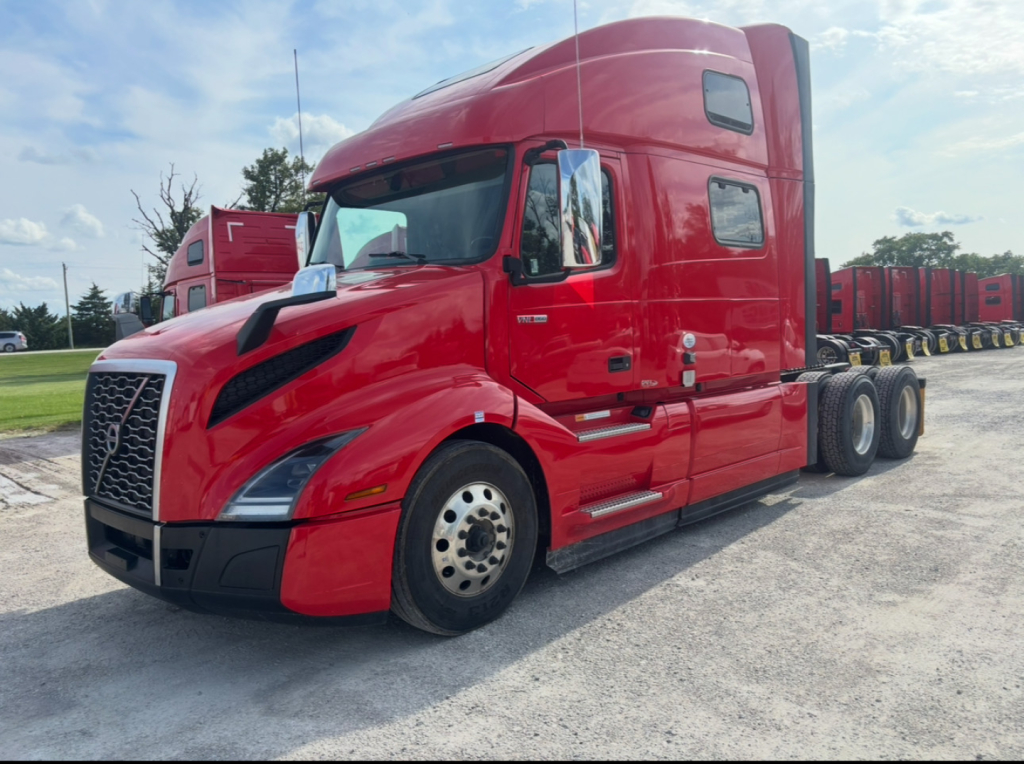
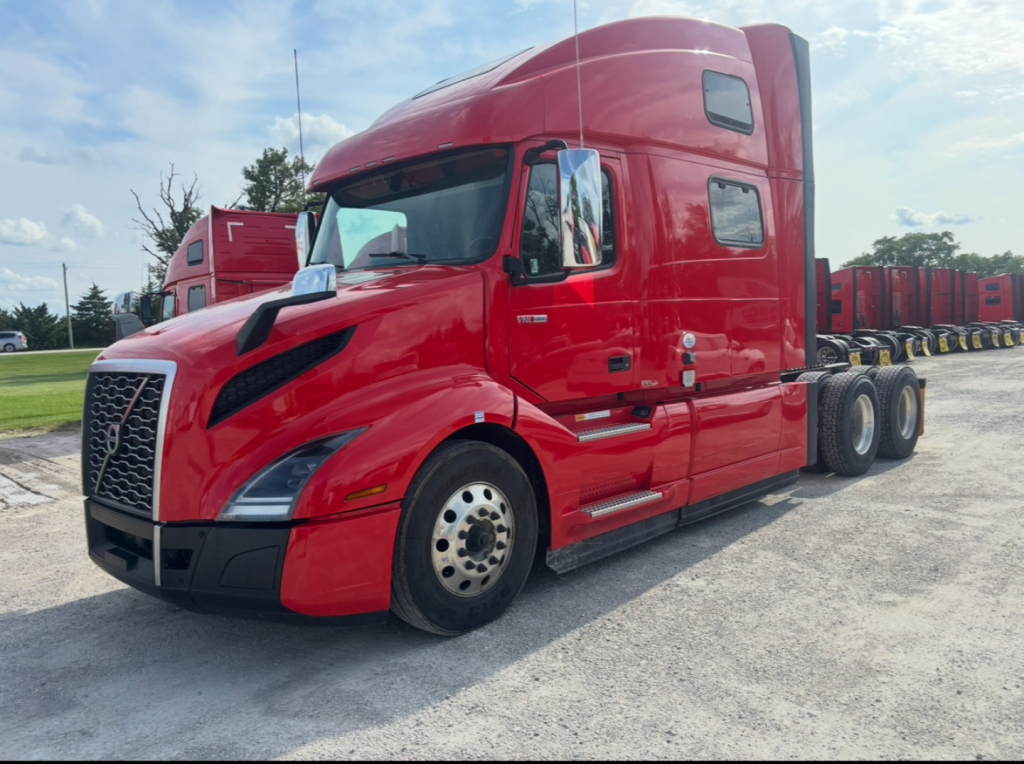
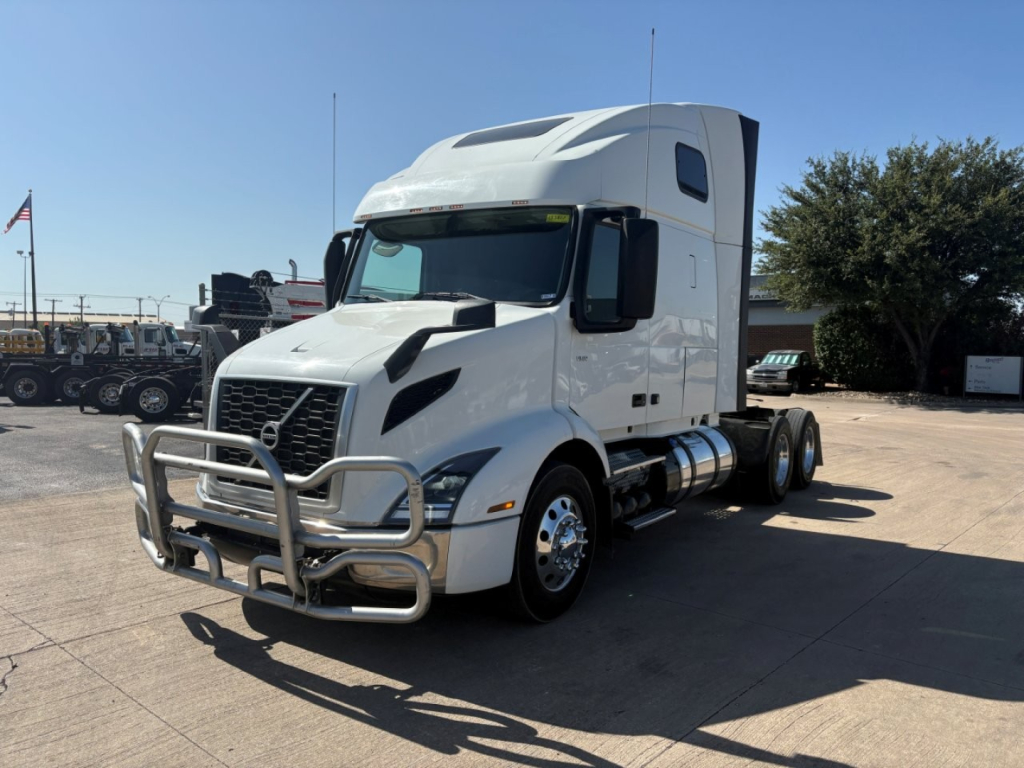
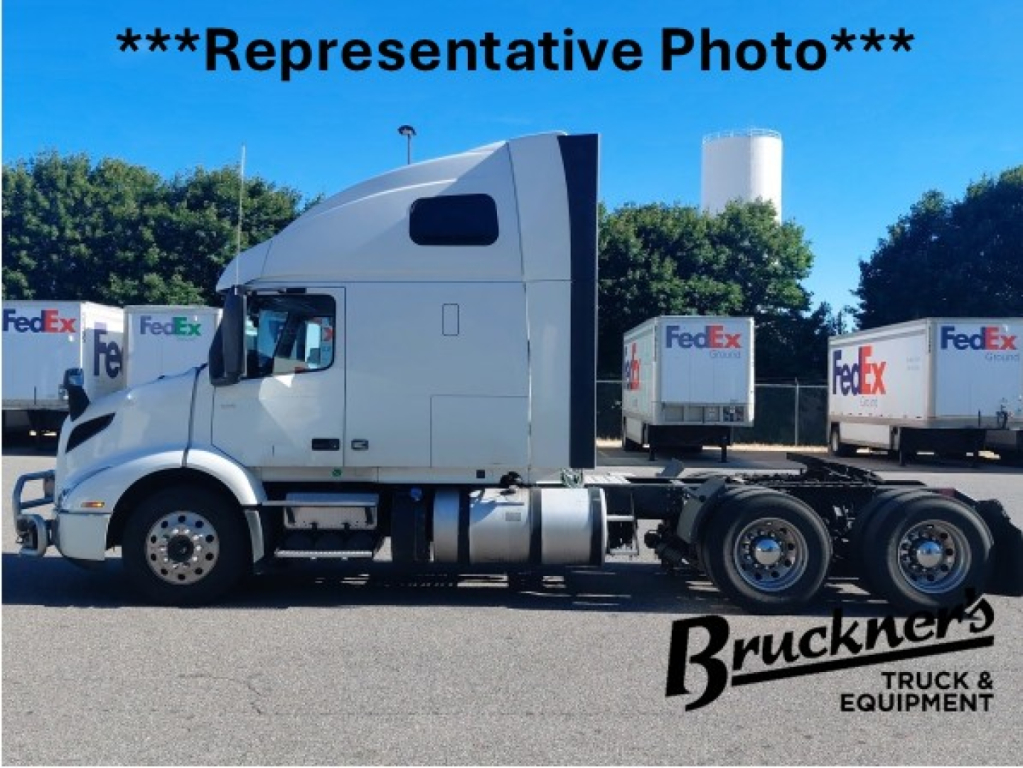
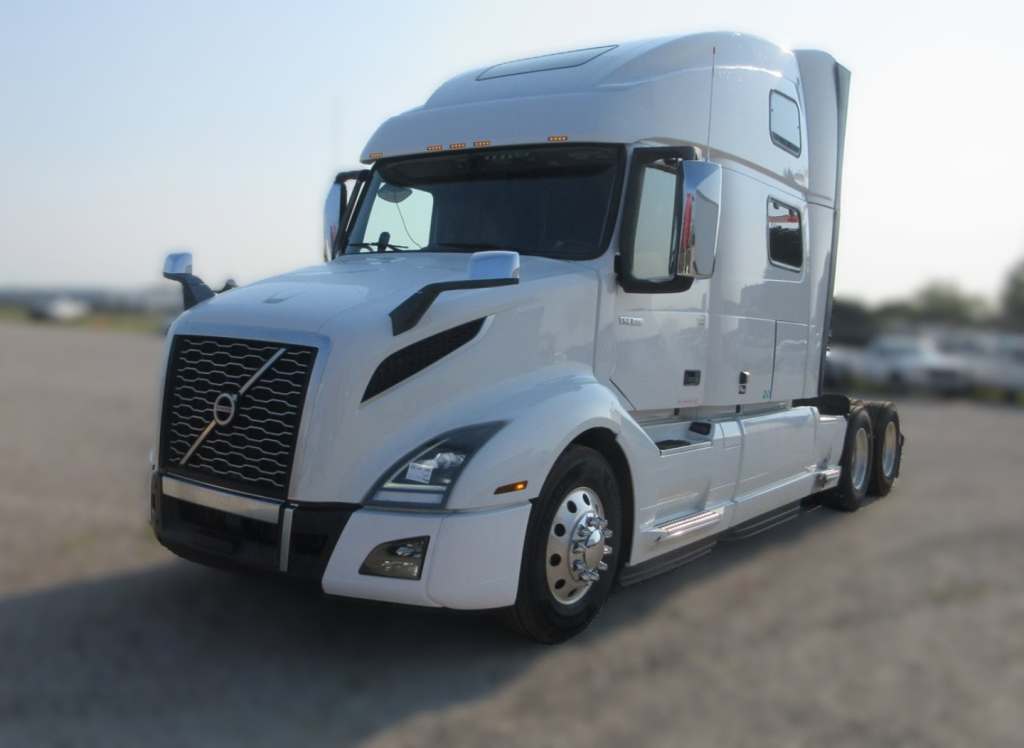
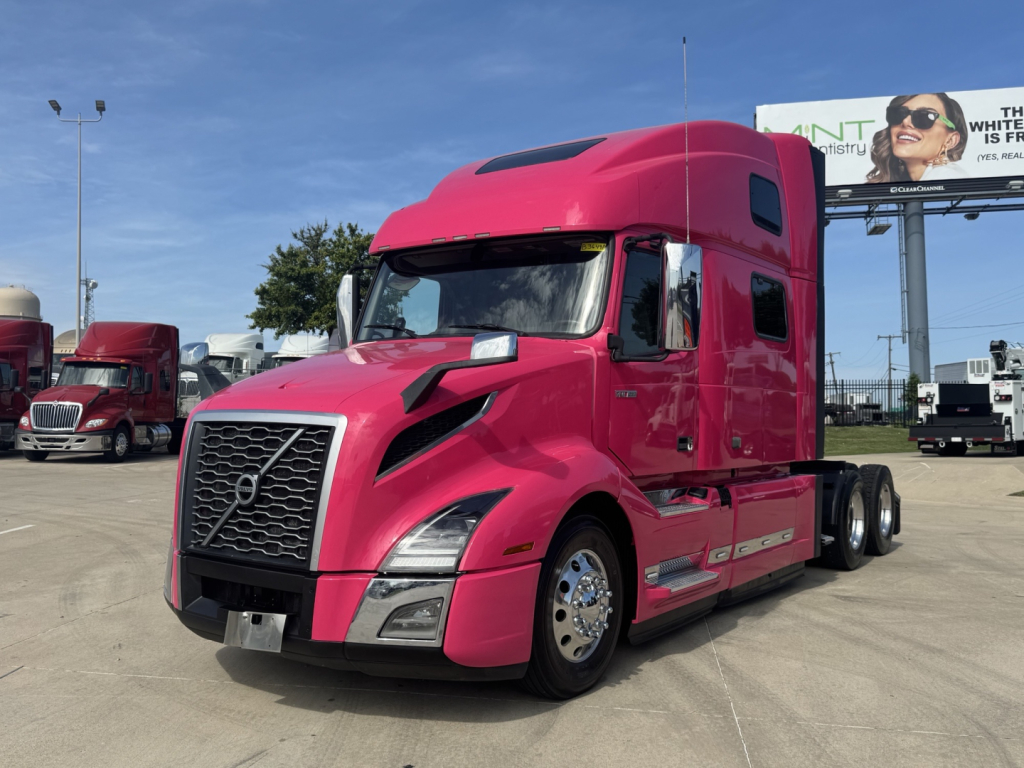
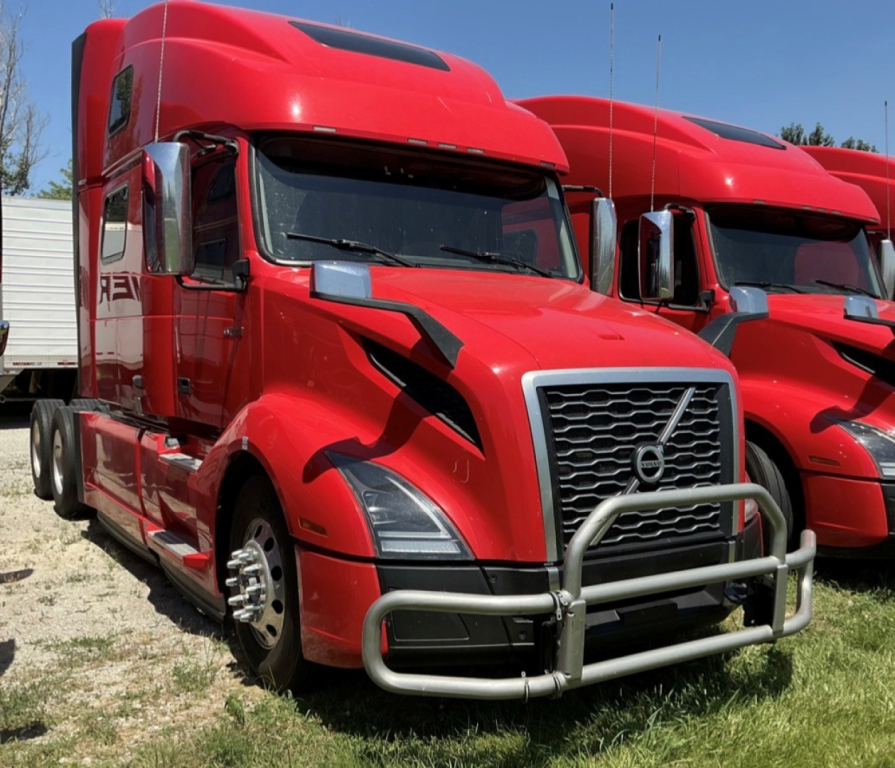
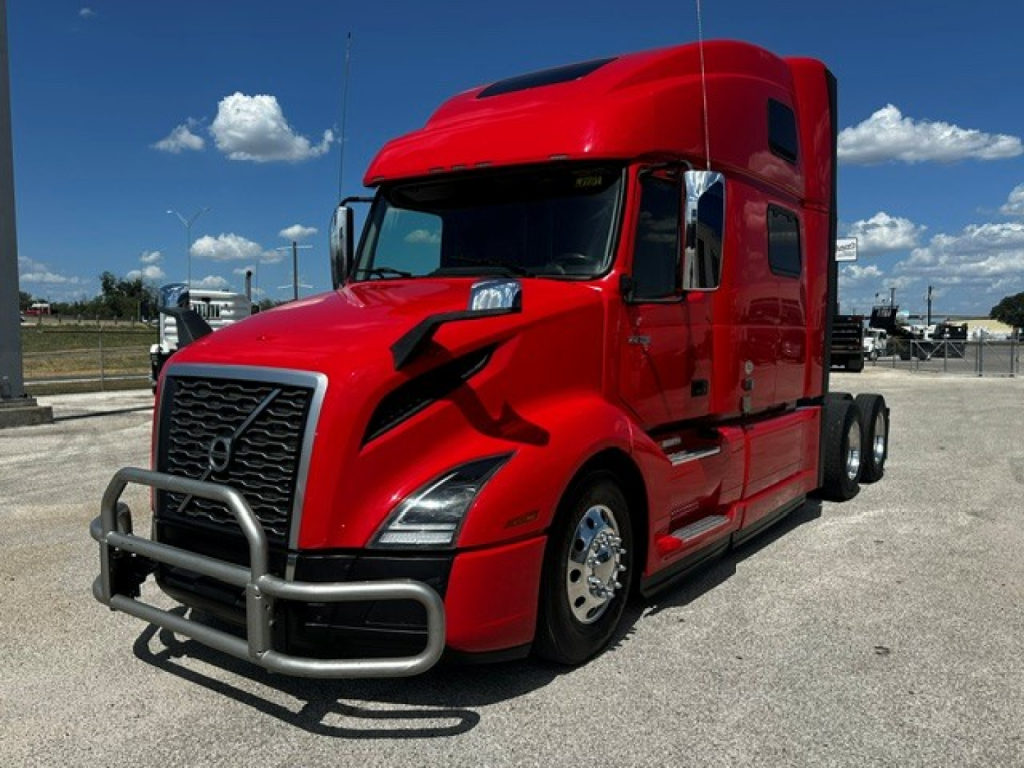
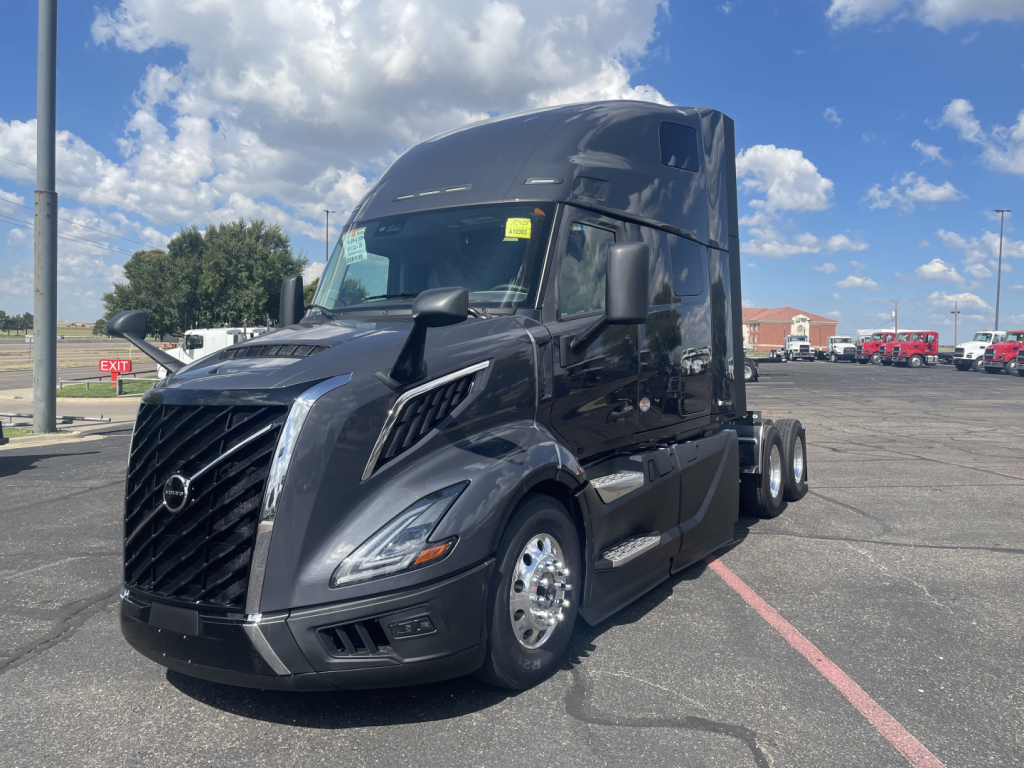
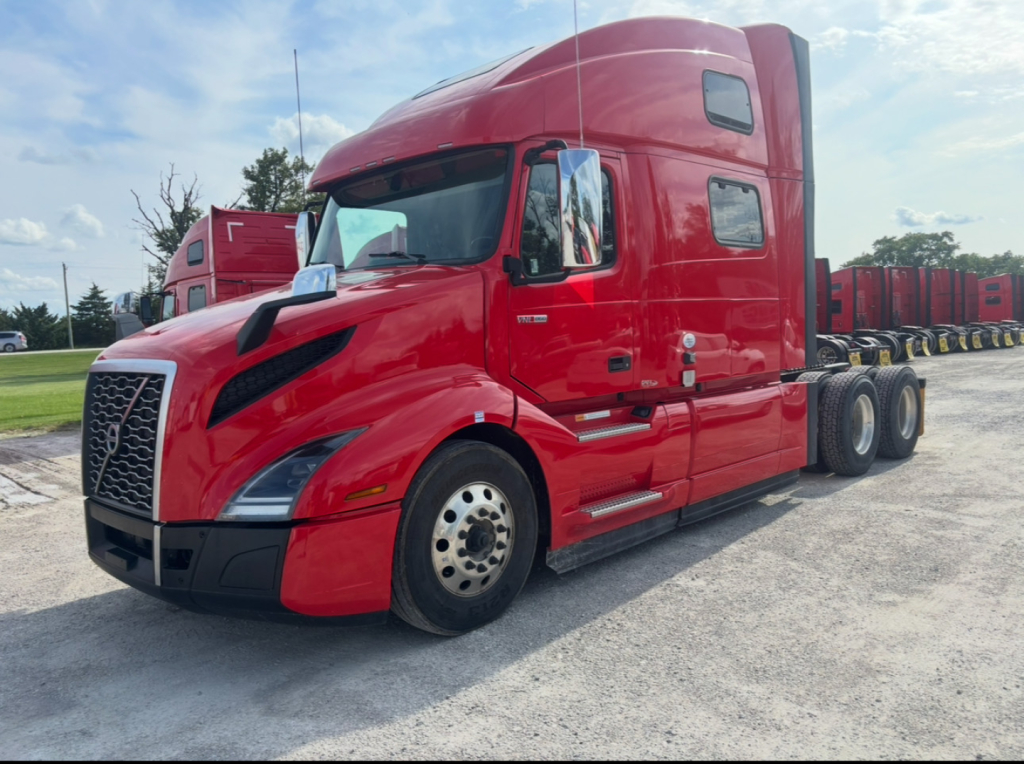
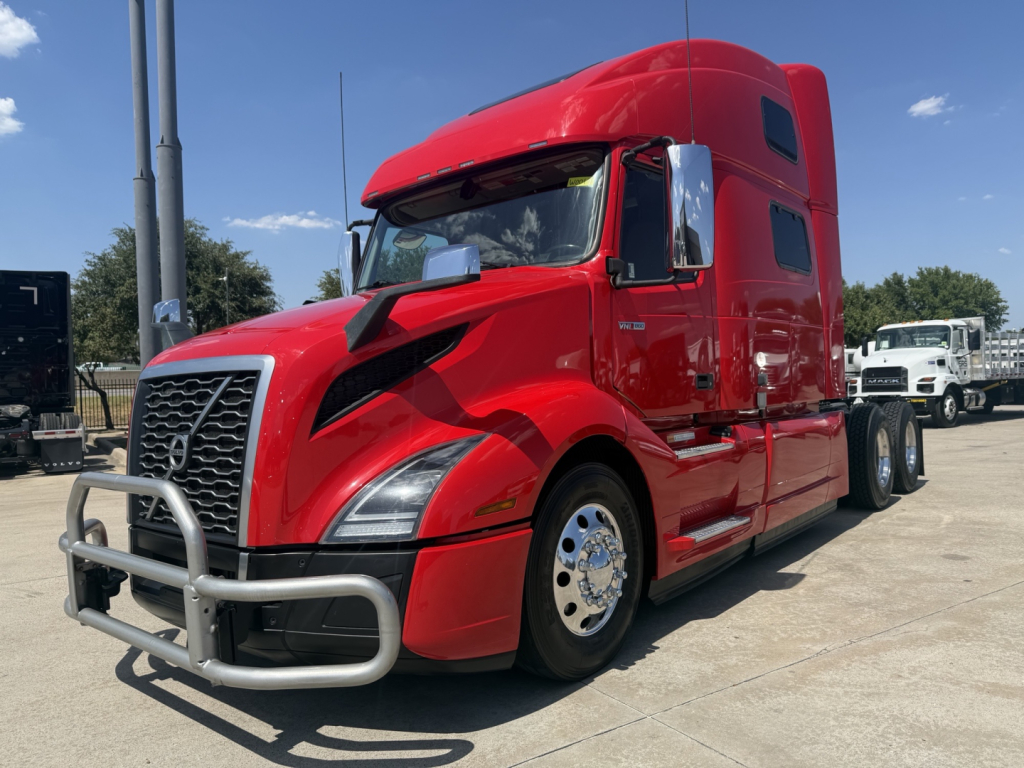
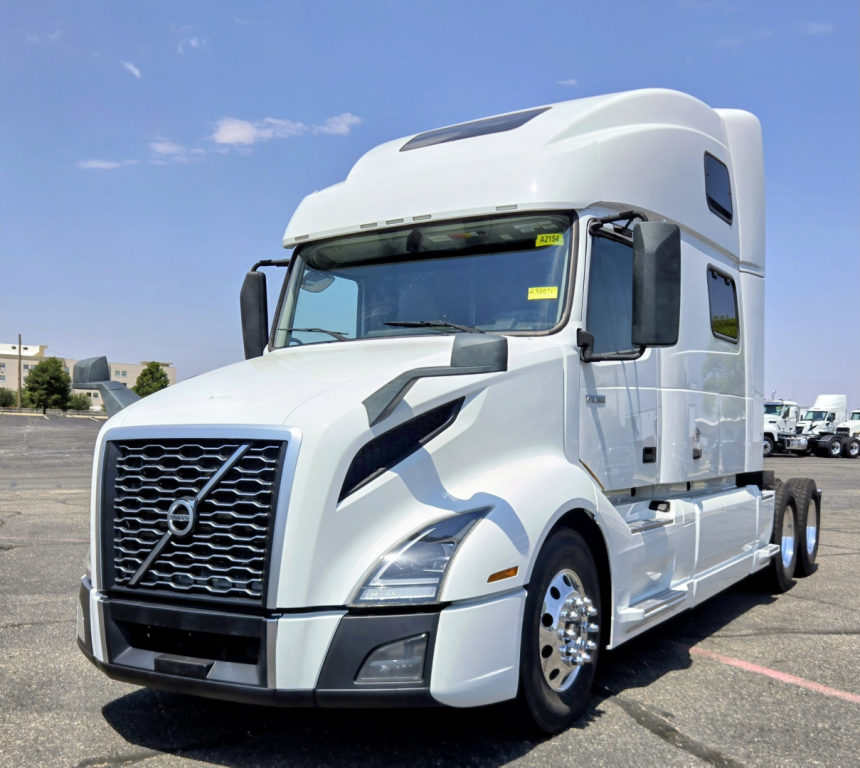
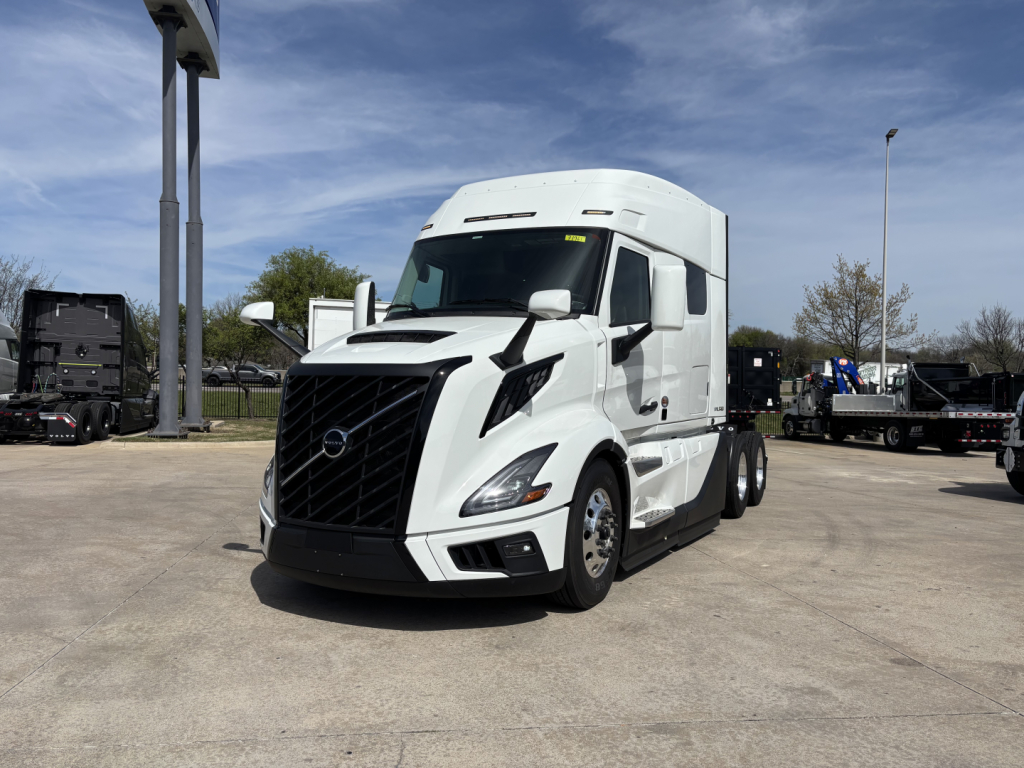
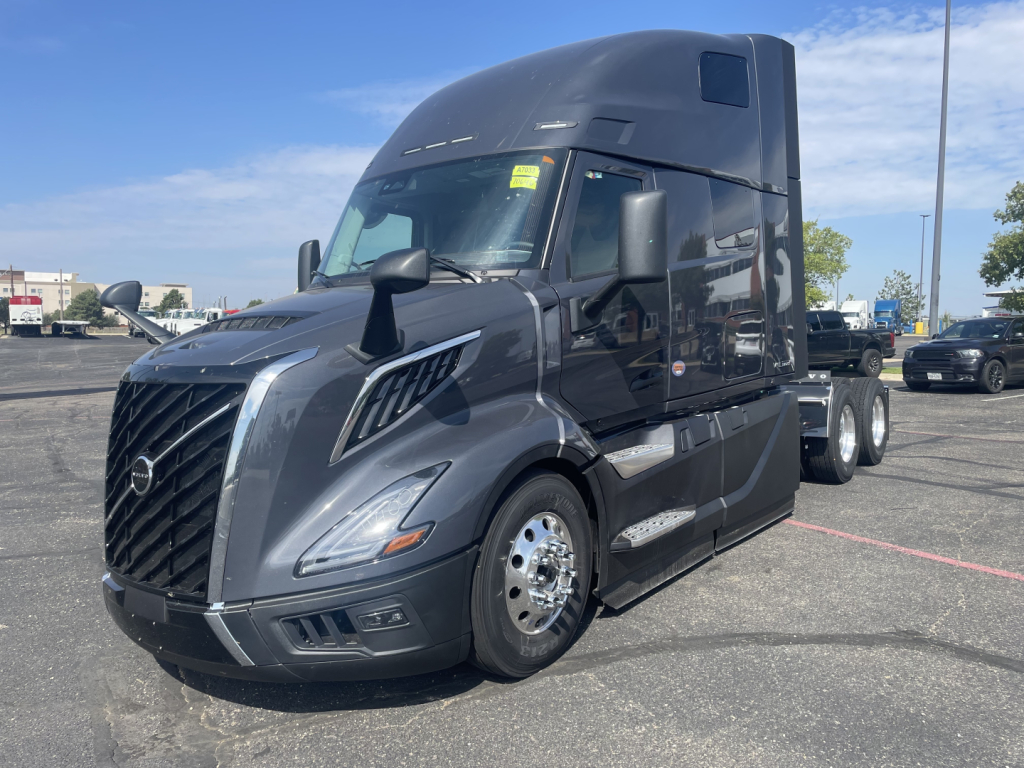
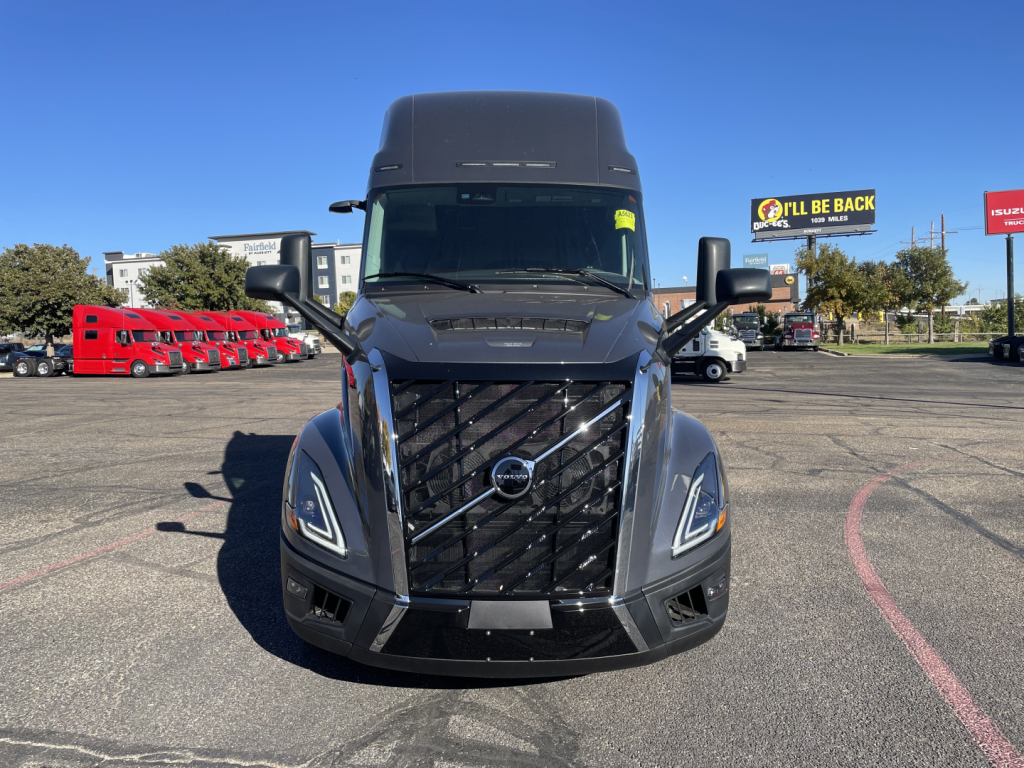
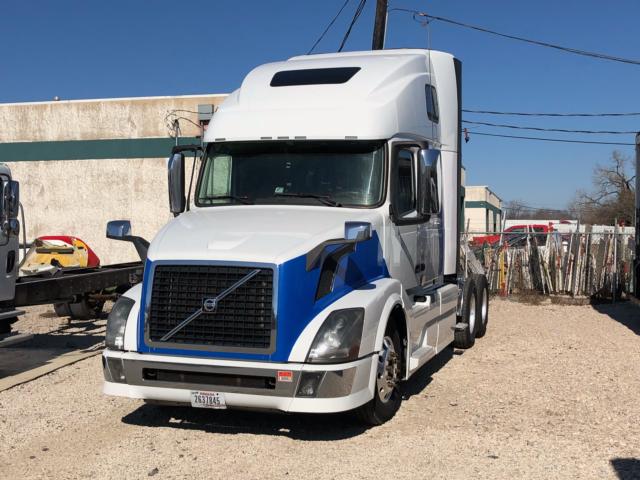

Showing 1 to 28 of 32 results
Selling a volvo conventional sleeper truck? List your volvo conventional sleeper truck for sale and reach thousands of commercial buyers.
Volvo Conventional Sleeper Trucks in Texas
A typical Volvo sleeper spec in this class uses the Volvo D13 engine paired with the Volvo I-Shift automated manual transmission. Common horsepower ratings land in the mid-400s up to 500 HP, with torque options selected around route profile and gross combination weight. For general long-haul work, many buyers prefer a fuel-minded rear ratio in the 2.4 to 2.6 range, especially on highway lanes across Texas and the surrounding region. Tandem rear axles rated around 40,000 lbs are common, along with air ride suspension, air slide fifth wheels, aluminum fuel tanks, and disc brakes on newer specs. Sleeper layouts vary by roof height and bunk arrangement, so it is worth checking storage design, refrigerator provision, inverter setup, and idle-reduction features if the truck will be assigned to extended stays on the road.
Volvo has a strong reputation in the sleeper market for driver ergonomics and integrated safety technology. Buyers comparing VNL tractors often look for features such as adaptive cruise control, collision mitigation, lane support systems, backup cameras, and Volvo Dynamic Steering. Inside the cab, seat trim, bunk access, dash layout, and HVAC performance can make a real difference in retention and productivity. On used units, pay attention to service history on the D13, clutch and shift calibration history on the I-Shift, aftertreatment performance, suspension wear, and tire condition. Wheelbase, fuel capacity, and fairing package should also match the trailer type and operating pattern rather than simply the appearance of the truck.
The best Volvo conventional sleeper truck is the one that fits the freight and the driver, not just the engine badge. A regional or dedicated operation may want a shorter wheelbase and lighter sleeper setup for tighter yards and frequent turns, while a true long-haul application may justify a larger mid-roof or high-roof sleeper with more fuel and cab amenities. If the truck will run primarily in Texas, cooling performance, spec for sustained highway speeds, and emissions compliance should all be part of the buying decision. When matched correctly, a Volvo conventional sleeper can deliver a strong balance of comfort, efficiency, safety, and resale appeal.
Frequently Asked Questions about Volvo Conventional Sleeper Trucks in Texas
What is the most common Volvo conventional sleeper model buyers look for?
The Volvo VNL is the most common conventional sleeper platform in this category. It is widely used in long-haul and regional service because it offers multiple sleeper sizes, aerodynamic configurations, and powertrain options centered around the Volvo D13 engine and I-Shift transmission. Buyers usually compare VNL variants based on sleeper space, wheelbase, rear axle ratio, and driver-assist technology rather than model name alone.
Is the Volvo D13 and I-Shift combination a good spec for highway freight?
Yes. The Volvo D13 paired with the I-Shift automated transmission is one of the most common and practical specs for highway freight. It is well suited for fuel-conscious over-the-road use, provides smooth shifting, and is commonly matched with fast rear axle ratios for lower cruise RPM. For buyers, the key is confirming the horsepower, torque rating, and axle ratio fit the actual trailer weights and terrain the truck will see.
What should I check on a used Volvo sleeper truck before buying?
The most important checks are engine service records, aftertreatment history, transmission calibration and clutch condition, suspension wear, brake condition, and signs of uneven tire wear. On a sleeper tractor, cab condition also matters because bunk components, HVAC performance, refrigerator systems, inverter wiring, and interior wear affect driver acceptance and repair cost. A used VNL with a strong maintenance file is usually a better buy than one with a longer feature list but weak service documentation.
What axle ratio works best in a Volvo conventional sleeper?
That depends on the application. Many highway Volvo sleeper specs use ratios in the mid-2s because they support lower engine RPM and better fuel economy at cruising speed. Fleets pulling heavier loads, running more hills, or operating in mixed regional service may choose a numerically higher ratio for stronger launch and grade performance. The best ratio is the one matched to transmission gearing, tire size, loaded weight, and average road speed.
Why are Volvo sleeper trucks popular in Texas?
Texas operations often involve long distances, hot weather, and high percentages of interstate driving, which plays to the strengths of a Volvo sleeper tractor. Aerodynamics, large fuel capacity, comfortable bunk layouts, and efficient D13 and I-Shift specs make them a strong fit for extended highway runs. Buyers in Texas also tend to value cooling performance, driver comfort, and safety systems because those factors directly affect uptime and retention.