
2025 Volvo Conventional Sleeper Trucks For Sale in Texas
Shop 2025 Volvo conventional sleeper trucks in Texas. Compare VNL sleeper specs, cab options, D13 power, I-Shift, and long-haul features.
Selling a 2025 volvo conventional sleeper truck? List your 2025 volvo conventional sleeper truck for sale and reach thousands of commercial buyers.
2025 Volvo Conventional Sleeper Trucks in Texas
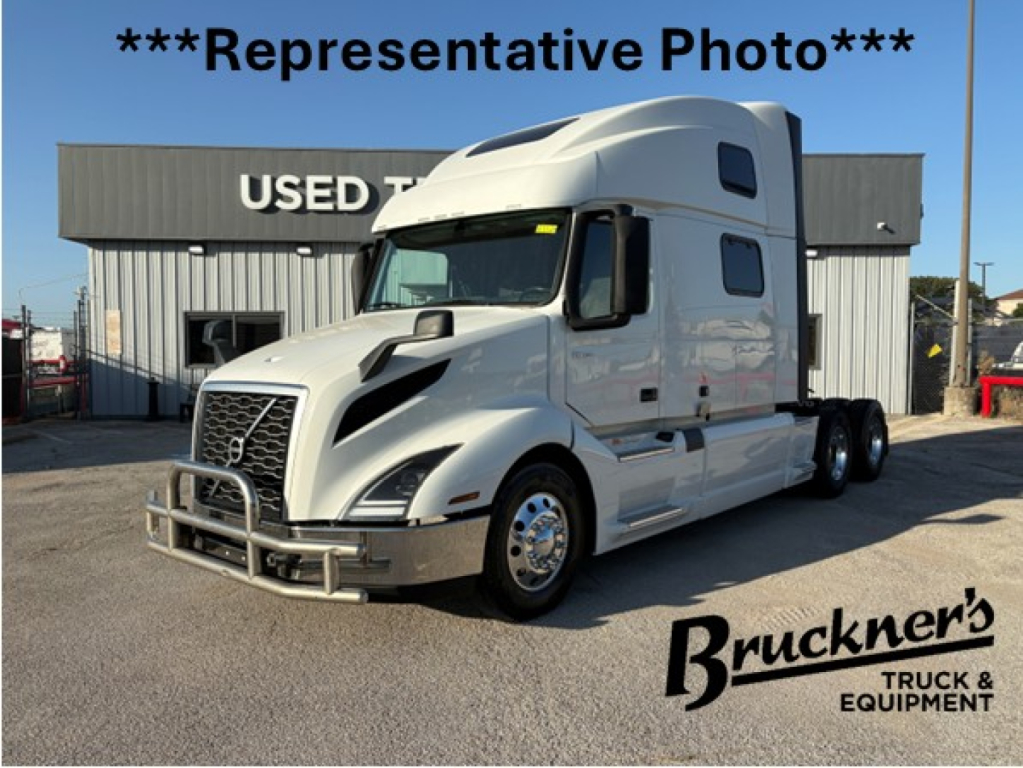
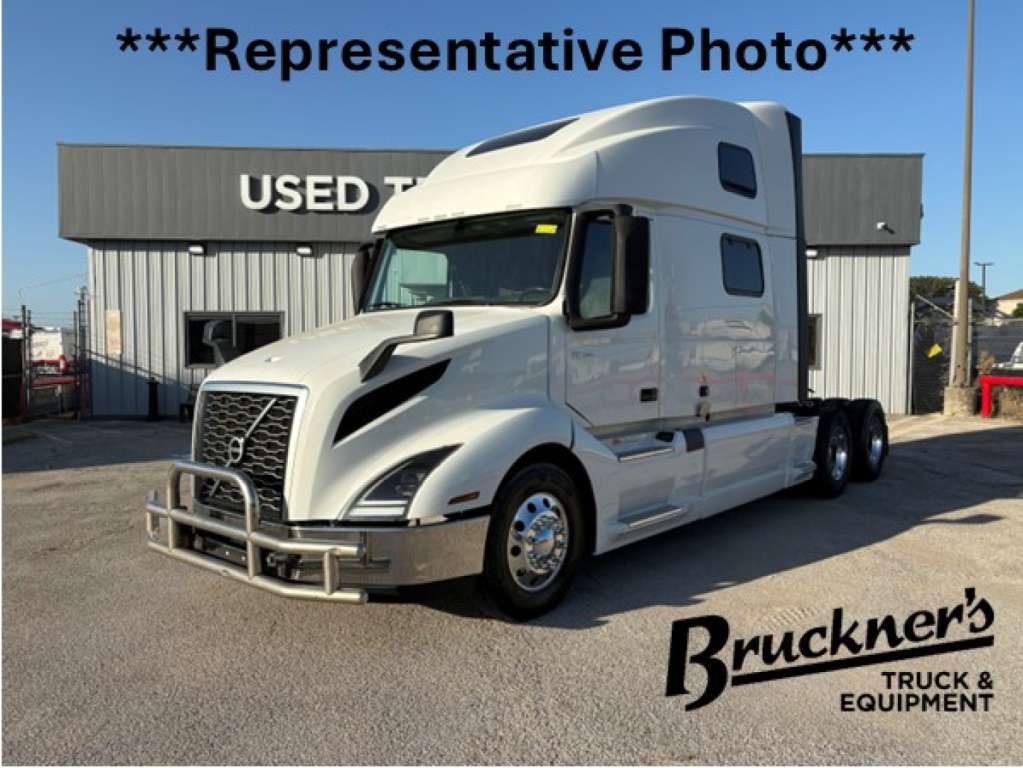
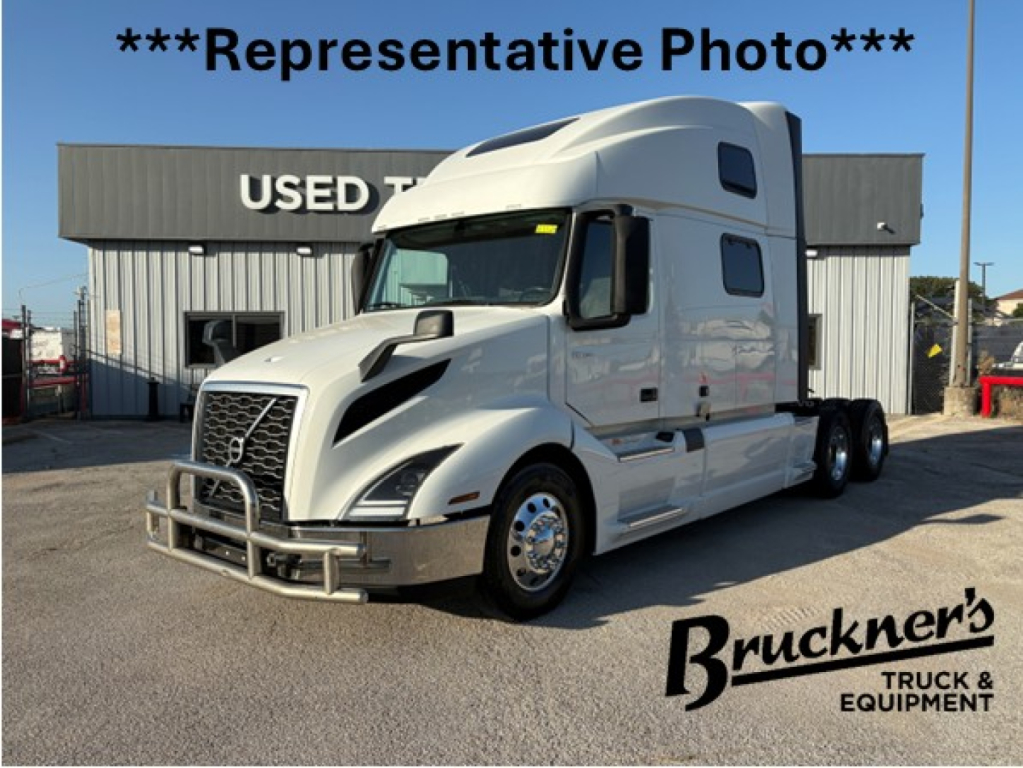
The most common configurations in this category are tandem axle 6x4 sleepers with high-roof cabs, double bunks, and wheelbases often landing around the low-230-inch range, though exact dimensions vary with sleeper length and fifth wheel placement. Popular Volvo sleeper variants include models such as the VNL 660 and VNL 860, with the 860 typically offering a larger living space for teams or extended trips. Engine ratings often center around the Volvo D13 in the 425 to 455 horsepower range, matched to the I-Shift for fuel-efficient highway operation and easier driver onboarding. Buyers should also pay attention to axle splits such as 12K to 13.2K front axles and 40K rears, disc versus drum brakes, and whether the truck is spec'd with a stationary or air-slide fifth wheel for kingpin setting flexibility.
For Texas lanes, cooling performance, idle-reduction equipment, and cab comfort features carry extra weight. A well-spec'd sleeper may include a bunk heater, auxiliary bunk cooler, inverter, refrigerator, workstation, and upgraded infotainment with navigation. Safety and uptime tech are also central to the category, with common features including adaptive cruise control, forward collision warning, lane support systems, tire pressure monitoring, and telematics integration. If the truck will spend most of its time on I-35, I-20, or cross-border and Gulf Coast freight, it is worth looking closely at fuel tank capacity, fairing condition, suspension type, and turning radius, since these trucks need to balance highway efficiency with dock access and urban congestion.
The best 2025 Volvo conventional sleeper truck for sale depends on freight pattern more than badge loyalty. A lighter, fuel-focused spec fits dry van and reefer fleets running long mileage. A larger double-bunk, premium interior, and higher-output D13 make more sense for teams, irregular-route service, or carriers using the truck as a retention tool. Volvo sleepers have a strong reputation for driver ergonomics, integrated powertrain controls, and highway manners, so the smartest comparison is not just year and mileage, but how the cab, bunk, axle ratings, wheelbase, and safety package line up with the work the truck will actually do.
Frequently Asked Questions about 2025 Volvo Conventional Sleeper Trucks in Texas
What is the difference between a Volvo VNL 660 and VNL 860 sleeper?
The main difference is sleeper size and interior living space. A Volvo VNL 860 typically has a larger sleeper and more room for storage, double-bunk arrangements, and extended over-the-road use, while the VNL 660 is often a better fit for fleets that want a more compact sleeper with good comfort and slightly easier packaging. The right choice depends on trip length, solo versus team driving, and how much emphasis you place on driver amenities.
What engine and transmission are common in 2025 Volvo conventional sleeper trucks?
Many buyers in this category look for the Volvo D13 paired with the Volvo I-Shift automated manual transmission. This combination is popular because it delivers good fuel economy, smooth shifting, and strong integration with adaptive cruise, predictive shifting, and other driver-assist features. Horsepower ratings often fall in the mid-400 range for highway freight, but the ideal calibration depends on gross weight, terrain, and average cruise speed.
Why does wheelbase matter on a conventional sleeper truck?
Wheelbase affects ride quality, trailer gap, turning radius, and how the truck handles different trailer lengths and kingpin settings. A longer wheelbase can support a larger sleeper and improved ride stability on highway runs, but it may be less convenient in tight yards and urban docks. Buyers should match wheelbase to the sleeper size, fifth wheel setup, and the mix of highway and city operation the truck will see.
Are double-bunk sleepers worth it for Texas long-haul operations?
A double-bunk sleeper is often worth the extra space if the truck will run team freight, irregular schedules, or longer multi-day routes. It gives carriers more flexibility and can improve driver retention by providing better sleeping arrangements and added storage. For solo drivers on shorter regional lanes, a smaller sleeper may be more cost-effective if it still includes essentials like an inverter, fridge, and climate control for off-duty comfort.
What features should buyers prioritize on a used or late-model Volvo sleeper?
The most important items are powertrain spec, maintenance history, axle ratings, sleeper layout, and active safety equipment. After that, look closely at brake type, tire condition, fifth wheel style, fuel capacity, bunk HVAC, and any signs of fairing or collision damage that could affect aerodynamics and operating cost. On Volvo sleepers specifically, buyers should also confirm how the truck is configured for its intended lane, because comfort features and drivetrain settings can vary significantly between similar-looking VNL models.