
2025 Volvo Conventional Sleeper Trucks For Sale
Shop 2025 Volvo conventional sleeper trucks with specs on VNL cab options, powertrain choices, fuel economy, and long-haul driver comfort.
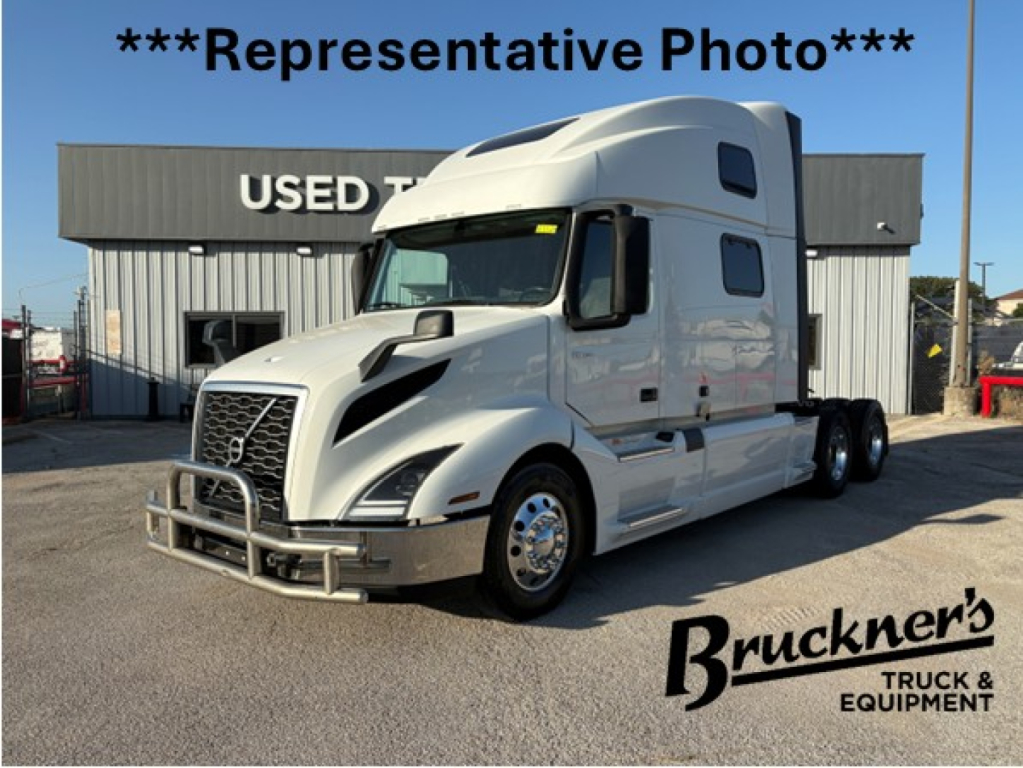
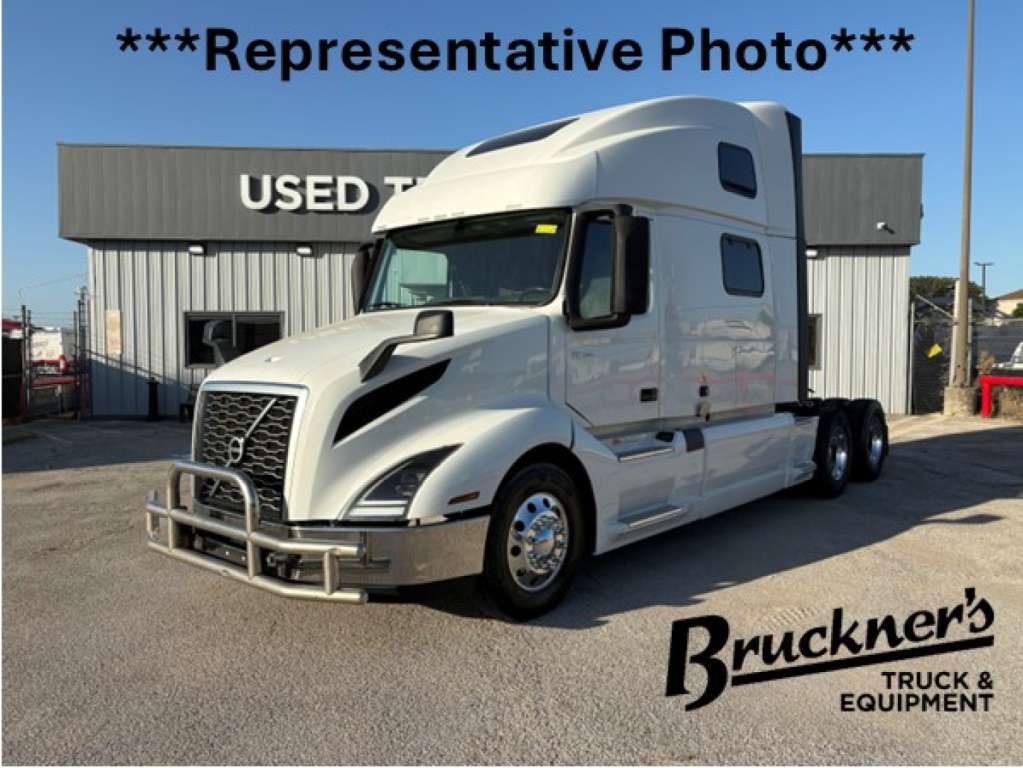
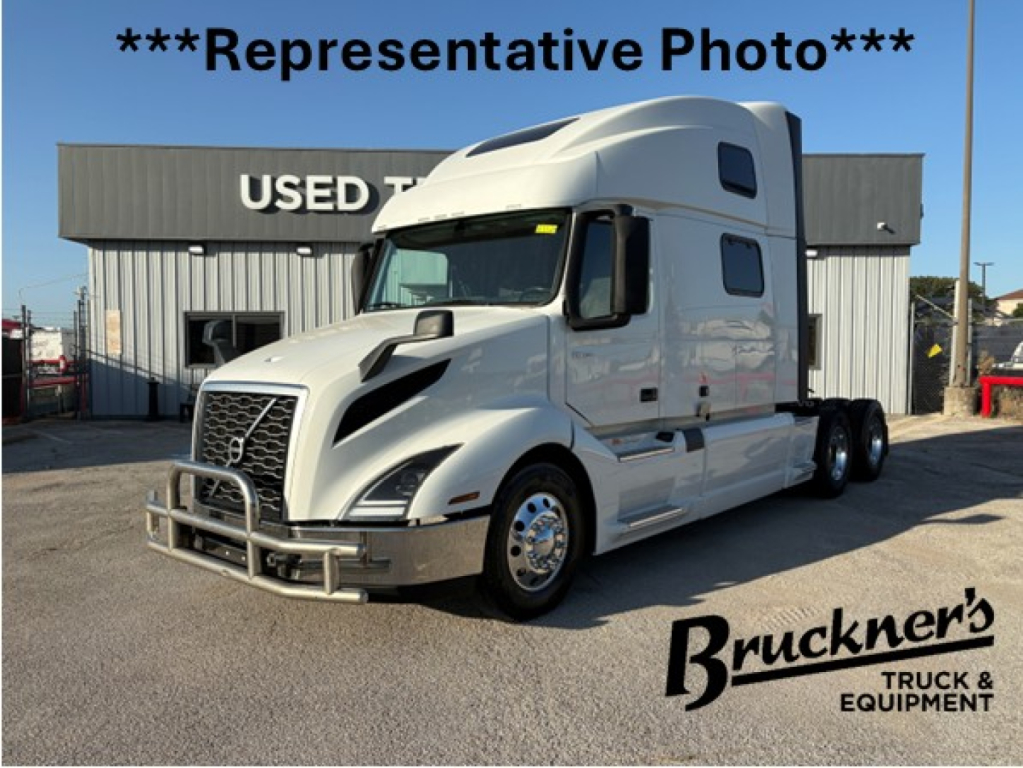
Selling a 2025 volvo conventional sleeper truck? List your 2025 volvo conventional sleeper truck for sale and reach thousands of commercial buyers.
2025 Volvo Conventional Sleeper Trucks
For most buyers, the key spec breakpoints are 4x2 versus 6x4, horsepower and torque range, and roof height. A 6x4 sleeper remains the standard choice for general freight, heavier van and reefer work, and broad resale appeal, while a 4x2 can make sense for weight-sensitive or fuel-focused applications. Volvo conventional sleepers are commonly spec'd with Volvo D13 power, paired with the I-Shift automated manual transmission, a combination widely favored for fuel efficiency, shift logic, and ease of driver onboarding. Rear axle ratio, direct drive versus overdrive, and cruise speed calibration matter just as much as headline horsepower when the goal is lower cost per mile. For fleets running multi-state lanes, look closely at fuel tank capacity, wheelbase, fairing configuration, and fifth wheel placement to make sure the truck is matched to trailer swing clearance and bridge law needs.
Cab environment is a major reason buyers focus on Volvo sleepers. The VNL is known for good visibility, ergonomic dash layout, and a sleeper designed for real off-duty use rather than just legal compliance. Depending on the configuration, buyers may find single or double bunk layouts, workstation features, refrigerator prep, auxiliary power provisions, and idle-reduction options that support hotel loads without excessive engine idling. Safety and uptime technology are also central to the 2025 market, with buyers often prioritizing collision mitigation, lane departure warning, adaptive cruise, camera systems, and telematics integration. Service access, parts support, and diagnostic capability should be part of the buying decision because even a well-spec'd highway tractor has to earn on uptime.
A Volvo conventional sleeper is also known as a sleeper cab semi tractor or highway sleeper truck, and it is generally chosen by carriers that value a balance of aerodynamics, driver comfort, and predictable operating costs. When comparing listings, focus less on appearance and more on the actual build sheet: sleeper length, front axle set, suspension, wheel cut, tire and brake spec, and whether the truck was ordered for van, reefer, tanker, or dedicated fleet duty. The right 2025 Volvo sleeper truck is the one whose spec matches lane length, trailer type, gross combination weight, and maintenance strategy from day one.
Frequently Asked Questions about 2025 Volvo Conventional Sleeper Trucks
What is the main advantage of a 2025 Volvo conventional sleeper truck for long-haul use?
The main advantage is the combination of aerodynamic efficiency, driver comfort, and integrated powertrain performance. A 2025 Volvo conventional sleeper, typically from the VNL family, is designed to reduce driver fatigue on extended highway runs while also supporting fuel economy through cab shape, powertrain calibration, and automated transmission logic. For carriers balancing operating cost and recruiting, that combination is a major selling point.
What engine and transmission setup is most common in a Volvo conventional sleeper?
The most common setup is a Volvo D13 engine paired with the Volvo I-Shift automated manual transmission. This package is popular because it delivers a broad torque curve, smooth shifting, and strong fuel-efficiency potential in linehaul applications. Buyers should still verify horsepower, torque rating, rear axle ratio, and transmission programming because those details have a direct effect on gradeability, cruise RPM, and cost per mile.
Should I choose a 4x2 or 6x4 Volvo sleeper tractor?
A 6x4 is usually the safer all-around choice for general freight, reefer, and heavier trailer applications because it offers better traction and wider operational flexibility. A 4x2 can be attractive in weight-sensitive operations where every pound matters and the route profile is favorable. The decision should be based on gross combination weight, terrain, weather exposure, trailer type, and resale expectations in your market.
What sleeper features matter most in a Volvo VNL-style truck?
The most important sleeper features are the ones that affect rest quality, idle strategy, and daily usability. Buyers typically focus on bunk configuration, storage layout, standing room, HVAC performance, inverter or APU readiness, refrigerator space, and power access for hotel loads. A sleeper that supports real overnight use can improve driver satisfaction and reduce unnecessary idling and wear.
What should I compare first when reviewing multiple Volvo conventional sleeper listings?
Compare the build sheet before anything else. Start with axle configuration, sleeper size, engine rating, transmission, rear axle ratio, wheelbase, and fuel capacity. After that, review safety systems, suspension, fairings, brake spec, and fifth wheel setup. Those items determine how well the truck fits the freight and how it will perform in fuel economy, maintenance, and resale.