
2024 Volvo Conventional Sleeper Trucks For Sale in Texas
Shop 2024 Volvo conventional sleeper trucks in Texas. Compare VNL sleeper specs, D13 power, I-Shift options, cab sizes, and haul-ready features.
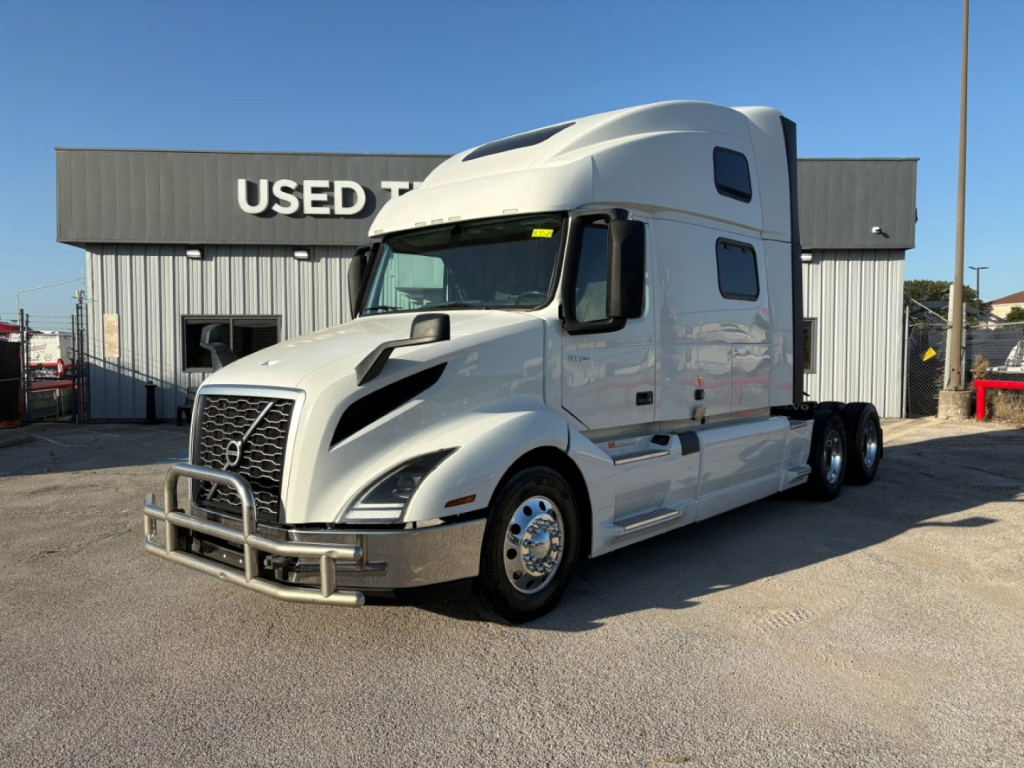
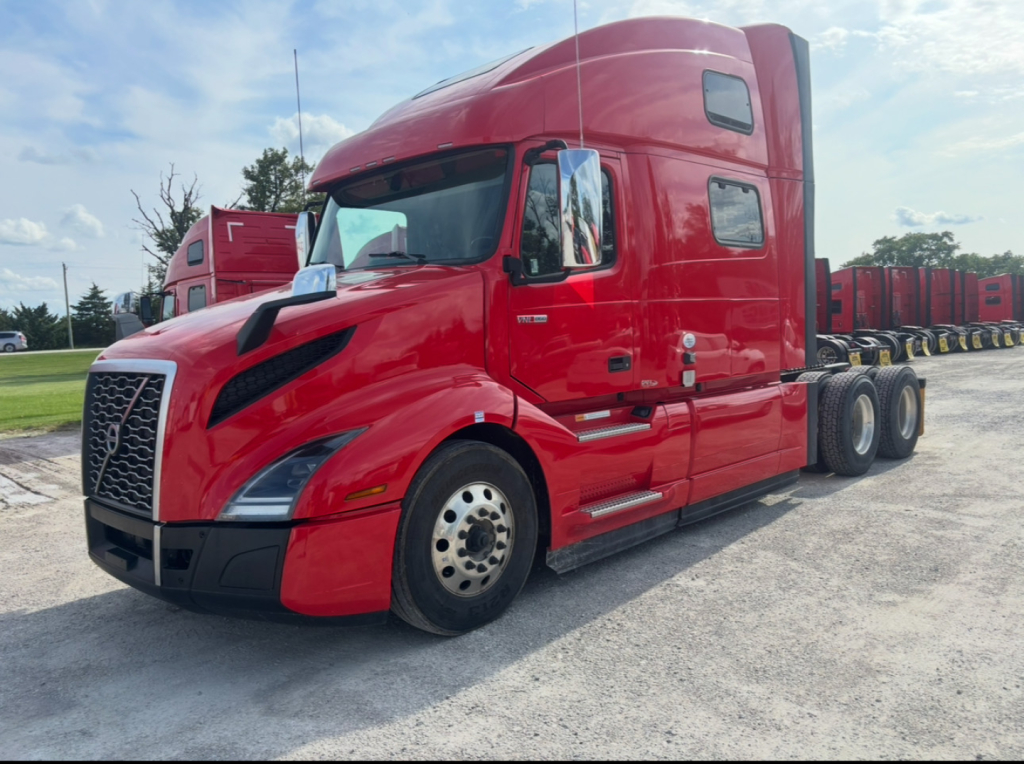
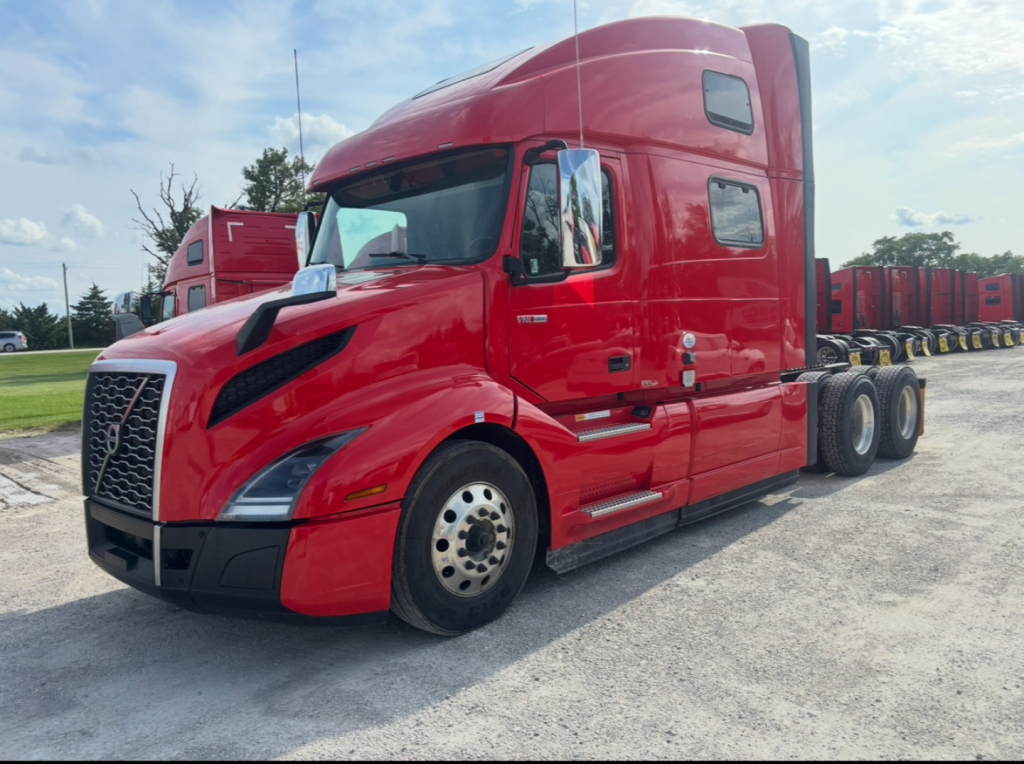
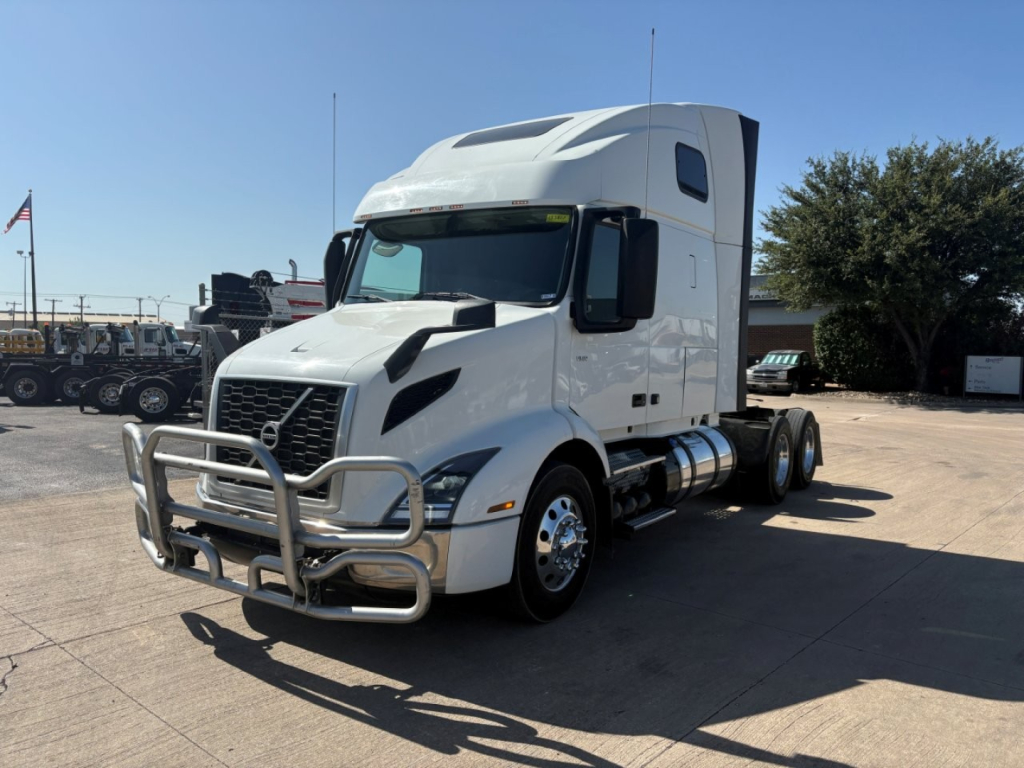
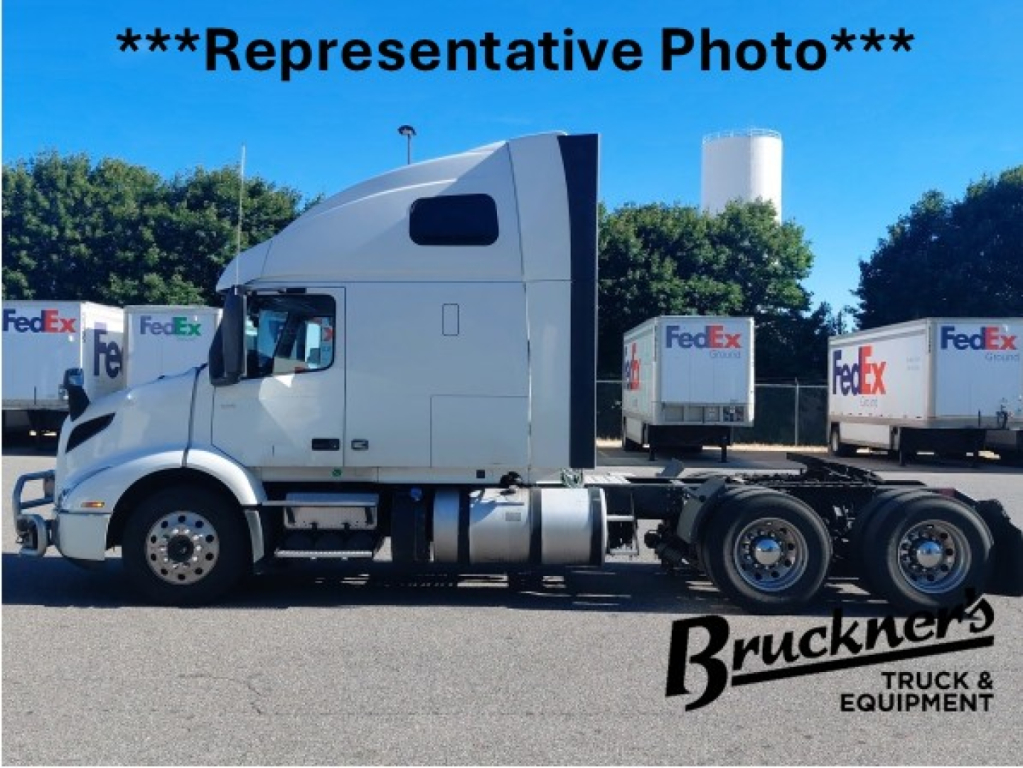
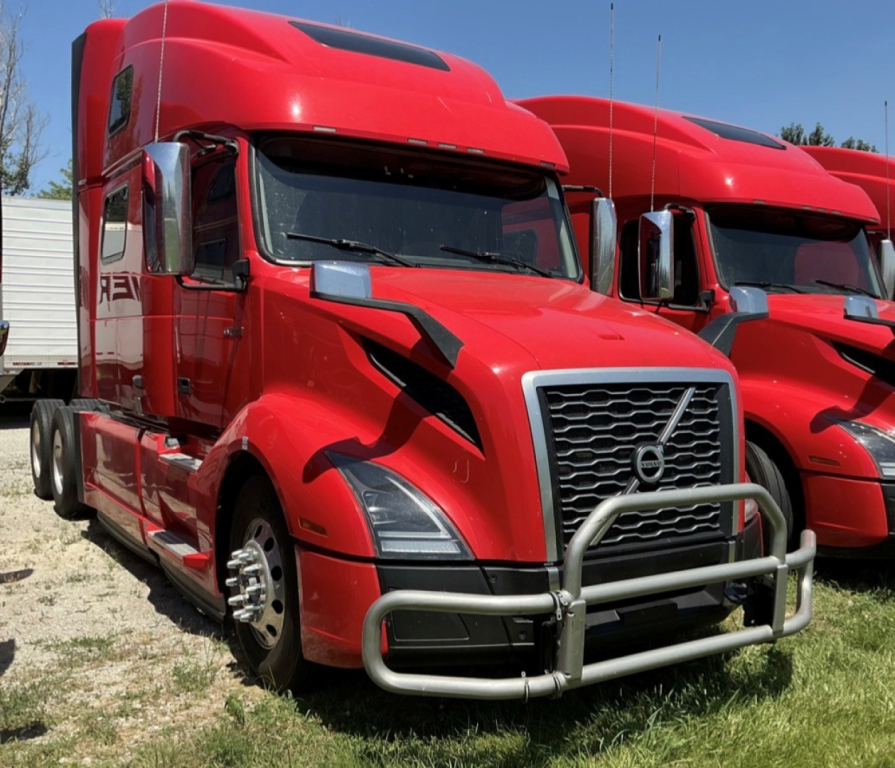
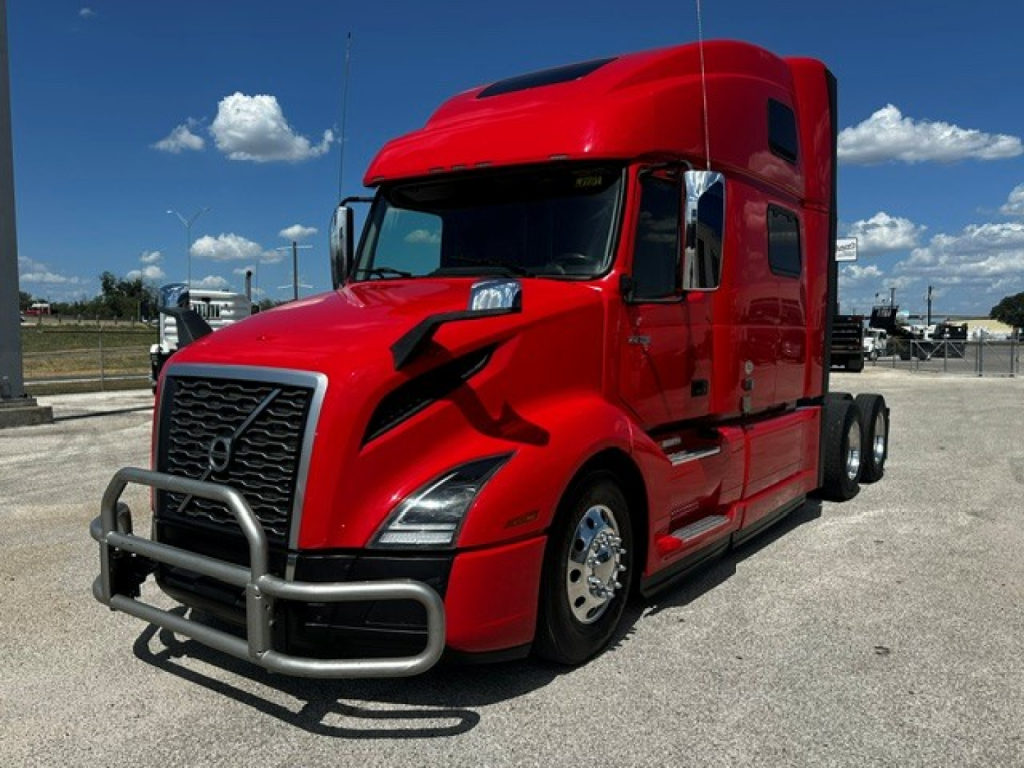
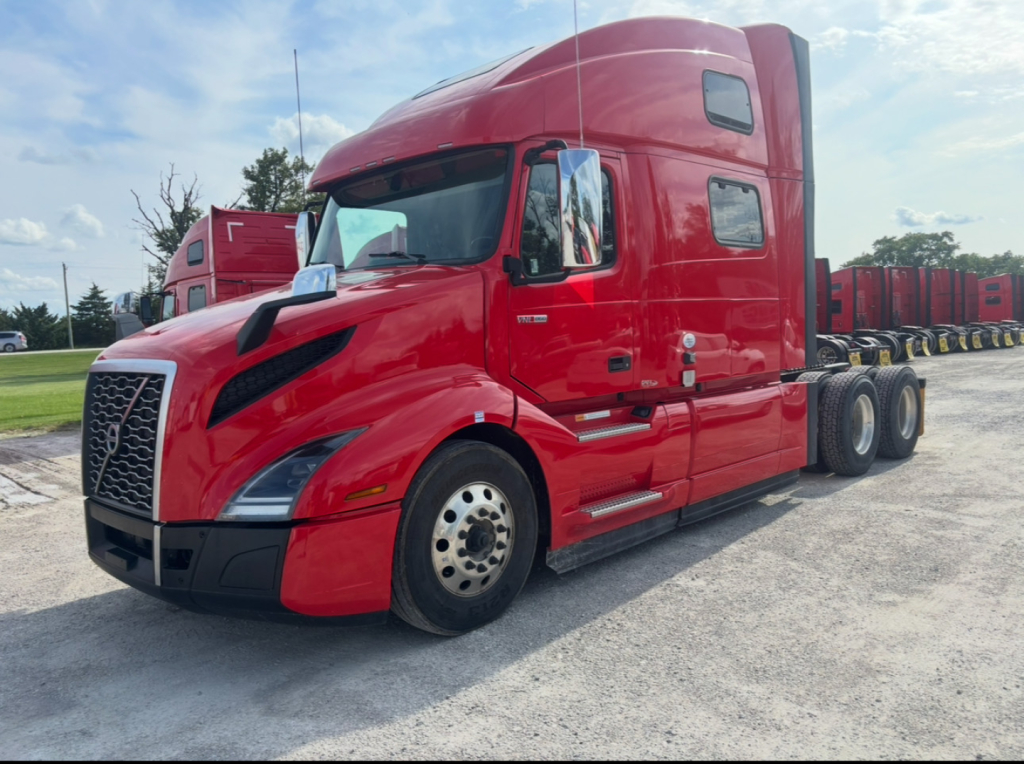
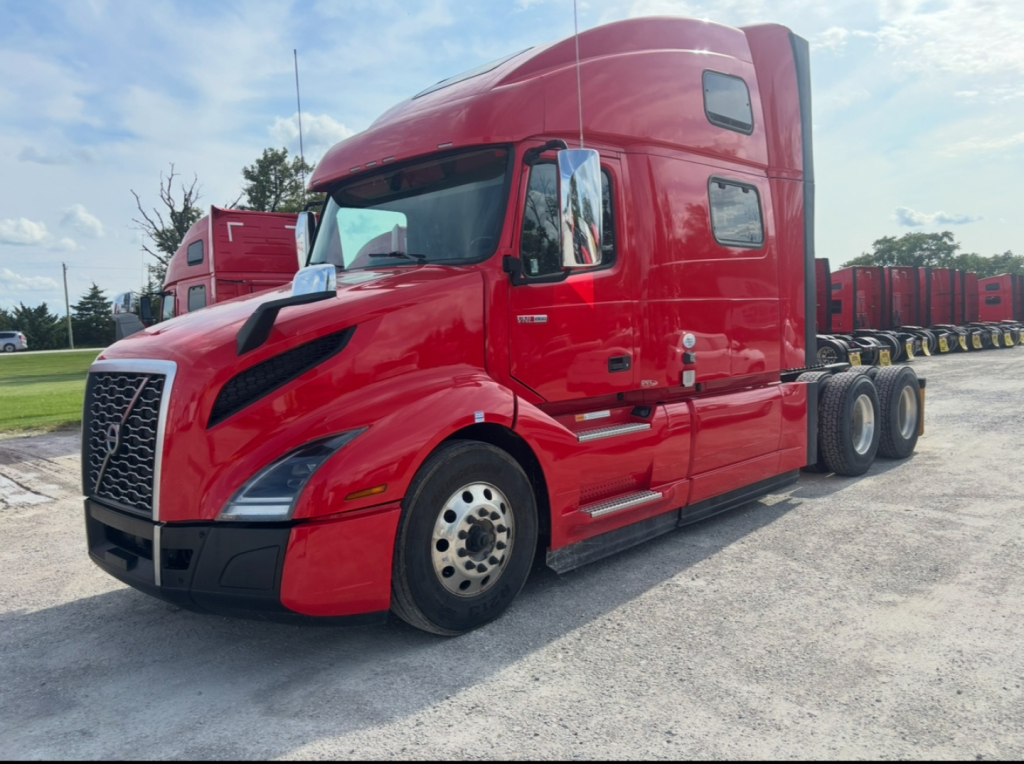
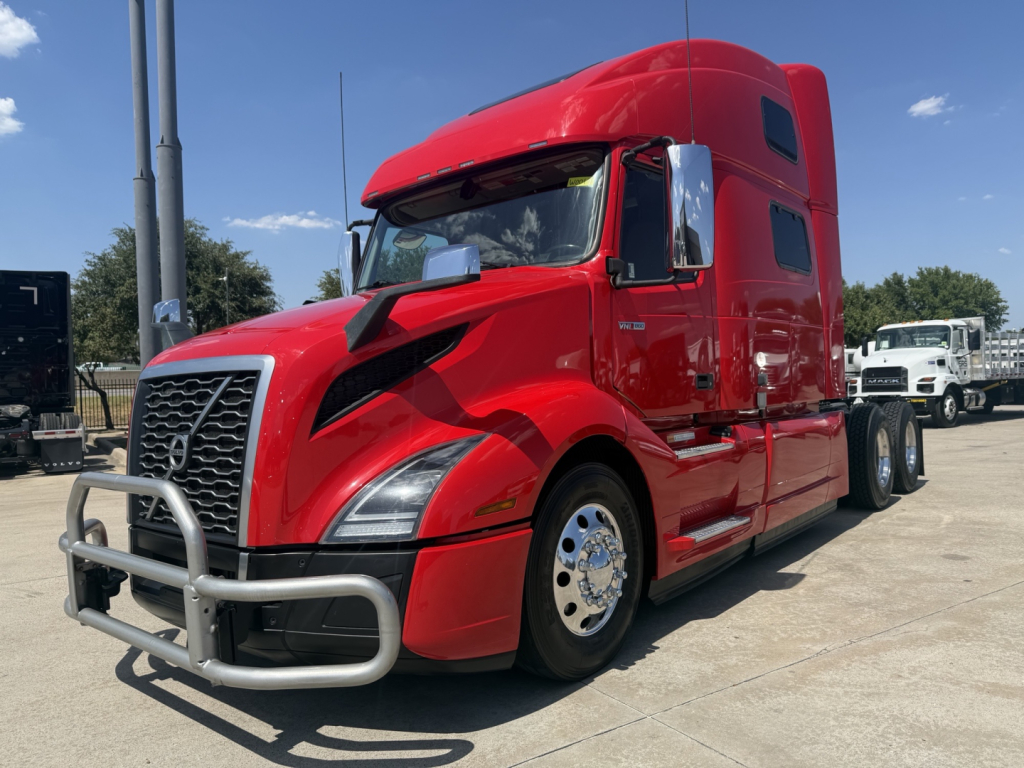
Selling a 2024 volvo conventional sleeper truck? List your 2024 volvo conventional sleeper truck for sale and reach thousands of commercial buyers.
2024 Volvo Conventional Sleeper Trucks in Texas
The main spec decisions usually start with the engine, transmission, sleeper size, and axle configuration. A 2024 Volvo sleeper commonly centers on the Volvo D13 or D13TC platform, often paired with the Volvo I-Shift automated manual transmission. That combination is popular because it balances drivability with fuel efficiency and keeps the powertrain calibrated as a package. Buyers should compare horsepower and torque ratings against their average gross combination weight, terrain, and cruise speed targets. Rear axle ratios, often selected to match downsped highway operation, can make a noticeable difference in fuel burn and startability. Most conventional sleepers in this class are tandem axle 6x4 tractors with air ride suspension, around 13,000-pound front axles and 40,000-pound rears, but wheelbase, fifth wheel setup, and tank capacity should be checked against trailer swing clearance, kingpin settings, and lane application.
Sleeper configuration matters as much as the drivetrain if the truck will stay out for multiple nights. Volvo sleeper cabs are known for a driver-focused interior, and buyers often compare mid-roof versus high-roof layouts, single bunk versus double bunk, cabinet space, refrigerator prep or factory refrigerator, inverter capacity, and idle-management equipment. For teams or premium over-the-road use, a larger sleeper with workstation space and climate-control features can improve retention and reduce off-duty fatigue. In Texas, cooling performance, bunk HVAC, and insulation are especially important because summer heat directly affects rest quality and idle time.
Technology and safety content can also separate one 2024 Volvo conventional sleeper from another. Depending on spec, buyers may find collision mitigation, lane departure warning, adaptive cruise features, backup cameras, digital mirrors, and Volvo active driver assistance packages. These systems can support insurance, safety scoring, and driver acceptance, but they should be reviewed alongside serviceability, software support, and shop familiarity. For buyers comparing multiple listings, the smartest approach is to evaluate the full operating package: powertrain rating, rear ratio, sleeper size, wheelbase, axle weights, interior amenity level, and maintenance history or factory warranty status. A well-matched Volvo sleeper can deliver strong fuel economy, a comfortable cab, and the kind of long-cycle durability that matters in linehaul service.
Frequently Asked Questions about 2024 Volvo Conventional Sleeper Trucks in Texas
What is the most common use for a Volvo conventional sleeper truck?
A Volvo conventional sleeper truck is primarily used for over-the-road freight, regional long-haul lanes, and dedicated routes that require overnight stays in the truck. The sleeper compartment allows the driver to remain with the unit between loads, making it practical for dry van, refrigerated, flatbed, and general freight operations where trip length and Hours of Service compliance require off-duty rest in the cab.
What powertrain should I look for in a 2024 Volvo sleeper?
Many buyers focus on the Volvo D13 or D13TC engine paired with the Volvo I-Shift automated transmission because this combination is designed to work as an integrated package. The right horsepower, torque rating, and rear axle ratio depend on freight weight, terrain, and desired cruise speed. Lighter dry van and general highway freight can often prioritize fuel economy, while heavier or more variable loads may justify a higher horsepower rating or a more aggressive rear ratio.
How important is sleeper size on a conventional sleeper truck?
Sleeper size has a direct effect on driver comfort, storage, and suitability for the intended route length. A larger high-roof sleeper with more cabinet space, bunk room, and appliance provisions is often preferred for long-haul or team operations. A smaller sleeper may be adequate for shorter regional runs where the truck is not away from home as long. Buyers should match the sleeper layout to actual dispatch patterns rather than choosing only by appearance or resale assumptions.
Are Volvo sleeper trucks a good fit for Texas operations?
Yes, Volvo conventional sleepers are a strong fit for Texas because the state’s long highway distances, high summer temperatures, and mixed freight environment reward aerodynamic efficiency, stable ride quality, and effective cab climate control. Buyers operating in Texas should pay close attention to cooling performance, idle-management features, fuel capacity, and gearing for sustained highway travel, especially if the truck will spend most of its time on interstate routes.
What specs matter most when comparing Volvo VNL sleeper listings?
The most important specs are engine rating, transmission, rear axle ratio, axle capacities, wheelbase, fifth wheel type, sleeper size, and interior equipment. Those details affect fuel economy, trailer compatibility, ride quality, and driver satisfaction more than cosmetic differences. Safety technology, suspension type, and any remaining warranty coverage are also worth reviewing because they can influence operating cost and long-term value.