
2018 Conventional Sleeper Trucks For Sale in Texas
Shop 2018 conventional sleeper trucks in Texas. Compare long-haul specs, sleeper sizes, powertrains, wheelbase, and fuel capacity.
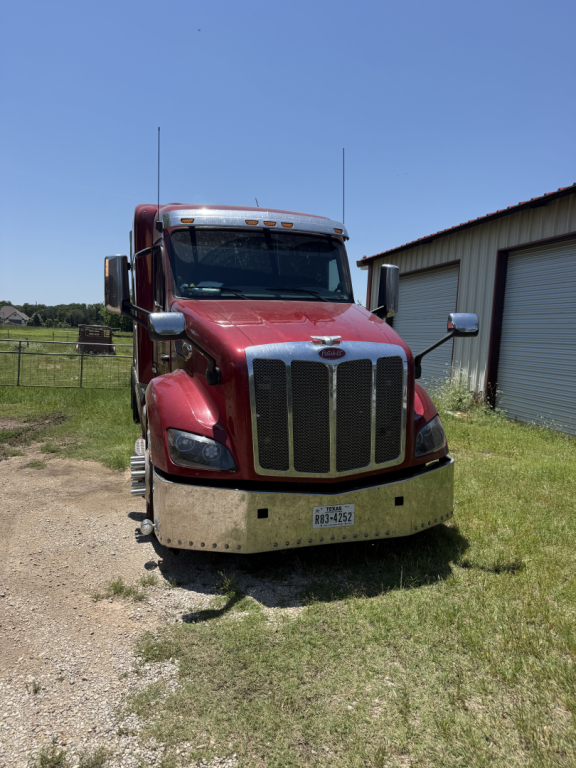
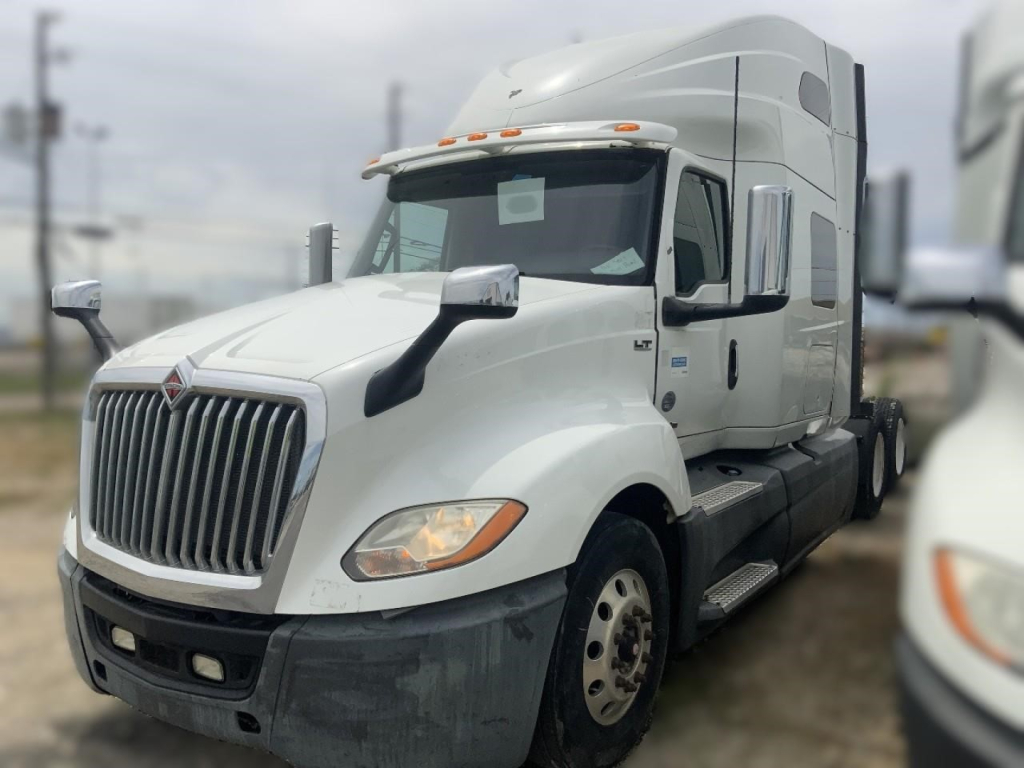

Selling a 2018 conventional sleeper truck? List your 2018 conventional sleeper truck for sale and reach thousands of commercial buyers.
2018 Conventional Sleeper Trucks in Texas
The biggest buying decisions usually come down to powertrain spec and intended route profile. A 2018 sleeper with a Detroit DD15, Cummins X15, Paccar MX-13, Volvo D13, or Mack MP8 will often be paired with a direct-drive or overdrive transmission and 2.47 to 3.55 rear ratios depending on cruise speed and gross weight. For heavier pulls, oilfield support, or mixed terrain in parts of Texas, buyers often lean toward higher horsepower, deeper gears, and heavier rears such as 40,000-pound axles. For linehaul freight on I-10, I-20, I-35, and other long corridors, a lighter spec with an AMT, aerodynamic roof fairings, air ride suspension, and lower cruising rpm can make more sense. Wheelbase, kingpin setting compatibility, and fifth wheel travel also matter if the truck may handle multiple trailer lengths or axle spread requirements.
Sleeper configuration matters more than many buyers expect. Mid-roof sleepers can help with weight and cost while still giving enough space for regional overnight work. Raised-roof and larger condo-style sleepers add storage, standing room, refrigerator space, inverter capacity, and room for bunk heaters or idle management systems that matter on longer trips. On a 2018 truck, it is worth paying close attention to HVAC performance, bunk condition, cabinet wear, mattress platform integrity, and whether the truck has an APU, optimized idle, or shore power setup. Interior condition tells you a lot about how the truck was used, especially on higher-mileage units.
A smart evaluation on a 2018 conventional sleeper should go beyond make, model, and odometer. Buyers should verify emissions system service history, fault codes, clutch life on manual transmissions, AMT calibration, suspension wear, brake type, tire condition, and evidence of frame or fifth wheel abuse. In Texas, cooling system condition and air conditioning performance deserve extra attention because heat exposure can reveal weak components quickly. A well-spec'd 2018 conventional sleeper truck can still be a strong revenue unit for dry van, reefer, flatbed, and dedicated regional lanes if the chassis, sleeper, and powertrain match the work.
Frequently Asked Questions about 2018 Conventional Sleeper Trucks in Texas
What is a 2018 conventional sleeper truck best suited for?
A 2018 conventional sleeper truck is typically best suited for regional haul, over-the-road freight, and dedicated lanes that require overnight accommodations. These trucks are commonly used in dry van, reefer, flatbed, and general freight applications because they combine highway comfort with the fuel capacity, wheelbase, and storage needed for multi-day runs. The exact fit depends on sleeper size, engine rating, axle ratio, and trailer type.
What engines and transmissions are common in 2018 conventional sleeper trucks?
Common engine platforms in 2018 conventional sleepers include the Detroit DD15, Cummins X15, Paccar MX-13, Volvo D13, and Mack MP8. Horsepower ratings often fall between 400 and 505 hp, with torque outputs matched to linehaul or heavier vocational-style work. Buyers will see both automated manual transmissions and traditional manuals, including 10-speed, 12-speed, 13-speed, and 18-speed setups. The right combination depends on gross weight, terrain, fuel economy goals, and driver preference.
What should I inspect first on a used 2018 sleeper truck?
Start with emissions history, engine diagnostics, and transmission operation because those items drive repair cost faster than cosmetic issues. Review maintenance records for the DPF, DEF system, EGR components, turbocharger, and coolant system. Then inspect suspension bushings, airbags, brakes, steer axle wear, driveline vibration, and fifth wheel condition. Inside the sleeper, check HVAC performance, bunk heater or APU operation, cabinet wear, and signs of water intrusion or hard use.
Is a 2018 conventional sleeper truck a good choice for Texas routes?
A 2018 conventional sleeper can be a very good fit for Texas operations because many were spec'd for long interstate runs, high temperatures, and heavier freight. Buyers should focus on cooling system health, air conditioning output, fuel capacity, and axle ratio if the truck will spend time on long highway stretches. If the truck will also handle oilfield, construction support, or hillier terrain, higher horsepower and heavier rear axle specs may be more practical than an economy-focused linehaul setup.
How important is sleeper size on a 2018 conventional truck?
Sleeper size has a direct effect on driver comfort, storage, curb weight, and resale appeal. A 70-inch sleeper is common and works well for many regional and over-the-road applications. Larger raised-roof sleepers can add standing room, more cabinetry, refrigerator space, and better livability for teams or extended trips. Smaller or mid-roof sleepers may reduce weight and upfront cost, but buyers should match the sleeper layout to trip length and driver expectations.