
2018 Conventional Sleeper Trucks For Sale
Shop 2018 conventional sleeper trucks with specs that matter for long-haul work, including engine, sleeper size, wheelbase, axle ratio, and cab features.
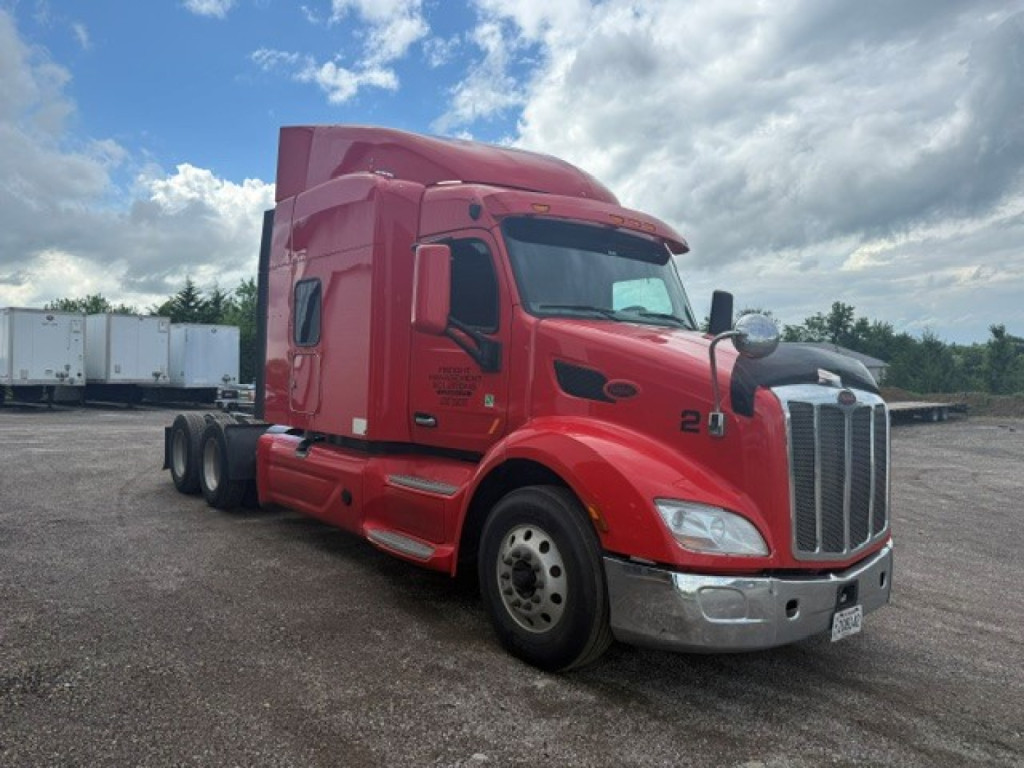
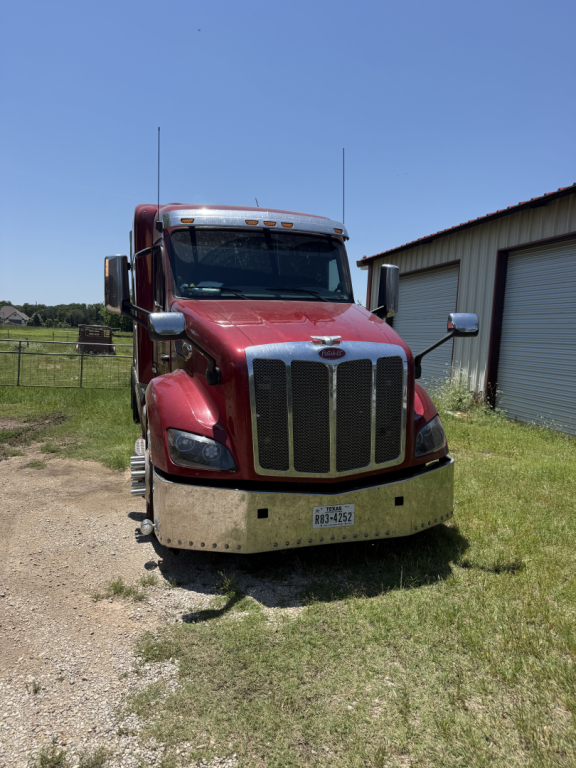
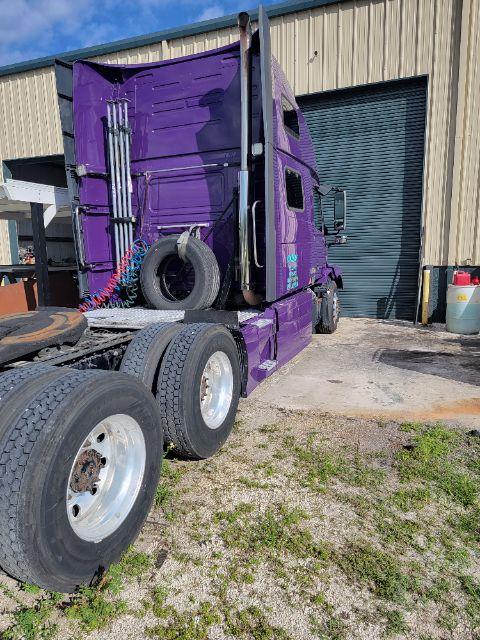
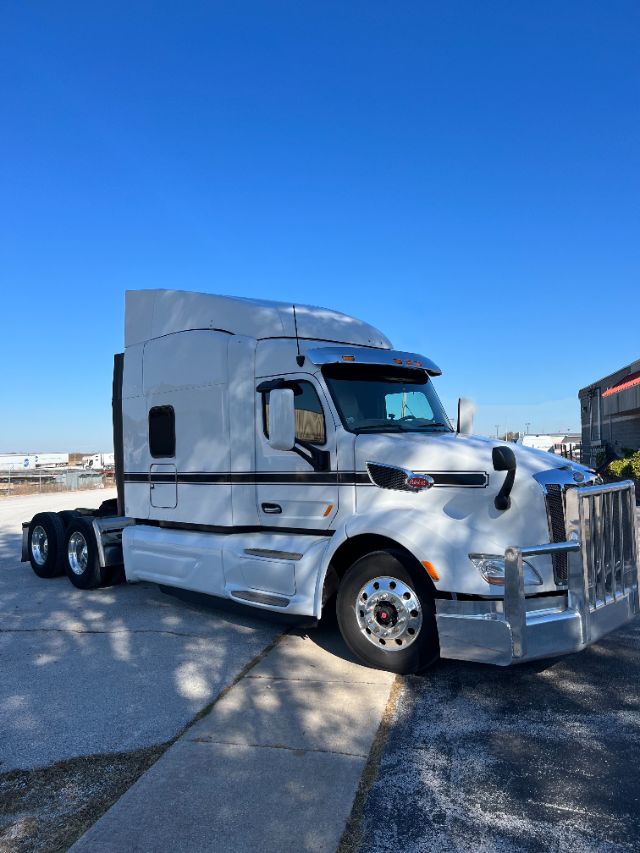
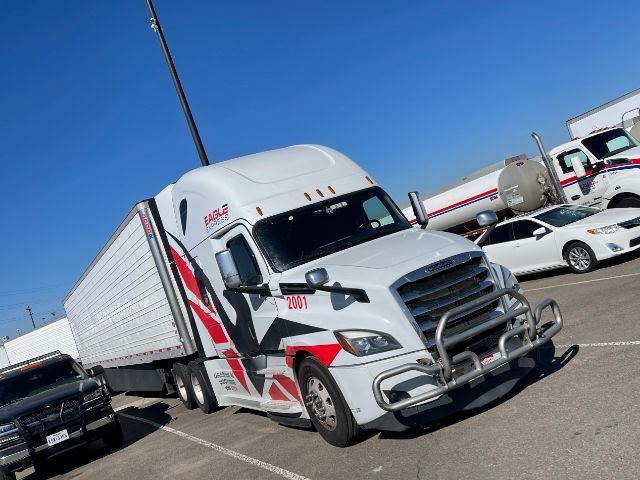
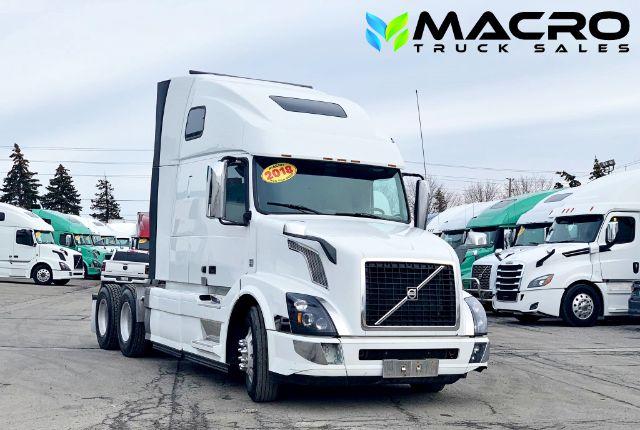
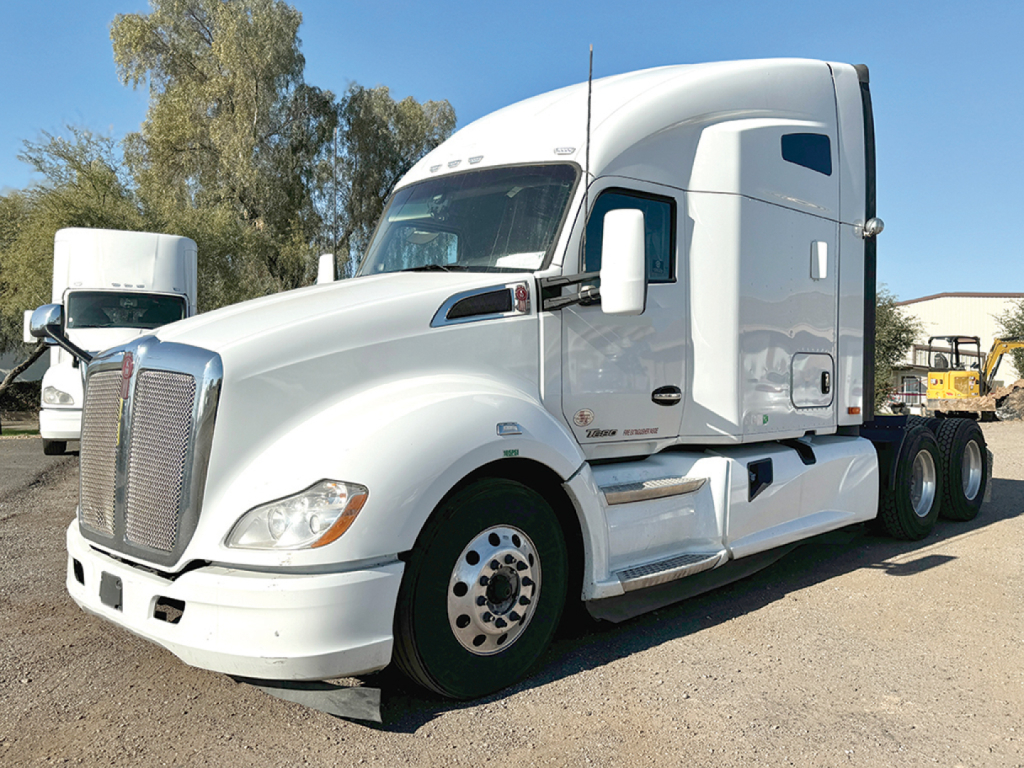
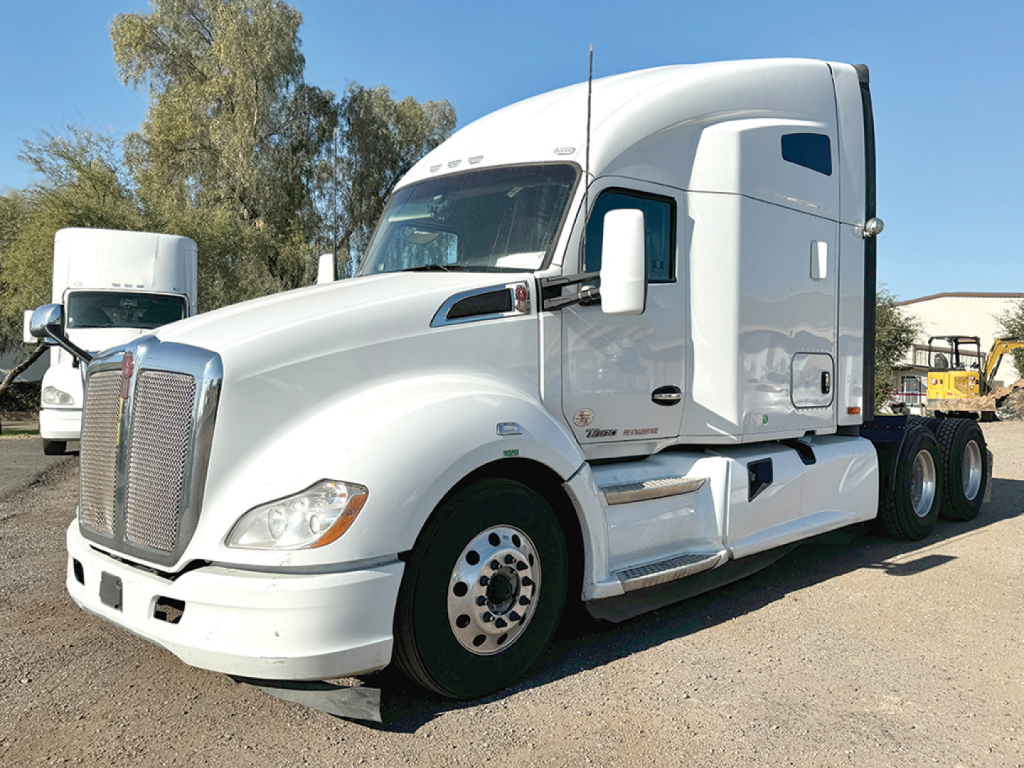
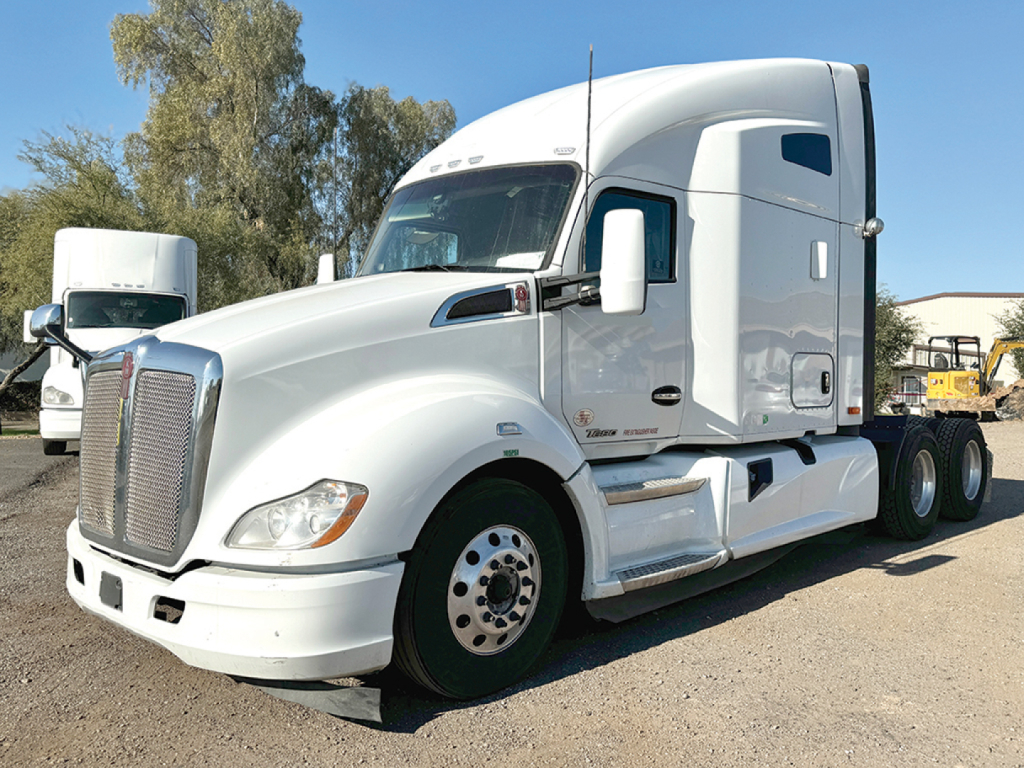
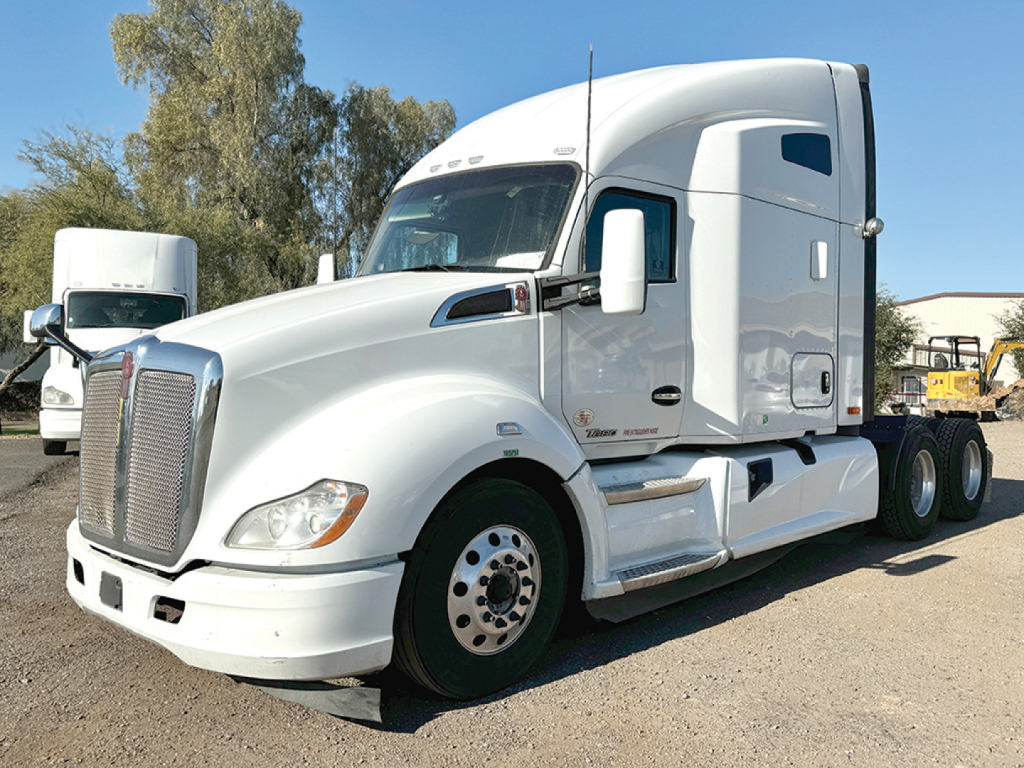
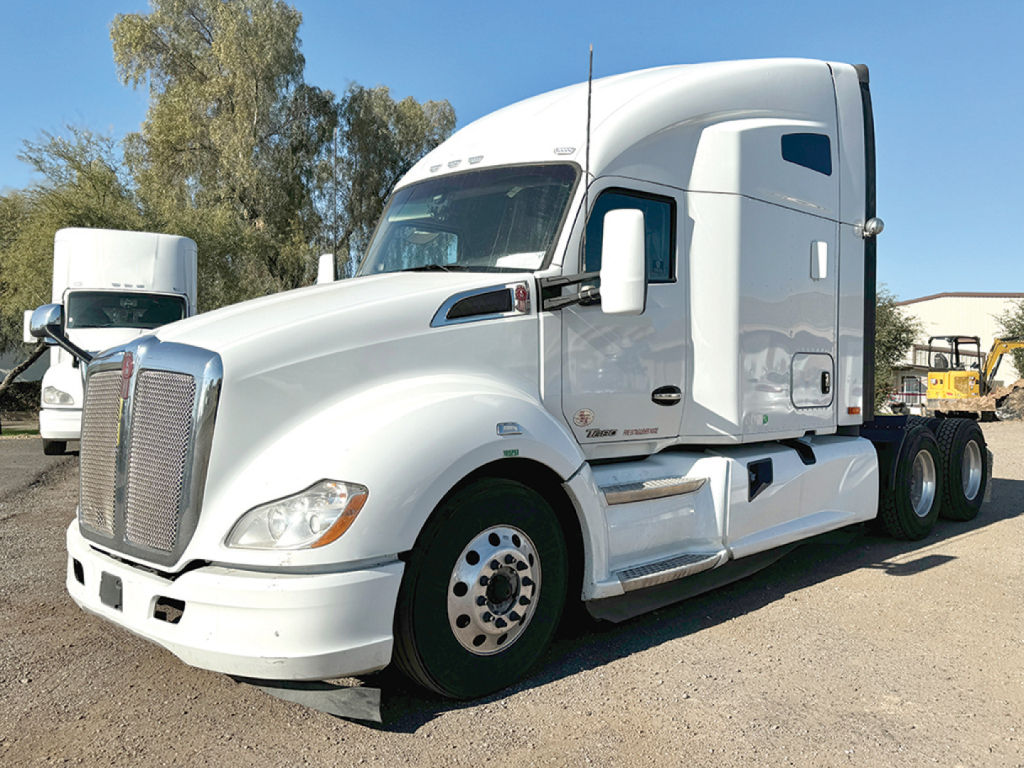
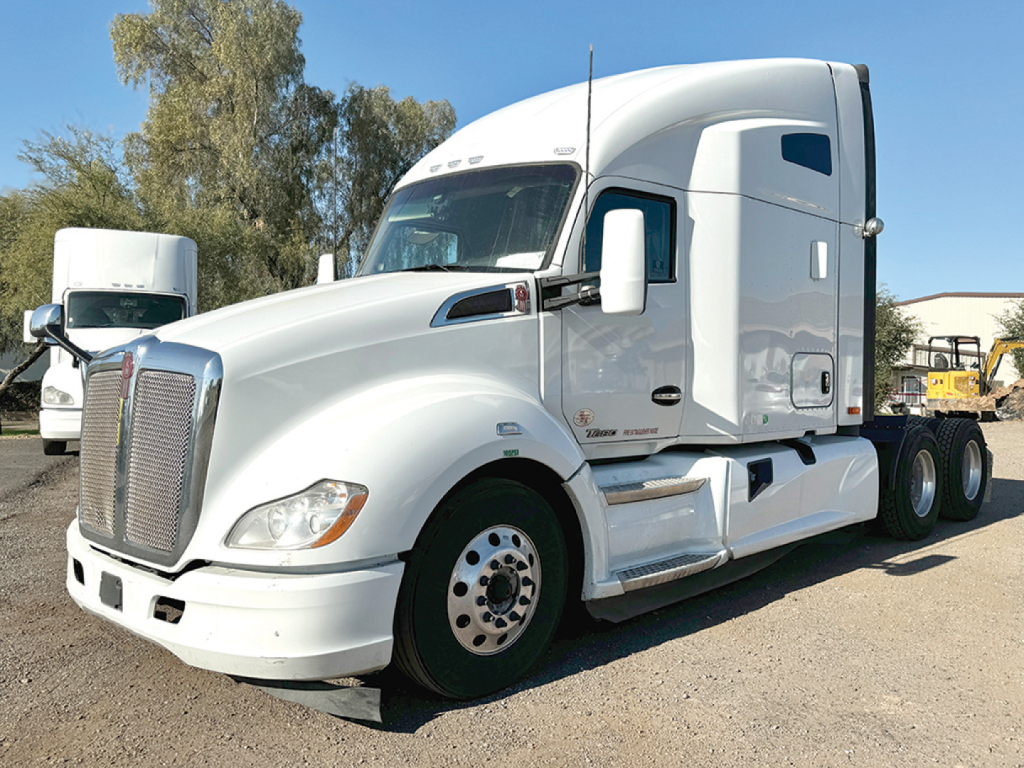
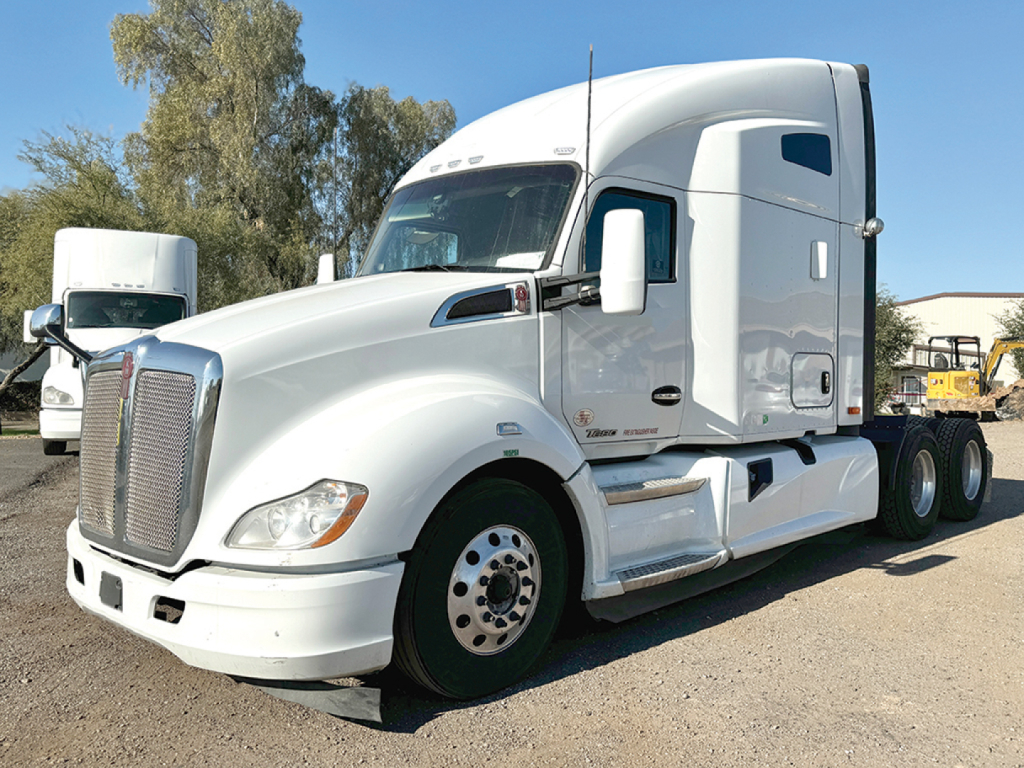
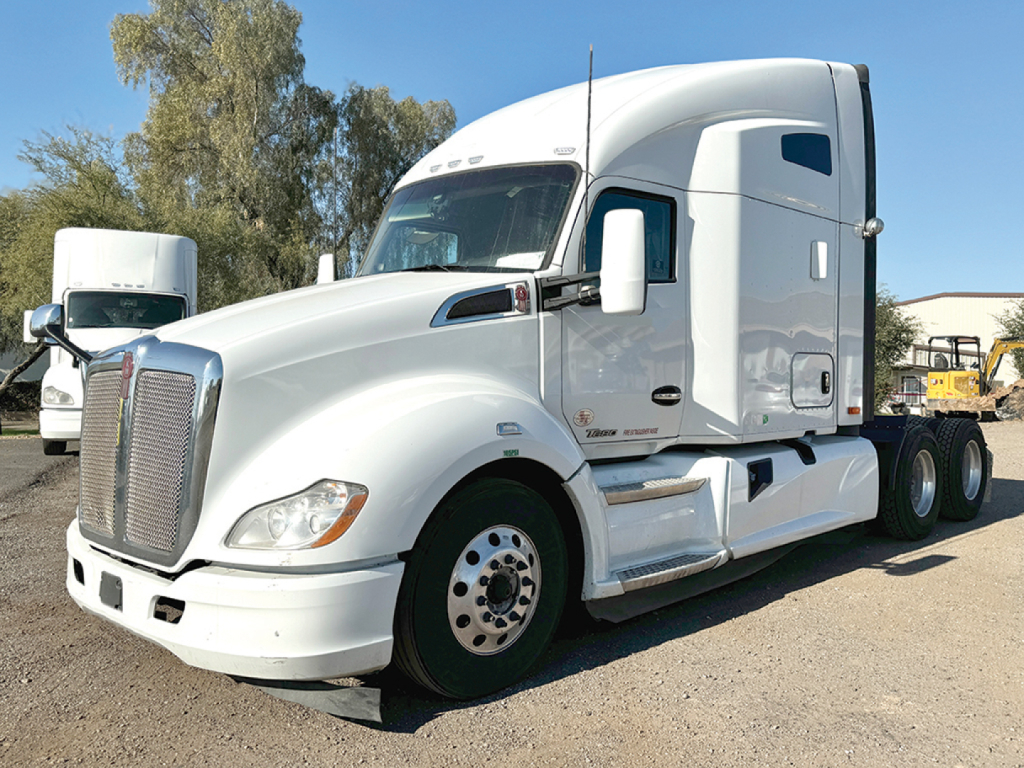
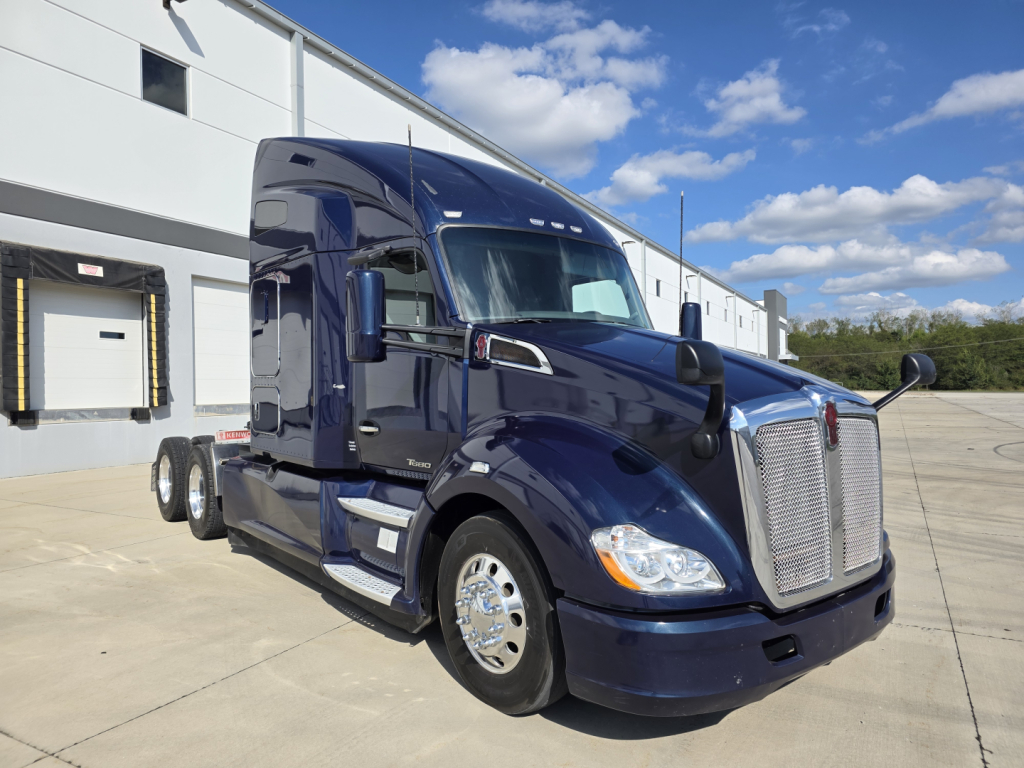
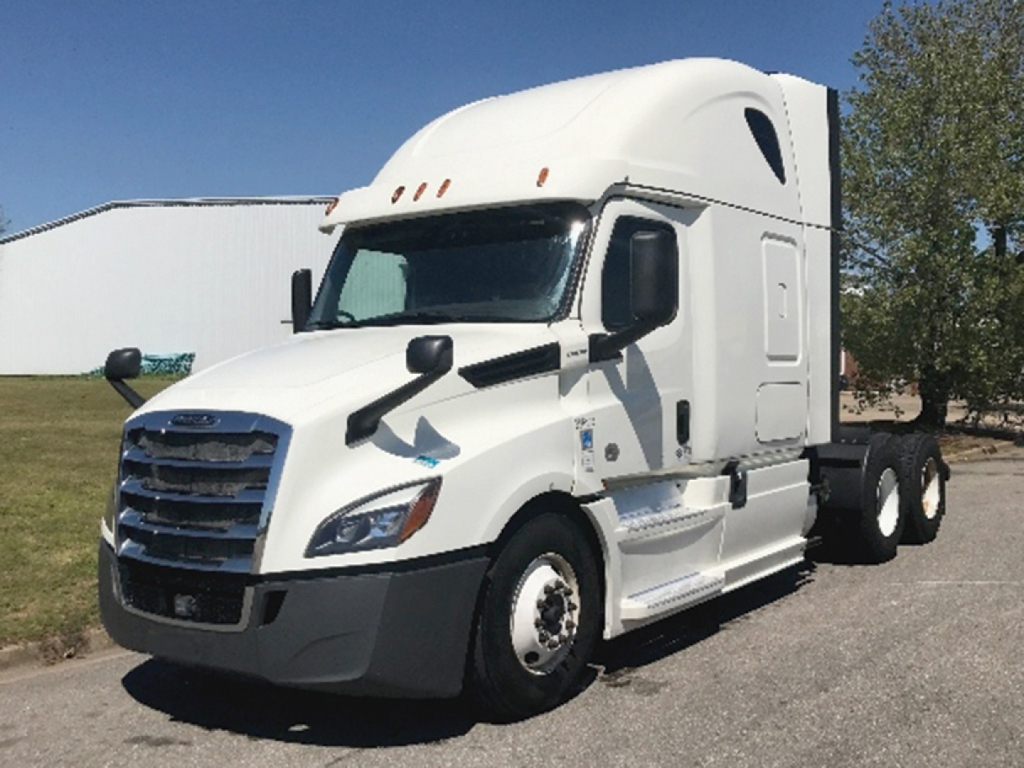
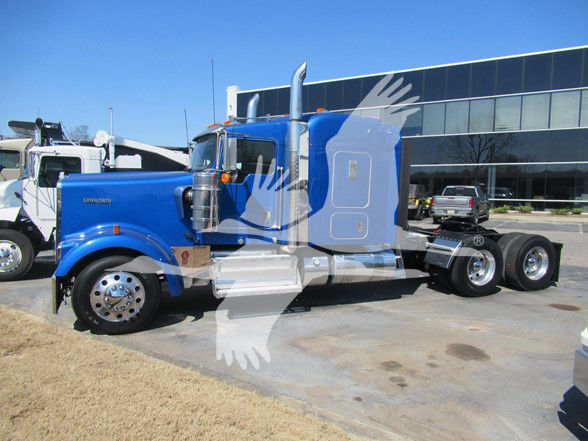

Showing 1 to 28 of 29 results
Selling a 2018 conventional sleeper truck? List your 2018 conventional sleeper truck for sale and reach thousands of commercial buyers.
2018 Conventional Sleeper Trucks
The biggest buying decisions on a 2018 conventional sleeper usually come down to engine family, sleeper configuration, wheelbase, and rear axle ratio. Common engines in this year include the Detroit DD13 and DD15, Cummins X15, Paccar MX-13, Volvo D13, and Mack MP8. Those engines can be very different in maintenance history, software calibration, and fuel economy depending on the original application. A truck geared with a 2.64 to 3.08 rear ratio and an overdrive automated transmission is generally aimed at fuel-efficient linehaul work, while a shorter wheelbase or deeper ratio may indicate regional, tanker, flatbed, or heavier vocational crossover use. Sleeper sizes also vary widely, from compact mid-roof bunks to 70-inch-plus high-roof sleepers with inverters, auxiliary bunk HVAC, refrigerator space, and more storage for over-the-road drivers.
For a buyer comparing 2018 sleeper tractors, mileage and maintenance records matter more than badge alone. This is an age range where you want close attention on aftertreatment service history, including DPF cleaning intervals, one-box replacement records, EGR and NOx sensor repairs, and any fault-code patterns tied to SCR performance. Look at clutch wear on automated transmissions, driveline vibration history, suspension bushing condition, and signs of excessive idle time if the truck was used in long-term sleeper service. Brake spec is another important separator. Some 2018 conventionals came with front disc brakes or full air disc setups, while others retained drum brakes all around. Driver-assist features such as collision mitigation, lane departure warning, adaptive cruise, and telematics integration also became more common in this period and can add value for fleet use.
A well-matched 2018 conventional sleeper can still be a productive long-haul asset if the spec fits the freight. Dry van and reefer operations often favor aerodynamic packages, downsped drivetrains, and larger fuel capacity. Flatbed and specialized carriers may prioritize wheel cut, frame layout, headache rack clearance, PTO options, or a drivetrain with stronger startability. Buyers should also confirm front axle capacity, suspension rating, fifth wheel setup, and tire size to make sure the truck matches trailer weights and route profile. When the goal is dependable over-the-road service, the right 2018 sleeper truck is less about the nameplate and more about how the cab, powertrain, and maintenance history line up with the miles ahead.
Frequently Asked Questions about 2018 Conventional Sleeper Trucks
What should I look for first on a 2018 conventional sleeper truck?
Start with the powertrain and service records. Engine model, transmission type, rear axle ratio, and sleeper size tell you what the truck was built to do. After that, review maintenance history for aftertreatment work, oil change intervals, transmission repairs, and major component replacements. A 2018 sleeper tractor with the right spec and documented upkeep is usually a better buy than a newer truck with a poor maintenance record.
Are 2018 conventional sleeper trucks good for long-haul use?
Yes, many 2018 conventional sleepers were built specifically for over-the-road service and still fit long-haul applications well. This model year commonly includes aerodynamic fairings, high-roof sleepers, integrated powertrain controls, and fuel-efficient downsped axle ratios. The key is matching the truck's original spec to your operation, especially if you need high fuel capacity, driver comfort features, and a highway-oriented engine and transmission setup.
Which engines are common in 2018 conventional sleeper trucks?
Common engine platforms include the Detroit DD13 and DD15, Cummins X15, Paccar MX-13, Volvo D13, and Mack MP8. Each has its own reputation for fuel economy, service network strength, emissions-system behavior, and preferred application. Buyers often compare not just horsepower and torque ratings, but also dealer support, parts cost, and the truck's documented repair history before choosing one engine family over another.
Is an automated transmission a good choice in a 2018 sleeper tractor?
For many fleets and owner-operators, yes. By 2018, automated manual transmissions were well established in highway tractors and were commonly paired with fuel-efficient axle ratios and predictive cruise strategies. They can reduce driver fatigue and help standardize fuel economy across a fleet. The condition of the clutch, calibration history, and overall driveline maintenance are more important than simply avoiding or preferring an automated unit.
How important is sleeper size on a 2018 conventional truck?
Sleeper size affects driver comfort, storage, curb weight, wheelbase, and how the truck fits your lanes. A mid-roof sleeper can work well for regional routes or operations where lower overall height and lighter weight matter. A larger high-roof sleeper is usually better for teams, extended over-the-road runs, and drivers who need stand-up room, more cabinets, refrigerator space, and bunk climate features. The right sleeper size should reflect trip length and driver retention priorities.